'The hardest job': Why landing an F-35 on the USS Abraham Lincoln is so dangerous

Landing the 31,800-kg F-35C on the USS Abraham Lincoln requires halting a jet travelling at 150 mph on a moving 500-foot deck. Pilots face immense physical stress and zero margin for error.
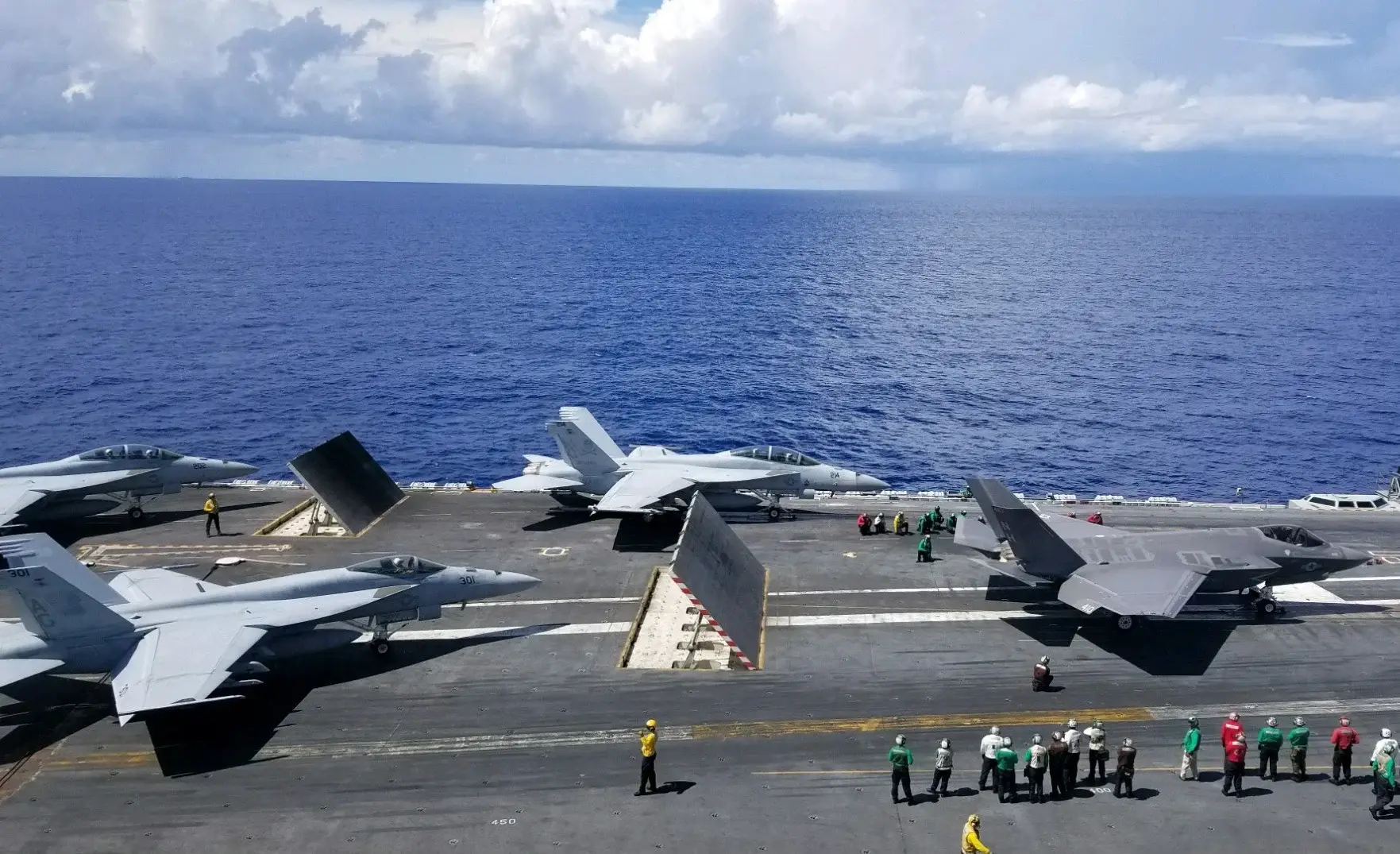
500-Foot Angled Deck
The USS Abraham Lincoln features an angled flight deck of just over 500 feet for landing. Pilots must expertly manoeuvre the F-35C onto this severely restricted space while the ship moves on open water. It demands absolute precision to avoid disaster.
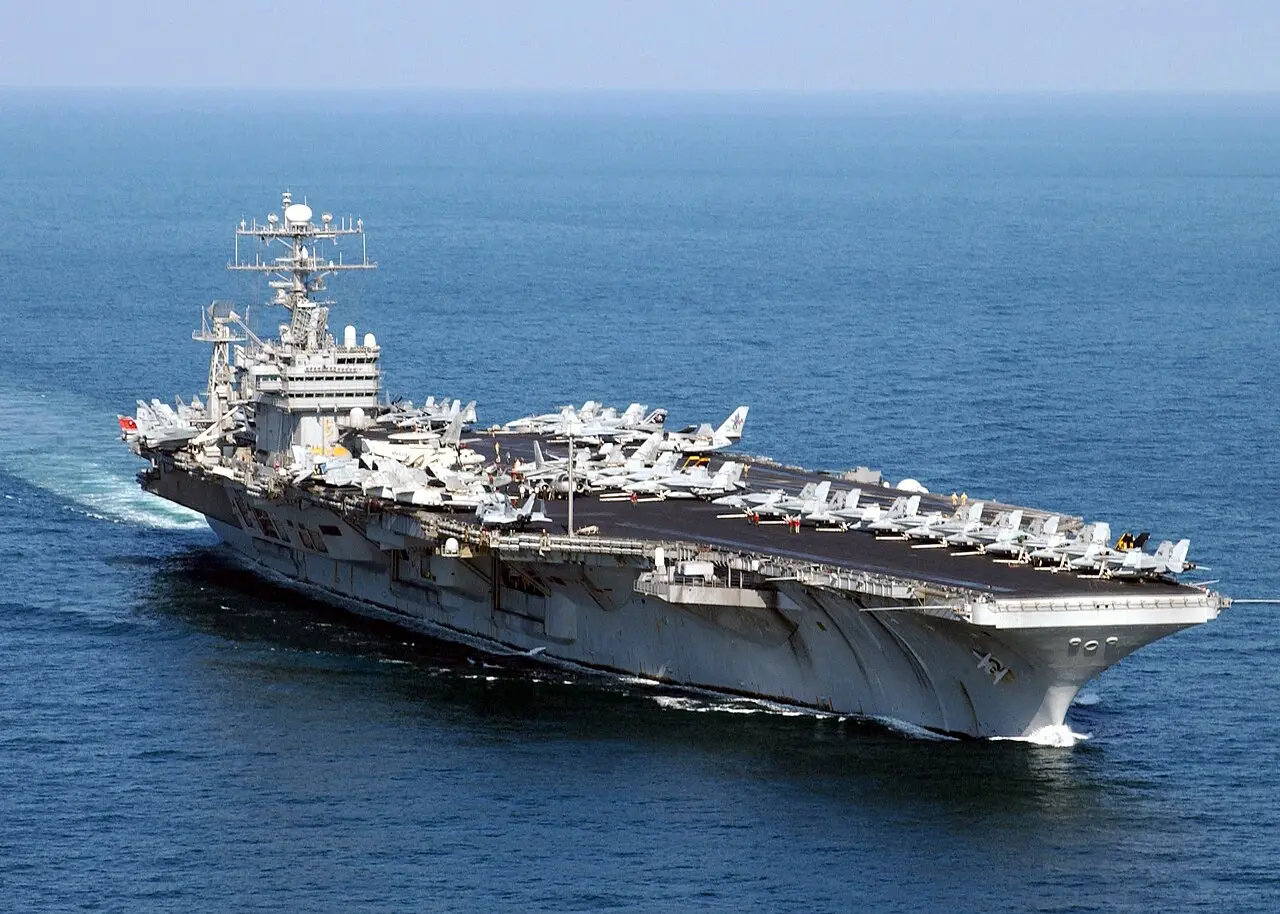
Landing At 150 MPH
Approaching the carrier, the F-35C descends at speeds reaching 155 miles per hour. The exact moment the wheels touch the deck, pilots slam the throttle to full power, ensuring they have maximum thrust to take off immediately if their tailhook misses the cable. Slowing down prematurely risks a fatal stall.
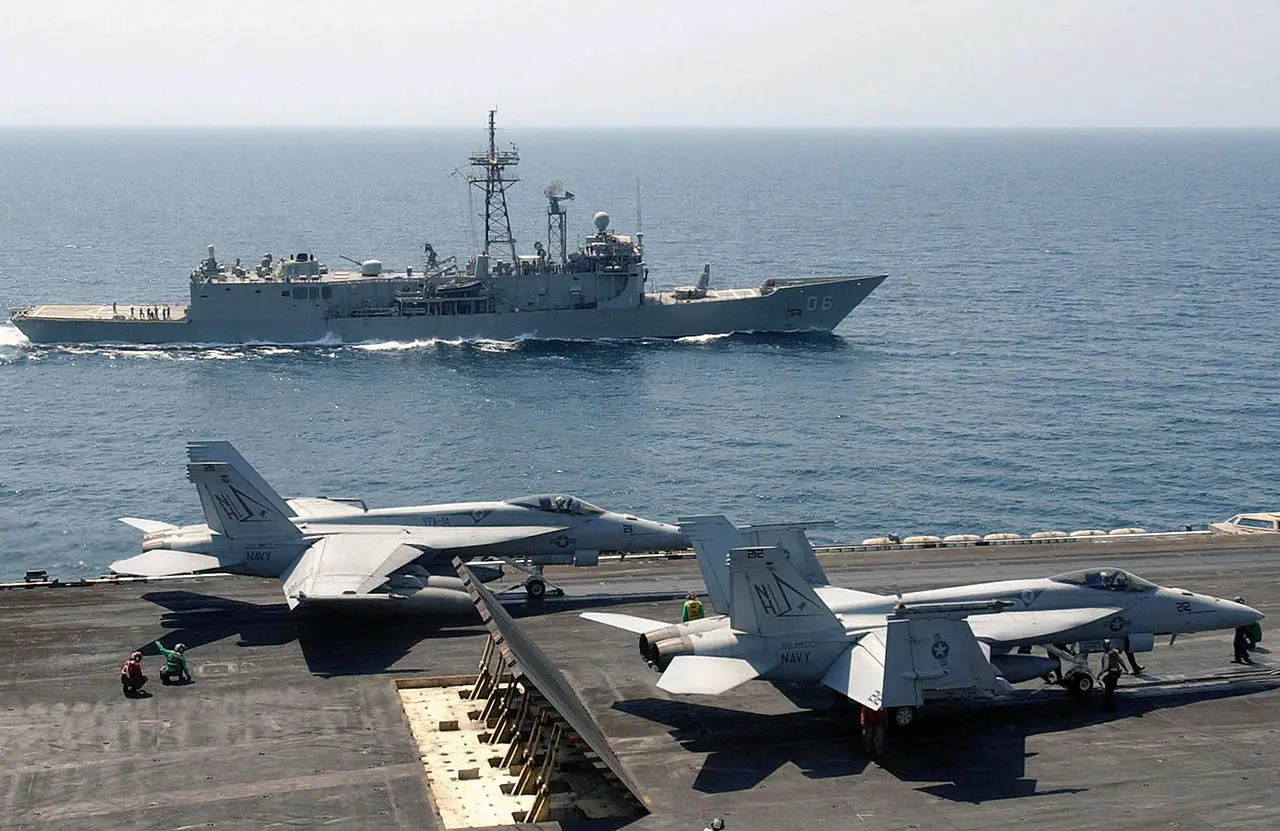
4 Steel Arresting Wires
The flight deck is equipped with four heavy-duty steel arresting cables spaced about 50 feet apart. The pilot aims to hook the third wire with the jet's tailhook. Missing all the cables forces the pilot to abort the landing and try again.
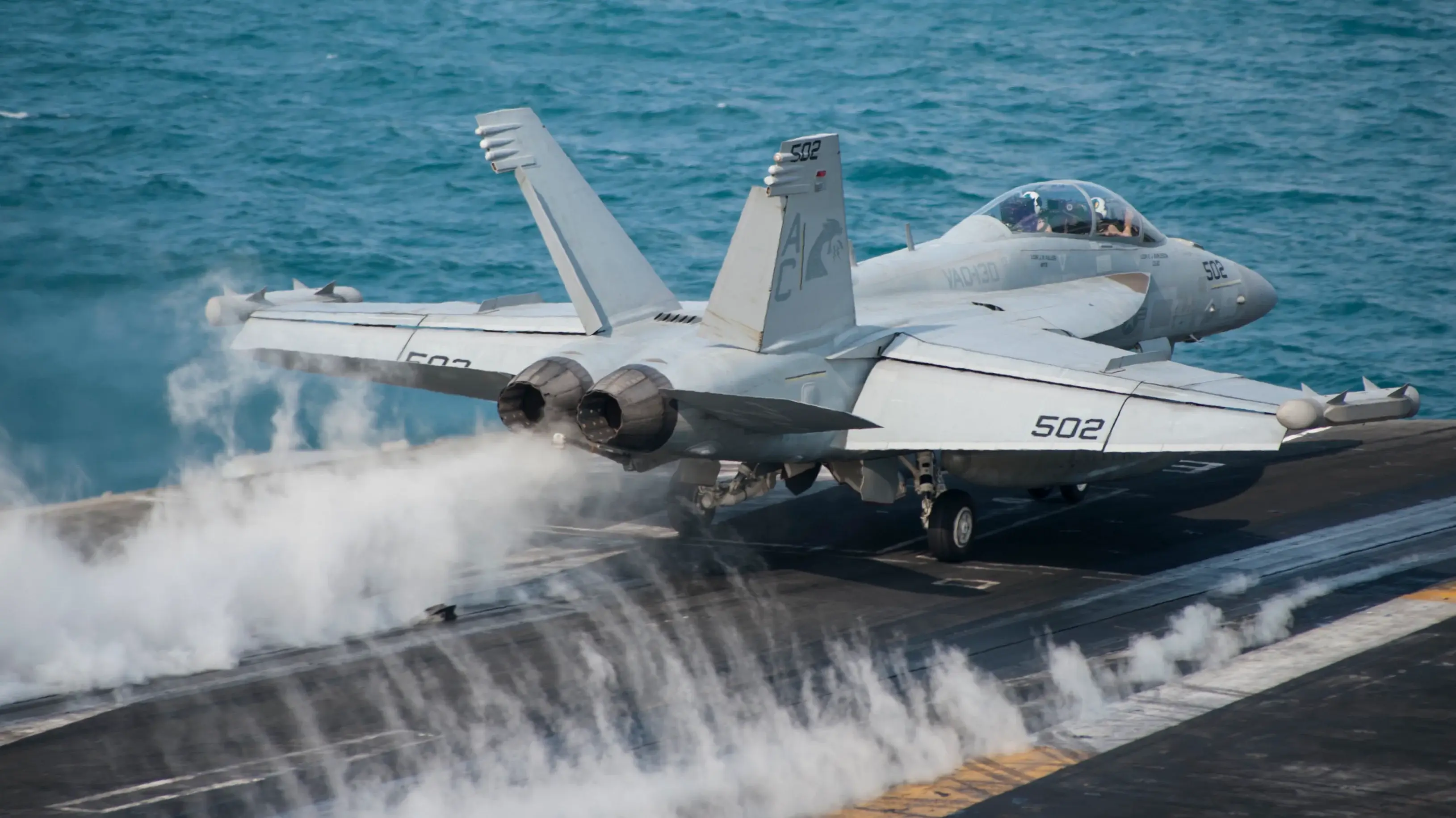
Stopping In 320 Feet
Once the tailhook successfully catches the wire, a hydraulic engine below the deck absorbs the massive kinetic energy. The advanced F-35C goes from 150 miles per hour to a complete standstill in just 320 feet. This sudden deceleration subjects aviators to extreme g-forces.
20-Foot Vertical Pitch
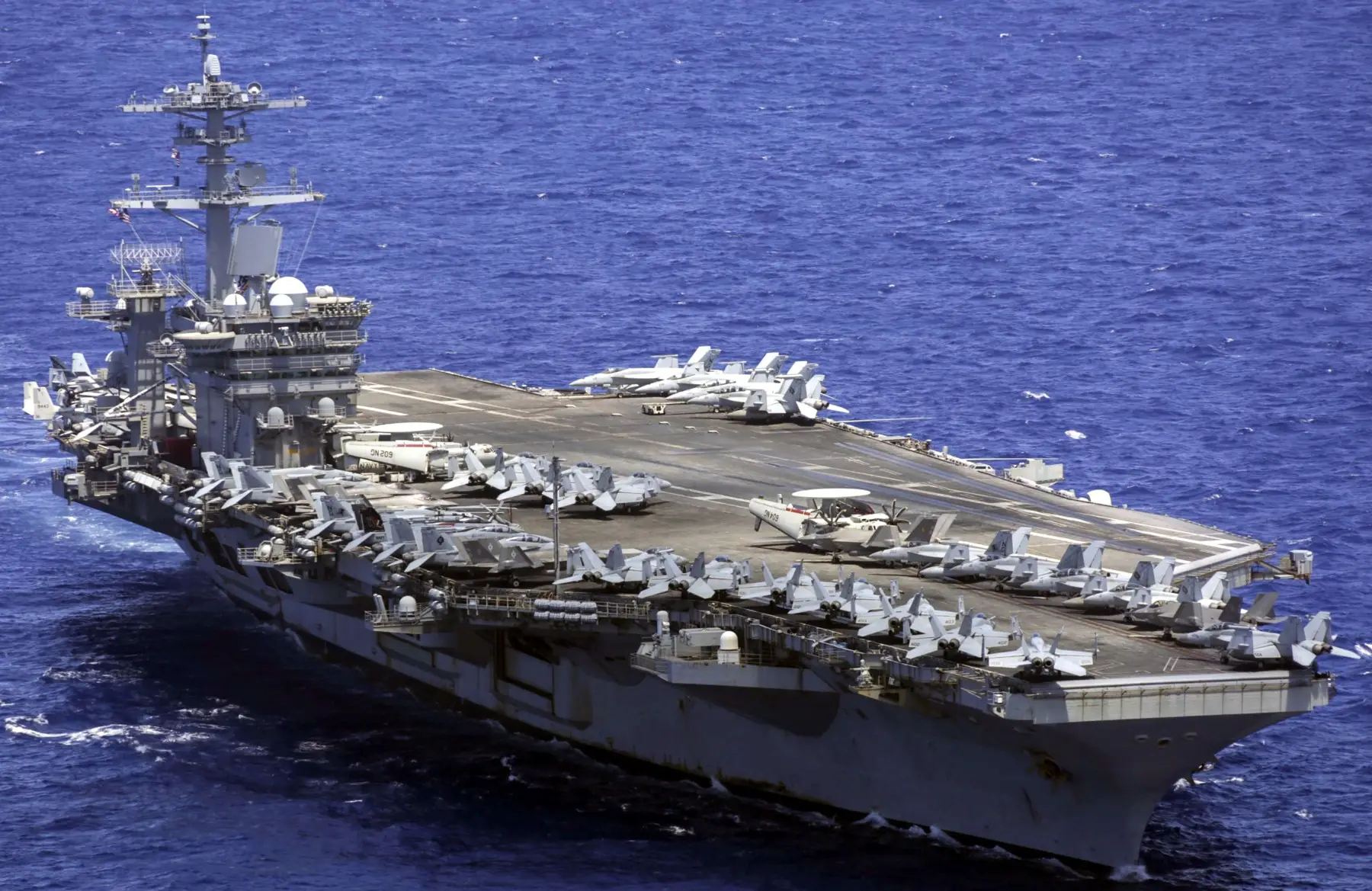
Aircraft carriers do not remain perfectly still, as ocean waves constantly cause the massive ship to pitch and roll. In rough sea conditions, the back of the USS Abraham Lincoln can shift vertically by up to 20 feet. Naval aviators must continuously adjust their glide slope to safely land on a constantly moving target.
Halting 31,800 Kilogrammes
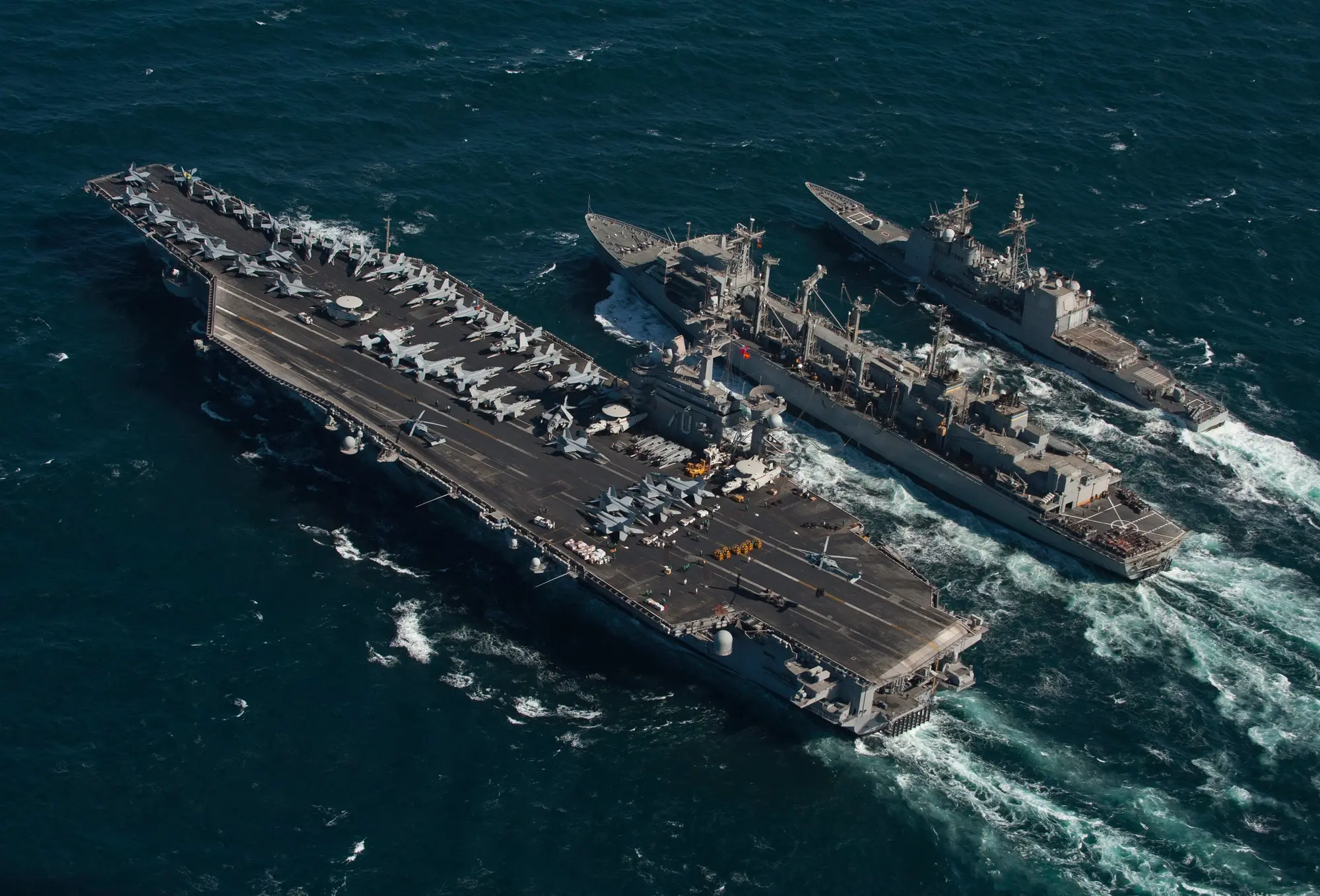
The F-35C has a maximum takeoff weight of 31,800 kilogrammes, making it an incredibly heavy machine to land safely. Its reinforced landing gear and larger 43-foot wingspan are engineered to withstand the brutal impact. Standard land-based jets would simply shatter under these stresses.
100 Per Cent Accuracy
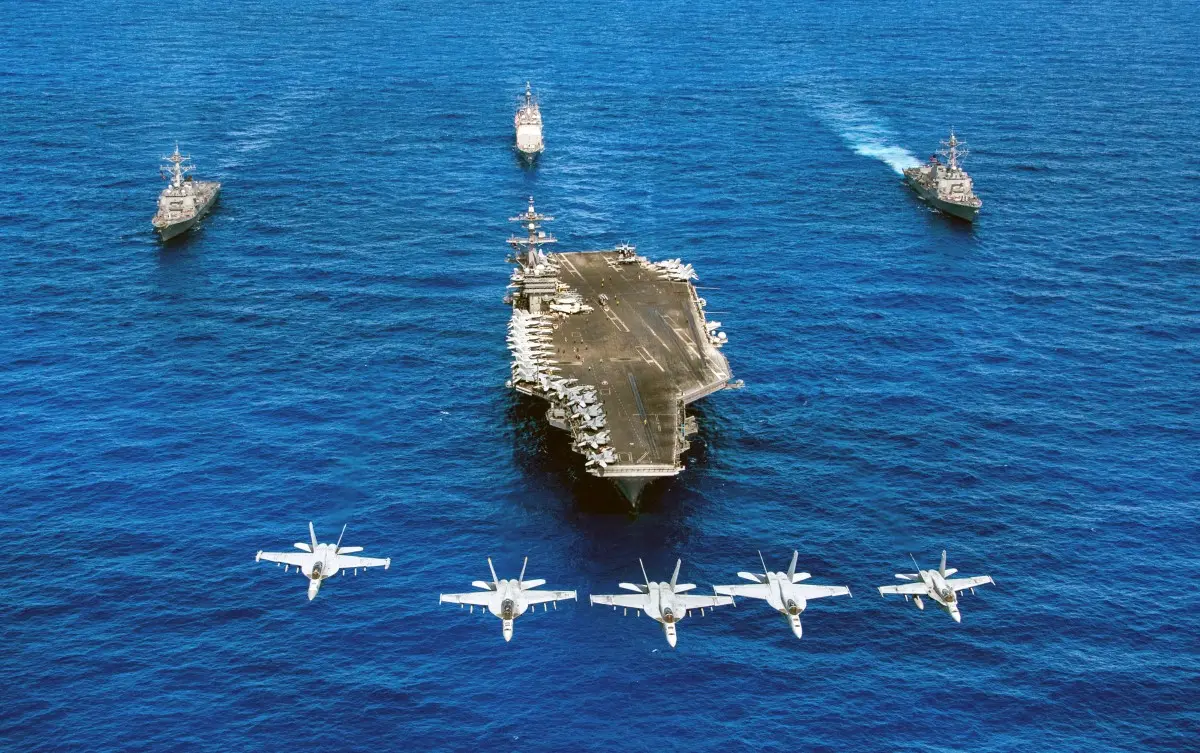
Night operations and severe weather drastically reduce visibility, forcing pilots to rely entirely on aircraft instruments. A minor miscalculation in approach angle or speed can lead to a fatal collision with the ship's stern. This requires 100 per cent accuracy from the aviators.
)
)
)
)
)