'The global Iron Dome rush': How many countries are racing to build their own versions?

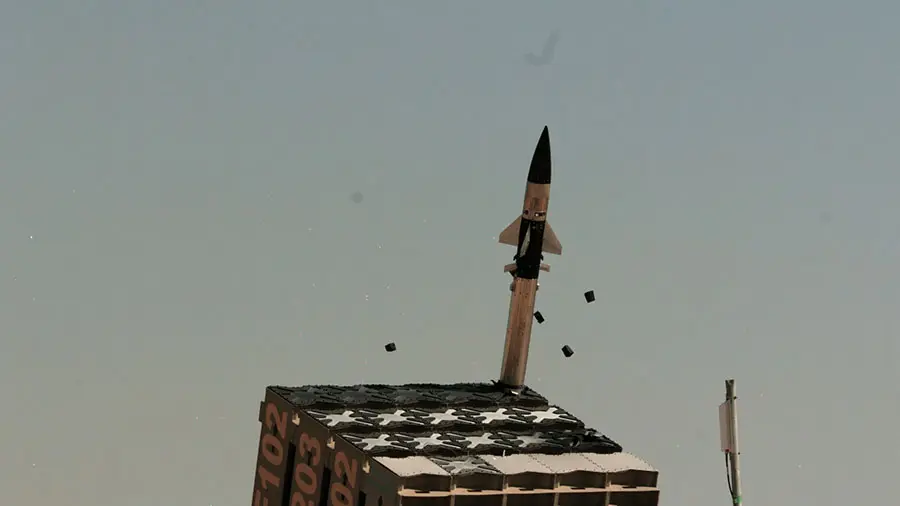
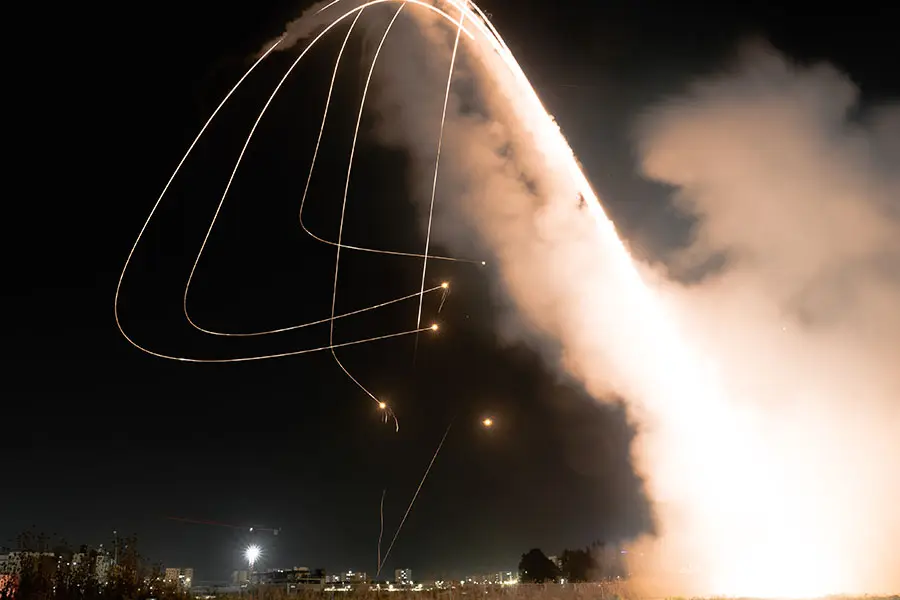
The Iron Dome is a product of the joint efforts of Israeli state-owned defense companies Rafael Advanced Defense Systems and Israel Aerospace Industries (IAI), with significant financial and technical support provided from the United States.
Why other nations are eyeing Iron Dome
The success of Iron Dome has not only reshaped Israel’s own defence strategy, but has even triggered a wave of interest worldwide. With defence forces of several countries actively working on missile shields, facing rocket, artillery or drone threats, the Iron Dome is seen as a model for protecting their cities, borders and critical infrastructure. Here are the top countries that have reportedly shown interest in acquiring or developing systems inspired by Iron Dome.

The United States and it's role
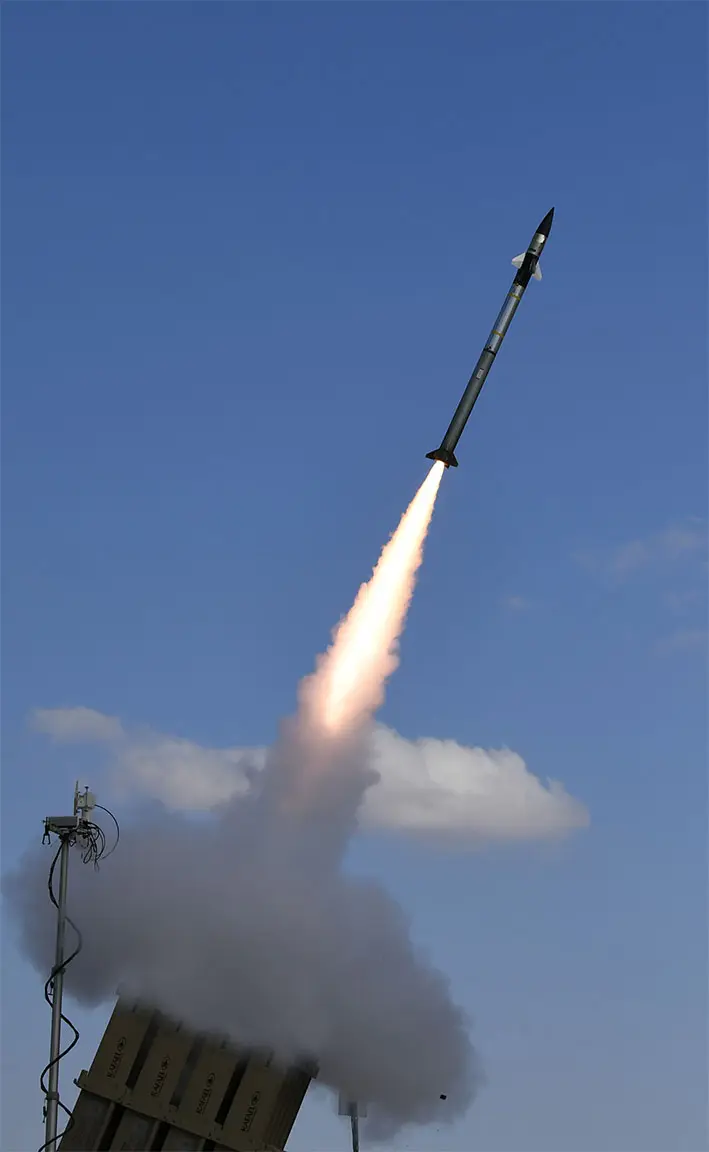
The Iron Dome is a product of the joint efforts of Israeli state-owned defense companies Rafael Advanced Defense Systems and Israel Aerospace Industries (IAI), with significant financial and technical support from the United States. US purchased Iron Dome components in 2019, although it is currently. building its own Golden Dome. Additionally the US is integrating the Israeli Iron Dome technology by producing its own version, called SkyHunter, through a Raytheon-Rafael joint venture, with new US facilities making these Tamir interceptor missiles for both the US Marine Corps (MRIC system) and Israel.
Countries that have already bought or sought Iron Dome tech
Azerbaijan is among the first to confirm purchase of Iron Dome–type air-defence systems. Several others, including radar-network buyers such as Canada, Slovakia and Hungary, have also worked with Israeli manufacturers on components or radar systems similar to those used in Iron Dome.
New indigenous 'Dome-style' systems under development
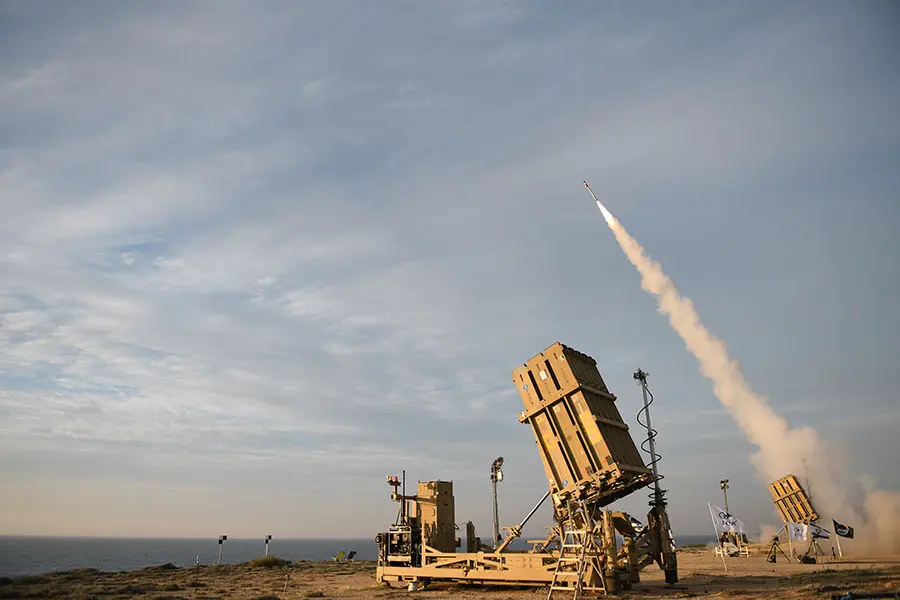
Several countries are going beyond procurement: They are attempting to build their own 'dome-style' defences. South Korea has announced a project known as the Low Altitude Missile Defense (LAMD), referring to it as a 'Korean-style Iron Dome' aimed at countering artillery and rocket salvos from its northern neighbour, according to media reports. Taiwan has also recently unveiled its planned T-Dome system. Earlier Italian aerospace group Leonardo unveiled its plans for 'Michelangelo Dome' air defence system, inspired from Israel's Iron dome. According to the Times of Israel, the system will be fully operational by 2028 and would protect key sites from emerging threats, including hypersonic missiles and drones.
European and wider global interest
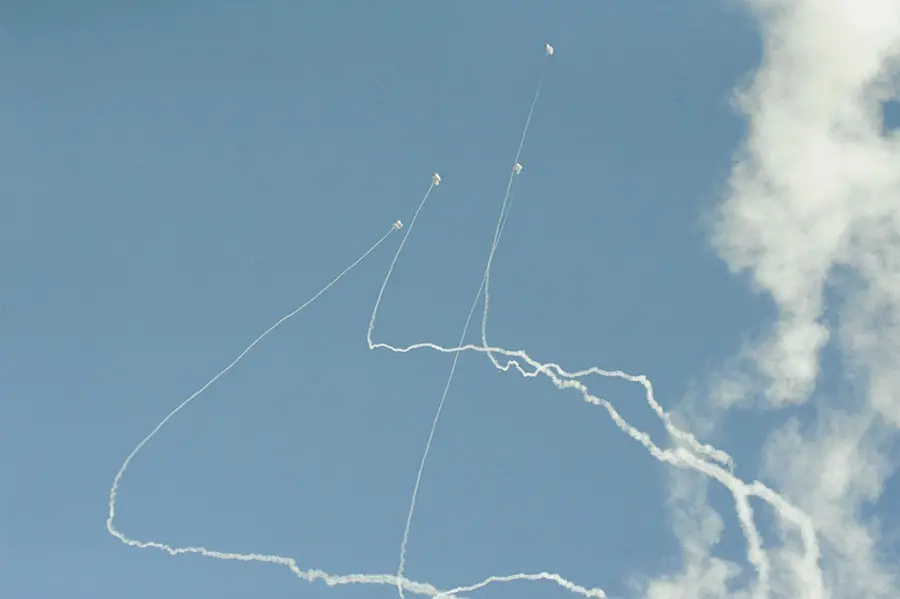
Across Europe and beyond, the concept of a 'dome-style' shield is influencing defence planning. Some European nations are considering short-range, multi-layered systems as part of broader initiatives to modernise their air and missile defences. This appeal lies in Iron Dome’s mix of mobility, effectiveness against short-range threats, 27/7 operation in all weather conditions and lower operational cost compared with long-range missile interceptors.
Why dome-inspired systems appeal internationally
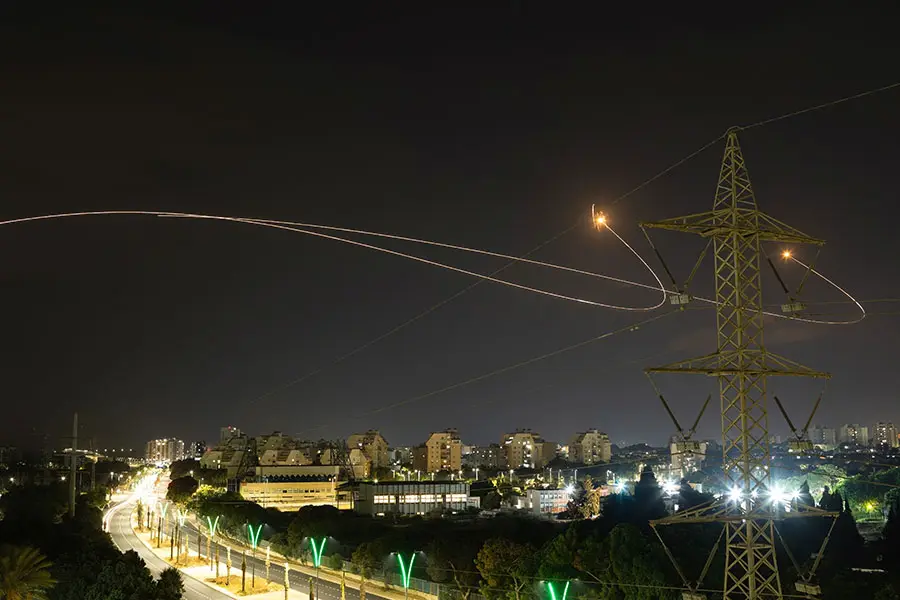
The attraction to Iron Dome-style systems stems from their ability to deal with 'cheap but deadly' threats, rockets, mortars, drones, common in asymmetric warfare and regional conflicts. Their relatively low cost per interception, combined with radar-guided targeting and selective interception (only threats heading toward populated areas are engaged), makes them economically and strategically attractive.
Challenges for imitation and local development
However, replicating Iron Dome is not trivial. The development requires a complex integration of radar detection, battle-management systems, high-speed tracking, and interceptor production or acquisition. Political, financial and technical hurdles often delay or dilute plans.
)
)
)
)
)