'The first alien broadcast?': The bizarre Voyager data that baffled NASA scientists

Voyager 1 and 2 are over 15 billion kilometres from Earth, sending strange electrical signals and bursts of plasma waves. While NASA investigates natural causes, others wonder: Could it be something more? Know what Voyager found at the edge of our solar system.

Voyager’s Journey into Interstellar Space
Voyager have travelled over 15 billion kilometres from Earth since 1977. They entered interstellar space, beyond the Sun’s protective bubble called the heliosphere, continuing to send scientific data.
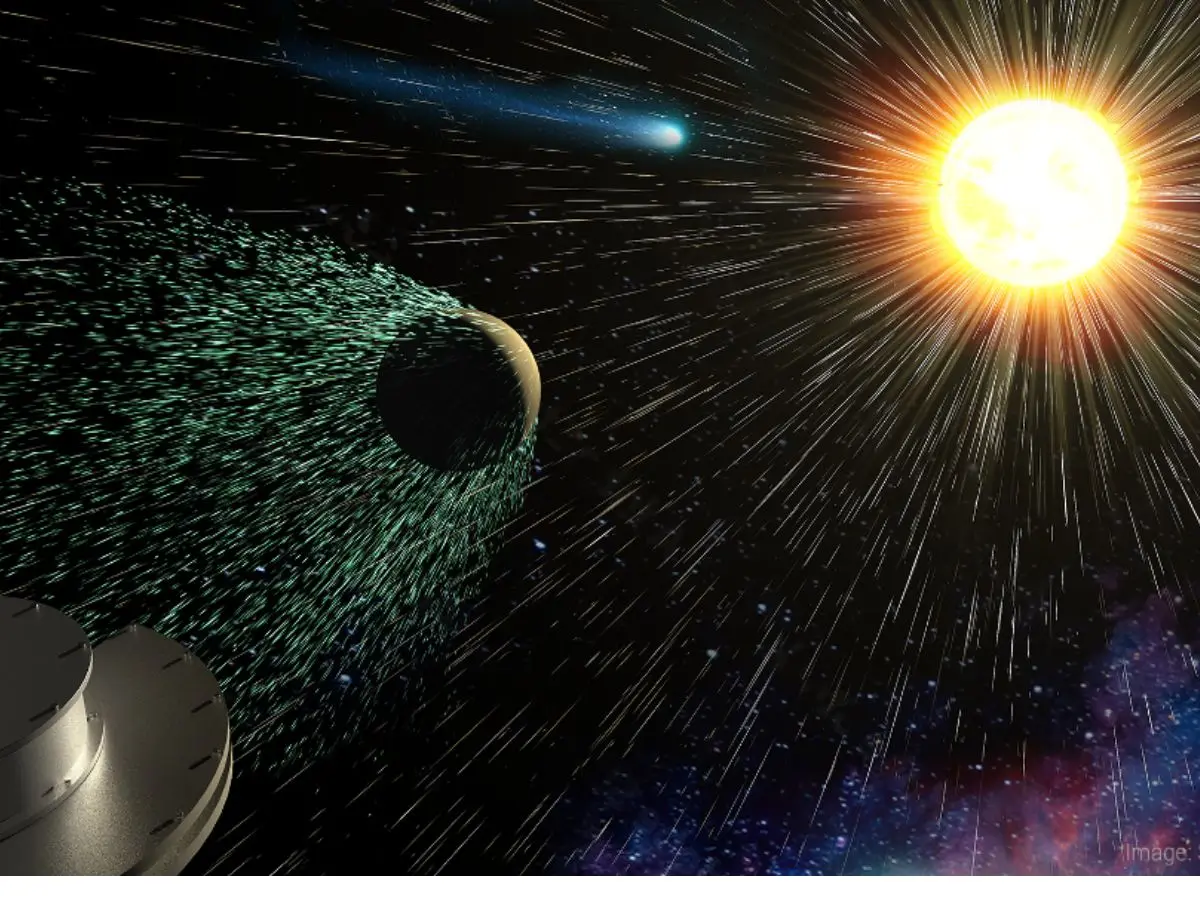
Unexpected Increase in Electrical Activity
In recent years, scientists observed stronger than expected electrical activity in the heliosphere. This includes intense bursts of plasma waves and charged particles around Voyager.
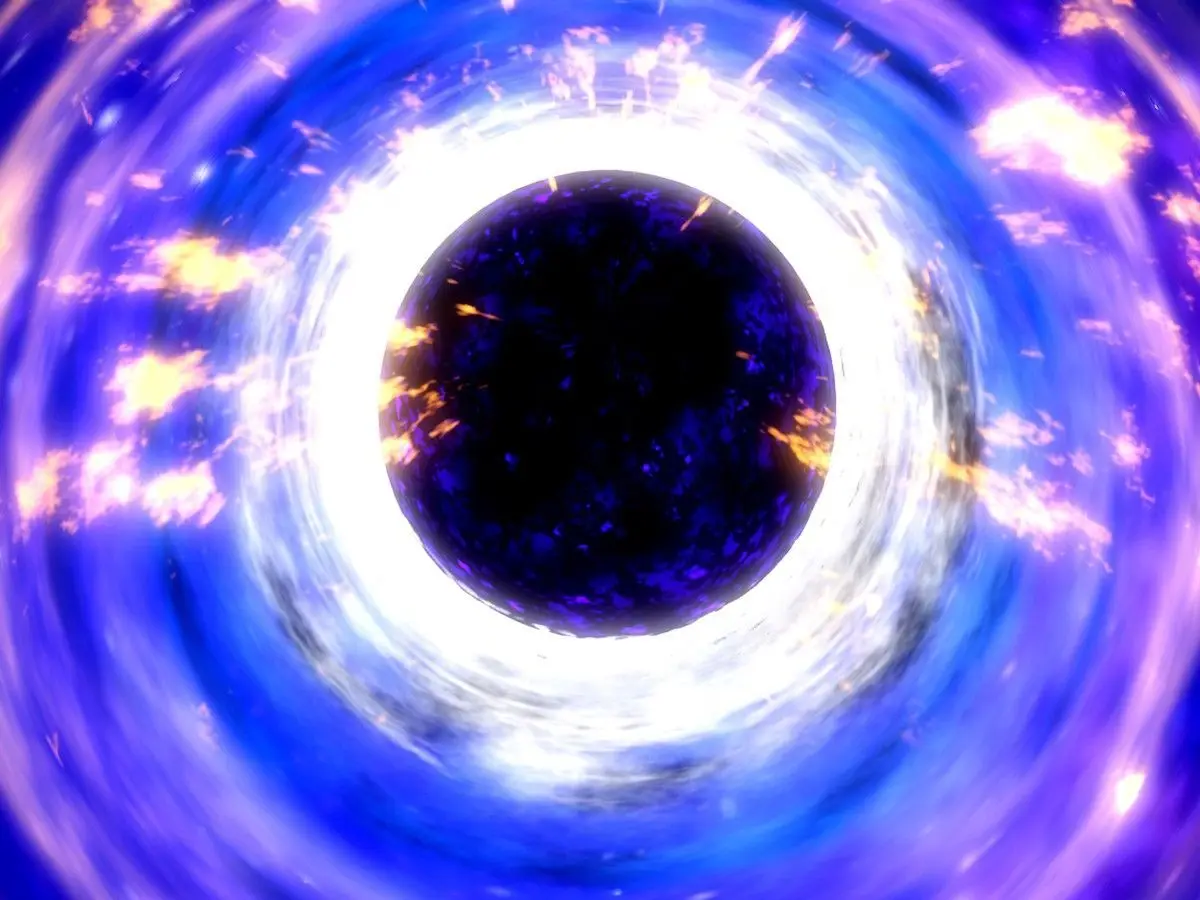
Instruments Measuring Electrical Phenomena
Voyager’s plasma wave instrument and magnetometer detect electric and magnetic fields. They record fluctuations caused by solar eruptions and interactions with interstellar wind.
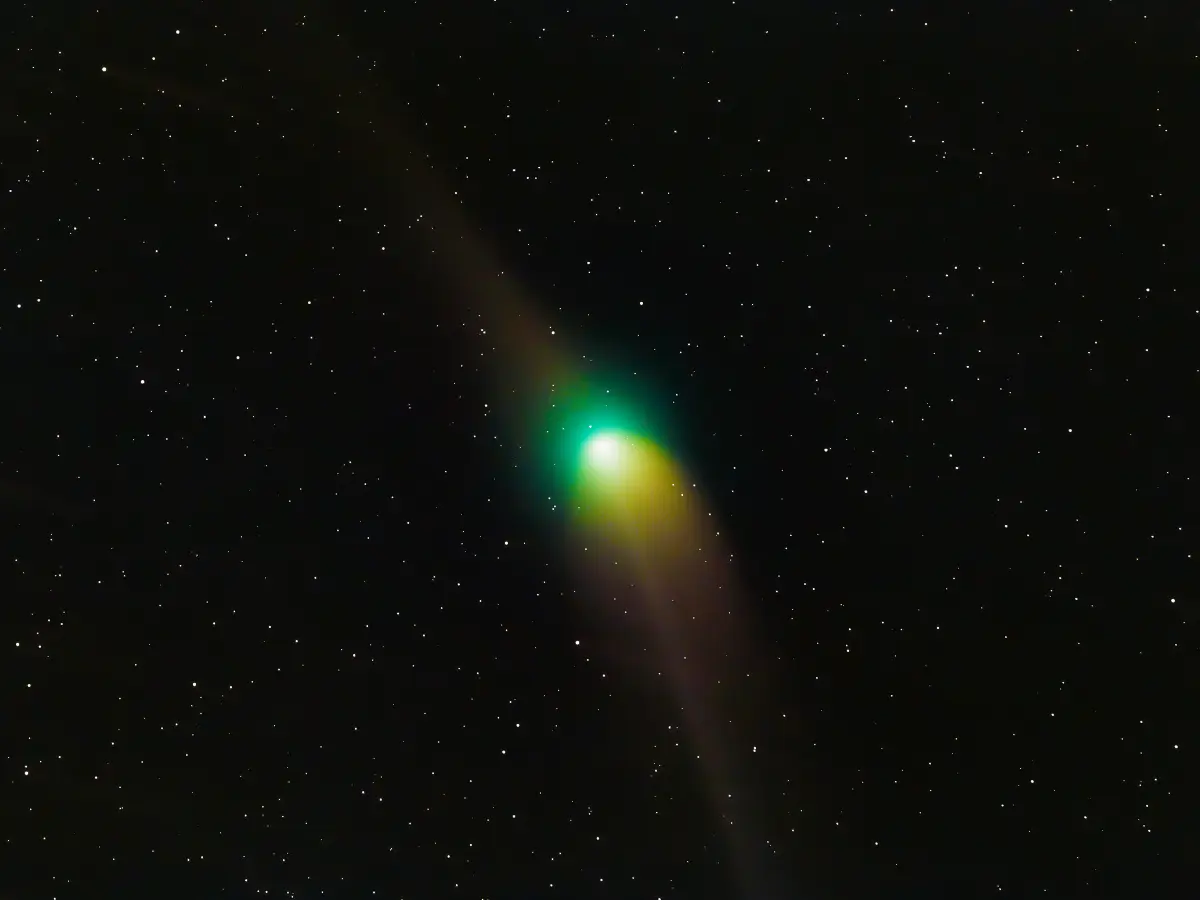
Baffling Data and Unusual Signals
Some of Voyager’s telemetry data, especially from systems monitoring spacecraft orientation, have been unusual sometimes appearing as noise or garbled signals, puzzling engineers.
Could the Signals be Alien?
While Voyager’s team considers natural causes for the strange data, some speculate these bursts might be unexpected forms of communication or signals from extraterrestrial sources.
Scientists’ Efforts to Understand
NASA engineers continue to analyse the electrical bursts and work on deciphering Voyager’s complex telemetry. They aim to separate meaningful data from noise and learn about space phenomena at the Solar System’s edge.
What Could This Mean for Space Exploration?
These discoveries show the heliosphere is more dynamic than thought and raise exciting questions about what lies beyond. Voyager keeps sending surprises from the frontier of human exploration.
)
)
)
)
)