'The far edge': What NASA's Voyager-1 is teaching us about life beyond solar system?

Data from Voyager 1 revealed how our solar system’s magnetic bubble protects us from harmful cosmic radiation, offering clues for future deep space missions.
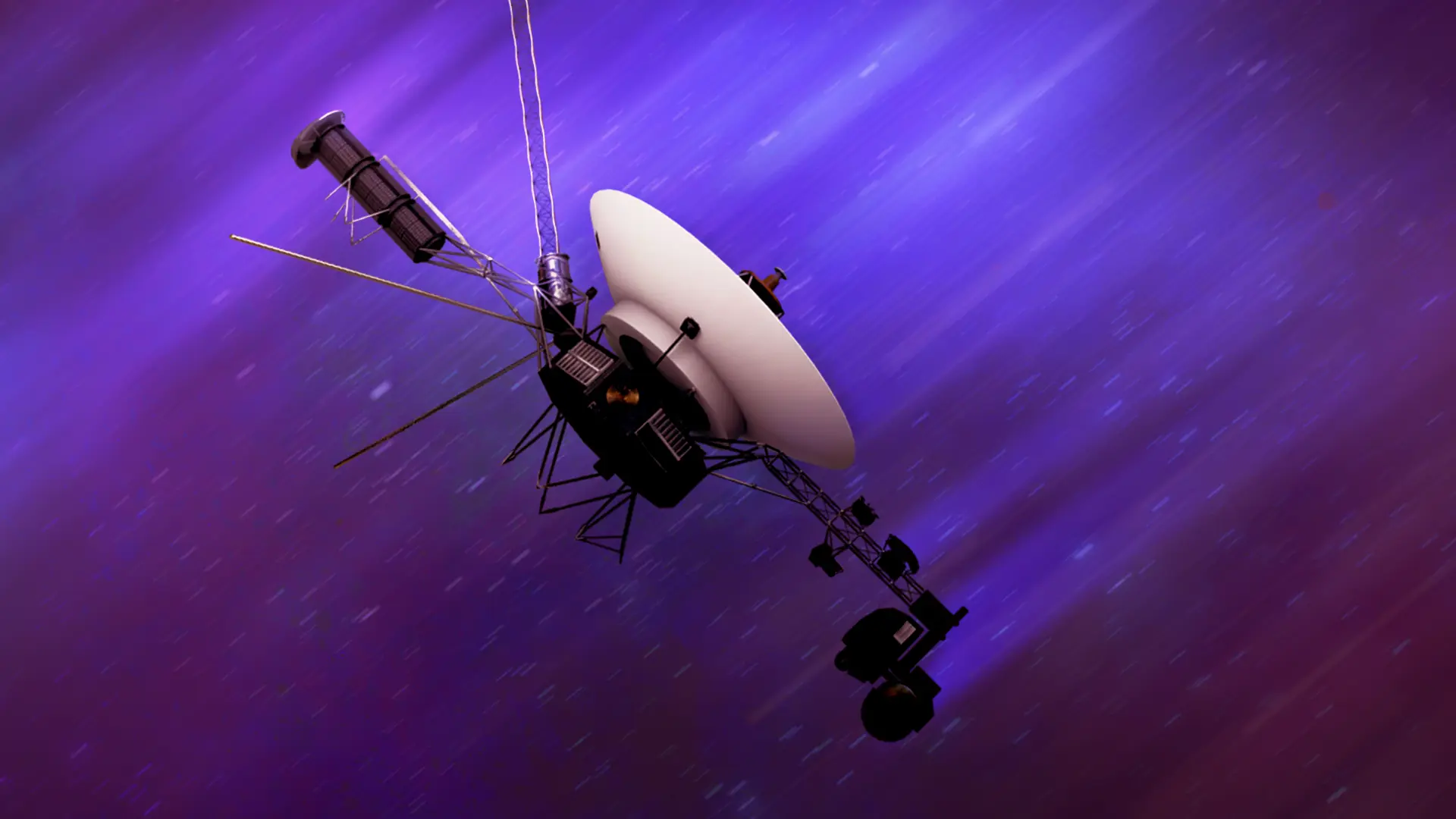
The Pioneer That Kept Going
Launched in 1977, NASA’s Voyager 1 wasn’t just built to study planets, it became the first human-made object to reach interstellar space. Decades later, it’s still sending back priceless data.
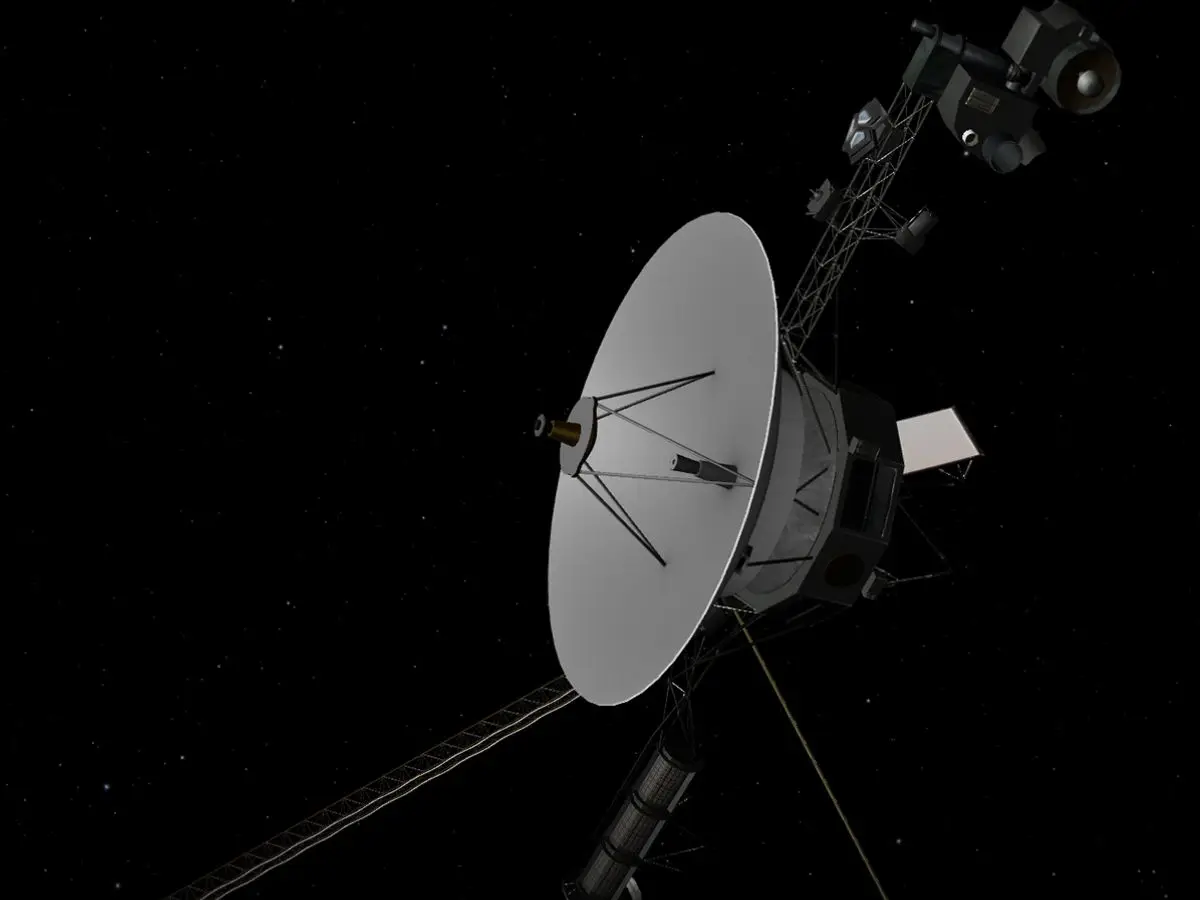
Crossing the Final Frontier
In 2012, Voyager 1 crossed the heliopause, the boundary where the Sun’s influence ends. This marked humanity’s first step into the space between the stars.
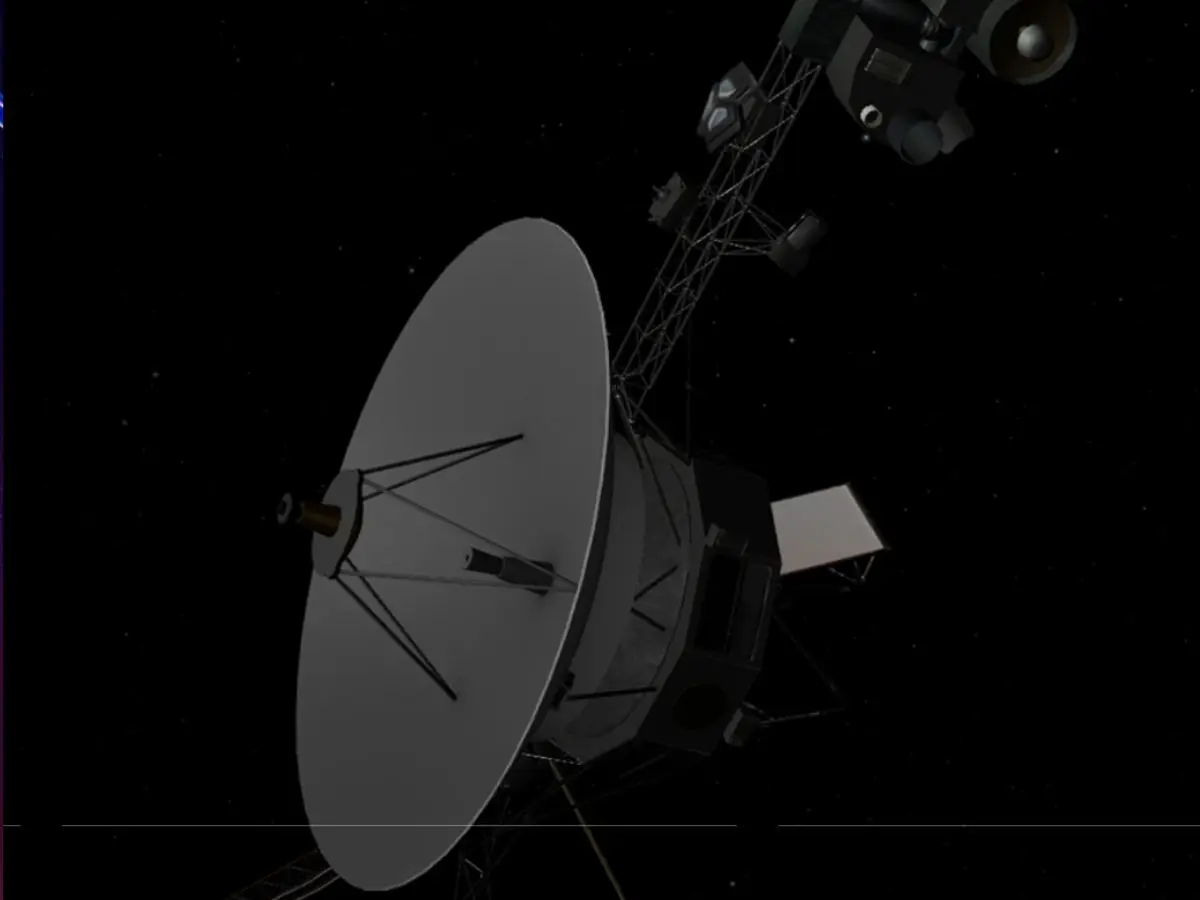
Listening to the Cosmic Sea
Its instruments detect plasma waves and cosmic rays, helping scientists understand the environment of interstellar space, a place no probe had explored before.
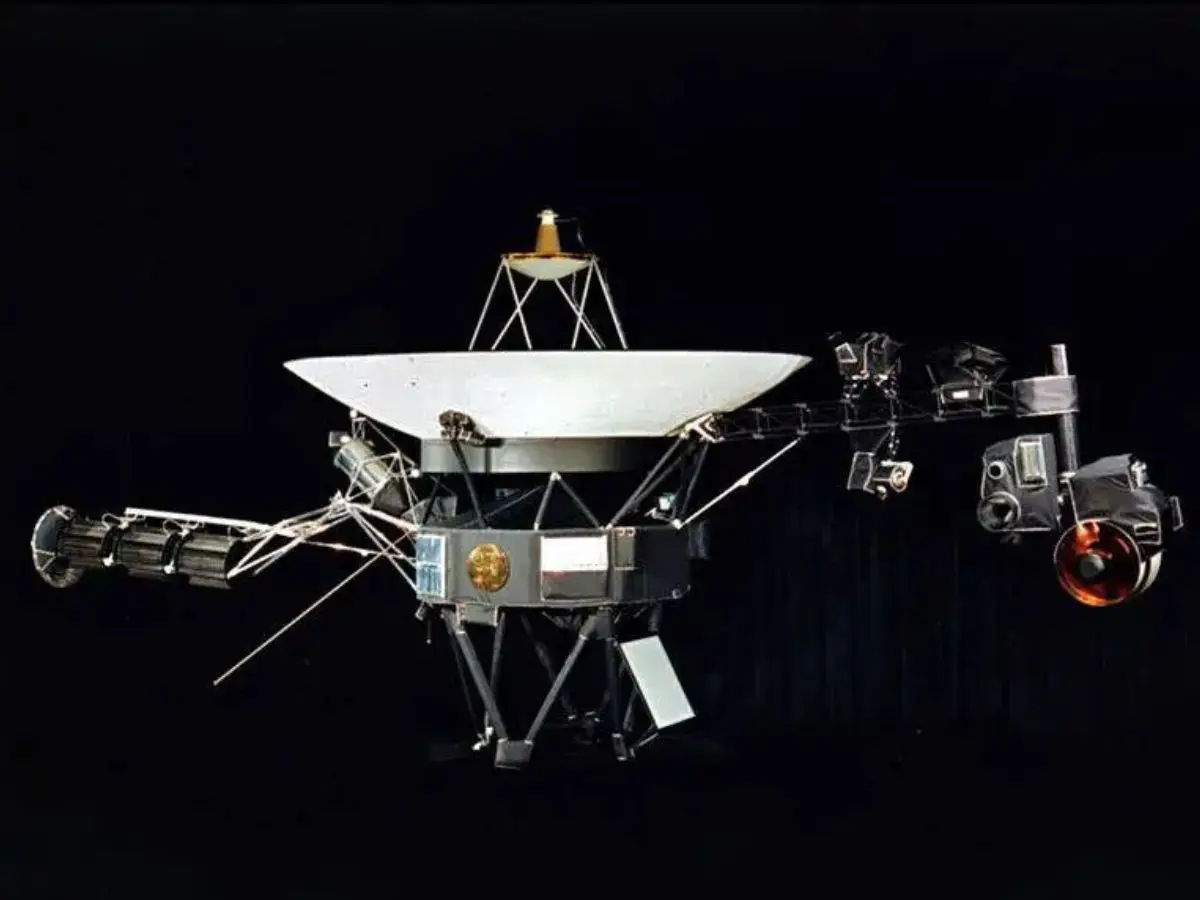
A Glimpse Into Our Solar Shield
Data from Voyager 1 revealed how our solar system’s magnetic bubble protects us from harmful cosmic radiation, offering clues for future deep space missions.
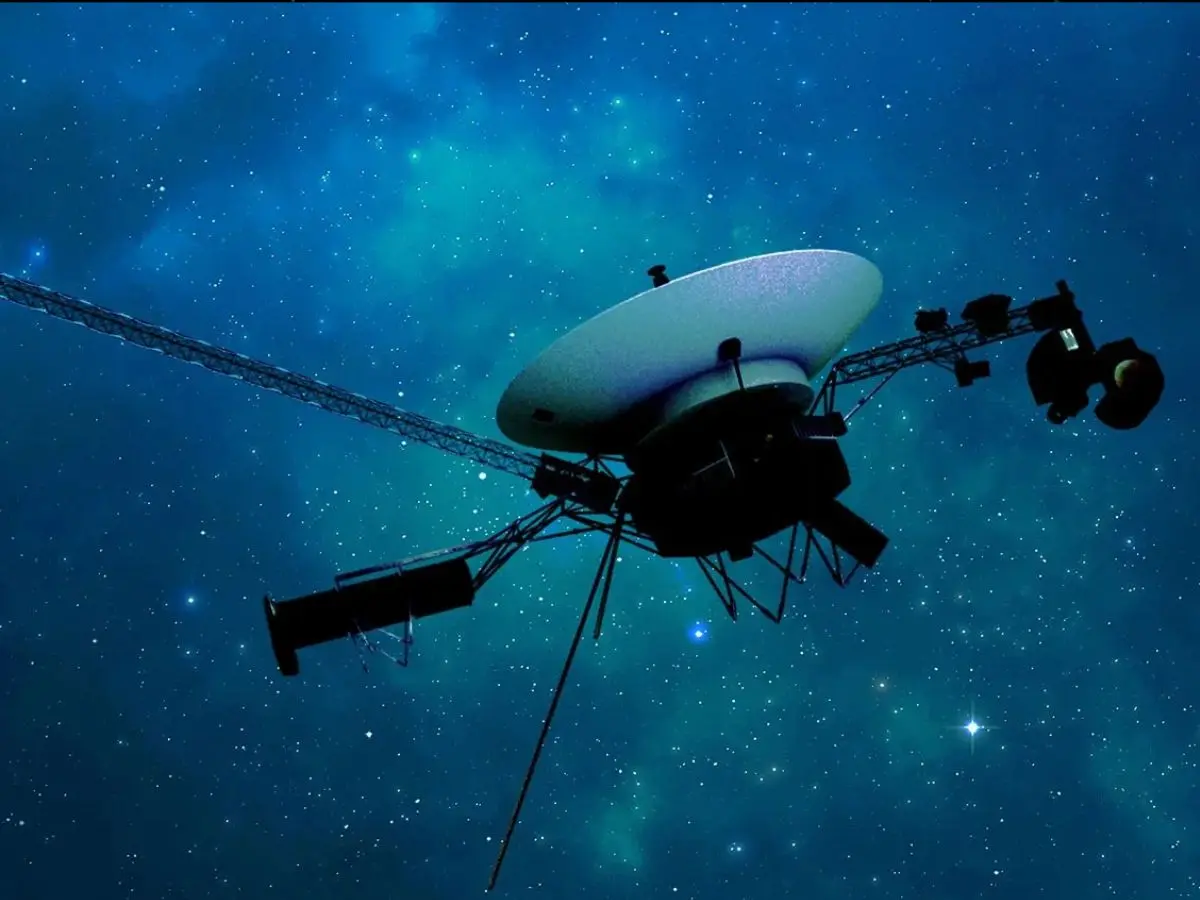
Technology Older Than Your First Calculator
Running on computers with less power than a basic digital watch, Voyager 1’s continued operation is a triumph of 1970s engineering and NASA’s ingenuity.
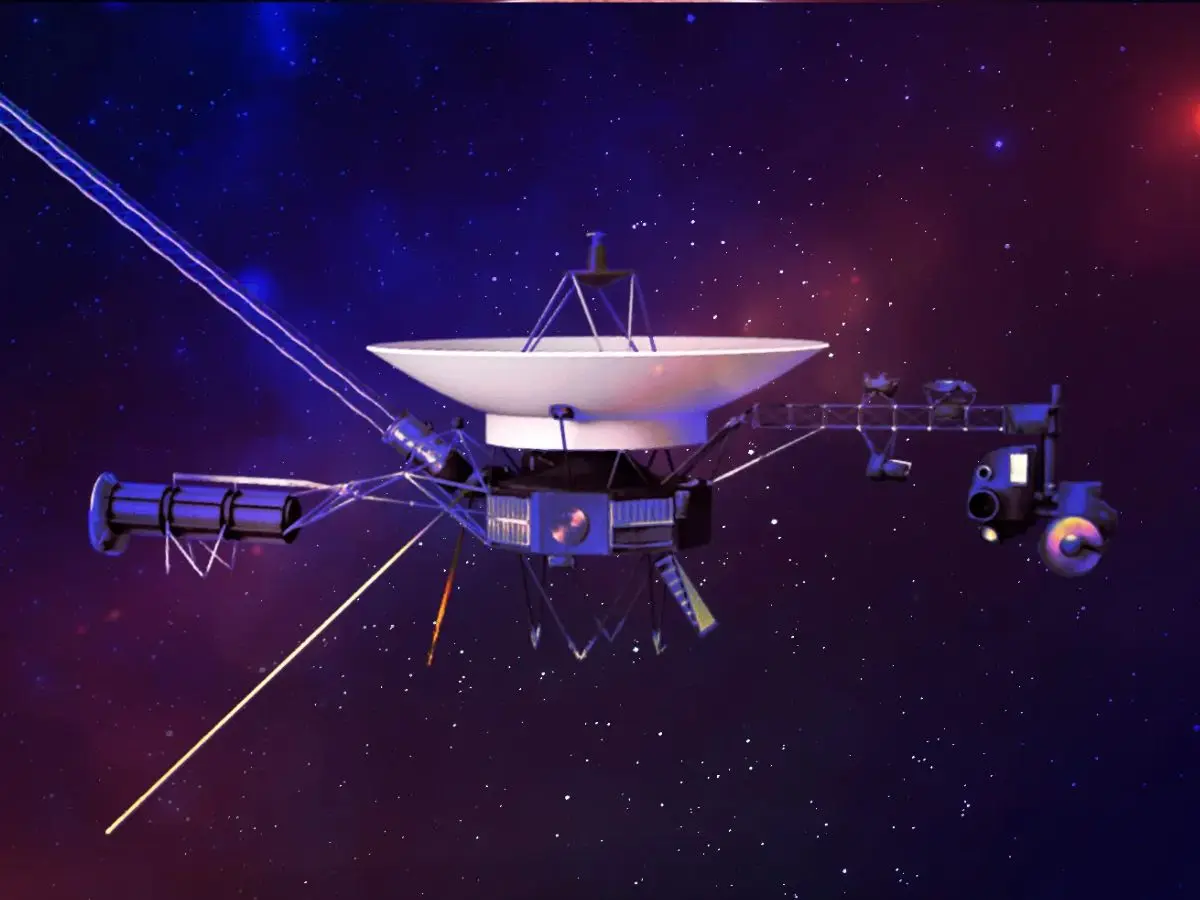
The Golden Record — A Message to the Cosmos
Aboard the spacecraft is a “Golden Record” with sounds, images, and greetings from Earth, our time capsule for any distant civilisation that might encounter it.
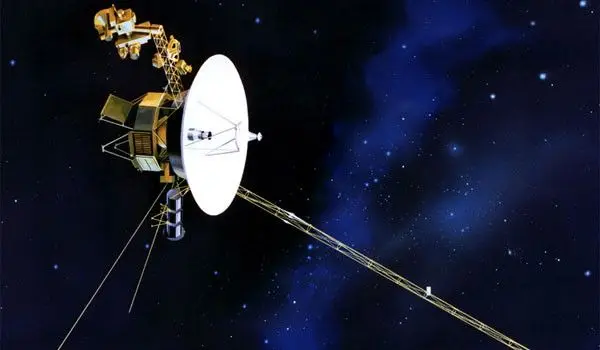
Still Going, Still Discovering
At nearly 15 billion miles from home, Voyager 1 continues its silent journey, expanding our understanding of the galaxy and showing what’s possible with persistence and vision.
)
)
)
)
)