‘The F-35C exception’: Why this fighter jet doesn’t need afterburners for takeoff from USS Abraham Lincoln

Due to its massive 43-foot wingspan and 28,000 pounds of dry thrust, the F-35C Lightning II routinely launches from the USS Abraham Lincoln without needing fuel-heavy afterburners.
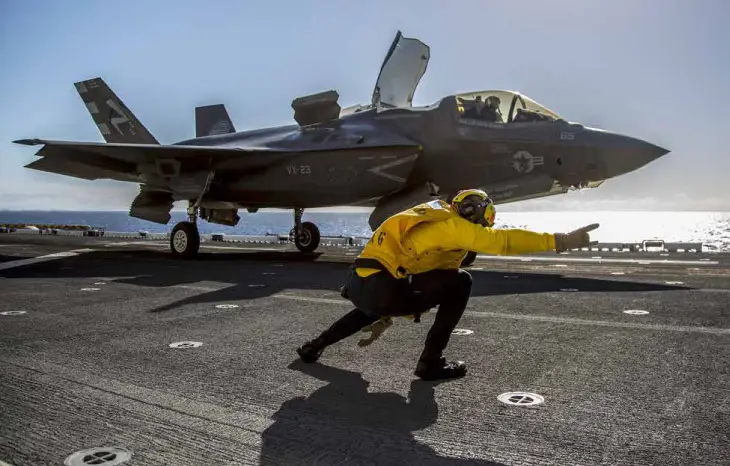
The afterburner
Historically, many carrier-based jets relied on afterburners a system that injects raw fuel directly into the exhaust to generate the massive thrust needed for a short catapult launch.
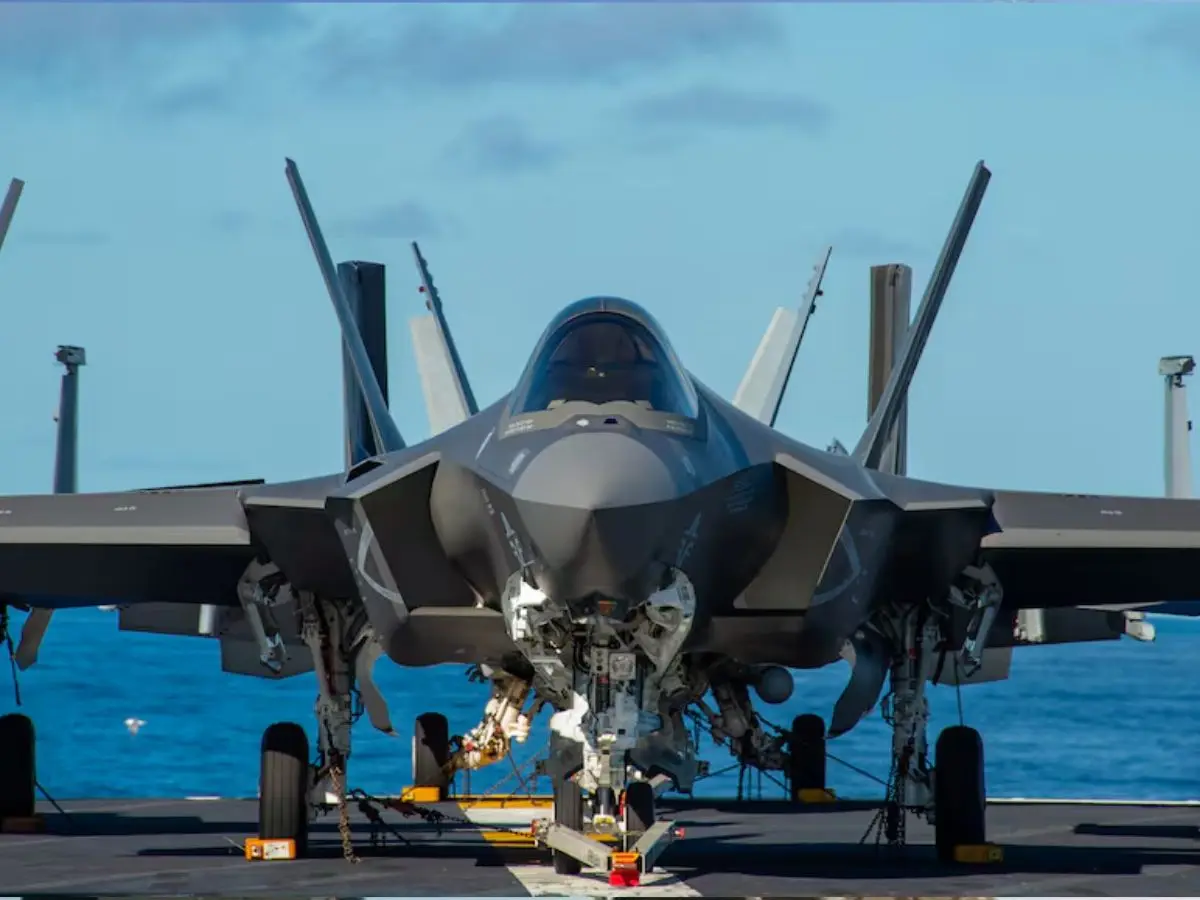
The F-35C exception
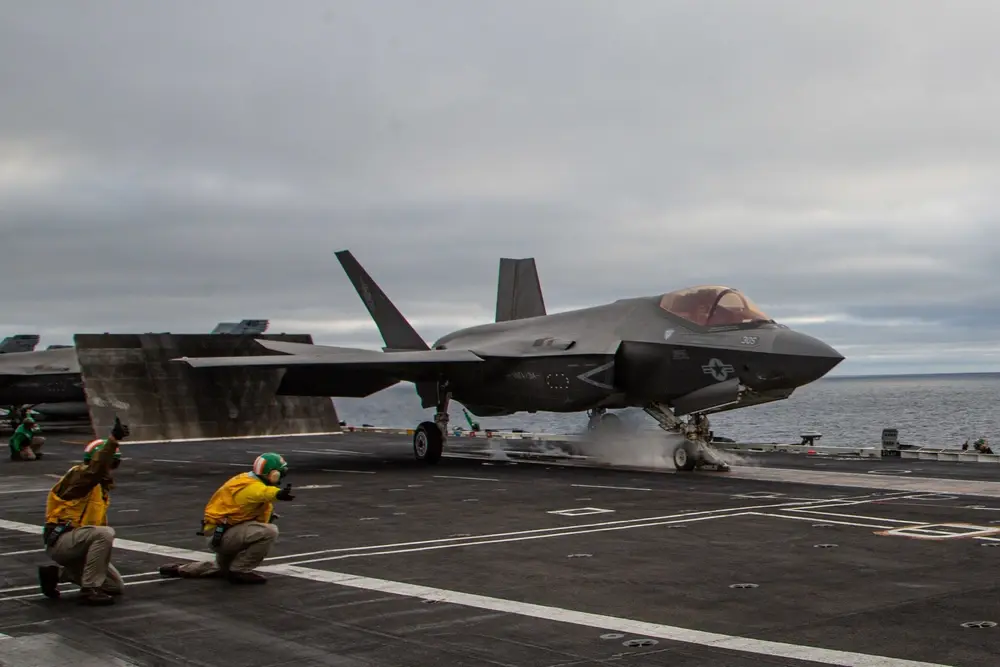
Unlike legacy jets, the F-35C Lightning II routinely launches from the flight deck of carriers like the USS Abraham Lincoln using standard 'military power', completely bypassing the need for afterburners.
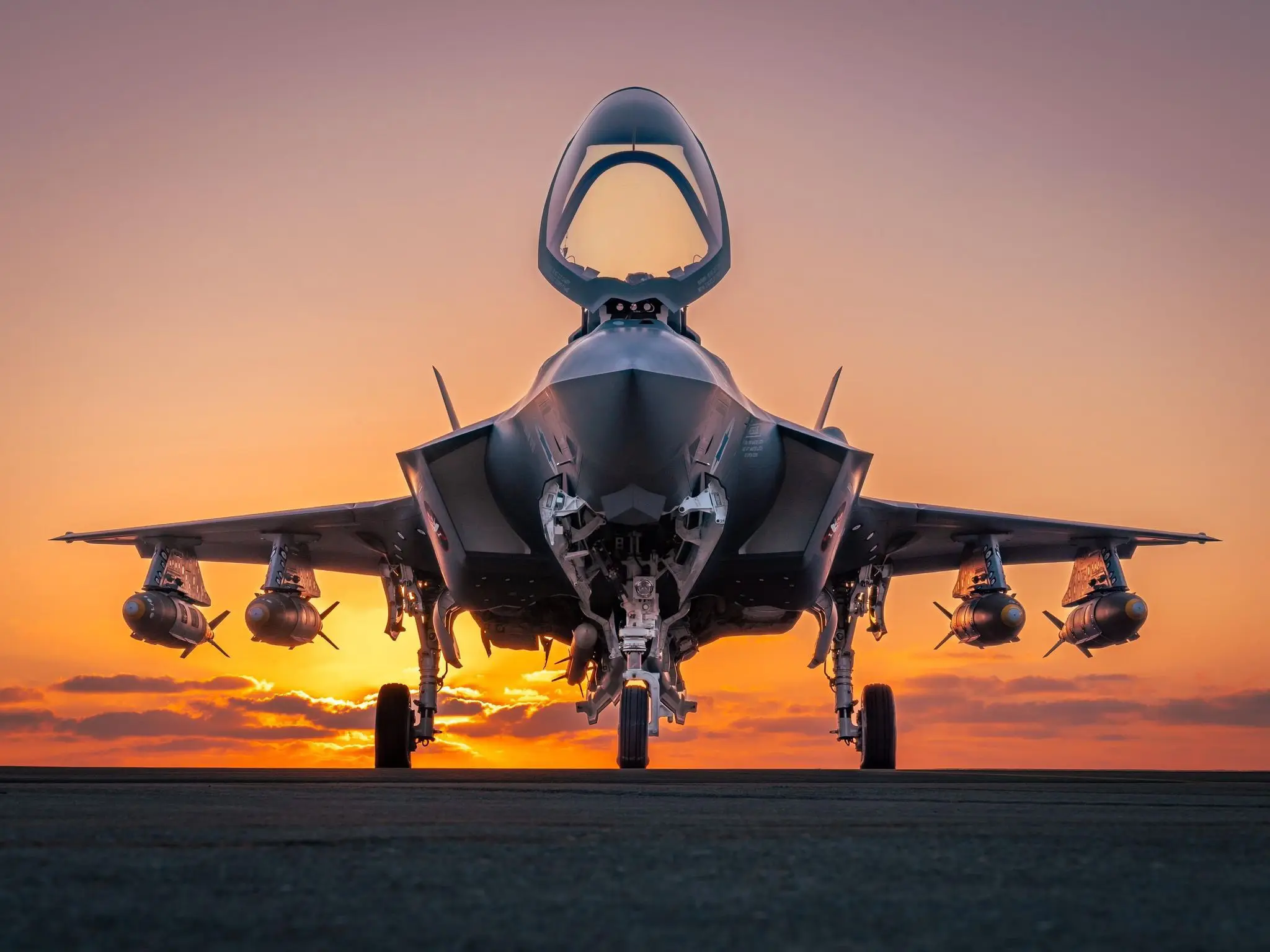
The massive F135 engine
This capability is driven by the Pratt & Whitney F135 engine, the most powerful fighter engine ever built. Even without its afterburner engaged, it generates a staggering 28,000 pounds of dry thrust.
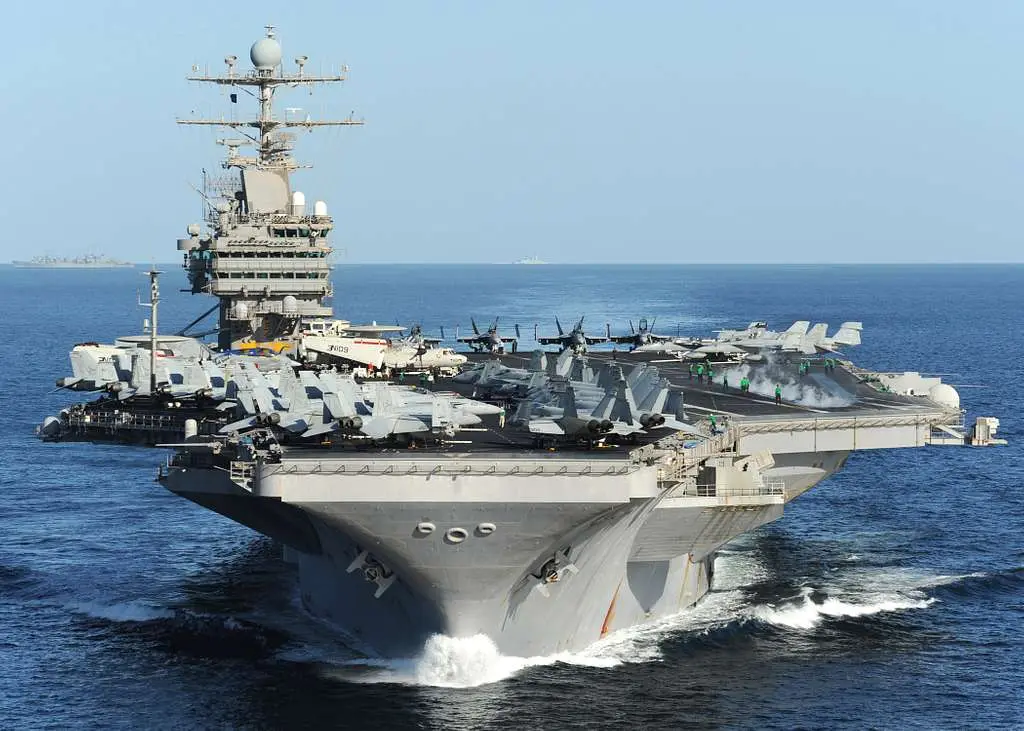
Oversized carrier wings
The F-35C features a wingspan of 43 feet, which is significantly larger than its land-based counterparts. This expanded surface area provides immense aerodynamic lift at the very low speeds experienced right after a catapult shot.
Saving critical fuel
Igniting afterburners burns through jet fuel at an incredibly rapid rate. By launching on dry thrust, the F-35C preserves its internal fuel capacity, allowing for longer combat missions without needing immediate aerial refuelling.
Protecting the flight deck
Afterburner exhaust creates extreme heat that can severely damage the carrier's Jet Blast Deflectors (JBD) over time. Launching without it reduces this thermal stress on the USS Abraham Lincoln's infrastructure.
The stealth advantage
Avoiding afterburners also minimises the aircraft's thermal and acoustic signature during takeoff. This helps the fifth-generation fighter maintain a much lower profile right from the moment it leaves the ship.
)
)
)
)
)