Can the USS Abraham Lincoln really survive a massive wave of Iranian suicide drones?

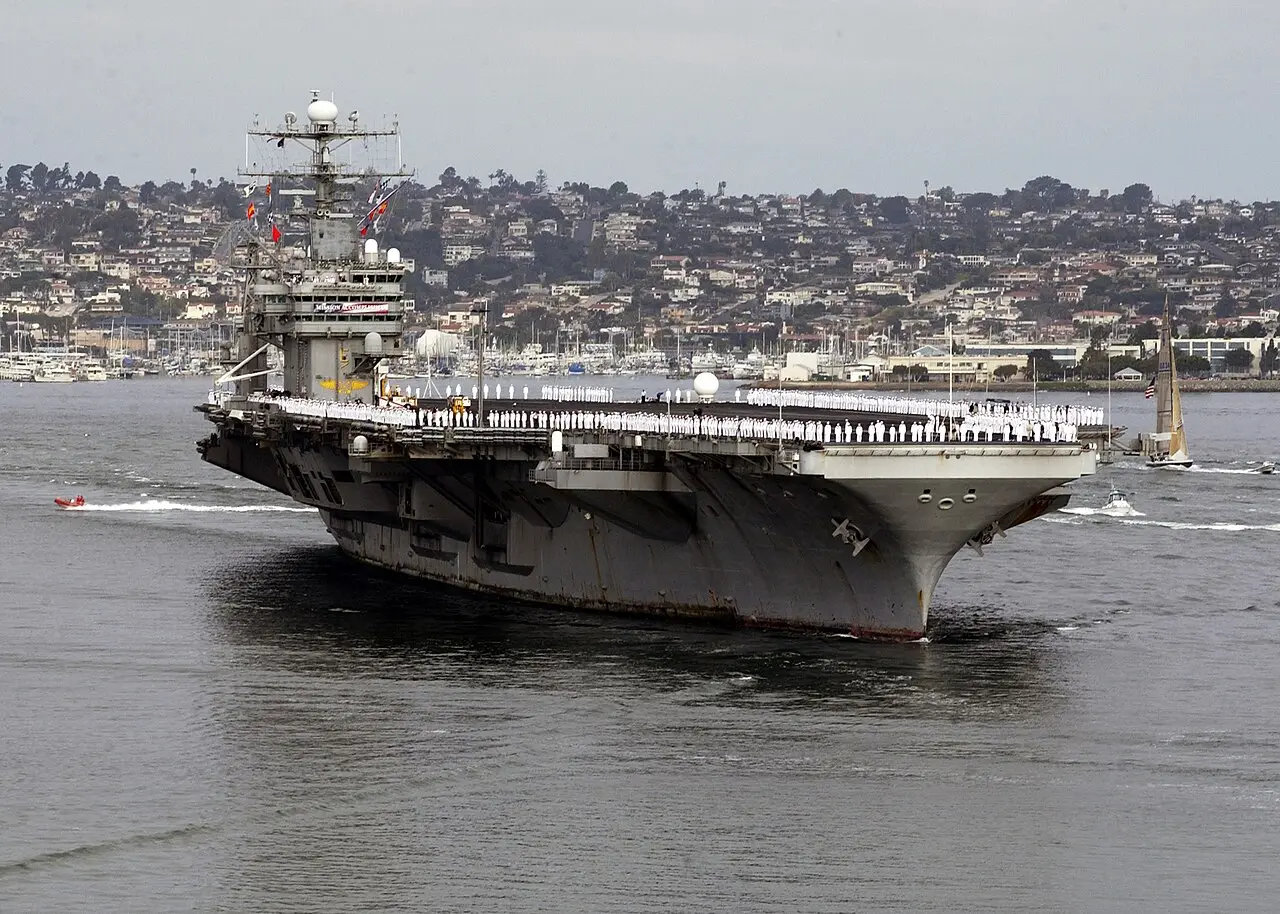
The USS Abraham Lincoln uses a layered defence of missiles, rotary cannons, and electronic warfare to counter Iranian Shahed drones. However, intercepting $35,000 drones with $2 million missiles presents a major economic and tactical challenge.
The $35,000 drone threat
Iran heavily relies on Shahed-136 drones, which cost around $35,000 each. These delta-winged munitions carry a 50-kilogramme warhead and fly at 185 kilometres per hour. A swarm of these cheap drones aims to exhaust expensive air defence systems.
Over 3.5 metres long
The Shahed-136 measures 3.5 metres in length with a 2.5-metre wingspan. Instead of relying on speed, they use complex, low-altitude flight paths to evade radar detection. Their long range allows them to strike targets up to 2,000 kilometres away.
Multi-layered carrier defence
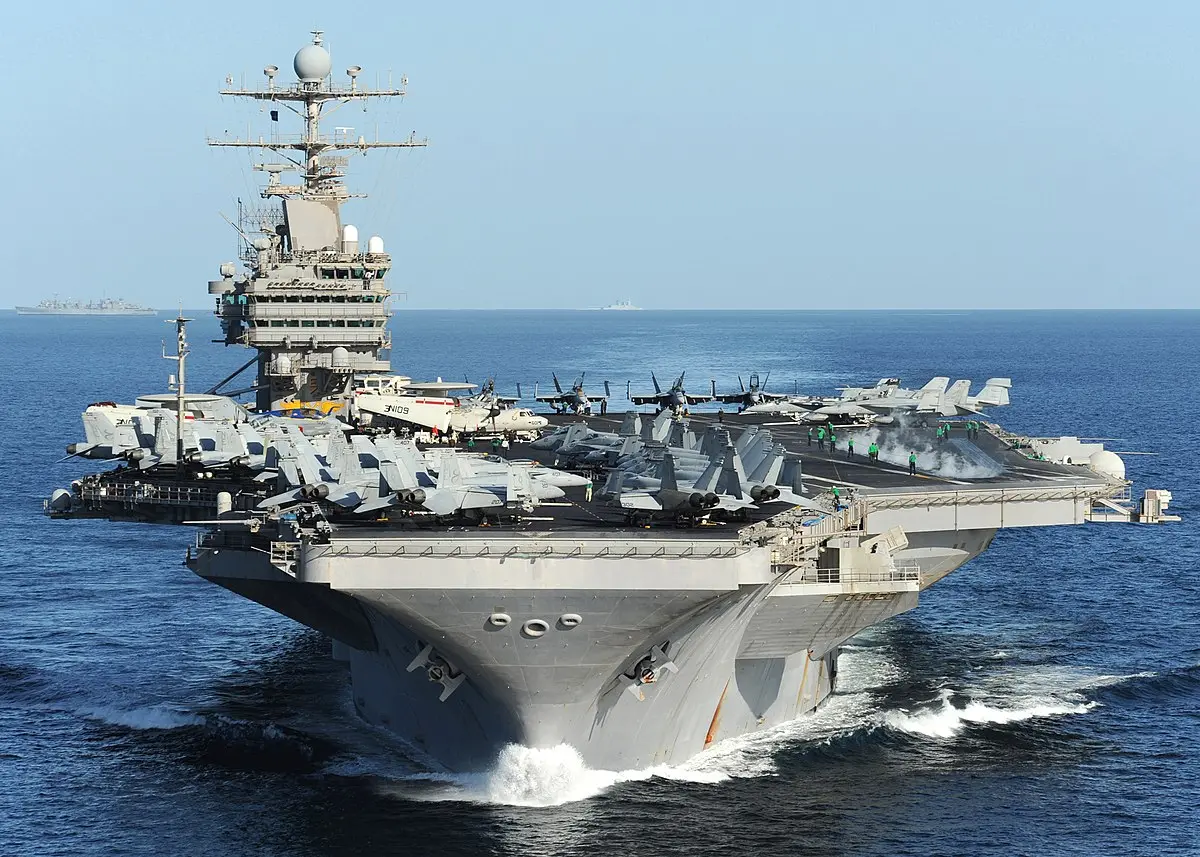
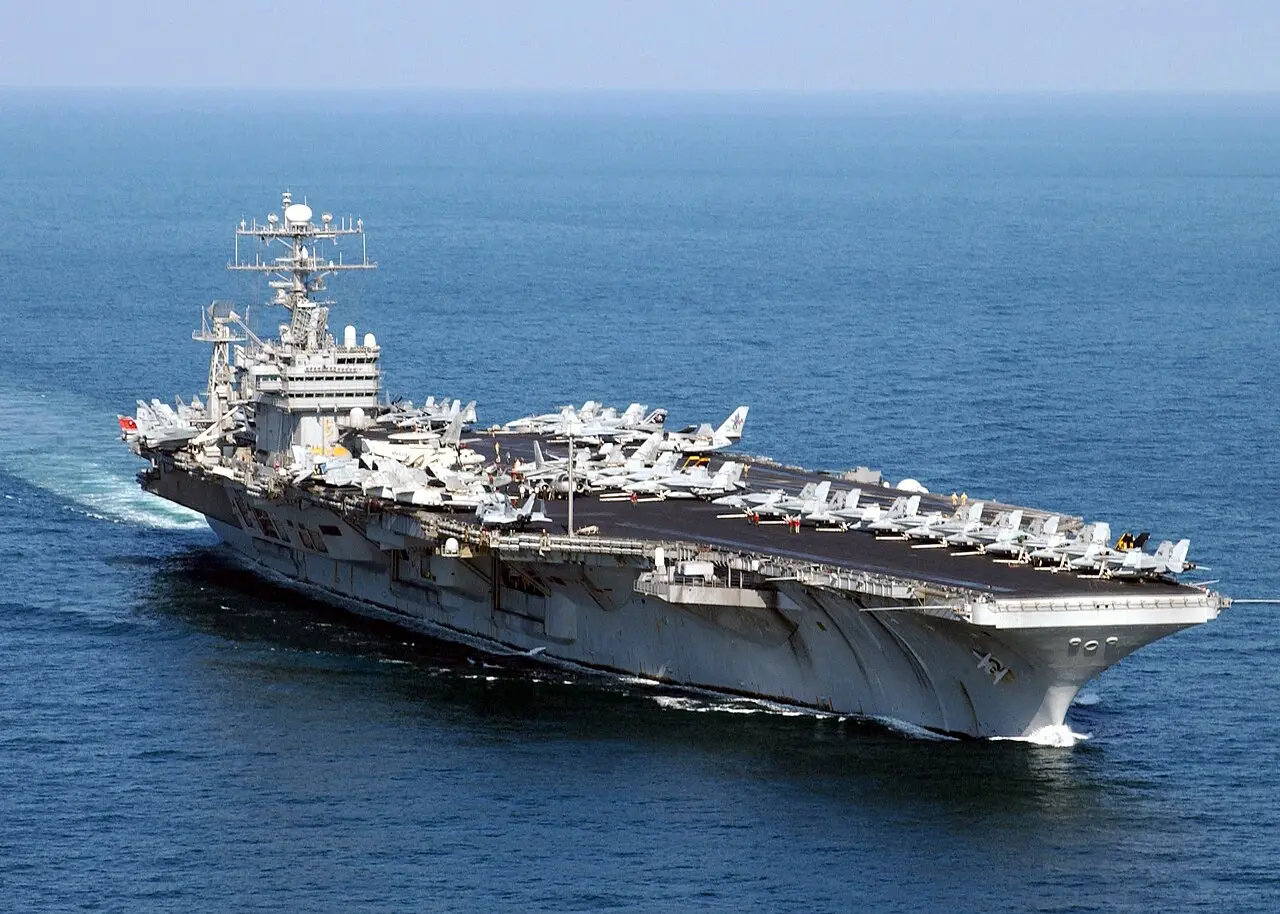
The USS Abraham Lincoln does not rely on a single defensive weapon. It uses a layered system combining fighter jets, escort destroyers, and onboard missile systems to detect and intercept incoming aerial threats from hundreds of kilometres away.

$2 million interceptors
The primary long-range defence involves firing Standard Missiles and Evolved Sea Sparrow Missiles. However, these advanced interceptors can cost upwards of $2 million each. Using them to shoot down $35,000 drones creates a severe economic imbalance.
RIM-116 and Phalanx
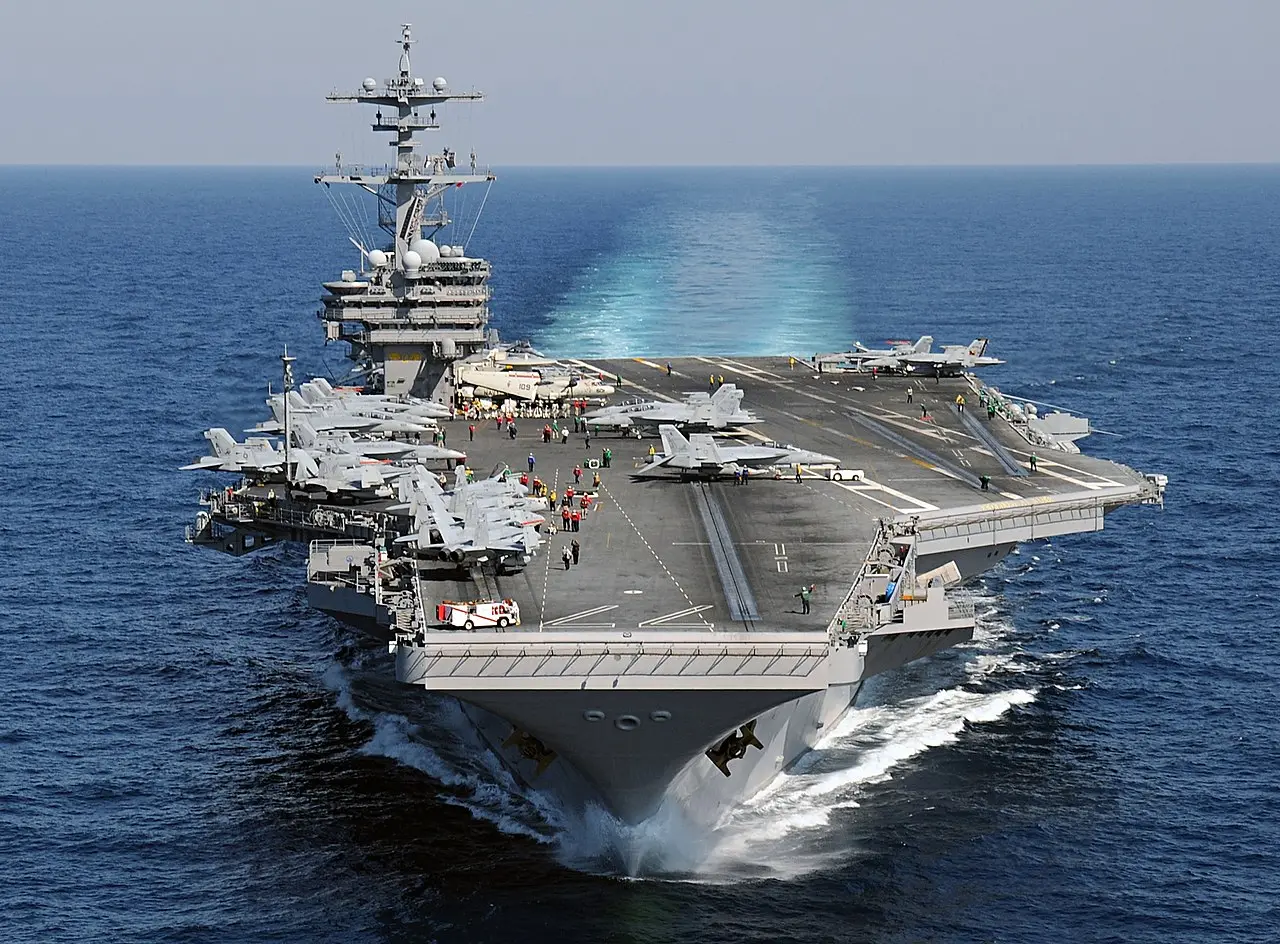
If drones breach the outer perimeter, the carrier uses RIM-116 Rolling Airframe Missiles for short-range interception. The final line of kinetic defence is the Phalanx Close-In Weapon System, a radar-guided rotary cannon that fires thousands of rounds per minute.

Electronic warfare tactics
To avoid depleting expensive missiles, the Navy employs advanced electronic warfare suites. These systems disrupt the communication and navigation signals of incoming drones. Jamming a drone's GPS coordinates can force it to crash or veer off course.

60-kilowatt laser systems
The US Navy is actively testing and deploying directed energy weapons to counter the swarm threat. Systems like the 60-kilowatt HELIOS laser offer a cost-effective solution, costing just a few dollars per shot with an unlimited magazine capacity.
)
)
)
)
)