'The David vs Goliath': How Venezuelan missile boats stack up against US Navy destroyers

The US Navy's high-tech destroyers face off against Venezuela’s agile, high-speed missile boats in a David vs Goliath maritime standoff.
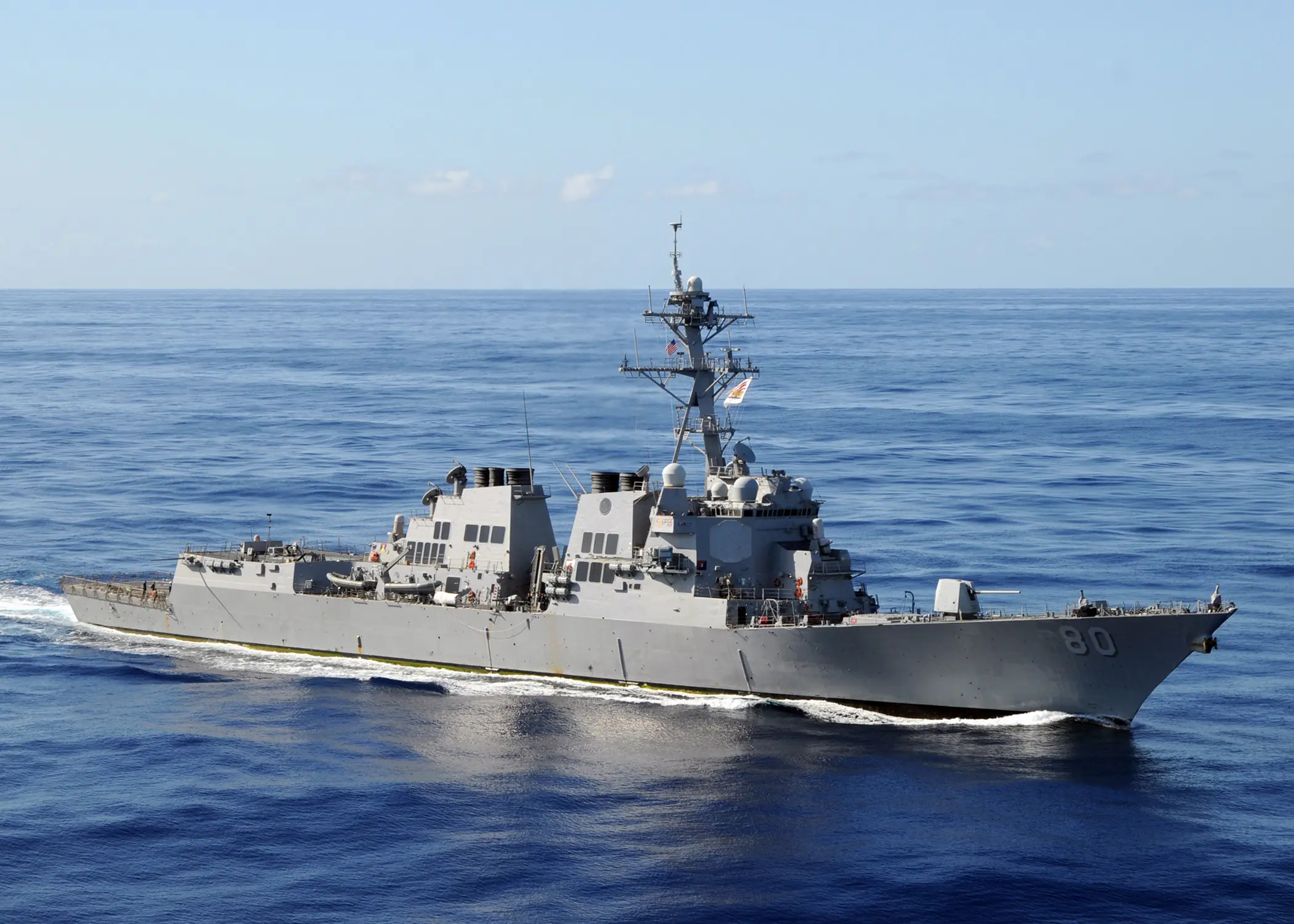
Massive US Arleigh Burke destroyers
The Arleigh Burke-class ships are the backbone of the US Navy, weighing up to 9,700 tonnes. These giants are nearly 700 times heavier than Venezuela's smallest missile boats.
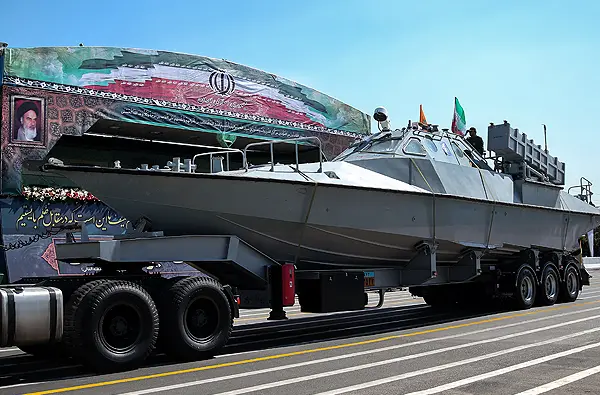
Tiny Peykaap-III missile boats
Venezuela operates Iranian-designed Peykaap-III craft that weigh only 13.75 tonnes. These small boats are designed to be "fast and tiny" for attacks in shallow coastal waters.
High-speed swarm vs heavy metal
Venezuelan boats can reach top speeds of 52 knots, or nearly 60 miles per hour. This speed allows them to use swarm tactics to complicate the operations of larger US warships.
Overwhelming US missile firepower
A single US destroyer carries over 90 missiles, including Tomahawks for land strikes and SM-6 for air defence. This capacity alone outguns the entire surface fleet of the Venezuelan Navy.
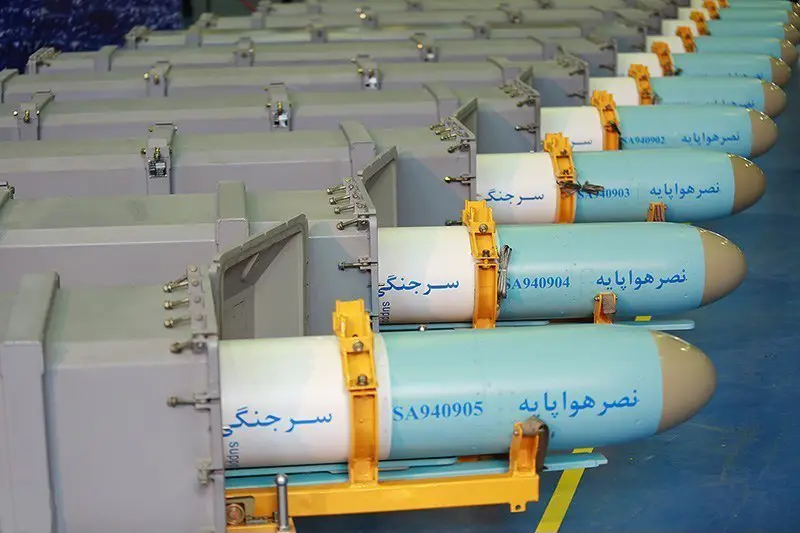
Venezuelan anti-ship strike range
Peykaap-III boats carry Nasr-1 missiles with an autonomous terminal guidance range of up to 90 kilometres. These weapons are intended to "stunt and stymie" the power projection of larger nations.
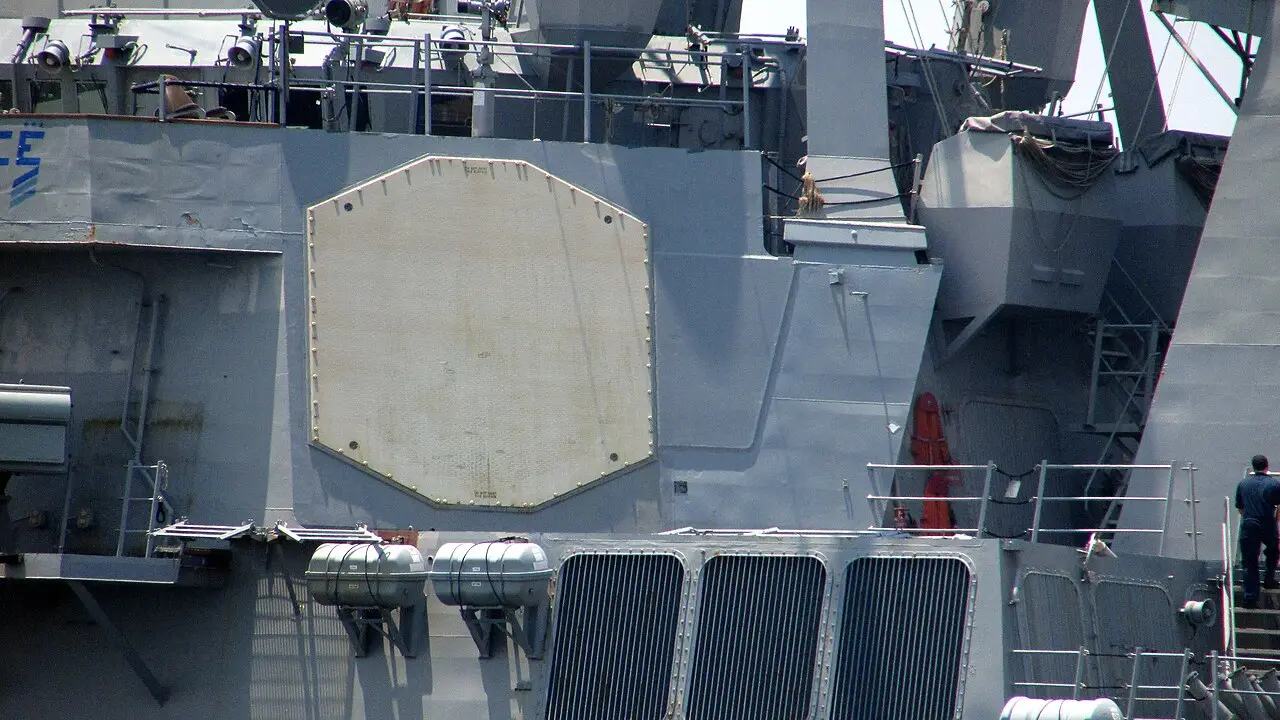
Layered Aegis defence systems
US ships use the Aegis Combat System and SPY-1D radar to track and engage multiple targets. This provides an impenetrable hard-kill layer designed to intercept incoming missiles and small boat threats.
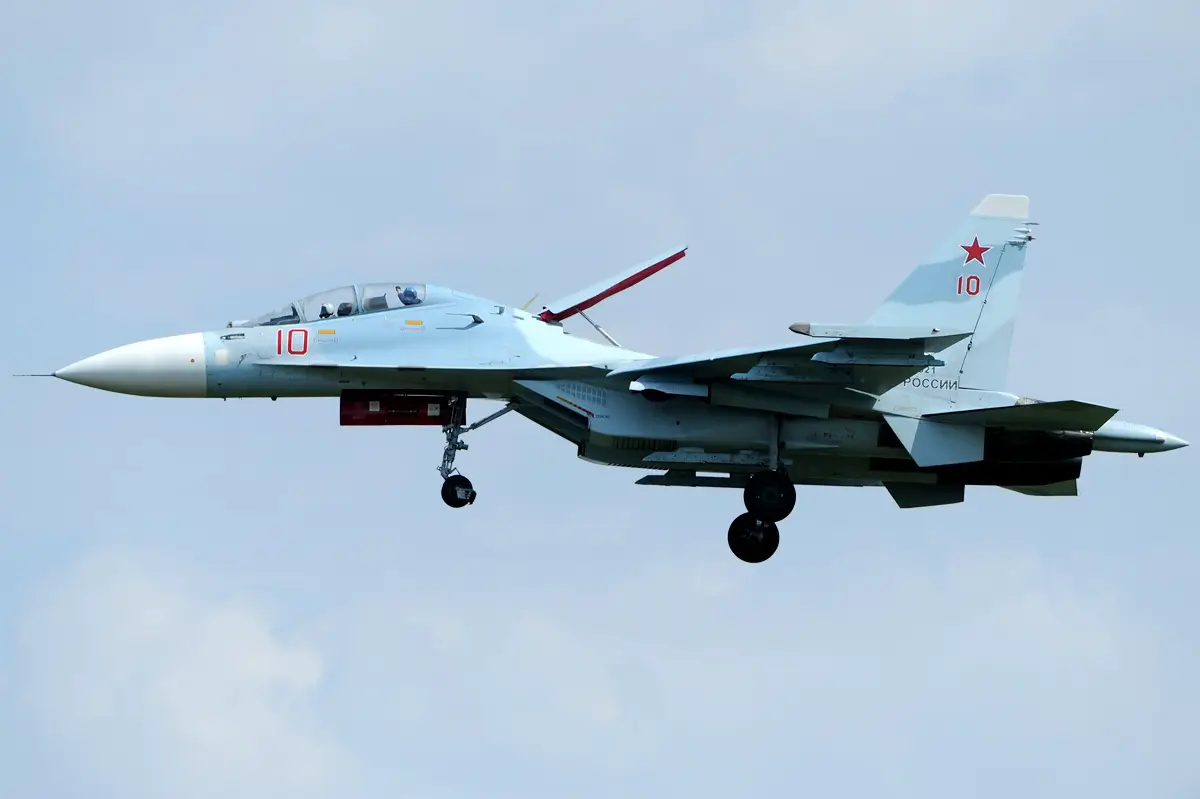
Coastal advantage vs open sea
Venezuela relies on coastal radar and Su-30MK2 fighters to support its limited naval salvos. While US ships dominate the open sea, these small boats aim to make coastal areas a high-cost "kill box".
)
)
)
)
)