'The closest we ever came to nuclear war!': The untold story of the Cuban Missile Crisis and the near-launch

US strategic bombers were placed on full alert, and missiles were prepared for potential launches. The risk of unintended escalation grew by the hour as Soviet ships approached the quarantine line.
Introduction
In October 1962, the Cold War reached its most dangerous point. For 13 days, the United States and the Soviet Union stood on the brink of a full-scale nuclear conflict after the discovery of Soviet nuclear missiles in Cuba, just 145 kilometres from Florida. The crisis was unique in a number of ways, featuring calculations and miscalculations as well as direct and secret communications and miscommunications between the two sides, and the world later learned how close it came to a nuclear exchange that could have altered human history forever.
Background: Rising tension between the superpowers
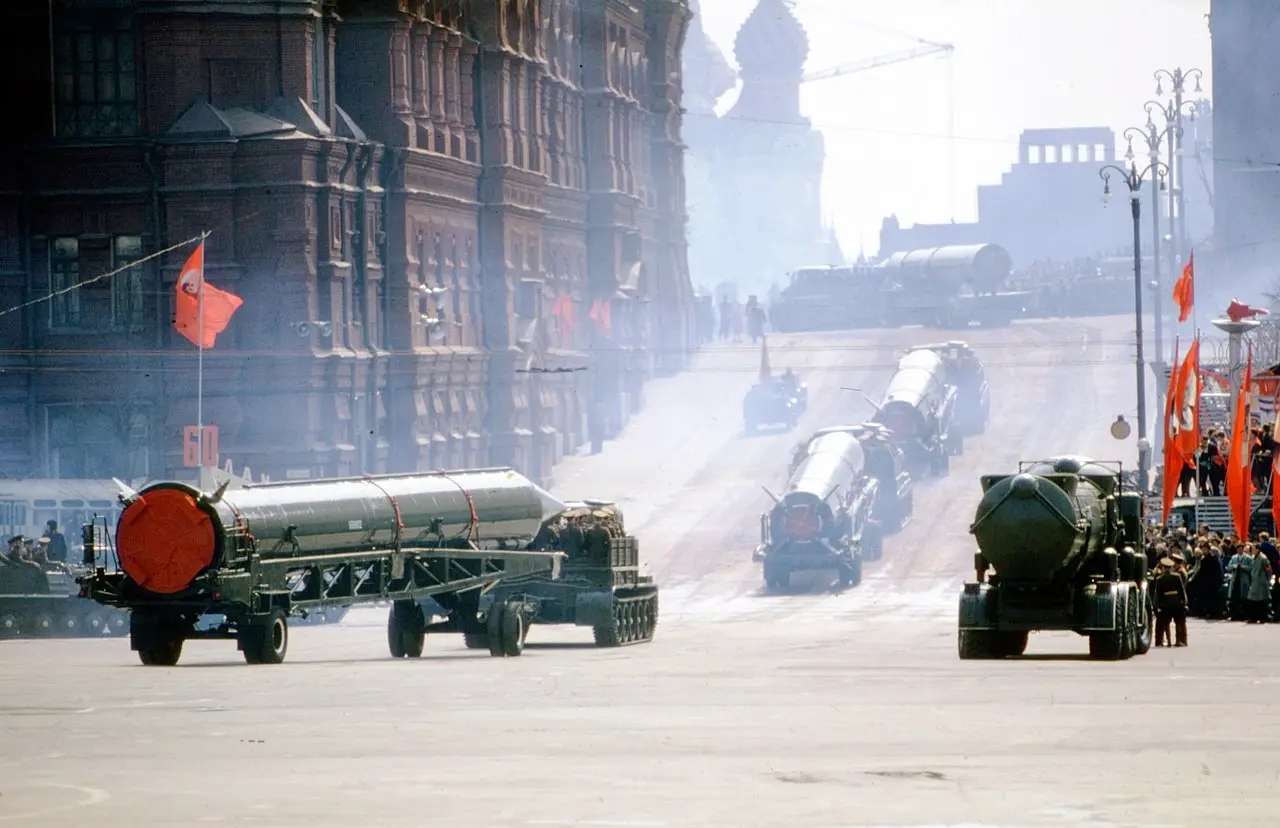
The Cold War rivalry intensified after the failed US-backed Bay of Pigs invasion, which pushed Cuba closer to the Soviet Union. Premier Nikita Khrushchev saw an opportunity to counter US nuclear missiles already stationed in Turkey and Italy by deploying Soviet ballistic missiles to Cuba. Secret maritime shipments began in the summer of 1962, setting the stage for the greatest geopolitical confrontation of the 20th century.
The discovery that changed the world
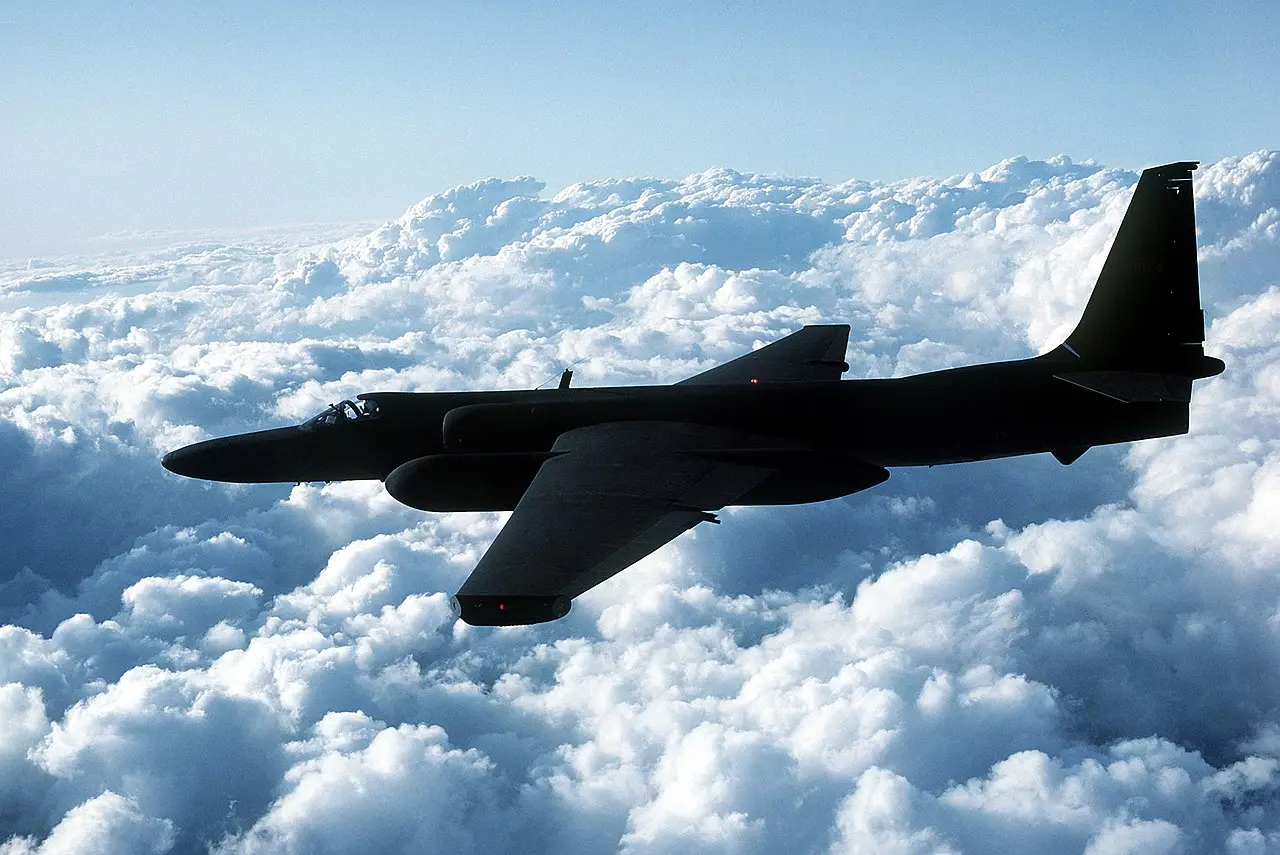
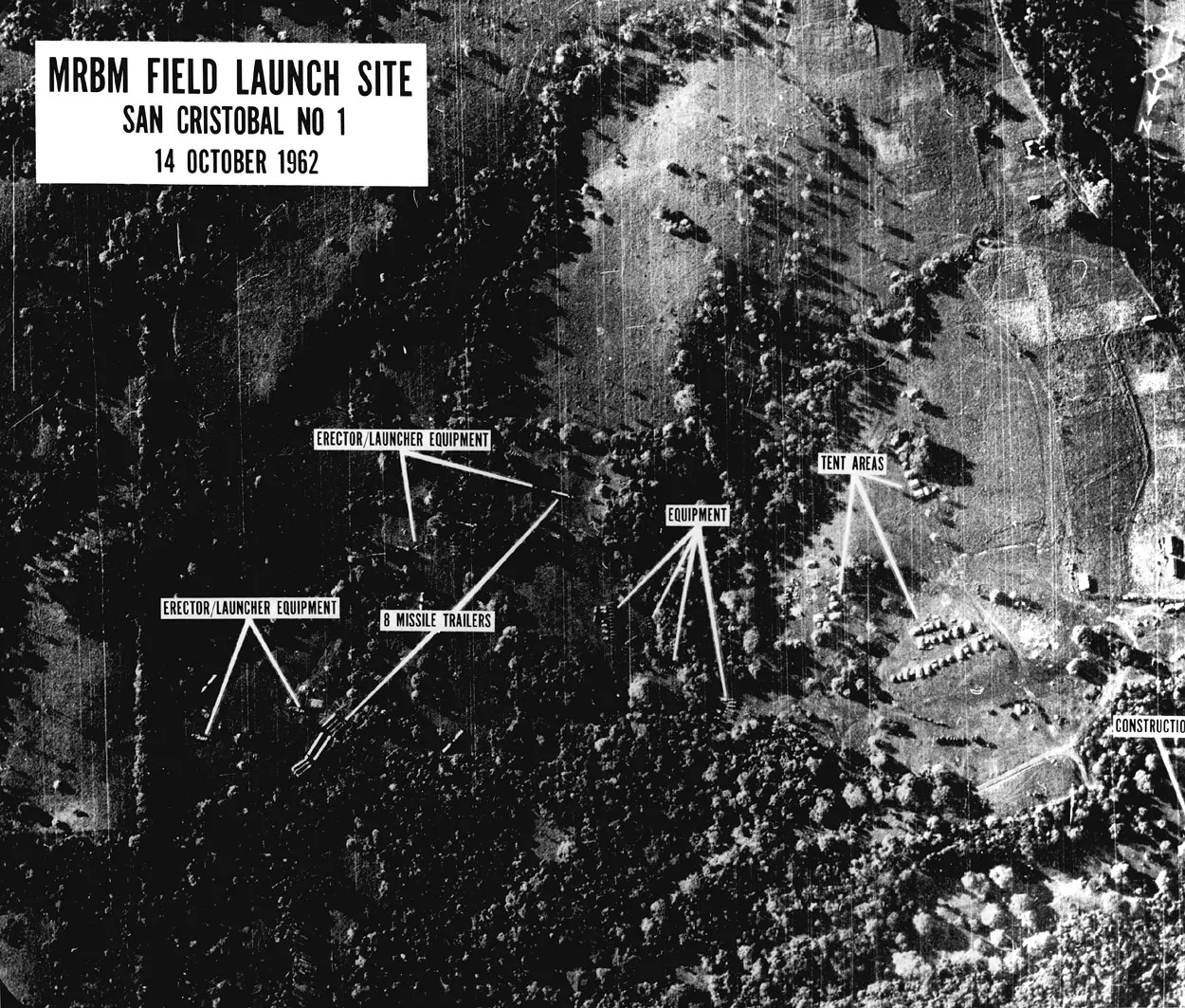
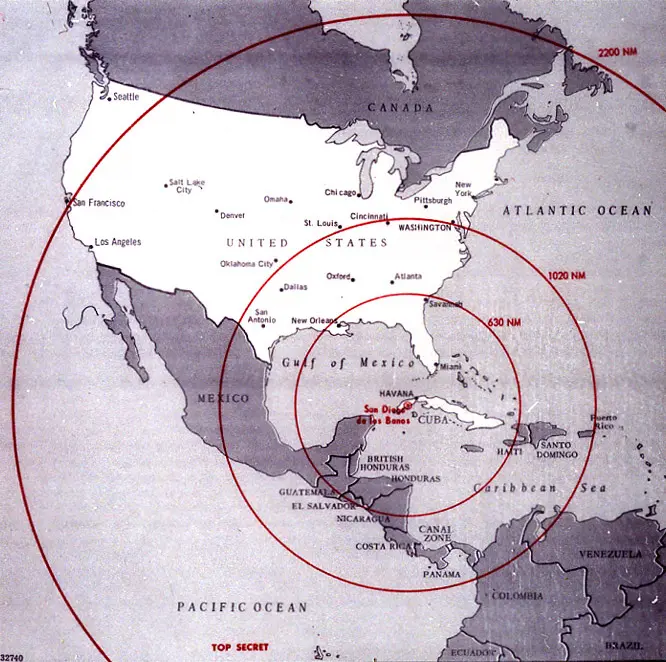
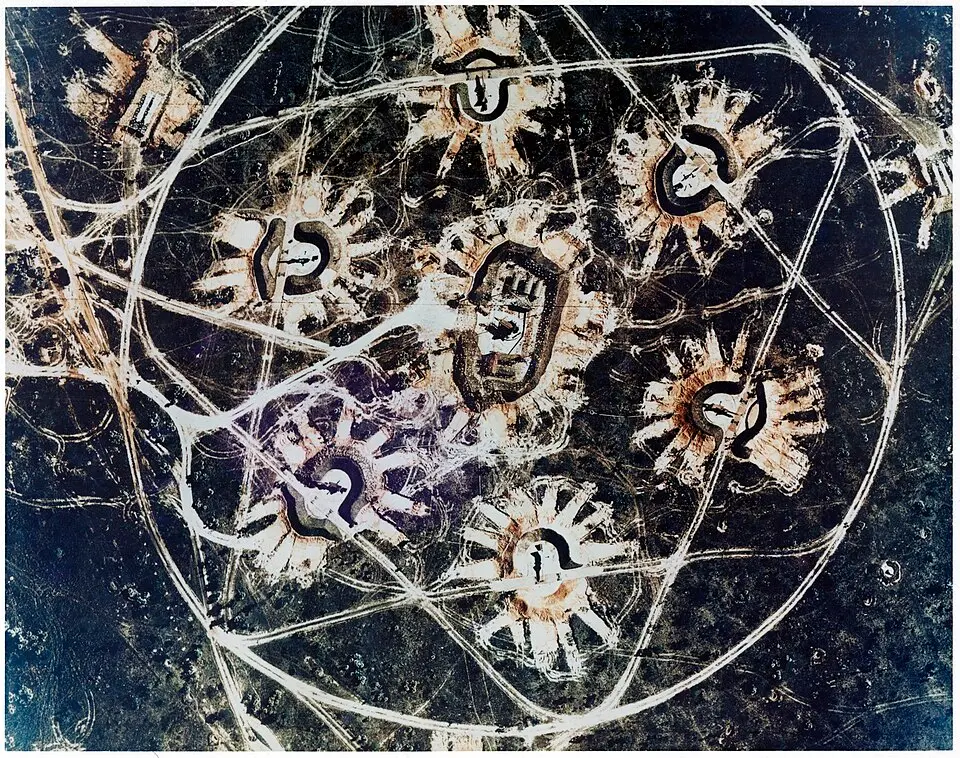
On October 14, 1962, a U-2 spy aircraft captured clear photographic evidence of nuclear missile, precisely, for medium-range and intermediate-range ballistic nuclear missiles (MRBMs and IRBMs) installations under construction in Cuba. President John F. Kennedy was briefed the next day, triggering the formation of the Executive Committee of the National Security Council (ExComm). The US was suddenly faced with a stark reality: Soviet nuclear weapons capable of striking Washington, New York and other major American cities were nearing operational status.
The naval blockade and fear of escalation
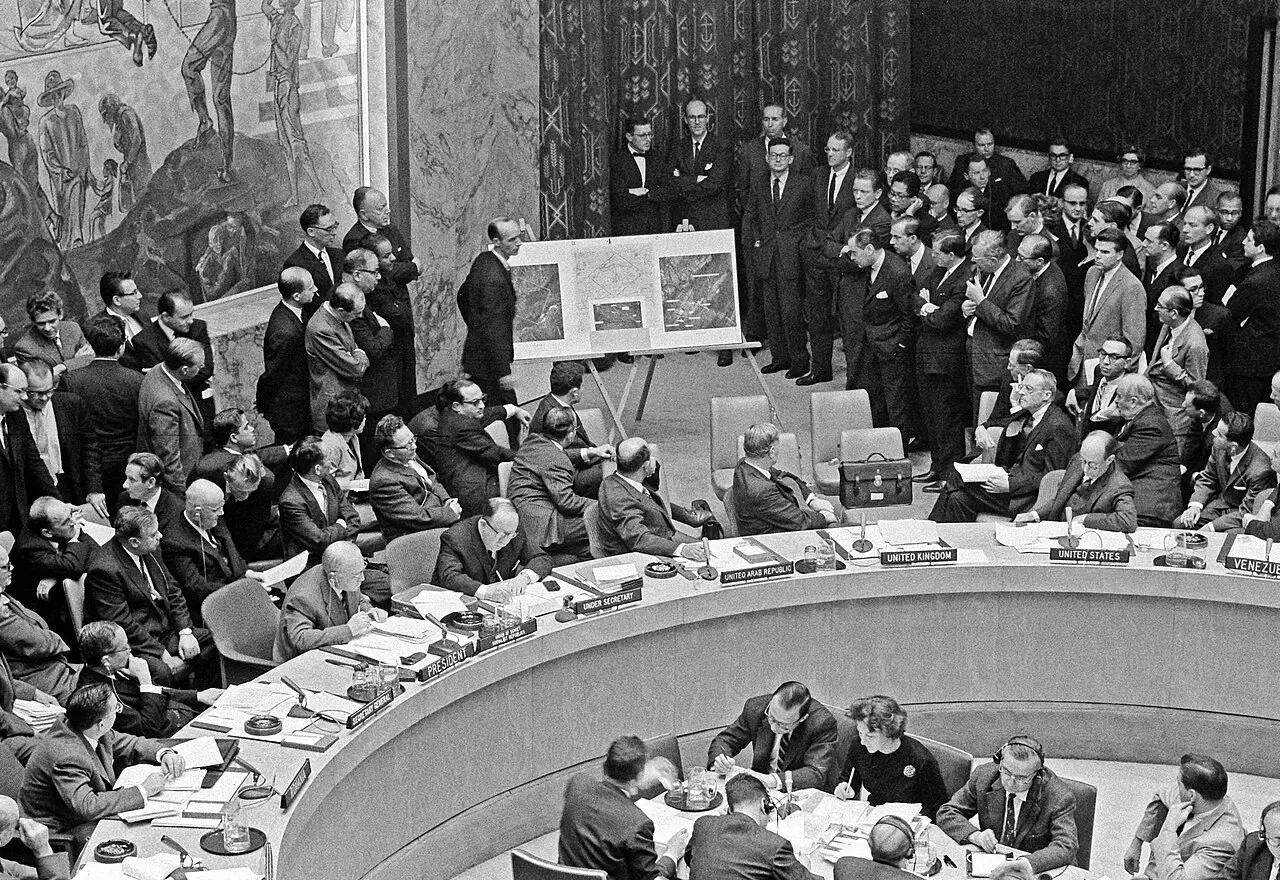
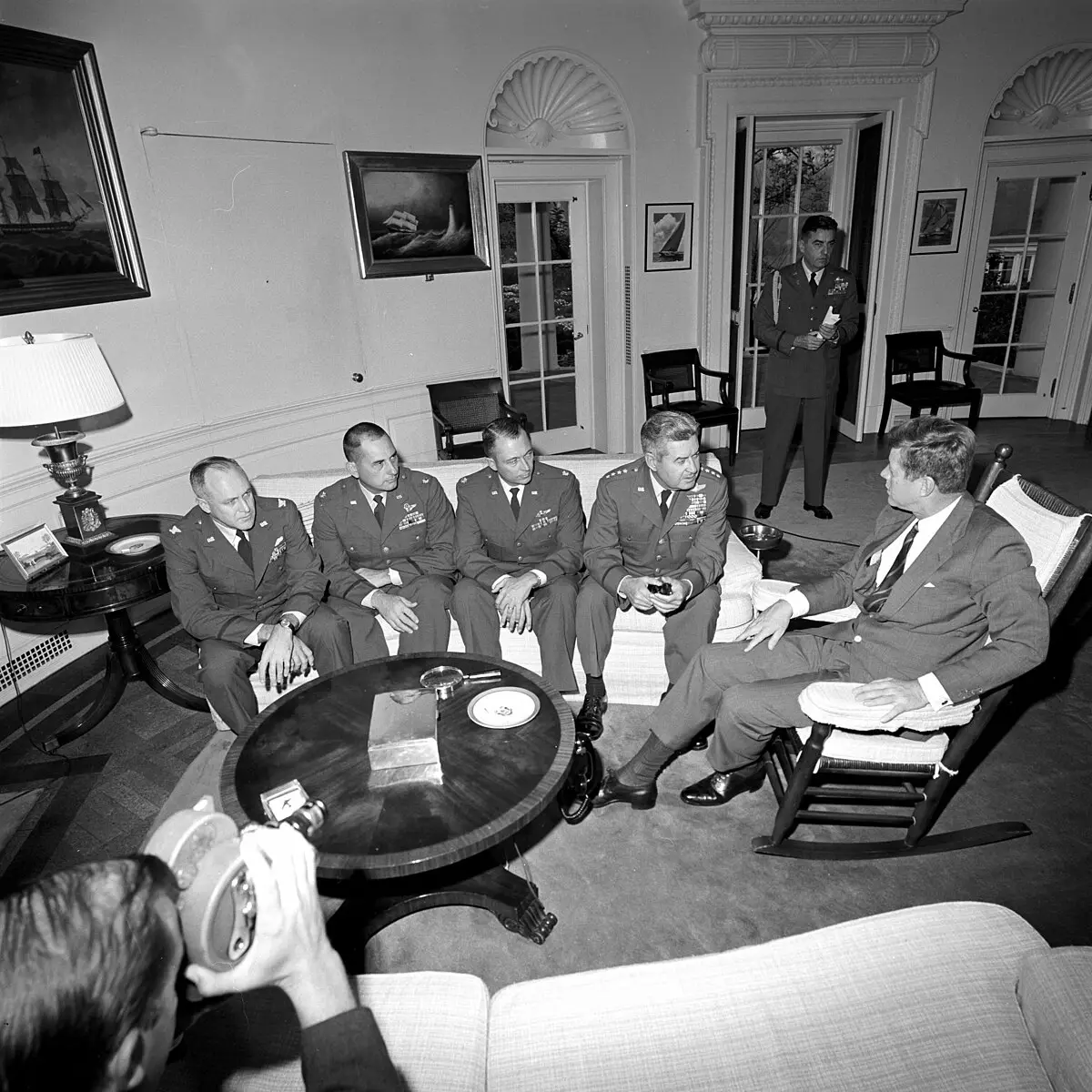
Kennedy rejected an immediate air strike and instead announced a naval 'quarantine' around Cuba to prevent further Soviet military deliveries on October 22. While described as a blockade, the move was essentially an ultimatum backed by massive military mobilisation. US strategic bombers were placed on full alert, and missiles were prepared for potential launches. The risk of unintended escalation grew by the hour as Soviet ships approached the quarantine line. Further, the US President also informed the public of the developments in Cuba, on the national television that evening. He also announced his decision to initiate and enforce a 'quarantine', and the potential global consequences if the crisis continued to escalate.
Moments when nuclear war nearly began
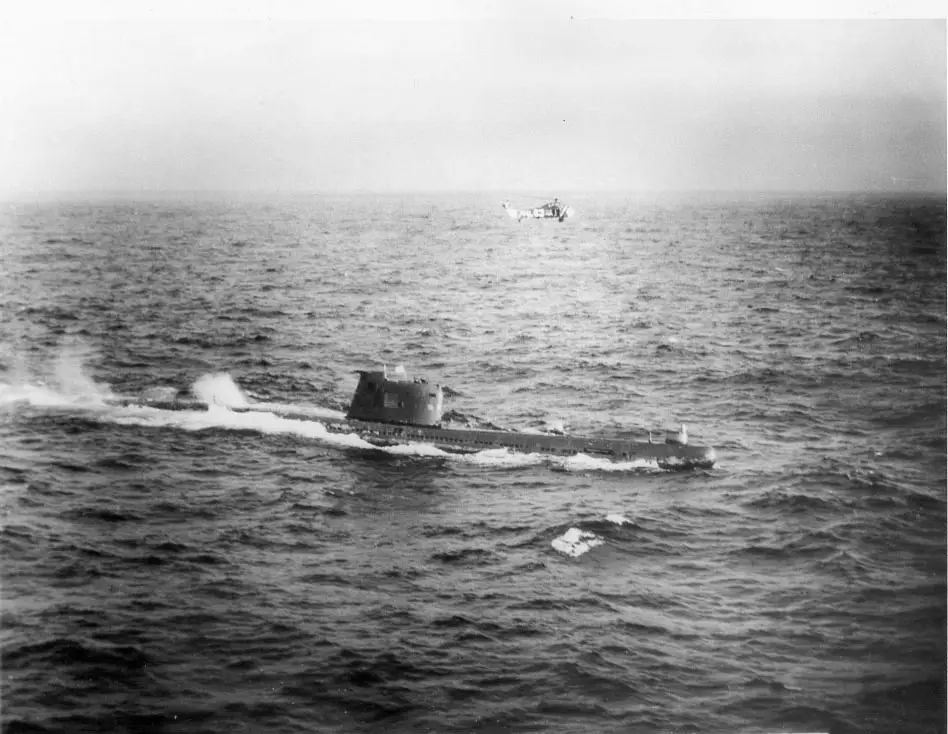
Multiple incidents during the crisis brought the world shockingly close to catastrophe. A US destroyer dropped practice depth charges near the Soviet submarine B-59, whose captain believed war had already begun and wanted to launch a nuclear torpedo. He was stopped only because second-in-command Vasili Arkhipov refused to approve the order, preventing a nuclear exchange that historians agree would have been almost inevitable.
Diplomacy that broke the deadlock
A breakthrough emerged through backchannel negotiations. The Soviet Union agreed to remove its missiles from Cuba in exchange for the US publicly pledging not to invade Cuba and privately removing Jupiter nuclear missiles from Turkey. On October 28, 1962, Khrushchev announced the withdrawal, effectively ending the crisis without military conflict.
Consequences for global security
The shock waves of the crisis reshaped international relations. In 1963, the world’s first direct hotline between Washington and Moscow was installed to prevent future misunderstandings. Both sides also signed the Partial Nuclear Test Ban Treaty, recognising the need to manage nuclear risks rather than tempt fate again.
Why the Cuban Missile Crisis still matters today
The crisis remains a defining case study for nuclear deterrence and crisis management. It demonstrated that misunderstandings, miscalculations or a single unauthorised action, not strategy, could trigger global nuclear devastation. In a world where nuclear weapons remain widespread and geopolitical competition persists, the lessons of 1962 continue to hold urgent relevance.
)
)
)
)
)