'The 5-mile rule': Why other ships must stay far from the USS Abraham Lincoln

The USS Abraham Lincoln enforces a 5-mile exclusion zone primarily for force protection, flight operations, and collision avoidance. This buffer allows the massive ship to maneuver freely and identify threats early, while keeping civilian mariners safe from operational hazards.
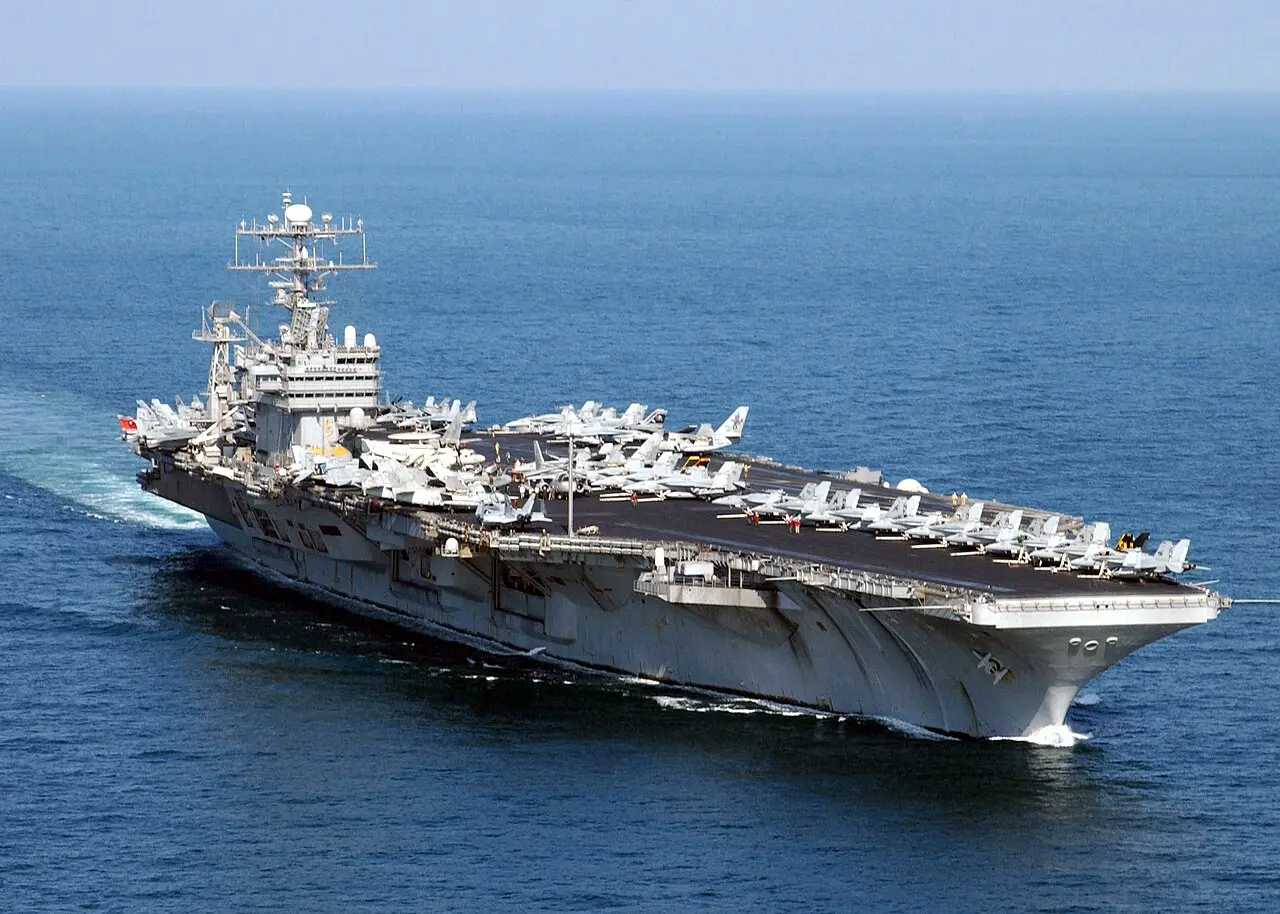
The 5-Mile Assessment Zone
In high-tension regions, the carrier enforces a defensive buffer to identify potential threats early. This "Assessment Zone" gives the crew time to determine if an approaching vessel is a neutral merchant ship or a hostile contact before it gets within weapons range.
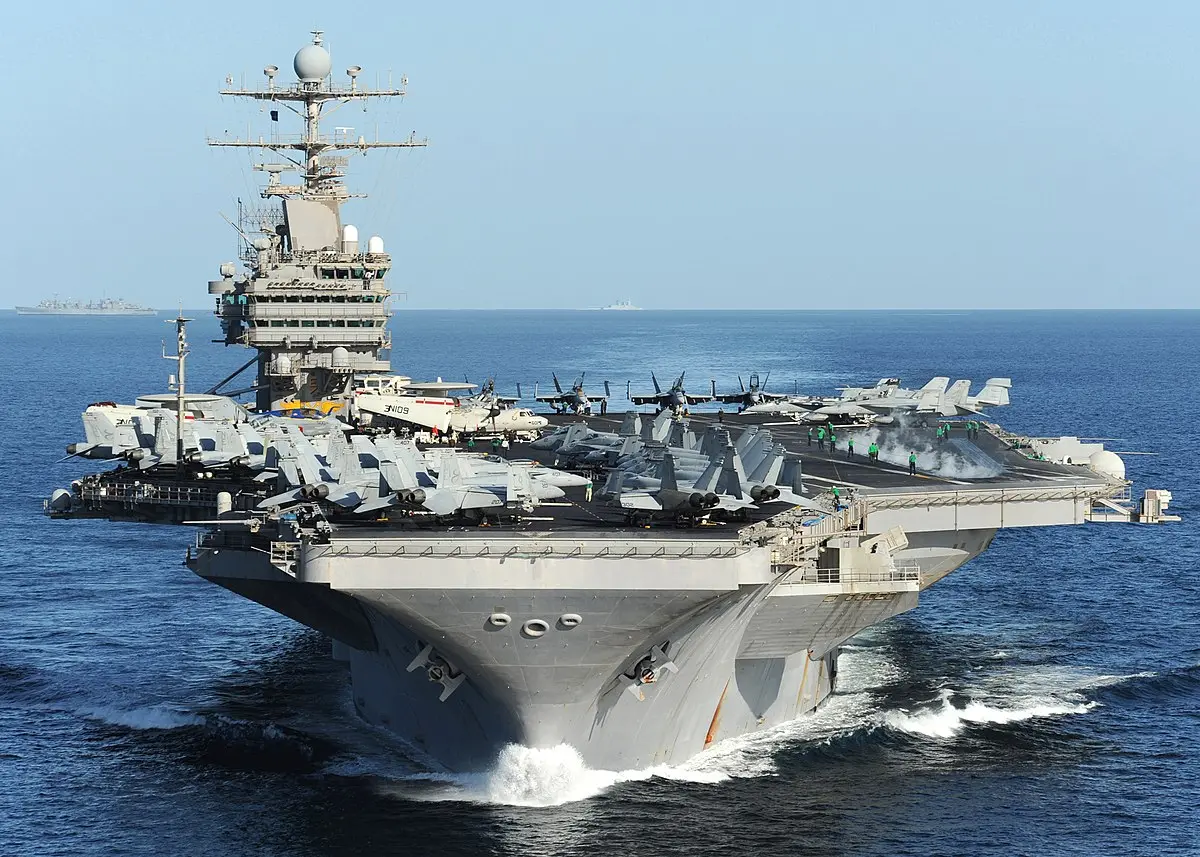
100,000 Tons of Inertia
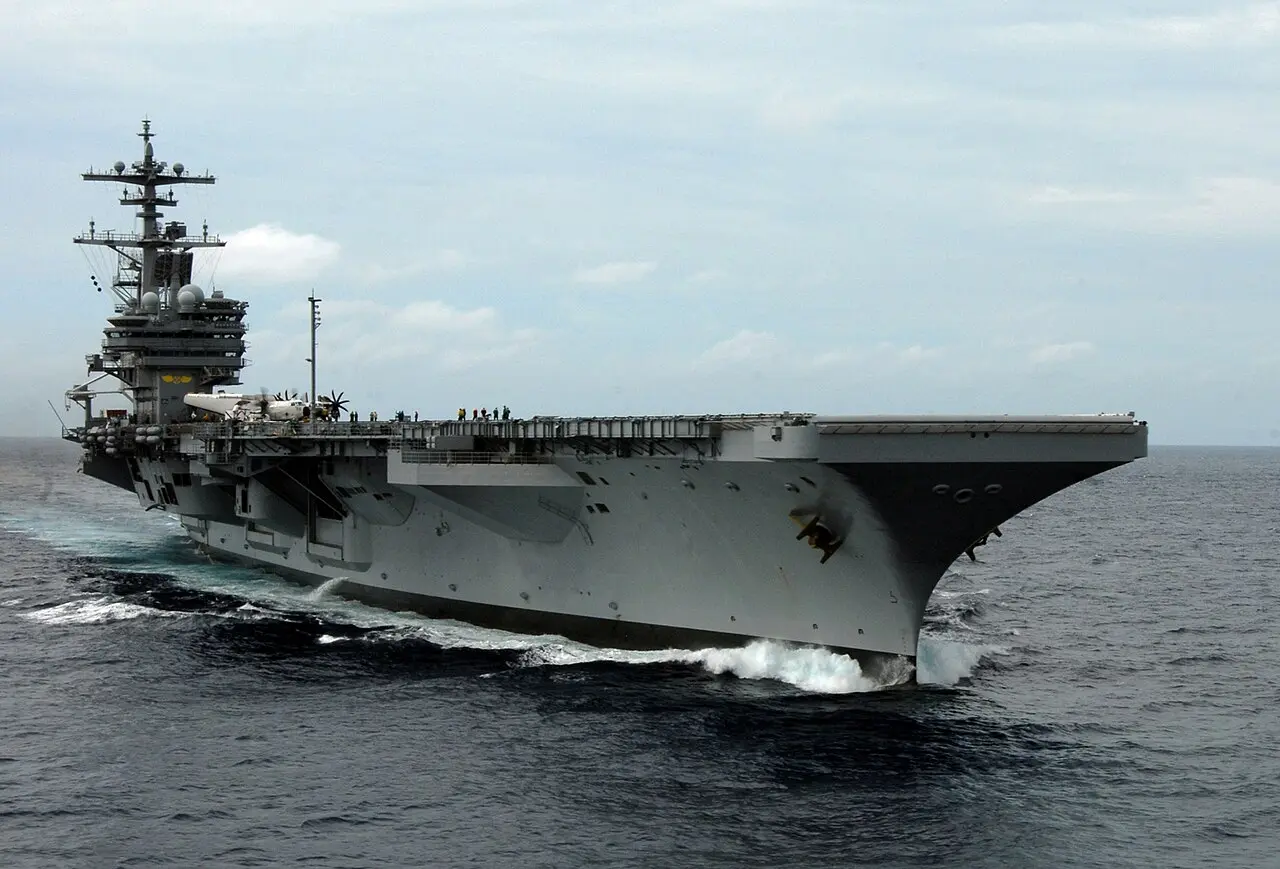
A Nimitz-class carrier displaces over 100,000 tons and cannot stop or turn quickly. The 5-mile buffer ensures that if the ship must execute an emergency maneuver to avoid a collision or attack, it has enough open ocean to do so safely.
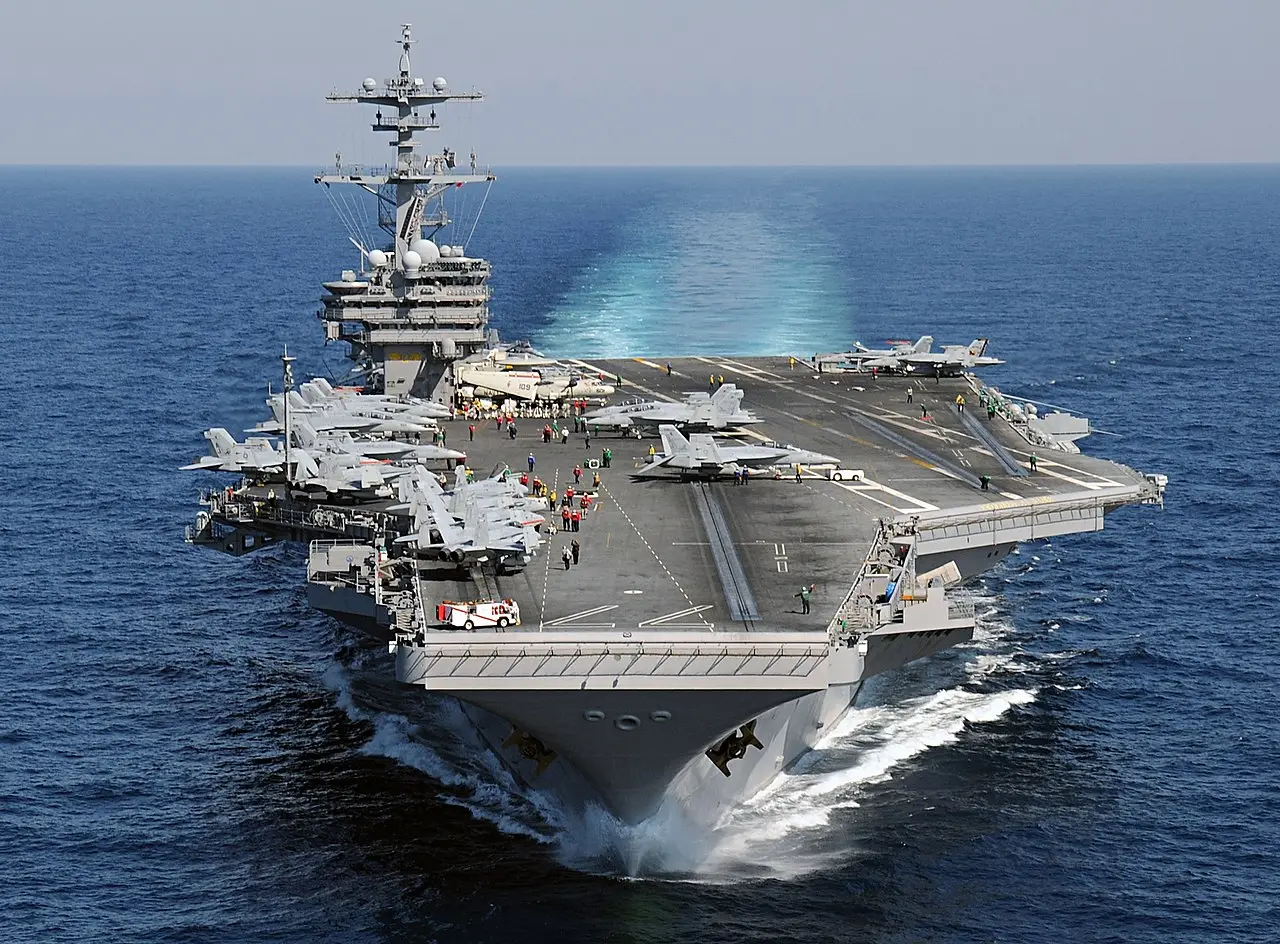
Turning into the Wind
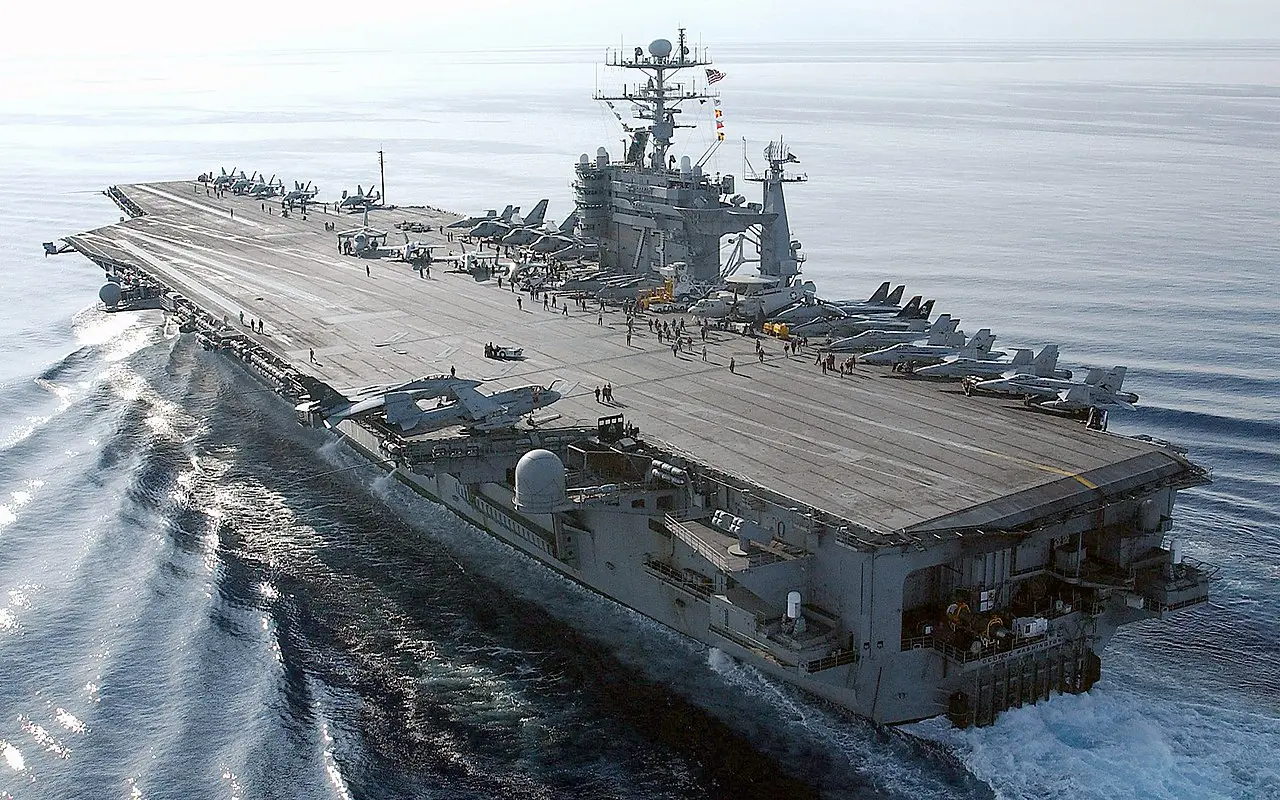
To launch aircraft, the carrier must frequently turn into the wind without warning, swinging its massive hull across a wide arc. A clear zone around the ship allows flight control to chase the wind and maintain necessary airflow over the deck without endangering nearby traffic.
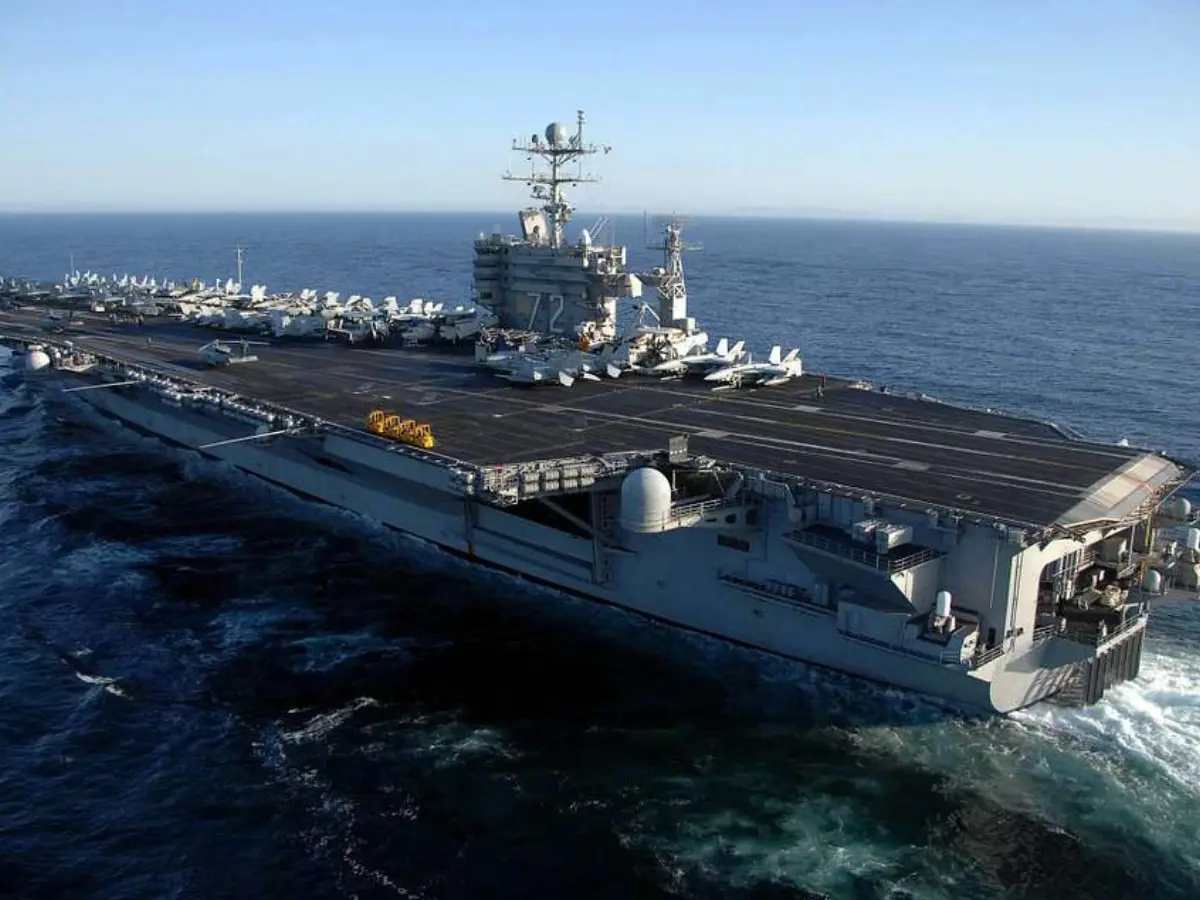
The Small Boat Threat
Since the USS Cole attack, the Navy aggressively tracks small, fast-moving vessels that could pose asymmetric threats. The 5-mile perimeter provides a crucial "time-distance" gap, allowing security teams to hail, warn, and if necessary, engage hostile boats before they reach the ship.
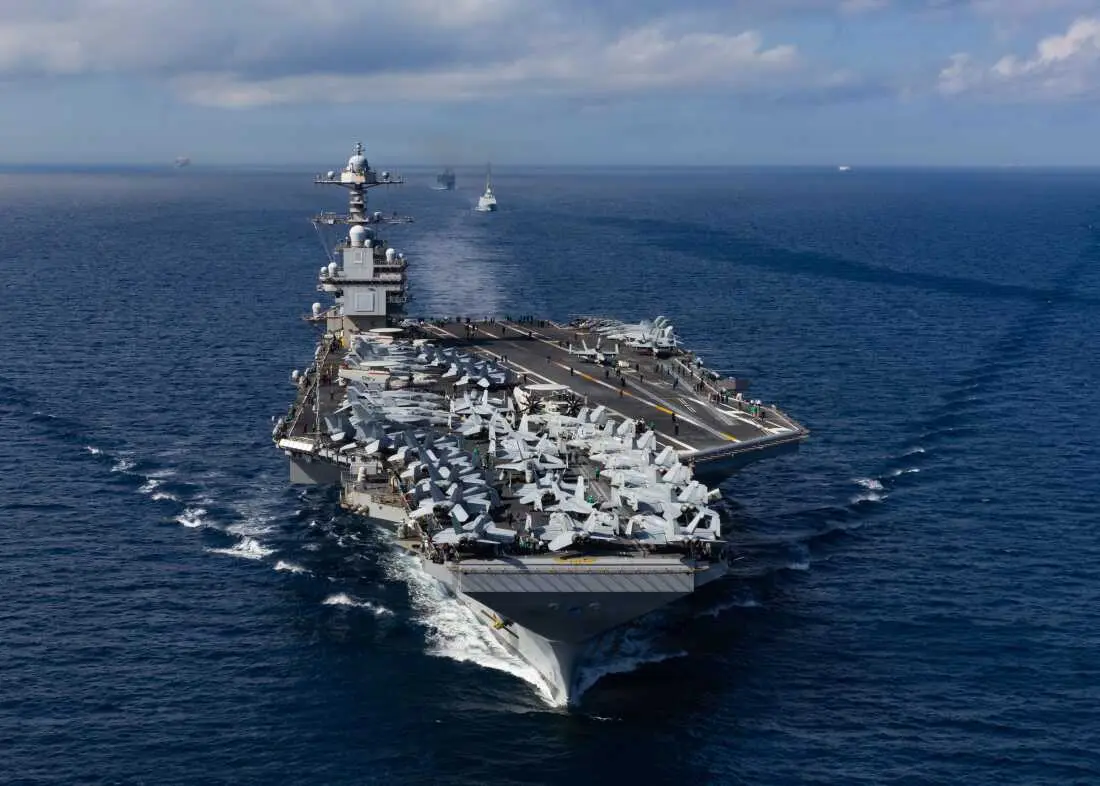
Overhead Air Traffic Safety
Carriers control a "bubble" of airspace around the ship for recovering aircraft that may be low on fuel or carrying unexpended ordnance. Keeping civilian ships 5 miles away ensures they are clear of the approach paths and emergency fuel jettison zones used by returning jets.
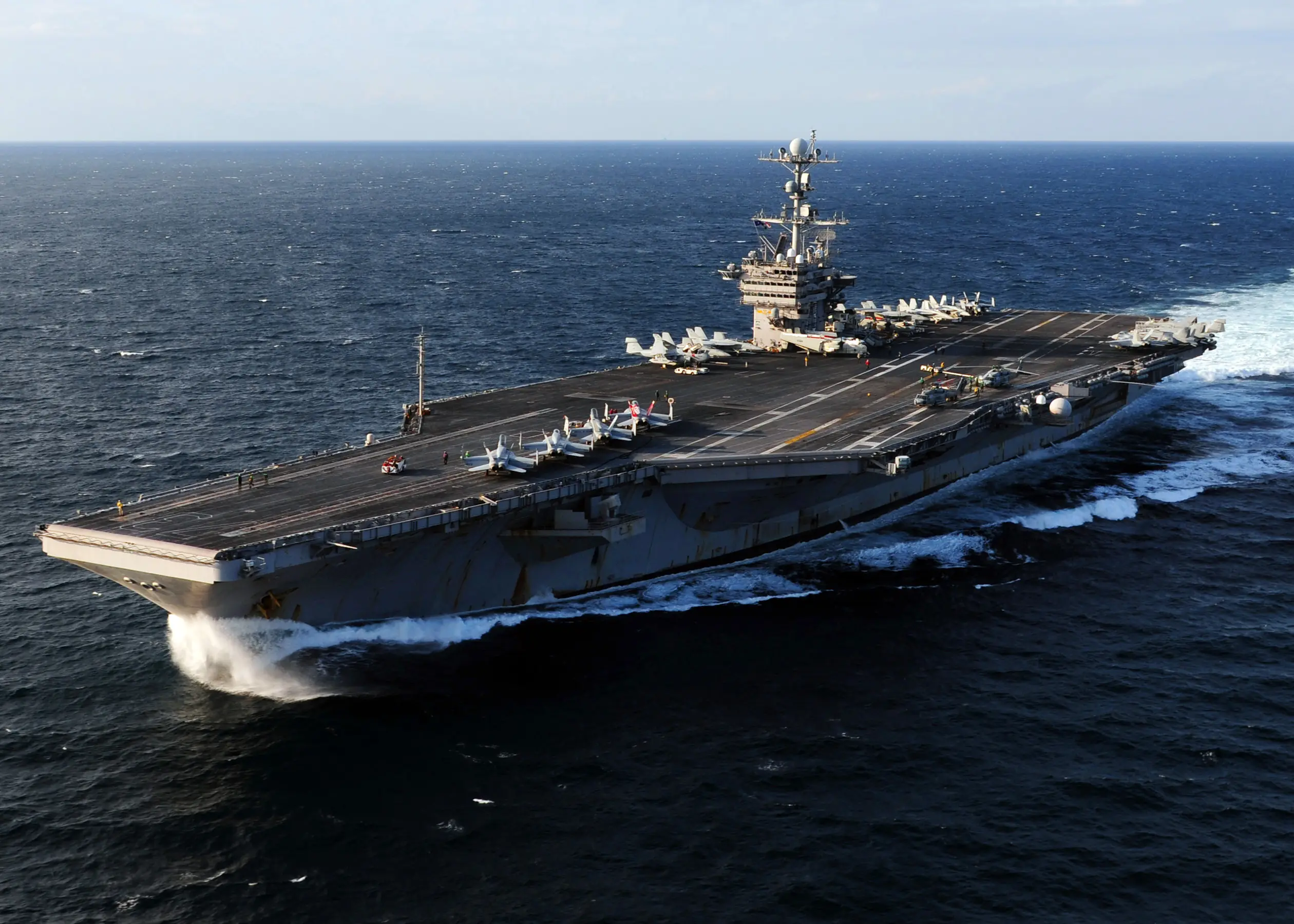
High-Value Asset Protection
As a nuclear-powered warship, the USS Abraham Lincoln is a critical national asset that requires strict security protocols. The exclusion zone prevents unauthorized vessels from conducting close-range surveillance, espionage, or interference with the ship's sensitive operations.
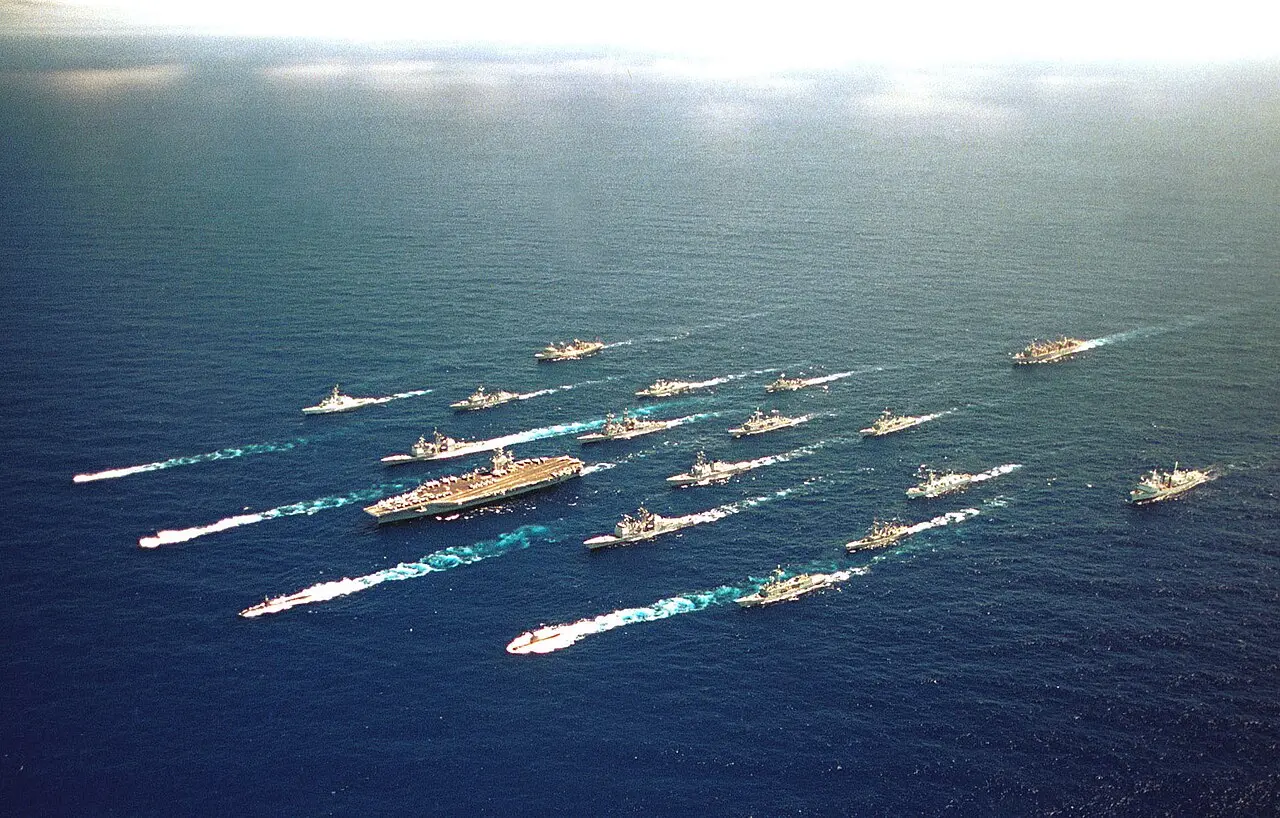
Preventing Collision Risks
While wake turbulence is a hazard at close range, the 5-mile rule acts as a critical buffer against human error. Civilian mariners often underestimate the carrier’s massive size and deceptive speed (30+ knots), leading to dangerous miscalculations. This exclusion zone ensures no vessel attempts to cross the carrier's bow or finds itself on a collision course that the giant ship cannot easily avoid.
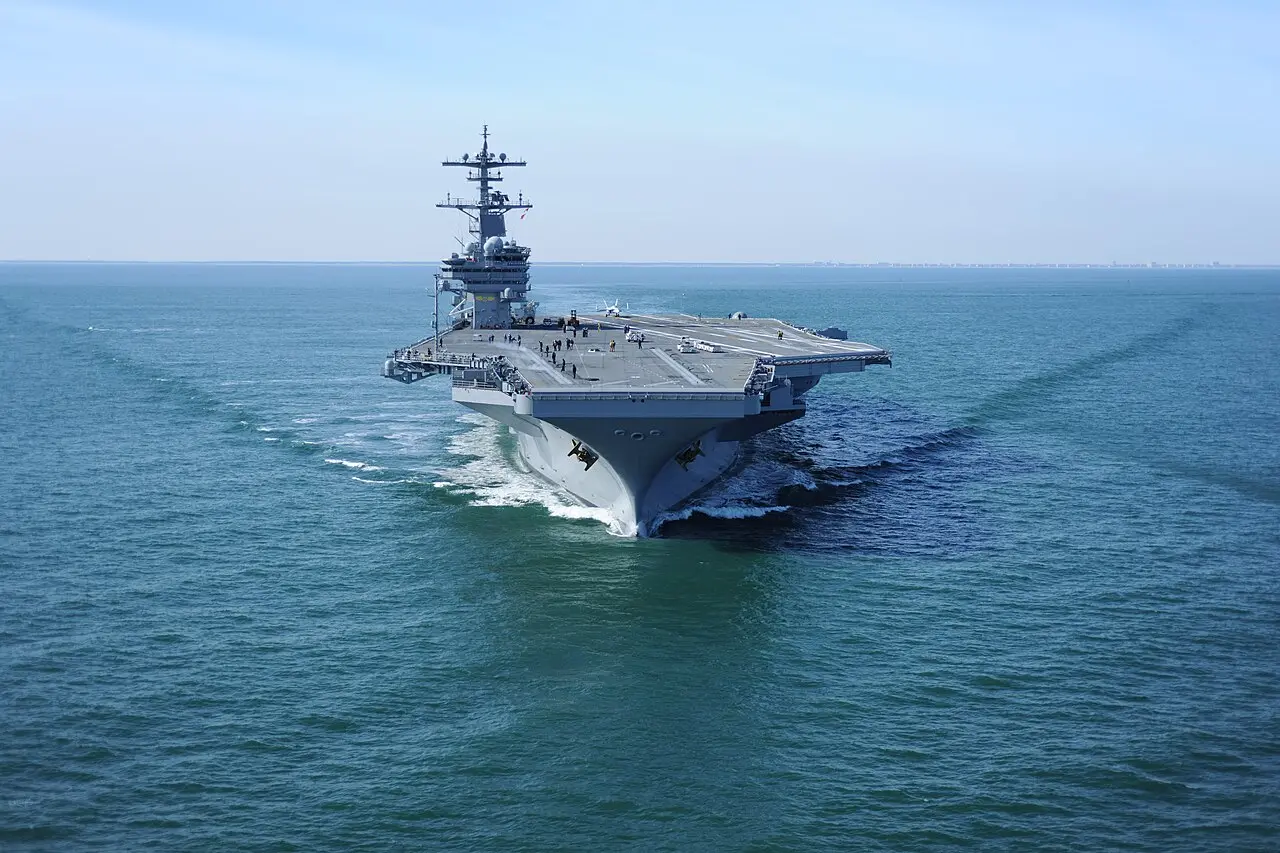
Electromagnetic Interference
The carrier strike group emits high-power radar and electronic warfare signals that can disrupt civilian electronics. Maintaining a distance protects commercial vessels from intense electromagnetic interference that could scramble their navigation systems or radios.
Explosive Hazard Radius
The ship carries nearly 3 million gallons of aviation fuel and over 1,000 tons of ordnance. In the unlikely event of a catastrophic fire or magazine explosion, this standoff distance safeguards other ships from the blast radius and secondary debris.
The Destroyer Screen
The carrier is always protected by guided-missile destroyers that patrol the outer limits of the formation. These escorts actively intercept and shepherd civilian traffic away from the 5-mile zone, ensuring the carrier can operate without navigational interference.
)
)
)
)
)