'The 5-inch deck gun': How the USS Spruance prepares for close combat to save the USS Abraham Lincoln

The USS Spruance uses its advanced 5-inch deck gun to provide critical close-combat protection for the USS Abraham Lincoln. Firing up to 20 rounds per minute, the destroyer neutralises immediate surface threats to secure the carrier strike group.
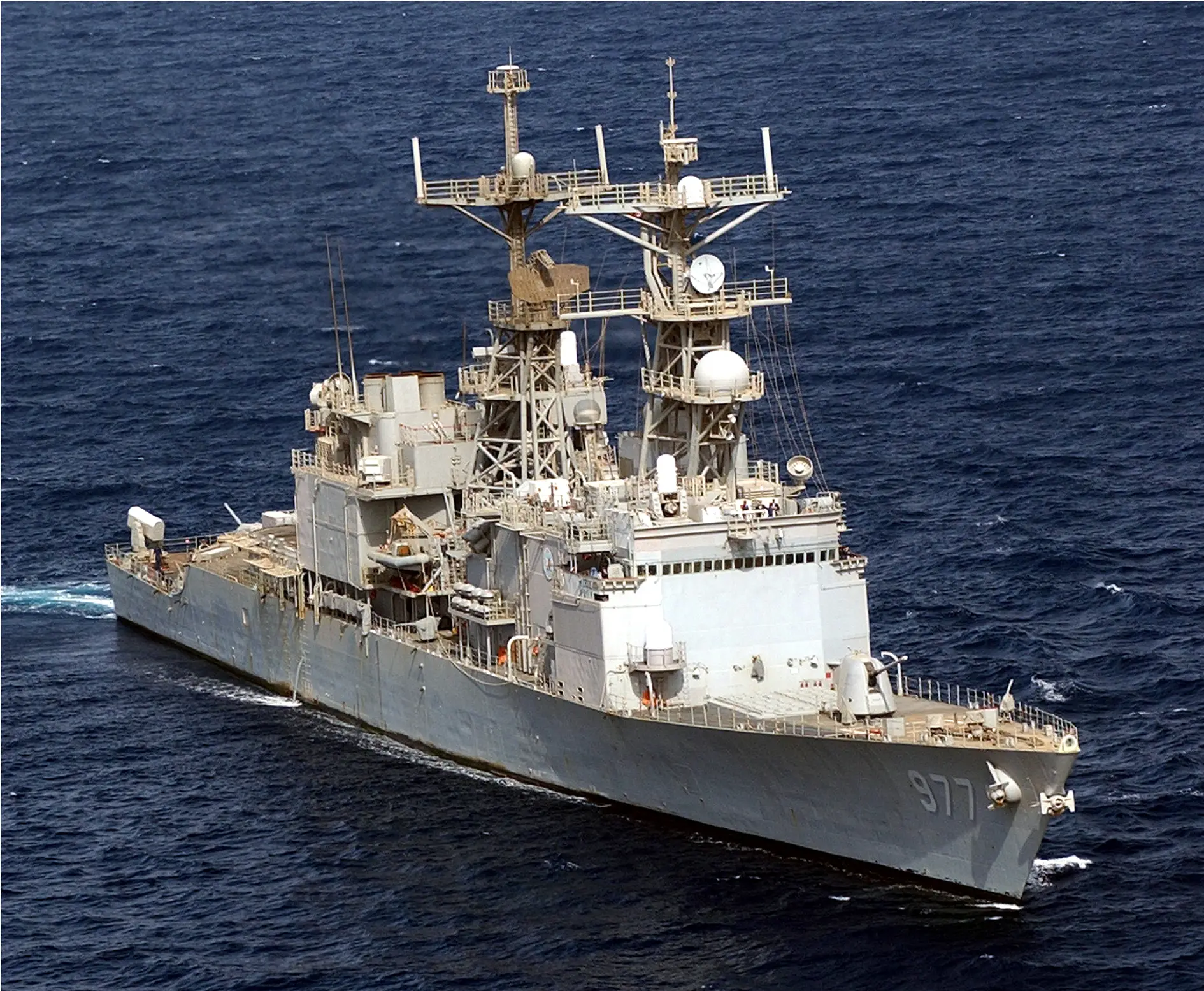
Shielding the carrier
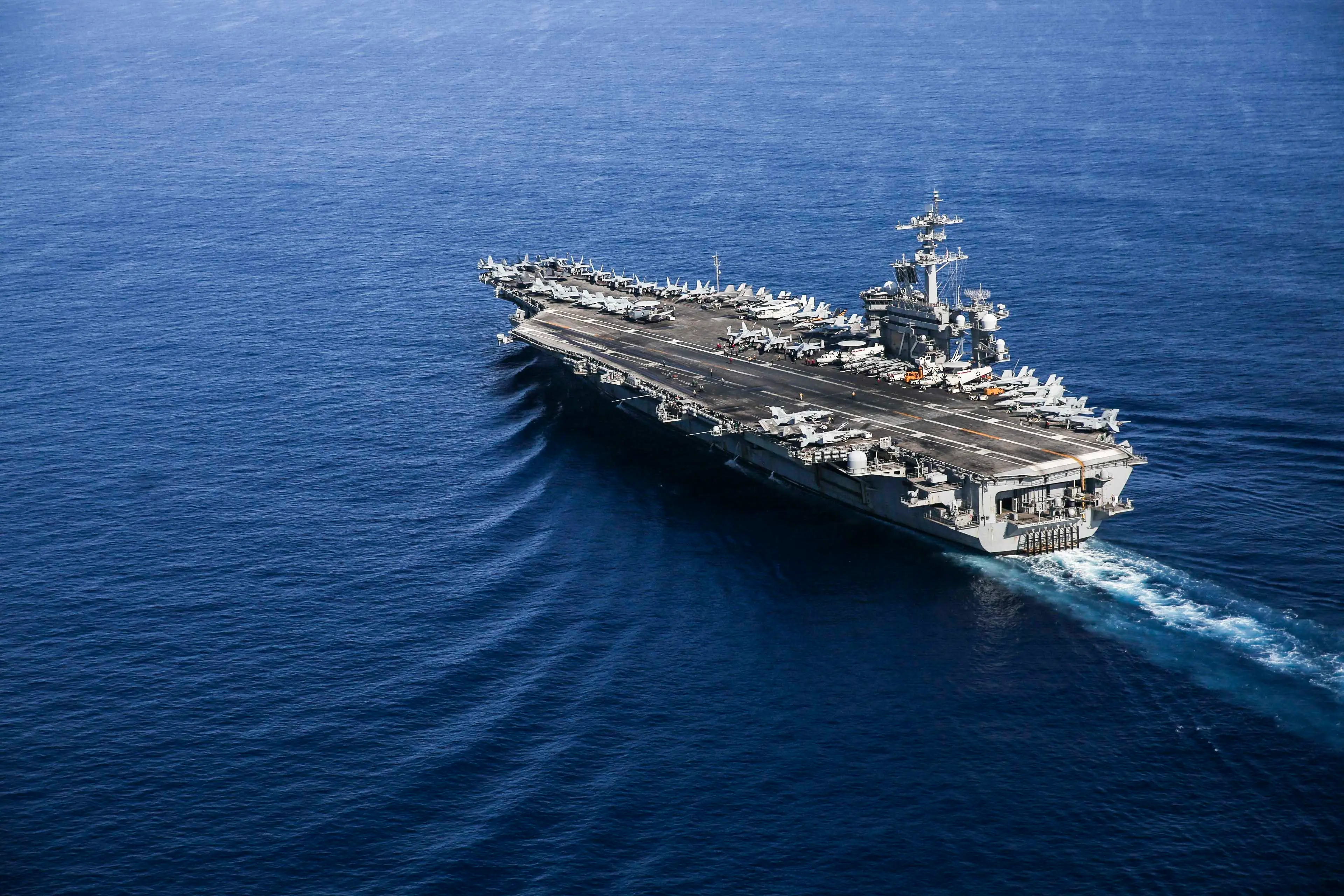
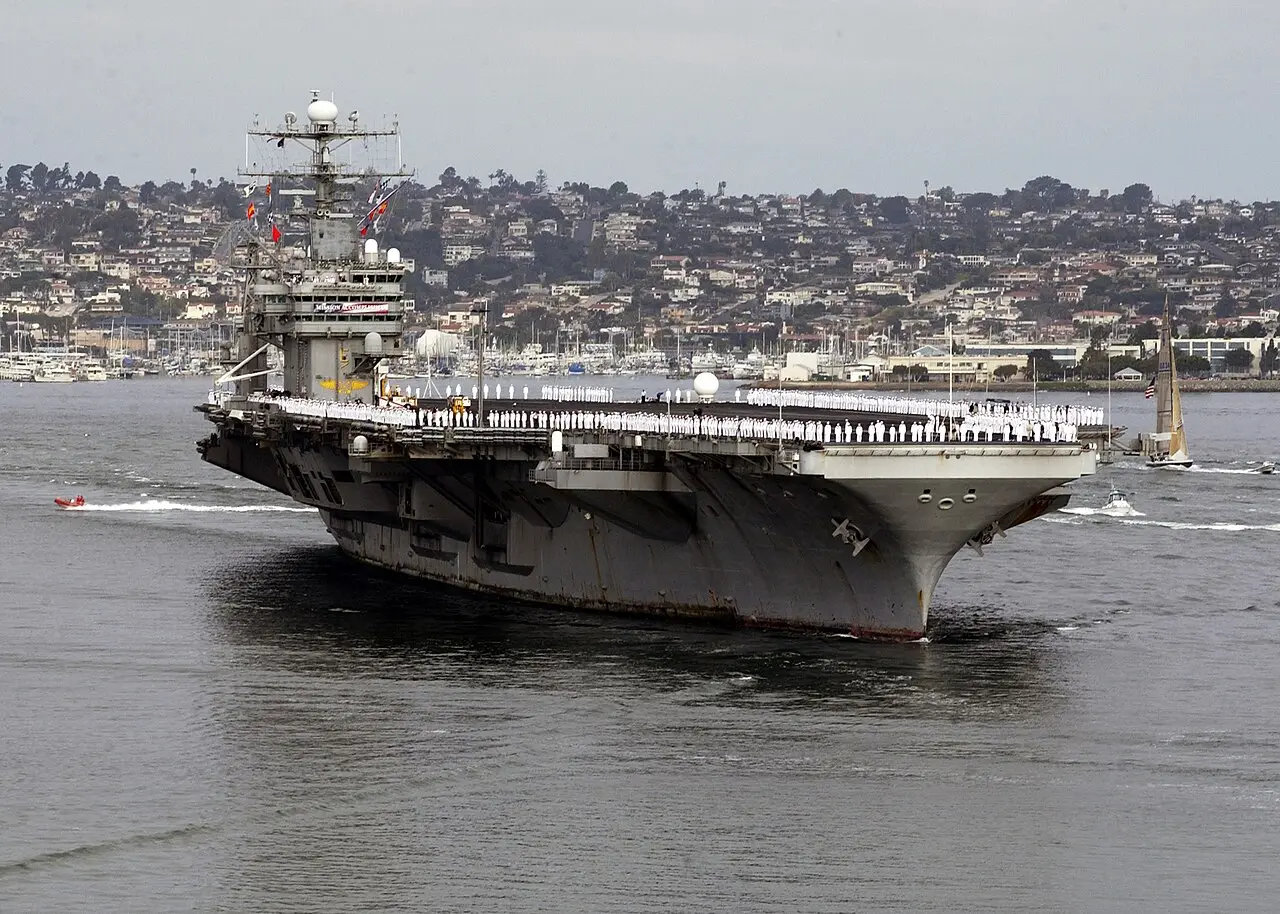
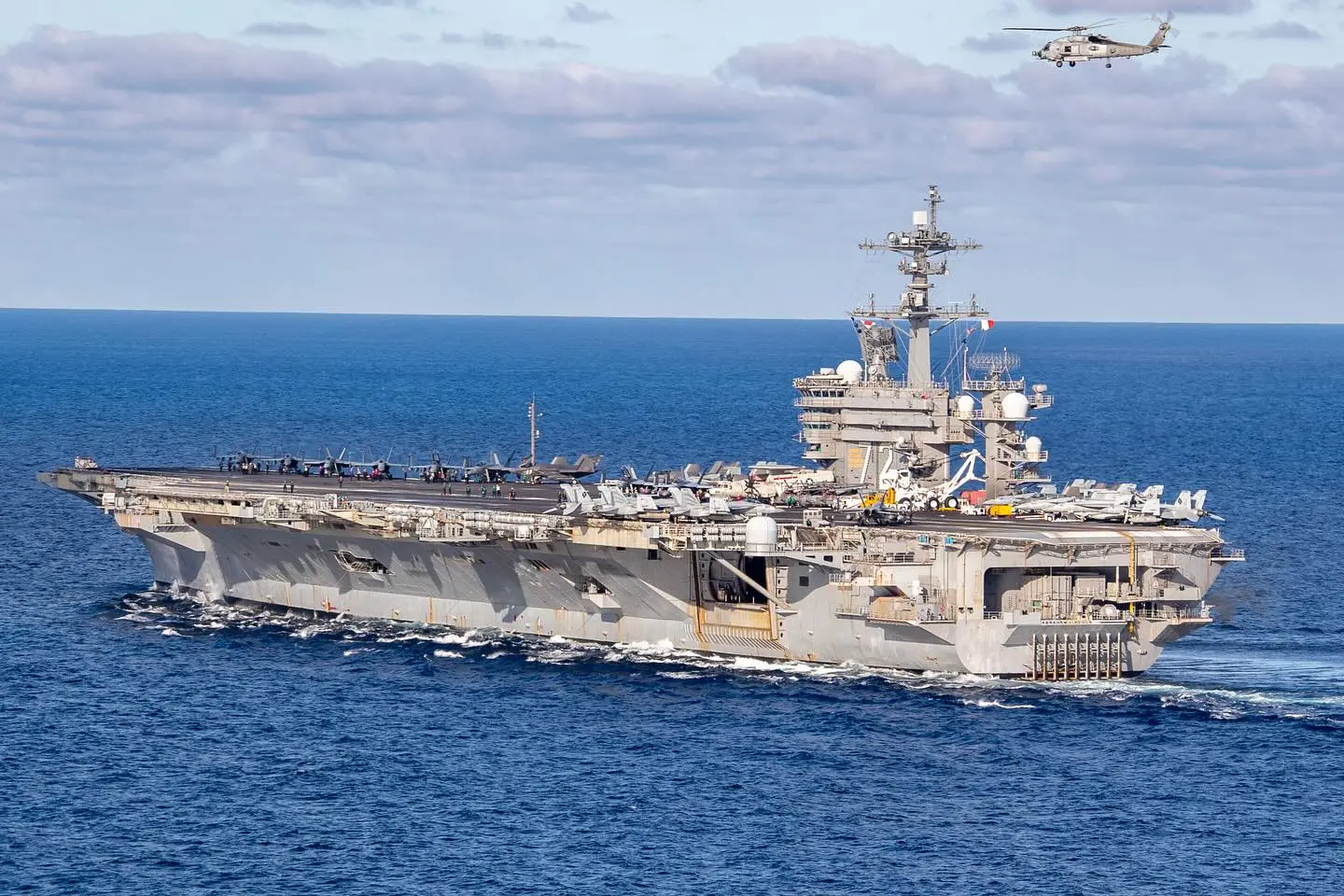
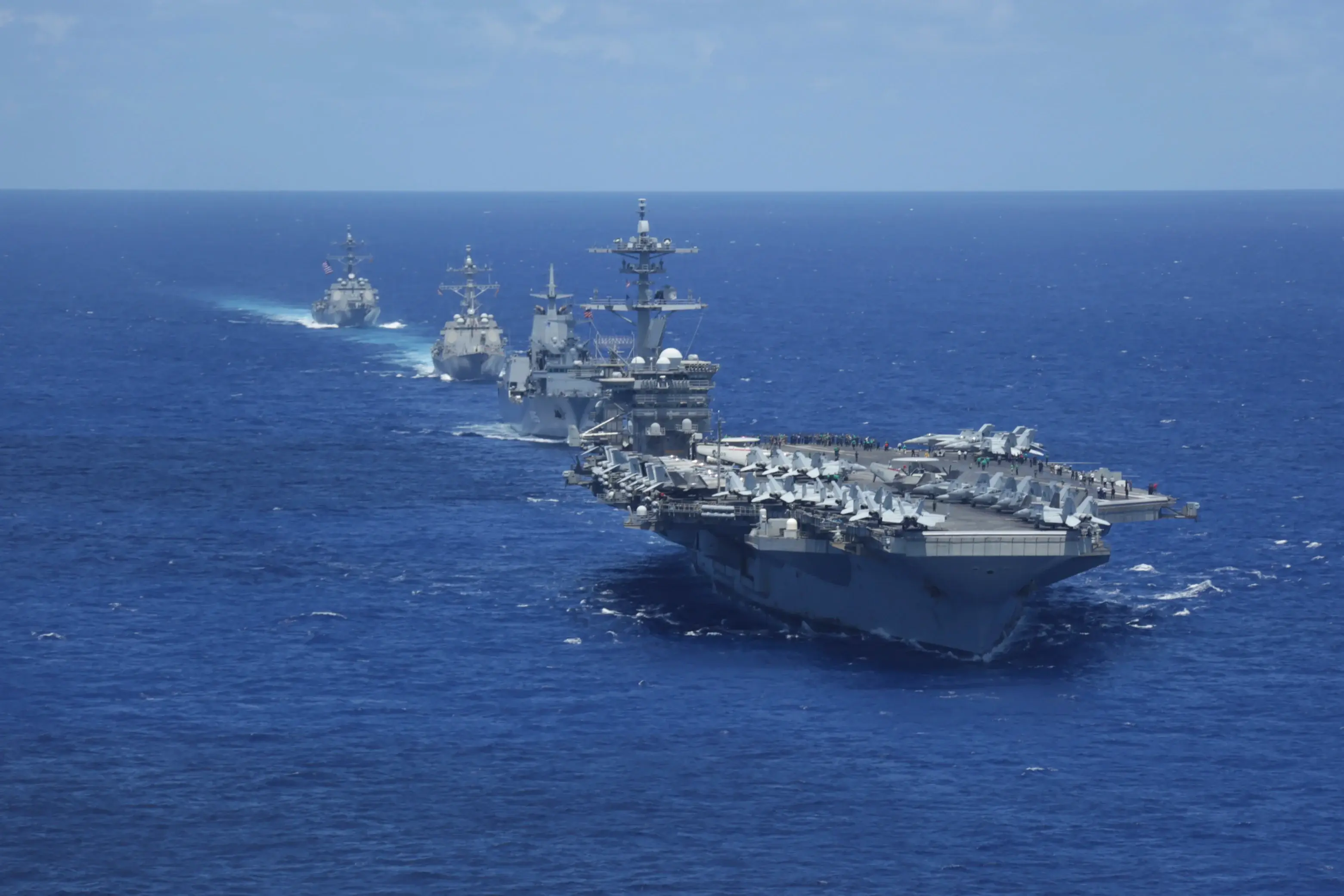
The USS Spruance operates as a primary escort for the USS Abraham Lincoln. Its main objective is to establish a defensive perimeter around the aircraft carrier, neutralising any incoming surface or air threats before they breach the strike group's inner security zone.
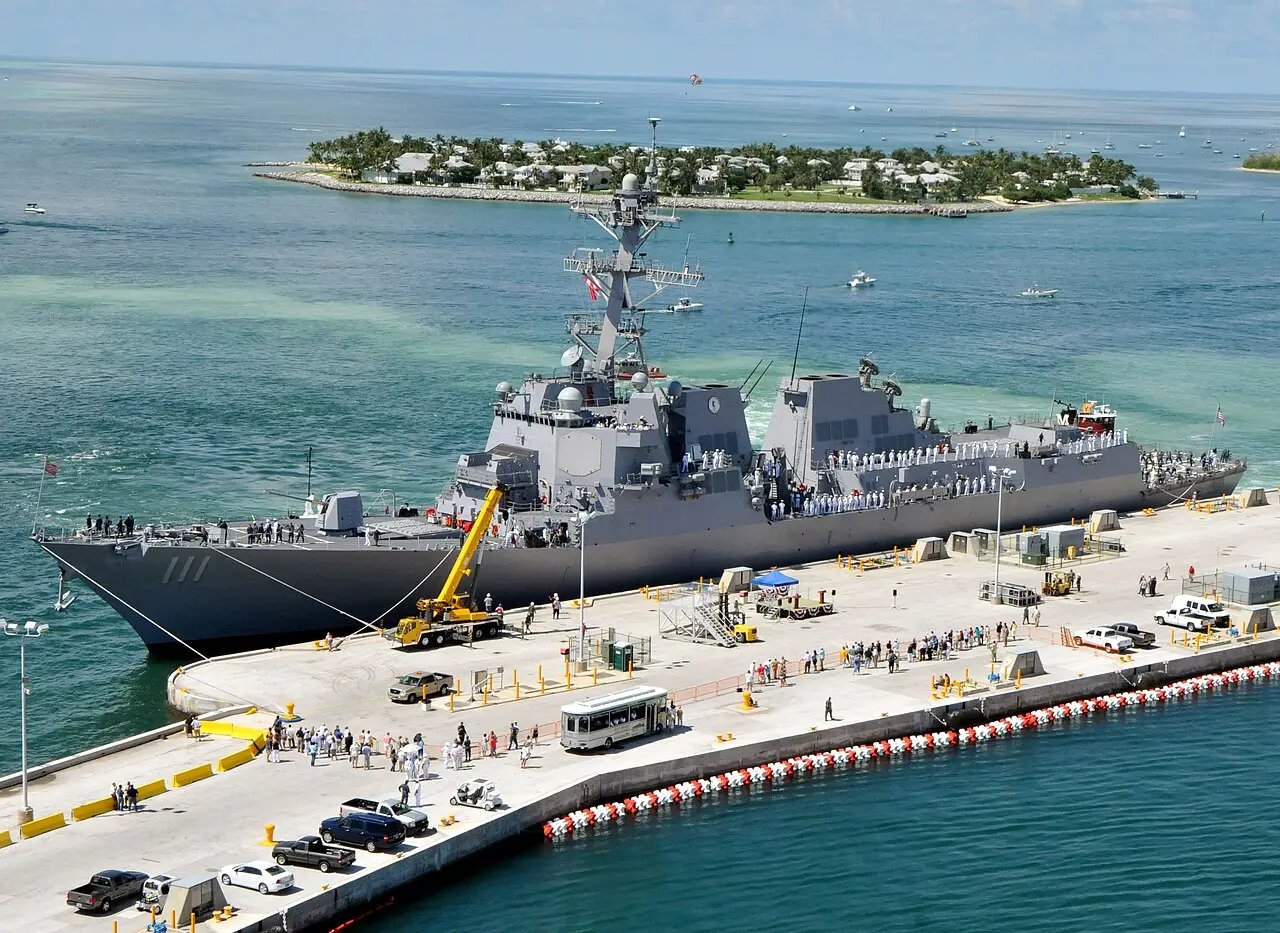
The 5-inch Mk 45 gun
Mounted on the forward deck, the 5-inch (127-millimetre) gun is a fully automated naval artillery system. It is designed to engage fast-attack craft and low-flying aircraft, providing essential firepower when threats bypass long-range missile defences.
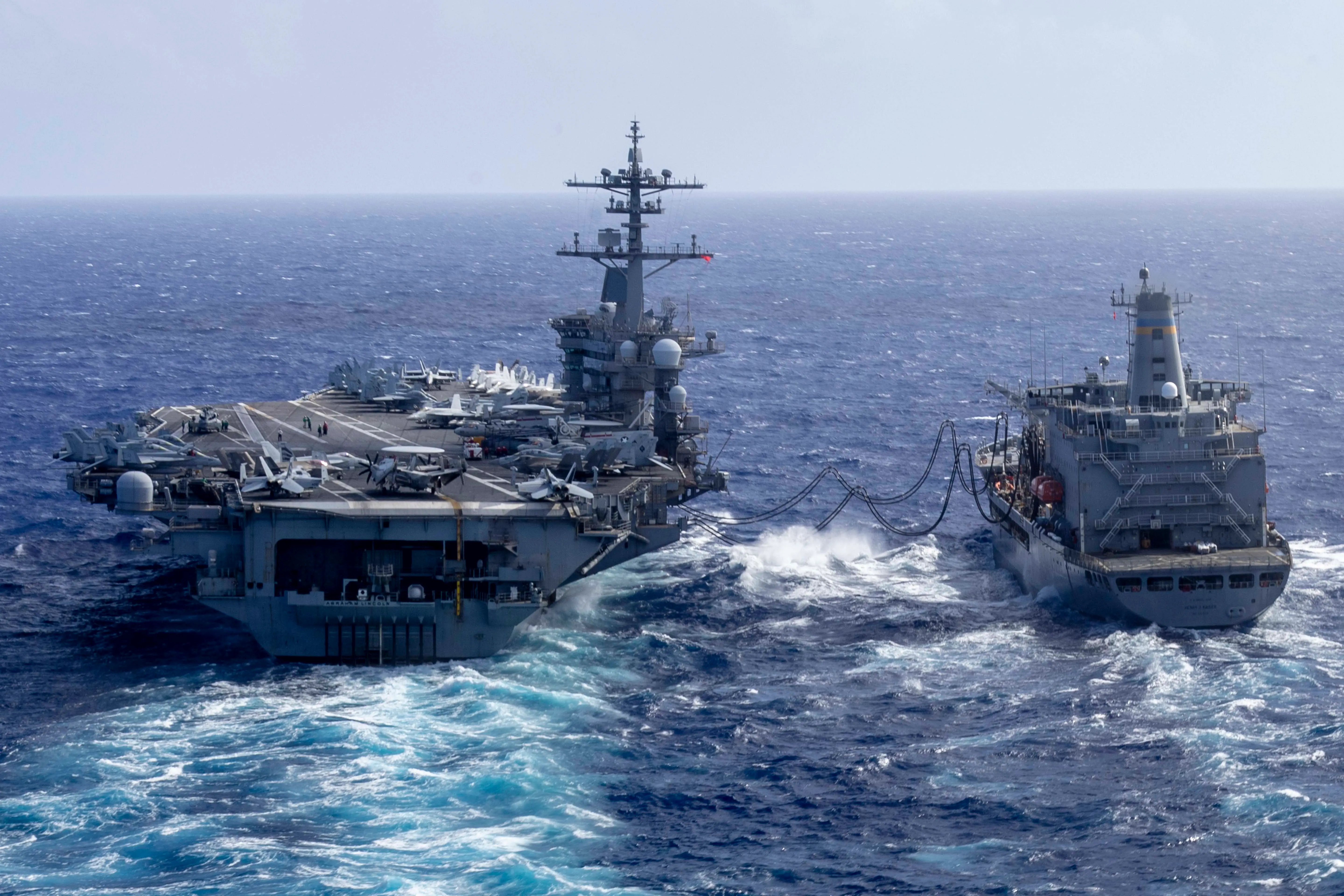
Close combat readiness
When operating in congested waterways, the destroyer prepares for asymmetrical warfare. The crew maintains the 5-inch gun at high readiness to counter sudden swarms of small boats, ensuring the carrier remains untouched by close-range hostile forces.
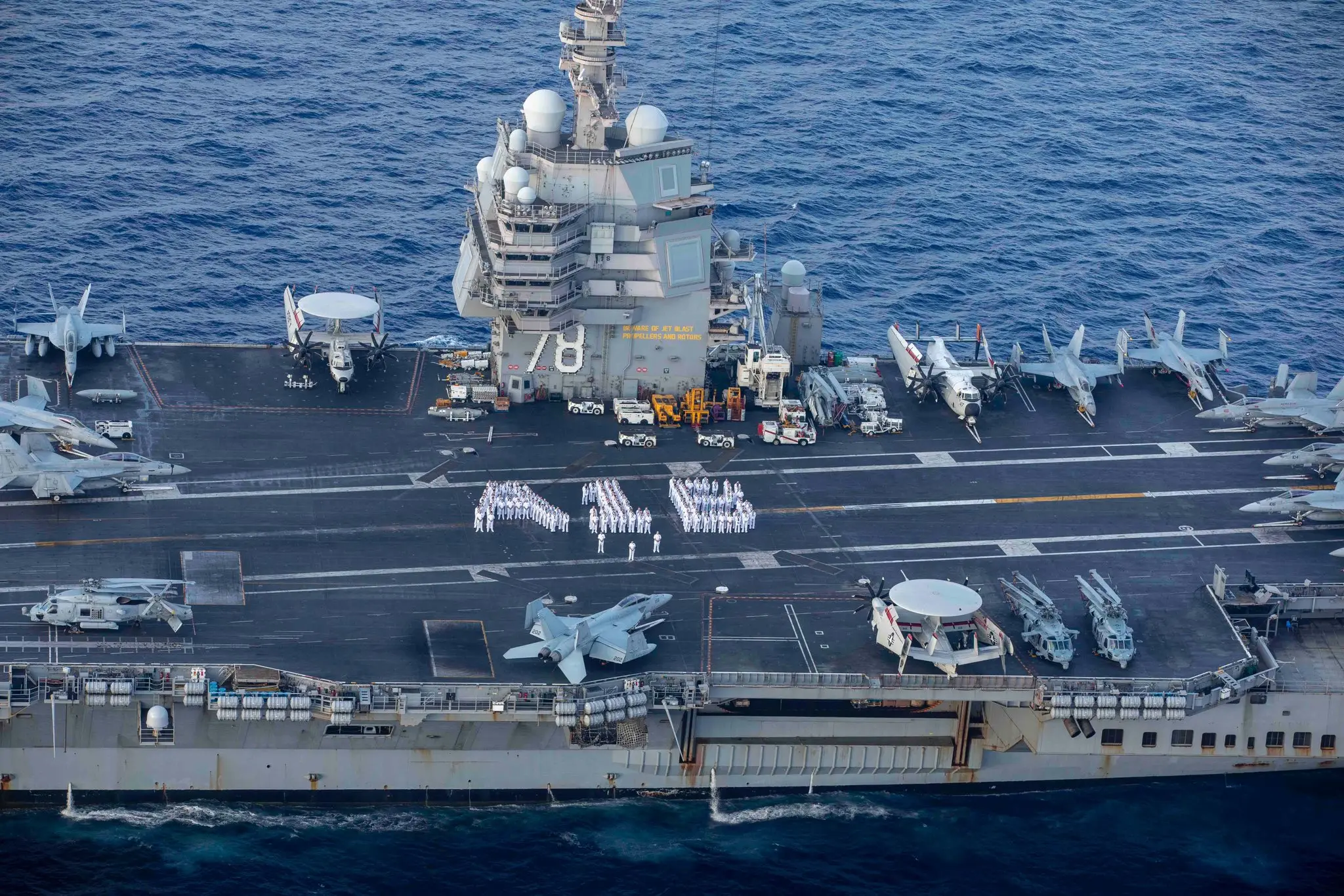
Firing 20 rounds per minute
The deck gun can fire up to 20 rounds per minute at targets more than 20 kilometres away. This rapid rate of fire allows the USS Spruance to suppress multiple surface targets simultaneously, creating a formidable barrier of high-explosive ordnance.
Advanced Targeting and Ballistics
Modern 5-inch guns are linked to highly advanced fire-control systems that instantly calculate precise ballistic trajectories. While the Navy continues to develop guided projectiles, the current combination of rapid-fire capability and automated radar tracking ensures a devastatingly high hit probability against evasive maritime threats, drastically reducing the time and rounds needed to neutralize a target.
Protecting the flight deck
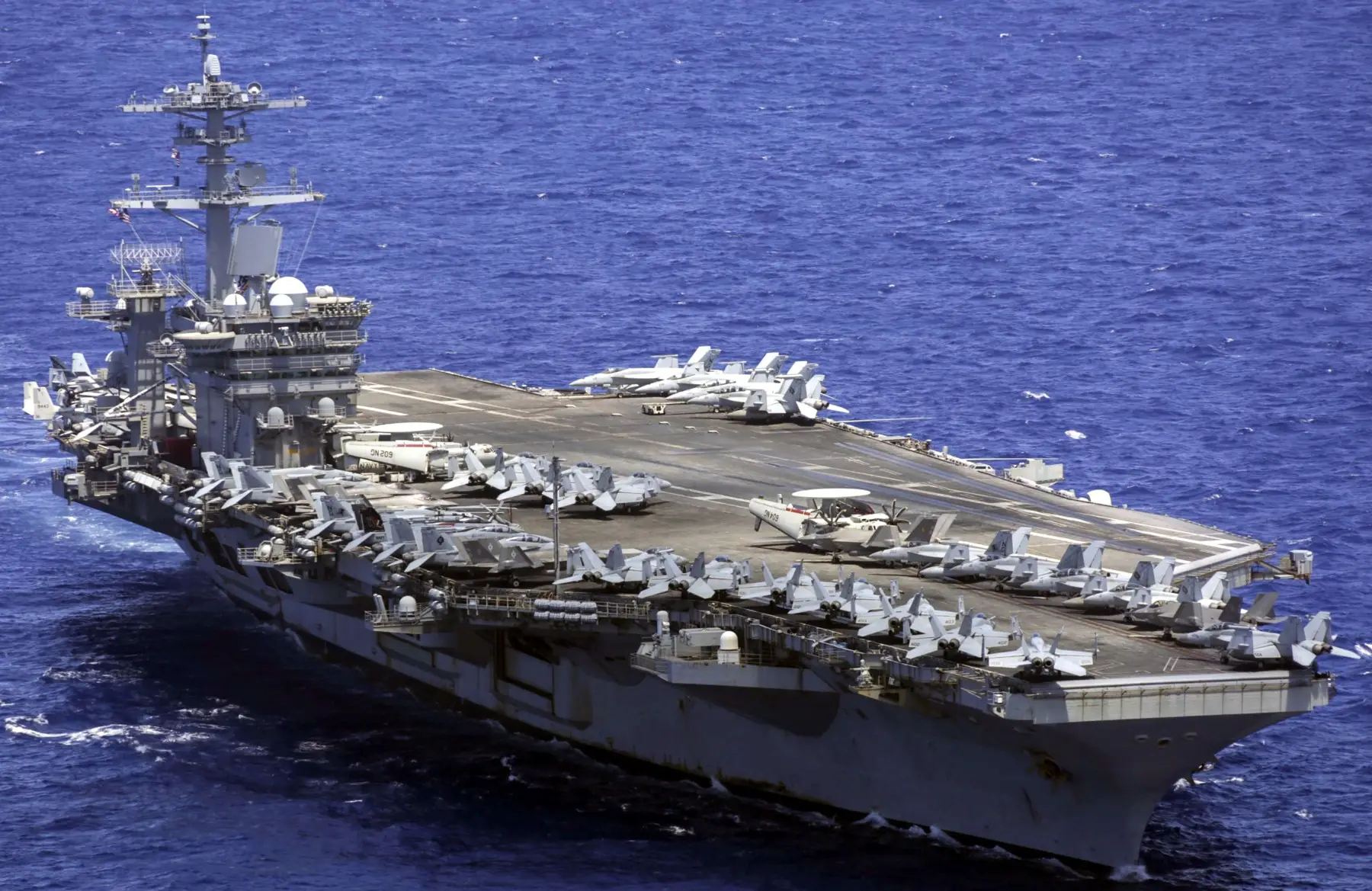
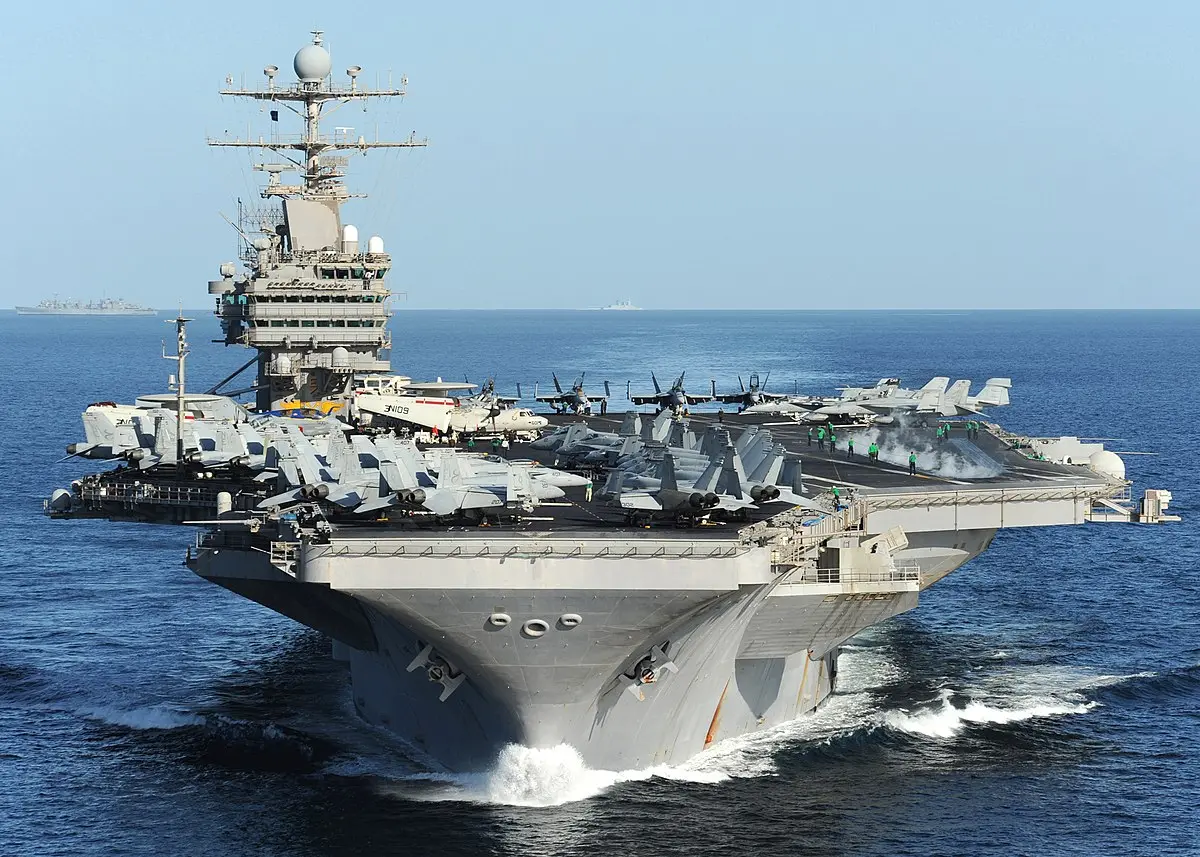
The USS Abraham Lincoln relies on uninterrupted flight operations to project power. By eliminating close-in surface threats, the USS Spruance ensures the carrier's deck remains stable and secure for continuous fighter jet launches and recoveries.
Integration with Aegis
The deck gun does not operate in isolation; it is fully integrated into the ship's Aegis Combat System. This allows radar operators to instantly feed targeting data to the weapon, decreasing reaction time to mere seconds during sudden ambushes.
Cost-effective defence
Firing a 5-inch shell is significantly more cost-effective than launching a multi-million dollar interceptor missile. The deck gun allows the US Navy to conserve its high-tier missile inventory for larger, strategic threats while efficiently handling smaller vessels.
Deterrence by presence
The visible rotation and tracking of the 5-inch gun serve as a strong psychological deterrent. Hostile forces monitoring the USS Spruance understand that approaching the USS Abraham Lincoln will result in immediate and overwhelming conventional artillery fire.
Continuous crew drills
Sailors aboard the USS Spruance conduct relentless maintenance and firing drills. These daily exercises ensure that mechanical loading systems and targeting software operate flawlessly, keeping the destroyer ready for immediate combat at any hour.
)
)
)
)
)