'The 47-year-old marvel': How engineers are keeping a 1970s spacecraft alive in interstellar space

Voyager spacecraft from 1977 are still running today, thanks to smart engineering and power-saving tricks. NASA engineers have kept 1970s tech working for nearly five decades in deep space. Know more below.

Launch of the Voyager in 1977
NASA launched Voyager in 1977 to study the outer planets. The missions were planned for only five years, but both probes are still operational more than four decades later.

Vintage Hardware in Deep Space
Voyager spacecraft run on equipment from the 1970s, including an 8-track data tape recorder, three radioisotope thermoelectric generators (RTGs), and less processing power than a modern calculator.

Smart Power Management
Each year, the RTGs lose about four watts of power. NASA engineers have extended the probes’ life by shutting down heaters and non-critical systems to save power, keeping the most important instruments on for as long as possible.

Upgrades and Creative Fixes
Voyager’s thrusters, first used in the 1970s, have been successfully fired up again after decades to keep antennas pointed at Earth. Engineers have reprogrammed old computers using original paper notes and assembly language.

What’s Still Working?
Originally, each Voyager carried ten active instruments. Now, only three can stay on at a time, focused on studying particles, waves and cosmic rays in interstellar space. Turning off some systems helps keep the craft talking with Earth for longer.
Vital Discoveries Beyond the Solar System
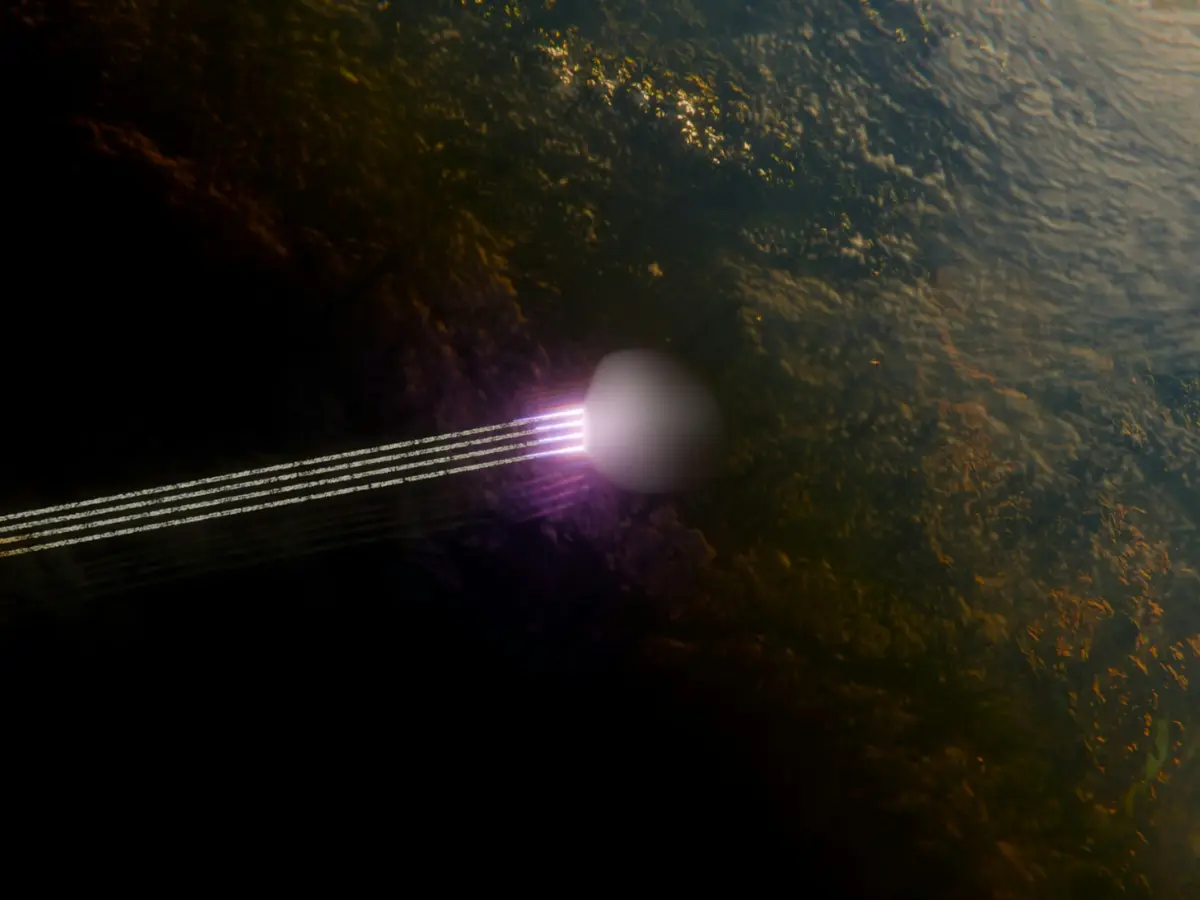
Both Voyagers are the only human-made objects to cross into interstellar space. They continue to send back data on cosmic rays, magnetic fields, and the “edge” of the solar system, showing the engineering was truly ahead of its time.
Human Grit Behind the Machines
NASA’s team constantly finds clever ways to keep the spacecraft operational using teamwork, documentation, and problem-solving. Each signal from the Voyagers is a sign of persistence and ingenuity from both the 1970s and today.
)
)
)
)
)