'The 4.5 Gen King': Why India’s Rafale is the most dangerous fighter jet in South Asia

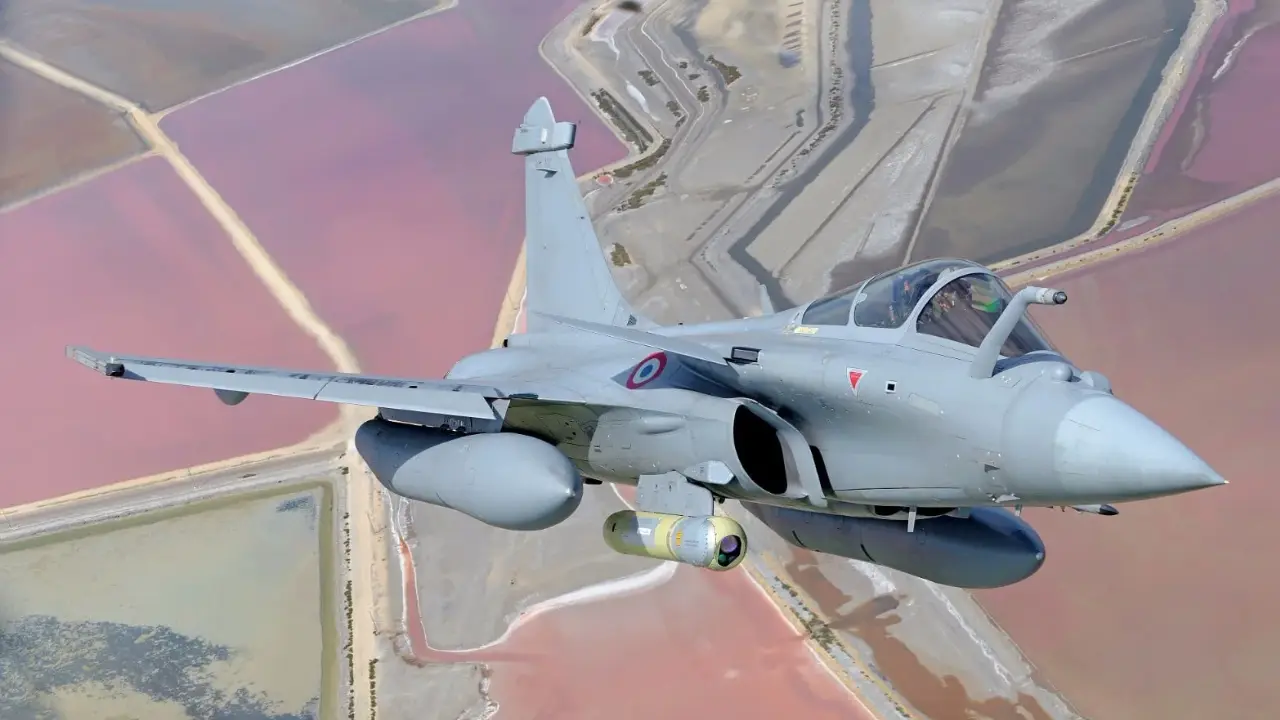
Here are the 7 reasons why the Indian Rafale is currently the undisputed apex predator of the South Asian skies, outclassing competitors from Pakistan and China.

1. The "Meteor" Advantage (A 100km No-Escape Zone)
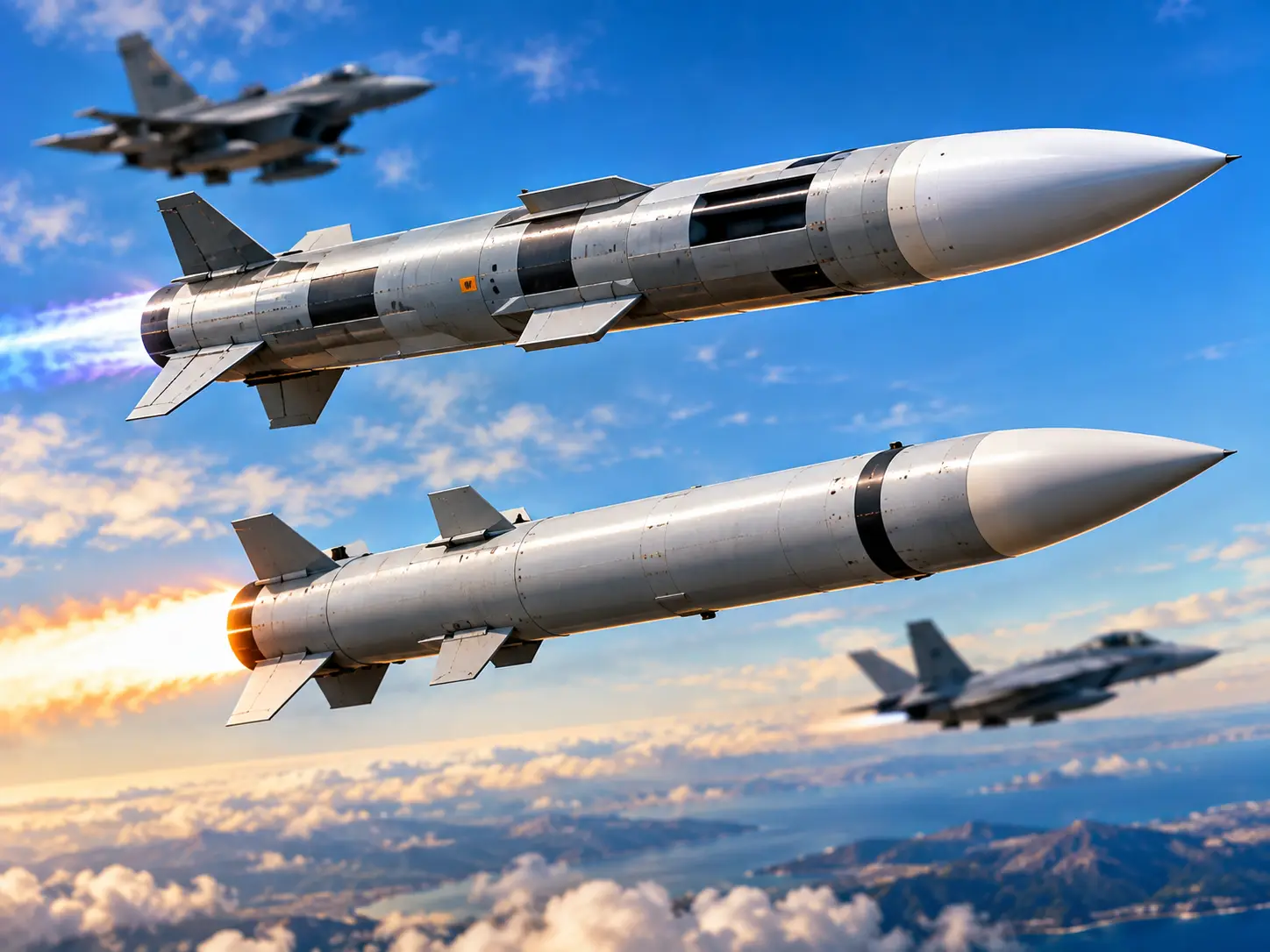
The primary reason for the Rafale’s dominance is its BVR (Beyond Visual Range) claw: the MBDA Meteor missile. Unlike standard solid-fuel missiles (like the American AMRAAM or Chinese PL-15) that burn out quickly, the Meteor uses a ramjet engine. This allows it to throttle its speed and chase down targets at Mach 4 all the way to impact, creating a "no-escape zone" of over 100km. A Pakistani F-16 or Chinese J-10C would run out of energy trying to evade it, while the Meteor is still accelerating.
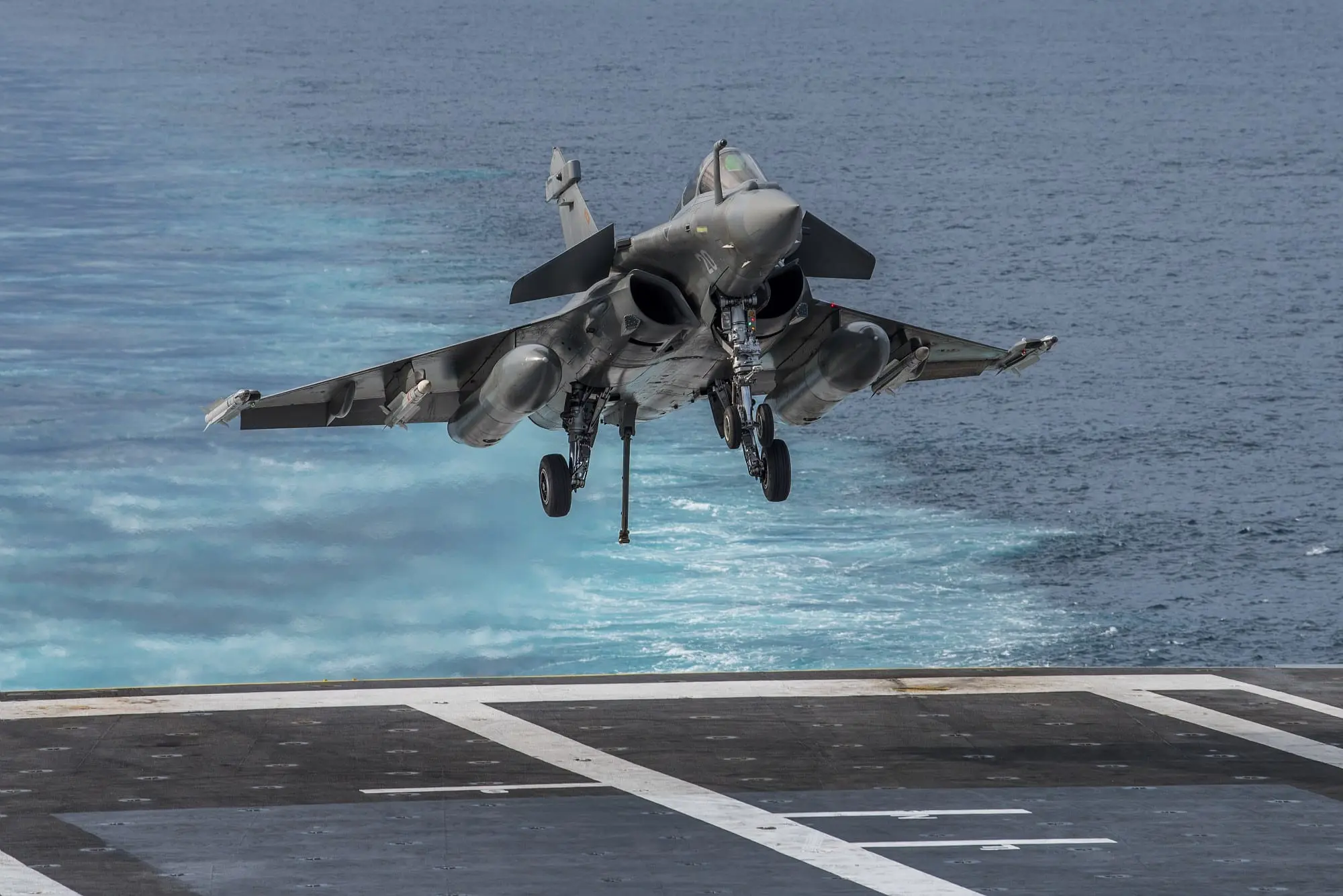
2. The RBE2 AESA "All-Seeing" Eye
The Indian Rafale is equipped with the RBE2 AA Active Electronically Scanned Array (AESA) radar. Unlike mechanical radars (found on Pakistan's older F-16s) that must physically turn to scan, the RBE2 steers its beam electronically in milliseconds. It can track 40 targets simultaneously and engage 8 of them at once, giving the pilot "first-look, first-shot" superiority even in heavy jamming environments.
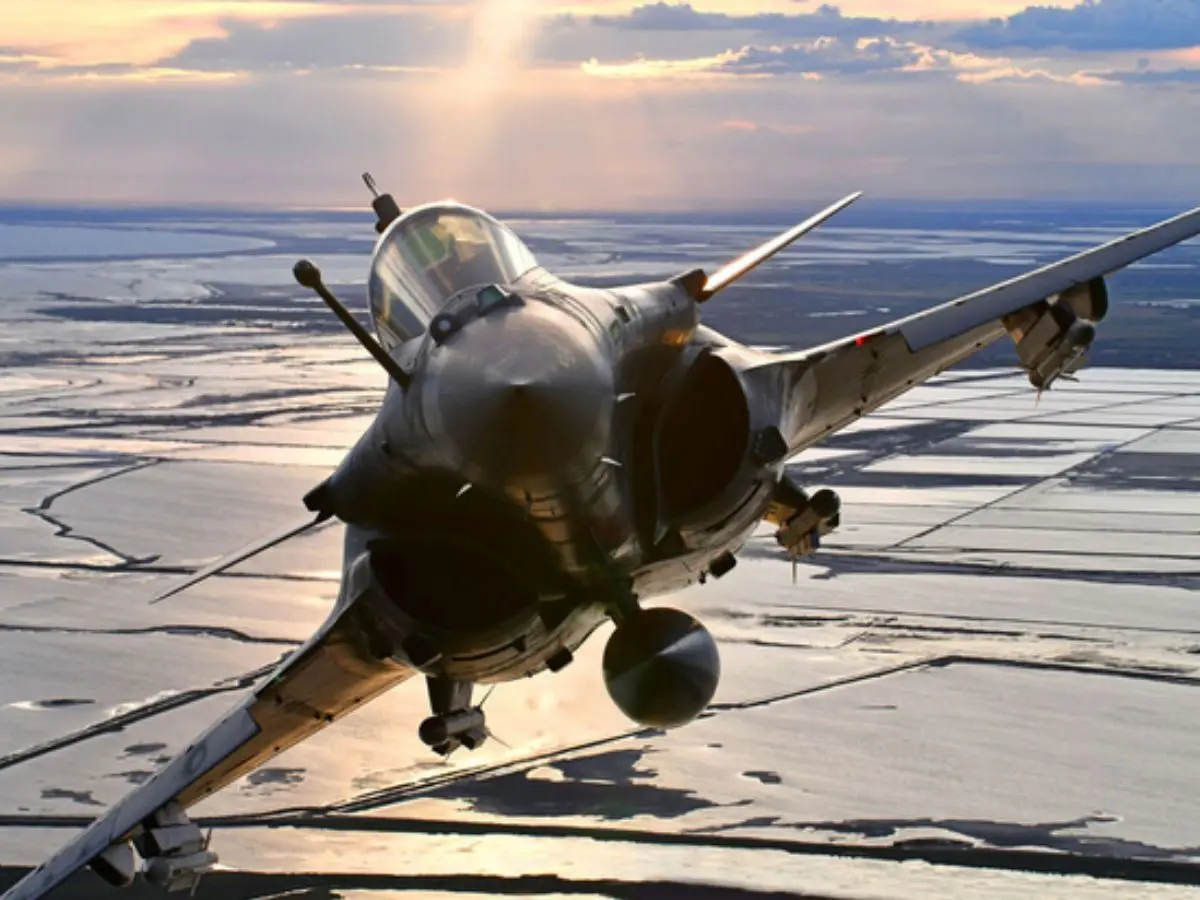
3. The "SPECTRA" Electronic Invisibility
The Rafale doesn't need to be a "stealth" aircraft because it carries SPECTRA (Self-Protection Equipment Countering Threats to Rafale Aircraft). This fully integrated electronic warfare suite is considered one of the world's most advanced. It detects incoming threats 360 degrees around the jet and can automatically employ “active cancellation”, emitting a signal to cancel out enemy radar waves, effectively making the jet invisible to specific frequencies without compromising its aerodynamic shape.
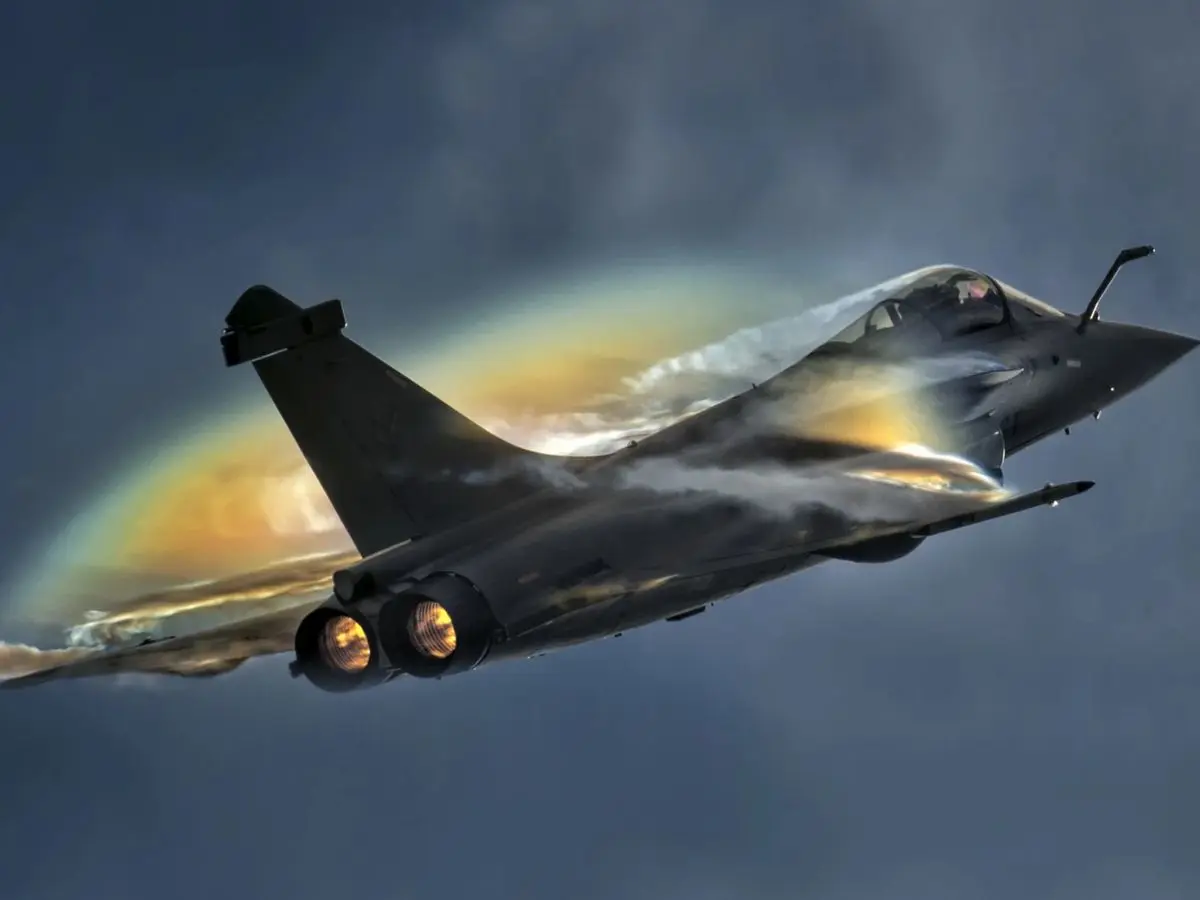
4. The "Nuclear" & Deep Strike Role
The Rafale is an "omnirole" fighter, meaning it can switch from air-to-air combat to nuclear delivery in the same mission. It carries the SCALP (Storm Shadow) cruise missile, which has a range of over 300km (publicly stated) to 500km+ (actual). This allows Indian pilots to destroy high-value targets deep inside Pakistan or China (like bunkers or command centres) without ever crossing the border.
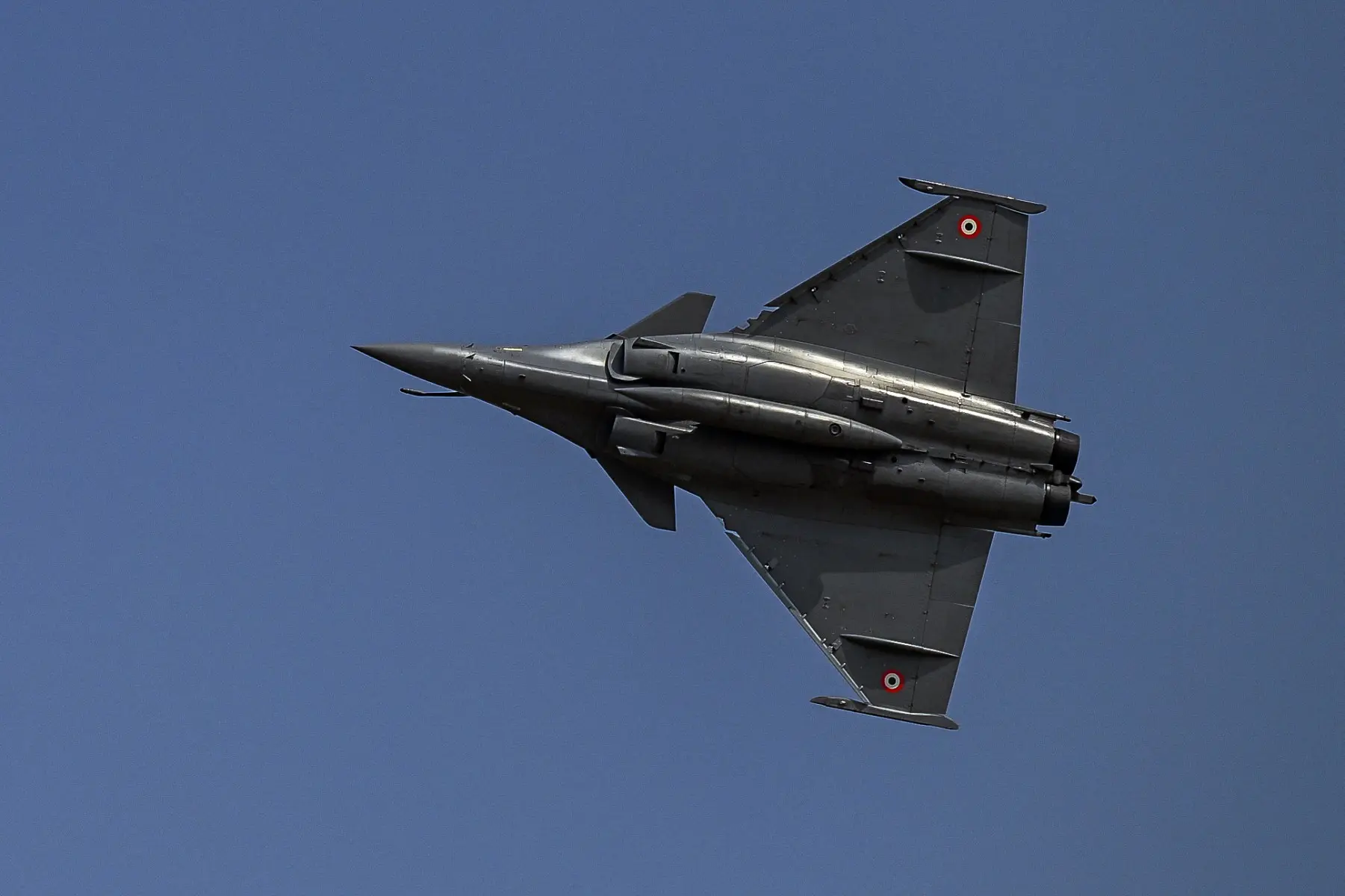
5. Hot-and-High Superiority (The "Ladakh" Factor)
Chinese jets like the J-20 struggle with engine performance in the thin air of the Himalayas. The Rafale was customised with "India Specific Enhancements" including cold-start capabilities for high-altitude bases like Leh. Its M88 engines and delta-canard design allow it to take off with a full weapons load from high-altitude runways where other jets would be grounded or forced to fly light.
6. Combat-Proven vs. "Paper Tigers"
The Rafale has seen active combat in Afghanistan, Libya, Mali, Iraq, and Syria. In contrast, its main 5th-generation rival, the Chinese Chengdu J-20, has zero combat experience. In military aviation, "battle-hardened" reliability often trumps theoretical specs. The Rafale’s systems have been refined by decades of real war data, whereas the J-20 is still an unproven platform.
7. The "HAMMER" Precision
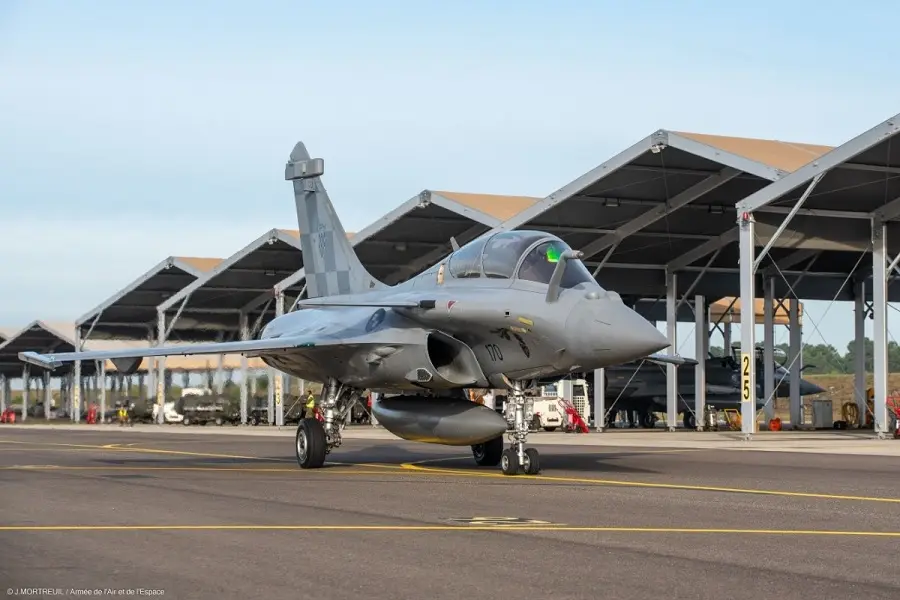
For tactical strikes, the Rafale uses the AASM HAMMER, a rocket-boosted bomb kit. Unlike gravity bombs that just fall, the HAMMER can be fired from 60km away and driven into a target (like a bunker entrance) with meter-level accuracy, even from a low-altitude release. This gives the IAF a unique capability to destroy mountain-top bunkers along the Line of Control (LoC) without exposing the jet to shoulder-fired missiles.
)
)
)
)
)