'Temperatures around -200°C': NASA’s Infrared Astronomical Satellite may have found evidence of Planet Nine

A team of astronomers from Taiwan has uncovered compelling infrared evidence hinting at the existence of the long-hypothesised Planet 9, a massive, icy world lurking far beyond Pluto in the outermost reaches of our Solar System.
The Hypothesis of Planet 9
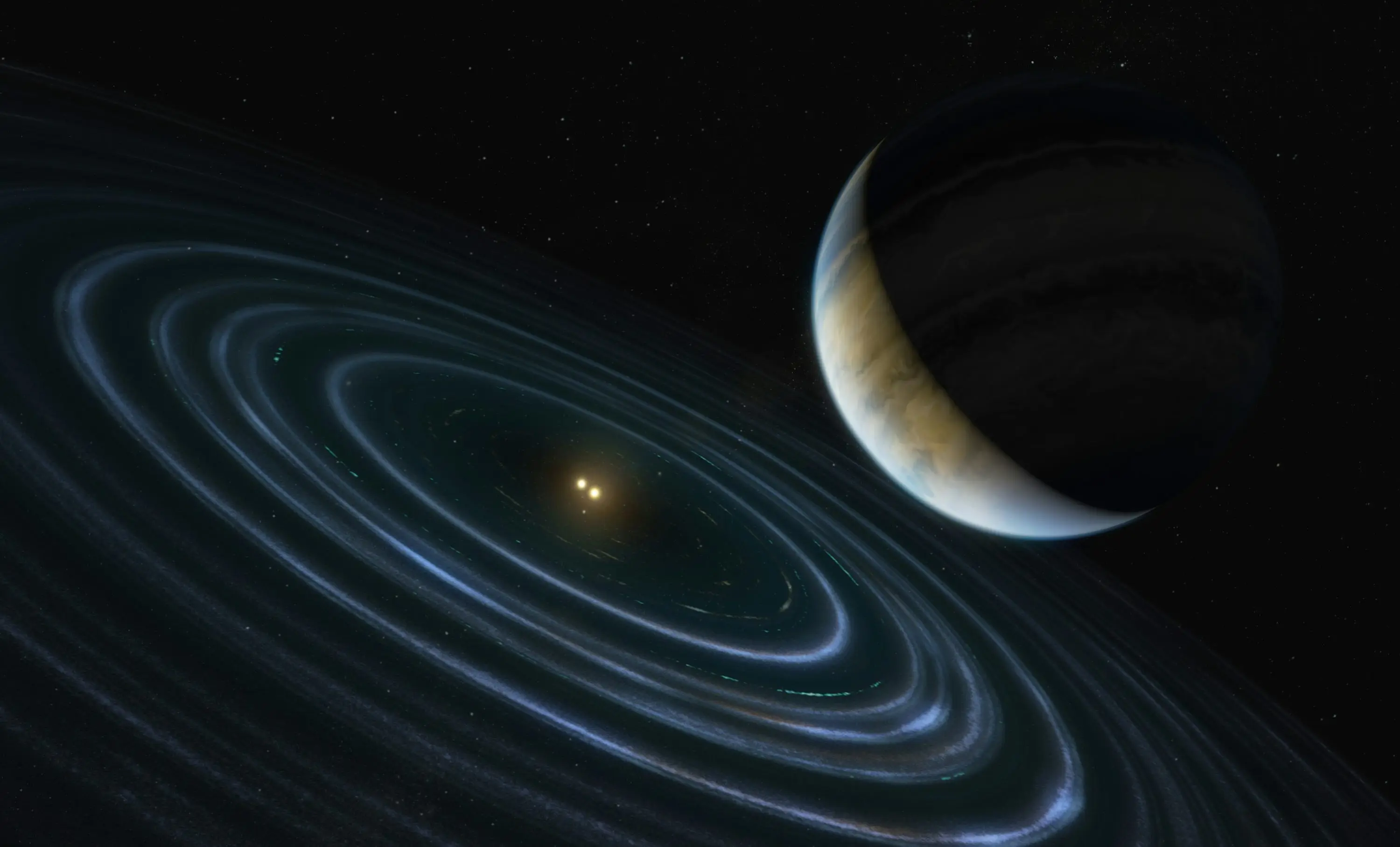
For years, astronomers have suspected that an unseen planet may exist far beyond Neptune to explain unusual gravitational patterns in the Kuiper Belt. These patterns, such as the clustering and tilted orbits off distant objects, suggested the gravitational pull of a massive, undiscovered planet, possibly seven to 17 times Earth’s mass.
Why It’s So Hard to Find
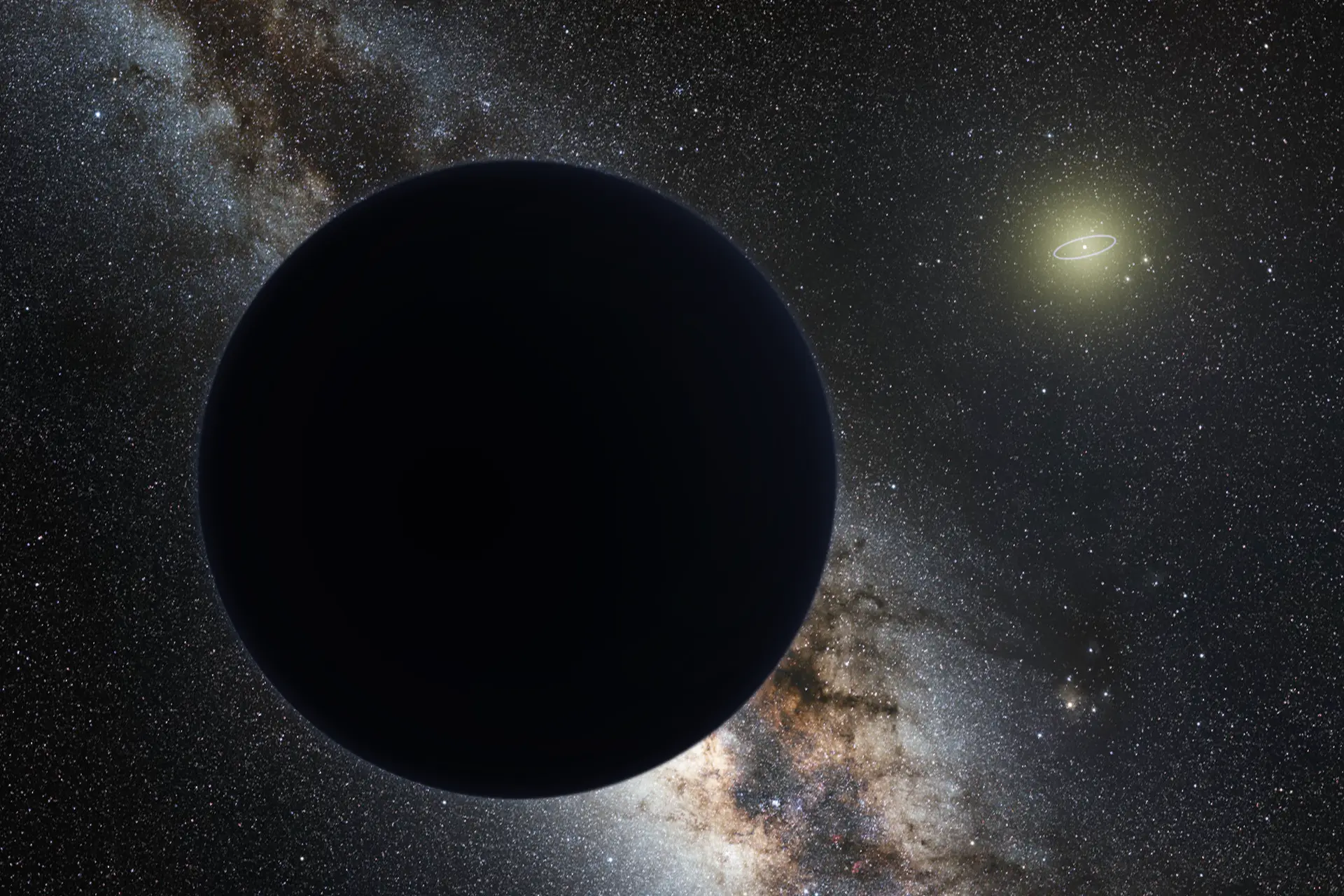
Planet 9 is theorised to orbit the Sun at a staggering 300 Astronomical Units (AU)—about ten times farther than Neptune. At such a vast distance, it reflects almost no sunlight, making it nearly invisible in visible-light telescopes. Detecting it requires searching in infrared, where its faint heat signature might be seen.
The Role of Infrared Space Telescopes
This new research used data from two powerful infrared observatories: NASA’s Infrared Astronomical Satellite (IRAS) from the 1980s and Japan’s AKARI satellite from the 2000s. Both performed all-sky infrared surveys, capturing light from cold, distant objects that optical telescopes cannot detect.
Sifting Through Decades of Data
Taiwanese astronomer Terry Long Phan and colleagues compared IRAS and AKARI datasets, searching for objects that shifted position slightly over decades, indicating slow movement consistent with a distant orbit. Out of 13 potential candidates, only one object remained that matched the profile of a faraway planet.
Movement Matches Predictions
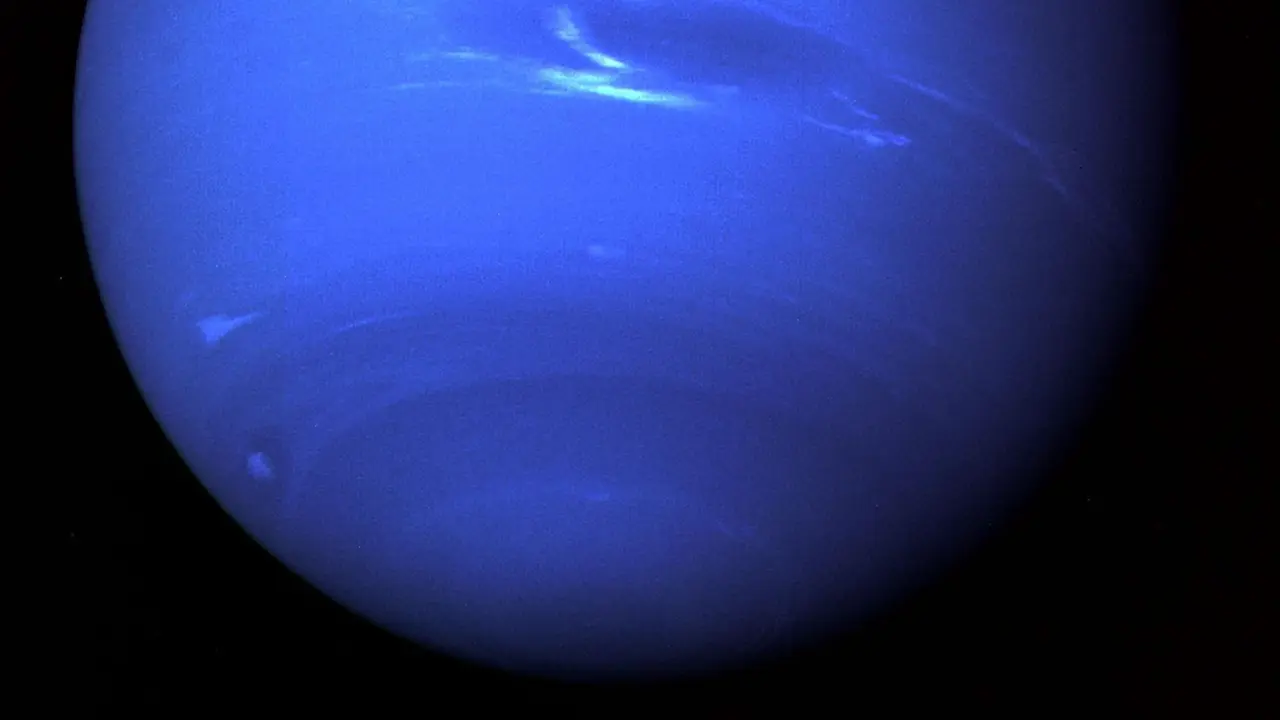
This candidate object moved just 47.5 arc-minutes over 23 years, about 1.5 times the Moon’s width in the night sky. Such slow movement is exactly what astronomers expect for a body orbiting hundreds of AU from the Sun, suggesting it could indeed be Planet 9.
A Possible Ice Giant
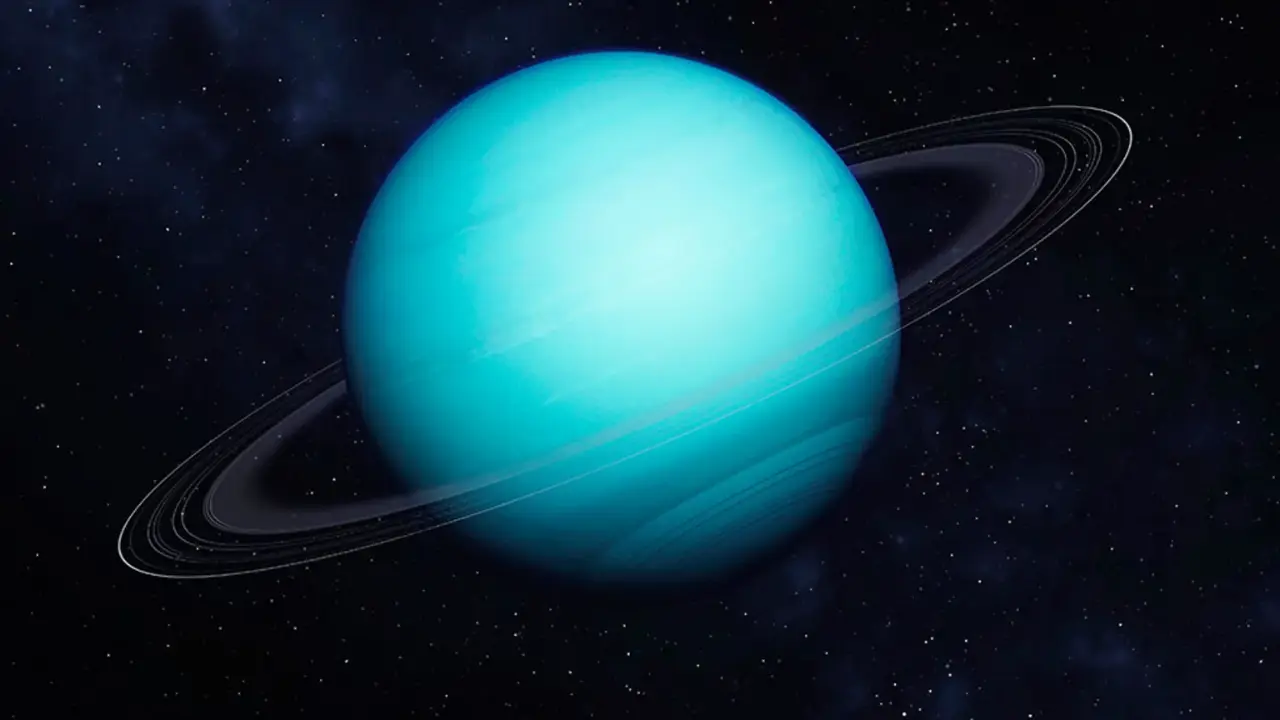
If this object is confirmed as Planet 9, it is likely an ice giant similar to Neptune or Uranus, with frigid . Its massive size and composition could explain the mysterious gravitational effects seen in the Kuiper Belt.
Next Steps in the Search
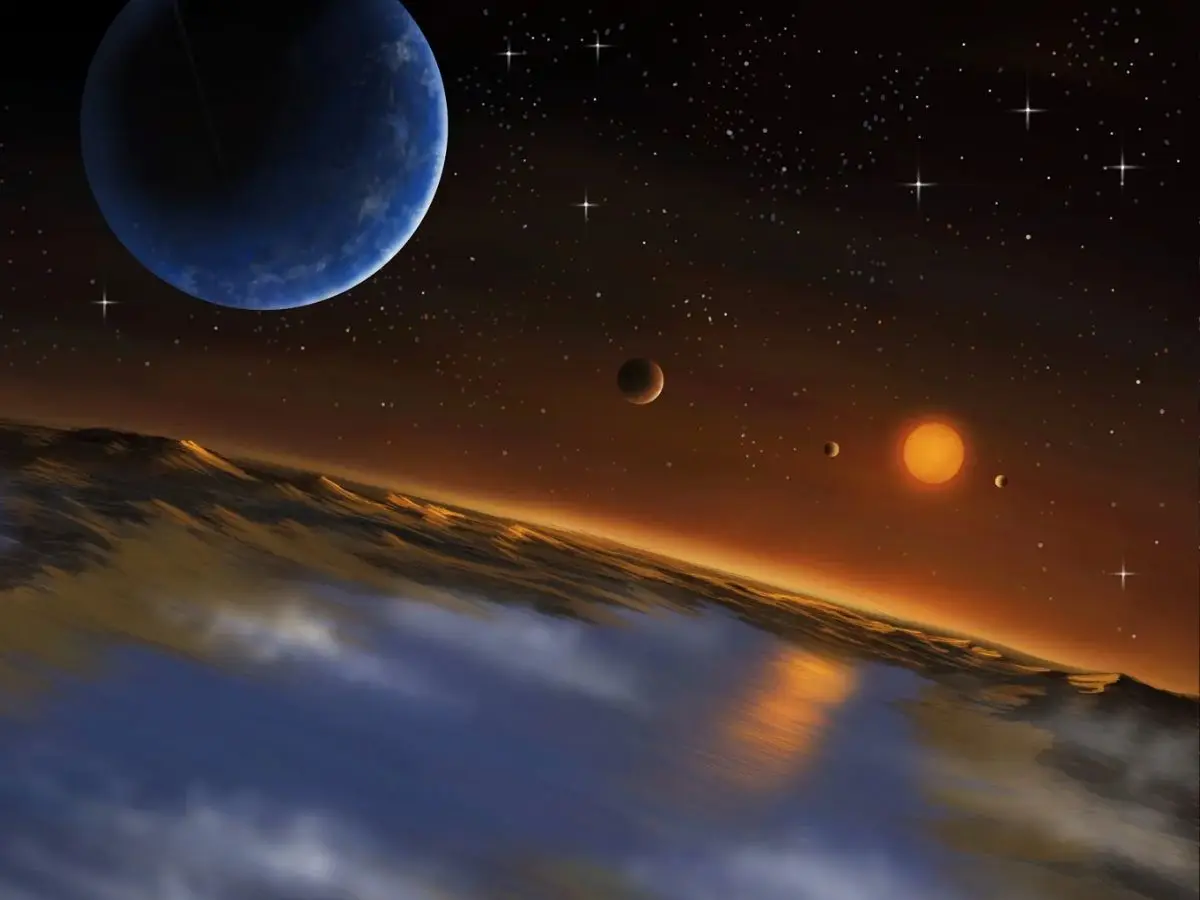
The discovery is not yet conclusive. Astronomers plan to use the Dark Energy Camera (DECam) in Chile to track the object’s motion more precisely and confirm its orbit. If verified, this would be the first new planet discovered in our Solar System since Neptune in 1846.
)
)
)
)
)