'Tasting jet fuel': Why USS Abraham Lincoln’s drinking water has a very specific 'flavour'

The USS Abraham Lincoln produces 400,000 gallons of fresh water daily. But over a nine-month deployment, discover why the crew’s coffee, food, and showers all start smelling faintly of jet fuel.
The 400,000-Gallon Distillery
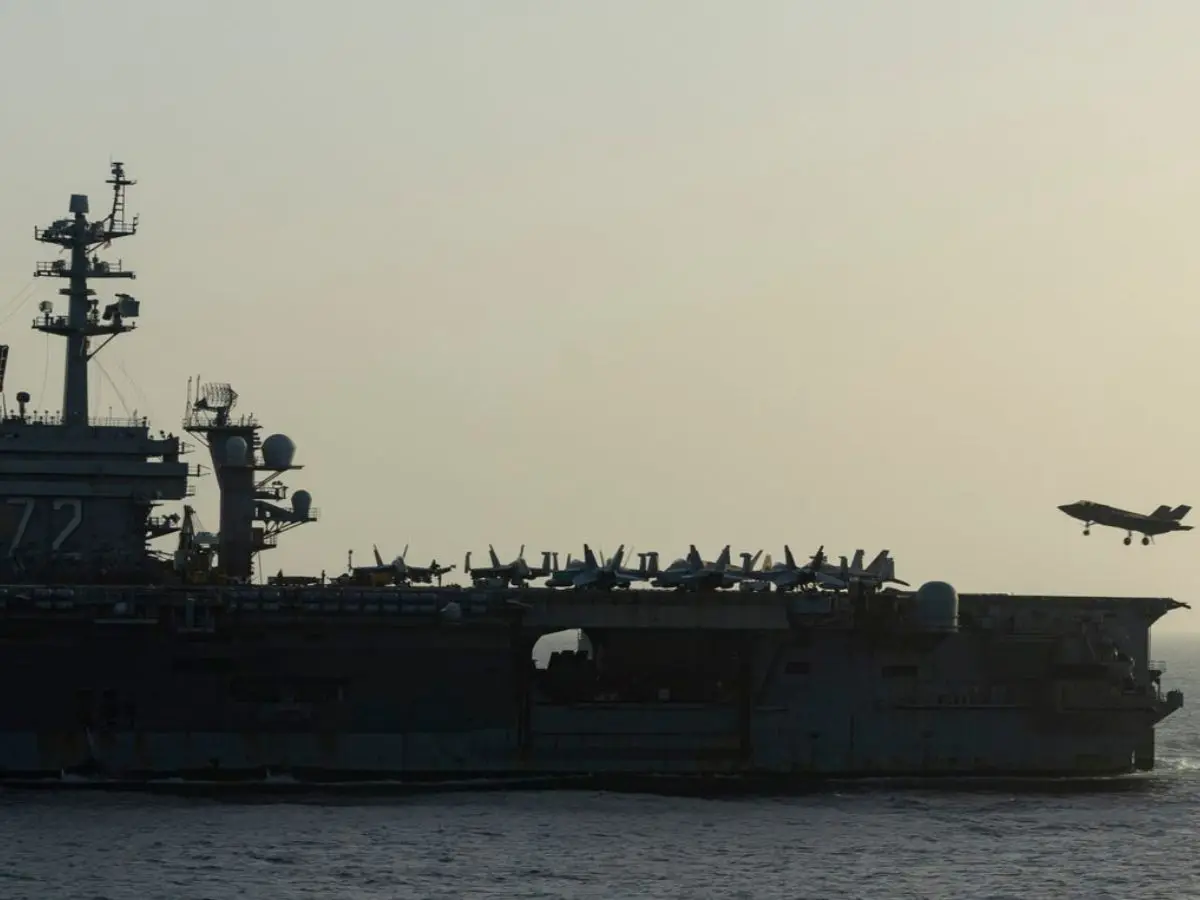
You can't pack enough bottled water for 5,000 sailors on a nine-month deployment. Instead, the USS Abraham Lincoln acts as a massive floating desalination plant. Deep in the reactor department, the ship uses the intense heat generated by its nuclear cores to operate massive flash evaporators. These plants suck in seawater, boil it into steam, and condense it back down, producing up to 400,000 gallons of incredibly pure, fresh water every single day.
The Purity Paradox
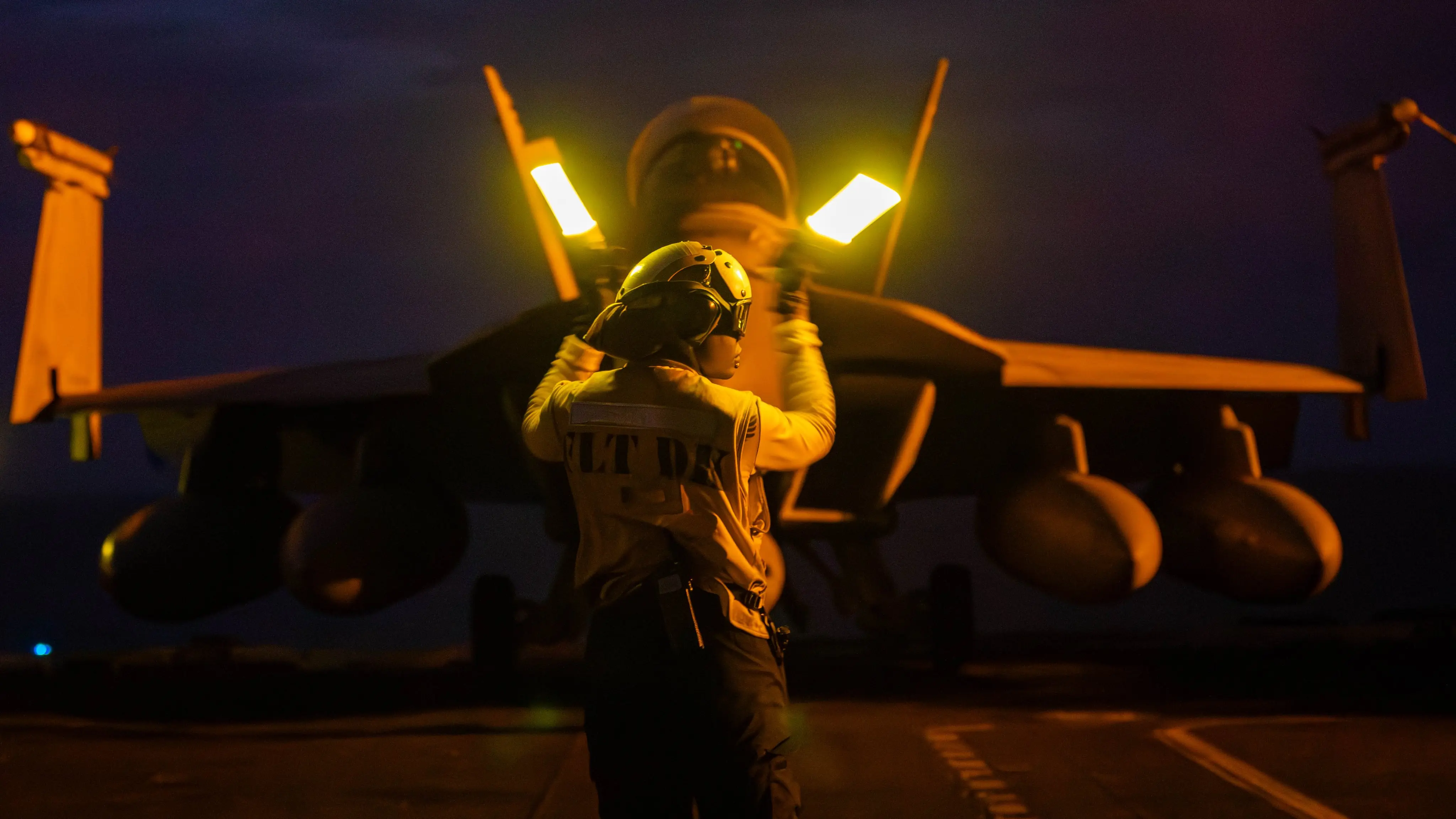
When the water leaves the distilling plant, it is actually too pure. Because the flash evaporation removes absolutely all minerals, the raw water tastes completely flat and metallic, like drinking battery water. To make it palatable and prevent it from corroding the ship's internal piping, engineers have to chemically inject bromine and calcium back into the water supply before it hits the crew's taps.
The JP-5 Atmosphere
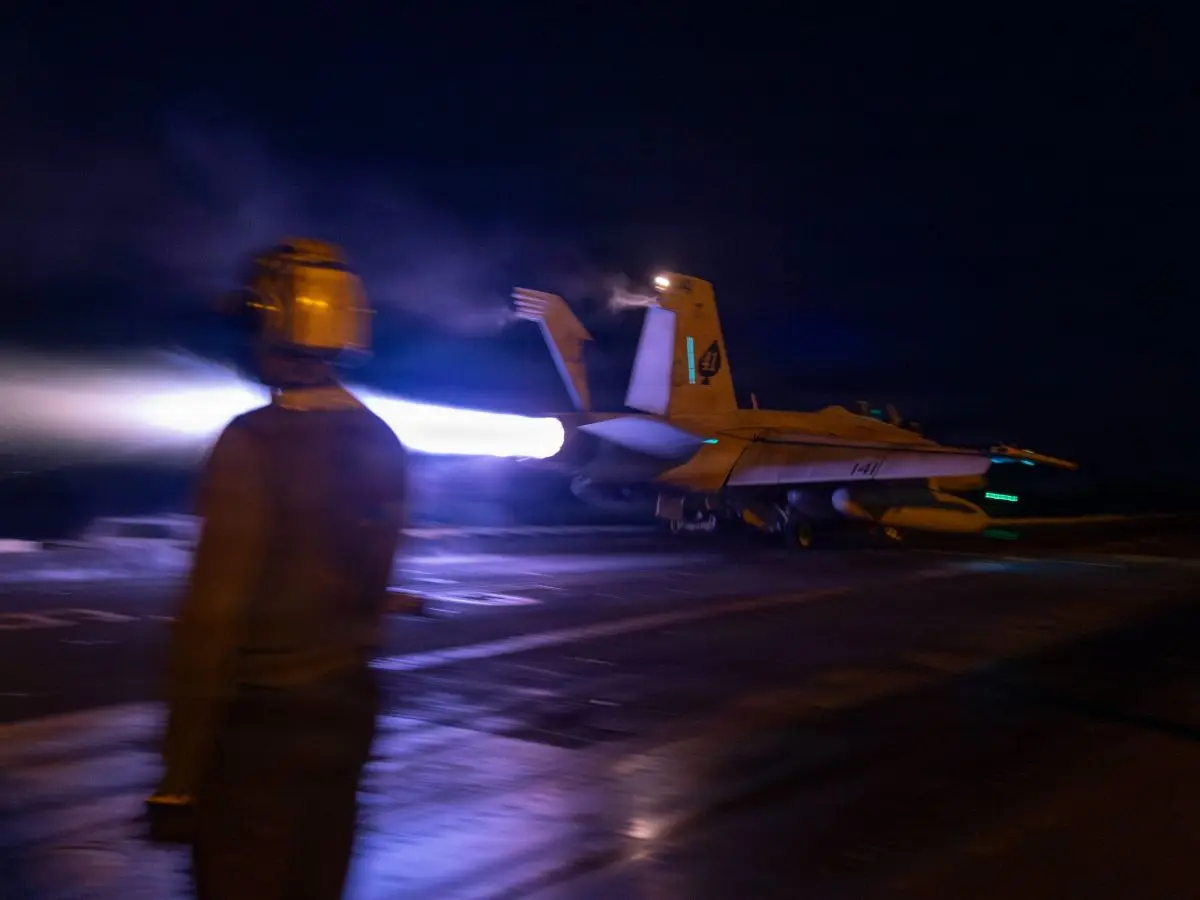
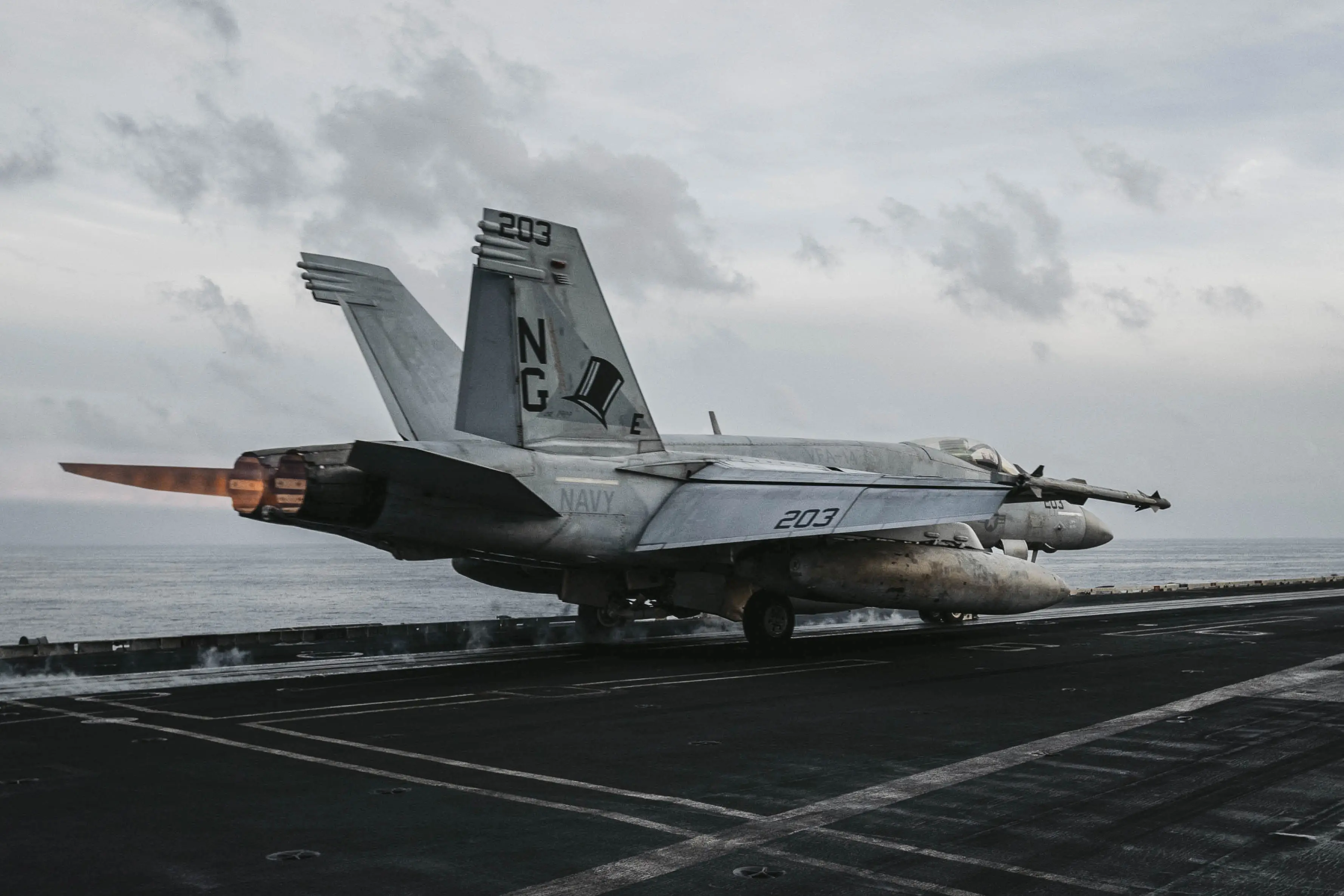
The water starts clean, but the environment is entirely hostile. An active flight deck operates roughly 70 aircraft burning hundreds of thousands of gallons of JP-5 aviation fuel. During heavy flight ops, a thick, invisible haze of unburnt hydrocarbons and kerosene exhaust settles over the entire 4.5-acre flight deck, saturating the air for miles around the ship.
The Ventilation Vacuum
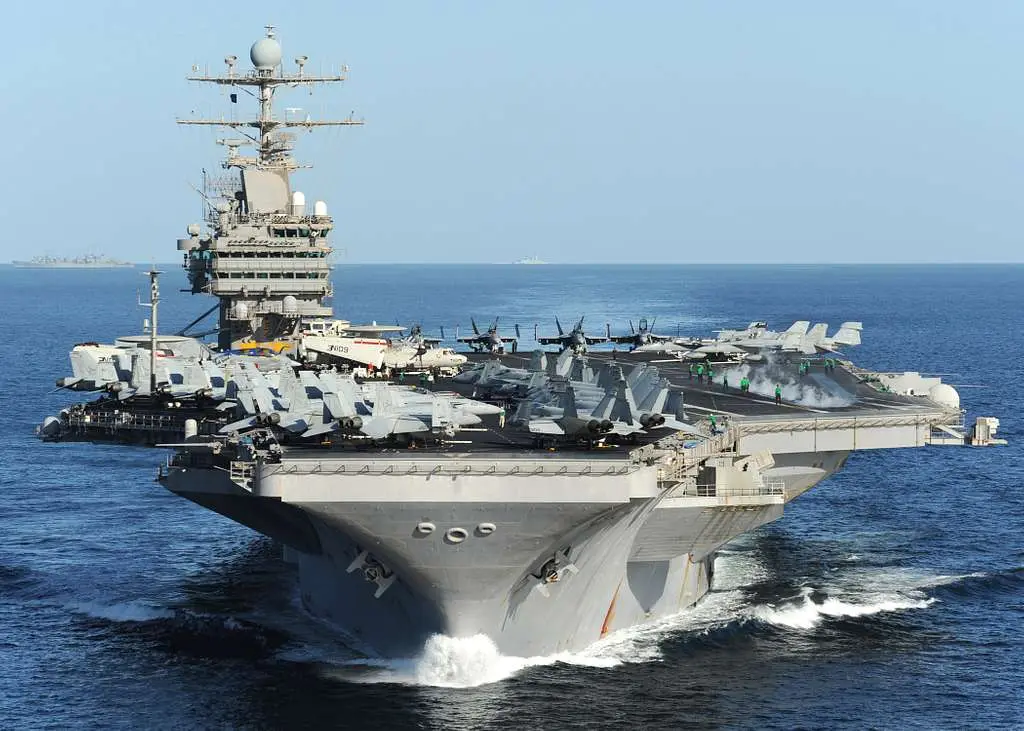
A nuclear carrier is essentially a sealed, pressurized steel box. To keep 5,000 sailors breathing, massive ventilation intakes constantly suck the outside air down into the lower decks. Despite heavy-duty industrial filtration systems, it is physically impossible to scrub every microscopic particle of jet exhaust from the millions of cubic feet of air being pumped through the ship daily.
The 'Bug Juice' Solution
As the deployment drags on into month six or seven, that pervasive JP-5 exhaust begins to settle. It permeates the sailors' uniforms, their berthing areas, and inevitably, the moisture in the galleys. The tap water, the morning coffee, and the food all begin to take on a very faint, metallic, kerosene-like aftertaste. To combat this, sailors heavily rely on “Bug Juice”—the Navy's famously sugary, artificially flavored drink mix—specifically to mask the taste of the fuel.
The 'Afloat Smell'
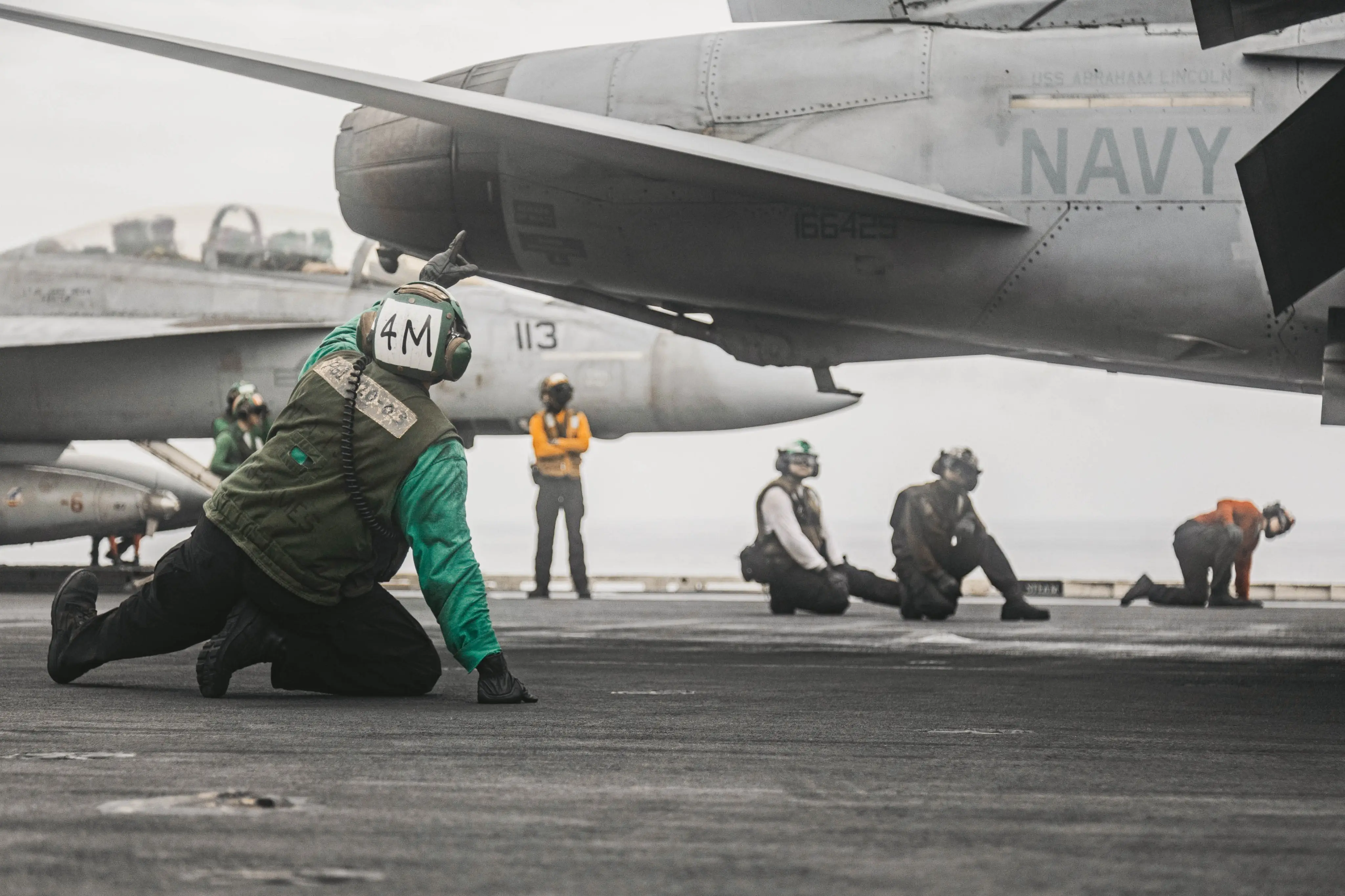
This phenomenon creates what sailors refer to as the “Ship Smell.” It is a highly specific, unforgettable olfactory cocktail of ozone, stale sweat, industrial cleaning chemicals, and aerosolized jet fuel. When sailors finally return home after nine months at sea, their families often force them to leave their sea bags in the garage because the concentrated smell of JP-5 is so overpowering to civilian noses.
The Ultimate Taste of Power Projection
While it sounds unpleasant, for the crew of the Lincoln, the taste of JP-5 in the coffee is the defining sensory experience of naval aviation. It is a daily, physical reminder that they aren't on a cruise ship; they are operating a lethally active warship. The faint taste of kerosene in their water is the literal, unavoidable byproduct of launching 30-ton fighter jets off a runway in the middle of the ocean.
)
)
)
)
)