‘Tallest Mast’: Is the USS Abraham Lincoln’s mast as tall as a 20-story building

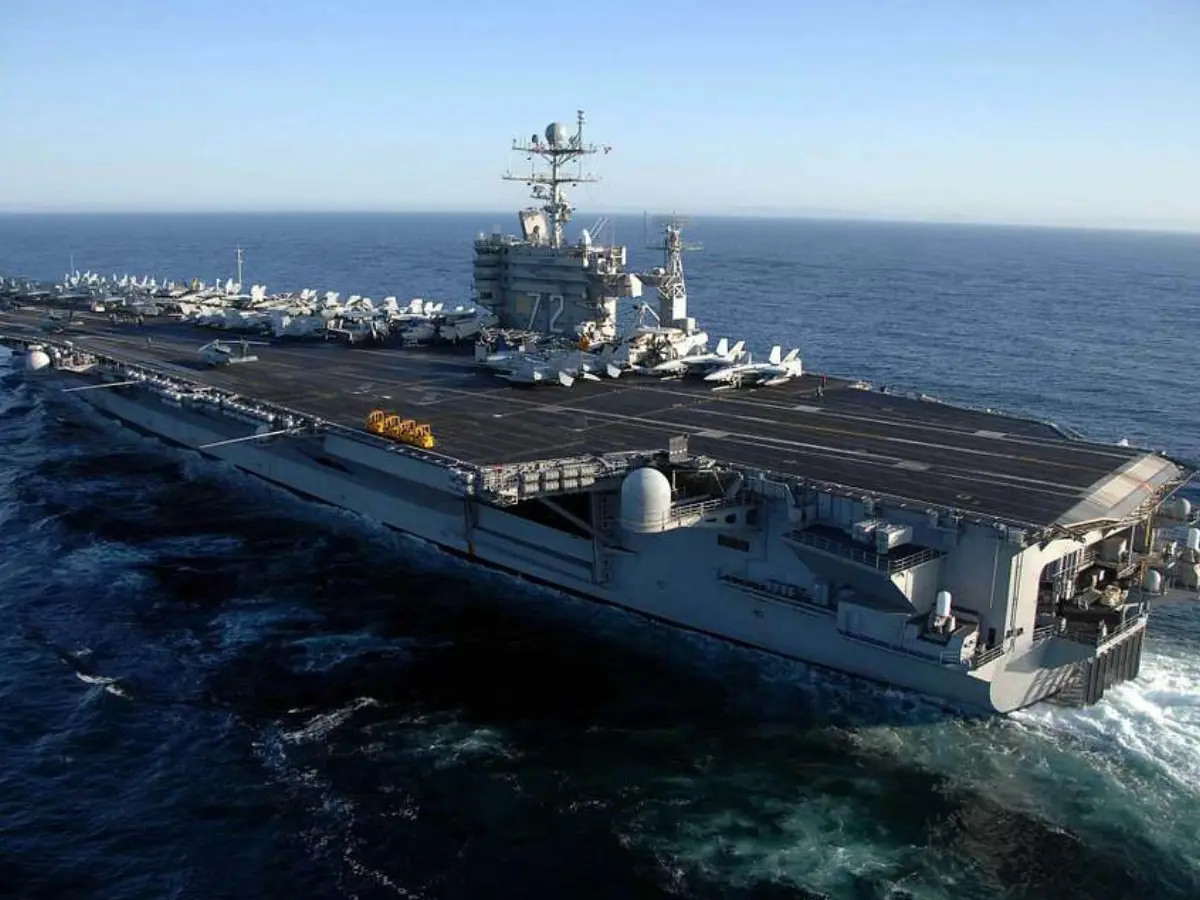
The USS Abraham Lincoln is a towering Nimitz-class aircraft carrier with a mast height of 244 feet. It matches the scale of a 20-story building, carrying up to 90 aircraft and a crew of over 5,600 personnel across global waters.
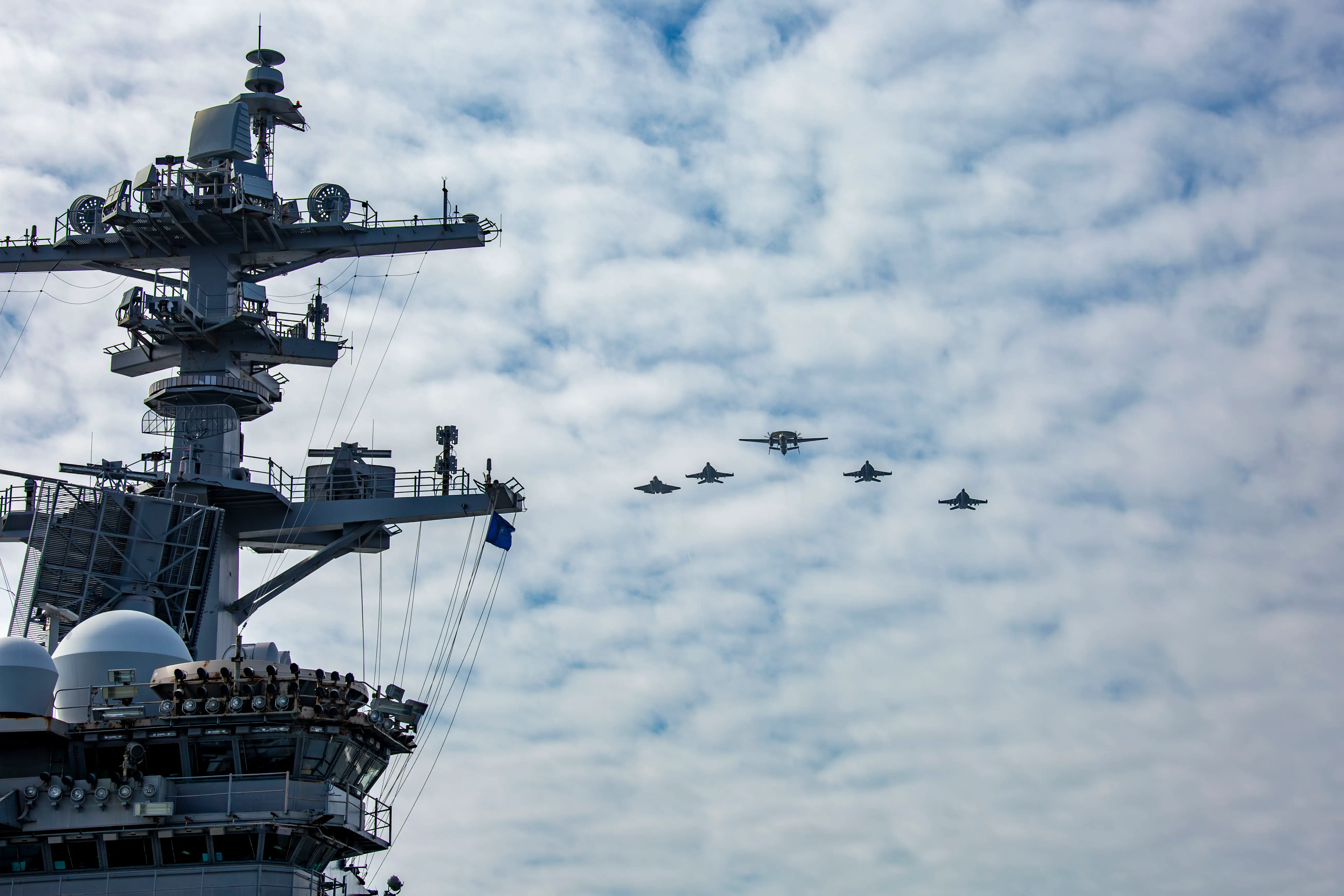
244-foot tall mast
The USS Abraham Lincoln has a total height of roughly 244 feet from its keel to the top of its mast. This vertical measurement makes the aircraft carrier as tall as a 20-story or 24-story commercial building.
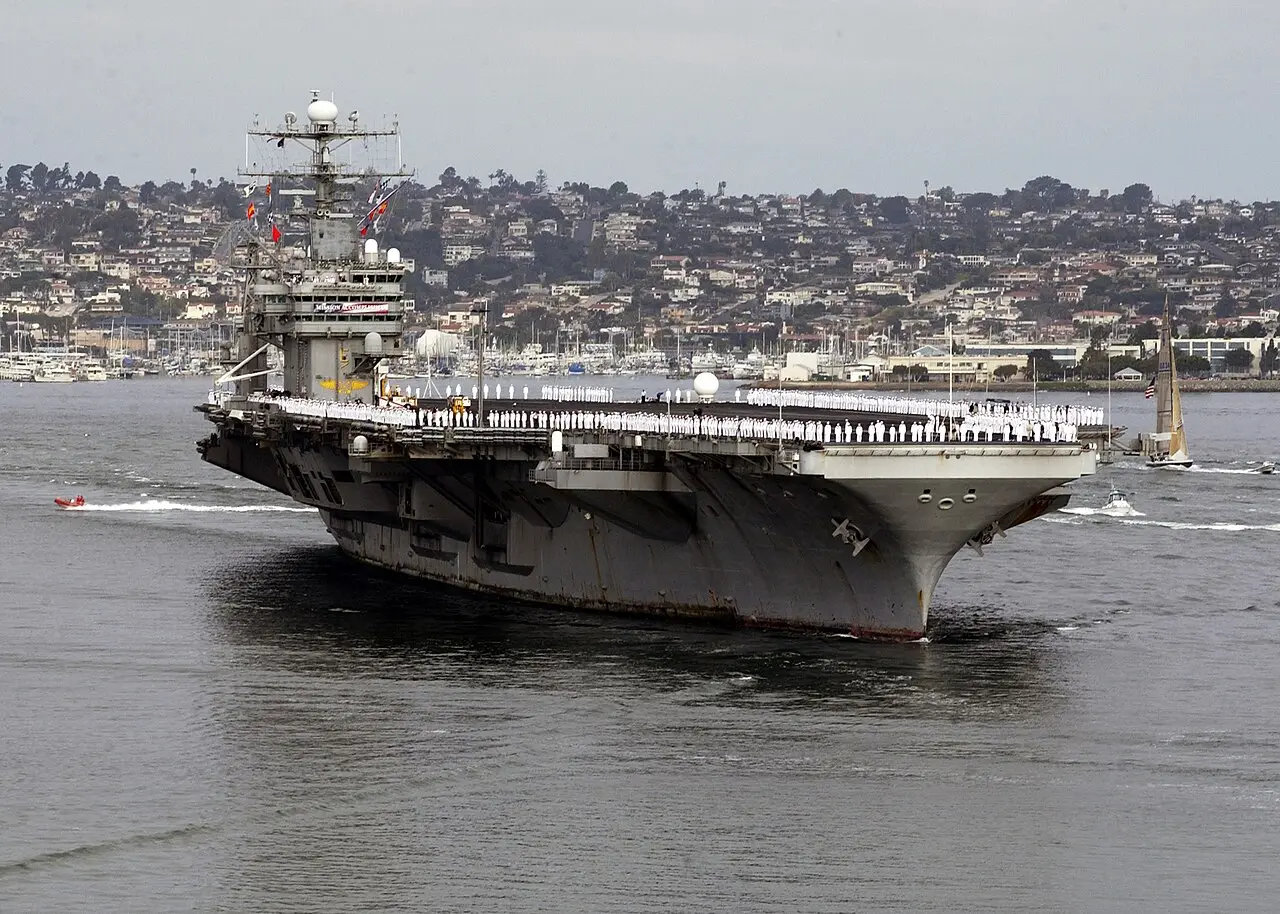
100,000 tonnes displacement capacity
When fully loaded for a deployment, this Nimitz-class carrier displaces over 100,000 tonnes of water. The total weight includes 60,000 tonnes of structural steel, making it one of the largest warships in operation.
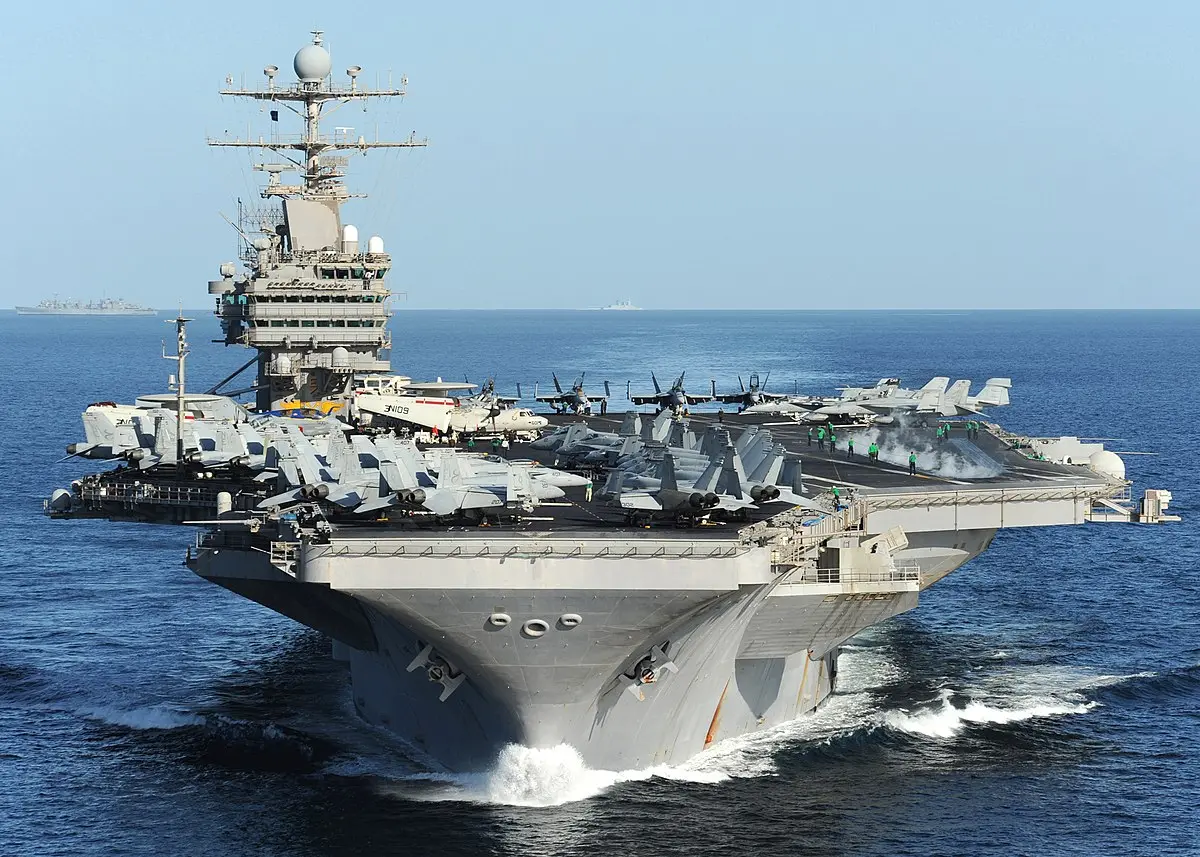
1,092-foot long vessel
The overall length of the carrier is 1,092 feet, giving it a massive physical footprint on the water. Its waterline length is slightly shorter at 1,040 feet, ensuring stability during long ocean transits.
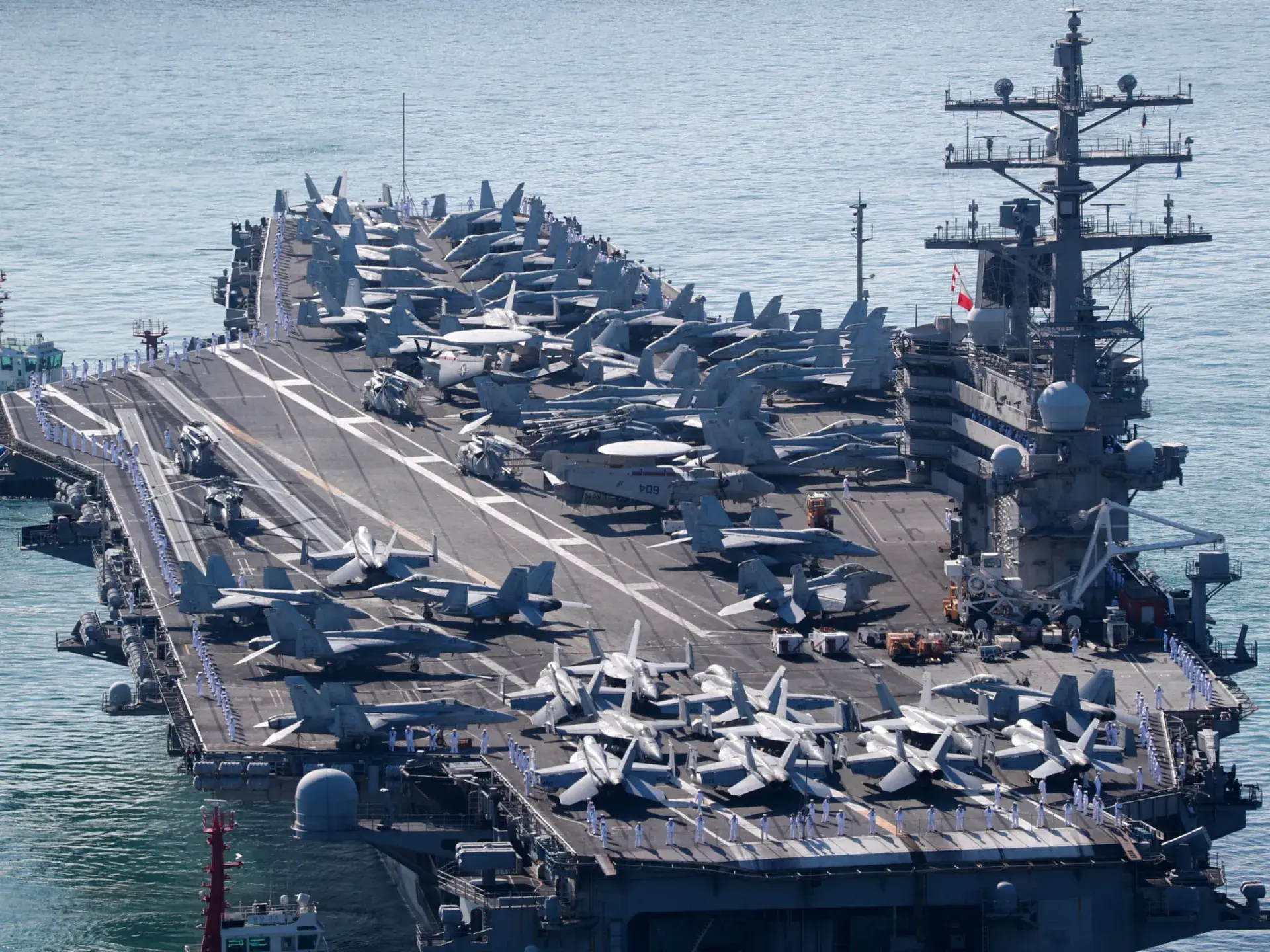
4.5 acres flight deck
The flight deck covers an area of 4.5 acres, providing necessary space for daily aviation operations. At its widest point, the deck measures 257 feet, allowing fighter jets to launch and land efficiently.
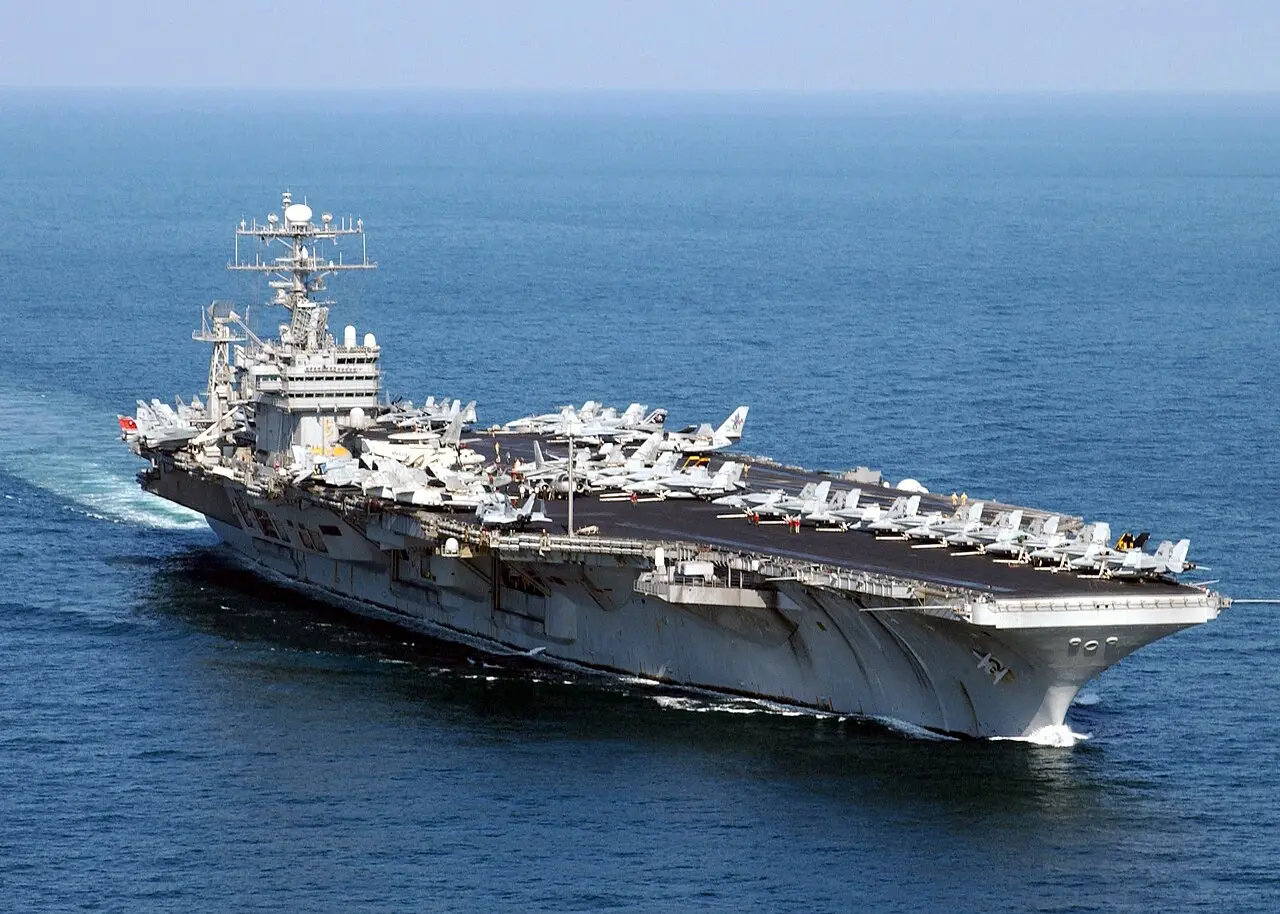
Houses 90 combat aircraft
The flight deck and internal hangar bays can accommodate up to 90 fixed-wing aircraft and helicopters. This air wing provides the military with a platform for precision strikes, reconnaissance, and maritime patrols.
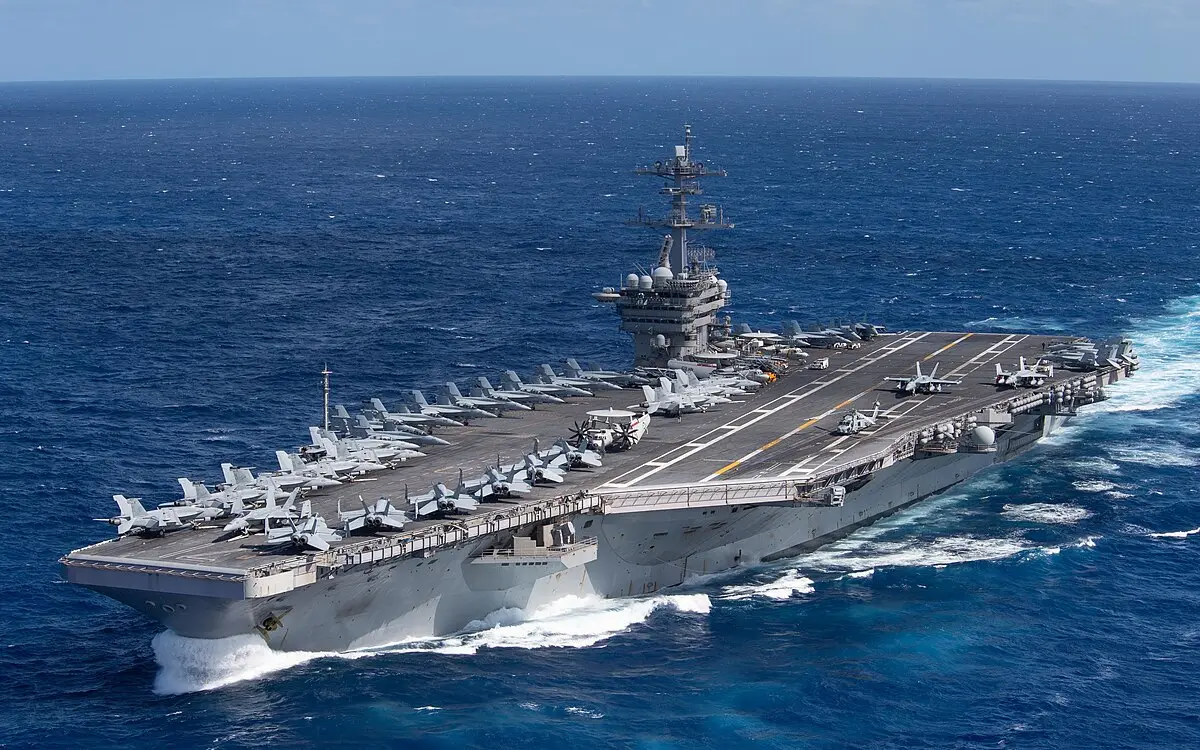
2 nuclear power reactors
The carrier is driven by two nuclear reactors that generate 260,000 shaft horsepower for the propellers. This propulsion system allows the vessel to operate for 20 to 25 years without needing a refuelling stop.
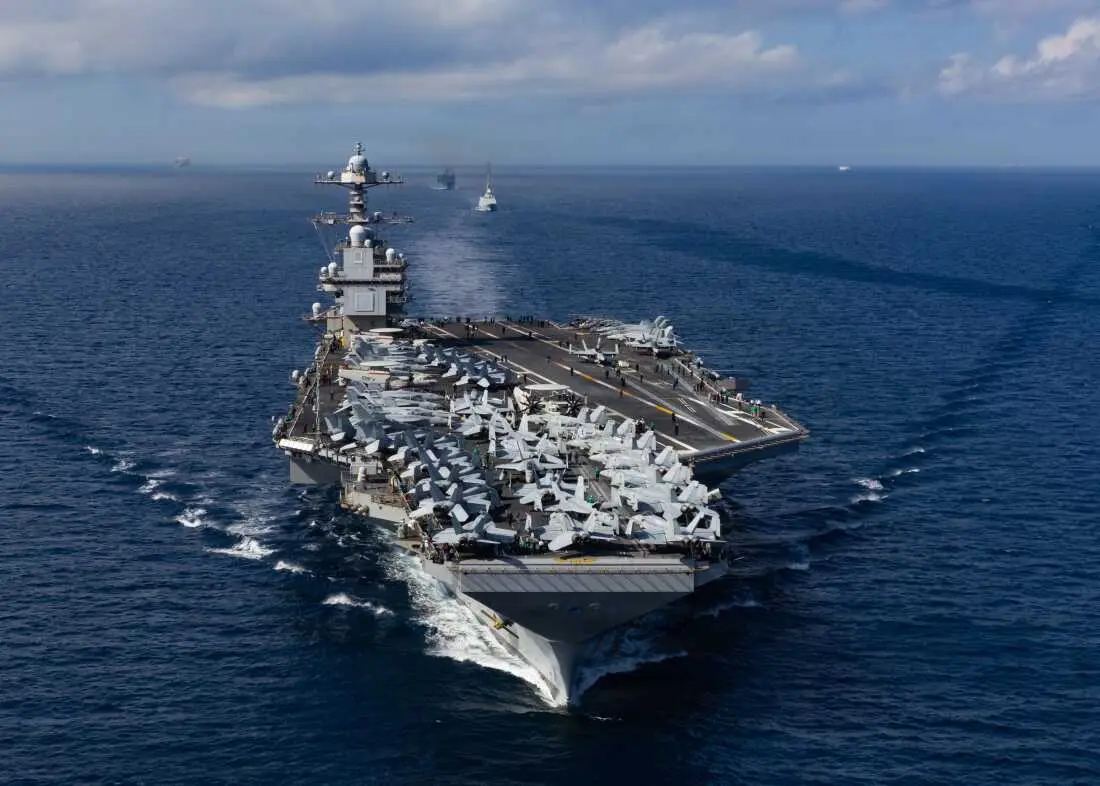
Speeds over 30 knots
Despite its size and weight, the nuclear propulsion pushes the carrier to top speeds exceeding 30 knots. This velocity is required to generate sufficient wind over the deck for launching heavy combat aircraft.
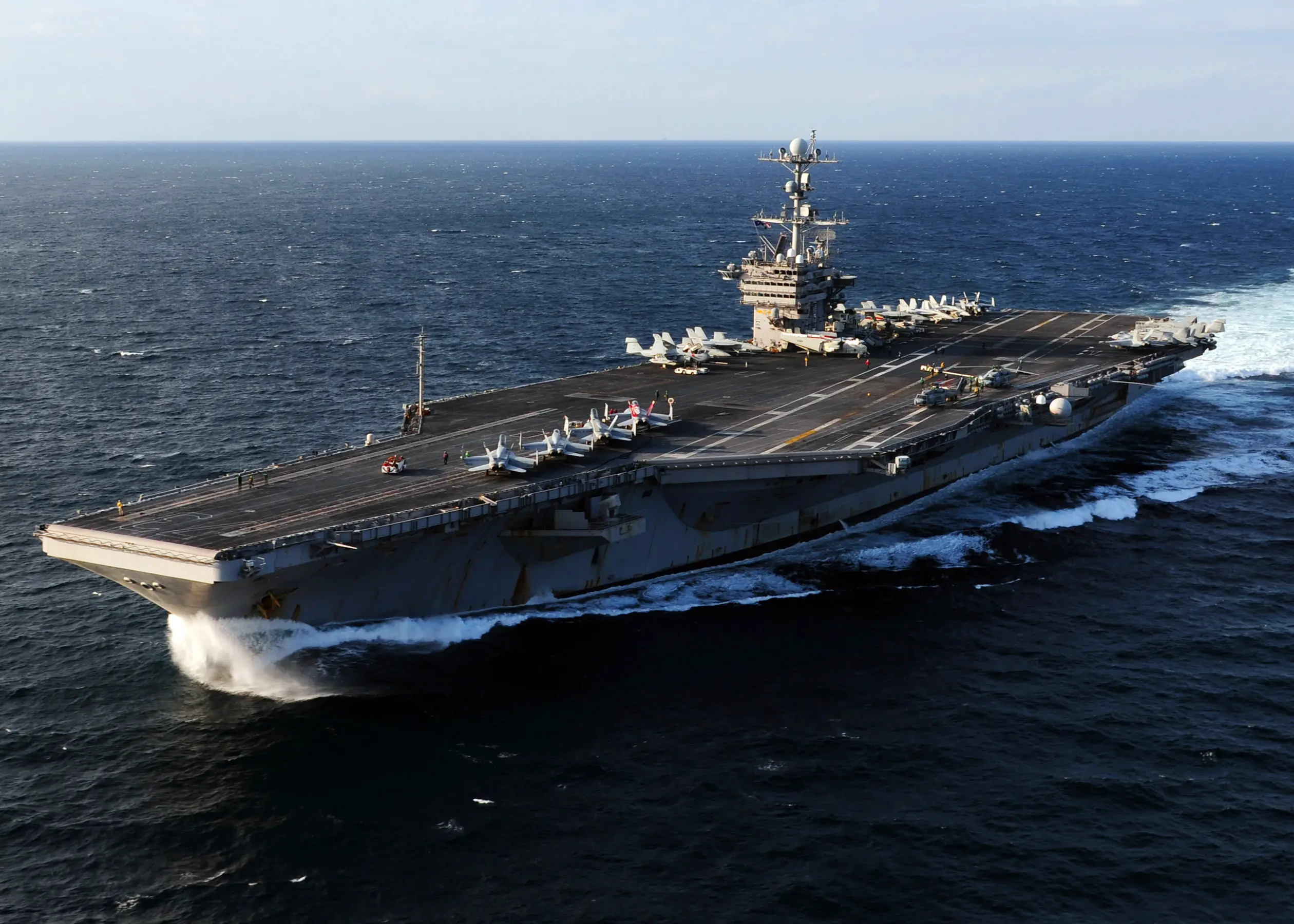
5,680 active crew members
Operating this vessel requires a large and highly trained crew. The core ship's company consists of 3,200 sailors, while the embarked air wing adds another 2,480 personnel, bringing the total to 5,680 people.
Two 30-tonne heavy anchors
To keep the vessel stationary, it uses two anchors that weigh 30 tonnes each. The anchor chains are also heavily built, with every single link in the chain weighing roughly 160 kilogrammes.
4,000 internal ship compartments
The interior of the carrier is a layout comprising more than 4,000 compartments and spaces. These include operational command centres, medical facilities, galleys, and sleeping quarters to support the crew.
)
)
)
)
)