'Dogfight of the century': Why US' F-35 can't survive Venezuela's suicide drone swarm attack

It sounds impossible. A plastic drone built from a kit versus a $100 million stealth fighter. But Pentagon war games suggest that in a US-Venezuela conflict, the "Swarm" could win, not by shooting down the jets, but by bankrupting the air force.
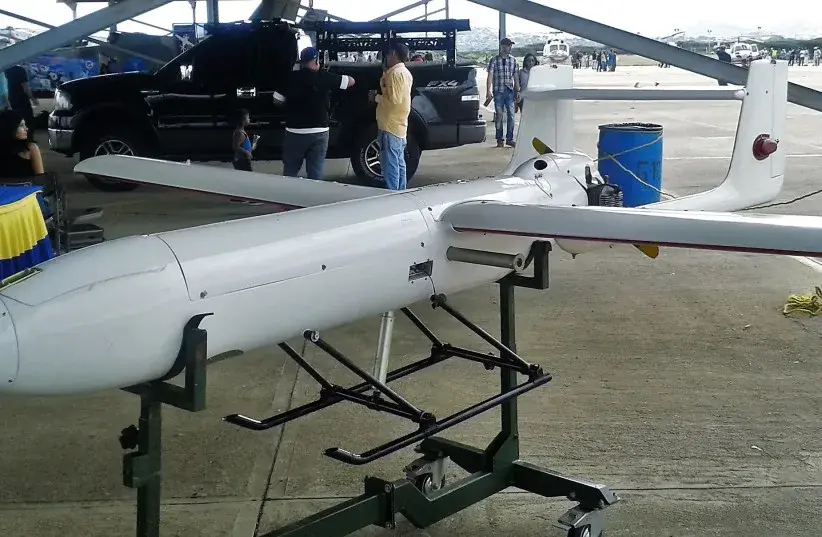
1. The "IKEA" Secret: The Invisible Stockpile
The most dangerous thing about Venezuela's drone fleet is not how many they have, but how they get them. Venezuela uses the "IKEA Model." They do not import finished drones that satellites can count on a runway. Instead, they import "Assembly Kits" from Iran, crates of engines and carbon fiber sheets that look like civilian auto parts. These are assembled locally at the EANSA factory in Maracay. This means the US intelligence community cannot know the true number. A warehouse of "car parts" can become 1,000 suicide drones in a matter of weeks, creating a "Ghost Fleet" that is impossible to track until it launches.
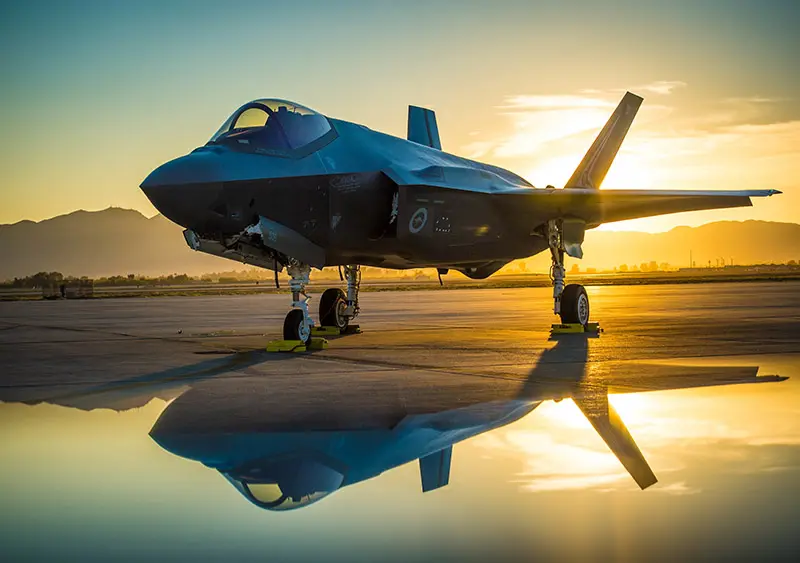
2. The Math Problem: $1 Million vs. $20,000
The core issue is economic suicide. The Venezuelan ANSU-200 (an Iranian Shahed clone) costs roughly $20,000 to build. The F-35 uses the AIM-120 AMRAAM missile to defend itself, which costs $1.2 million. If an F-35 shoots down a drone, the US loses over $1.1 million in the exchange. If Venezuela launches 1,000 drones, the US would burn through billions of dollars in ammunition to stop a threat that costs Venezuela mere pennies.
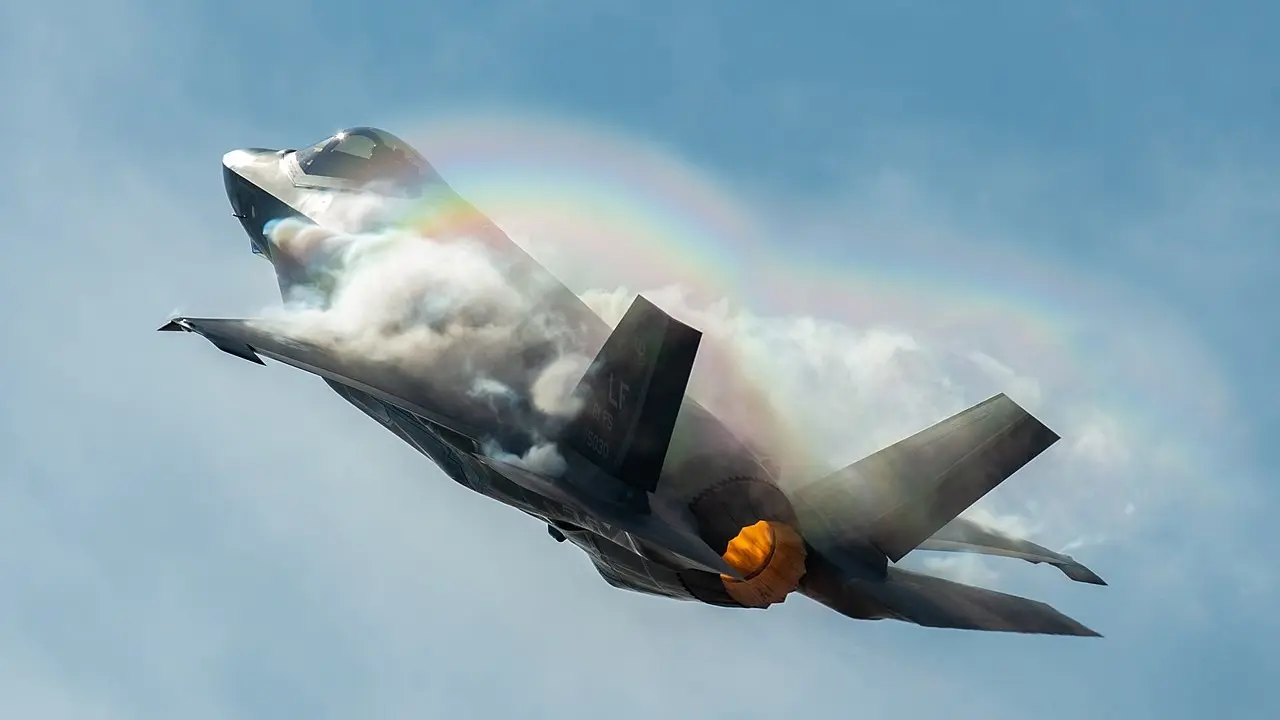
3. The Ammo Crisis: 4 Missiles vs. 50 Drones
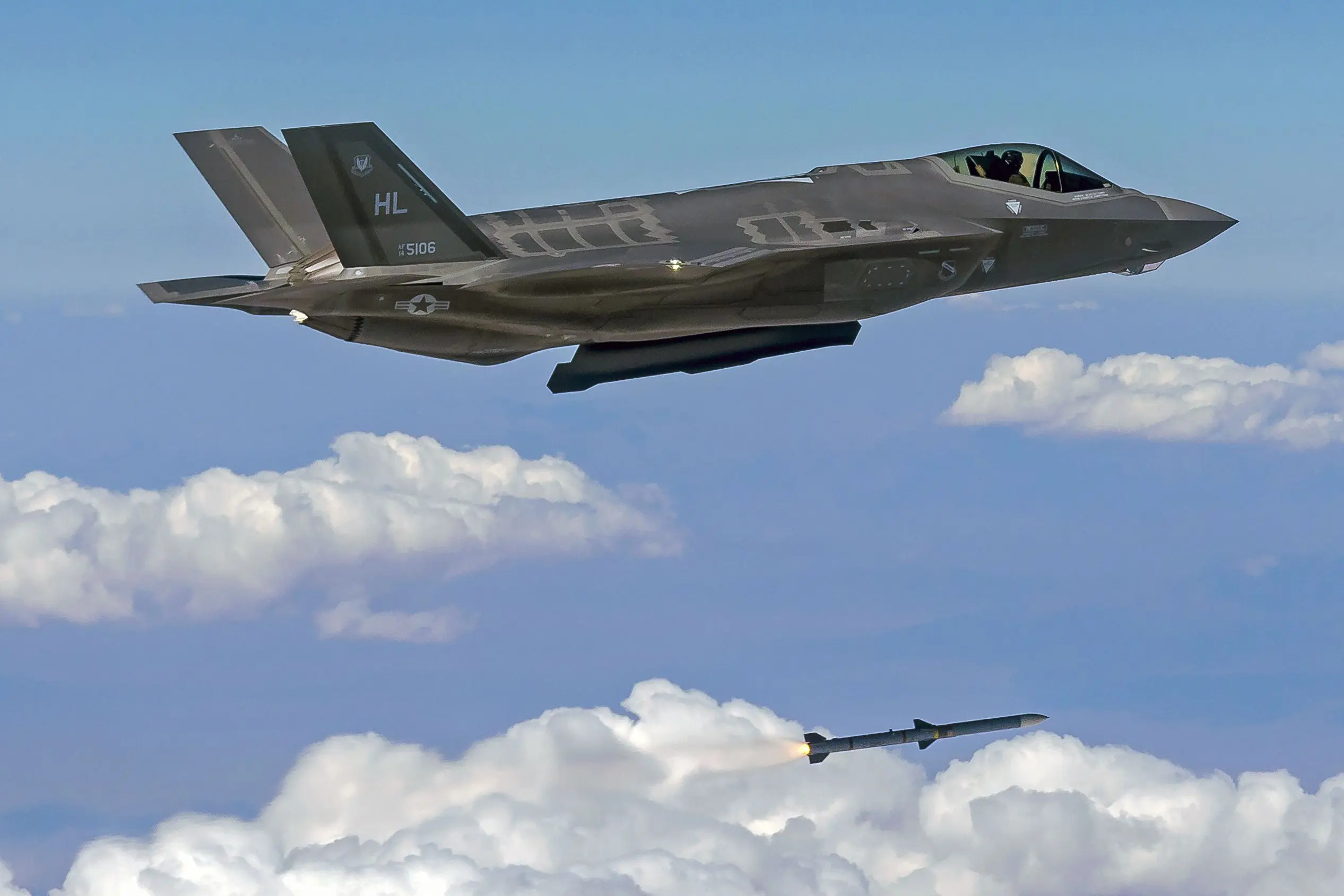
The F-35 is designed for quality, not quantity. In "Stealth Mode," it carries only 4 air-to-air missiles internally. This creates a fatal volume problem. Venezuela would not send one drone; they would launch a "wave" of 50. An F-35 pilot can shoot down the first four targets in seconds, but then the jet is empty. The remaining 46 drones fly past the helpless fighter to hit their targets, leaving the pilot with a perfect jet but zero ability to stop the attack.
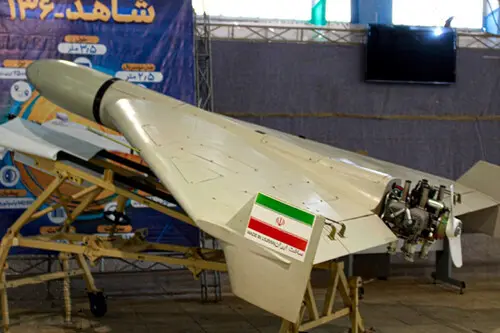
4. The Radar Blindness: The "Lawnmower" Effect
Modern radars like the F-35’s AN/APG-81 are tuned to find fast, metal jets. The Shahed drone is slow (115 mph) and made of plastic. To a sophisticated radar, it looks like a truck on a highway or a flock of birds. The F-35’s computer often "filters out" these low-speed contacts to prevent false alarms. This creates a "blind spot" where the pilot might not see the drone swarm on their screen until they are physically close enough to see them with their eyes—by which time, it is too late.
5. The "Base" Vulnerability: Killing the Nest
The strategy is not to fight the F-35 in the air, but to kill it on the ground. Suicide drones target Runways and Fuel Depots. An F-35 cannot take off from a cratered runway. If a swarm hits the airbase while the jets are refuelling, the world's most advanced air force becomes a burning parking lot. The drones don't need to be high-tech; they just need to be numerous enough to leak through defenses and hit the concrete.
6. The "Loitering" Trap: Waiting Out the Fuel
An F-35 has limited fuel and can fly for maybe 2-3 hours. The ANSU-200 drone can "loiter" (fly in circles) for 12 to 24 hours. The swarm can simply circle 100 miles outside the combat zone, waiting for the US fighters to run low on fuel and return to base. Once the F-35s leave to refuel, the drones dive in to attack. It is a game of patience that the jet cannot win.
7. The US Counter: "The Microwave"
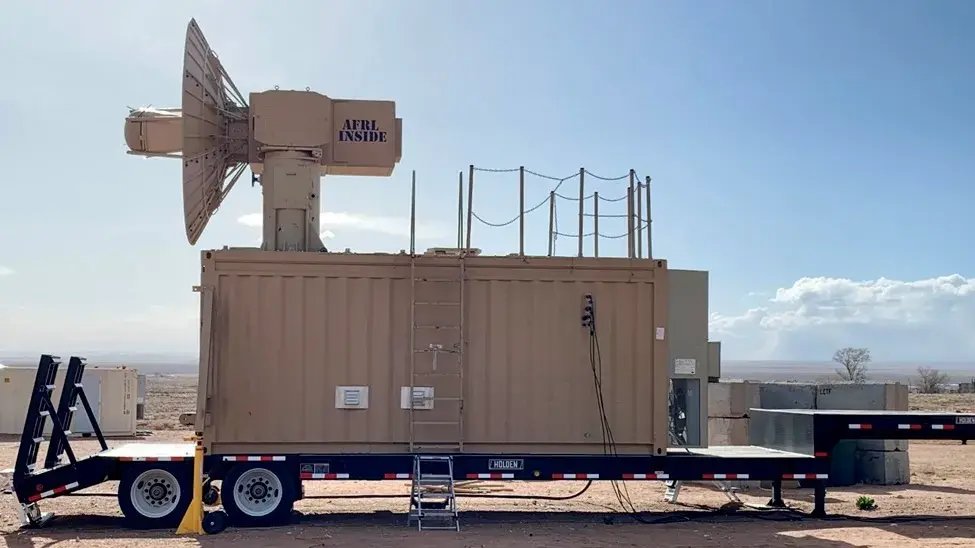
The US knows missiles won't work. The solution is High-Power Microwaves (HPM), like the THOR system. This weapon blasts a cone of energy that "fries" the electronics of hundreds of drones at once, dropping them like dead flies. However, these systems are experimental and short-range. If the drones are spread out or attack from multiple directions, they can overwhelm even the microwave defences.
)
)
)
)
)