‘Surviving 9G’: How pilots stay conscious in brutal turns

During 9G turns, pilots face vision loss and risk passing out as blood drains from the brain. They rely on special suits, precise muscle and breathing techniques, and rigorous training to stay conscious. Despite this, human tolerance to 9G remains limited to seconds.
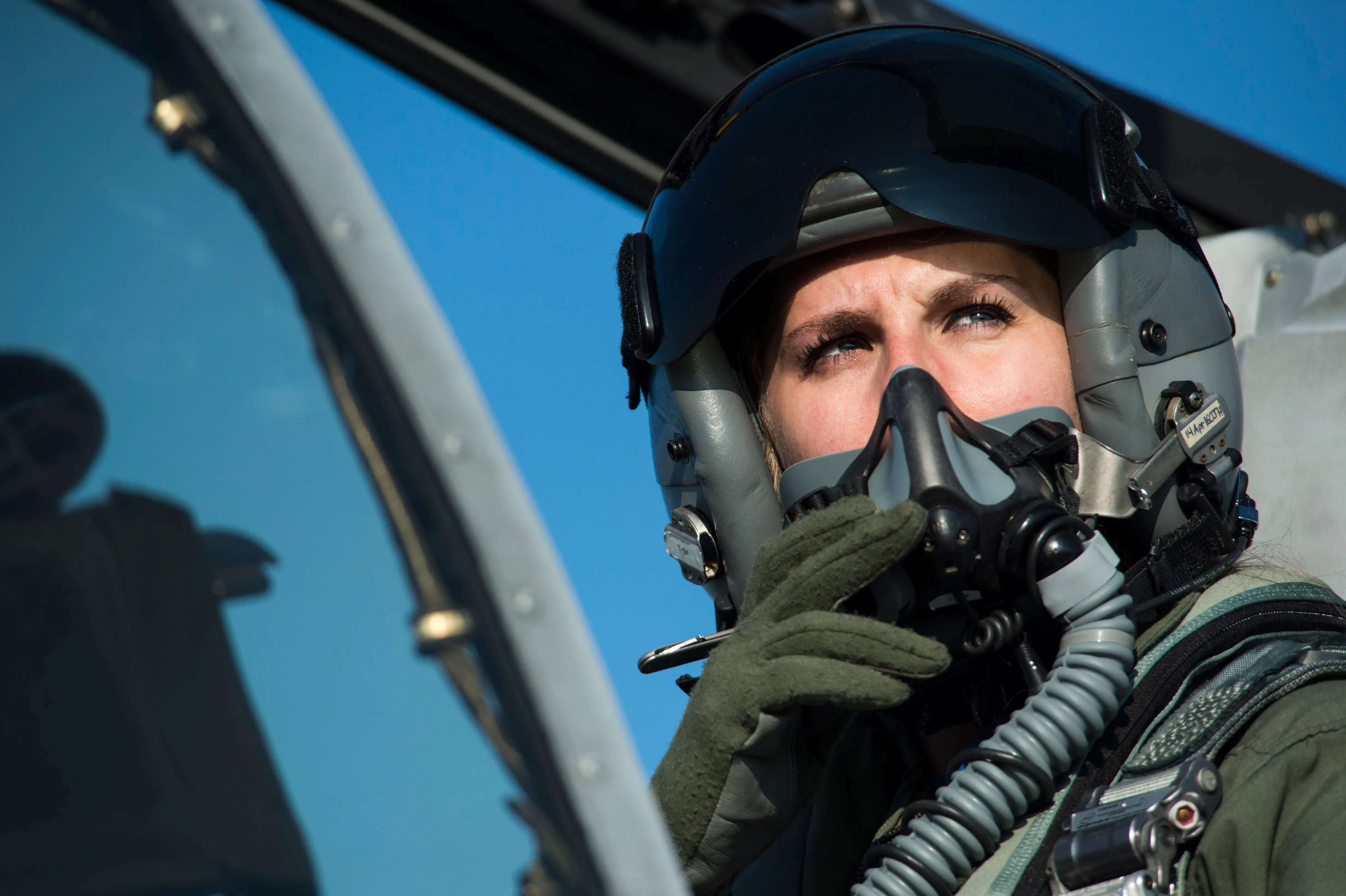
What Is 9G ?
At 9G, a pilot experiences a force nine times their body weight. For an 80 kg pilot, this means feeling as if they weigh 720 kg. These forces act vertically, pushing blood away from the brain and challenging the body’s functions.
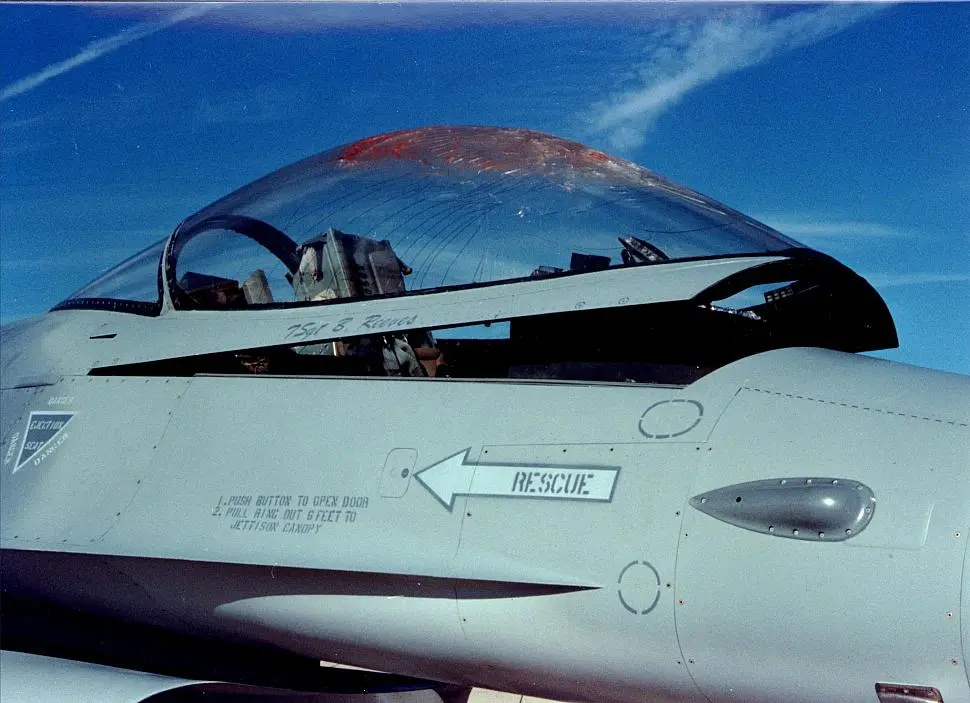
Effects of 9G on Vision and Consciousness
Under 9G, blood drains from the brain, causing tunnel vision within seconds, then grey-out, and eventual black-out if the force continues. Loss of consciousness (G-LOC) can last 5 to 15 seconds, posing serious risks during flight.
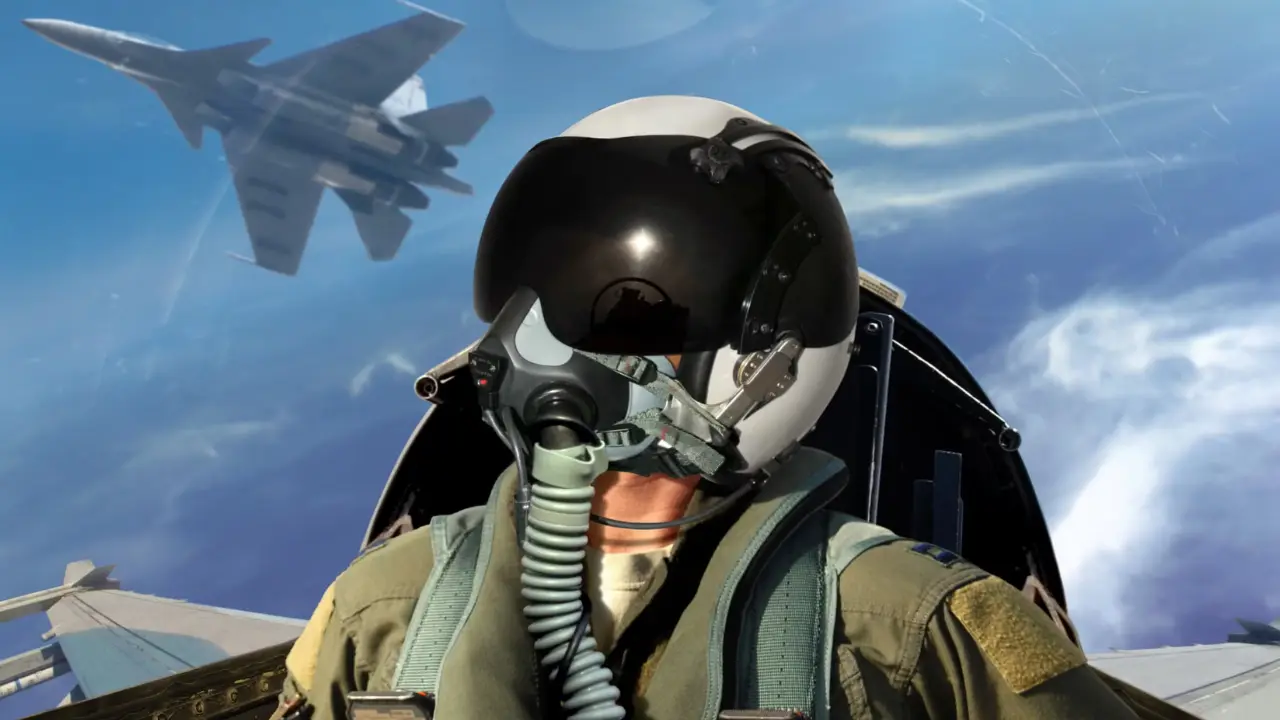
How Pilots Combat 9G Strain
Pilots use anti-G suits that squeeze the legs and abdomen to keep blood flowing to the brain. They also perform Anti-G Straining Manoeuvres (AGSM) - precise muscle tensing and breathing techniques - to maintain consciousness.
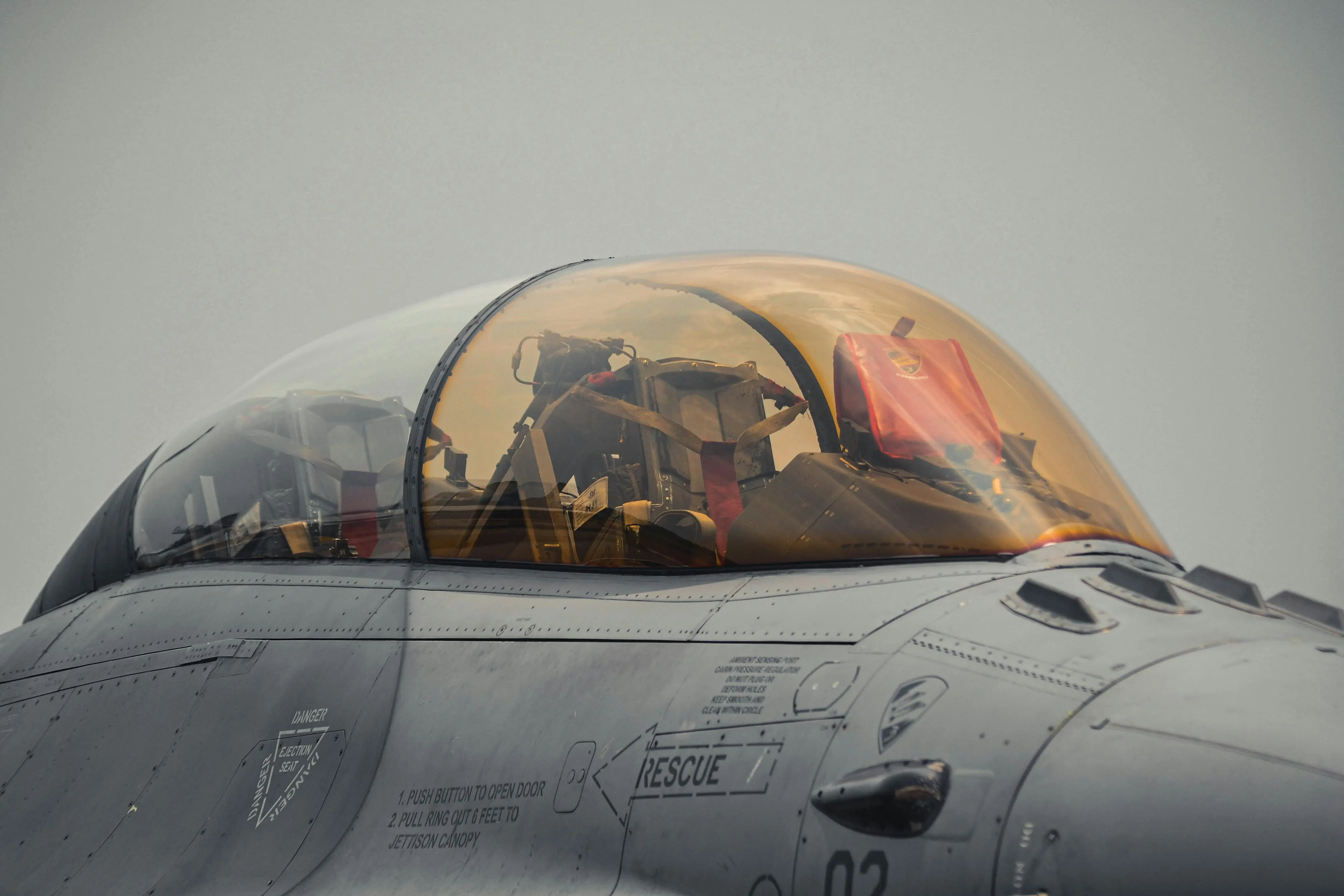
Physical Stress on Muscles and Organs
Consistent 9G exposure strains the heart, diaphragm, and respiratory muscles. The pilot’s head, normally weighing 5-6 kg, can feel like 40 kg. This muscular effort requires strength and training for sharp turns lasting several seconds.
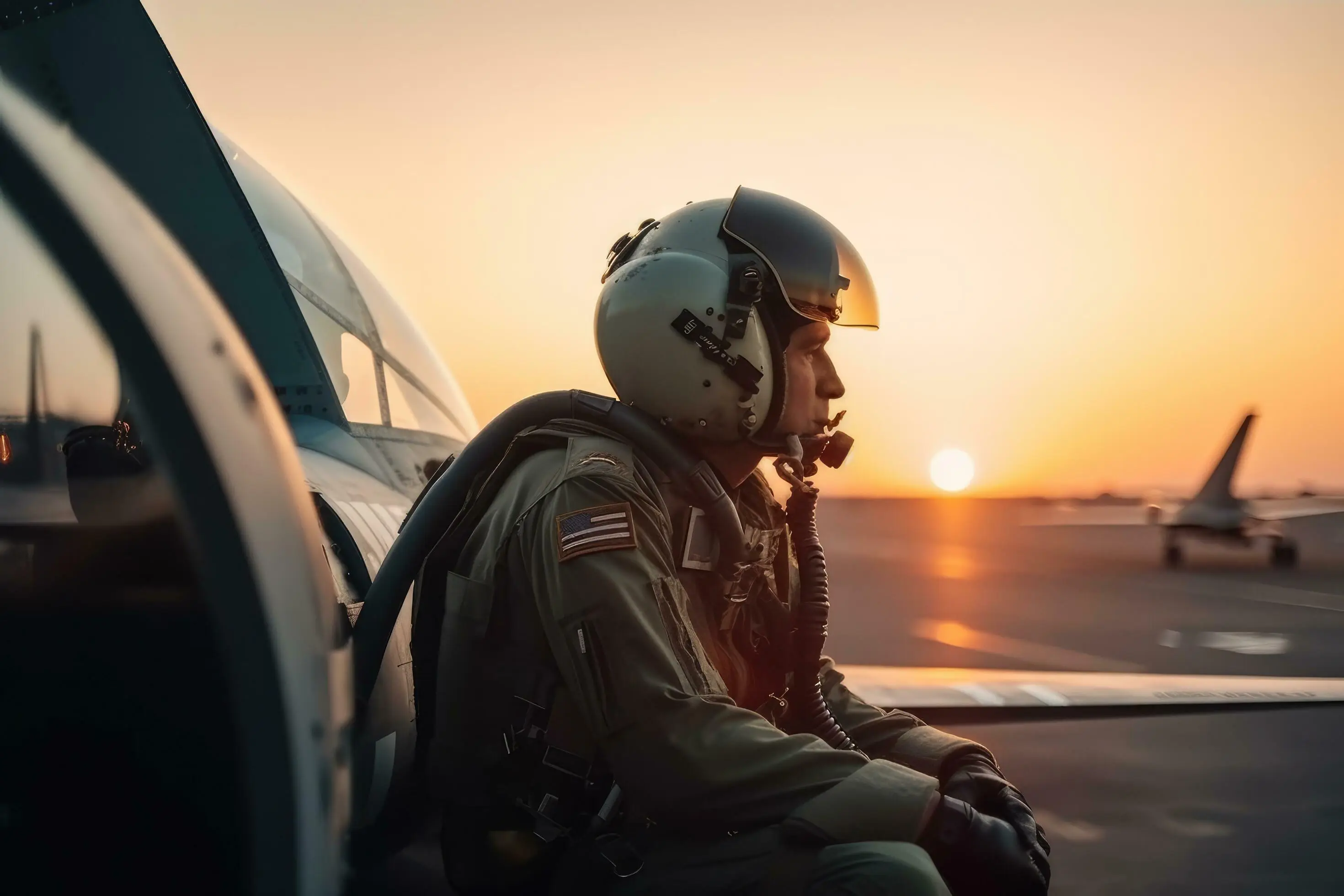
Training with Centrifuges
Pilots undergo rigorous training in human centrifuges to prepare for 9G forces. These ground-based machines simulate the intense accelerations to teach pilots to recognise signs like grey vision and perform AGSM effectively.
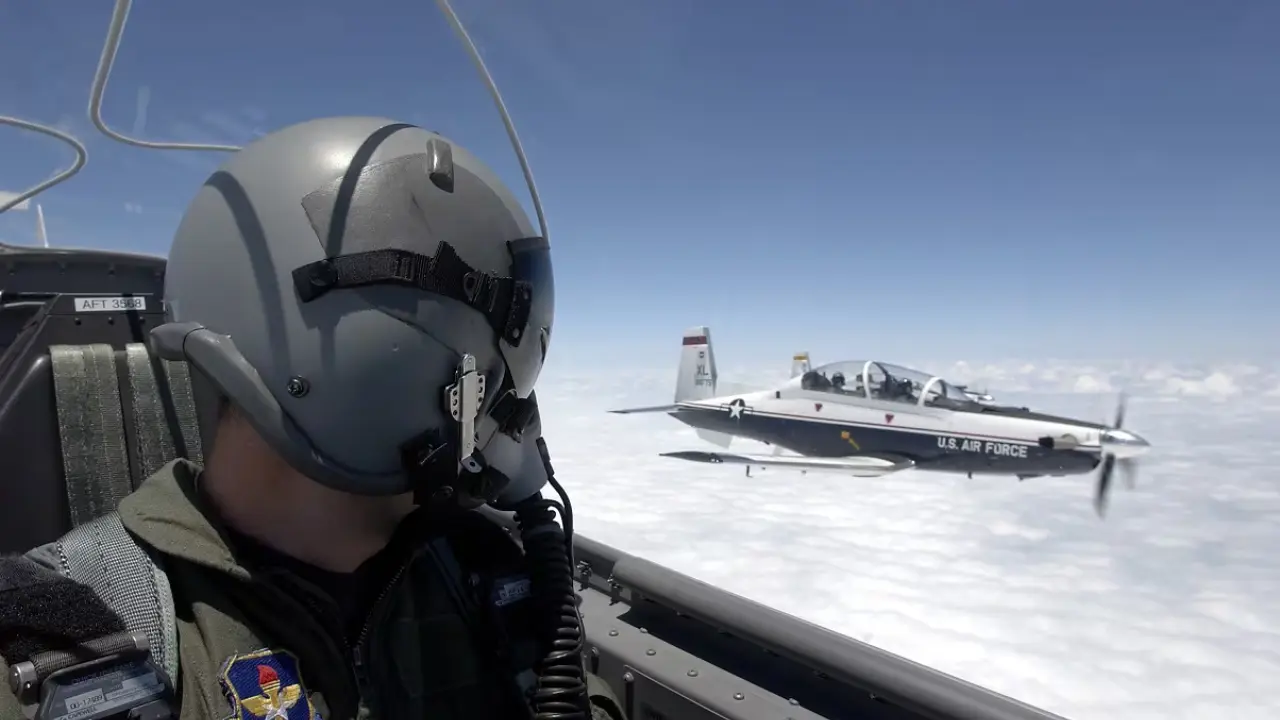
Long-Term Health Impacts
Repeated exposure to high G-forces can cause chronic neck and back pain, degenerative disc issues, and limited mobility over a pilot’s career, requiring careful health management.
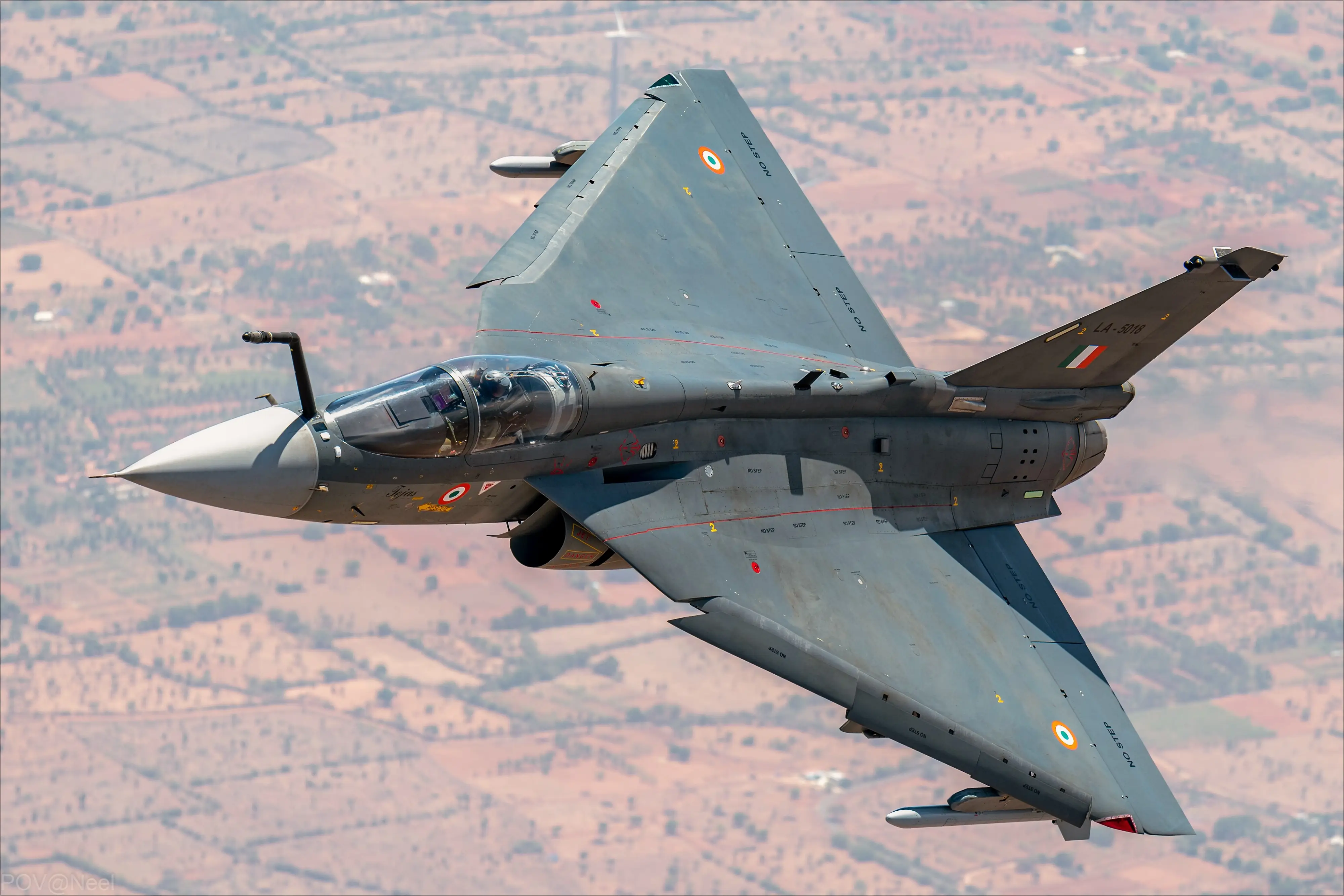
The Limits of Human Tolerance
Even with equipment and training, the human body generally tolerates 9G for only a few seconds. Future research explores enhanced suits and support systems, but physiological limits remain the biggest challenge.
)
)
)
)
)