‘Surprise Attack’: Stealth weapons that can strike without warning and why they are so dangerous

Stealth weapons use radar-absorbing design, low heat signatures and extreme speed to strike targets without warning. Flying low or at hypersonic speeds, they shrink reaction time, bypass early-warning systems and enable surprise attacks before defences can respond.
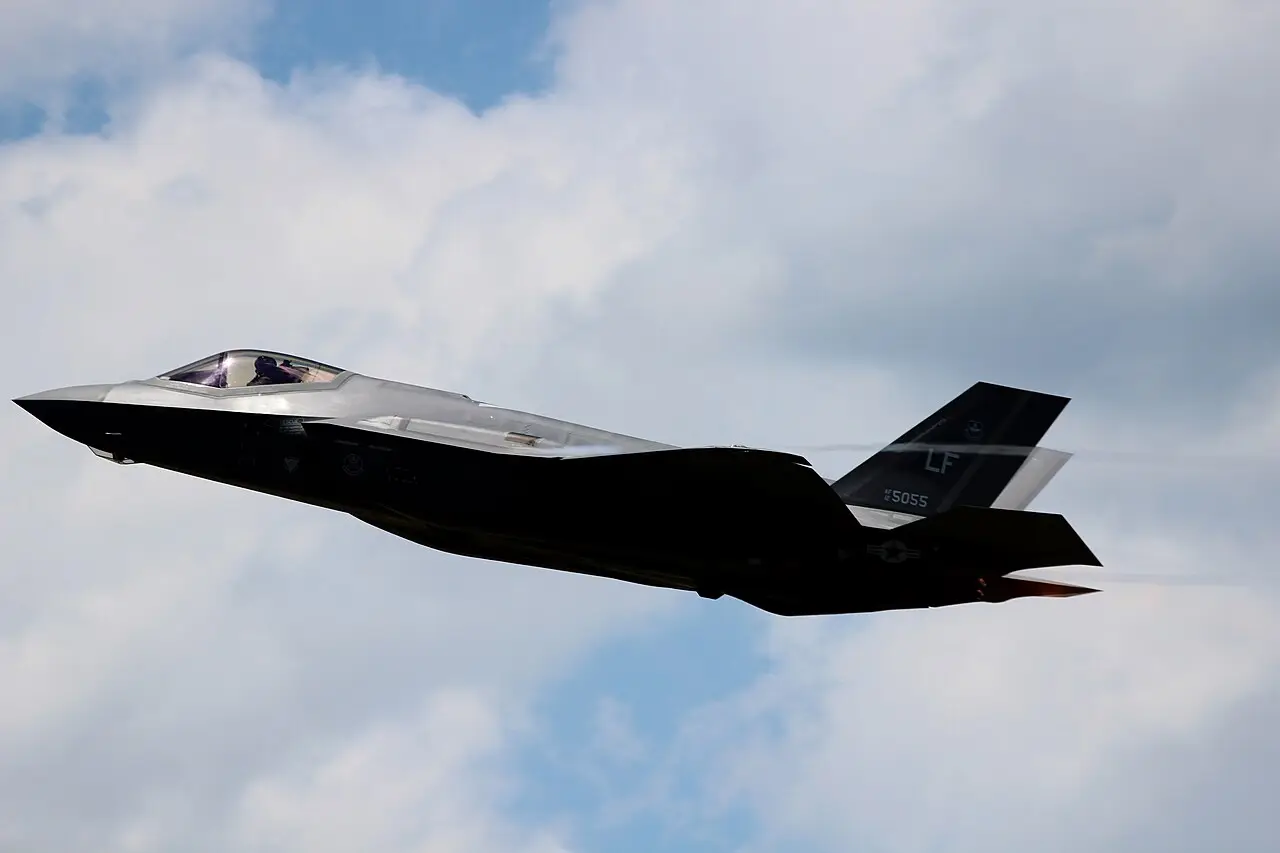
How Stealth Works - Shape and Radar Absorption
Stealth reduces radar cross section through angular designs avoiding round surfaces that reflect signals back. F-35 radar signature equals a golf ball size making conventional detection nearly impossible.
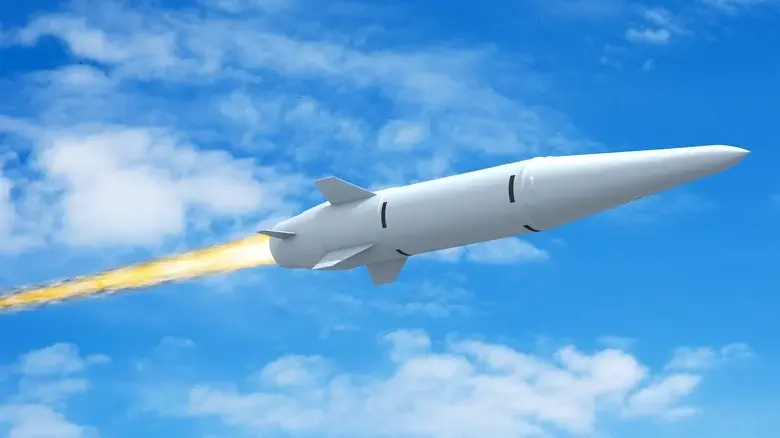
Hypersonic Stealth Speed - Mach 5 Plus Evasion
Hypersonic weapons fly over Mach 5 at 6,200 kilometres per hour while maneuvring to avoid interception zones. Speed reduction cuts available reaction time dramatically.

Detection Gaps - Early Warning Vulnerabilities
Stealth cruise missiles at under 100 feet altitude use terrain features avoiding radar detection creating early warning system gaps. Small heat signatures compound detection challenges.

Surprise Attack Advantage
Stealth enables covert undetected attacks disabling leadership and command systems before defensive response initiates. Small-scale attacks could go entirely undetected.
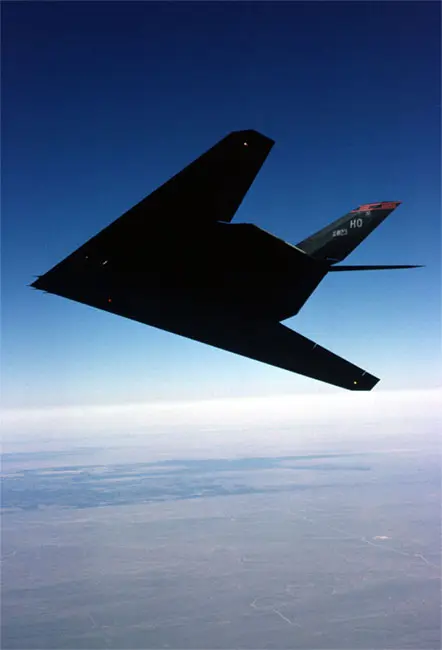
Detection Countermeasures
Modern defence deploys bistatic radar separating transmitter and receiver by kilometres detecting secondary returns normally absorbed. Doppler radar filters moving targets from stationary background isolating real threats.
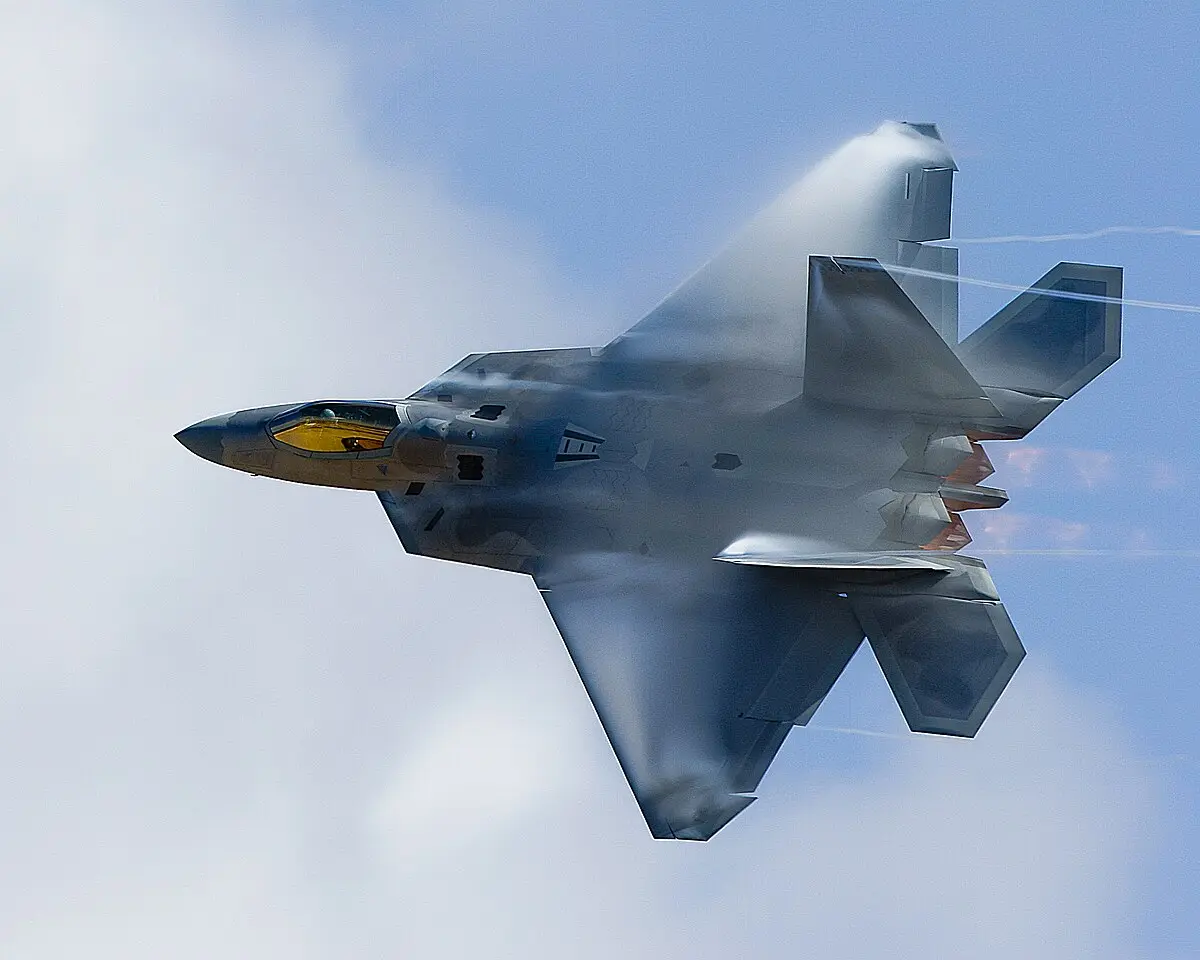
Stealth Aircraft Dominance
F-35 and F-22 operate with nearly unstoppable penetration through radar cross sections below 0.05 square metres operating closer to targets before interception becomes feasible. B-2 flying wing shape optimises low-frequency radar evasion.

Evasion Technology
Every advancement in stealth evasion sparks three new detection method innovations creating continuous military technology competition. Satellite synthetic aperture radar detects sea-skimming missiles at 200-mile ranges requiring Mach 10 interceptor speeds.
)
)
)
)
)