‘Supercruise unlocked’: How the J-20 fighter jet’s new engine could change aerial combat

Generating up to 36,000 pounds of thrust, the new WS-15 engine allows China's J-20 fighter to sustain supersonic speeds without afterburners, drastically extending its combat range.
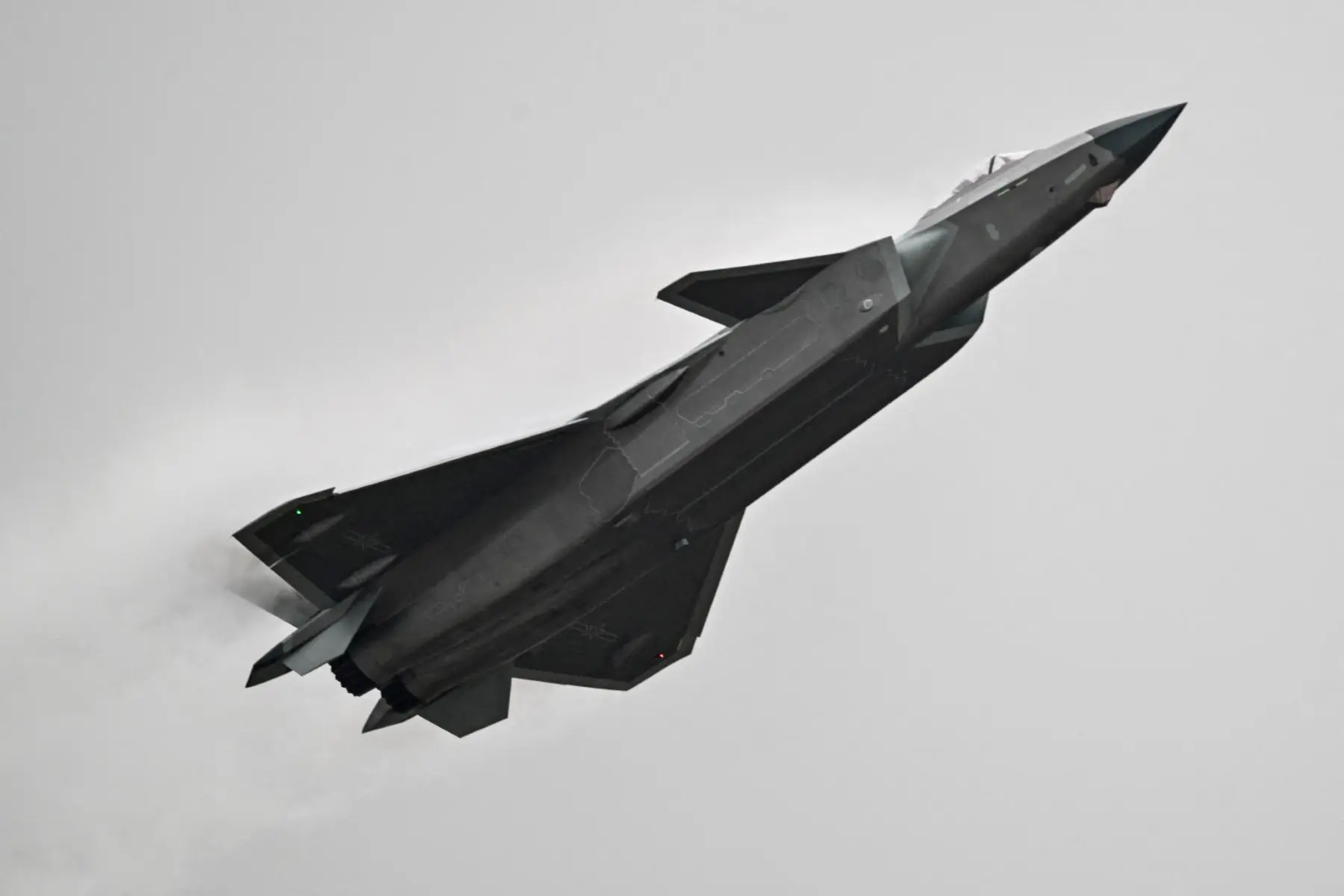
Replacing older engines
The J-20 fleet is transitioning from older Russian and interim domestic engines to the advanced WS-15. Aviation analysts confirm this marks a major milestone in China's aerospace independence.
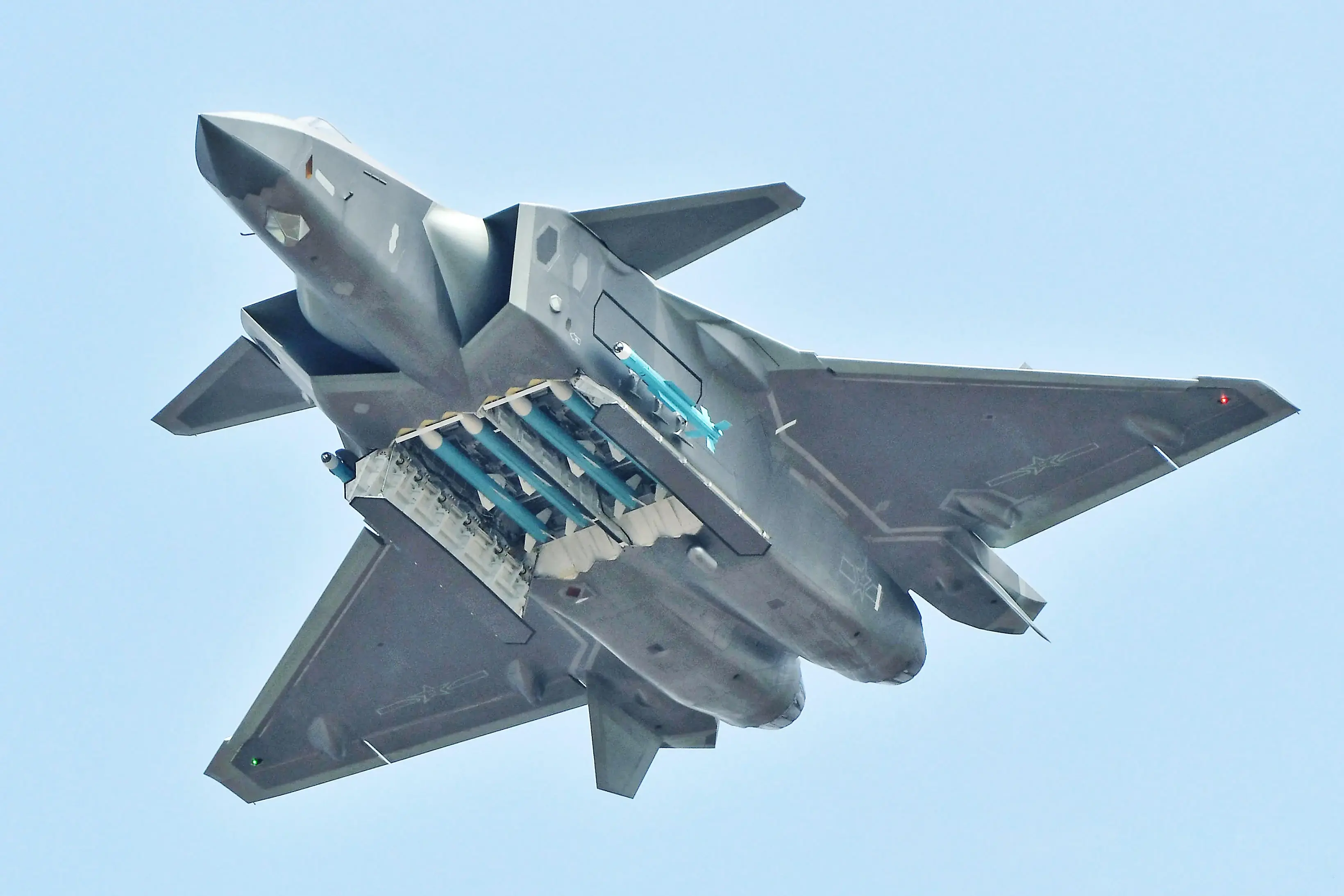
Achieving true supercruise
With the WS-15, the J-20 can finally supercruise, meaning it sustains flight over Mach 1 without using afterburners. This brings its performance in line with other advanced fifth-generation fighters.
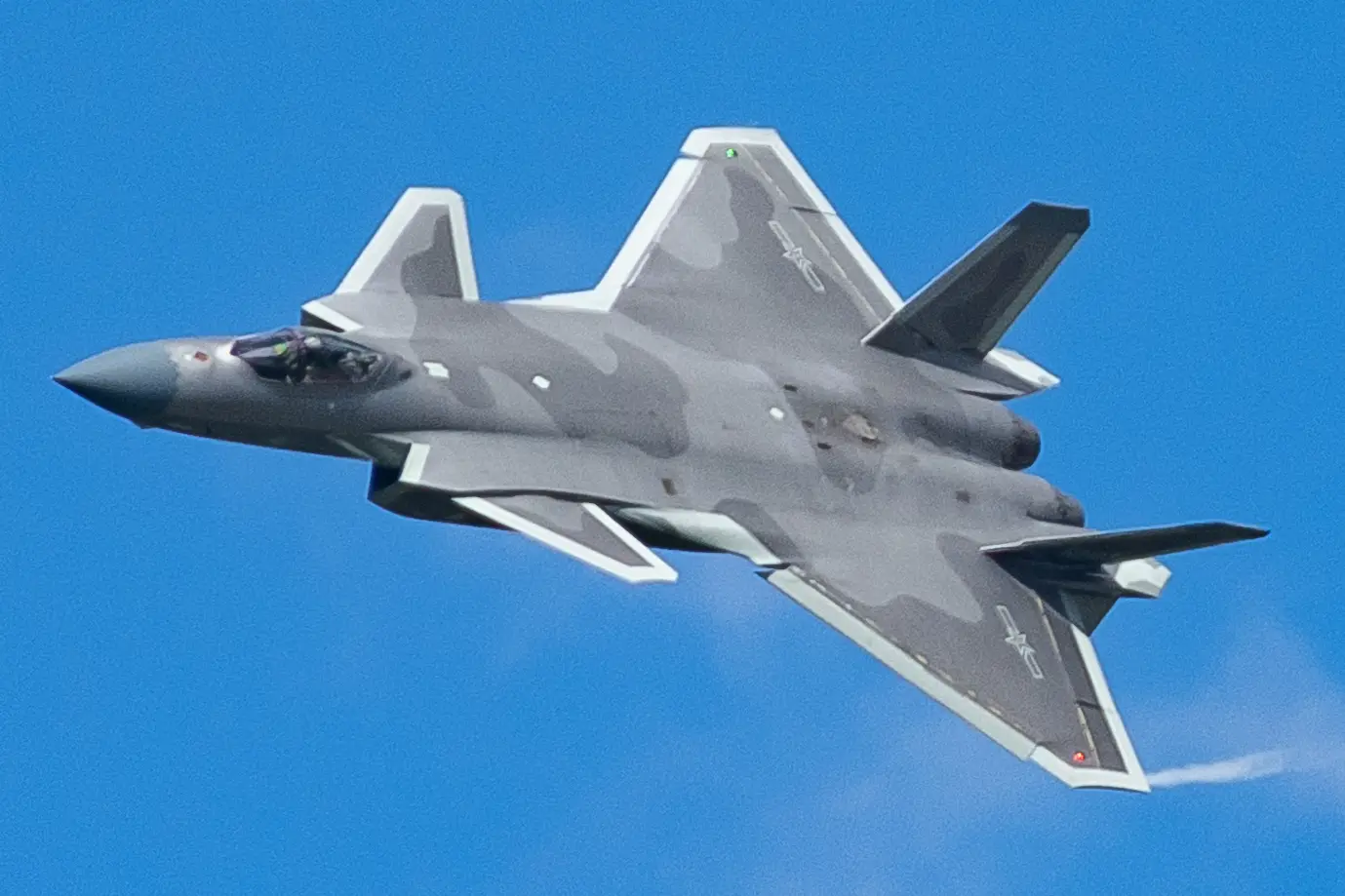
Massive thrust output
Defence reports estimate that each WS-15 engine generates up to 36,000 pounds of thrust. This immense power gives the heavy stealth fighter significantly better acceleration and climb rates.
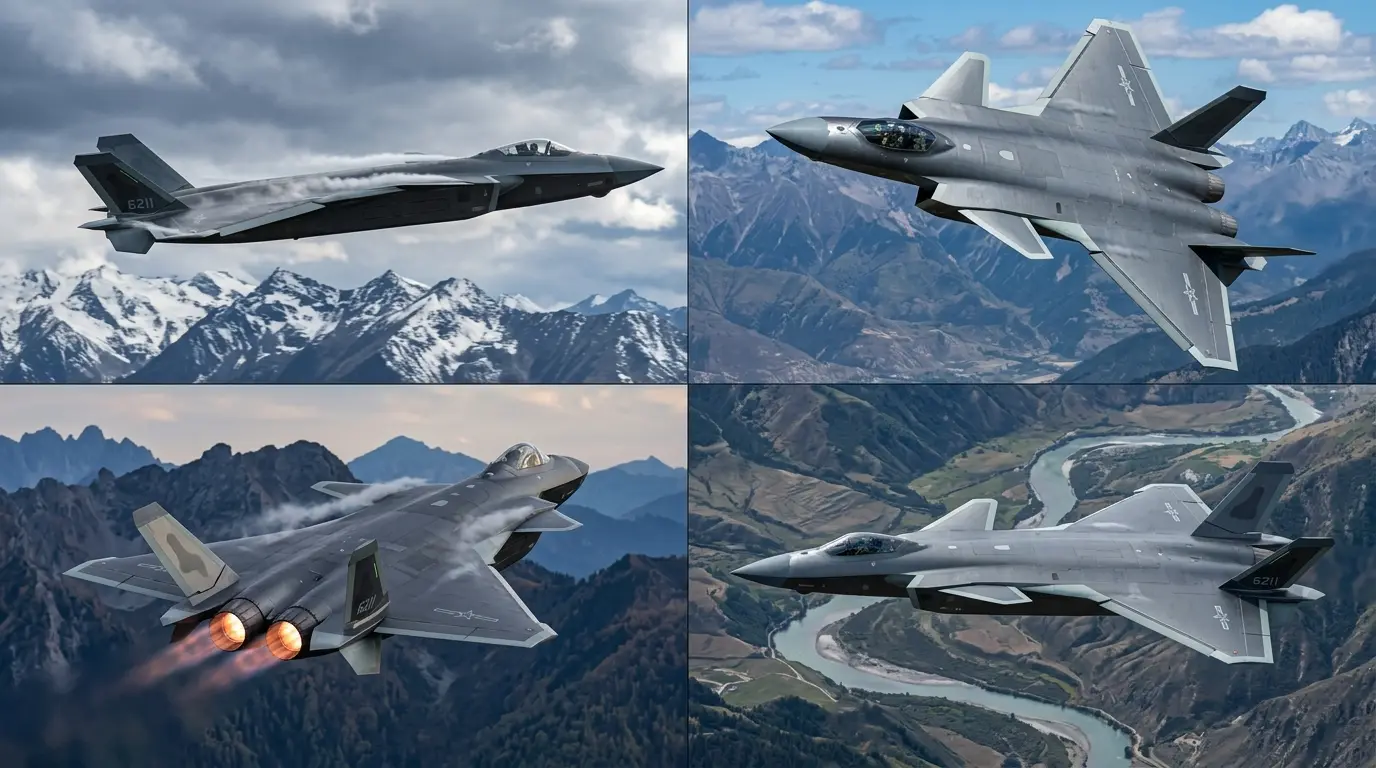
Extending combat radius
Because afterburners drain fuel rapidly, relying on supercruise allows the J-20 to conserve its fuel reserves. Military experts note this drastically extends the aircraft's operational range.
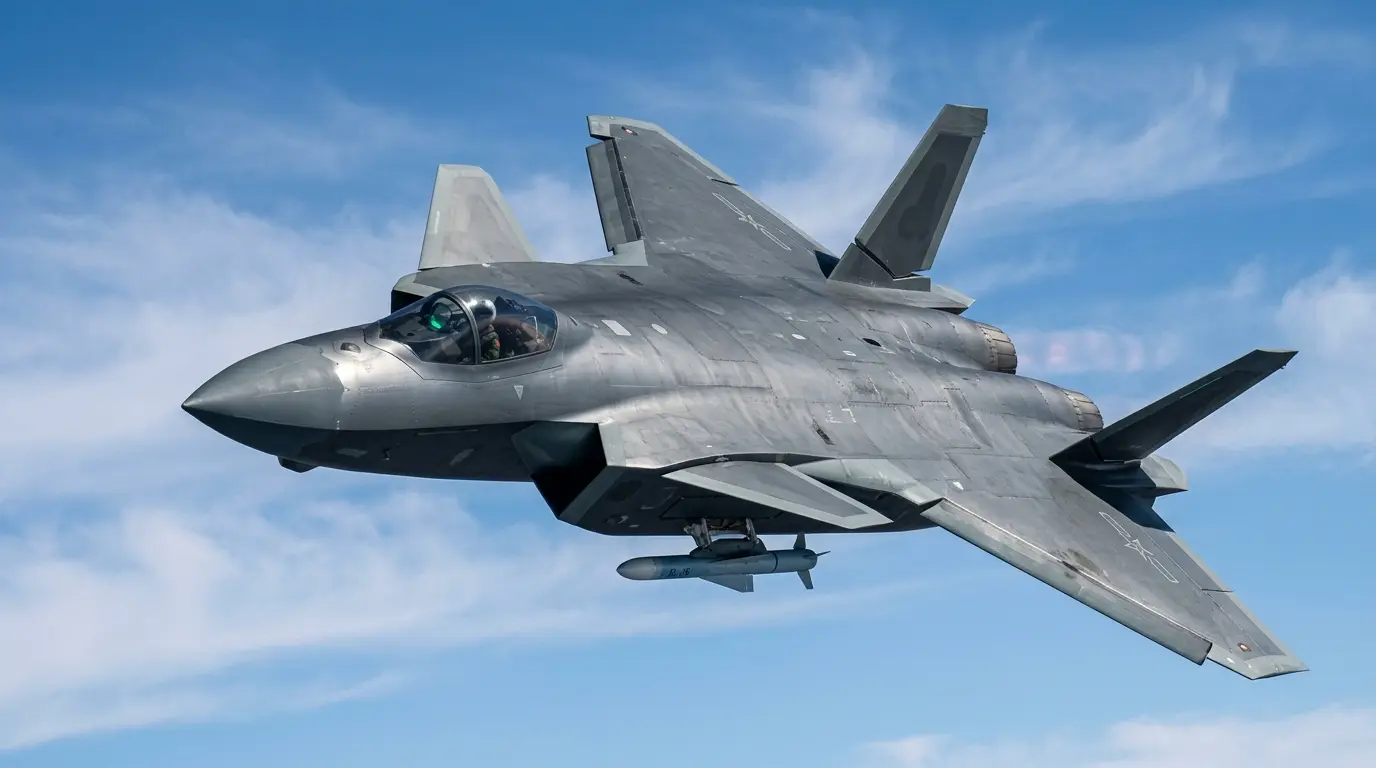
Lowering the heat signature
Afterburners create a massive thermal bloom that enemy infrared sensors can easily detect. Flying at supersonic speeds without them helps the J-20 maintain a highly effective stealth profile.
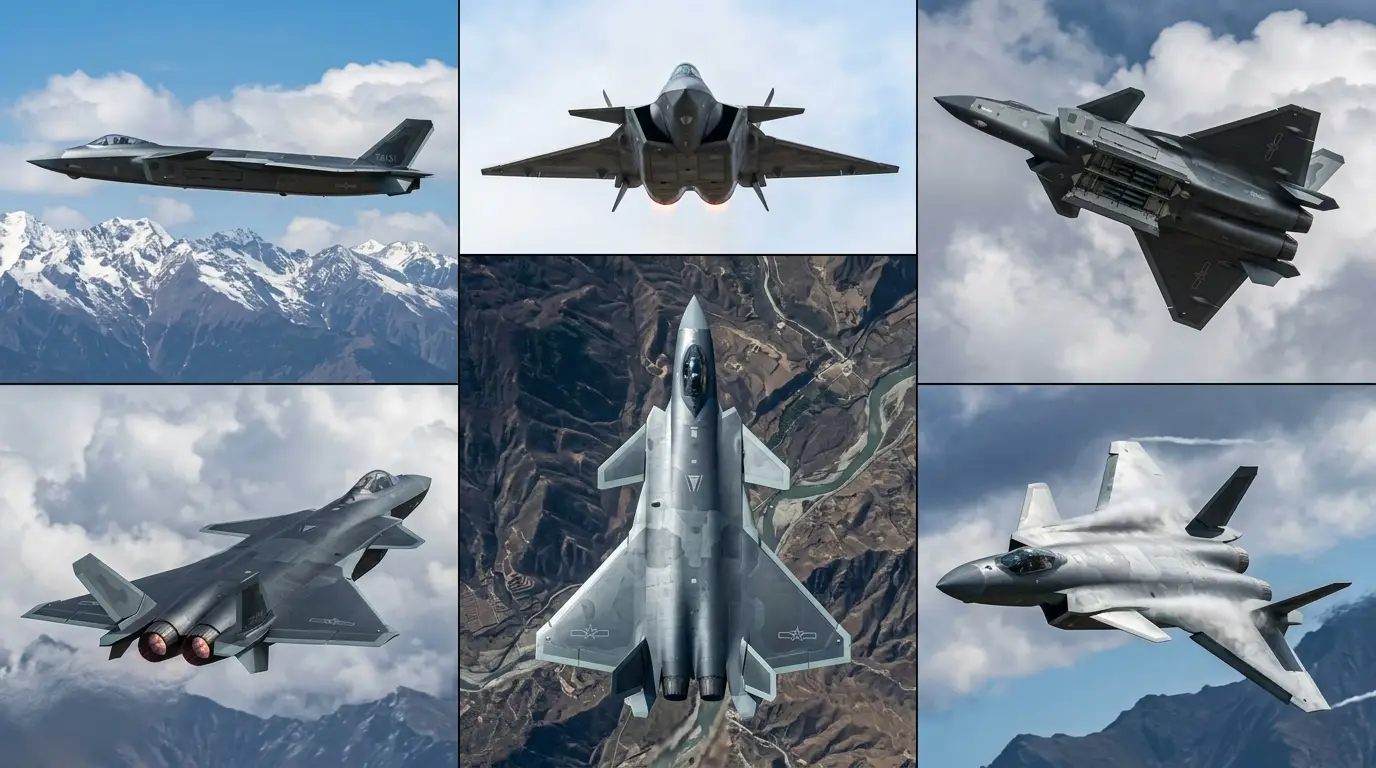
Enhancing missile range
Launching weapons at sustained supersonic speeds transfers more kinetic energy to the missile itself. Aerospace researchers state this extends the effective kill range of the aircraft's PL-15 air-to-air missiles.
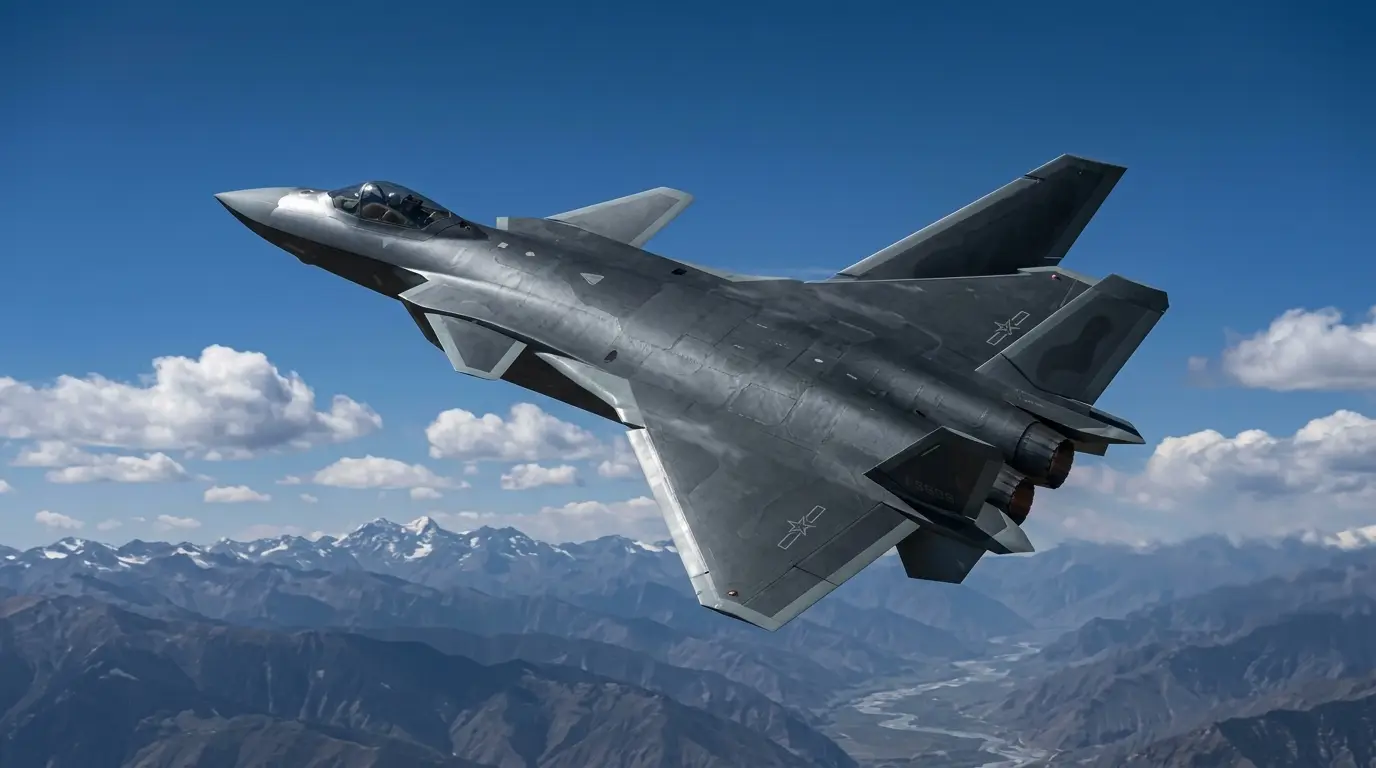
A shifting power balance
The integration of the WS-15 transforms the J-20 into a much more capable interceptor. Regional security analysts suggest this upgrade directly challenges established air superiority in contested airspace.
)
)
)
)
)