‘Suez Canal to the Strait of Hormuz’: 5 countries controlling the world’s most important trade chokepoints

From the Suez Canal to the Strait of Hormuz, five countries hold control over key maritime chokepoints. These narrow sea routes shape global trade, energy supply, and geopolitics, making them some of the most strategically important waters on Earth.
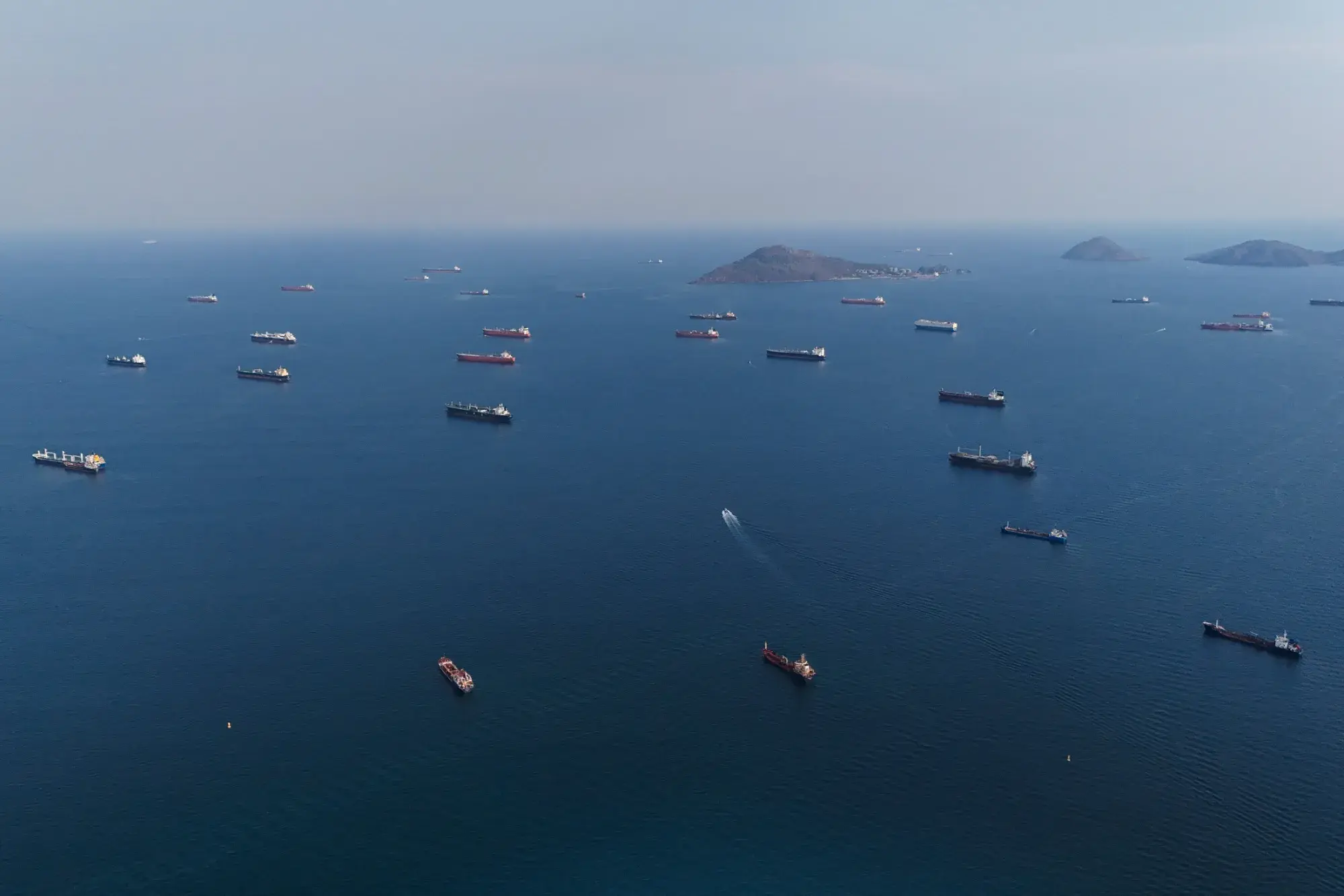
Trade chokepoints
Trade chokepoints are narrow sea passages vital for global commerce. Controlling them means holding sway over millions of tonnes of goods every day. Here are the five countries that control the world’s most critical trade routes, shaping economies and geopolitics.
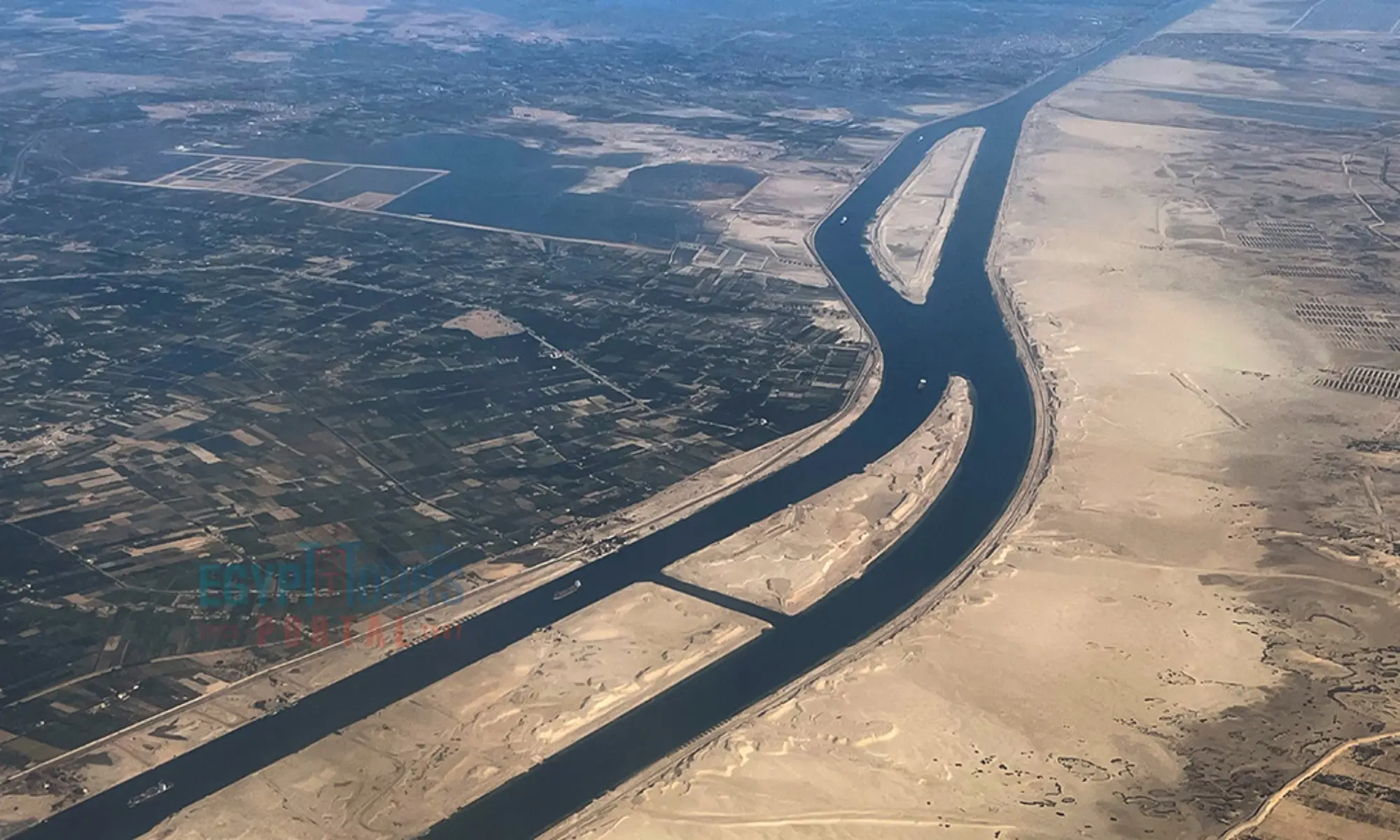
Egypt - The Suez Canal
The Suez Canal connects the Mediterranean Sea to the Red Sea, shortening shipping routes between Europe and Asia. Egypt’s control over the canal lets it impact about 12 per cent of global trade by volume. The canal handles billions in oil, goods, and container shipments every year.
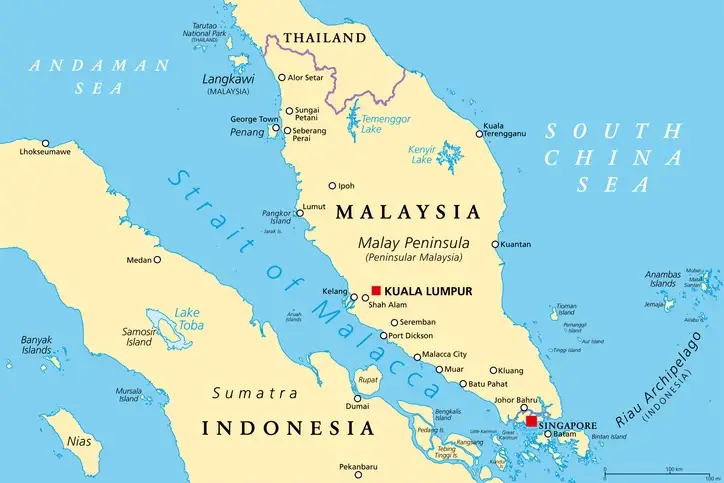
Indonesia - The Malacca Strait
Stretching between Malaysia and Indonesia, the Malacca Strait links the Indian Ocean to the Pacific. It carries nearly 30 per cent of global shipping, including vast amounts of oil and manufactured goods. Any disruption here can ripple across global supply chains.
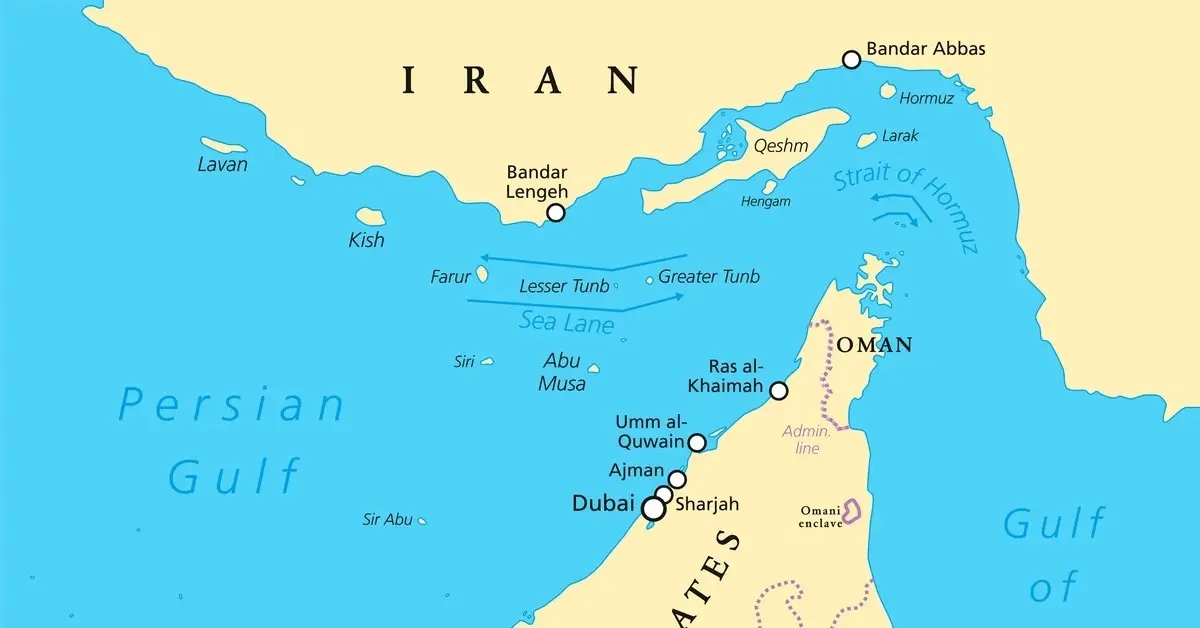
Oman & UAE - The Strait of Hormuz
This narrow passage connects the Persian Gulf with the Arabian Sea. Around 20 per cent of the world’s oil trade passes through the Strait of Hormuz, making Oman and the UAE key gatekeepers. The region is strategically sensitive due to ongoing geopolitical tensions.
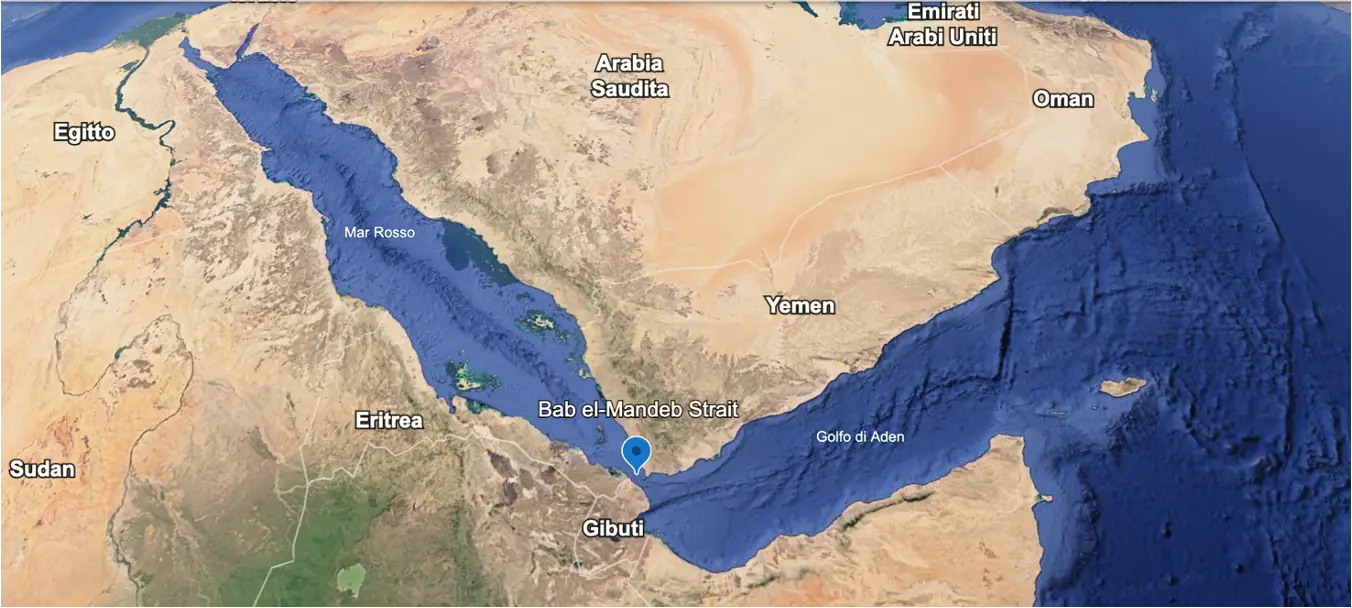
Yemen, Djibouti & Eritrea - Bab el-Mandeb
Bab el-Mandeb sits between the Red Sea and the Gulf of Aden. It’s a critical choke point for oil and goods moving toward Europe and Asia via the Suez Canal. Regional conflicts here threaten the smooth flow of trade, attracting international security attention.
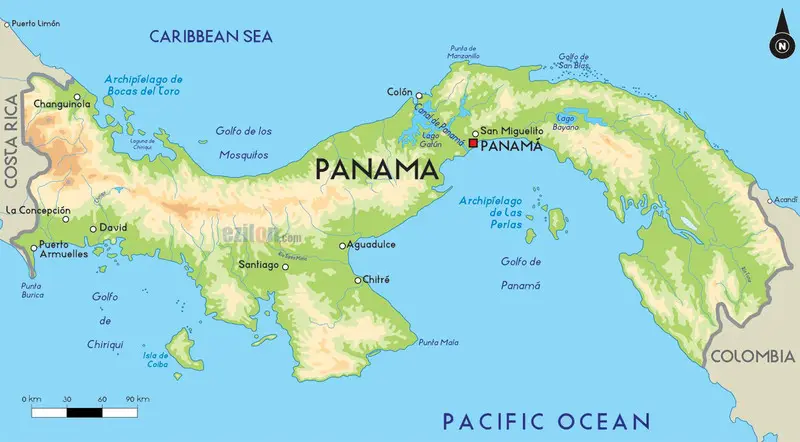
Panama - The Panama Canal
This artificial waterway links the Atlantic and Pacific Oceans, hugely reducing travel times for global shipping. About 6 per cent of the world’s maritime trade passes through the Panama Canal yearly, making Panama crucial for international logistics.
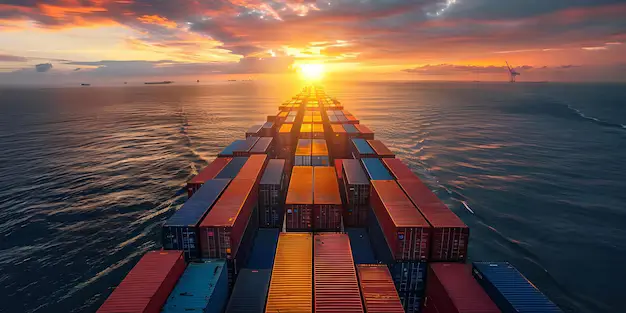
Global trade arteries
These countries hold the keys to vital global trade arteries. Control of these chokepoints means economic power and strategic influence, but also the responsibility to keep them open and secure.
)
)
)
)
)