‘Suez Canal to English Channel’: Top 10 busiest shipping routes in the world

Global trade relies on specific maritime chokepoints like the English Channel, which sees 500 ships daily, and the Strait of Malacca, with 94,000 annual. From the oil-critical Strait of Hormuz to the drought-hit Panama Canal, these ten routes form the backbone of the international economy.
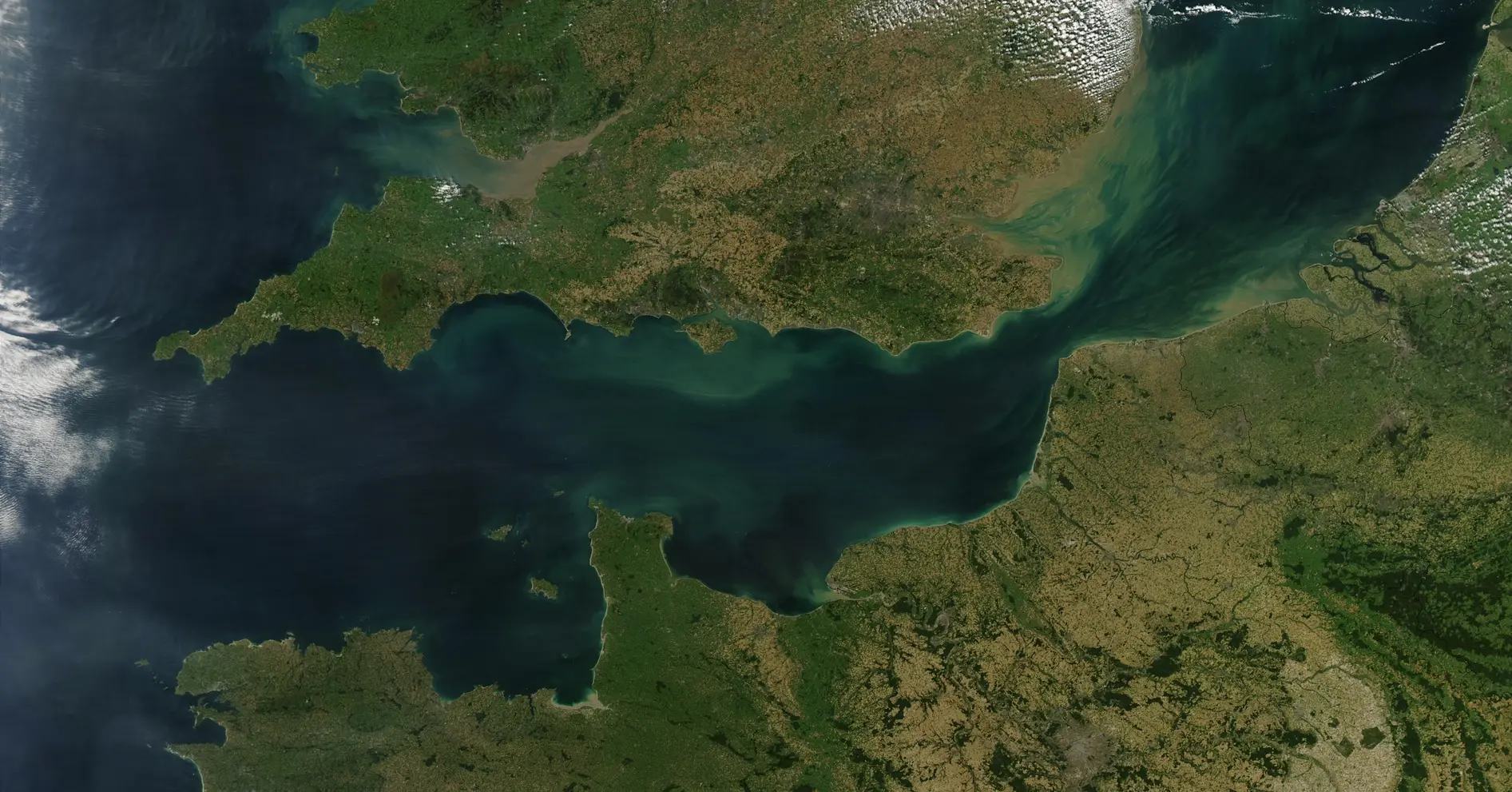
English Channel: The World’s Busiest Lane 500 Daily Ship Crossings
Stretching between the UK and France, the English Channel handles over 500 vessels daily, making it the busiest shipping lane globally. Seven Seas Worldwide reports that it serves as a vital gateway for European trade despite difficult weather conditions.
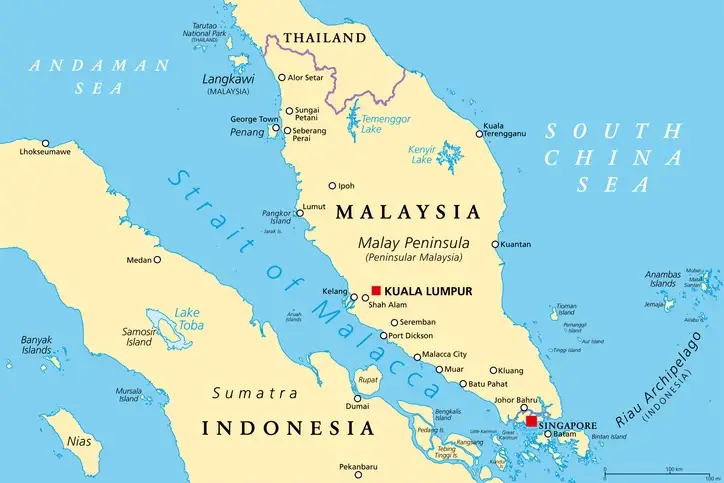
Strait of Malacca: Asia’s Primary Artery 94,000 Ships Transited in 2024
As per Informare.it data reveals a record 94,000 ships passed through this strait in 2024, linking the Indian and Pacific Oceans. It carries nearly 30 per cent of world trade, supporting major Asian economies like China and Japan.
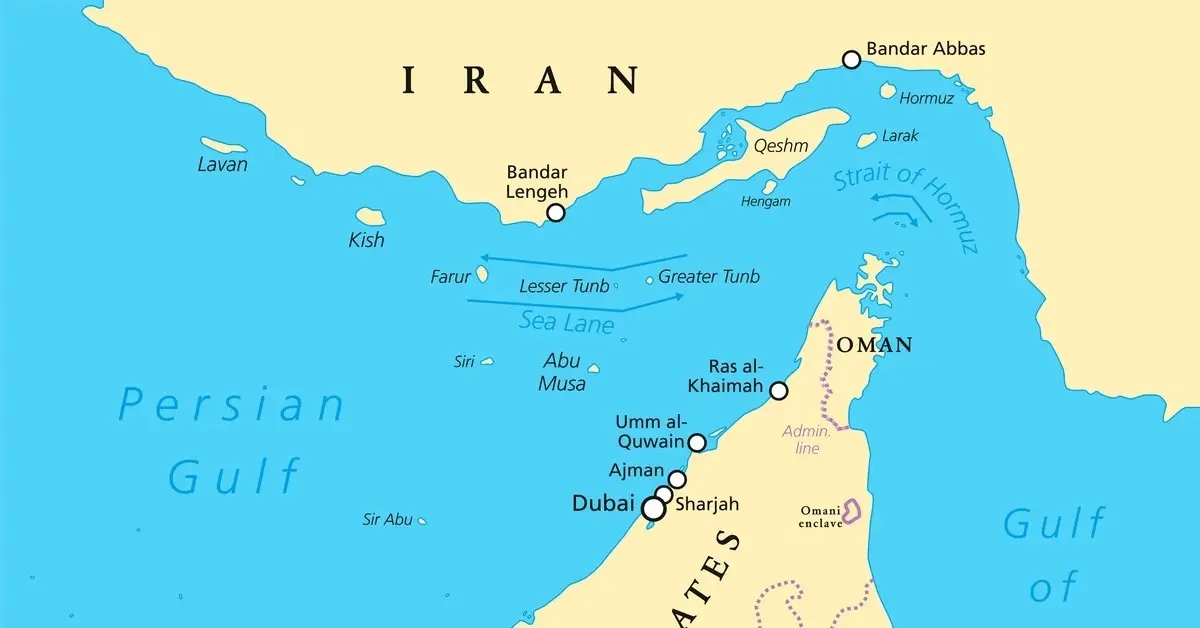
Strait of Hormuz: The Global Oil Chokepoint 20 Per Cent of World’s Oil
The International Energy Agency states that around 20 per cent of the world's oil supply passes through this narrow waterway daily. Located between Oman and Iran, it remains critical for global energy security despite geopolitical tensions.
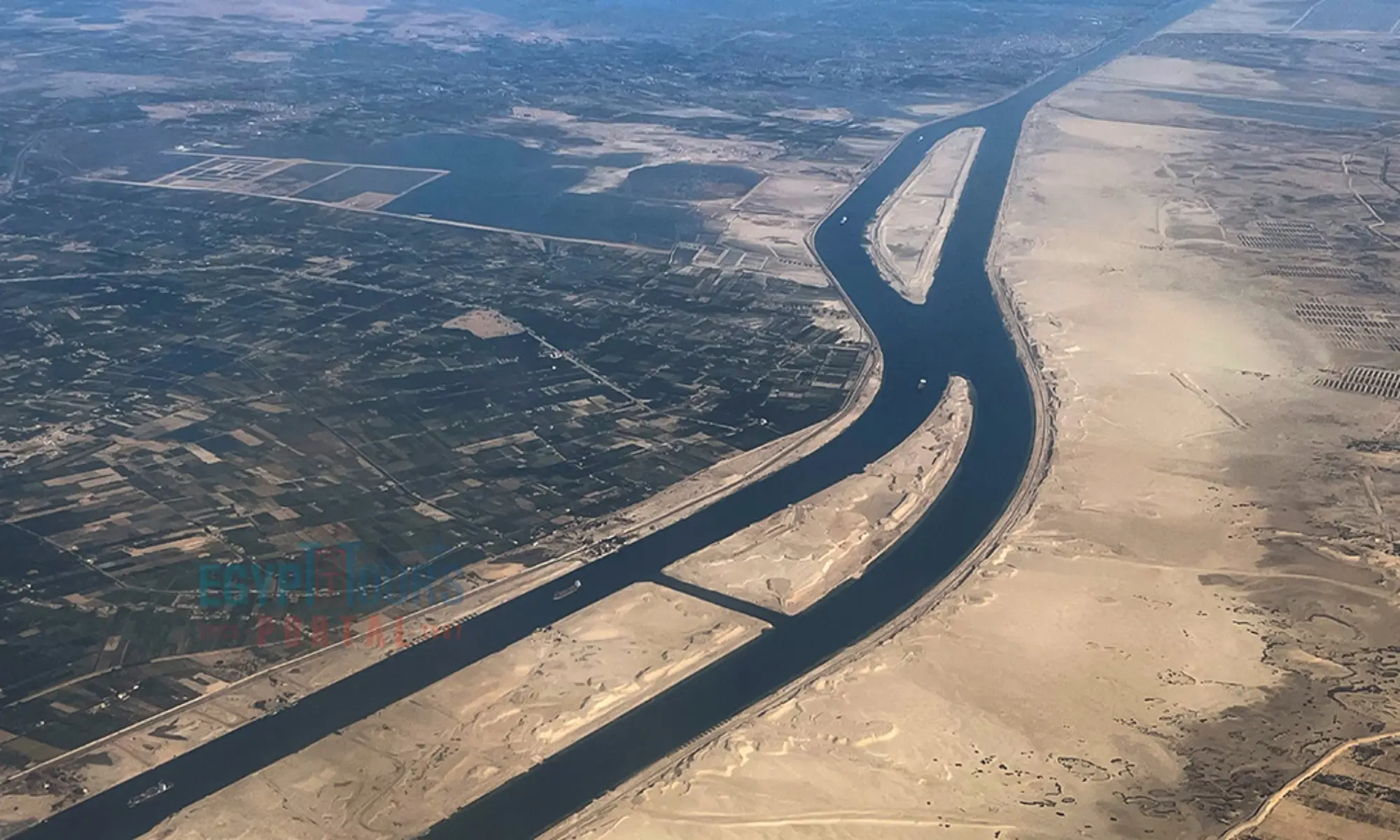
Suez Canal: The Shortest Link to Europe 12 Per Cent of Global Trade
Connecting the Red Sea to the Mediterranean, the Suez Canal traditionally handles about 12 per cent of global trade. However, recent WorldCargo News reports indicate a traffic drop of over 50 per cent in late 2024 due to regional security crises.
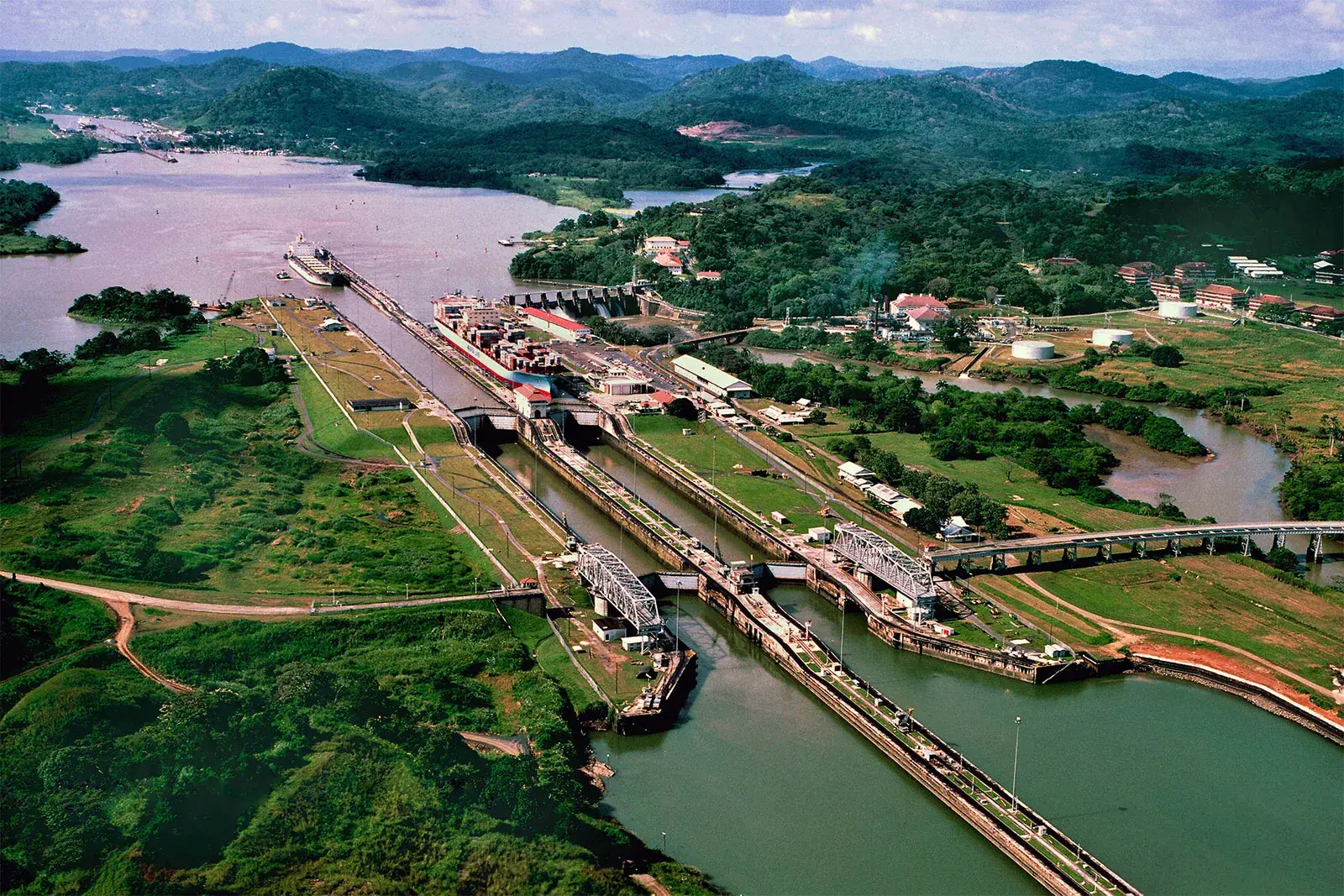
Panama Canal: Engineering Marvel of the Americas 11,240 Transits in FY2024
The Panama Canal Authority recorded 11,240 transits in the 2024 fiscal year, linking the Atlantic and Pacific oceans. This route saves ships an 8,000-kilometre journey around South America, though droughts have recently limited capacity.
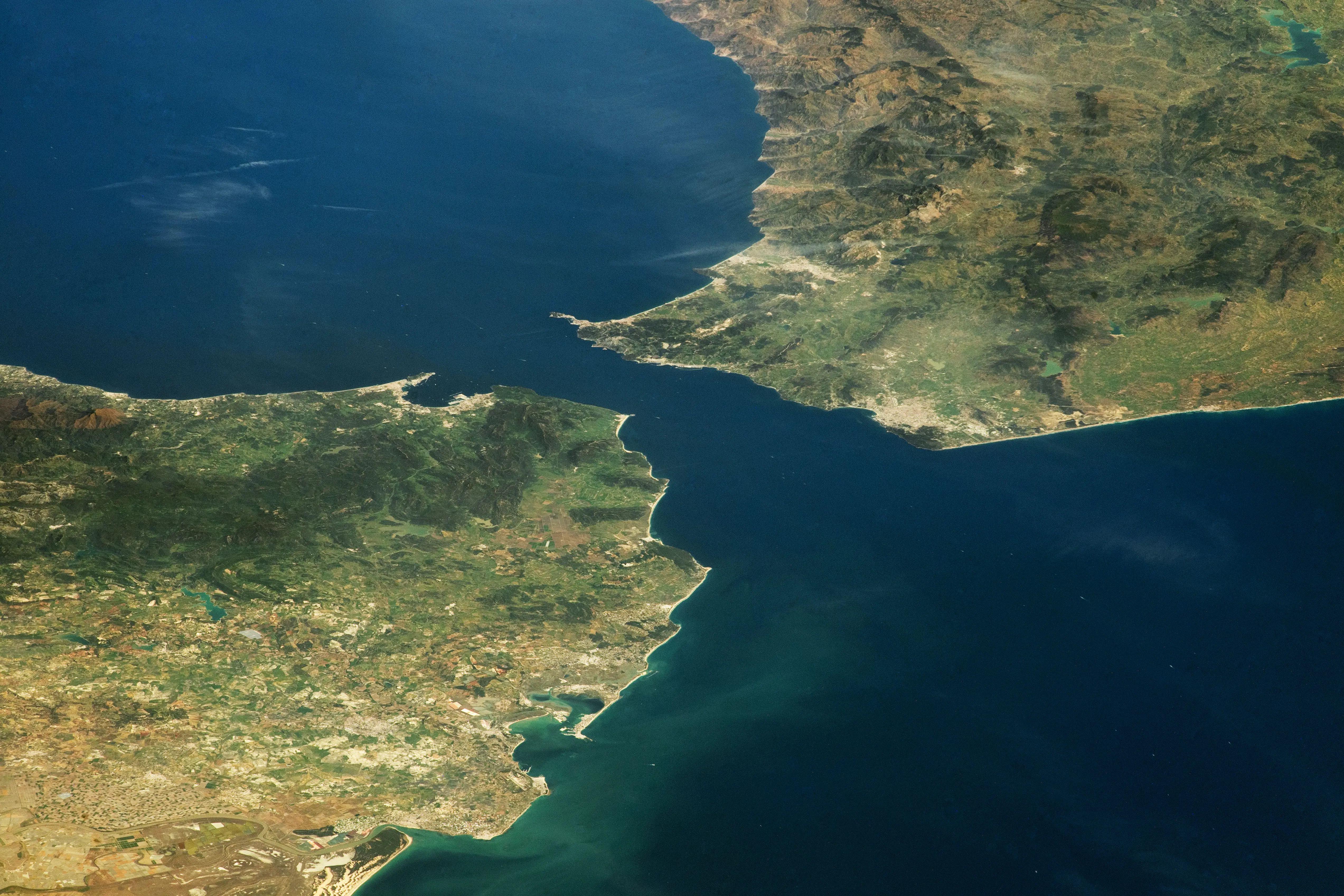
Strait of Gibraltar: Gateway to the Mediterranean 100,000 Vessels Annually
Maritime agency Salama reports that approximately 100,000 vessels transit the Strait of Gibraltar each year. It serves as the essential entry point for shipping traffic moving between the Atlantic Ocean and the Mediterranean Sea.
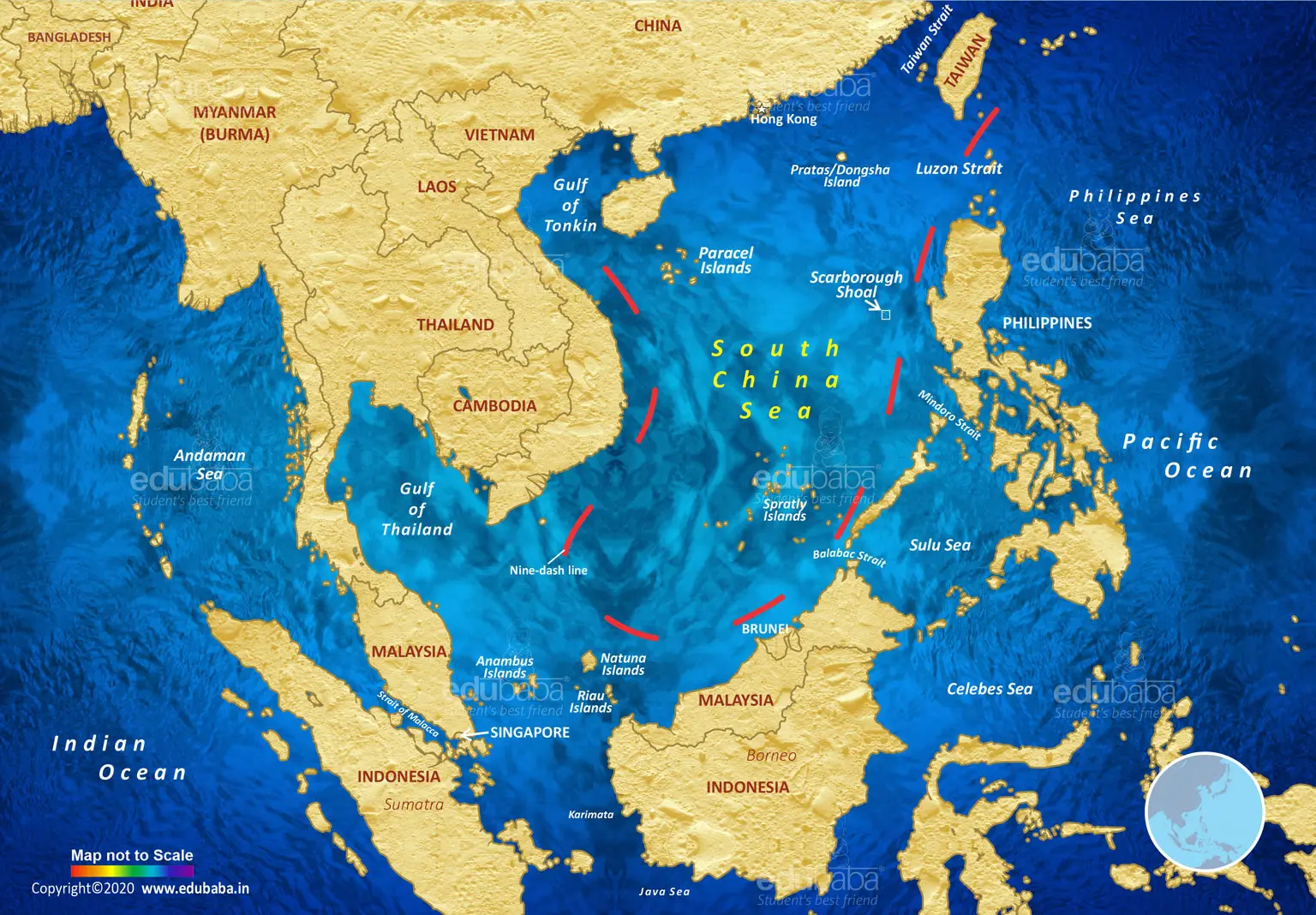
South China Sea: The Trillion-Dollar Route $3.4 Trillion Annual Trade
The US Energy Information Administration estimates that over $3.4 trillion in trade passes through these waters annually. It acts as a crucial maritime superhighway for crude oil and LNG shipments fueling East Asian manufacturing hubs.
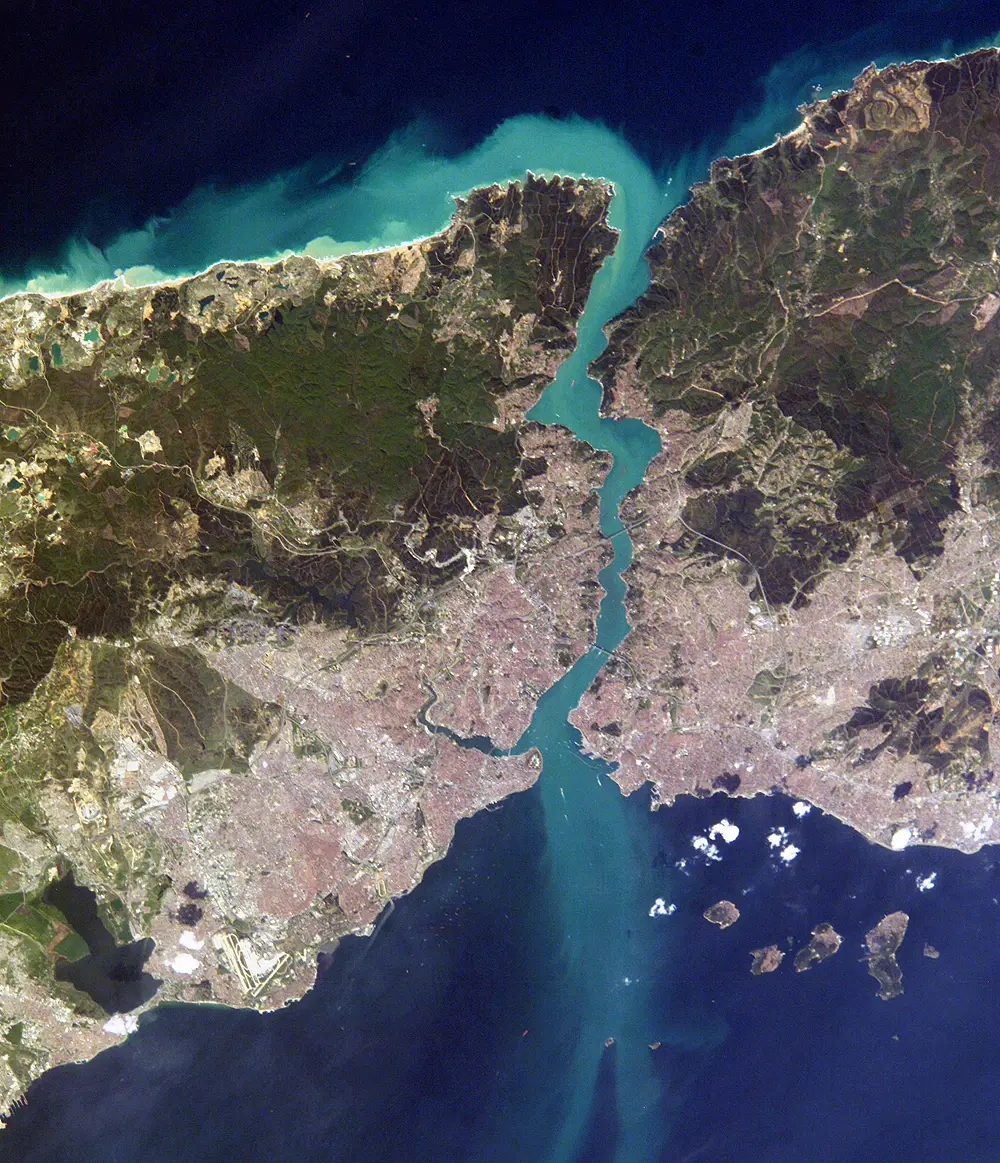
Bosporus Strait: Connecting East and West 39,000 Vessels in 2023
Nordic Monitor data shows 39,000 vessels navigated the Turkish Straits in 2023, connecting the Black Sea to global markets. It is a vital route for grain and oil exports from Russia and Central Asia.
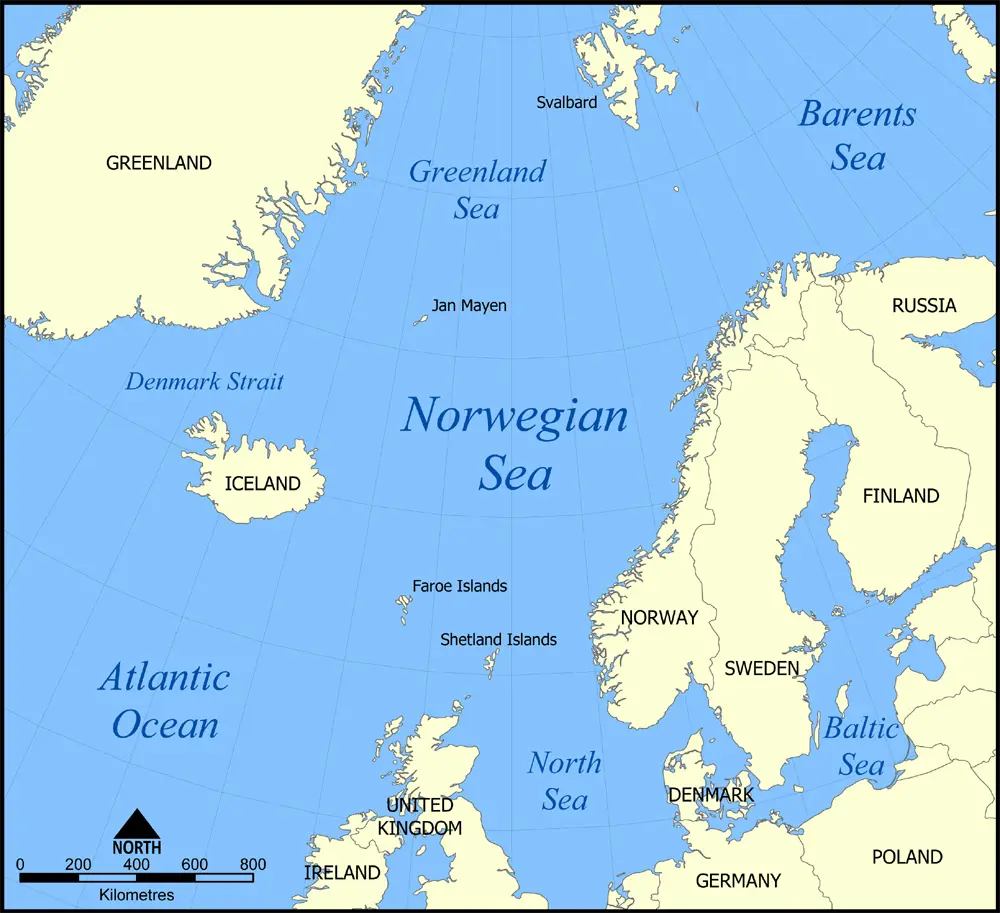
Danish Straits: The Baltic Oil Exit 3 Million Barrels of Oil Daily
These straits connect the Baltic Sea to the North Sea, serving as a key route for Russian oil exports. The EIA notes it is one of the world's busiest energy chokepoints, handling millions of barrels of crude oil and petroleum products daily.

Cape of Good Hope: The Alternative Route Traffic Surge by 50 Per Cent
Due to Red Sea disruptions, WorldCargo News reports many major carriers have diverted to this longer African route. While historically slower, it has become a critical lifeline for global supply chains in 2024 and 2025.
)
)
)
)
)