'Succession plot just got real': 10 ways Netflix–Warner deal changes the power balance in Hollywood

With Netflix potentially owning key content and a second major streaming service, rivals (Disney, Paramount, Comcast) face higher costs to secure franchises or scale, prompting either deeper consolidation among competitors or greater focus on original verticals.
1. One company controls two of streaming’s biggest brands
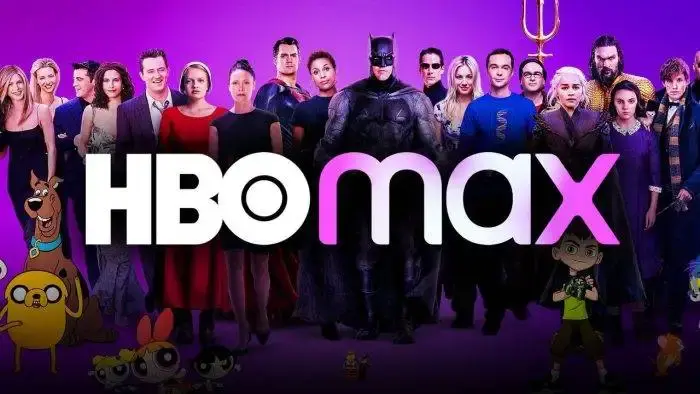
If the deal closes, Netflix will own its existing global streaming platform plus Warner’s premium streaming business (HBO/Max). That combination concentrates two major streaming audiences and content libraries under one corporate roof, a step-change in market share and reach.
2. Instant expansion of owned premium content libraries
Netflix would gain long-running, high-value intellectual property, from HBO originals to Warner Bros’ theatrical catalogue, reducing its dependence on licensed content from third parties and adding decades of premium titles to its owned catalogue. That shifts bargaining power in licensing and distribution.
3. Dramatically larger theatrical-production capability
Acquiring Warner Bros Pictures and New Line brings a full theatrical-distribution and production system into Netflix’s operations. That alters the cinema-streaming relationship: Netflix moves from being a primarily streaming-first producer to also owning major theatrical infrastructure.
4. Far stronger position in franchise and franchise-building economics
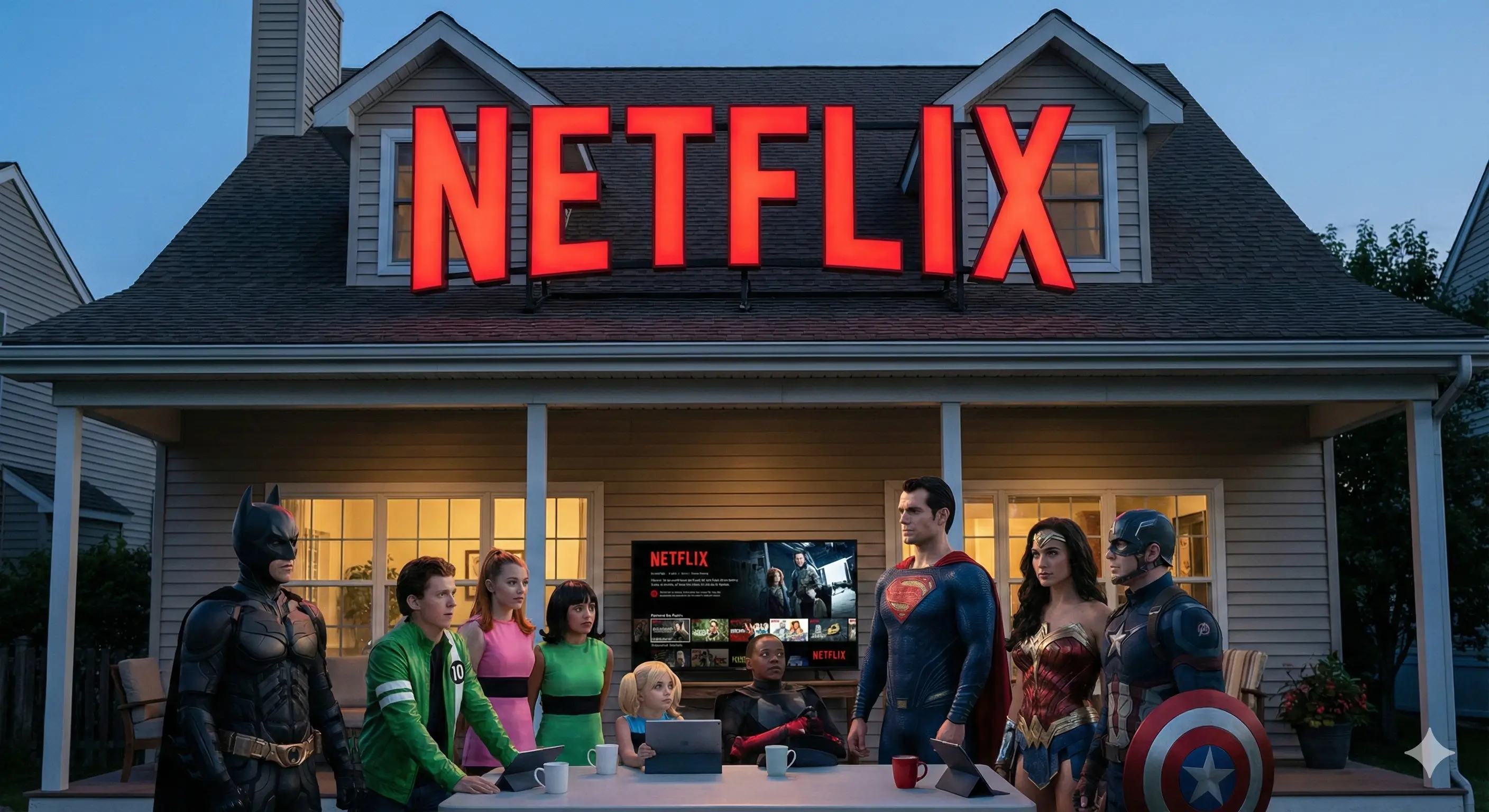
Netflix would inherit franchise portfolios that include DC, Harry Potter/Wizarding World, Game of Thrones and others. Controlling franchises gives Netflix long-term revenue streams (merchandising, spin-offs, theme parks/licensing) and more leverage over competitors.
5. Bigger negotiating leverage with creators, talent and distributors
An owner that can offer both deep streaming distribution and major theatrical releases can negotiate from a position of strength on rights, talent deals and release windows, changing how creators and studios structure contracts and exclusivity. (Reported industry analysis.)
6. A likely change in global market share dynamics
Analysts cited in coverage estimate the combined entity would command a materially larger share of viewing hours in markets such as the US, reshaping rankings among global streamers and forcing rivals to consider consolidation or new strategies.
7. Immediate political and regulatory pressure increases significantly
A deal of this size has already drawn political and industry pushback (including lobbying and calls for scrutiny). That means regulators in the US, EU and other markets will weigh competition concerns much more heavily, and any remedies could reshape the final competitive landscape.
8. Rivals’ strategic options narrow or become costlier
With Netflix potentially owning key content and a second major streaming service, rivals (Disney, Paramount, Comcast) face higher costs to secure franchises or scale, prompting either deeper consolidation among competitors or greater focus on original verticals. Coverage of bidding dynamics confirms rival interest and concern.
9. The economics of content windows and theatrical release strategies change
Reports note Netflix has committed to maintaining theatrical releases for major Warner films; nonetheless, owning both studios and streaming narrows the room for independent theatrical strategy and could accelerate shifts in release windows, impacting exhibitors and distributors.

10. Institutional investor and corporate-governance implications for Hollywood deals
The transaction’s structure (cash + stock, equity and enterprise valuations reported) and the inclusion of significant breakup protections and spin-off conditions mean future M&A in entertainment will be judged against this precedent, altering how deals are priced, structured and defended. (Deal terms and valuation reported).
)
)
)
)
)