'Stryker hit': Who is Handala, the Iran-linked hacker group that attacked US medical giant?

This is the most terrifying aspect of Handala's operational playbook: they do not want money. Traditional Russian cyber-cartels use ransomware, locking a company's data and demanding millions in cryptocurrency to release it. Handala uses "wiper malware."

1. The Digital Proxy of Tehran
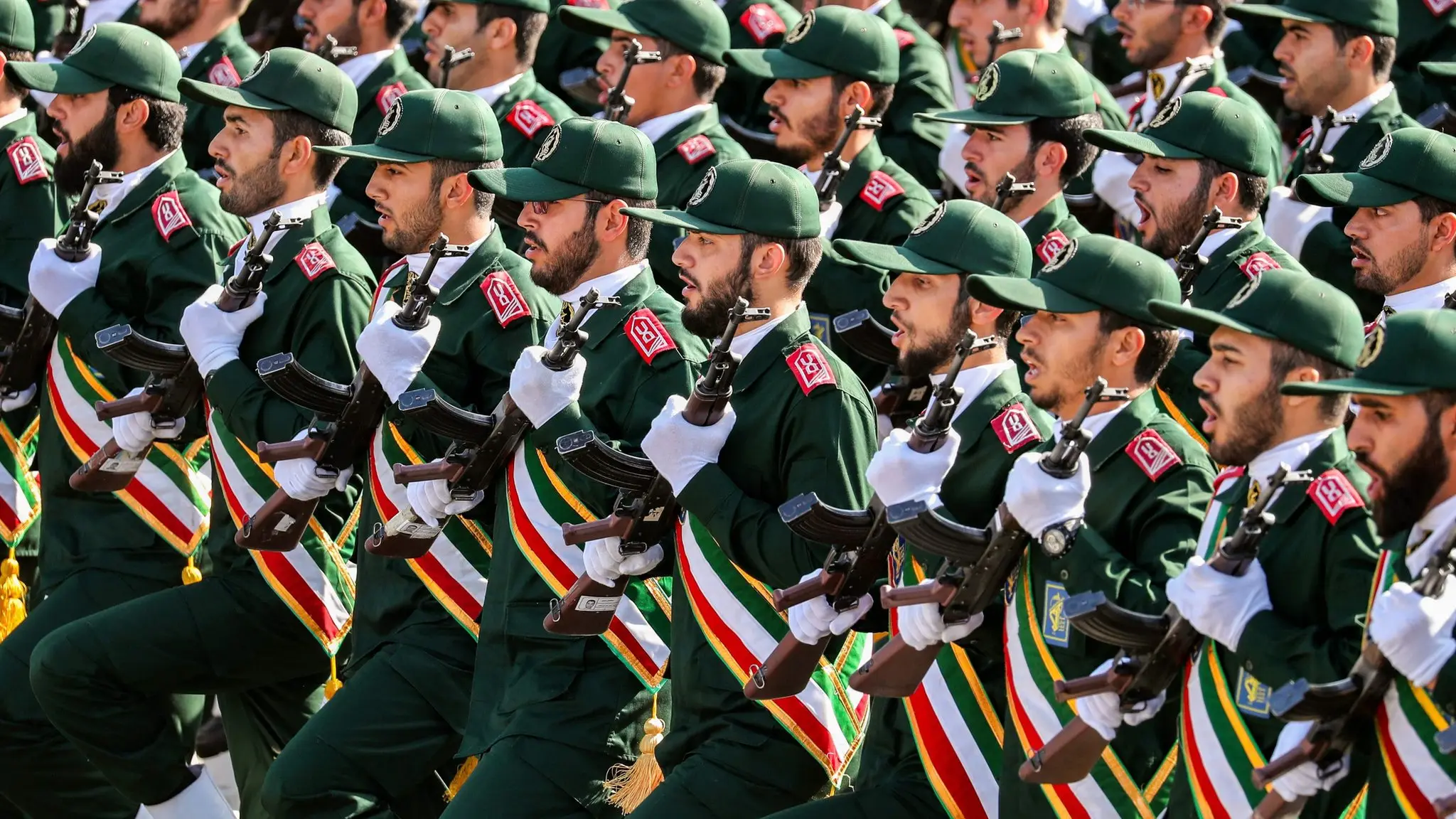
When Stryker’s global network collapsed on Wednesday, it wasn't the work of opportunistic criminals looking for a quick payday. It was executed by Handala, an elite, highly sophisticated hacktivist group that cybersecurity experts and Western intelligence firmly link to the Iranian government. Handala operates as the digital wing of the "Axis of Resistance." While the IRGC fires ballistic missiles in the Middle East, Handala is tasked with firing digital weapons at Western critical infrastructure.

2. The Meaning Behind the Name
The group's name and iconography are deeply ideological. "Handala" is a famous cartoon character created in 1969 by Palestinian political cartoonist Naji al-Ali. The character, a ten-year-old refugee boy always depicted with his back turned to the viewer, is a universal symbol of Palestinian defiance and resistance. By adopting this name, the hacker group is explicitly framing its cyber warfare not as random criminality, but as a righteous geopolitical crusade.

3. Wiper Malware vs. Ransomware
This is the most terrifying aspect of Handala's operational playbook: they do not want money. Traditional Russian cyber-cartels use ransomware, locking a company's data and demanding millions in cryptocurrency to release it. Handala uses "wiper malware." Their primary objective is irreversible destruction. When they breached Stryker, their goal wasn't to extort the $100 billion medical giant; their goal was to systematically burn down the company's digital infrastructure to inflict maximum pain on the American supply chain.

4. The 'Zionist' Targeting Matrix
Why did Handala target a company that makes hospital beds and surgical drills? Handala exclusively hunts multinational corporations that maintain deep ties to the U.S. military or the Israeli tech sector. Stryker fits both criteria perfectly. Not only does Stryker hold massive, multi-million dollar contracts with the US Department of Defence, but in 2019, the company acquired OrthoSpace, an Israeli medical technology firm. To Handala, these financial ties made Stryker a legitimate, "Zionist-aligned" military target.
5. Weaponizing the Workforce
Handala doesn't just attack servers; they attack the employees. During the Stryker hack, they executed a terrifyingly sophisticated breach of the company's Mobile Device Management (MDM) software. By infiltrating the "work profiles" installed on the personal mobile phones of over 4,000 employees at Stryker’s Cork, Ireland facility, Handala managed to remotely wipe personal devices. It is a psychological warfare tactic designed to show Western workers that associating with targeted companies will cost them their personal privacy and data.
6. A History of High-Profile Chaos
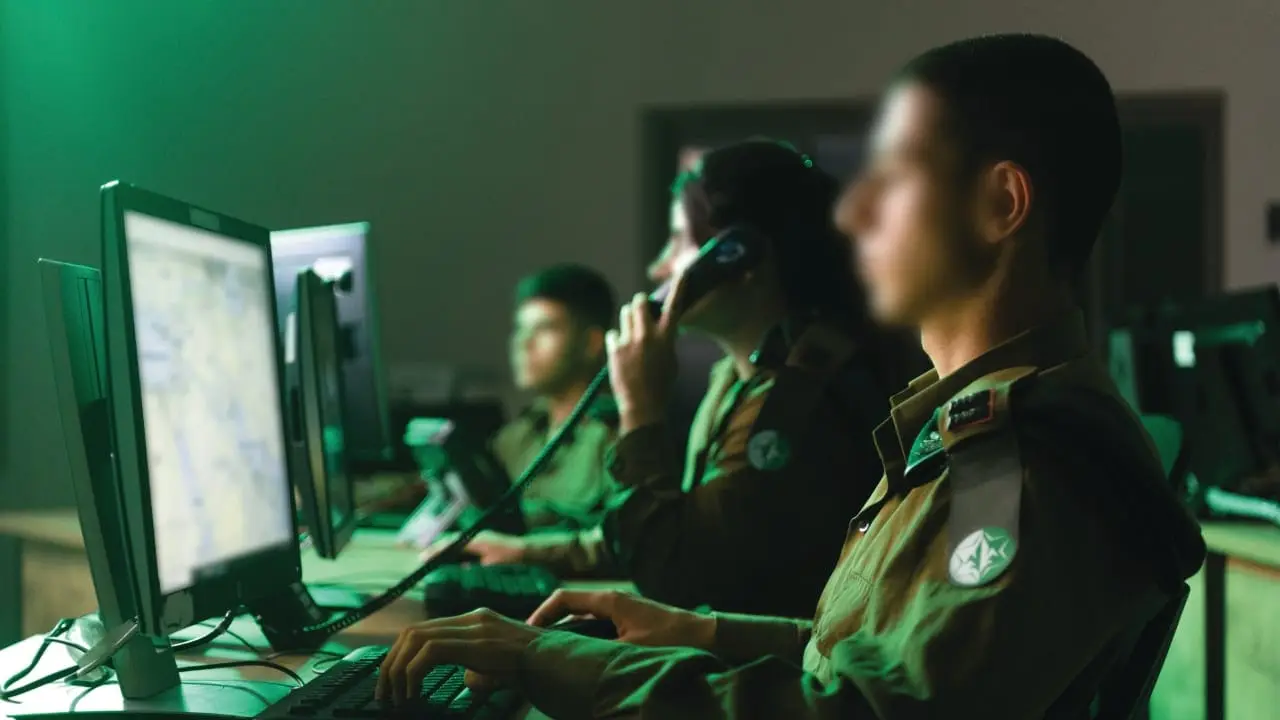
Stryker is just their latest victim. Handala first emerged on the radar of global intelligence agencies during the outbreak of the Israel-Hamas war, carrying out relentless, high-level cyberattacks. They have previously claimed responsibility for hacking Israeli radar systems, breaching major telecom providers, and leaking terabytes of sensitive data from Western tech companies operating in the Middle East. They are not amateurs; they are a tier-one advanced persistent threat (APT).

7. The New Front
The Stryker hit proves that the rules of engagement have permanently changed. Handala is actively demonstrating that the US-Israel-Iran war is no longer confined to the borders of the Middle East. Through state-sponsored cyber proxies, Tehran can now reach directly into the American heartland, paralyse Fortune 500 corporations, and shut down hospitals without ever triggering a kinetic military response or firing a single physical bullet.
)
)
)
)
)