‘Stryker cyber attack’: How the attack is tied directly to escalating US-Iran tensions

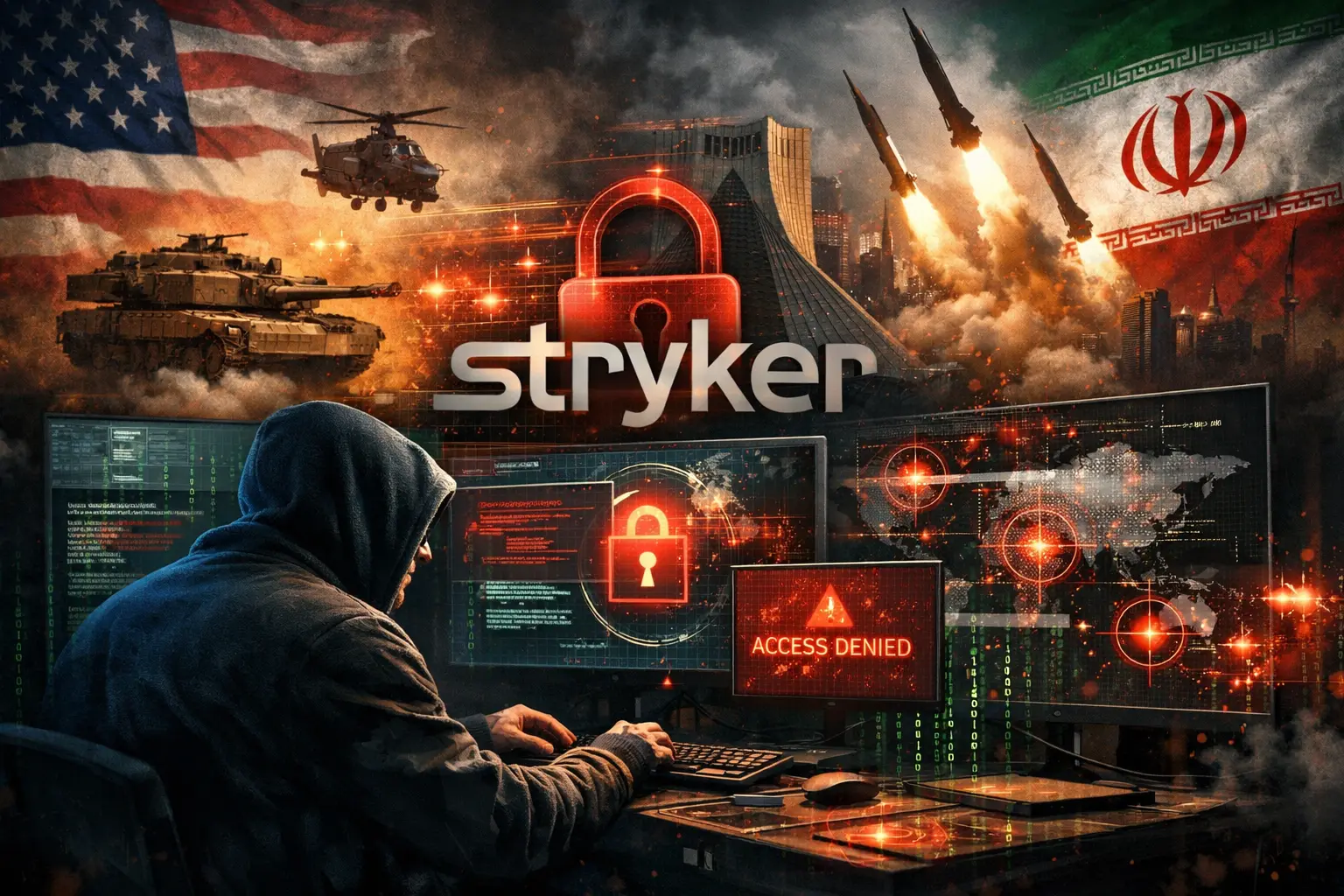
Iran-linked hackers used wiper malware to erase 200,000 Stryker devices and extract 50TB of data. The cyber attack, a retaliation for a US strike, severely disrupted global medical supply chains.
200,000 devices wiped globally
The Stryker cyber attack shut down operations for the US medical device giant across 79 countries. Hackers used destructive wiper malware to permanently erase data from corporate laptops, smartphones, and servers. Operations came to a sudden halt as devices were rendered entirely unusable.

50TB of data extracted
The Iran-linked hacking group Handala claimed full responsibility for the devastating breach. They stated that 50 terabytes of critical corporate data were stolen before internal systems were completely destroyed. This massive data loss has raised severe concerns over global medical supply chains.

Retaliation for 150 deaths
Handala hackers framed the cyber attack as direct retaliation for a recent military strike on a girls' school in southern Iran. The attack in Minab reportedly killed over 150 students. This positions the cyber breach as a major counter-offensive in the escalating US-Iran conflict.
56,000 employees forced offline
The cyber attack instantly crippled Stryker's global communications and internal software tools. Around 56,000 employees were left unable to access their workstations or factory management systems. Facilities worldwide had to pause the critical manufacturing of surgical equipment and implants.

4,000 workers halted in Ireland
Stryker's massive international base in Cork, Ireland, suffered immediate and severe disruptions. Over 4,000 workers were unable to log into their systems or operate connected machinery. Employees were instructed to disconnect all devices to stop the malware from spreading further.

0 ransom demanded by hackers
Unlike typical financial hacks, this cyber attack did not involve a ransom demand to restore operations. Hackers deployed sophisticated wiper malware specifically designed for maximum sabotage. The primary goal was to inflict severe economic damage on a prominent US corporation.
Stryker shares crash 4.5 per cent
News of the global IT outage sent shockwaves through the financial markets immediately. Stryker Corporation saw its stock price plummet by 4.5 per cent as investors reacted to the operational paralysis. The disruption highlighted the severe financial risks of modern geopolitical cyber warfare.
1 remote command wiped systems
Cybersecurity experts suggest the hackers manipulated the company's remote device management tools to execute the attack. A single remote wipe command was reportedly issued through Microsoft Intune, erasing connected endpoints simultaneously. The company quickly engaged engineers to investigate the breach.

Handala logo on 1,000s of screens
As the network went dark, thousands of affected corporate laptops and login portals suddenly displayed the Handala group's logo. This explicit branding served as a stark political message to the US. It confirmed that the cyber attack was an ideological operation rather than a random data breach.
150 million patients rely on Stryker
Stryker produces critical orthopaedic implants and hospital technology for healthcare systems worldwide. Prolonged disruptions could eventually cause dangerous delays in hospital supply chains globally. The incident proves that medical infrastructure is now a prime target in international cyber conflicts.
)
)
)
)
)