‘Strike from 1,000 miles away’: What are US' Tomahawk cruise missiles and why were 850+ fired in the Iran war?

The extensive use of Tomahawk missiles sheds light on their continued relevance in long-range strike operations. However, the cost and rate of deployment raise questions about sustainability in prolonged conflicts.
Surge in usage during Iran conflict
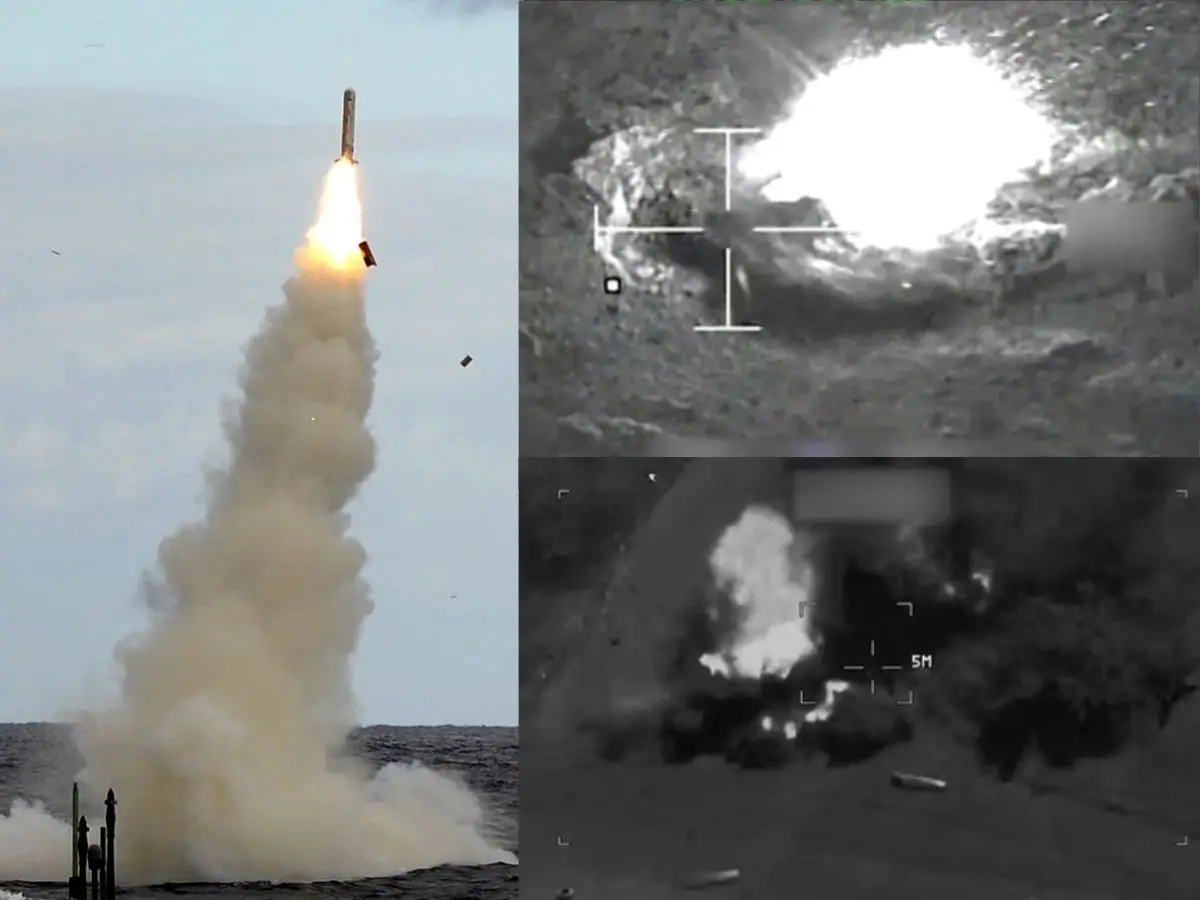
The United States has fired more than 850 Tomahawk cruise missiles in four weeks of conflict with Iran, according to a Washington Post report cited by Reuters. The pace of use has raised concerns within the Pentagon about stockpiles and production capacity. Officials have not publicly confirmed the figures, and the US Department of Defense and the White House did not respond to requests for comment.
What are Tomahawk cruise missiles?
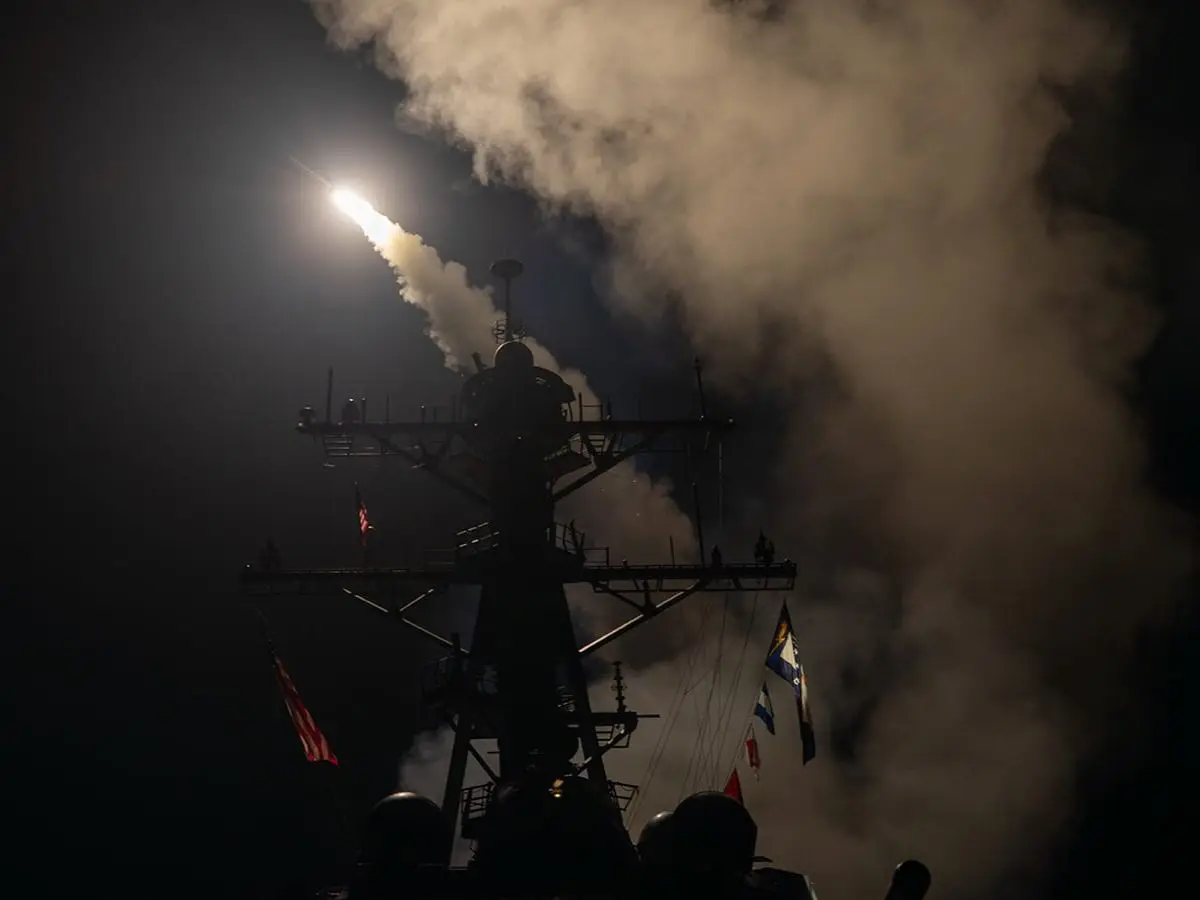
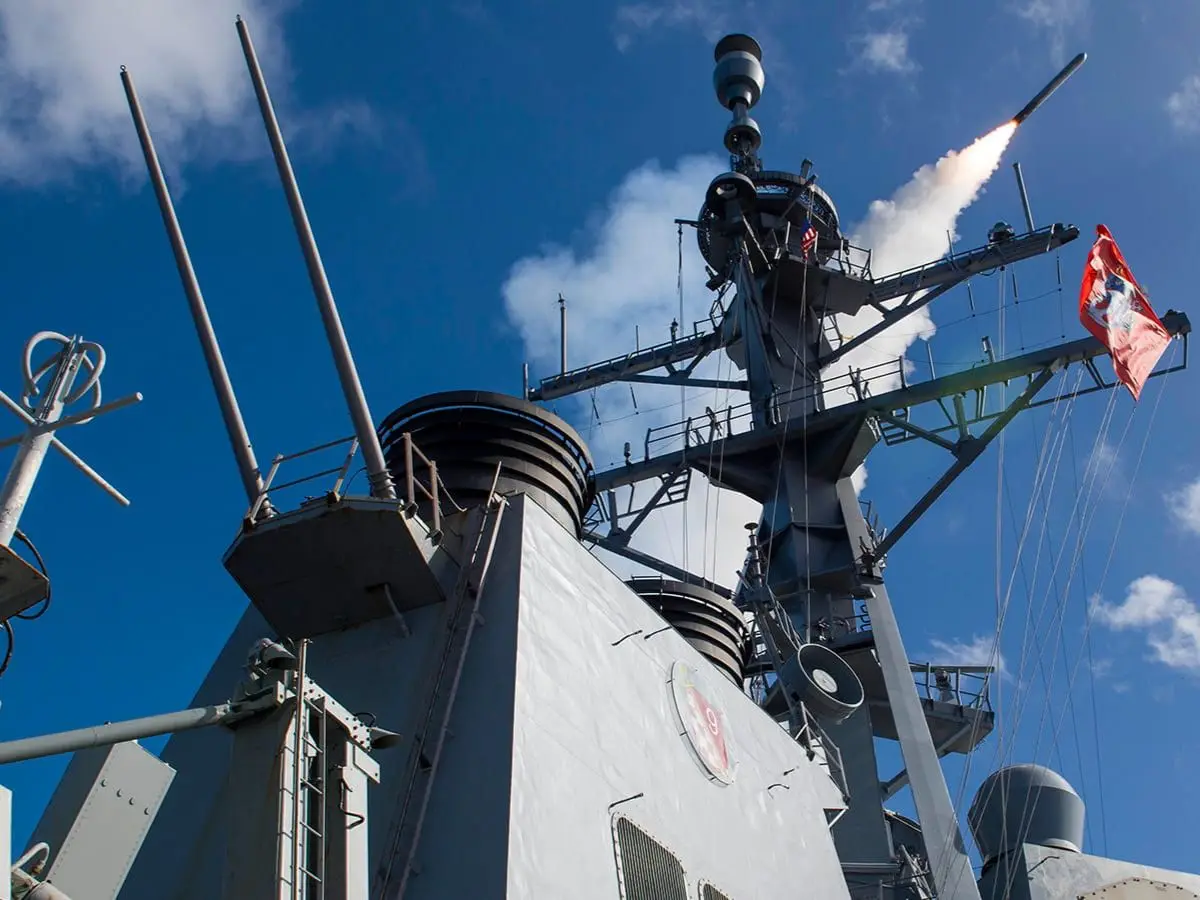
Tomahawk cruise missiles are long-range, precision-guided weapons developed for the US Navy. Designed to strike targets deep inside enemy territory, they are launched from ships or submarines and can travel significant distances while maintaining accuracy. They have been used in multiple conflicts due to their ability to deliver strikes without risking pilots.
Range and precision capability
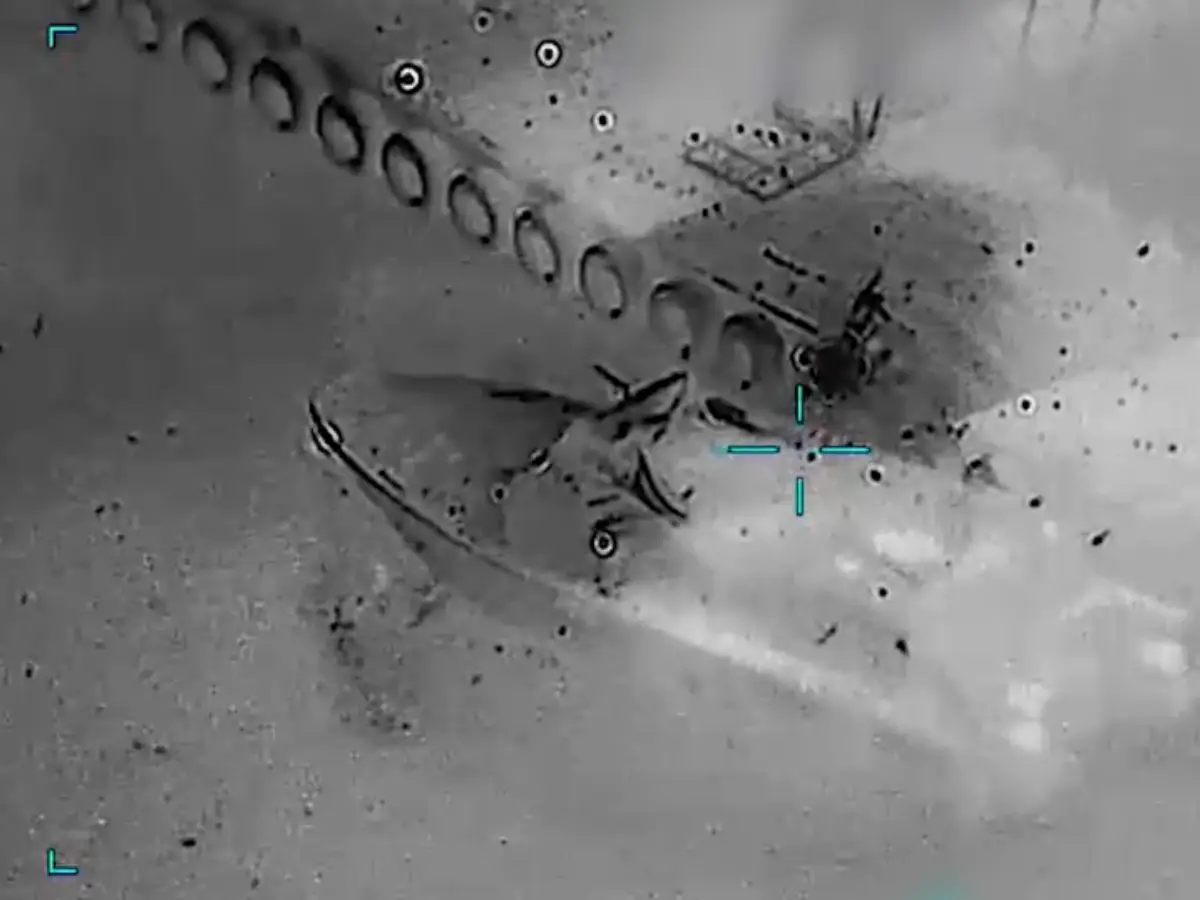
One of the defining features of the Tomahawk cruise missile is its range, which extends to around 1,000 miles. It is guided by a combination of GPS, satellite-assisted navigation and TERCOM (Terrain Contour Matching) systems, enabling it to map terrain and adjust its flight path. Travelling at about 550 mph and flying at low altitude, the missile is designed to evade radar detection while striking designated targets with a high degree of precision.
Role in modern warfare
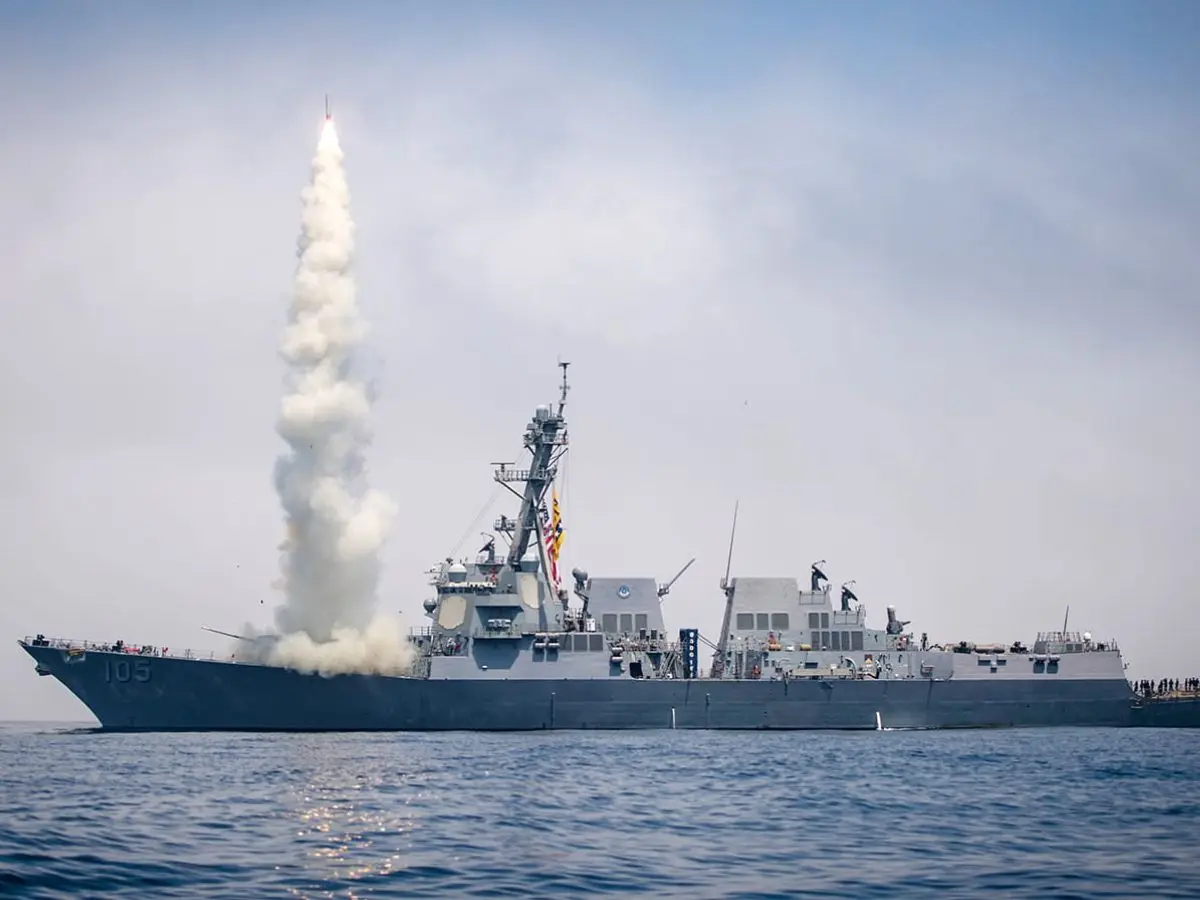
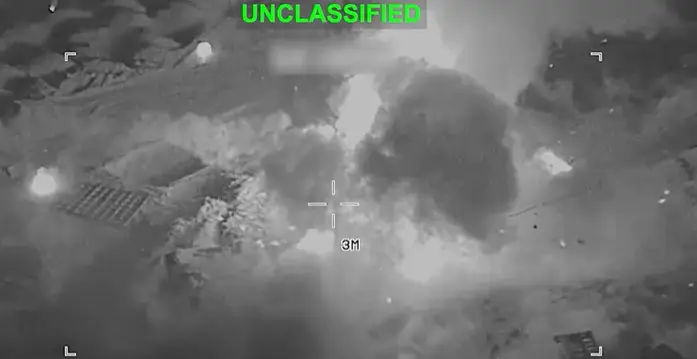
Tomahawks are typically used in the early stages of military operations to disable critical infrastructure such as air defence systems, command centres and radar installations. Their ability to strike from long distances allows forces to project power without immediate exposure, making them a central tool in modern military strategy.
Cost and operational considerations
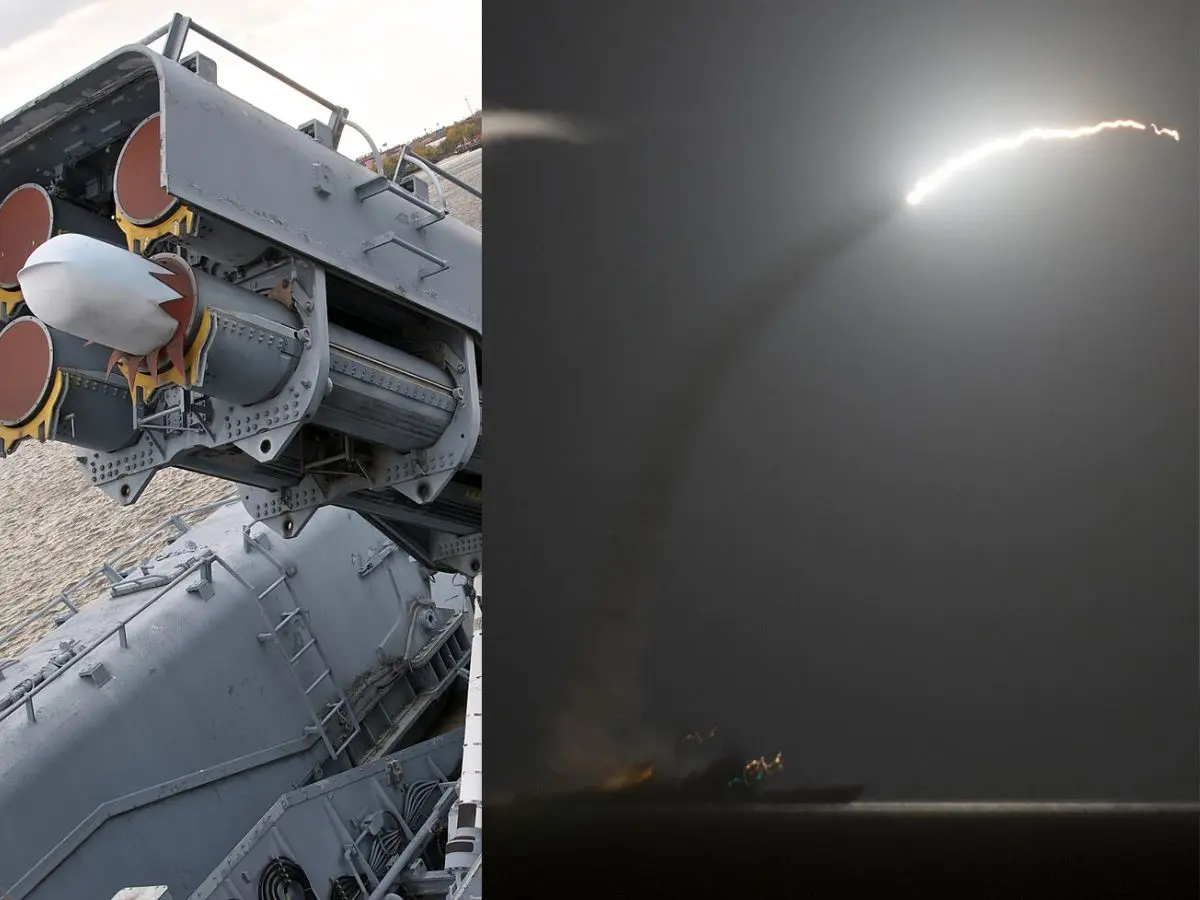
Despite their effectiveness, Tomahawk missiles are not low-cost weapons. According to US Navy budget documents cited by Forbes, each missile costs about $1.89 million, with an additional $197,091 for the single-use launch canister, bringing the total to just over $2 million per shot. This cost factor becomes significant when used in large numbers.
Concerns over stockpiles
The high rate of usage in the Iran conflict has prompted internal discussions in Washington about replenishment. The Washington Post report noted that the scale of deployment has “alarmed some Pentagon officials”, highlighting the strain on existing inventories and the need to maintain readiness for other potential conflicts.
Strategic implications
The extensive use of Tomahawk missiles sheds light on their continued relevance in long-range strike operations. However, the cost and rate of deployment raise questions about sustainability in prolonged conflicts. As warfare evolves, balancing precision capability with resource constraints remains a key challenge for military planners.

)
)
)
)