‘Strait of Hormuz’: Why it matters for global energy markets

The Strait of Hormuz is a narrow waterway connecting the Persian Gulf to the open ocean. It is the world’s most important oil transit checkpoint. handling around 21 million barrels daily. It supplies 80 per cent of Asia's oil and a quarter of global LNG.
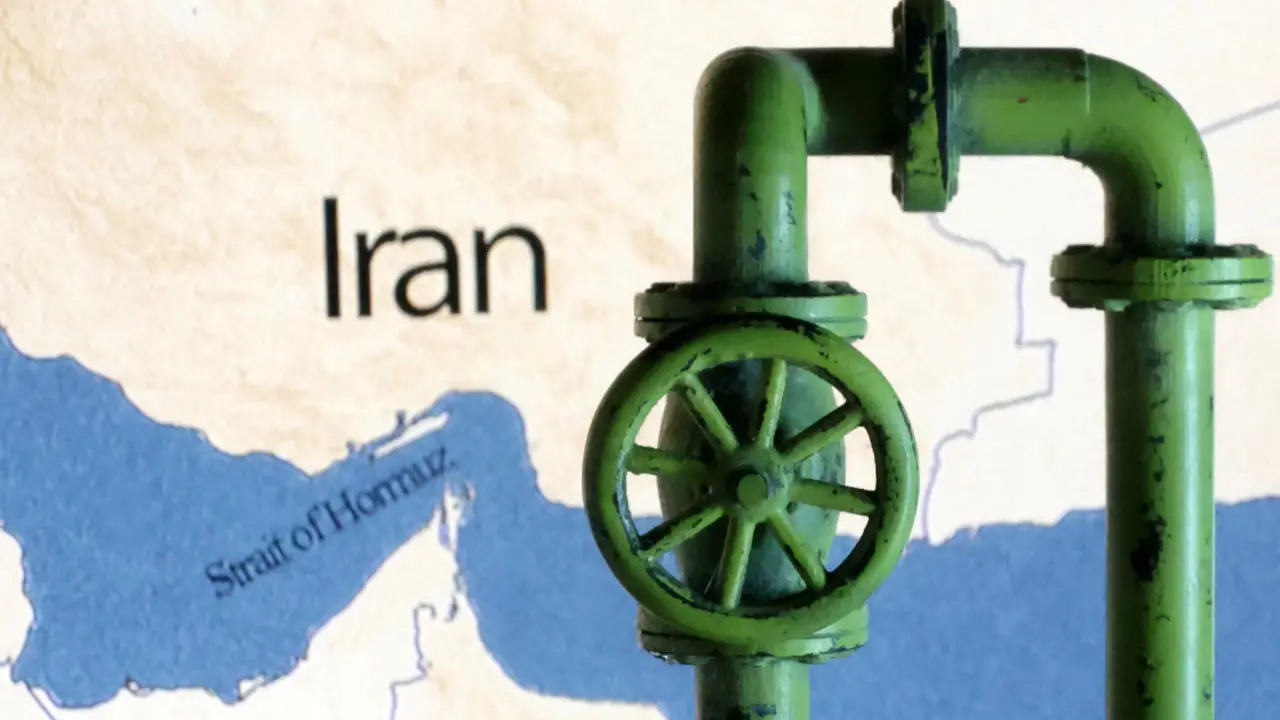
The world’s busiest oil route: 21 million barrels daily
According to the U.S. Energy Information Administration (EIA), approximately 21 million barrels of oil pass through the strait every day. This accounts for about 21 per cent of global petroleum liquid consumption.
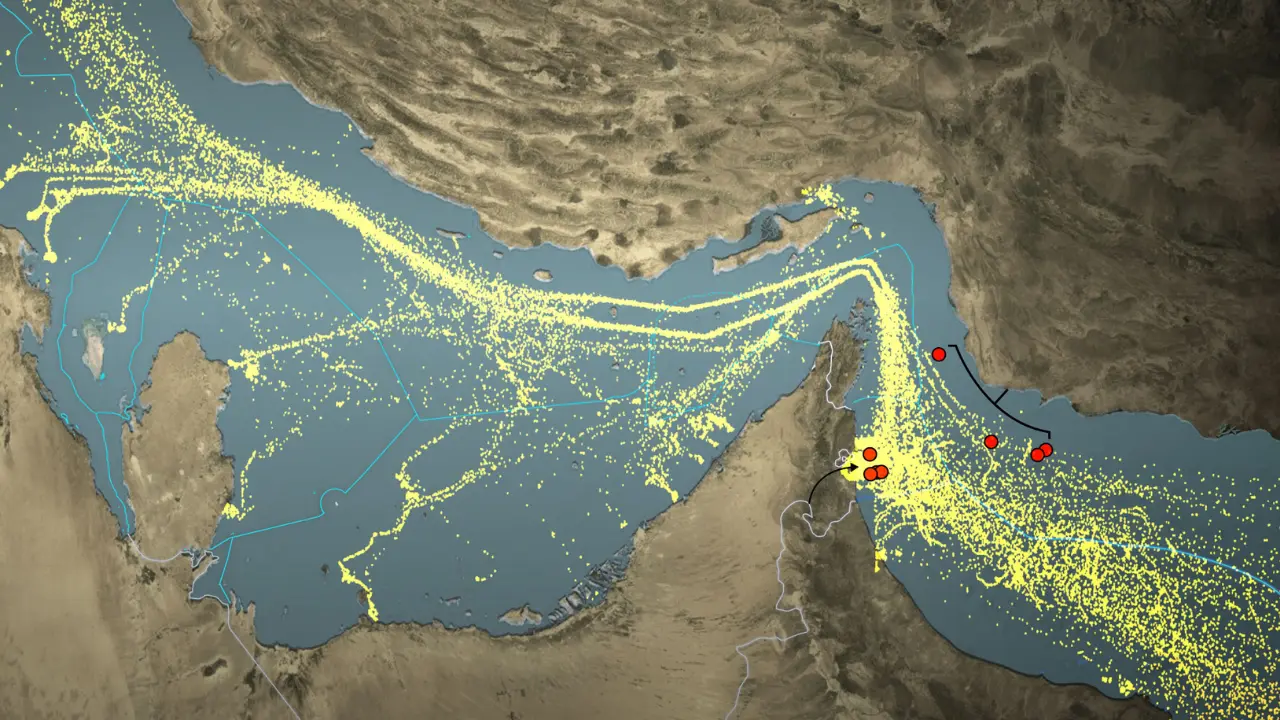
A narrow passage
At its narrowest point, the strait is just 21 miles (33 km) wide. The shipping lanes in either direction are only two miles wide, forcing huge tankers to pass dangerously close to Iranian and Omani territorial waters.
Vital for Asian markets
More than 80 per cent of the oil moving through this chokepoint heads to Asian markets. Major economies like China, India, Japan, and South Korea rely heavily on this single route for their energy security.

No easy alternative
While some pipelines exist in Saudi Arabia and the UAE to bypass the strait, they cannot handle the full volume of traffic. The EIA notes that these alternatives have limited capacity, making the sea route irreplaceable.
LNG trade hub: One-quarter of global gas
It is not just about oil; the strait is also crucial for natural gas. Roughly 25 per cent of the world's liquefied natural gas (LNG) trade, mostly from Qatar, must pass through this waterway to reach global buyers.
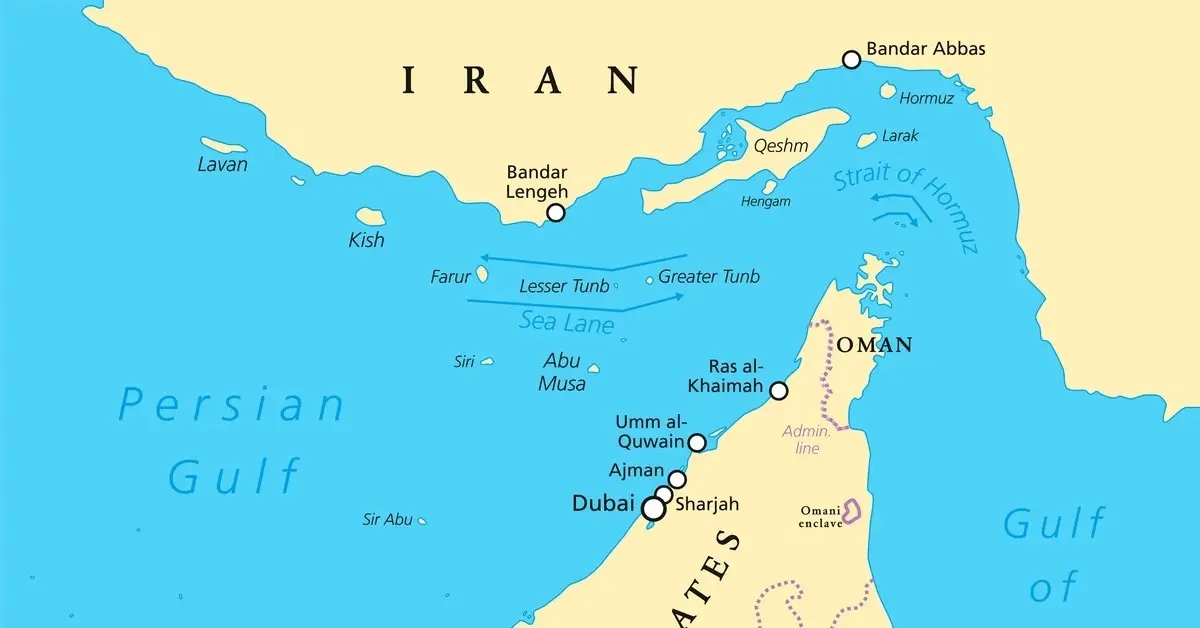
Geopolitical tensions: Constant threat of closure
Due to its strategic location bordering Iran, the strait is a frequent flashpoint. Tehran has previously threatened to close the waterway in response to sanctions, a move that would physically block a fifth of the world's oil supply.
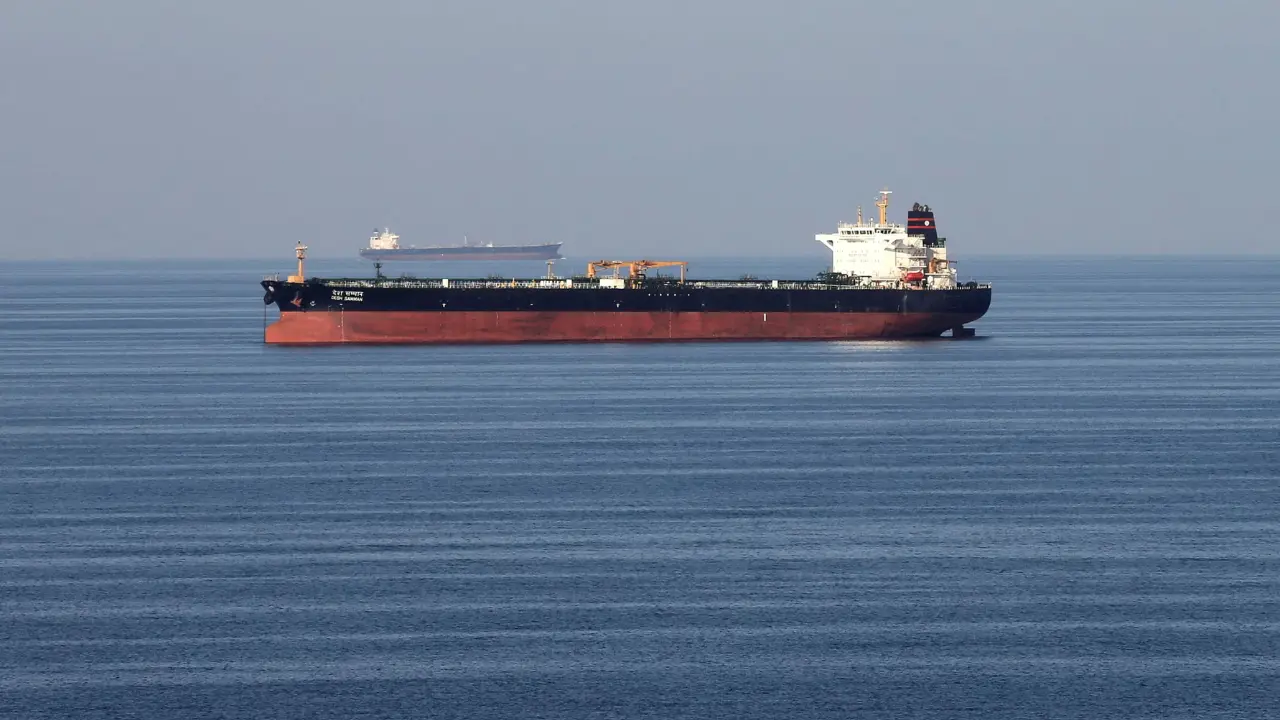
Global price impact
Energy analysts warn that even a temporary blockage could cause oil prices to skyrocket. Since the global economy runs on stable energy costs, any disruption in Hormuz triggers immediate inflation and supply chain crises worldwide.
)
)
)
)
)