‘Still largely intact’: Despite war and strikes, Iran’s government not close to collapse, US intelligence says

According to three US intelligence sources, several reports indicate Iran’s leadership still holds authority and faces no immediate risk of collapse.
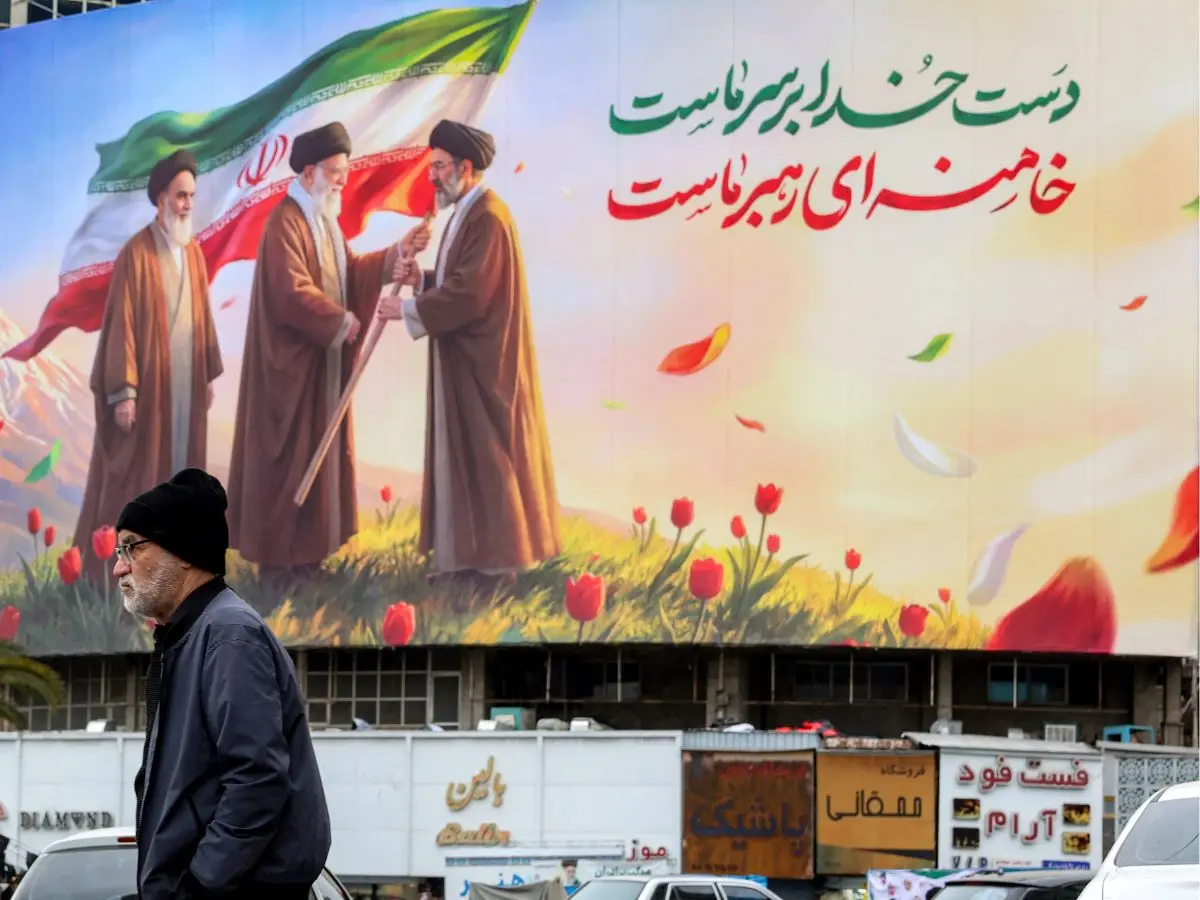
Intelligence assessment: regime remains stable
United States intelligence agencies believe Iran’s governing system remains largely intact despite nearly two weeks of sustained American and Israeli air strikes. Three sources familiar with the assessments told Reuters that multiple intelligence reports show the Iranian leadership still maintains authority and is not at risk of imminent collapse. One source said further said that “multitude” of reports offer “consistent analysis that the regime is not in danger” and that it “retains control of the Iranian public”.
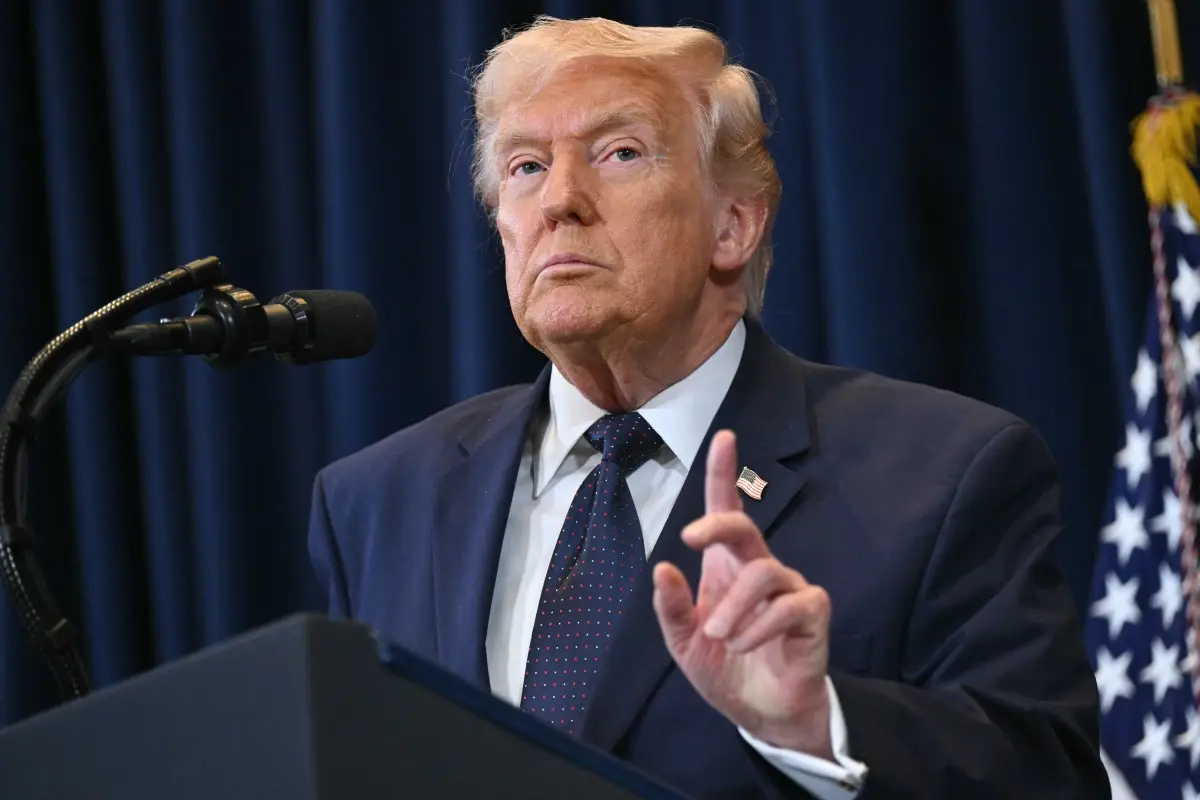
We have won, says Trump!
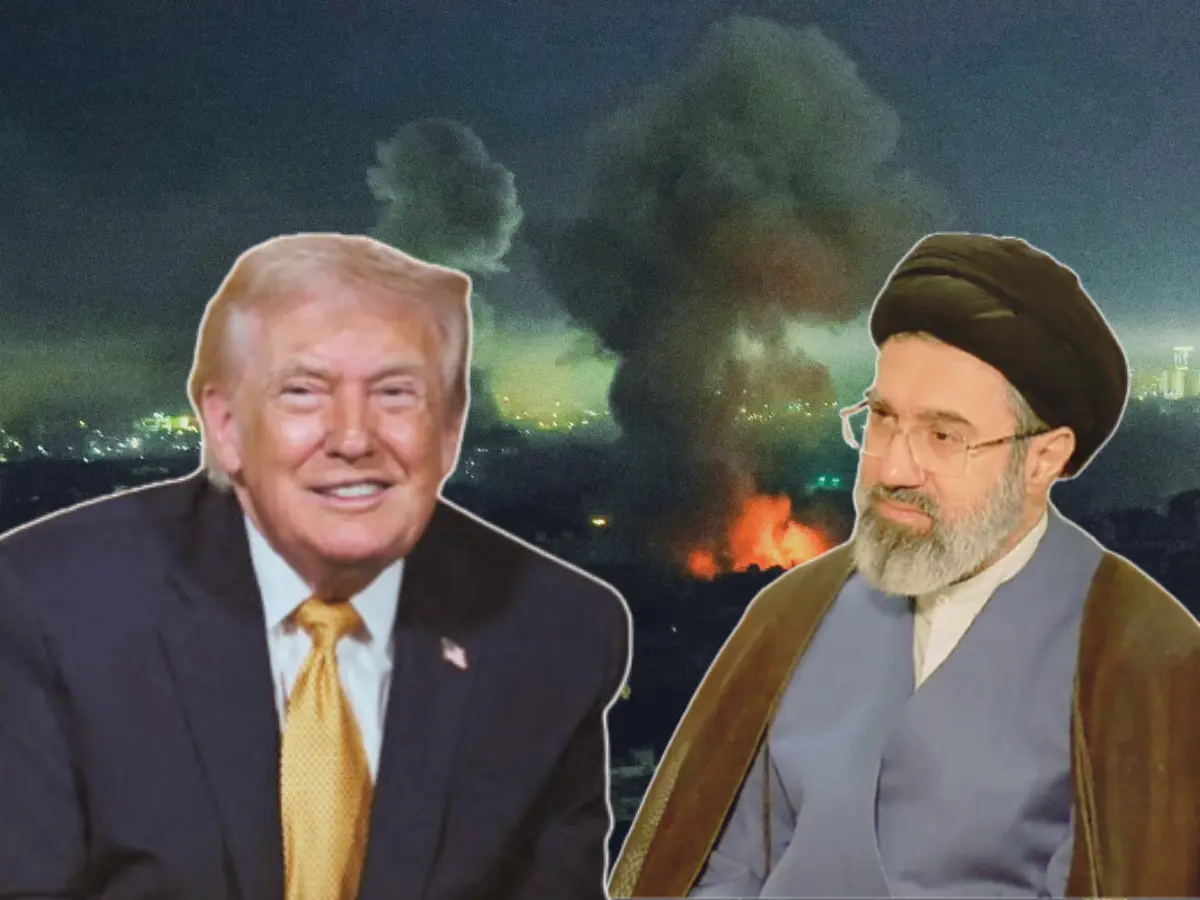
On Wednesday, while addressing a rally, US President Donald Trump repeatedly declared victory over Iran, claiming at least five times within just 13 seconds that the United States had already won the war, however, the war shows no sign of slowing. He had earlier suggested that the war could end soon. Later, the Islamic Revolutionary Guard Corps pushed back strongly, stating that it Iran would 'determine the end of the war'.
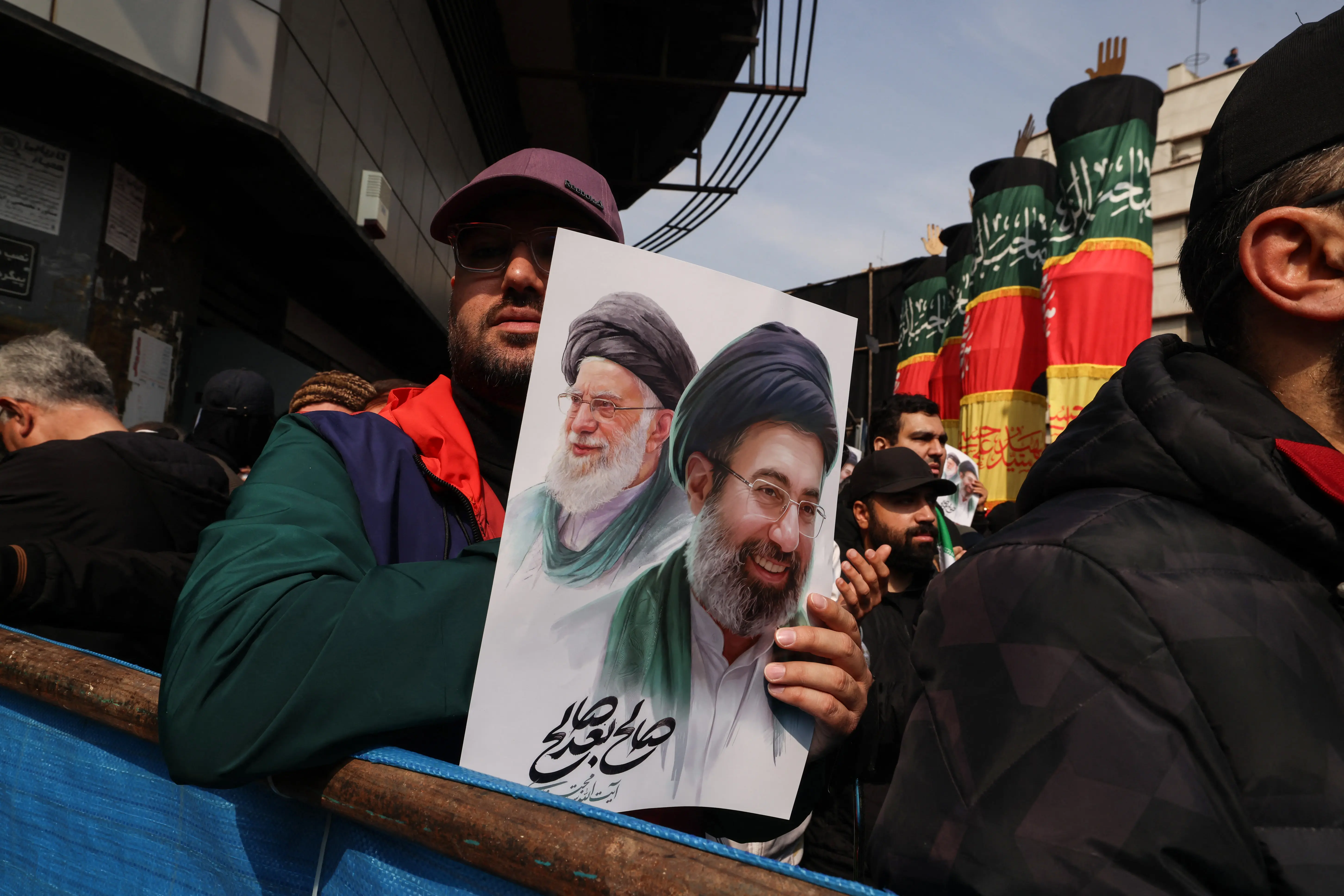
Leadership cohesion after Khamenei’s death
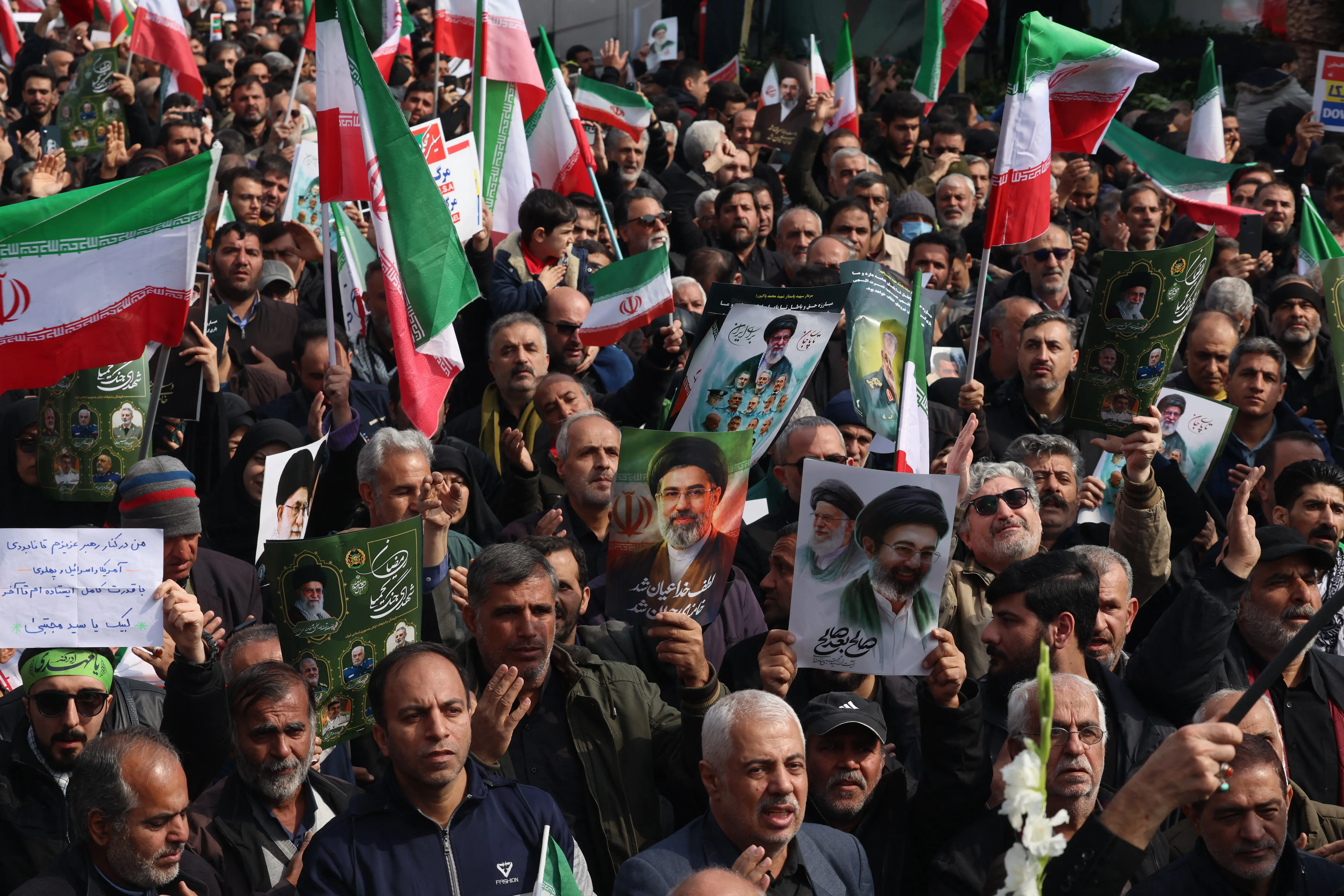
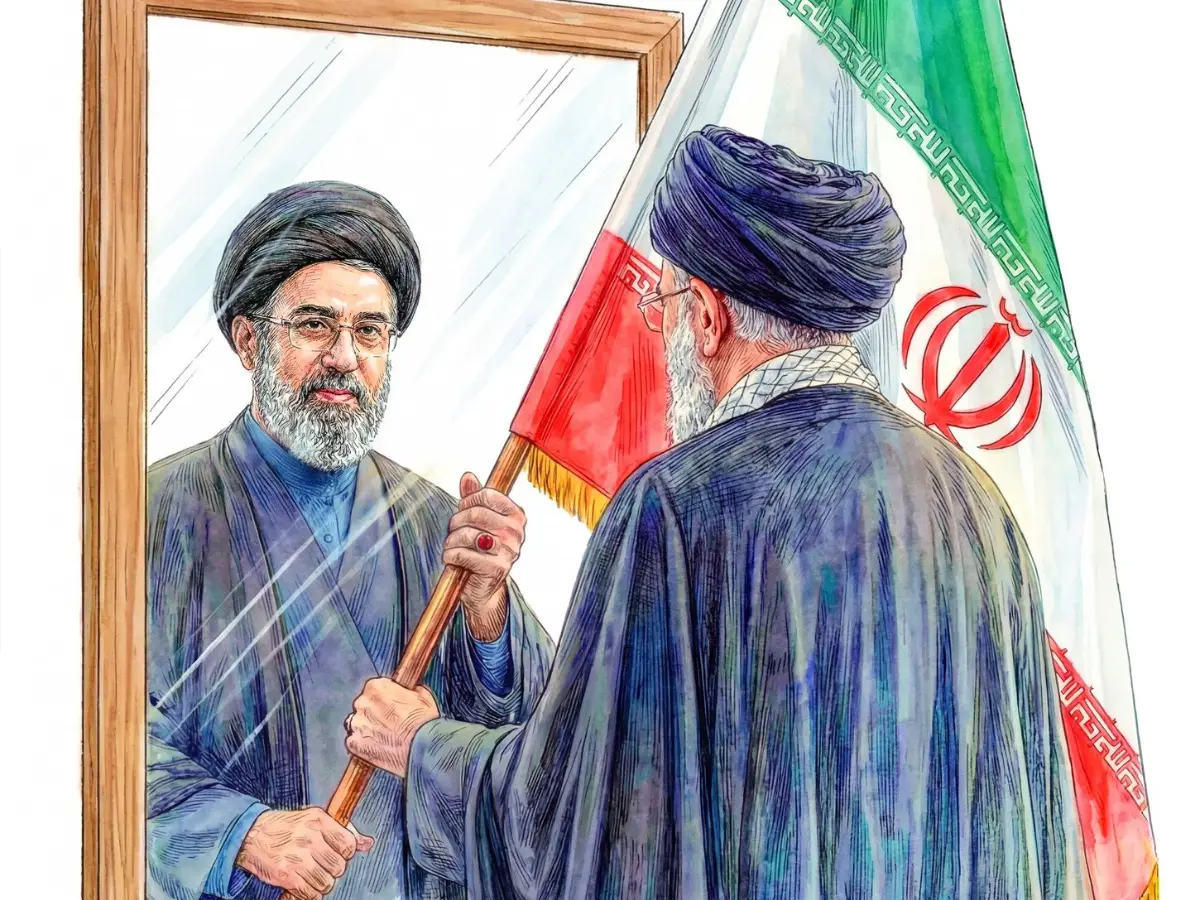
The bombing campaign killed Iran’s Supreme Leader, Ayatollah Ali Khamenei, along with several senior military commanders. Yet intelligence reporting indicates that the clerical establishment has remained cohesive. Following Khamenei’s death on February 28, the Assembly of Experts, a body of senior Shiite clerics, declared his son, Mojtaba Khamenei, as the new supreme leader, ensuring continuity at the top of the Islamic Republic’s power structure.
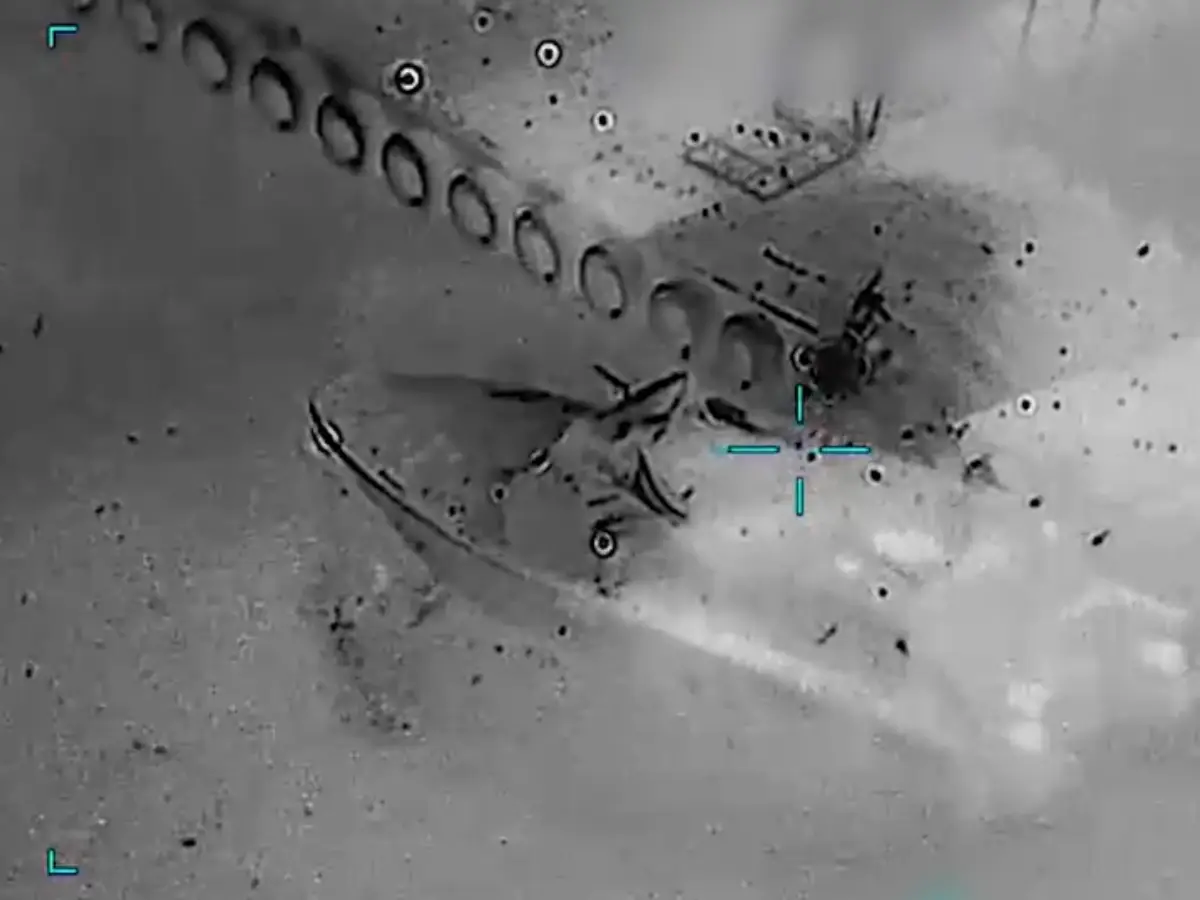
Targets of the US-Israeli campaign
Since the conflict began, the United States and Israel have struck a broad array of targets across Iran, including air defence systems, nuclear facilities, naval assets and senior officials. Dozens of figures linked to the Islamic Revolutionary Guard Corps (IRGC), the elite paramilitary organisation that wields major political and economic influence in Iran, have also been eliminated in the strikes.
Political signals from Tehran
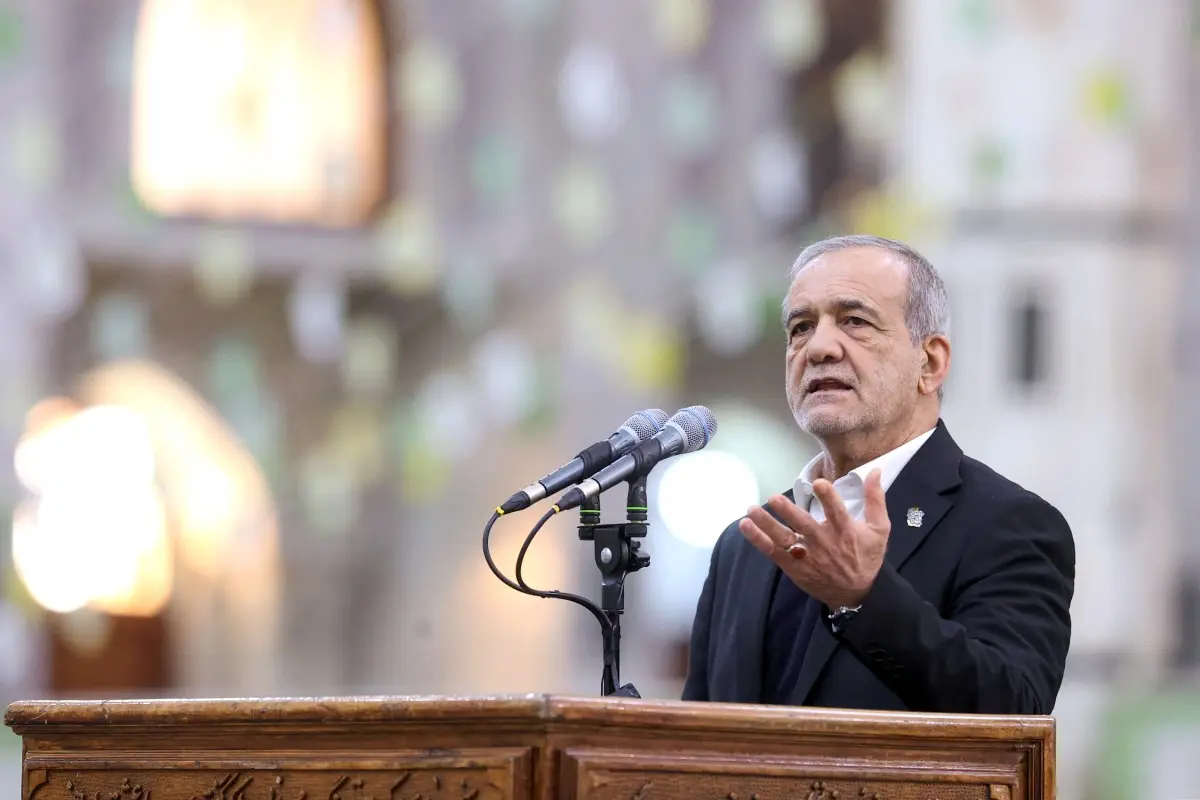
Even after that, the intelligence reports indicate that the IRGC and the interim leaders who assumed power after Khamenei's death retain control of the country. Recently, Iran’s president, Masoud Pezeshkian publicly outlined Tehran’s conditions for ending the conflict. In a message posted on X, he said the war could end only if three demands were met: recognition of Iran’s 'legitimate rights', payment of reparations and firm international guarantees against future aggression.
Kurdish factor and limits of opposition forces
Attention has also turned to Iranian Kurdish militias based in neighbouring Iraq. Some Kurdish leaders have suggested they could challenge Iranian forces if supported by Washington. Abdullah Mohtadi, leader of the Komala Party of Iranian Kurdistan, said “tens of thousands of young people are ready to take up arms” if assistance is provided. The Iranian Kurdish groups recently sought US weapons and armoured vehicles, said Reuters, but Trump ruled out sending Kurdish fighters into Iran.
Intelligence doubts about an internal uprising
The recent US intelligence assessments question whether Kurdish groups possess the manpower and firepower to sustain a serious fight against Iranian security forces. Officials say the IRGC and interim leaders remain firmly in control. While the situation inside Iran remains fluid, analysts see no clear path for the current air campaign alone to bring down the government.
Israel also sees no certainty that Iran’s government will fall
Earlier, Israeli officials also privately acknowledged that the war against Iran may not necessarily bring down its clerical government, with no sign of a popular uprising despite the intense bombardment, a senior Israeli official told Reuters.
)
)
)
)
)