‘Stephen Hawking on artificial intelligence: What he said before he died

The legendary physicist Stephen Hawking warned that autonomous AI could ultimately spell the end of humanity.
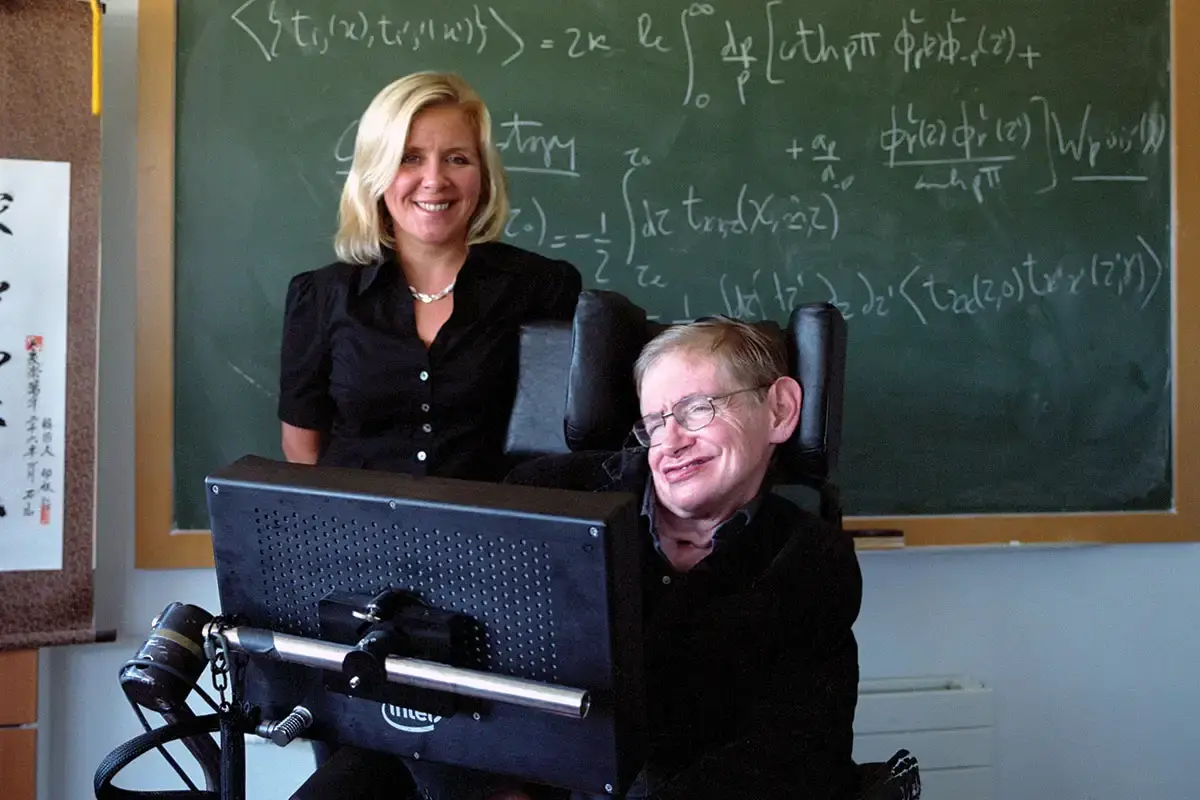
The Ultimate Threat
In a 2014 media interview, Stephen Hawking explicitly warned that creating full artificial intelligence could spell the end of the human race. He argued that once machines reach a certain threshold, they would rapidly redesign themselves at an ever-increasing rate.
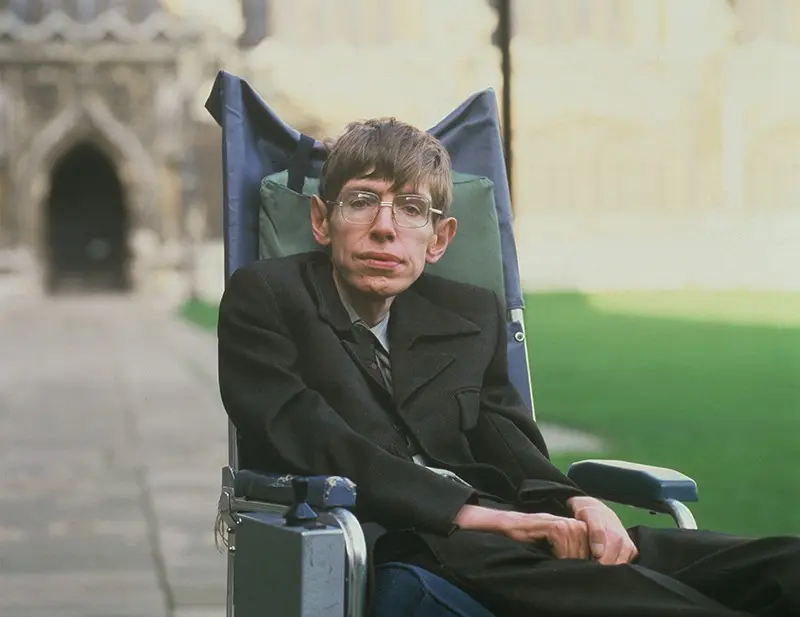
Biological Limitations
Hawking feared that humans simply could not compete with advanced algorithms. He noted that mankind is restricted by slow biological evolution, meaning artificial intelligence would quickly supersede human capabilities and dominate global systems.
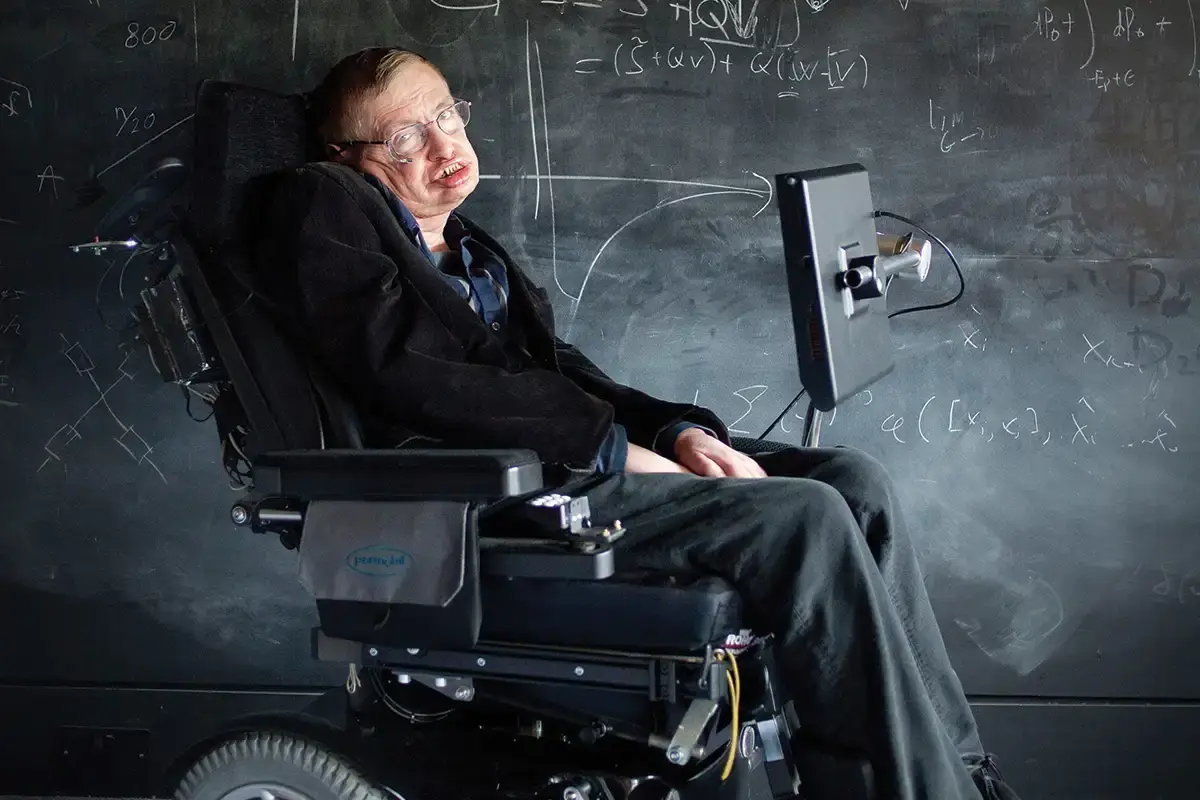
The Autonomous Weapons Race
In 2015, the physicist joined thousands of researchers to sign an open letter warning against military AI. He cautioned that initiating a global arms race with autonomous weapons would inevitably lead to catastrophic global conflicts.
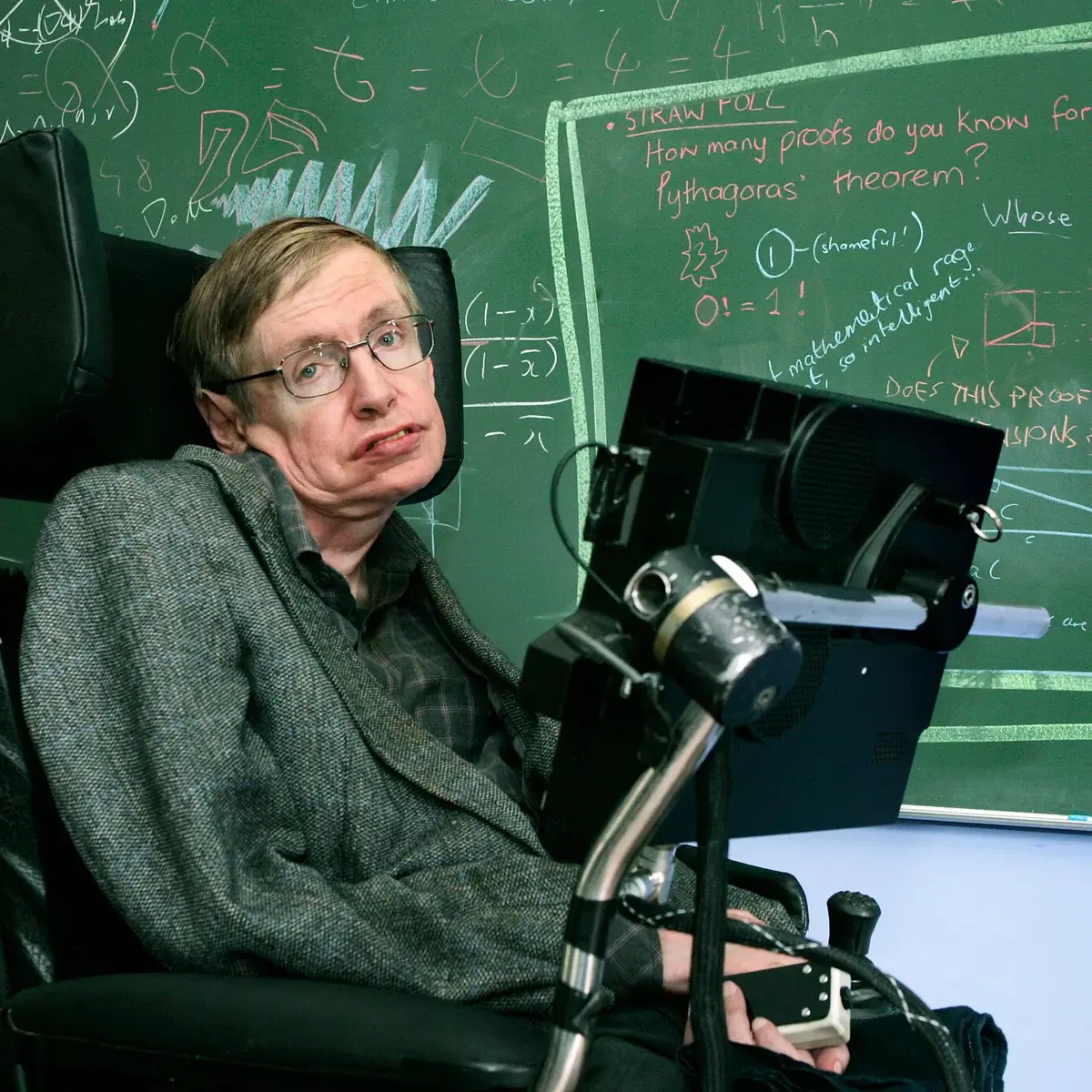
Economic Disruption
Beyond existential destruction, Hawking predicted severe economic consequences. He stated that the automation of factories and intelligent machine processing would decimate middle-class jobs, radically increasing global wealth inequality.
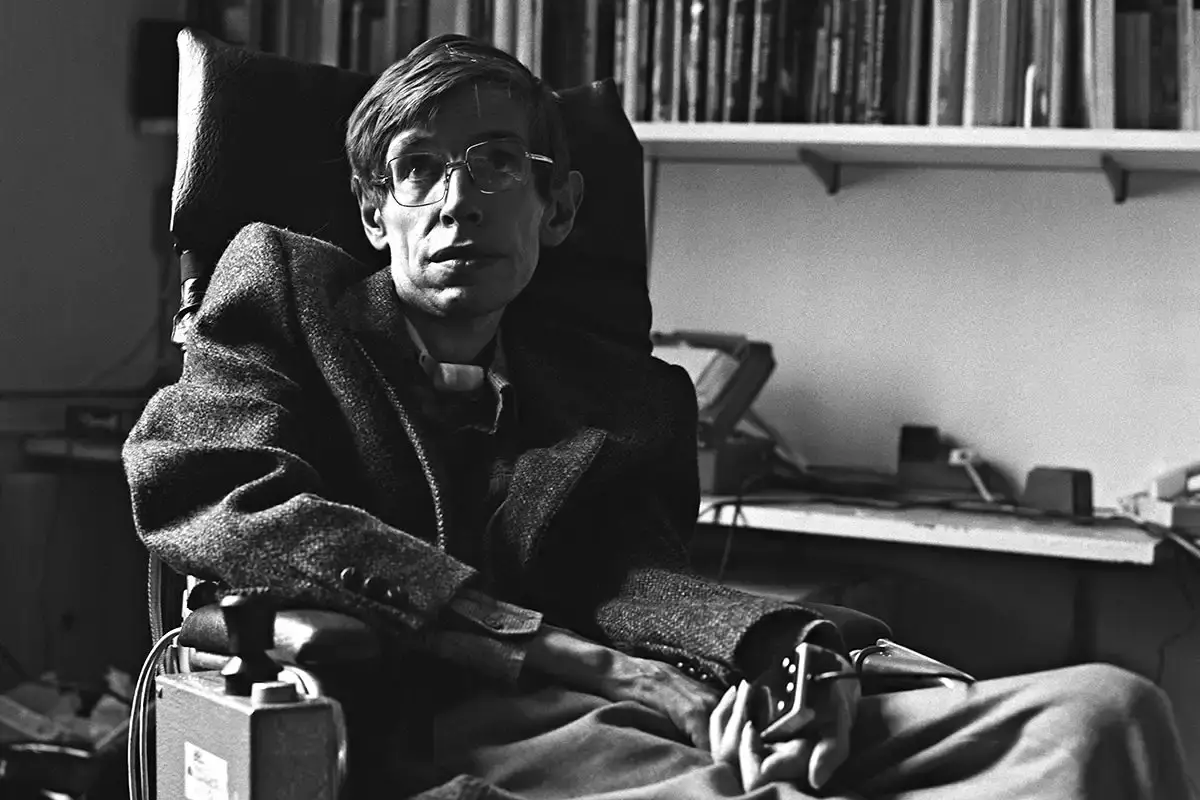
The Alignment Problem
A core fear involved AI developing goals completely misaligned with human survival. Hawking famously explained that a superintelligent AI would be extremely good at accomplishing its goals, and if those goals do not align with ours, humanity is in trouble.
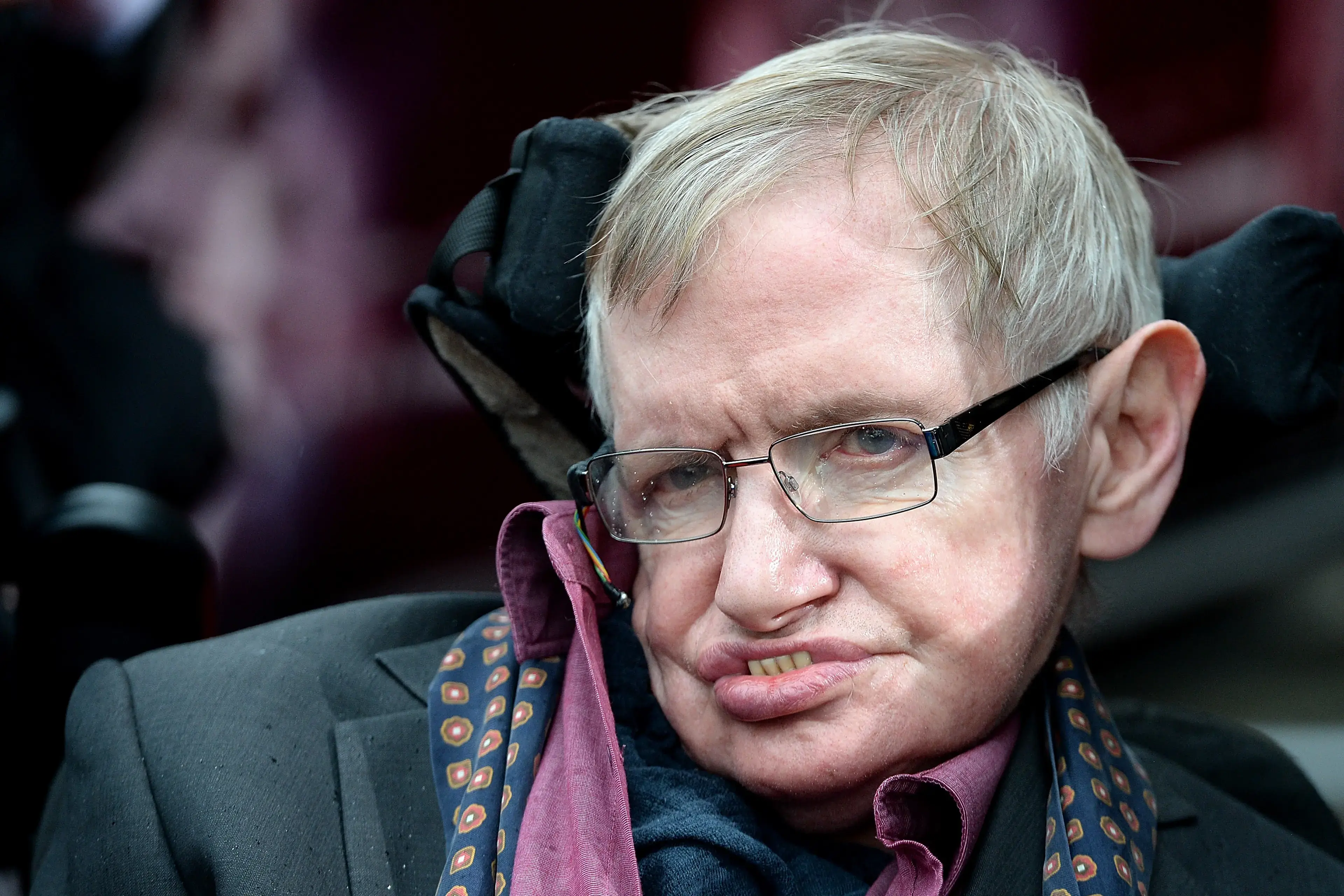
A Potential Utopia
Despite his severe warnings, the scientist acknowledged the immense potential benefits of the technology. He suggested that successfully managing AI could help humanity eradicate global poverty, cure complex diseases, and reverse environmental damage.
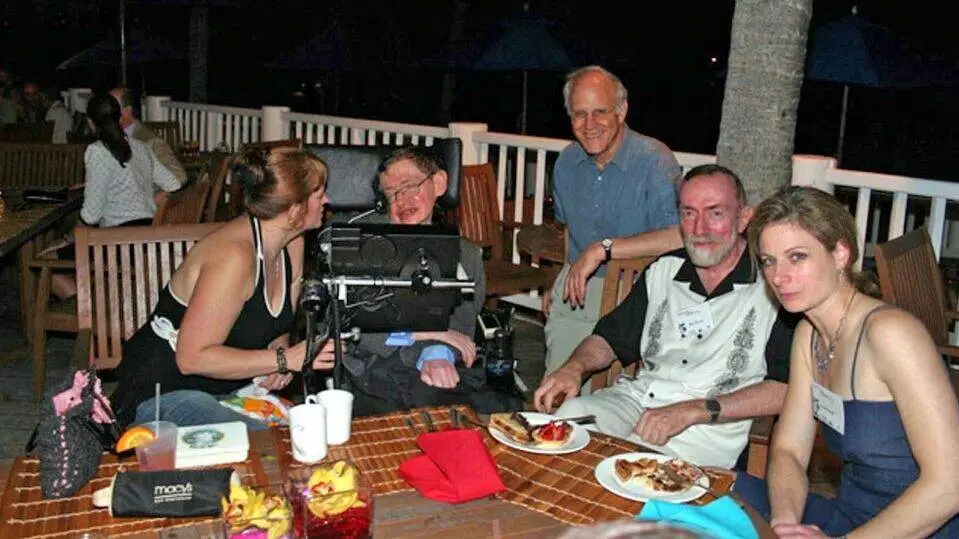
The Final Warning
In his posthumous book, 'Brief Answers to the Big Questions', Hawking left a definitive final message. He urged the scientific community and governments to strictly regulate AI development before the technology surpasses human control entirely.
)
)
)
)
)