'Spotting the swarm': How the USS Spruance uses the SPY-1 radar to protect the USS Abraham Lincoln from drones

The USS Spruance uses its advanced SPY-1 radar to detect and destroy drone swarms. This Aegis system tracks multiple targets, protecting the USS Abraham Lincoln from aerial threats.
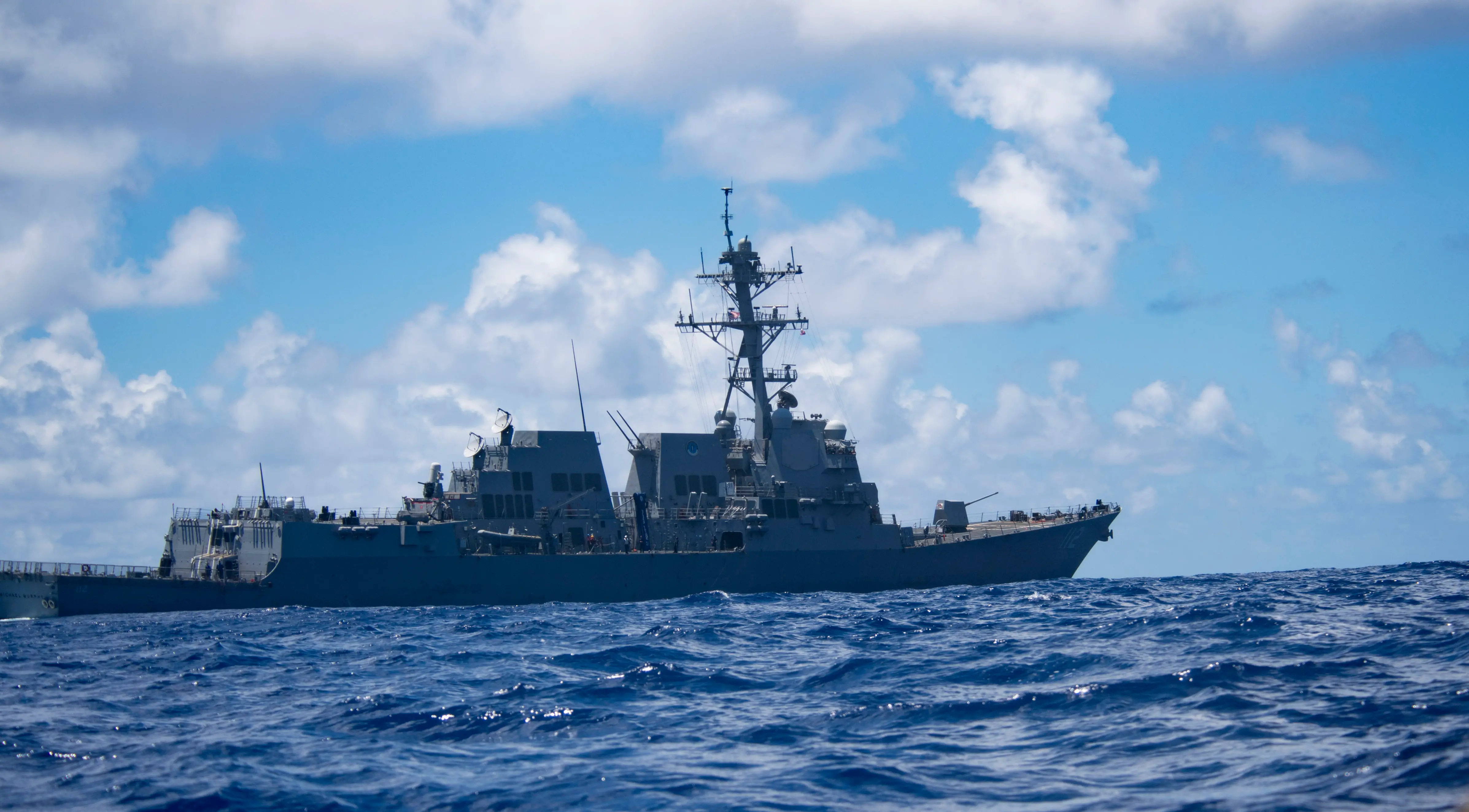
Guarding 100,000-tonne aircraft carriers
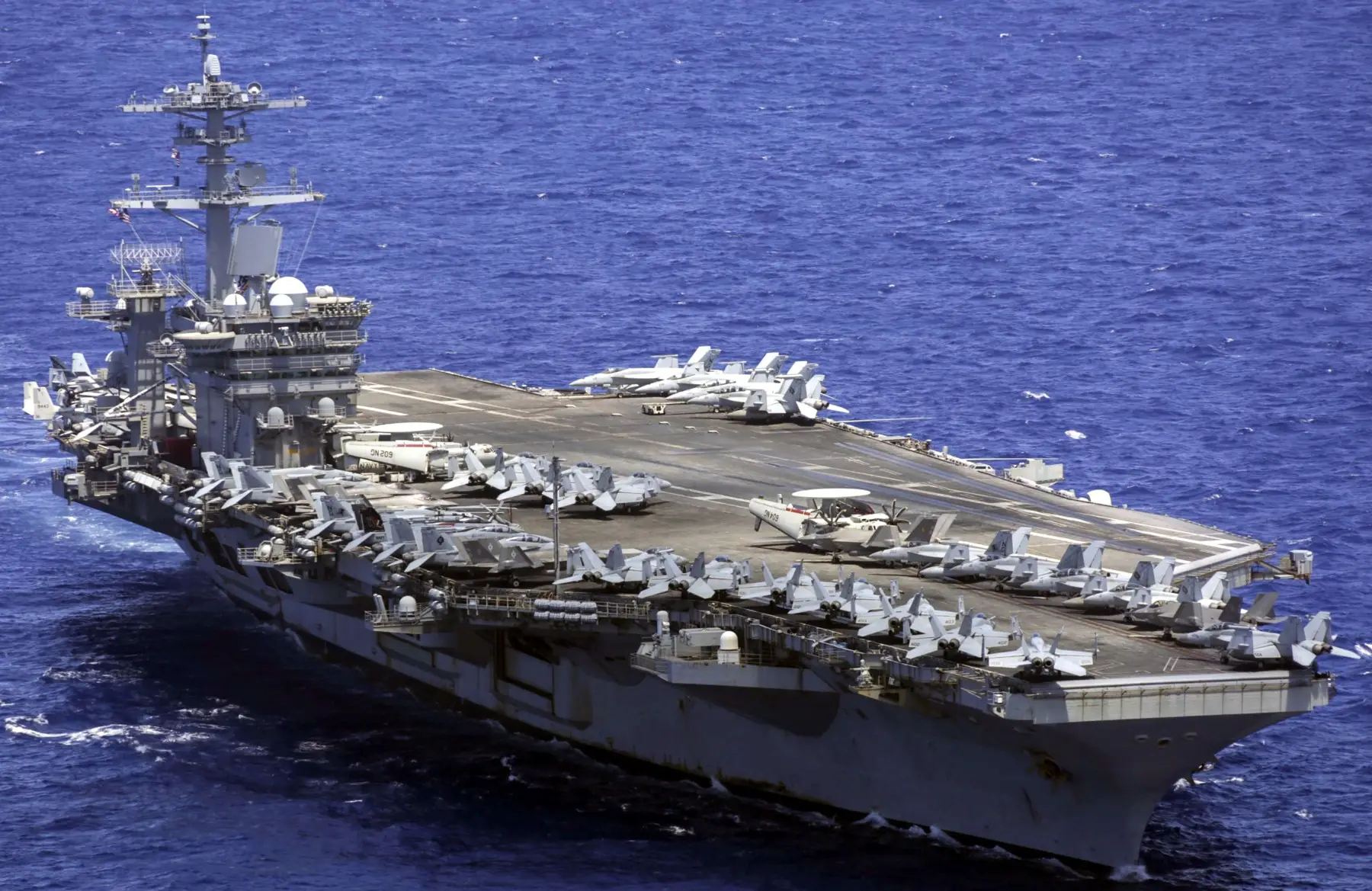
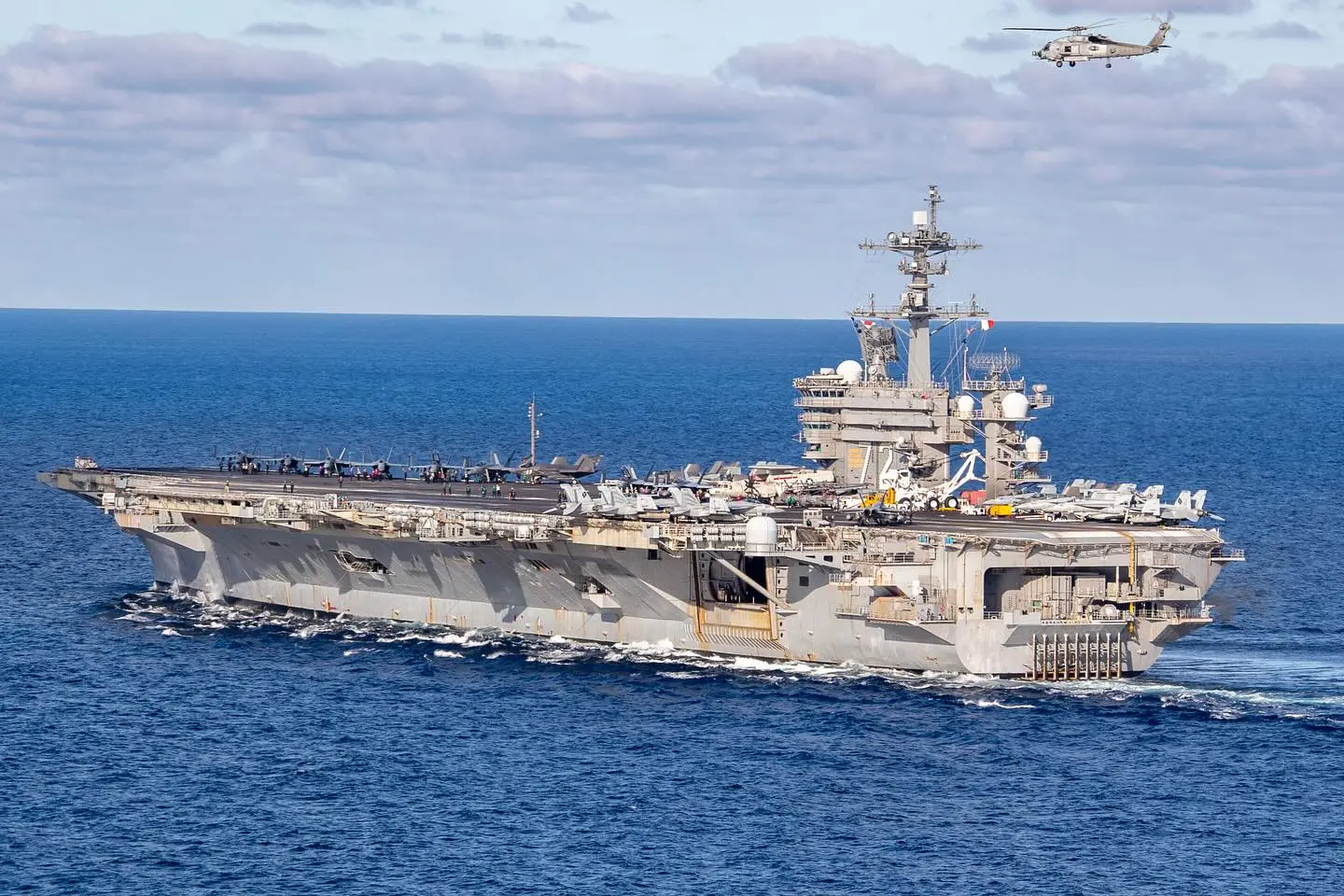
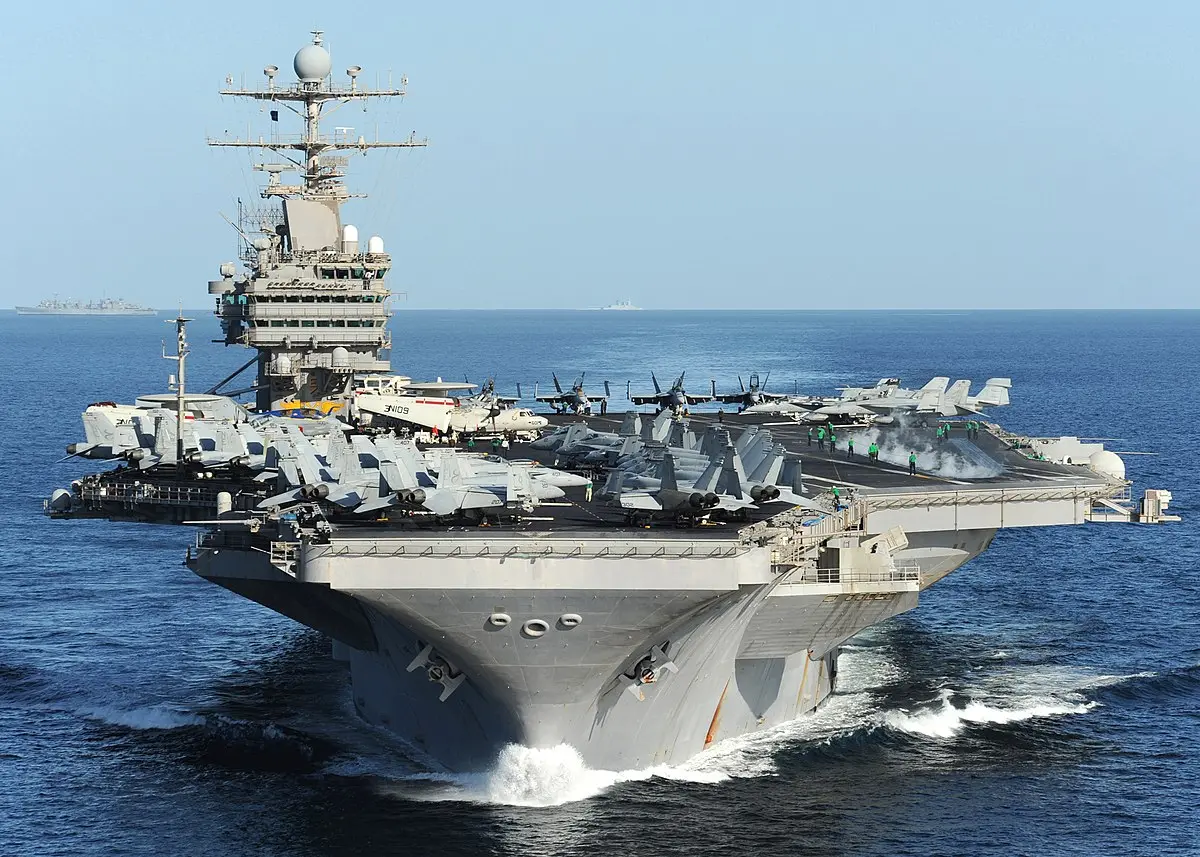
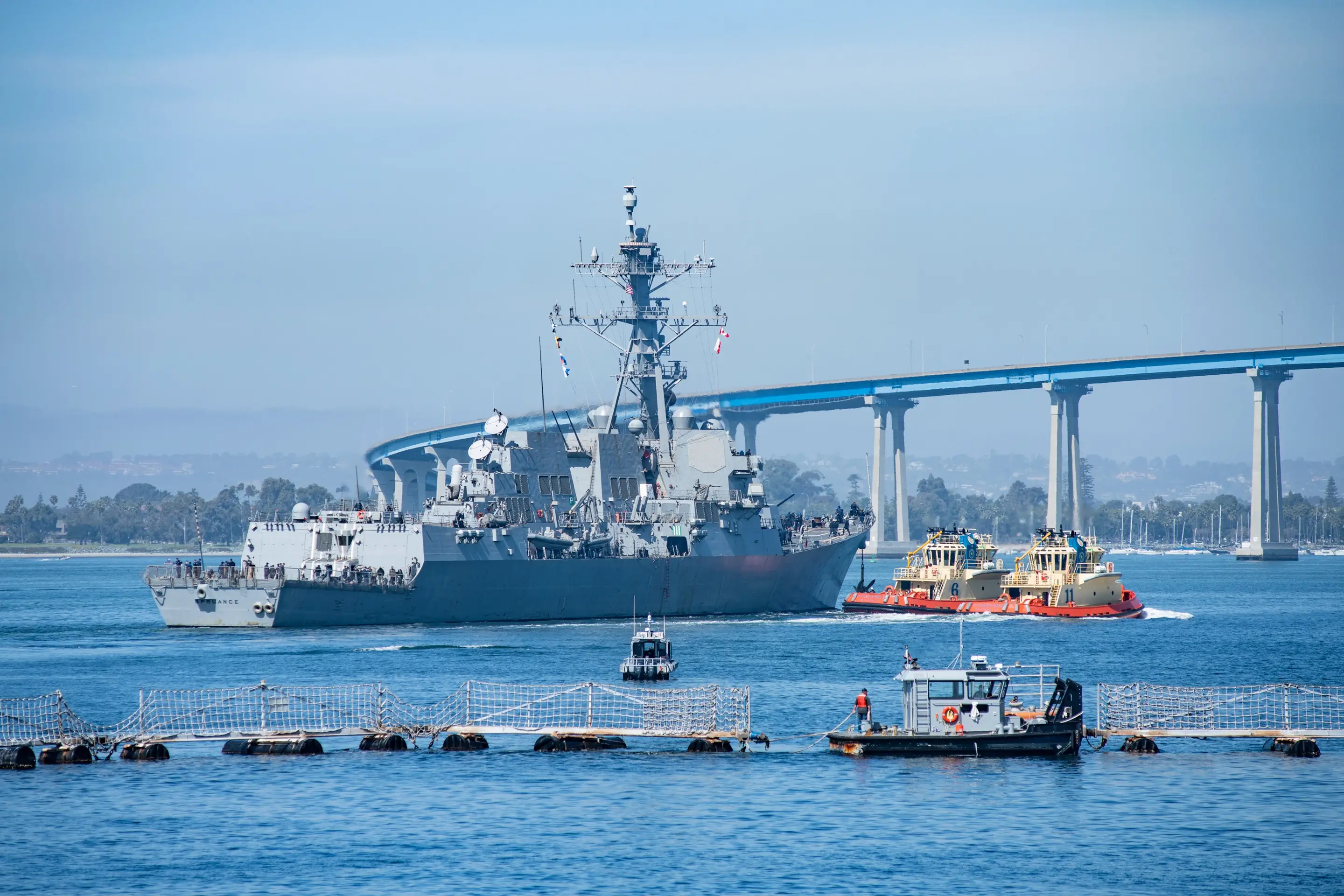
The USS Spruance serves as the primary defensive shield for the massive USS Abraham Lincoln. It sails alongside the aircraft carrier to intercept incoming hostile fire. This escort duty is vital for maintaining regional security and stability during complex naval deployments.
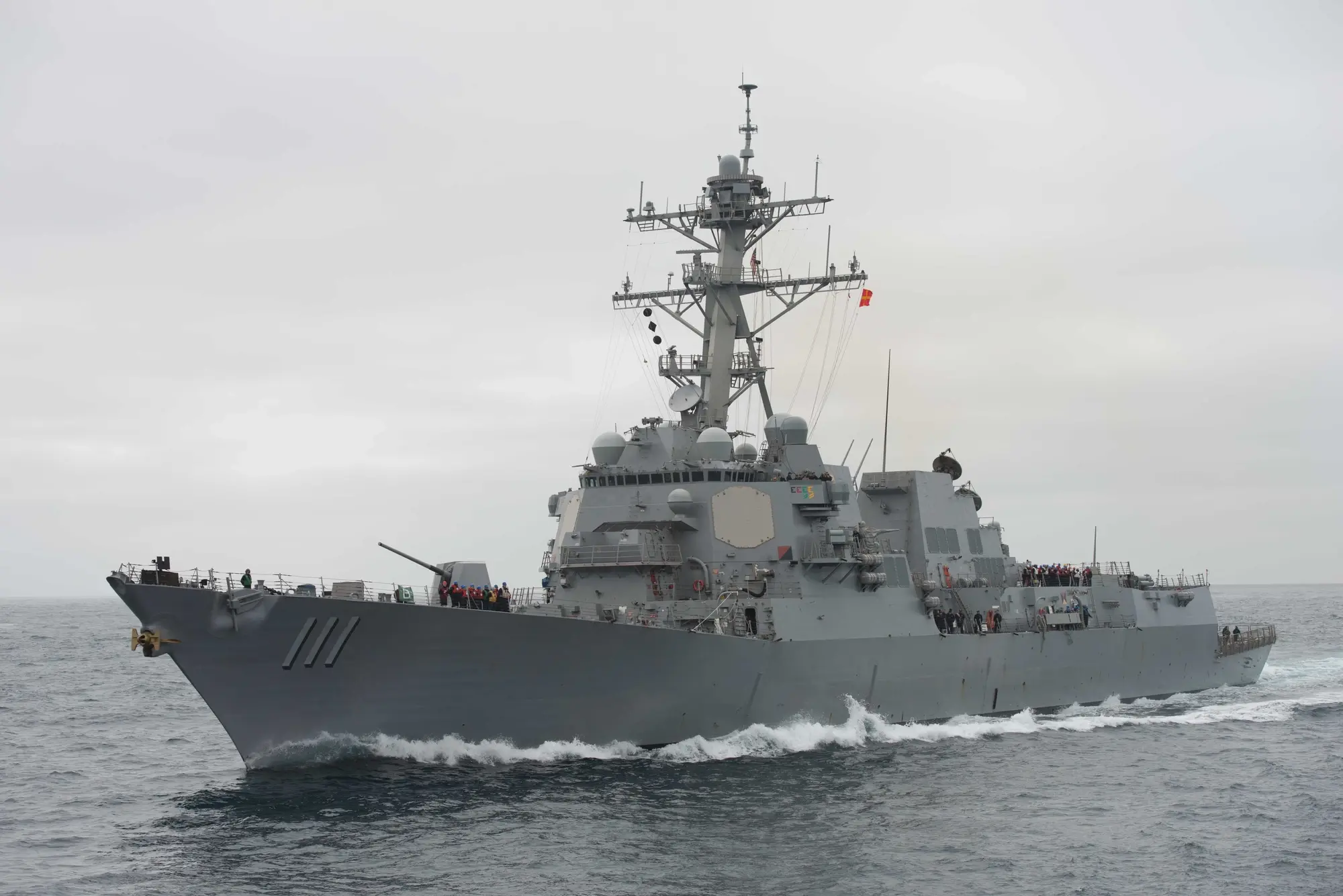
Over 400 aerial threats
Naval forces in the Middle East have faced hundreds of hostile drones and cruise missiles in recent months. Adversaries frequently launch these weapons in coordinated swarms to overwhelm traditional ship defences. These low-cost drones require highly precise tracking to prevent catastrophic damage.
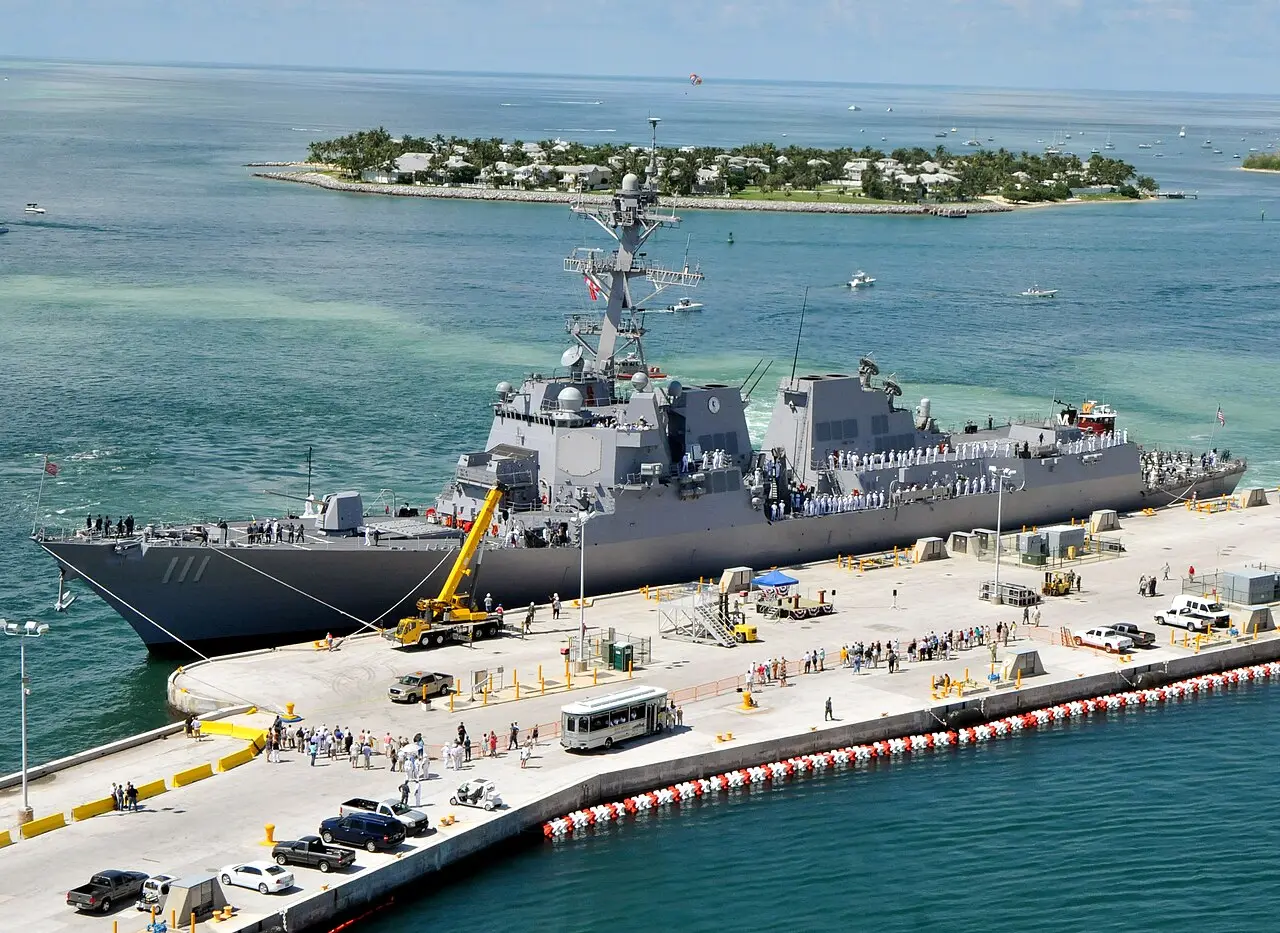
360-degree SPY-1 radar
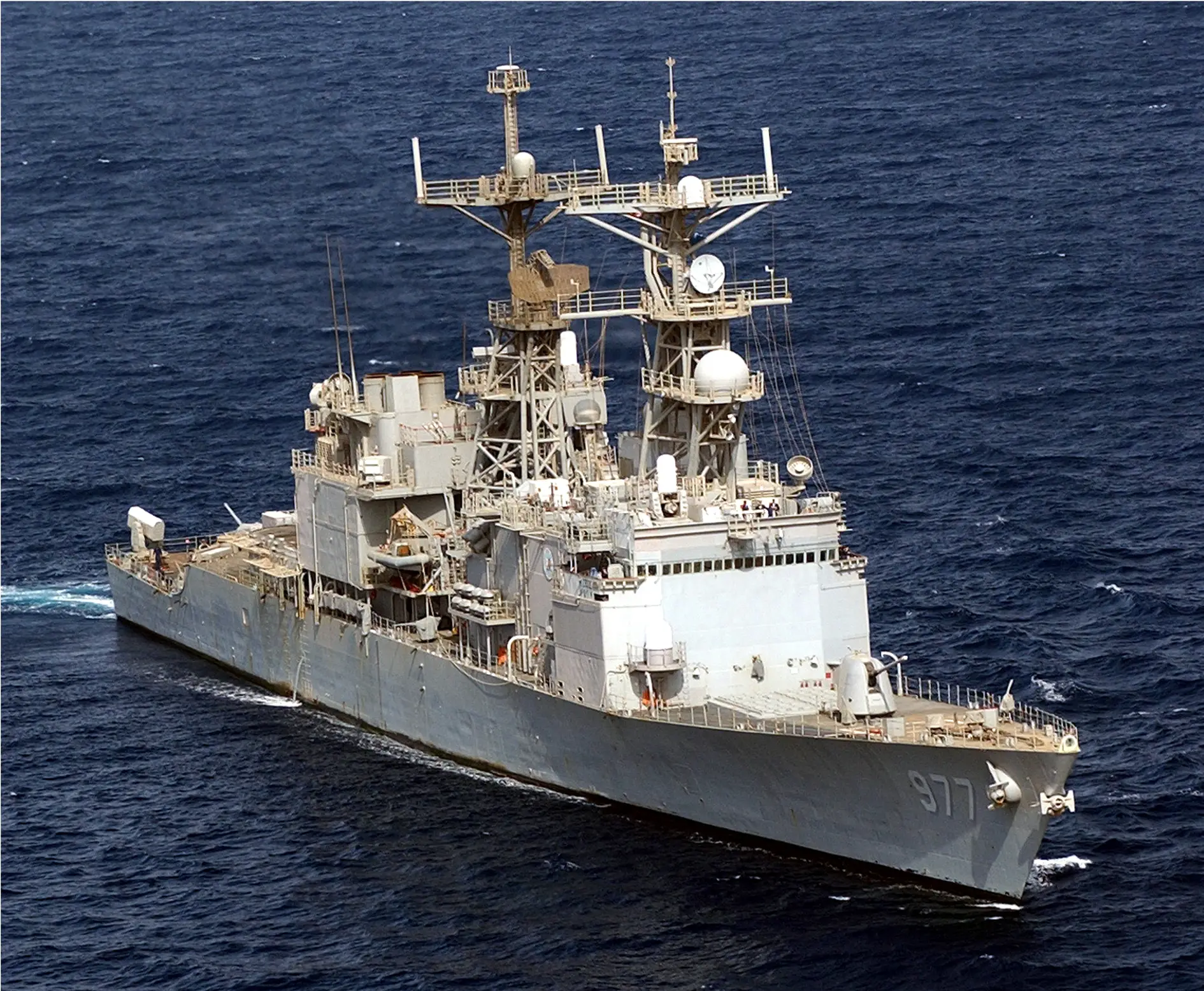
The AN/SPY-1 radar is the core component of the Aegis Combat System aboard the USS Spruance. It uses fixed phased-array antennas to provide constant, 360-degree surveillance of the surrounding airspace. This eliminates the mechanical delays found in older rotating radar dishes.
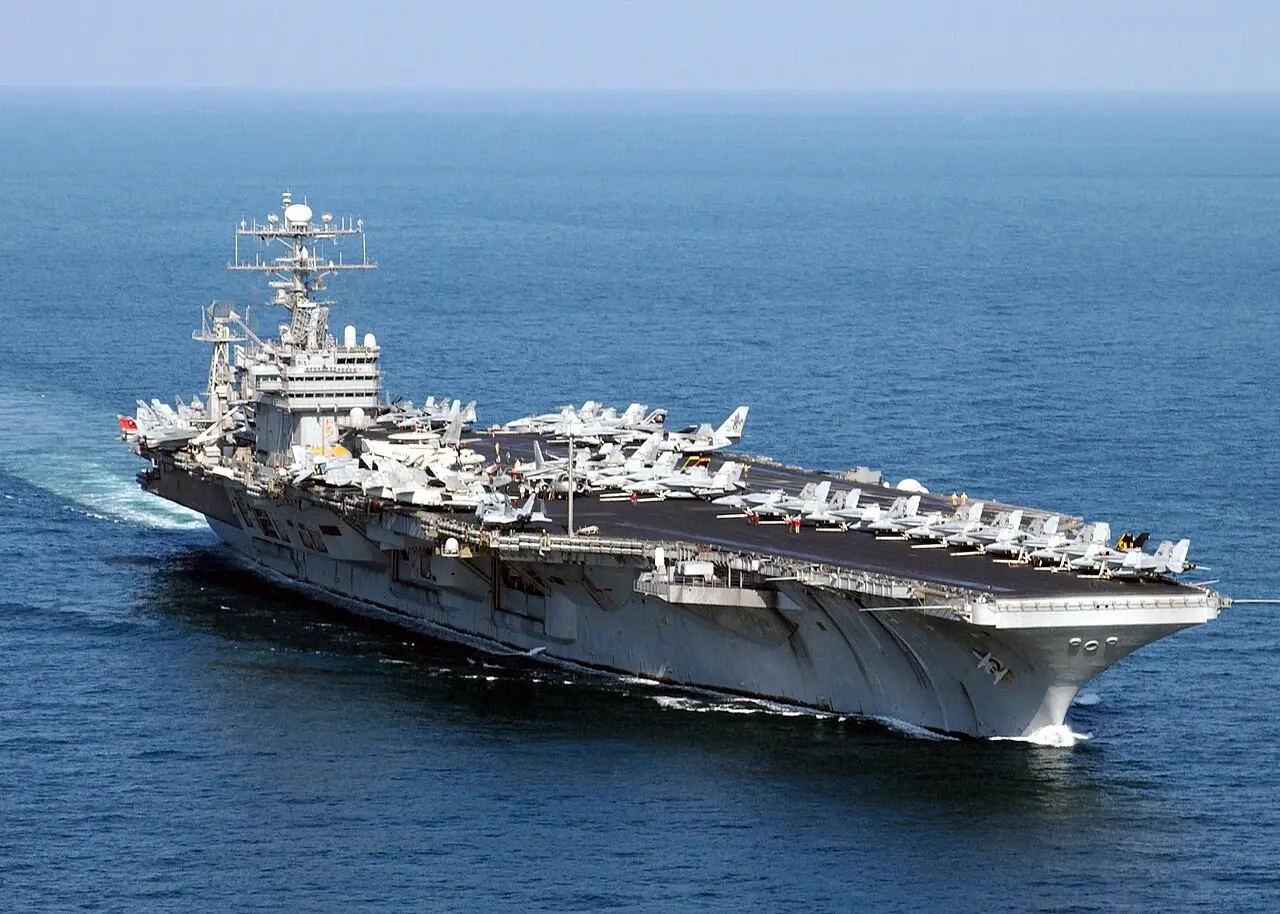
Tracking 100s of targets
A major advantage of the SPY-1 radar is its capacity to monitor hundreds of individual contacts simultaneously. When a drone swarm approaches, the system instantly calculates the speed, altitude, and trajectory of each unit. The combat centre then prioritises the most immediate threats.
3-tier layered defence
Once the radar identifies a threat, the USS Spruance deploys a layered response to destroy it. High-altitude targets are engaged with SM-2 and SM-6 interceptor missiles. For medium-range defence, the ship relies on Evolved Sea Sparrow Missiles to take down approaching drones.
24/7 combat information centre
Inside the ship, the Combat Information Centre processes the radar feed in real-time. Highly trained sailors monitor the screens to make split-second decisions on which weapons to deploy. This coordination is essential when dealing with fast-moving, multi-directional swarm attacks.
Defeating 7 hostile drones
During its recent deployment, the USS Spruance successfully intercepted seven drones, three cruise missiles, and three anti-ship ballistic missiles. The SPY-1 radar detected these threats early, allowing the crew to engage them well outside the carrier's vulnerable perimeter.
5-inch close range guns
Not all drones require costly interceptor missiles. The SPY-1 radar data also guides the destroyer's five-inch deck guns for close-quarter engagements. This allows the Navy to conserve its expensive missile inventory while still effectively shredding incoming aerial targets.
Zero carrier strikes allowed
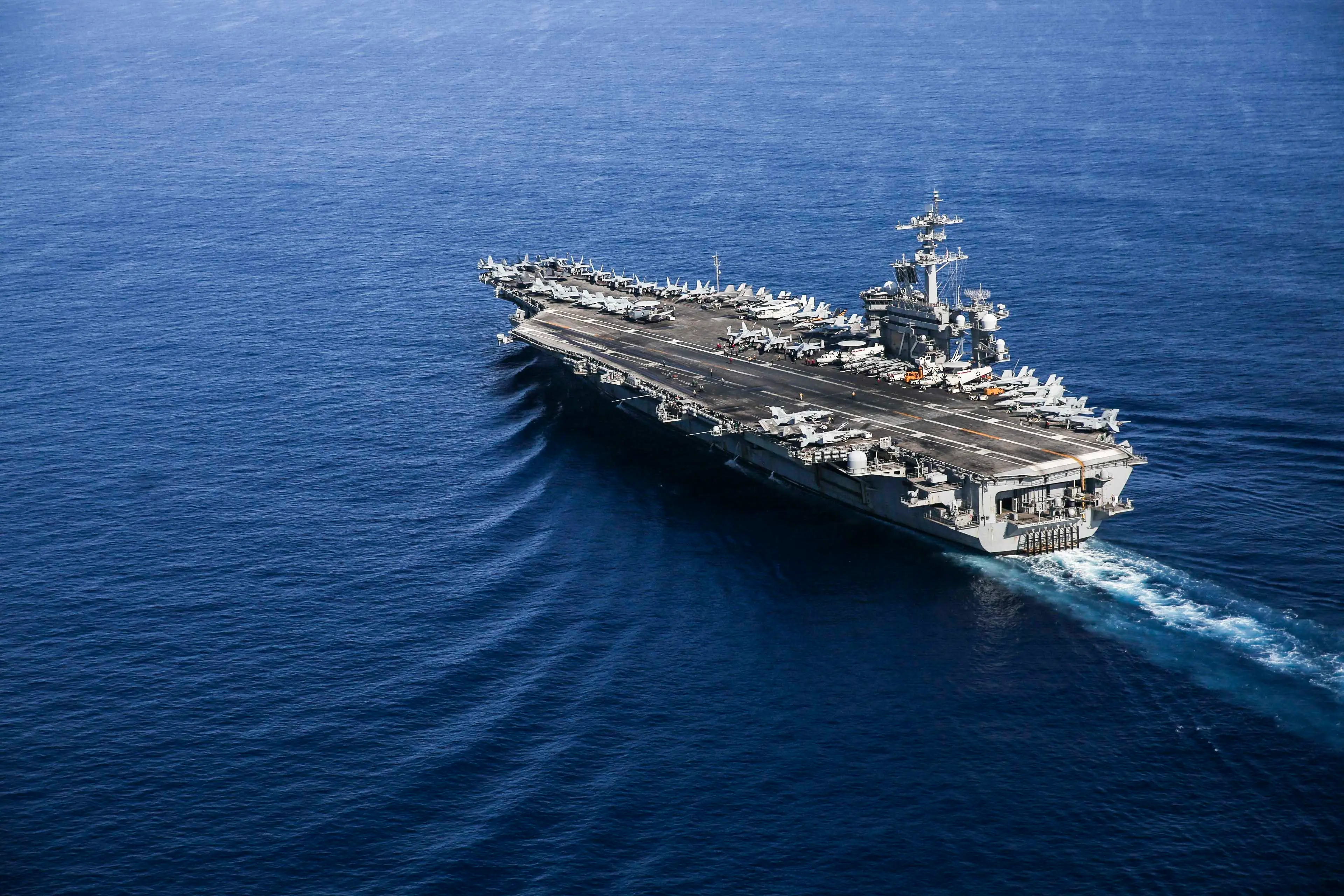
An aircraft carrier like the USS Abraham Lincoln houses billions of dollars in stealth jets and thousands of personnel. A single drone strike could disrupt flight operations and cause severe casualties. The Spruance’s radar ensures a solid defensive perimeter remains intact at all times.
100 per cent vigilance
The tactics used by hostile forces continue to evolve with faster, more stealthy unmanned aerial vehicles. To counter this, naval radar systems undergo constant software upgrades to sharpen their detection capabilities. The USS Spruance remains on high alert to secure critical maritime routes.
)
)
)
)
)