'Speed vs Power': How Iran’s swarm tactic may sink the USS Abraham Lincoln and its accompanying destroyers

Iran’s asymmetric naval strategy poses a unique threat to US carriers in the narrow Strait of Hormuz. By utilising swarms of high-speed boats and drones, the IRGC aims to overwhelm sophisticated American defences through sheer numbers and speed.
The Asymmetric Threat
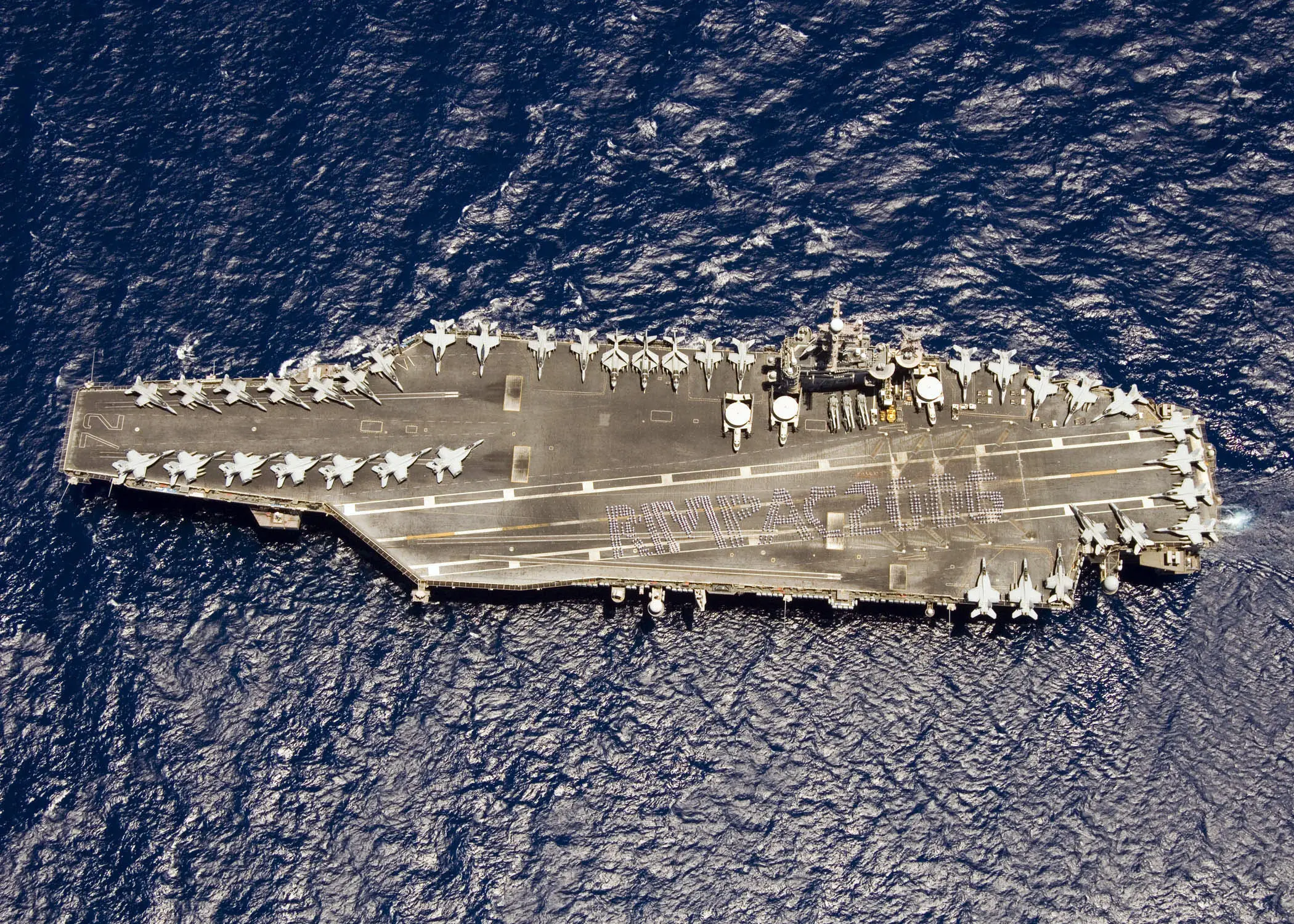
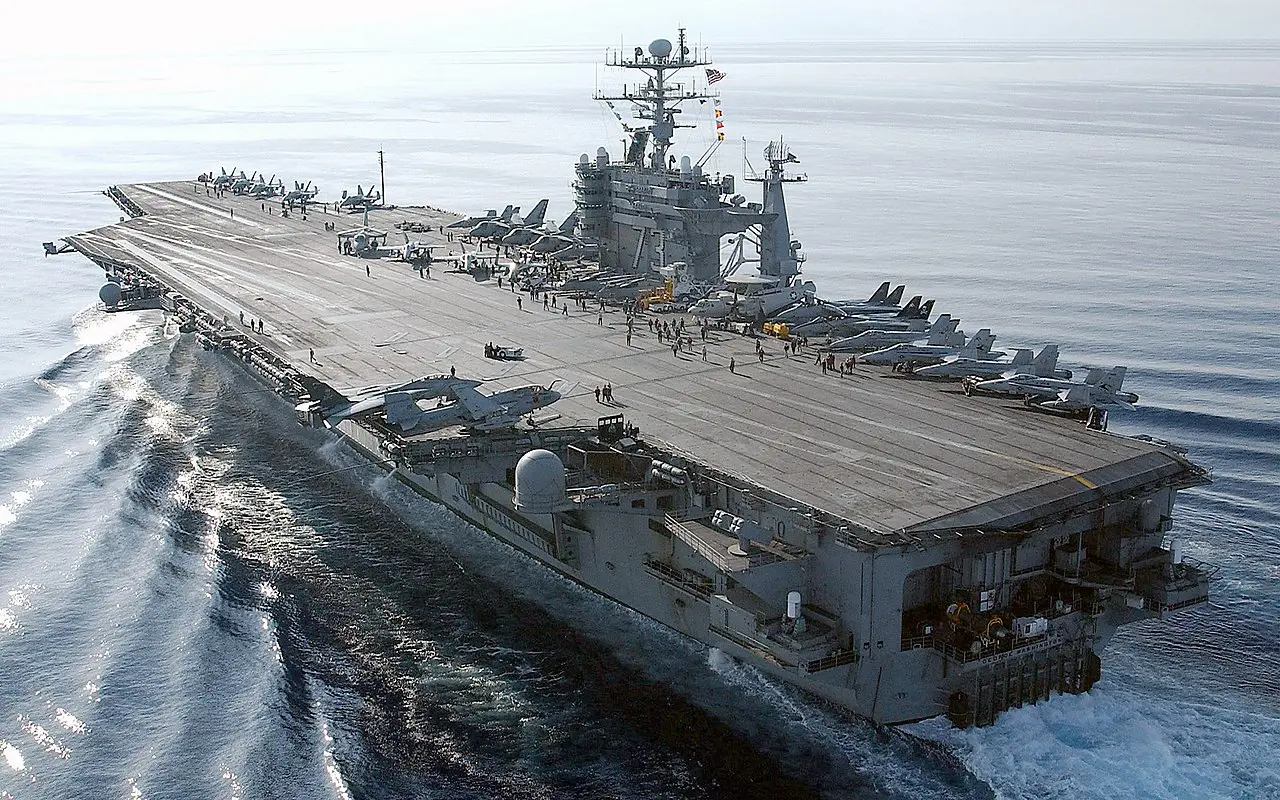
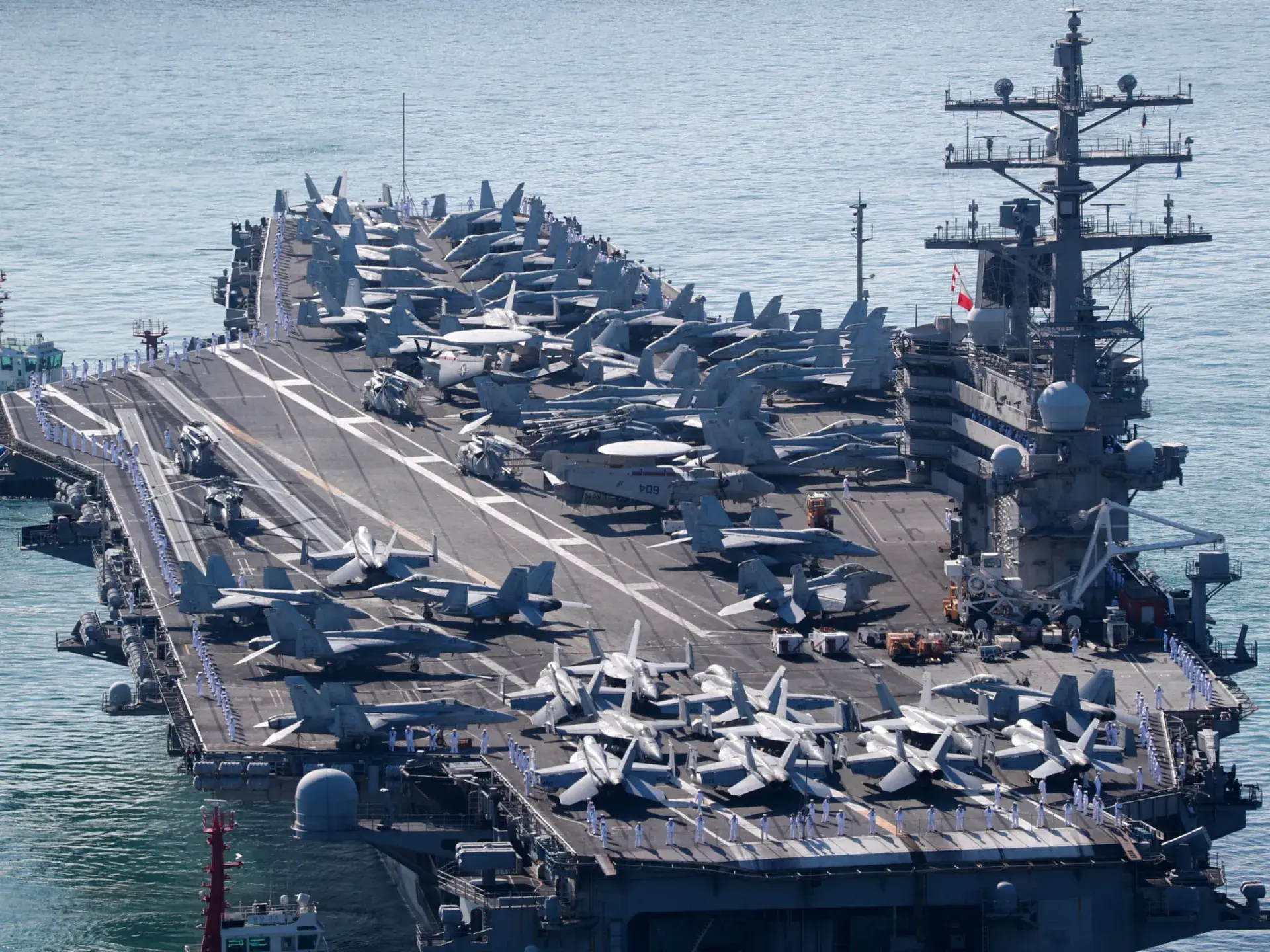
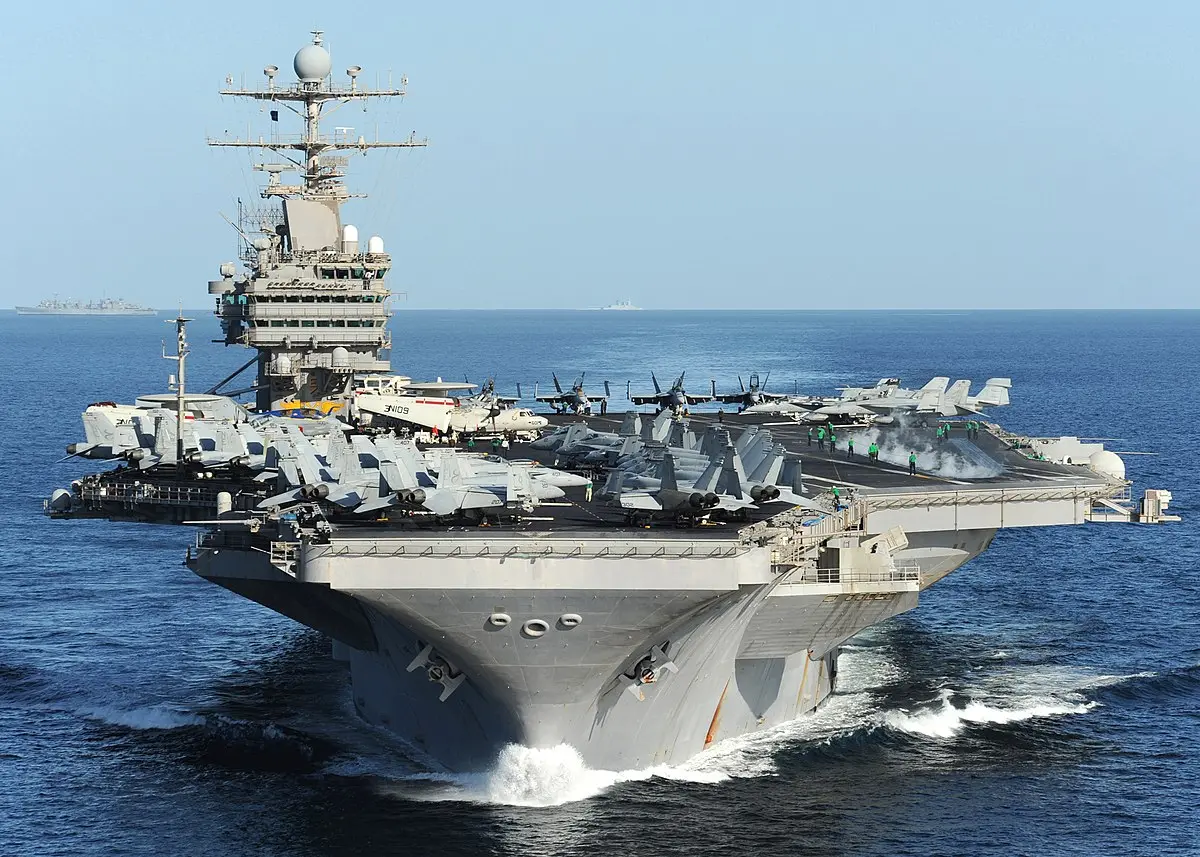
The USS Abraham Lincoln is a floating fortress, but it faces a unique threat from the IRGC Navy’s doctrine of asymmetric warfare. Instead of matching the US Navy ship-for-ship, Iran focuses on swarming massive vessels with hundreds of small, agile speedboats. This strategy forces high-tech American tracking systems to cope with too many targets at once.

The ‘Millennium Challenge’ Wake-Up Call
In the 2002 US war game ‘Millennium Challenge,’ retired General Paul Van Riper (commanding the opposing ‘Red Team’) used unconventional swarm tactics to obliterate a mock US fleet. By coordinating swarms of small boats and cruise missiles without using radio traffic, he managed to "sink" 16 major warships, including an aircraft carrier, in minutes. The attack was so devastating that US planners had to pause the exercise and "respawn" the fleet to continue the training, a stark proof of the fleet's vulnerability to saturation attacks.
Speed Kills: The Boats
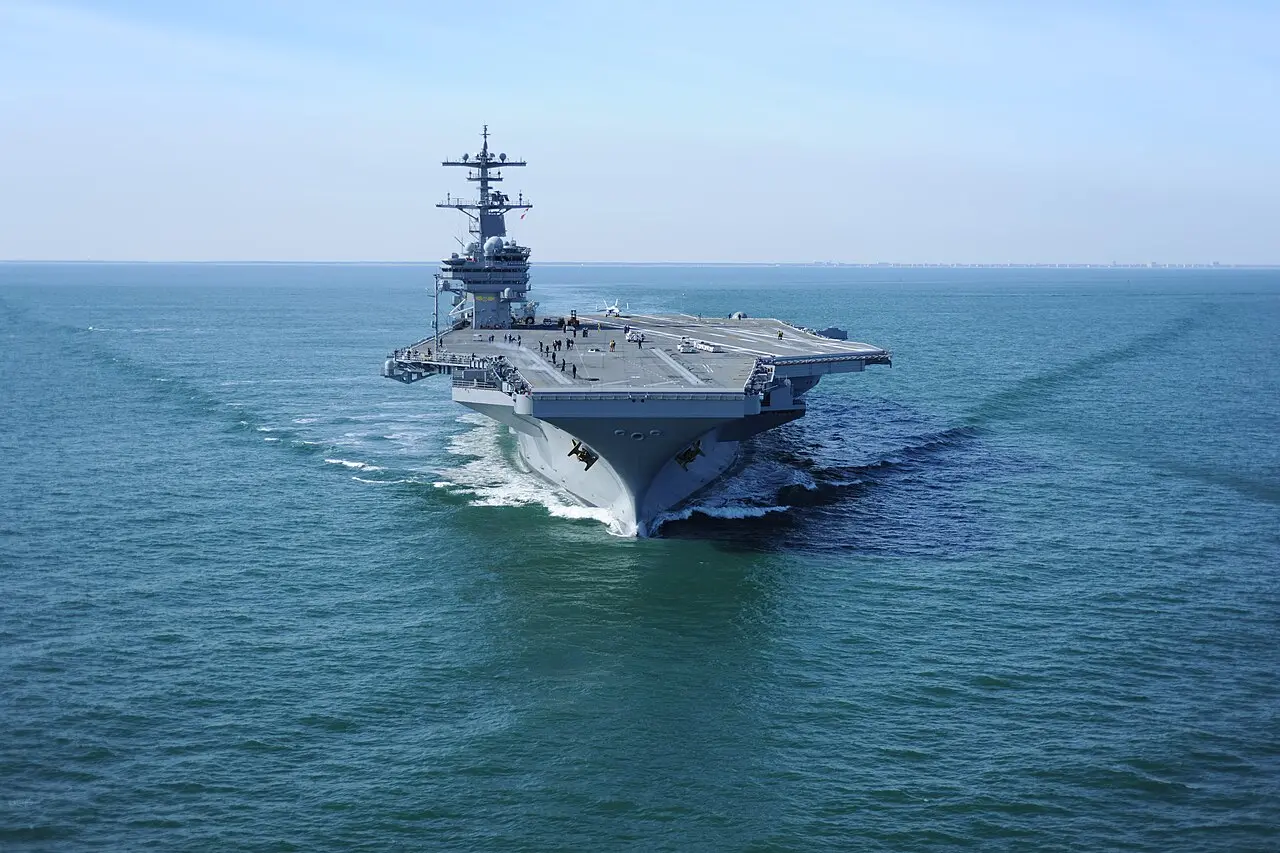
Iran’s asymmetric fleet relies on the sheer velocity of vessels like the Ashura and the advanced Heidar class. Iranian sources claim the missile-equipped Heidar can reach speeds of up to 110 knots (approx. 200 km/h). If accurate, this makes them faster than most US torpedoes (such as the Mark 48) and surface ships. Their combination of small radar cross-sections and extreme speed allows them to close the distance rapidly, minimizing the reaction time for heavy guns and defensive radars.
Saturation Tactics
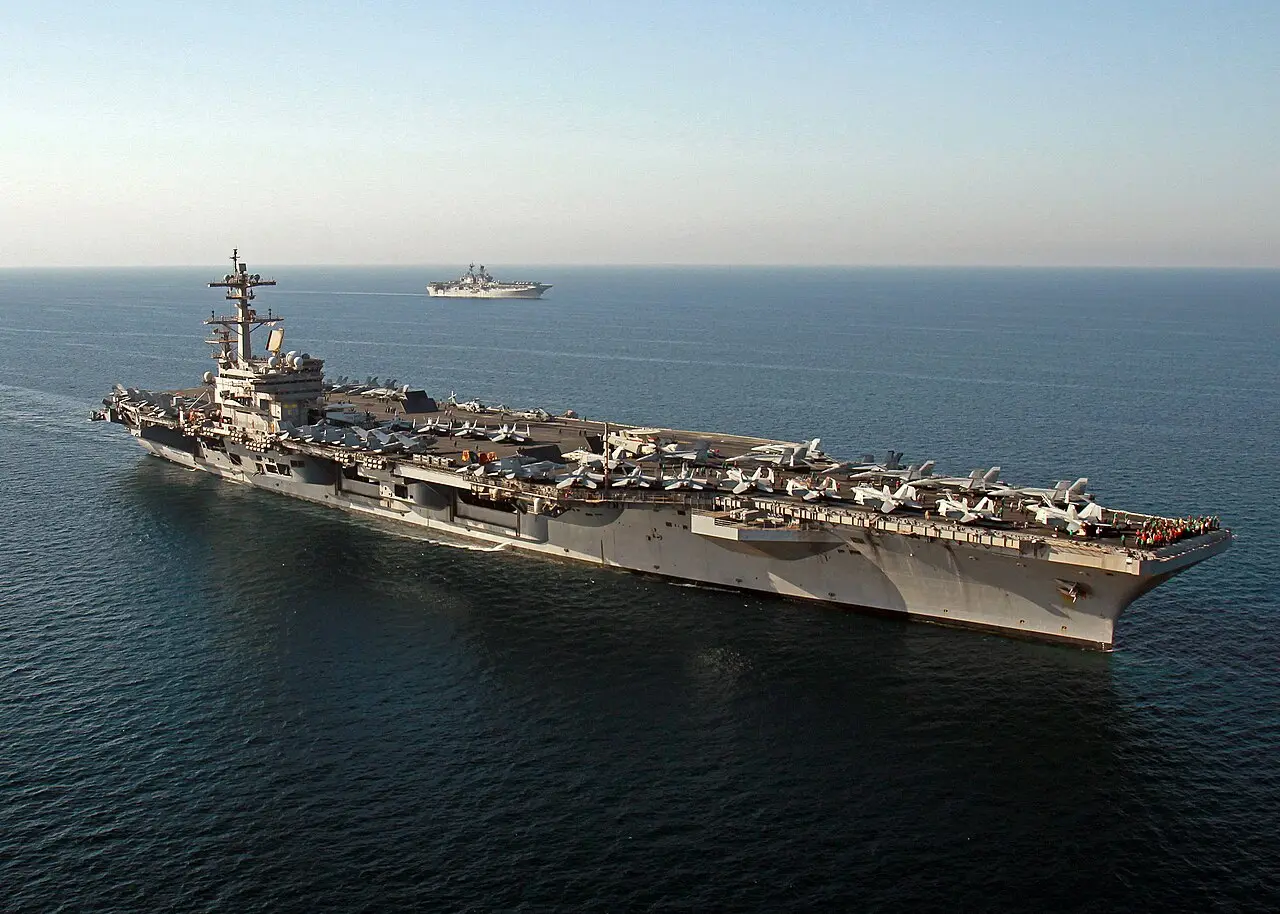
The US Navy relies on the Aegis Combat System to track and destroy incoming threats, but every system has a limit. Iran’s goal is to launch more simultaneous attacks, via boats, drones, and missiles, than the defensive radars can process. If 100 boats attack and the defences stop 90 per cent of them, the remaining 10 can still cause catastrophic damage.
The Missile Sting
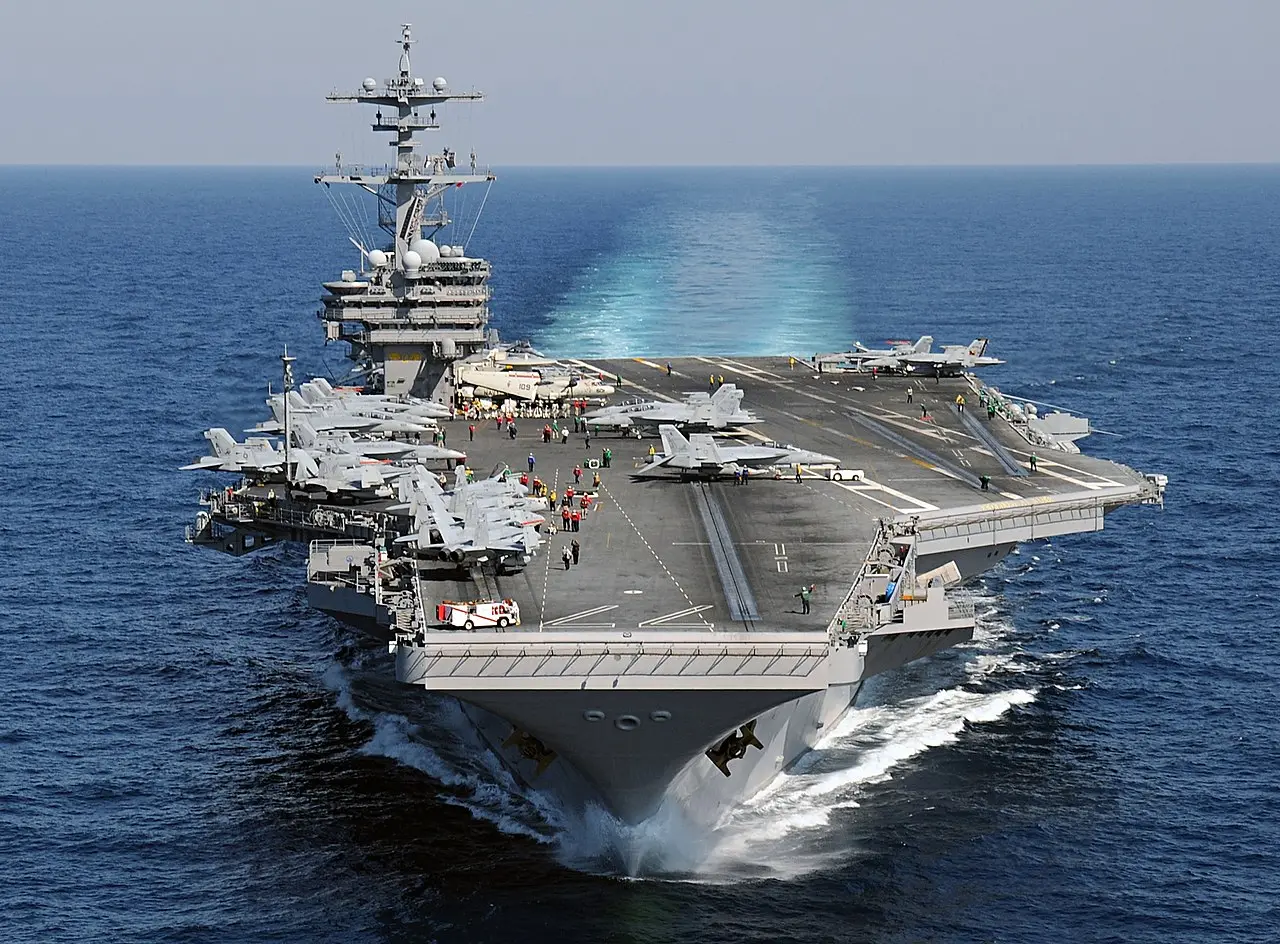
These speedboats are not just fast; they are heavily armed with anti-ship missiles and rockets. Vessels like the Zolfaghar carry sophisticated Nasr-1 cruise missiles capable of breaching a ship’s hull. Even unguided 107mm rockets, when fired in the thousands from close range, can strip away a carrier’s radar antennas and flight deck capabilities.
Drone Swarms
Modern swarm tactics now include aerial drones like the Shahed-136 and Mohajer-6 working in tandem with boats. These drones can act as ‘kamikaze’ weapons or provide real-time targeting data to the speedboats. This creates a multi-dimensional attack where the US fleet must look up and down simultaneously, splitting their defensive fire.
Strait of Hormuz Trap
The Strait of Hormuz is only 39 kilometres wide at its narrowest point, forcing large US ships into predictable shipping lanes. This geography allows Iranian boats to hide in coastal coves and islands until the last second. In such confined waters, the US Navy loses the advantage of long-range detection, allowing the swarm to strike from point-blank range.
Blind the Giant
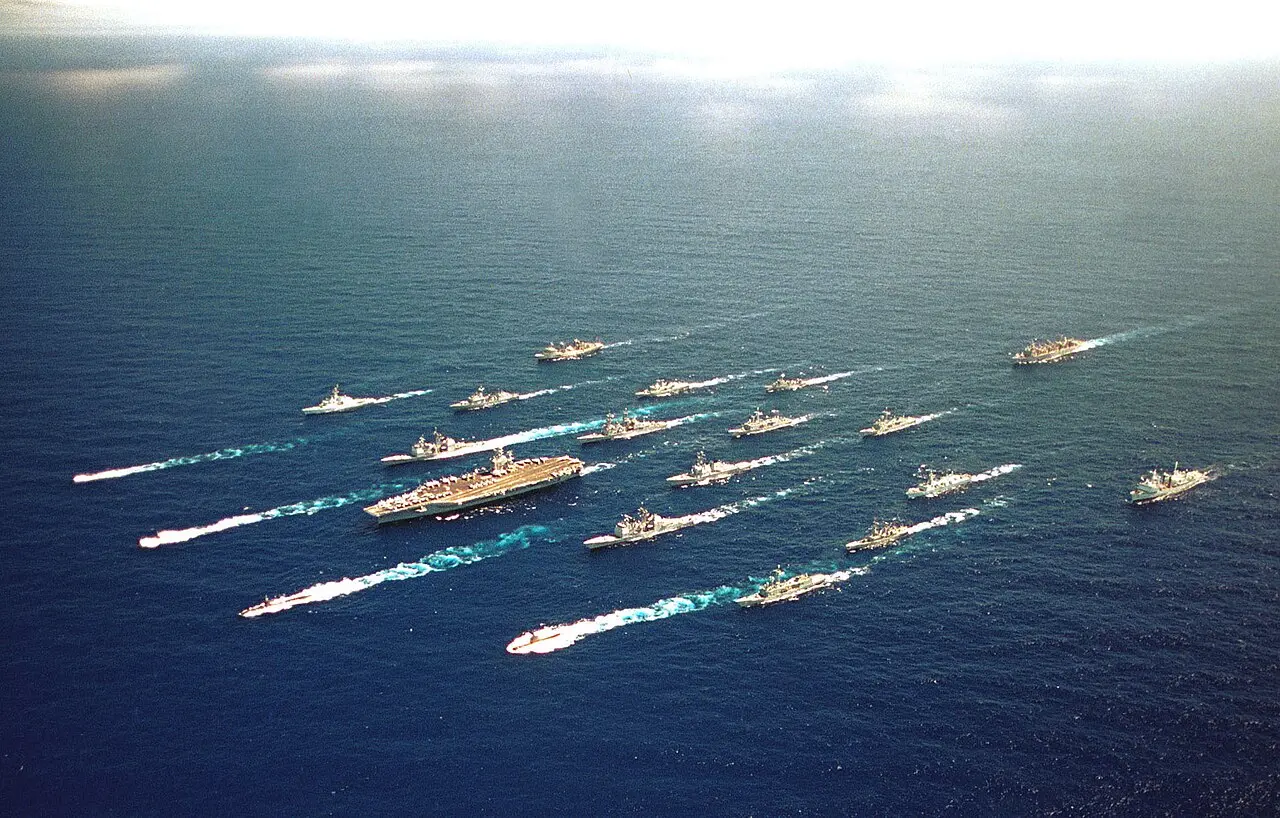
A key part of the swarm strategy is to target the ‘eyes’ of the carrier strike group. By directing fire at the radar arrays and bridge of the destroyers, the swarm tries to blind the fleet. Once the sophisticated sensors are damaged, the carrier’s accompanying destroyers cannot effectively guide their long-range missiles, leaving the group exposed.
Economic Catastrophe
A successful swarm attack would not just damage a ship; it would close the vital oil trade route. The mere threat of such an engagement sends insurance premiums and oil prices skyrocketing globally. Iran uses this economic leverage as a deterrent, knowing that a naval clash would cost the global economy trillions of dollars instantly.
High Stakes
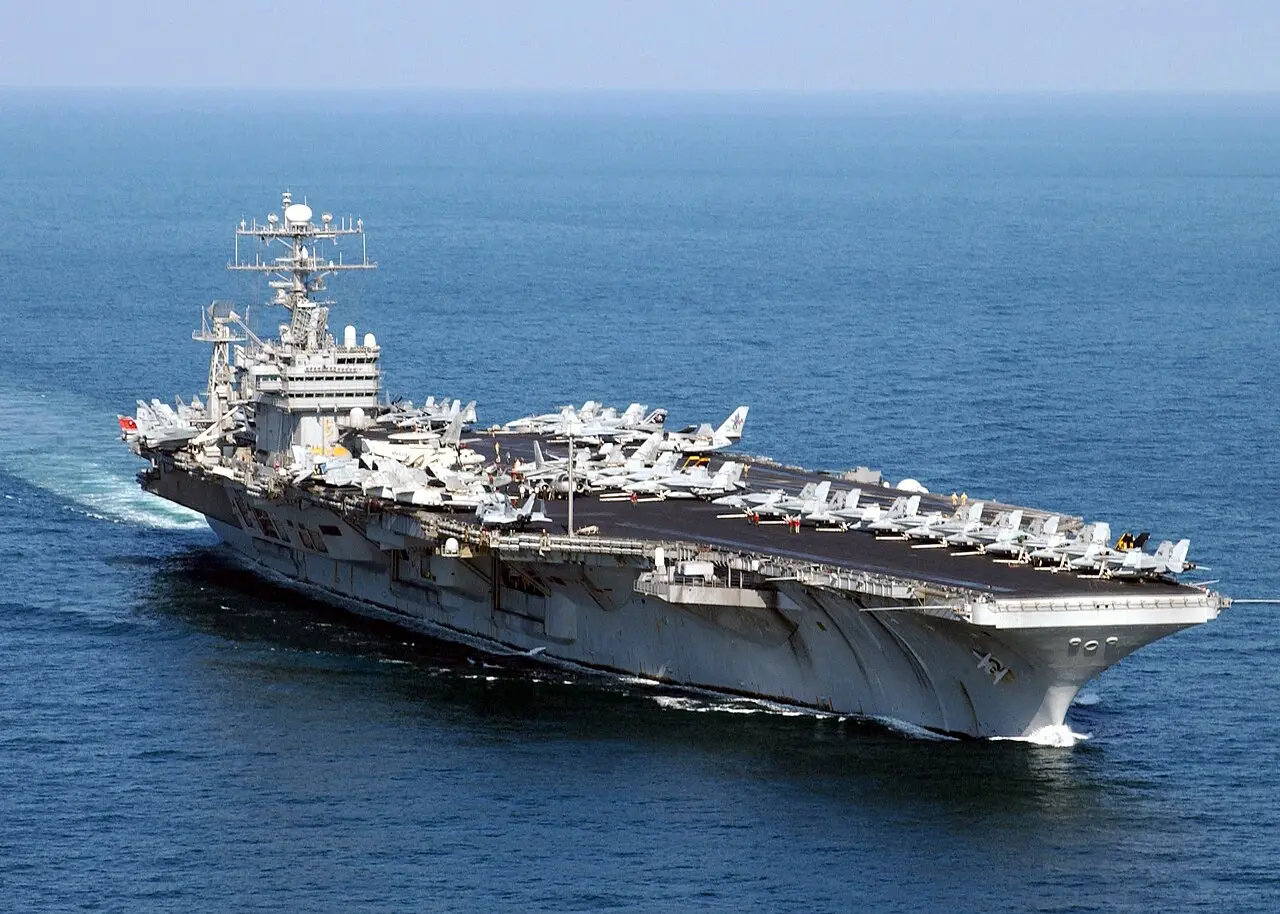
The cost disparity is the defining feature of this potential conflict. The USS Abraham Lincoln and its aircraft represent an asset worth over Rs 1 lakh crore ($13 billion approx replacement value). In contrast, an Iranian speedboat costs a tiny fraction of that amount. Iran can afford to lose dozens of boats to damage one US capital ship, making the exchange highly favourable for them.
)
)
)
)
)