‘Speed vs Endurance’: Why attack helicopter speed matters more than endurance during warfare

In warfare, speed keeps attack helicopters alive. High speed reduces exposure to enemy fire, enables shoot-and-scoot attacks, breaks missile lock-ons and allows rapid response. With drones handling endurance, helicopters now prioritise speed to survive dense air defences.
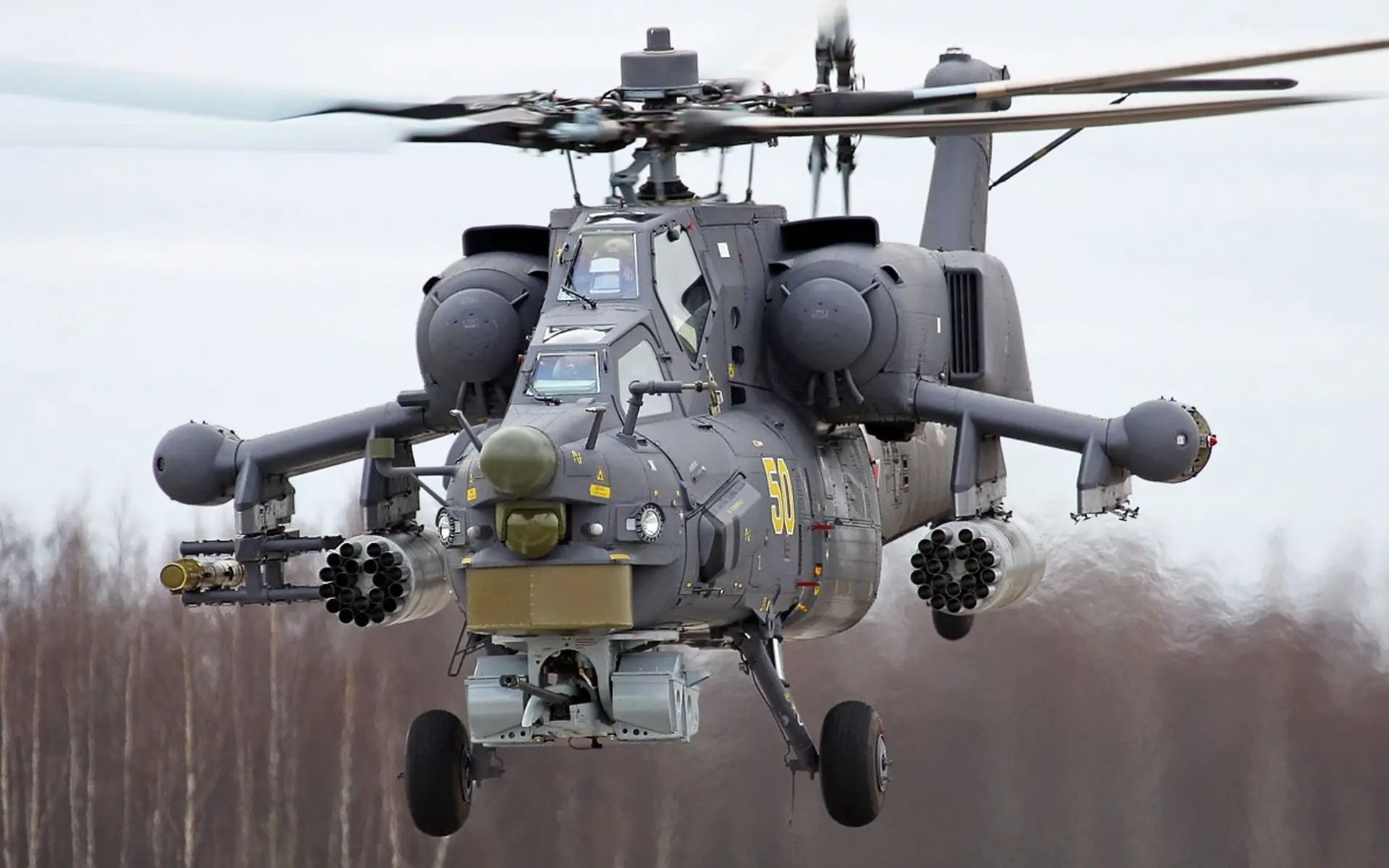
The "Speed is Life" Doctrine Reducing Exposure to Fire
In modern combat, the military mantra is "speed is life." The Royal United Services Institute notes that high speed reduces the time a helicopter is exposed to enemy sights, making it significantly harder for ground troops to track and shoot it down with small arms or RPGs.
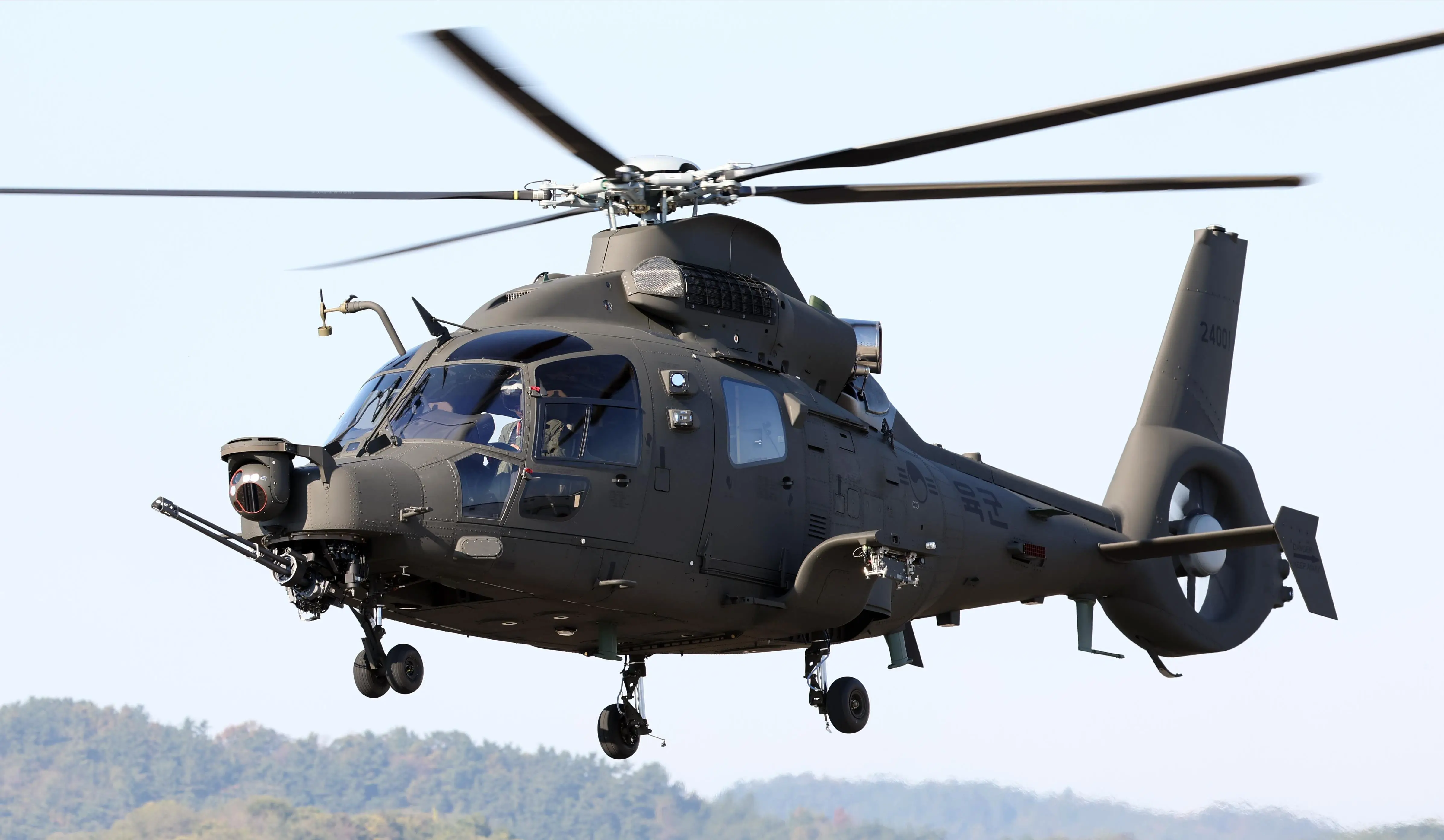
Escaping the "Kill Zone" Shoot and Scoot Tactics
After firing weapons, a helicopter reveals its position. Army Technology explains that pilots must immediately execute "shoot and scoot" manoeuvres, using high dash speeds to flee the area before enemy artillery or missiles can return fire.
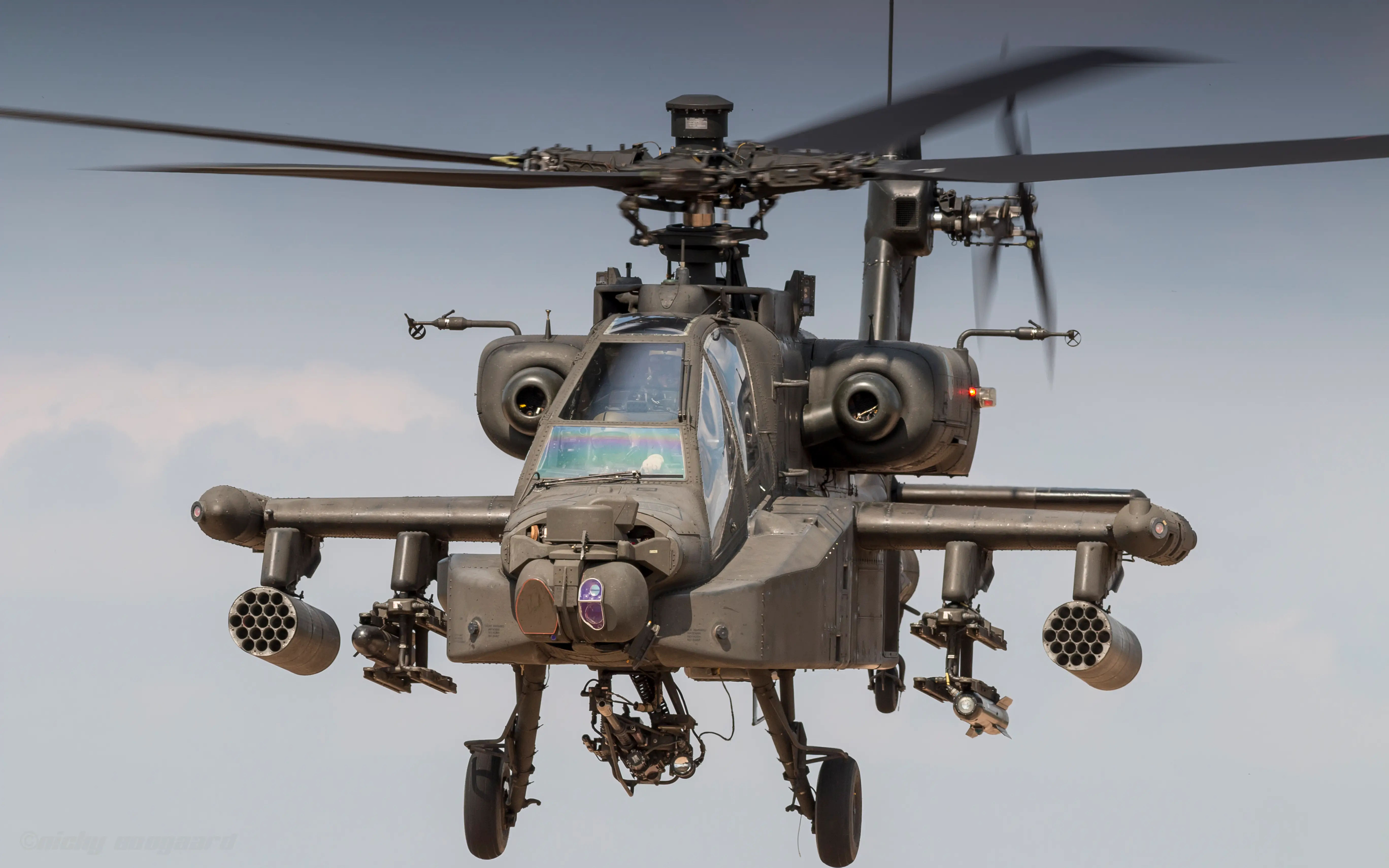
Beating Modern Air Defences Outrunning the Lock-On
Modern air defence systems lock onto slow targets easily. RAND Corporation analysis highlights that faster helicopters can fly low and fast (Nap-of-the-Earth), utilizing terrain masking to break radar locks and evade shoulder-fired missiles (MANPADS) more effectively than slower aircraft.
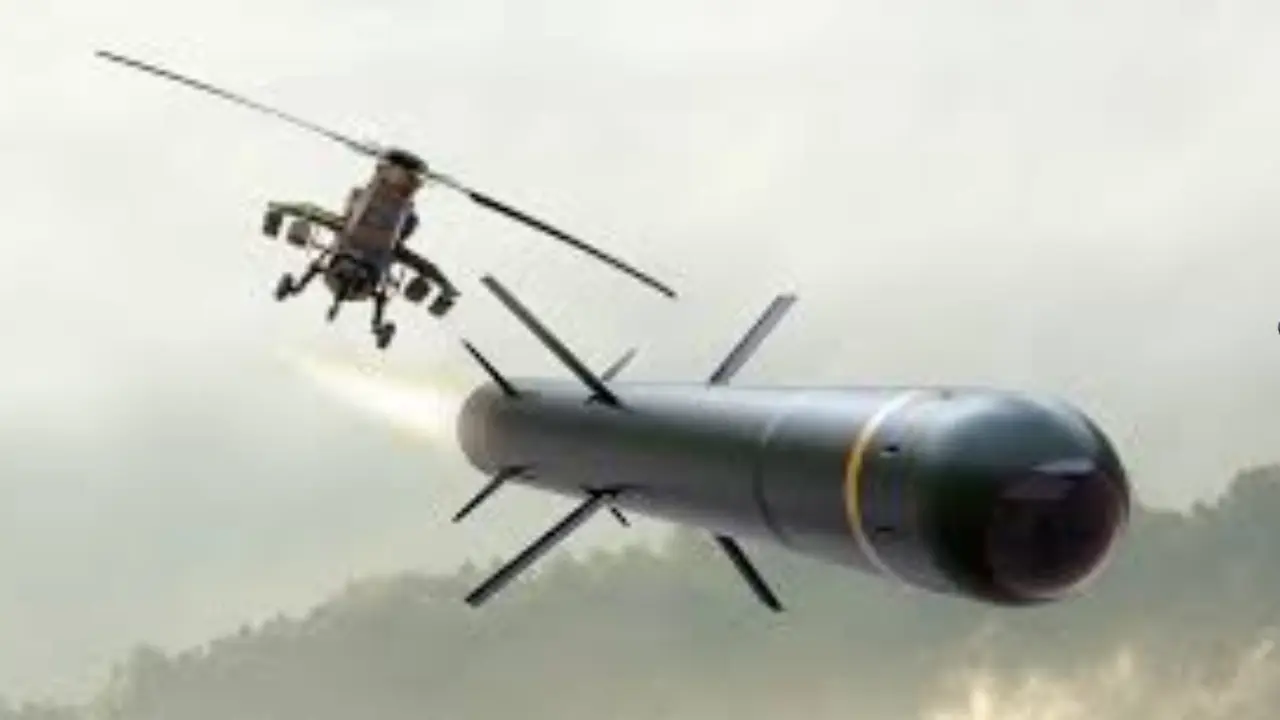
The "Pop-Up" Advantage
Helicopters hide behind trees or hills to ambush tanks. The War Zone reports that speed is critical here: the faster a helicopter can "pop up" to fire and drop back down behind cover, the less time the enemy has to react and counter-attack.
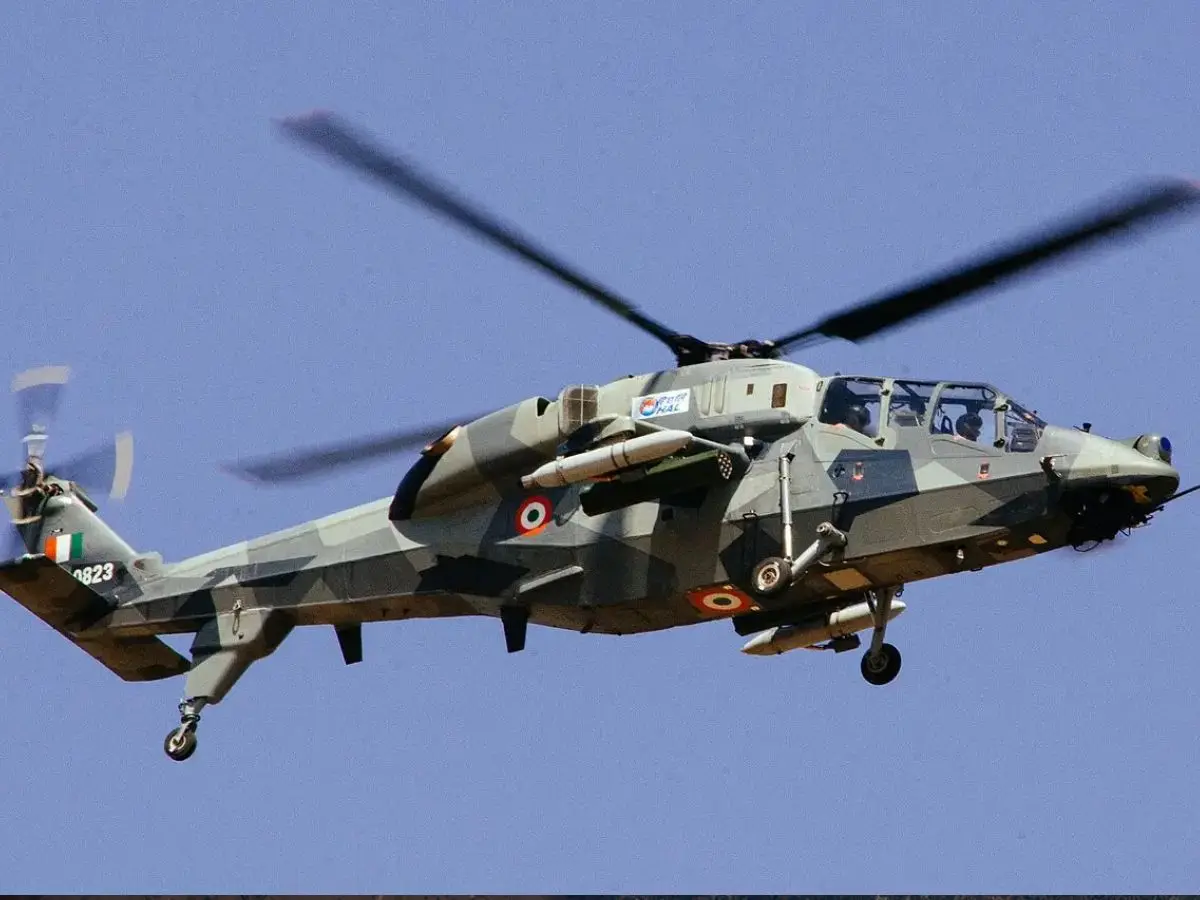
Rapid Response Capability Closing the Distance
Battlefields are dynamic, and troops often need immediate support. Bell Flight emphasizes that speed allows attack helicopters to travel hundreds of kilometres quickly, arriving as a Quick Reaction Force (QRF) to save ground units before they are overrun.
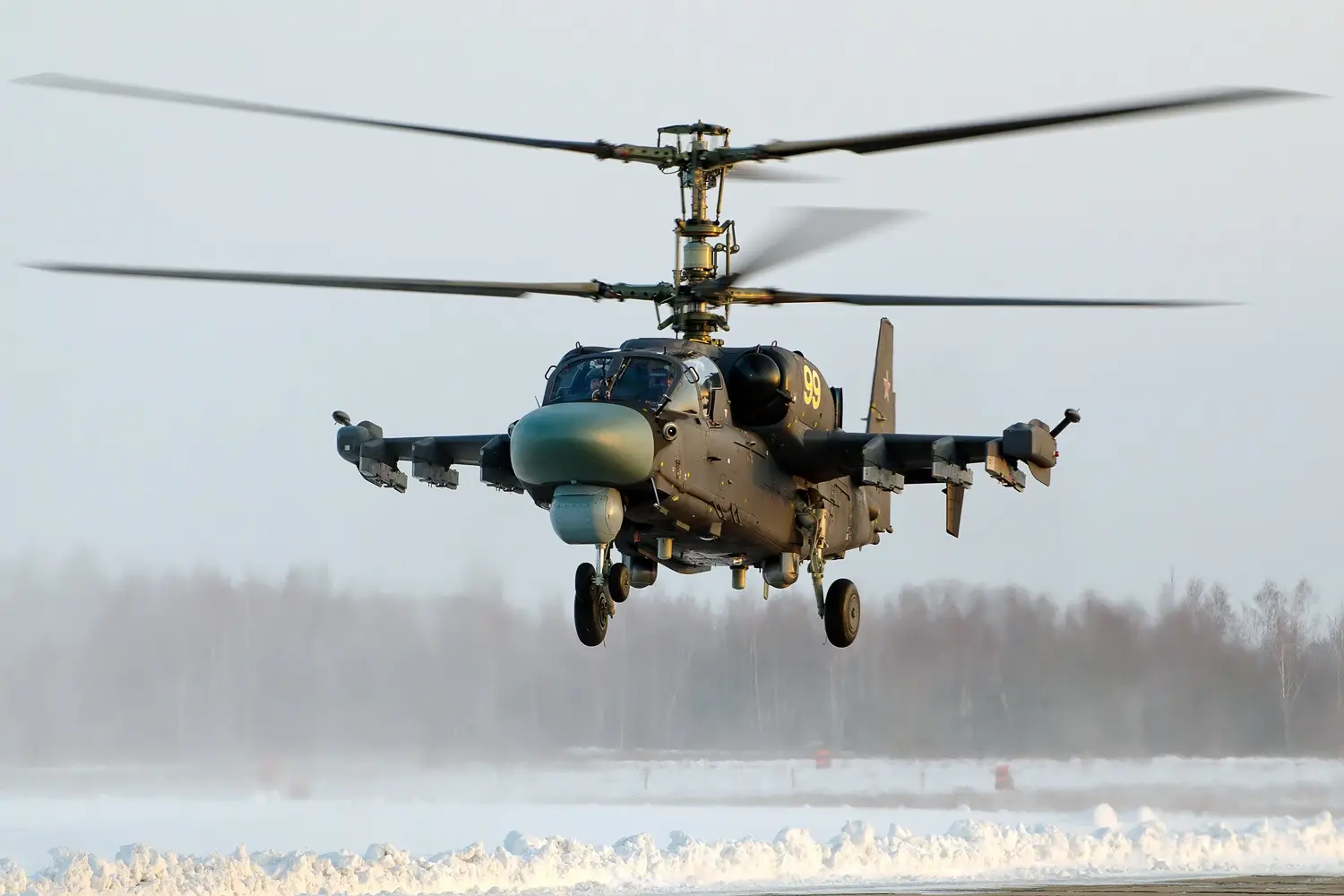
Drones Taken Over Loitering Endurance is for UAVs
The role of long-endurance surveillance has shifted to unmanned drones. Defense News notes that because drones can loiter for 24+ hours without risking a pilot, attack helicopters are now free to focus on high-speed, high-intensity strike missions where human reflexes are needed.
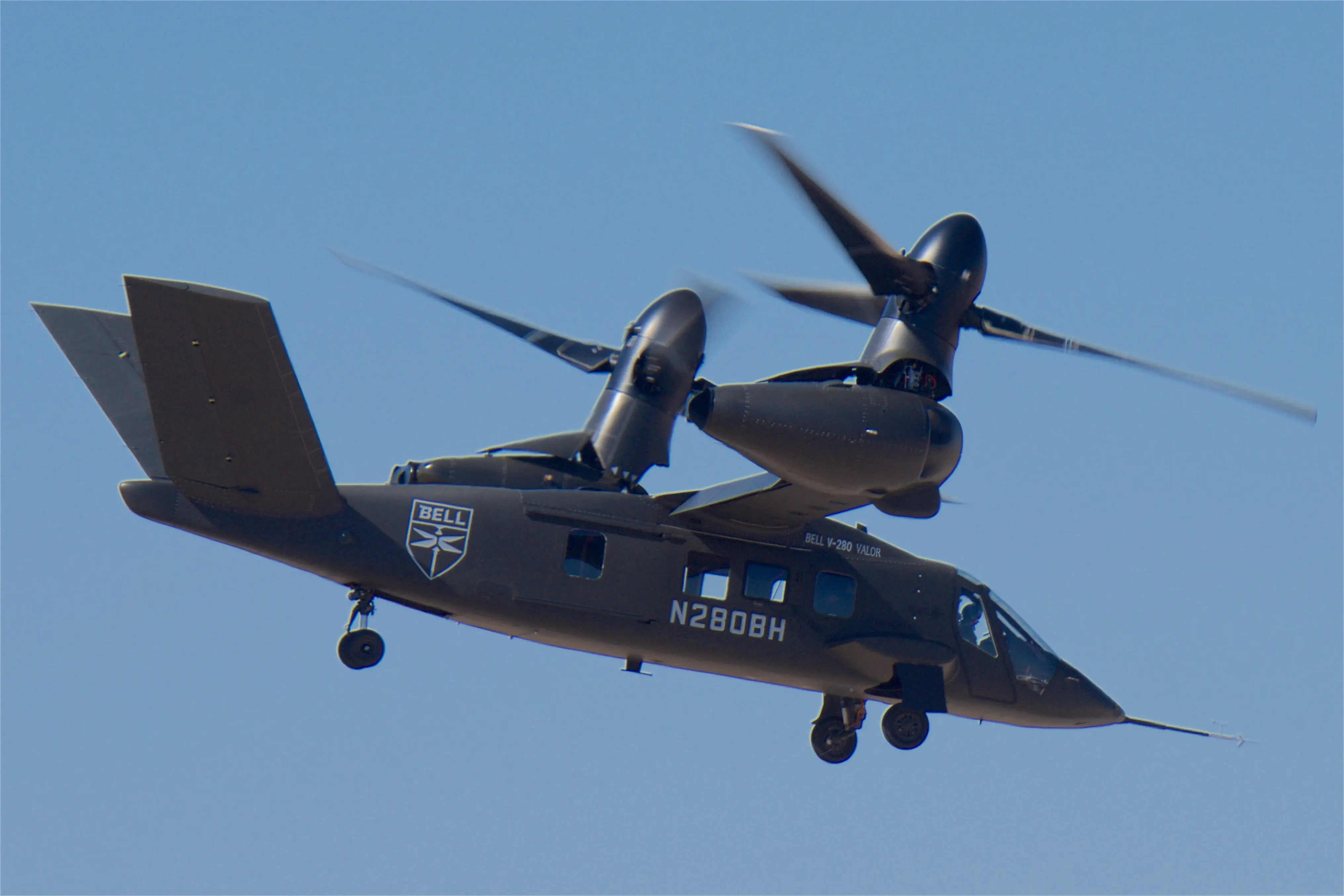
Future Vertical Lift The Next Generation
Recognizing that slow helicopters are vulnerable in near-peer conflicts, the US Army's "Future Vertical Lift" program prioritises speed.
)
)
)
)
)