'160 sorties/day': Can USS Gerald R. Ford launch more airstrikes per day than other carriers, including USS Abraham Lincoln?

Built for the US Navy, it features the Electromagnetic Aircraft Launch System (EMALS), designed to improve aircraft launch efficiency and sortie rates.
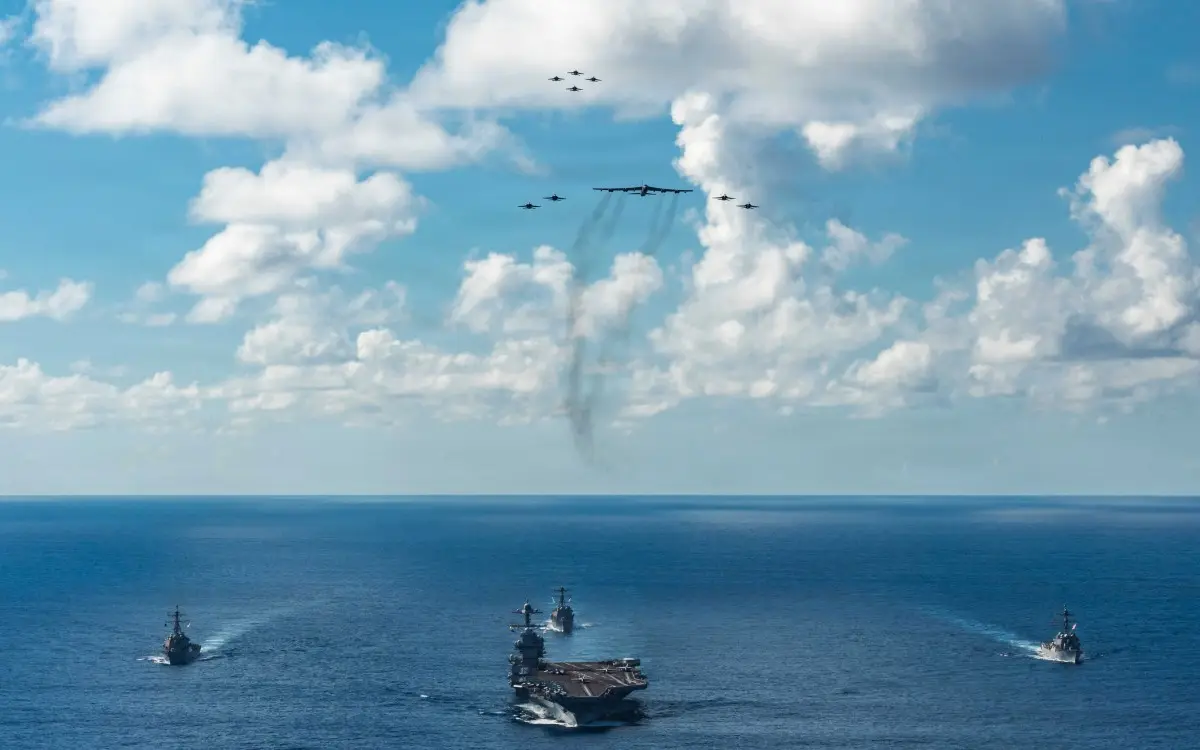
A New Era in Carrier Air Power
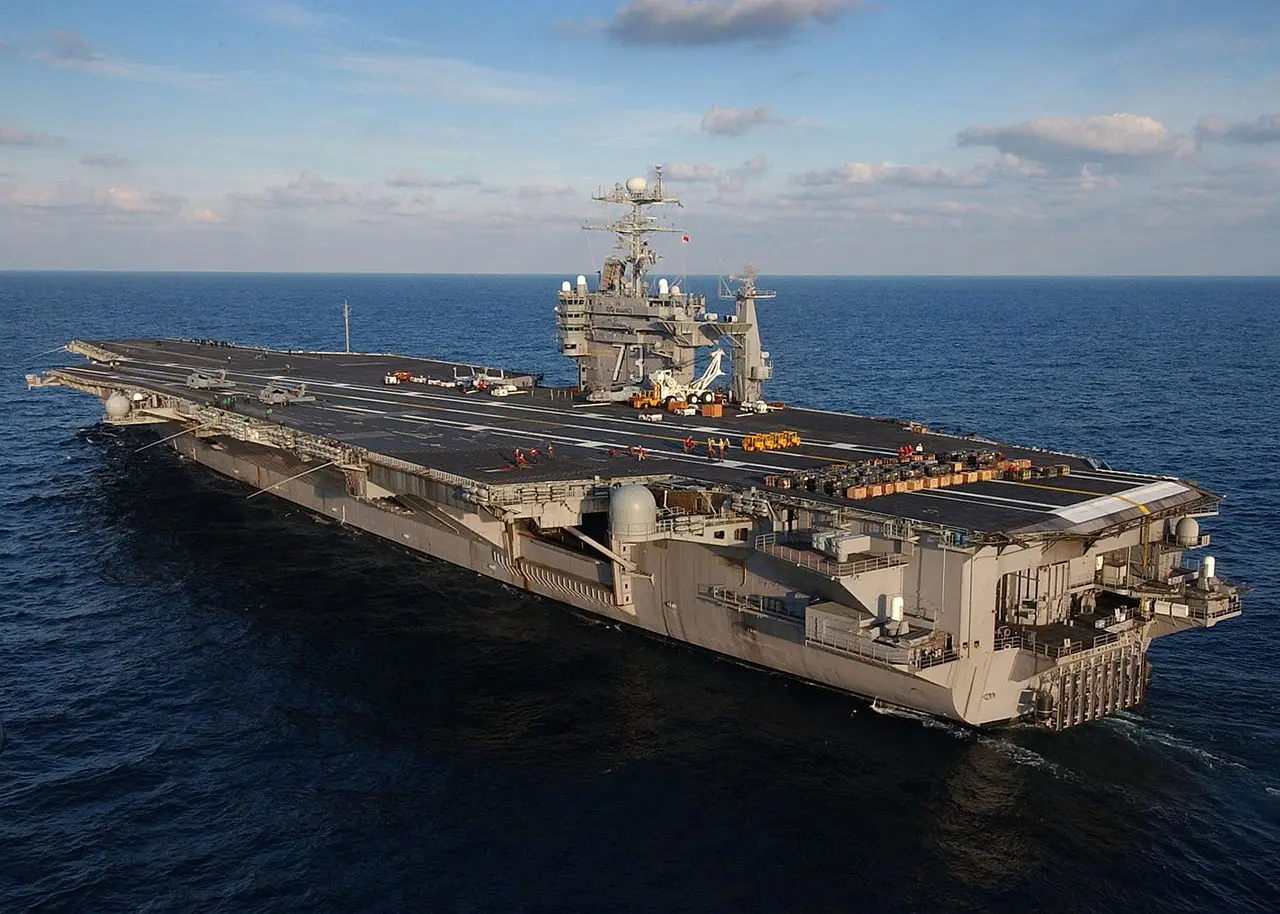
The announcement of the USS Gerald R. Ford’s deployment signals a shift in US naval aviation and military posture. US President Donald Trump confirmed the carrier will join the USS Abraham Lincoln, guided-missile destroyers, fighter jets and surveillance aircraft being moved to the Middle East amid rising tensions with Iran. The Ford, the United States’ newest and largest aircraft carrier, had been operating in the Caribbean and previously took part in operations linked to Nicolás Maduro. Built for the US Navy, it features the Electromagnetic Aircraft Launch System (EMALS), designed to improve aircraft launch efficiency and sortie rates.
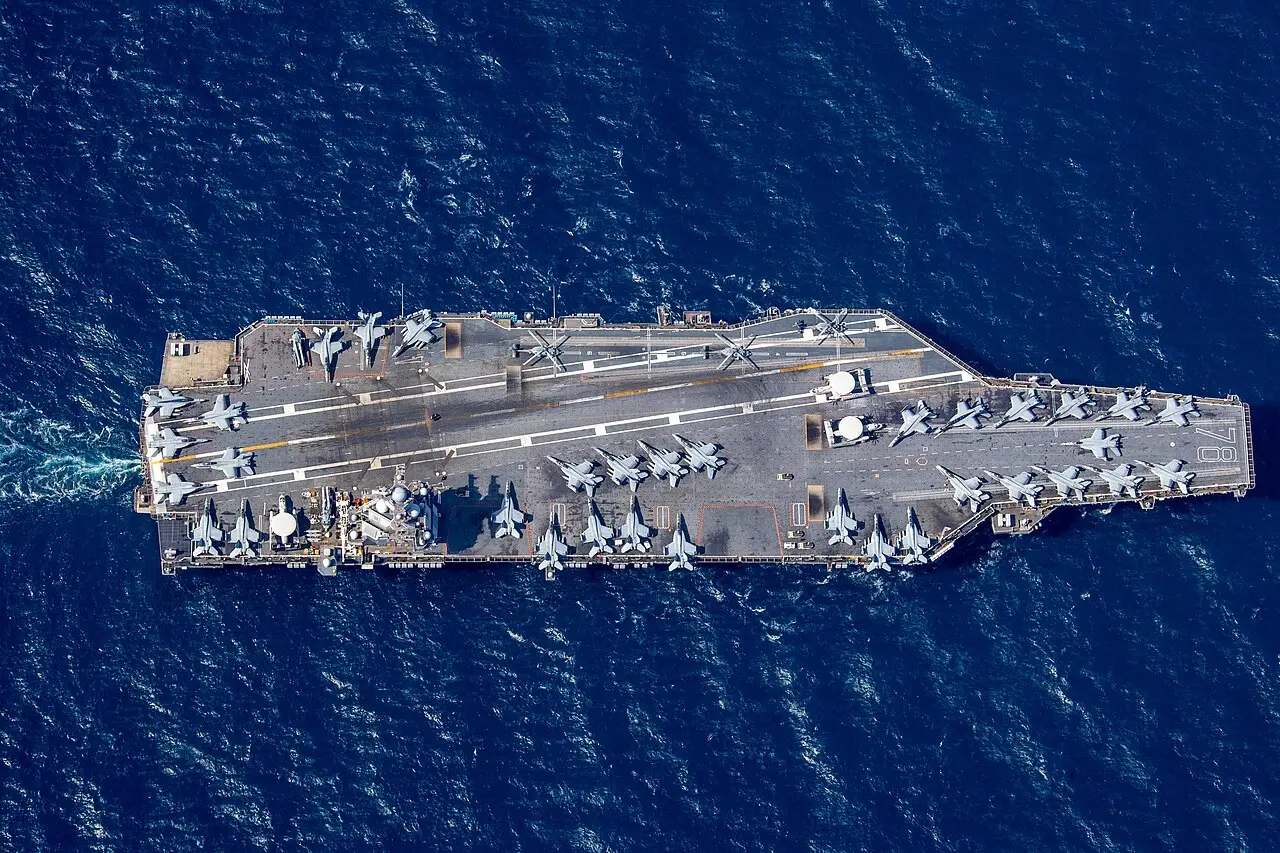
USS Gerald R Ford squadrons
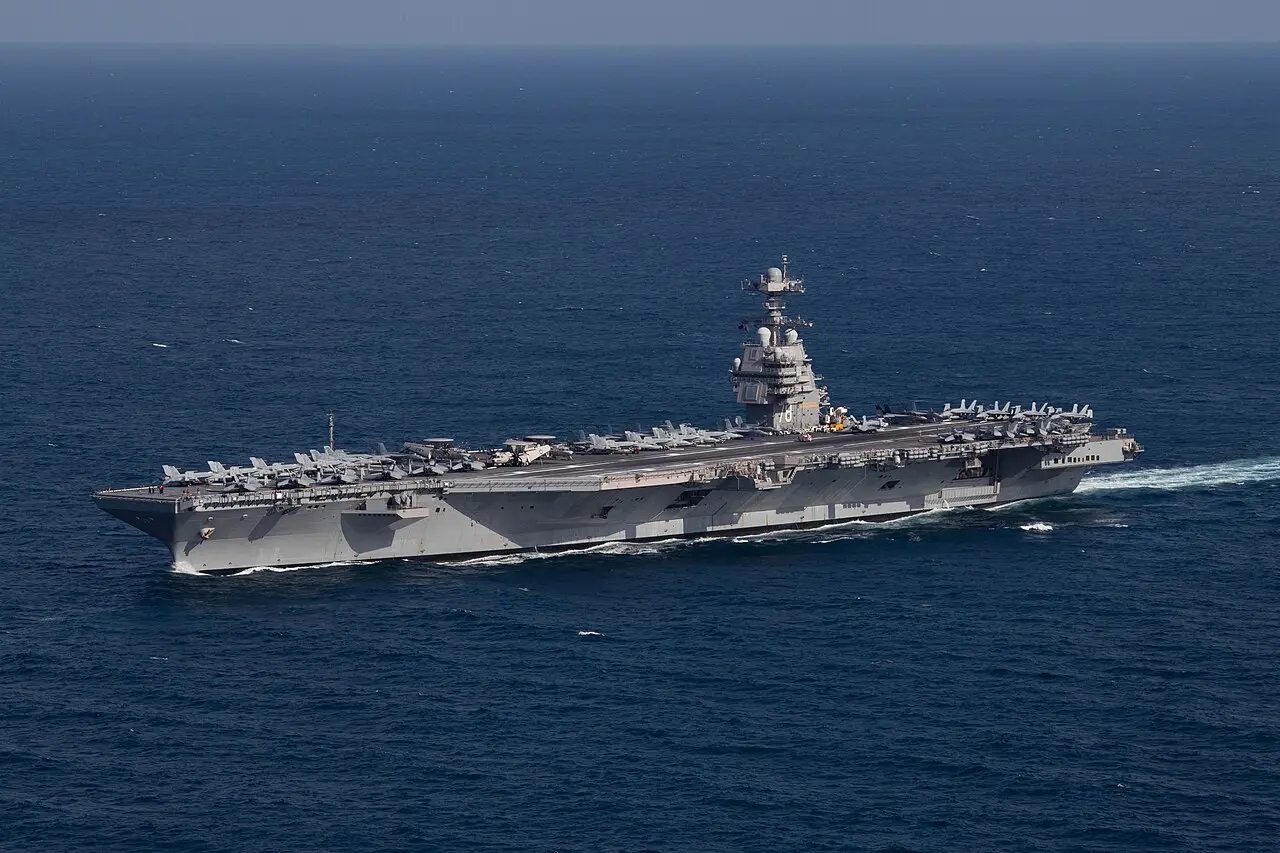
USS Gerald R Ford squadrons, typically includes F/A-18E Super Hornet and F/A-18F Super Hornet. The air wing also includes Electronic Attack Squadron with the E/A-18G Growler, and Airborne Command and Control Squadron operating the E-2D Advanced Hawkeye. Helicopter support is provided with MH-60S Seahawk and MH-60R Seahawk while logistics support is handled using the C-2A Greyhound. The carrier features a 78-meter flight deck, an electromagnetic aircraft launch system, and can support more than 75 aircraft, according to several media reports.
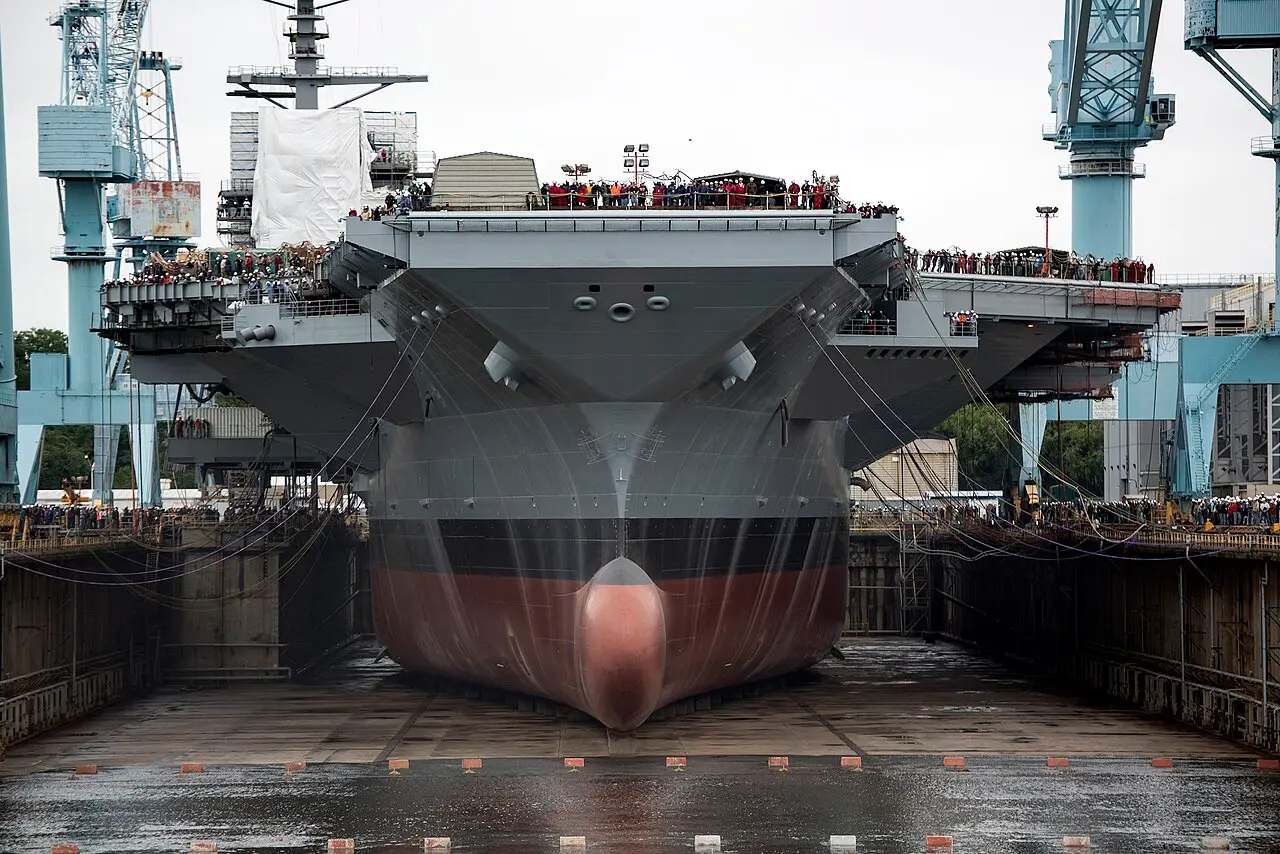
What EMALS Changes at Sea
According to technical data released by Naval Air Systems Command (NAVAIR), EMALS uses electromagnetic energy rather than steam pressure to propel aircraft from the flight deck. The system enables smoother acceleration, reducing mechanical stress on both aircraft and carrier equipment. This allows a wider range of aircraft types, including lighter drones and heavier strike aircraft, to operate from the carrier with improved safety and reliability.
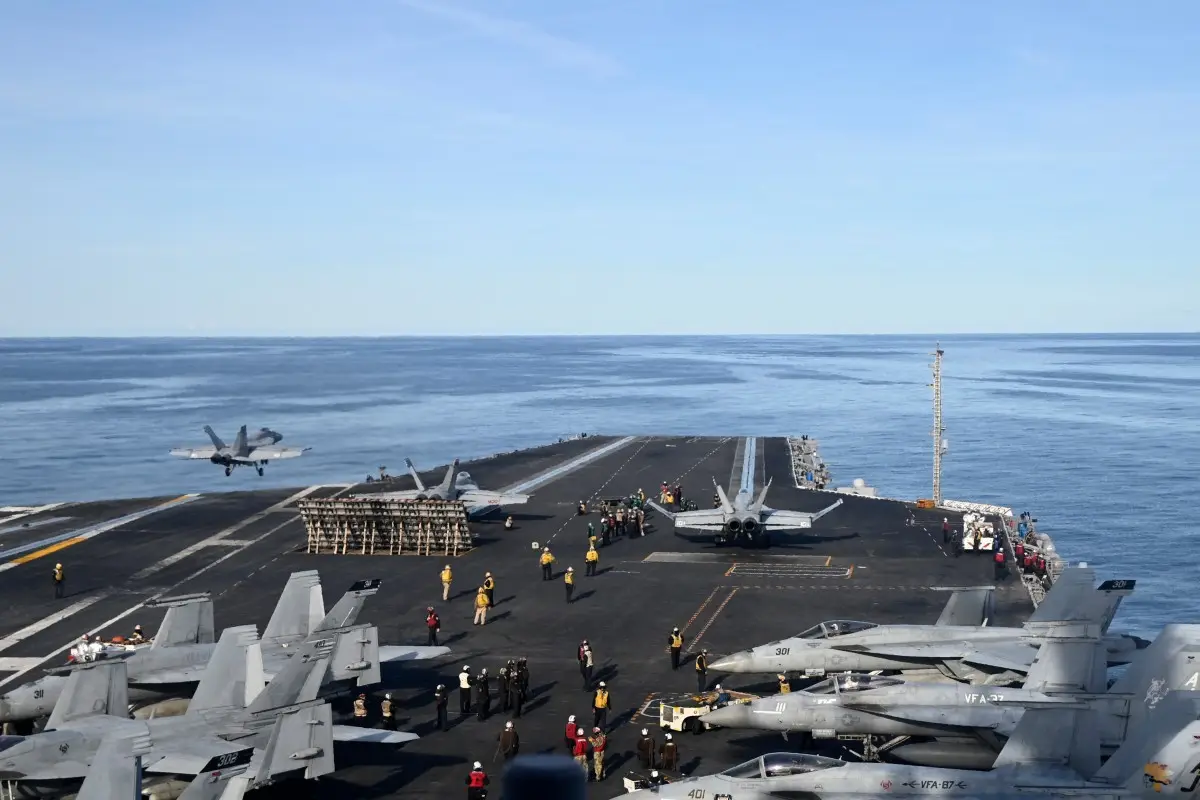
Enhanced Sortie Generation: CVN‑78 vs. Nimitz-Class Carriers
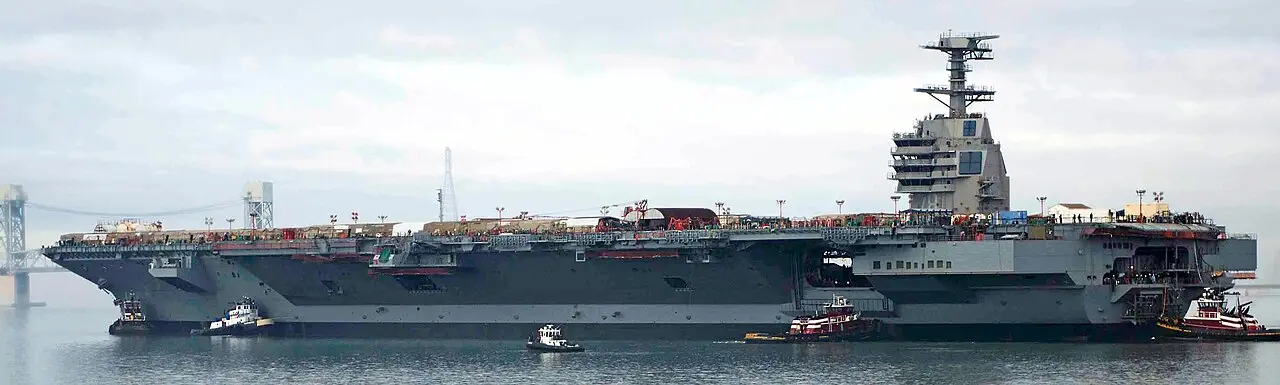
According to the United States Congress, CVN‑78 is designed for a higher Sortie Generation Rate than Nimitz-class carriers (including USS Abraham Lincoln), featuring a larger flight deck, dedicated weapons-handling areas, and more aircraft refueling stations. Its requirements call for 160 sorties per day during sustained 12-hour operations and 270 sorties per day during 24-hour surge operations, compared with 120 sustained and 240 surge sorties for Nimitz-class carriers.
Record-Breaking Launch Performance
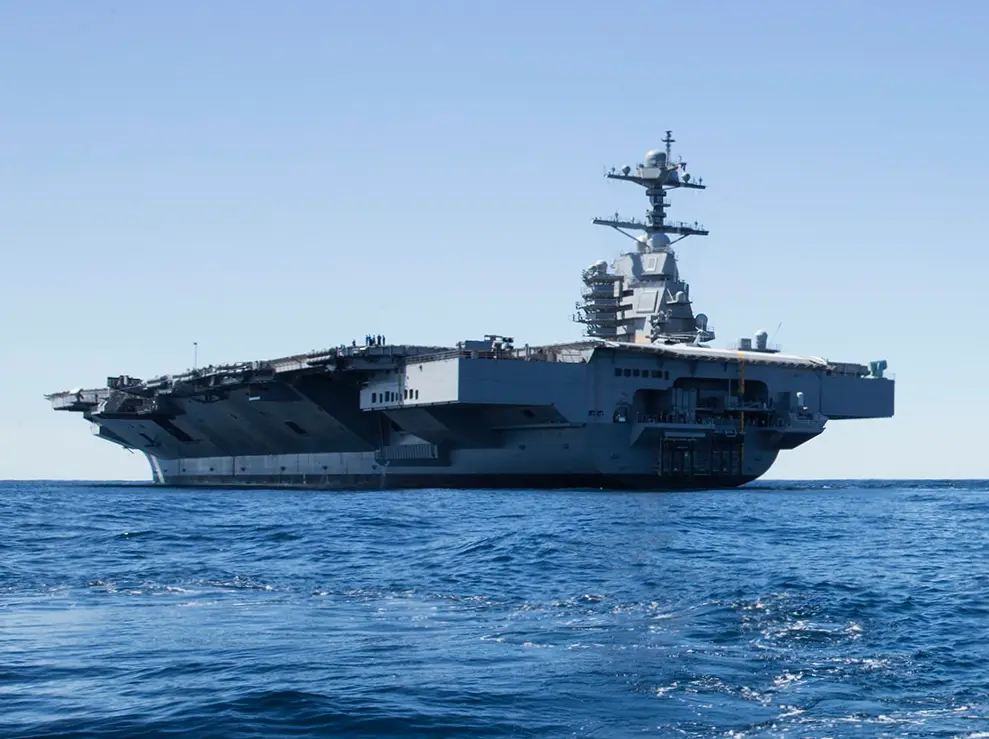
Operational trials have demonstrated EMALS’ capacity to increase operational tempo. Reporting by Naval News confirmed that USS Gerald R. Ford completed 167 aircraft launches and recoveries within a single day during testing in 2020 setting a record. This achievement highlights the carrier’s ability to sustain high-intensity air operations over extended periods, a key factor in modern naval warfare where rapid air response is crucial.
Enhancing Aircraft Maintenance and Readiness
EMALS also contributes to improved aircraft readiness by reducing wear on airframes. The smoother launch profile limits structural fatigue, extending aircraft service life and lowering maintenance demands. This enables air wings to maintain higher availability rates, ensuring that more aircraft remain mission-capable during sustained operations.
Integrated Advanced Carrier Systems
The carrier’s efficiency is not limited to EMALS alone. USS Gerald R. Ford incorporates an advanced weapons handling system, upgraded arresting gear and enhanced power generation capacity. Together, these systems streamline flight deck operations, enabling faster rearming, refuelling and aircraft turnaround times, which directly increases the number of potential daily strike missions.
Strategic Importance in Modern Warfare
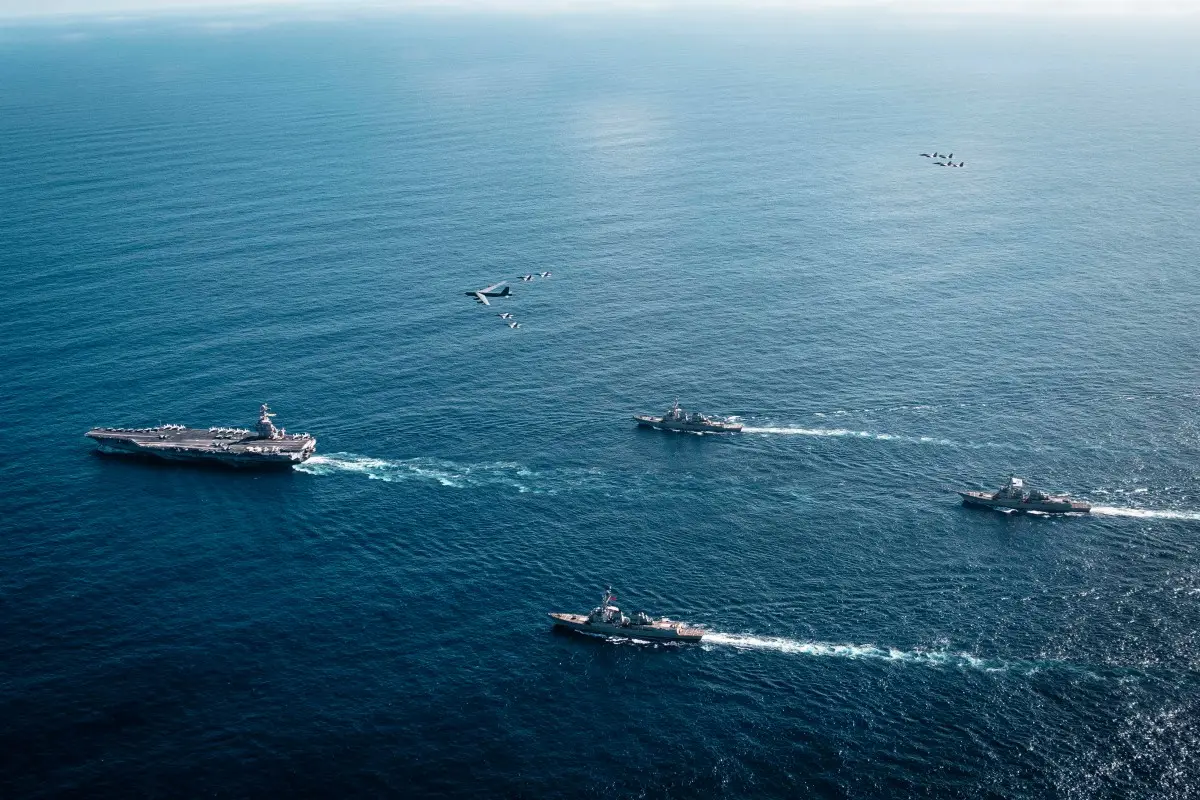
Carriers equipped with advanced launch systems strengthen deterrence by allowing naval forces to project air power rapidly across large operational theatres. Higher sortie rates improve a carrier strike group’s ability to respond to emerging threats, support allied operations and maintain sustained aerial coverage.
Shaping the Future of Naval Aviation
USS Gerald R. Ford represents a generational shift in aircraft carrier design. By integrating electromagnetic launch technology with modernised deck operations and power systems, the vessel sets new operational standards.
)
)
)
)
)