‘Soft kill’ capability: How the USS Gerald R. Ford can jam Iranian missiles before they even get close

The USS Gerald R. Ford uses electronic warfare and Nulka decoys to defeat incoming missiles. These soft kill systems blind hostile radar seekers, causing threats to miss the carrier entirely.
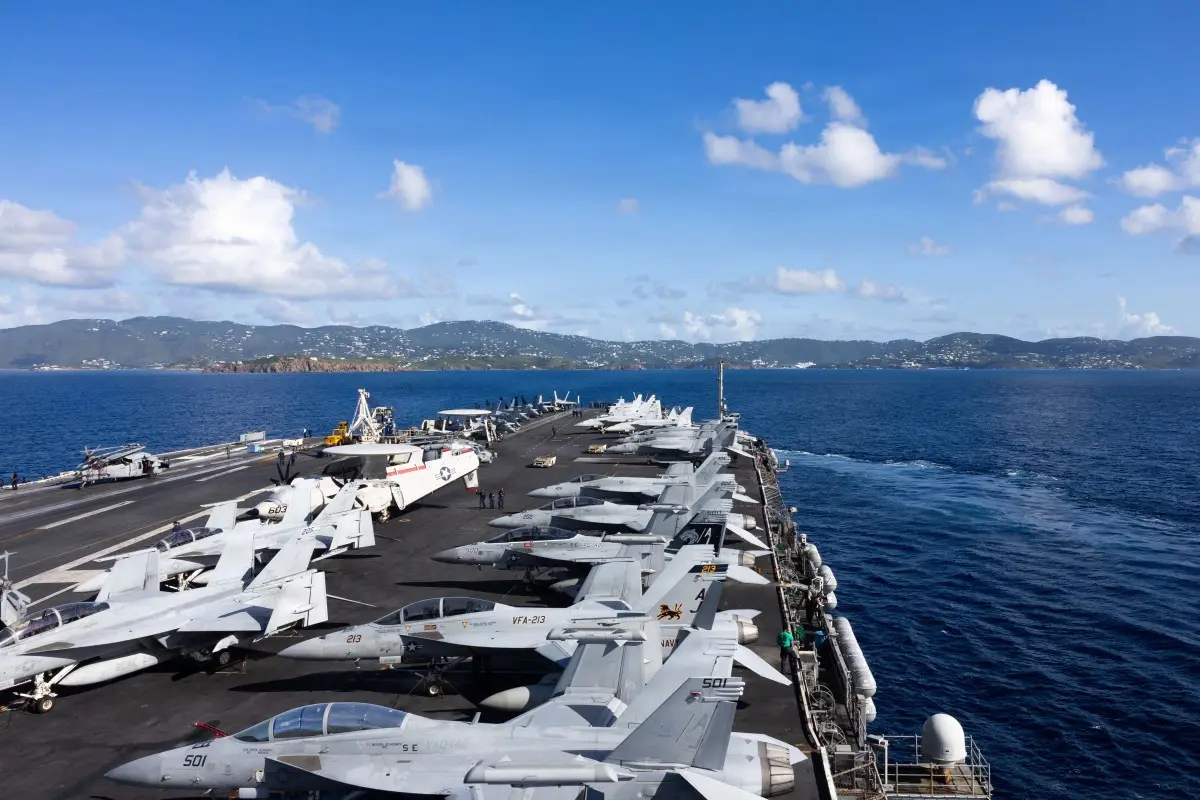
100,000-Tonne Floating Fortress
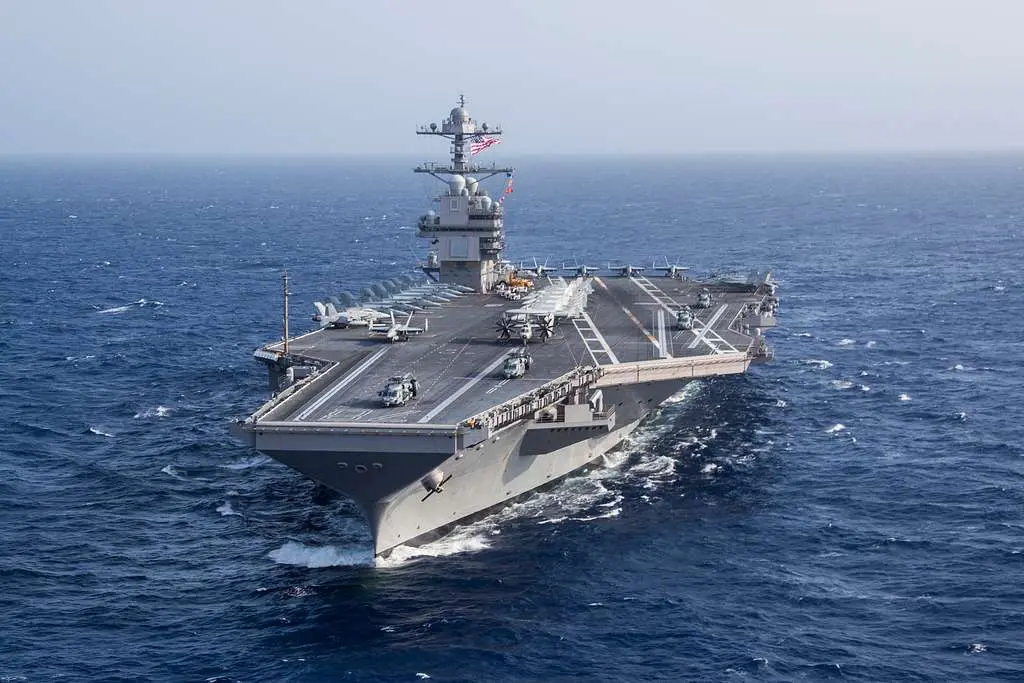
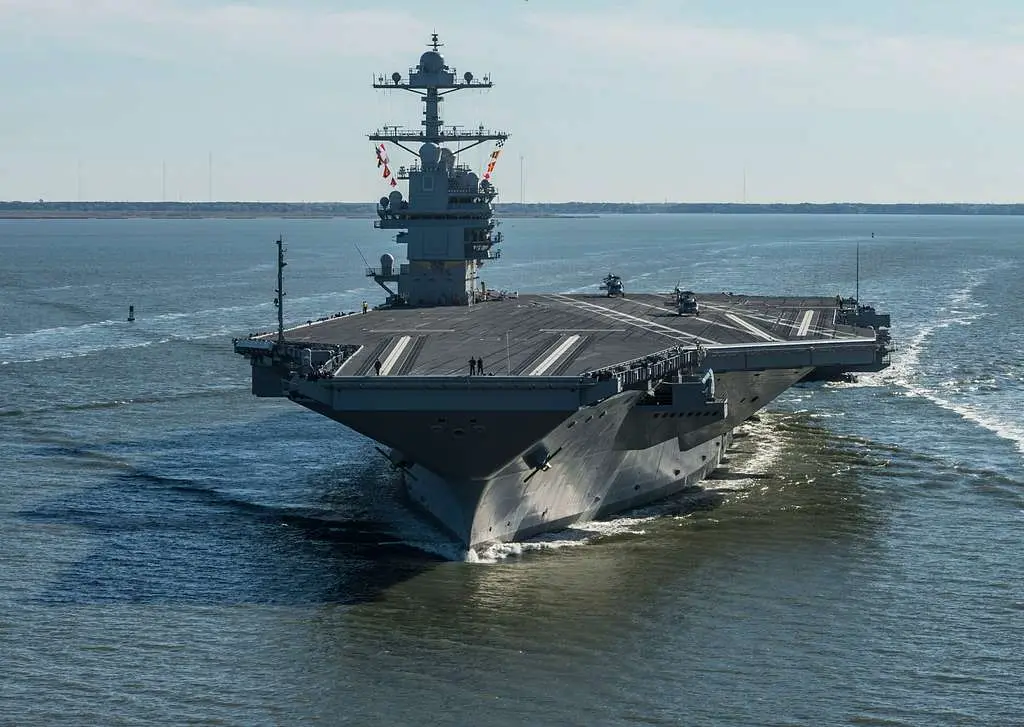
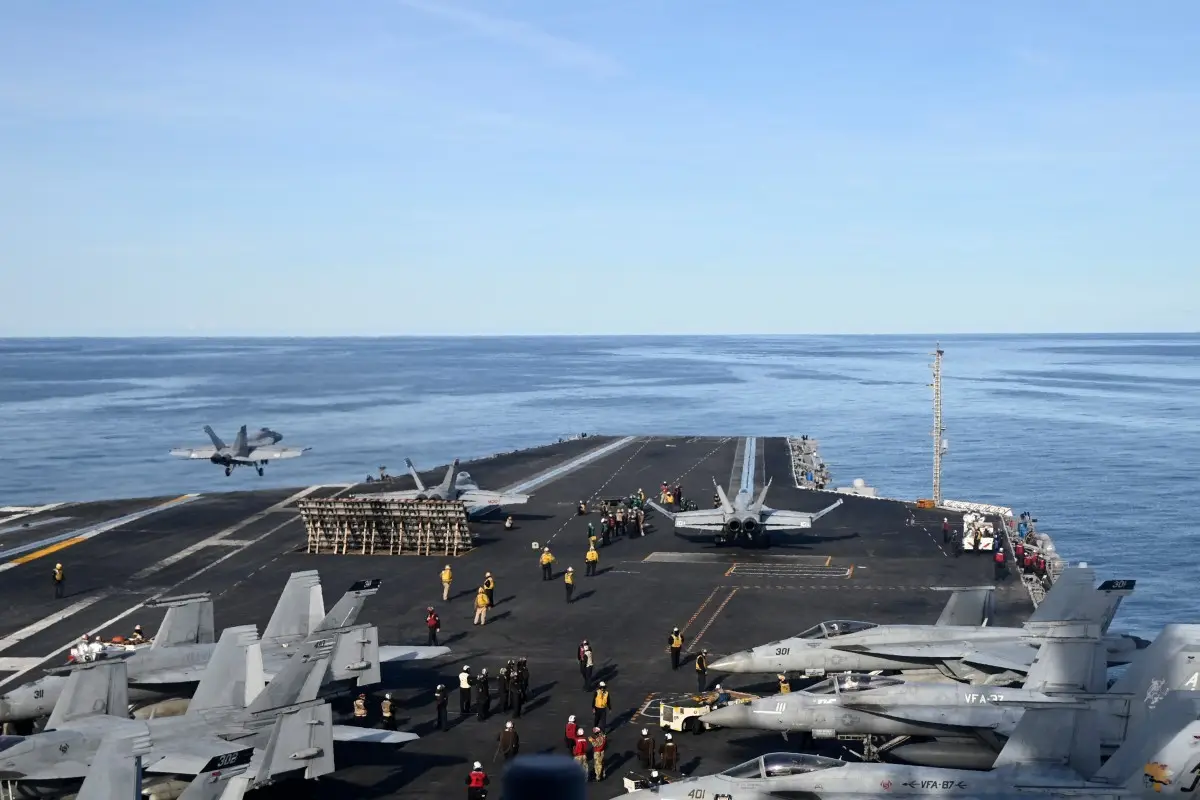
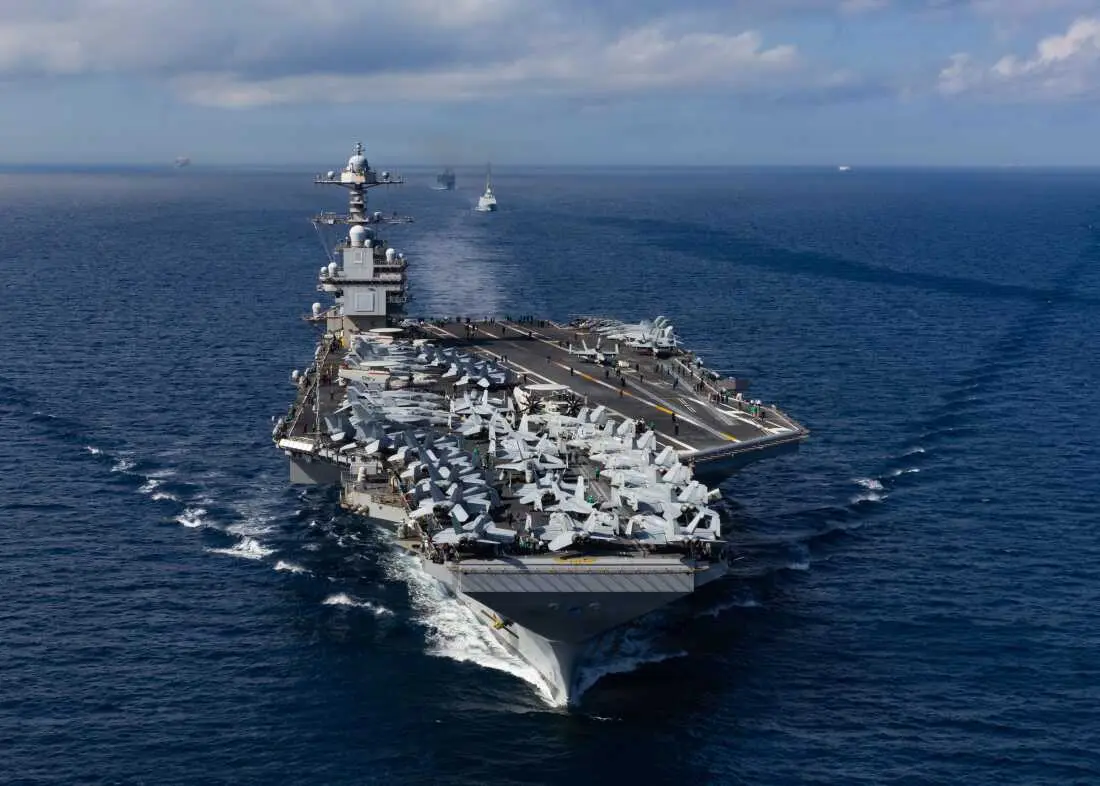
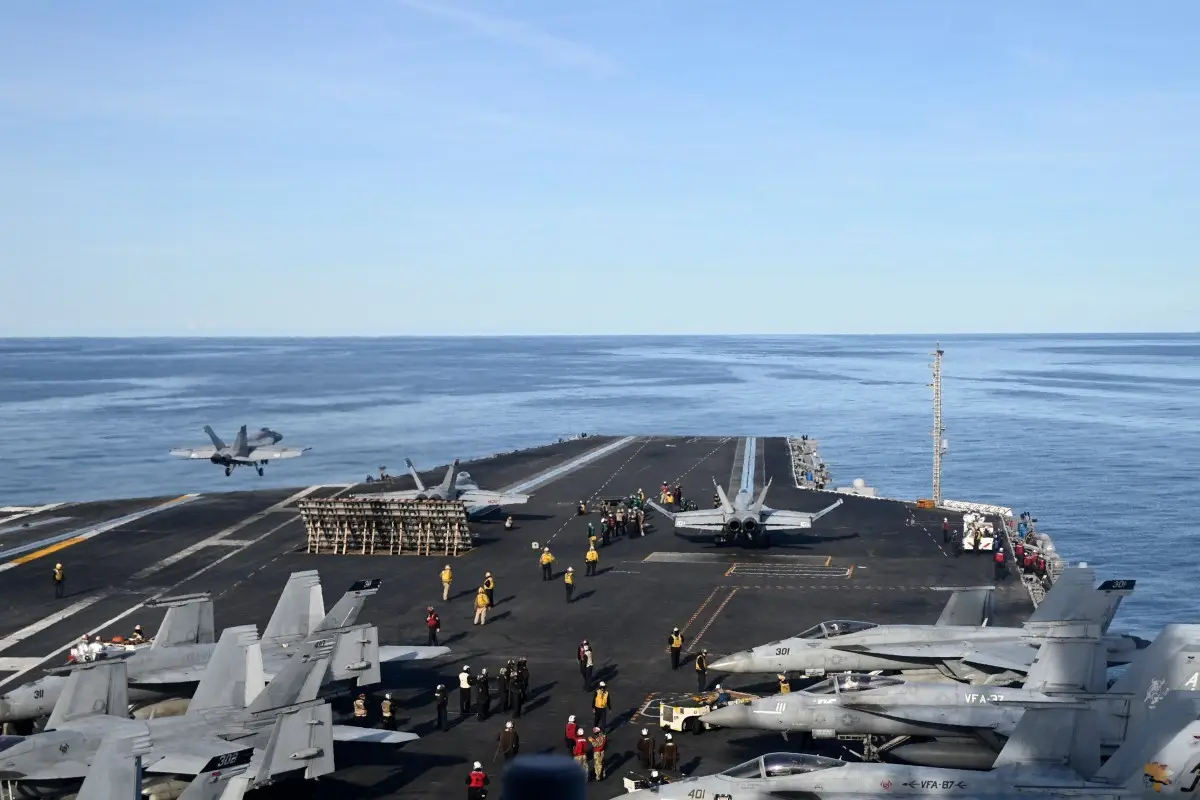
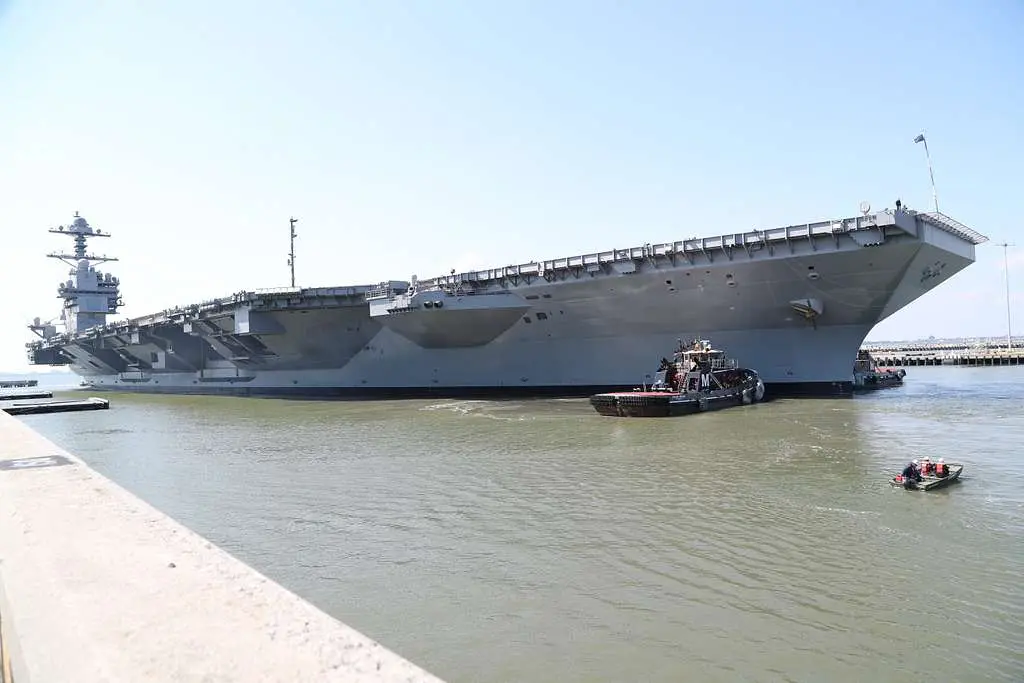
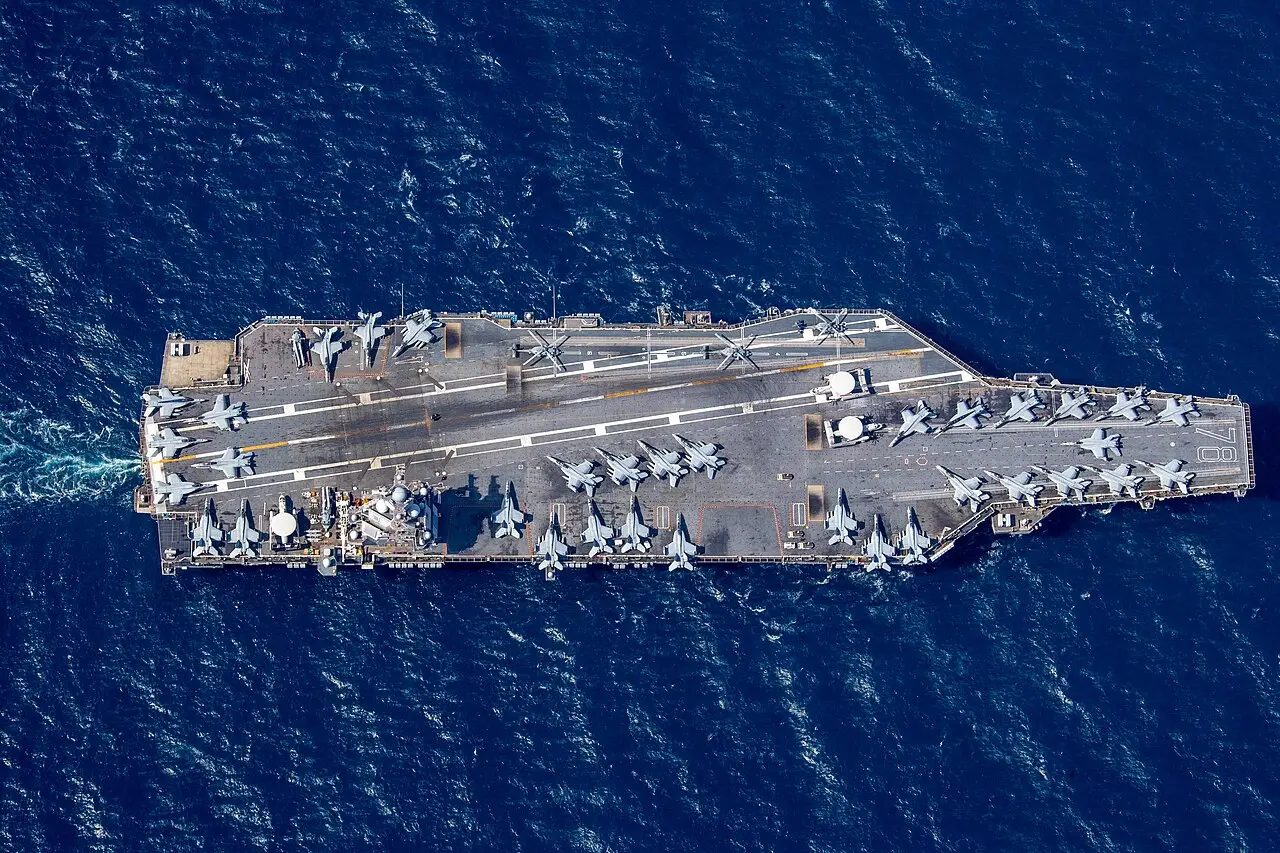
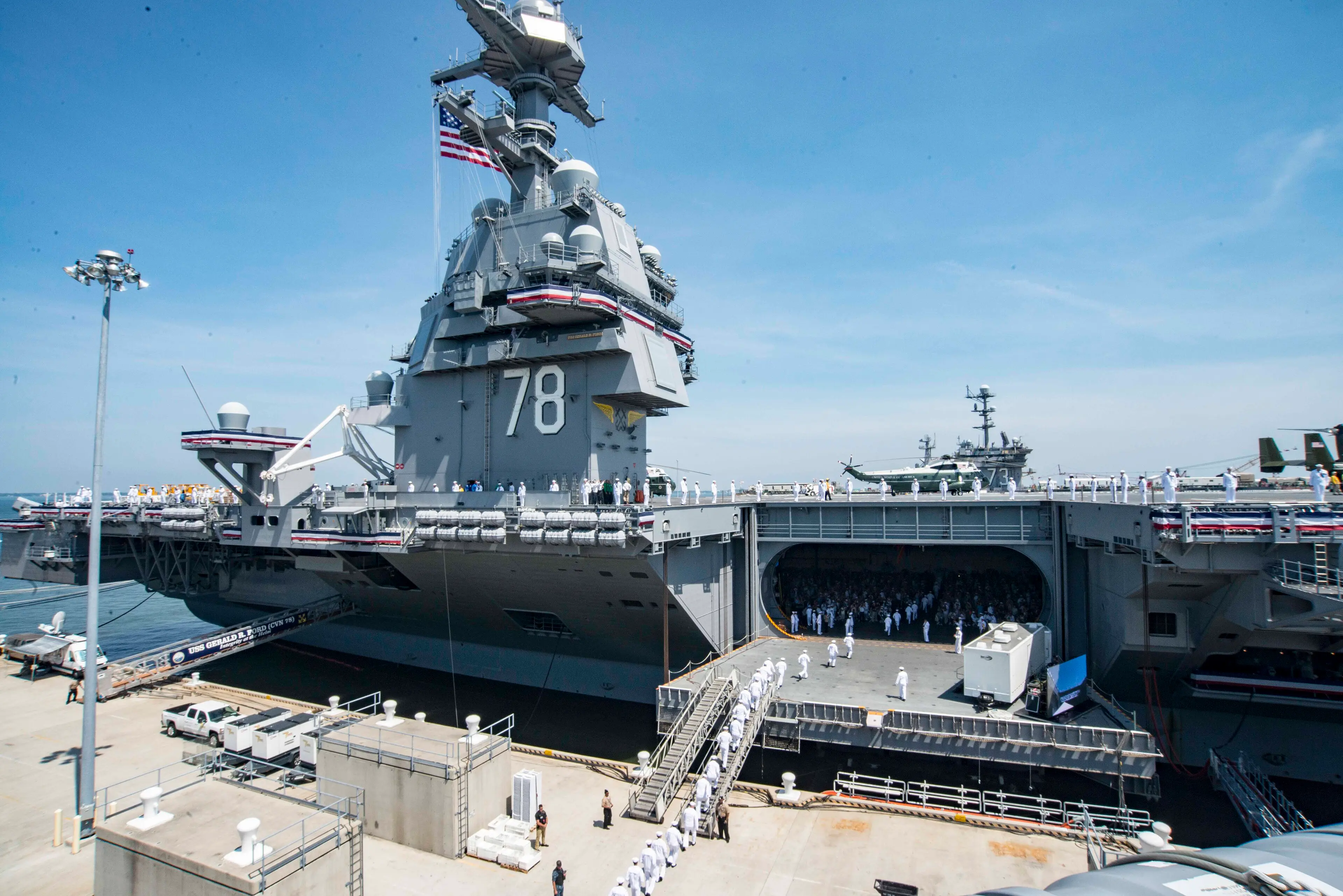
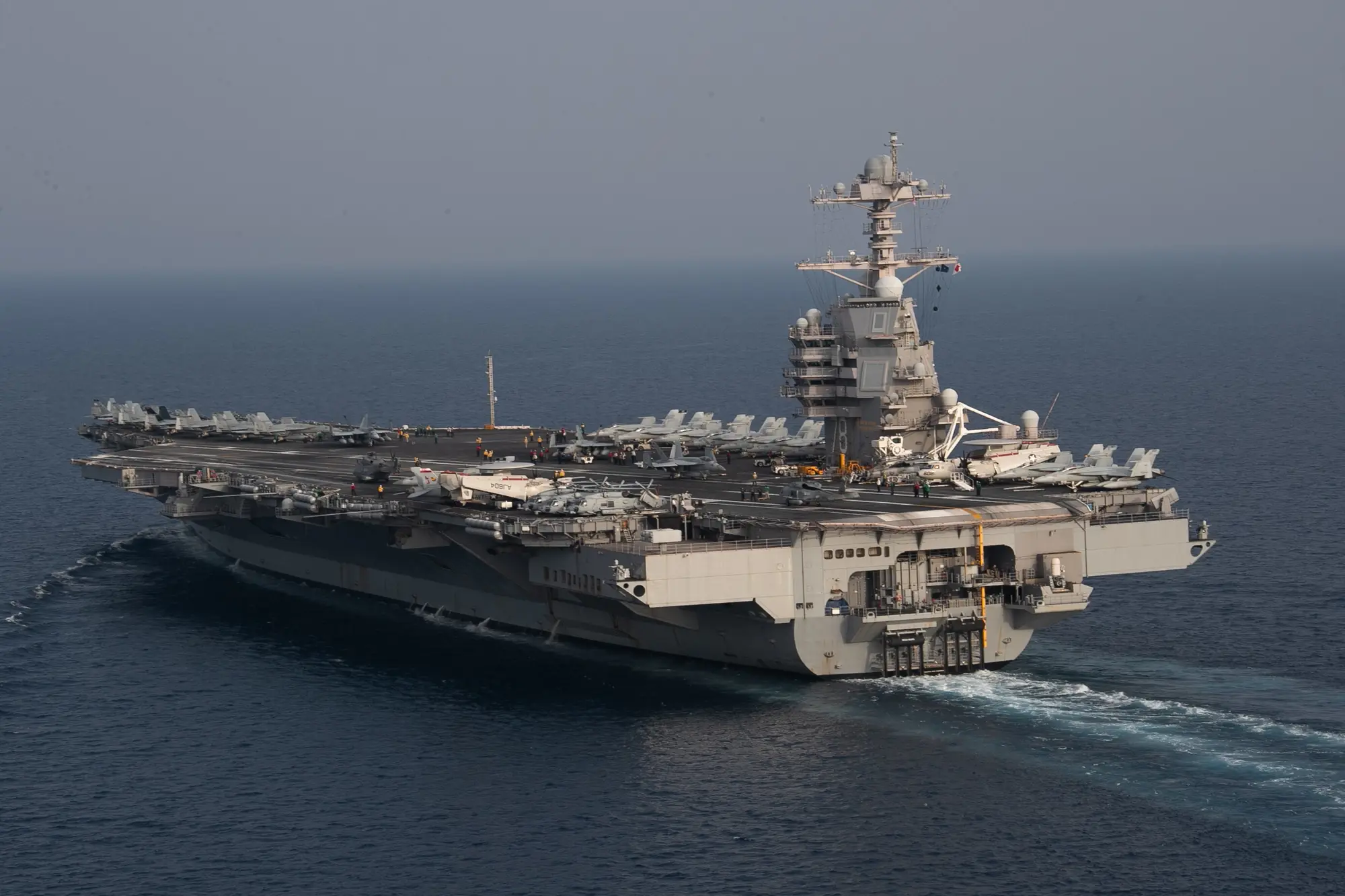
The USS Gerald R. Ford displaces 100,000 tonnes and measures 337 metres in length. It operates as a mobile airbase capable of carrying more than 75 aircraft. Protecting this massive investment requires multiple layers of advanced defence systems.
Mach 3 Missile Threats
Modern anti-ship missiles travel at supersonic speeds exceeding Mach 3. At these velocities, physical defence systems have only seconds to react and destroy the incoming weapon. This makes traditional kinetic interceptions increasingly difficult.
0 Physical Projectiles
A soft kill defeats a missile without using physical projectiles. Instead of shooting the weapon down, the carrier uses electronic signals to disable the threat. This method alters the missile's trajectory, causing it to crash safely into the ocean.
360-Degree SEWIP Defence
The ship utilises the Surface Electronic Warfare Improvement Programme (SEWIP) Block III suite. This system provides 360-degree coverage around the vessel to detect radar emissions. It identifies hostile frequencies the moment an enemy missile launches.
1,000s of Targeted Beams
SEWIP uses Active Electronically Scanned Array antennas to fight back. It projects thousands of highly concentrated radio frequency beams directly at the incoming missile. These targeted energy bursts overwhelm the weapon's internal guidance computers.
100 Per Cent Blindness
Once hit by the energy beams, the missile's radar seeker goes completely blind. The weapon loses its lock on the 337-metre aircraft carrier and wanders off course. This ensures the threat is neutralised long before it enters physical striking range.
10-Minute Hovering Decoys
If jamming fails, the ship launches Nulka active missile decoys. These advanced devices hover in the air for up to 10 minutes, mimicking the radar signature of a large warship. The missile locks onto the decoy and flies harmlessly away from the carrier.
1 Unified Sensor Network
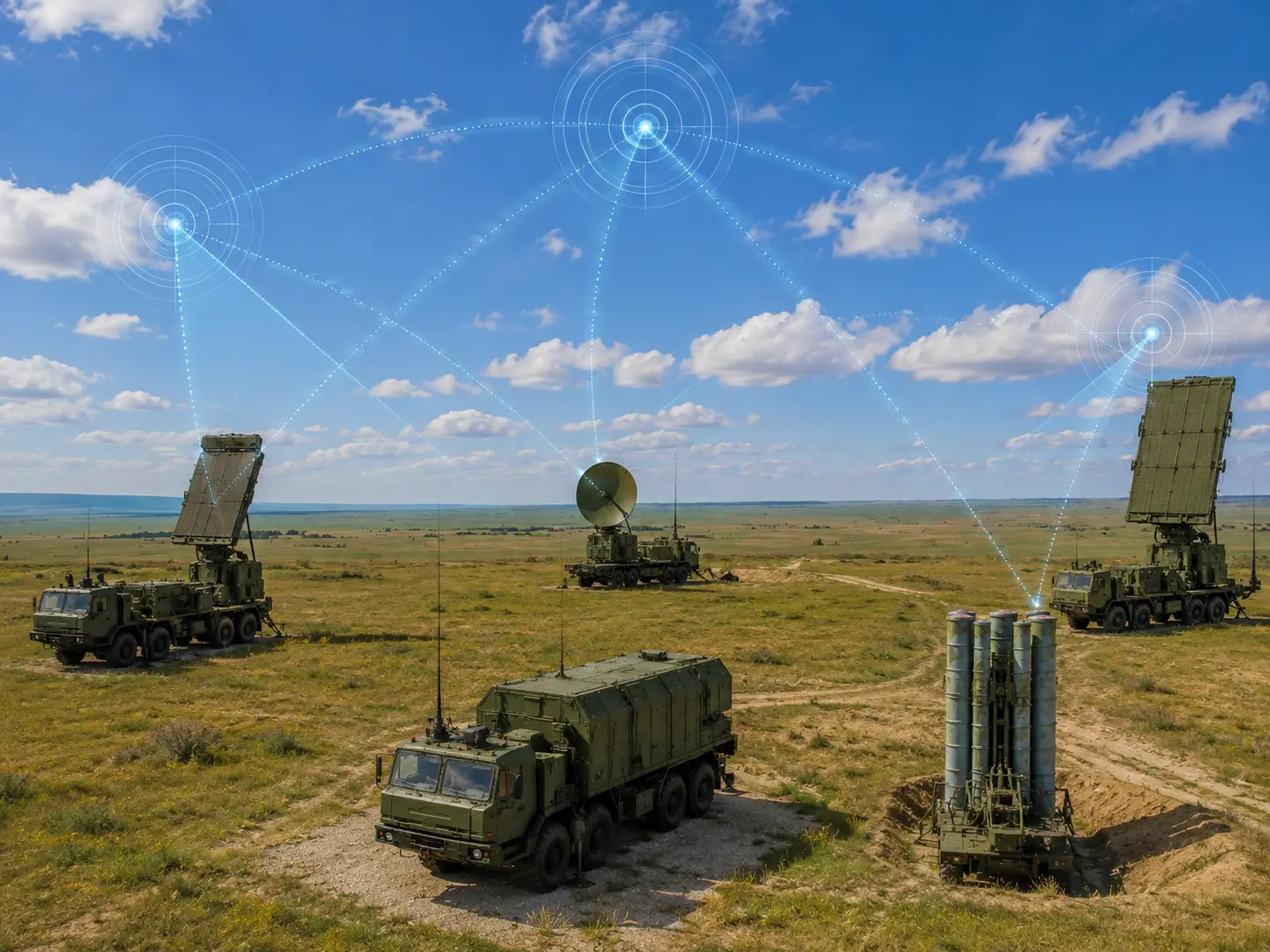
The carrier relies on the Cooperative Engagement Capability network to share data. This system links the ship's sensors with surrounding destroyers and airborne early warning aircraft. It creates one unified picture, ensuring threats are tracked hundreds of kilometres away.
300-Megawatt Nuclear Power
Powering these massive electronic warfare suites requires immense energy. The carrier features two A1B nuclear reactors that generate 300 megawatts of electrical capacity. This provides nearly three times the power of older ships, keeping the jamming arrays active.
Rs 1.08 Trillion Investment
Building the first Ford-class carrier cost roughly Rs 1.08 trillion. This heavy investment guarantees the survival of its 4,500 crew members in hostile waters. Its soft kill capabilities ensure the vessel remains a highly protected warship in global waters.
)
)
)
)
)