'Small tech, big impact': How quantum physics is making weapons smarter, not bigger

Quantum physics explains how matter and energy behave at the smallest level, including atoms, electrons, photons and subatomic particles. Its core ideas include superposition, where particles exist in multiple states at once and entanglement, where distant particles remain linked.
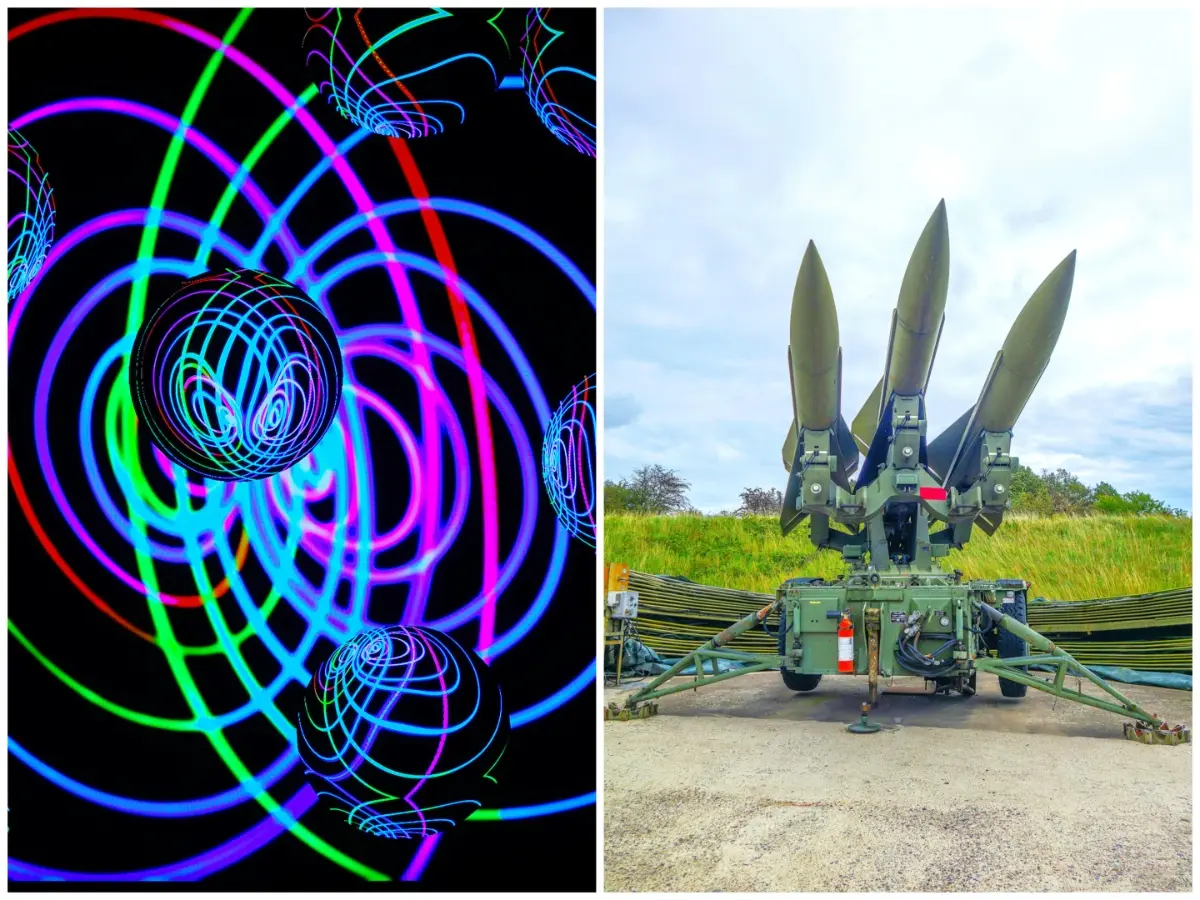
Revolutionising Military
Quantum physics is revolutionising hardware in the field of defence by embedding or injecting small quantum devices into existing systems or weapons, enhancing precision without adding bulk. Quantum technology facilitates superposition and entanglement for ultra-sensitive detection of magnetic fields, gravity anomalies, and light particles. This ‘small tech’ fits into drones, missiles and soldier gear, making weapons more autonomous and lethal in contested environments. Meanwhile, it could enhance the situational awareness of the military in environments where GPS signals are weak or blocked, allowing them to locate submarines or underground structures without relying on satellite assistance. It could also progress in quantum-secure communications, according to a report in the Quantum Insider.
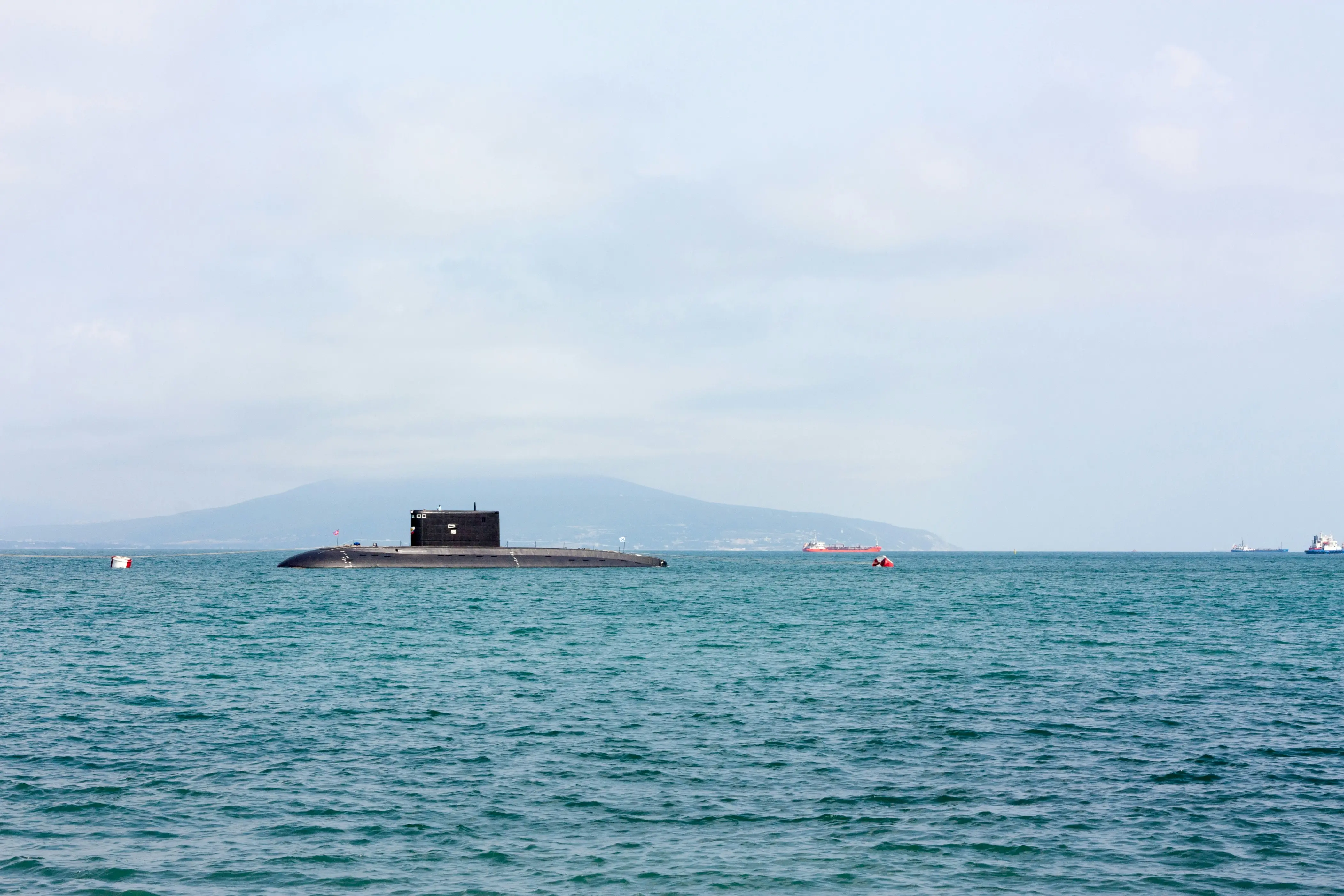
Detect submarines
Quantum sensors aim to detect submarines or buried bunkers by measuring minute gravitational or magnetic shifts that conventional radar misses. Nitrogen-vacancy (NV) diamond sensors, now palm-sized, operate at room temperature and GPS-denied areas, guiding munitions through jammed signals or urban clutter. Deployed on aircraft and UAVs, they shrink detection timelines from minutes to seconds, turning tactical disadvantages into advantages.
Protects drone swarms and cyber threats
Quantum key distribution (QKD) can create unbreakable encryption for battlefield networks, where data hacks decide outcomes. City-scale quantum links in China and Russia transmit secure commands immune to interception, as any interference collapses the quantum state. Integrated into riflescopes or command vehicles, this protects drone swarms and real-time targeting from cyber threats, ensuring command integrity amid electronic warfare.

Hybrid quantum-classical systems
Hybrid quantum-classical systems optimise the trajectories of the missile, which predict enemy moves via AI-enhanced models, and crack adversarial encryption faster than supercomputers. US and NATO roadmaps target 4,000-qubit processors by 2030 for air force applications, enabling rapid what-if scenarios that refine weapons without physical prototypes.

Why really quantum matters in defence strategy?
Quantum technology strengthens defence strategy by accelerating operational planning and enabling faster, data-driven decisions. It improves real-time threat prediction, optimises missile trajectories, drone swarms and resource use, and allows complex multi-domain battlefield simulations. By sharply reducing computation time, quantum tools help militaries shorten the observe–orient–decide–act (OODA) loop, delivering decision dominance in modern warfare, as per BQP.
What are challenges before Quantum?
These advances could lead to dual-use risks as quantum tools can boost irregular warfare through cheap, portable jammers and decoys while challenging arms control. Classical encryption systems such as RSA face a serious risk from Shor’s algorithm once quantum computers mature, while cyber threats are growing faster than traditional key-rotation methods can handle. Upgrading defence networks with post-quantum cryptography is expensive and time-consuming.
In surveillance and navigation, GPS-denied environments and electronic jamming limit conventional sensors, reducing early detection of stealth platforms. Quantum sensors offer higher sensitivity in contested zones. Meanwhile, traditional communication systems remain vulnerable to interception and cyber attacks, exposing critical command-and-control structures during modern conflicts.
)
)
)
)
)