'Sleep Deprived': How the USS Abraham Lincoln crew survives endless night operations

USS Abraham Lincoln sailors face 100 dB noise and extreme fatigue during 24-hour missions. From working under red lights to eating midnight rations, the crew manages high-stakes life in the Arabian Sea without sunlight.
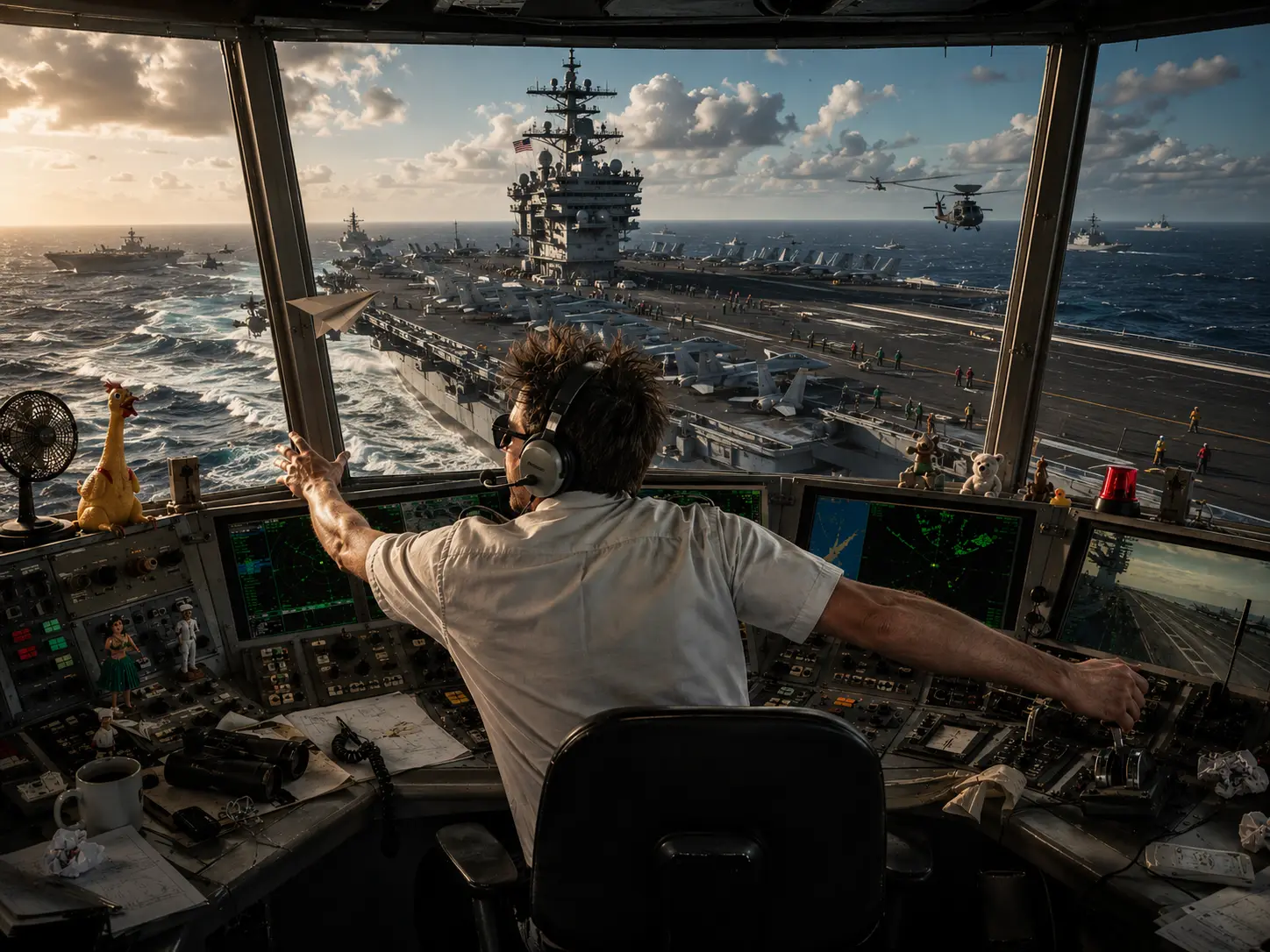
24-hour mission cycle
The USS Abraham Lincoln operates on a non-stop schedule in the Arabian Sea to support regional stability. With 5,100 personnel on board, the ship never sleeps, requiring crews to launch and recover aircraft at all hours. This constant rotation ensures the carrier strike group remains ready for immediate action.
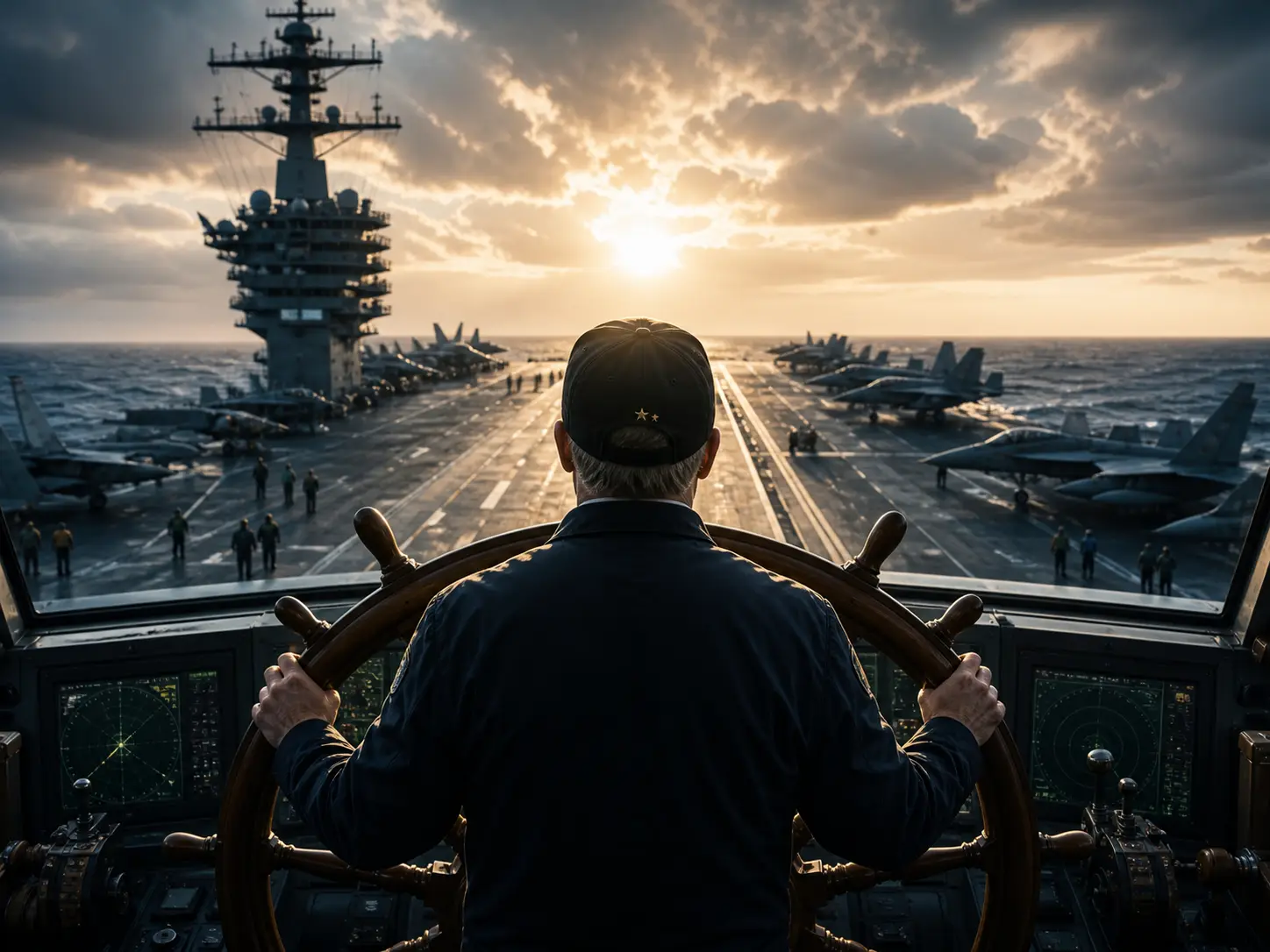
Tactical red lighting
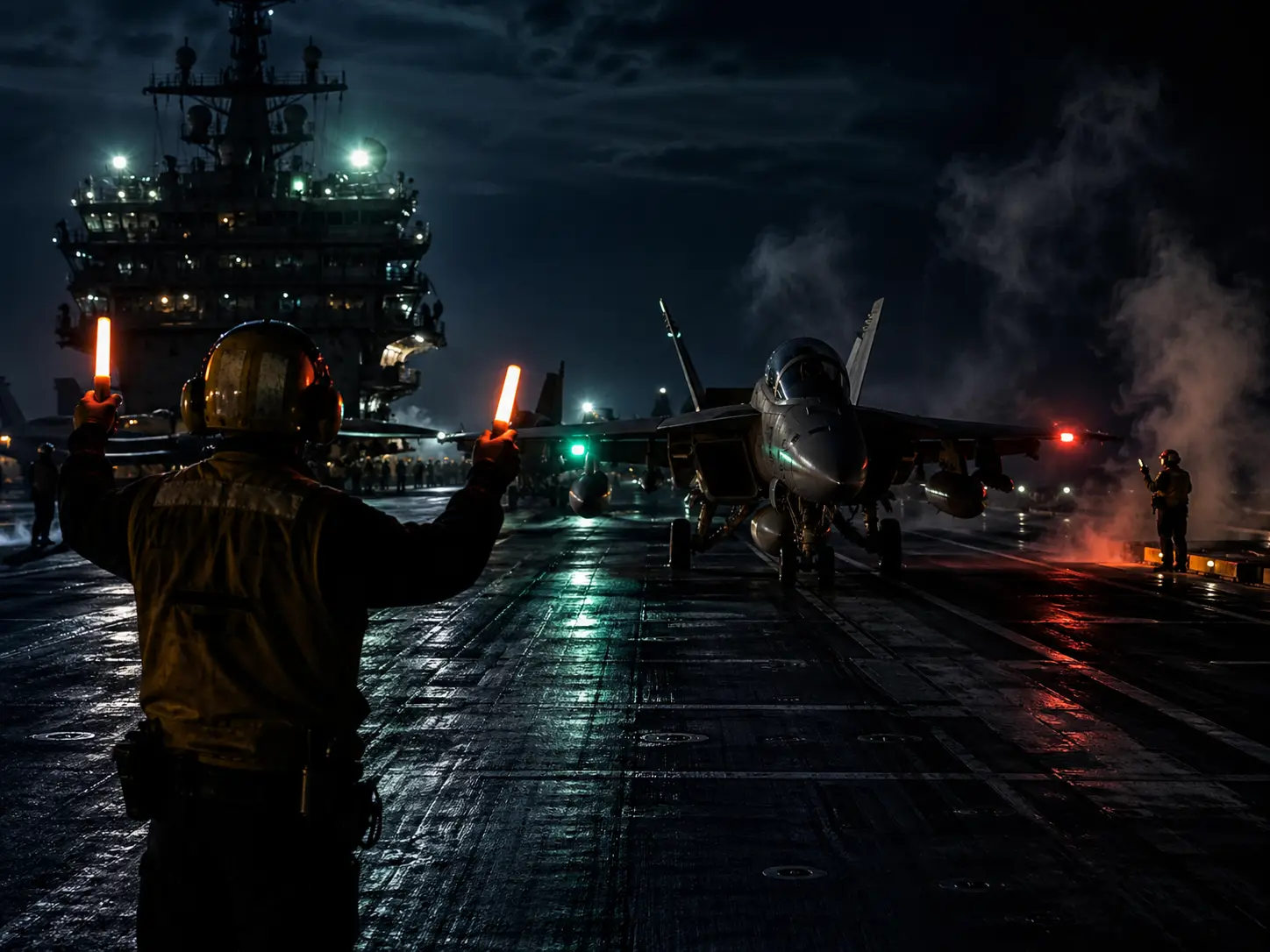
During night operations, the interior of the ship is bathed in specialized red light to preserve the crew's night vision. This allows sailors to transition from internal cabins to the pitch-black flight deck without losing their ability to see. Red lighting also reduces the ship's visual signature to maintain stealth in hostile waters.
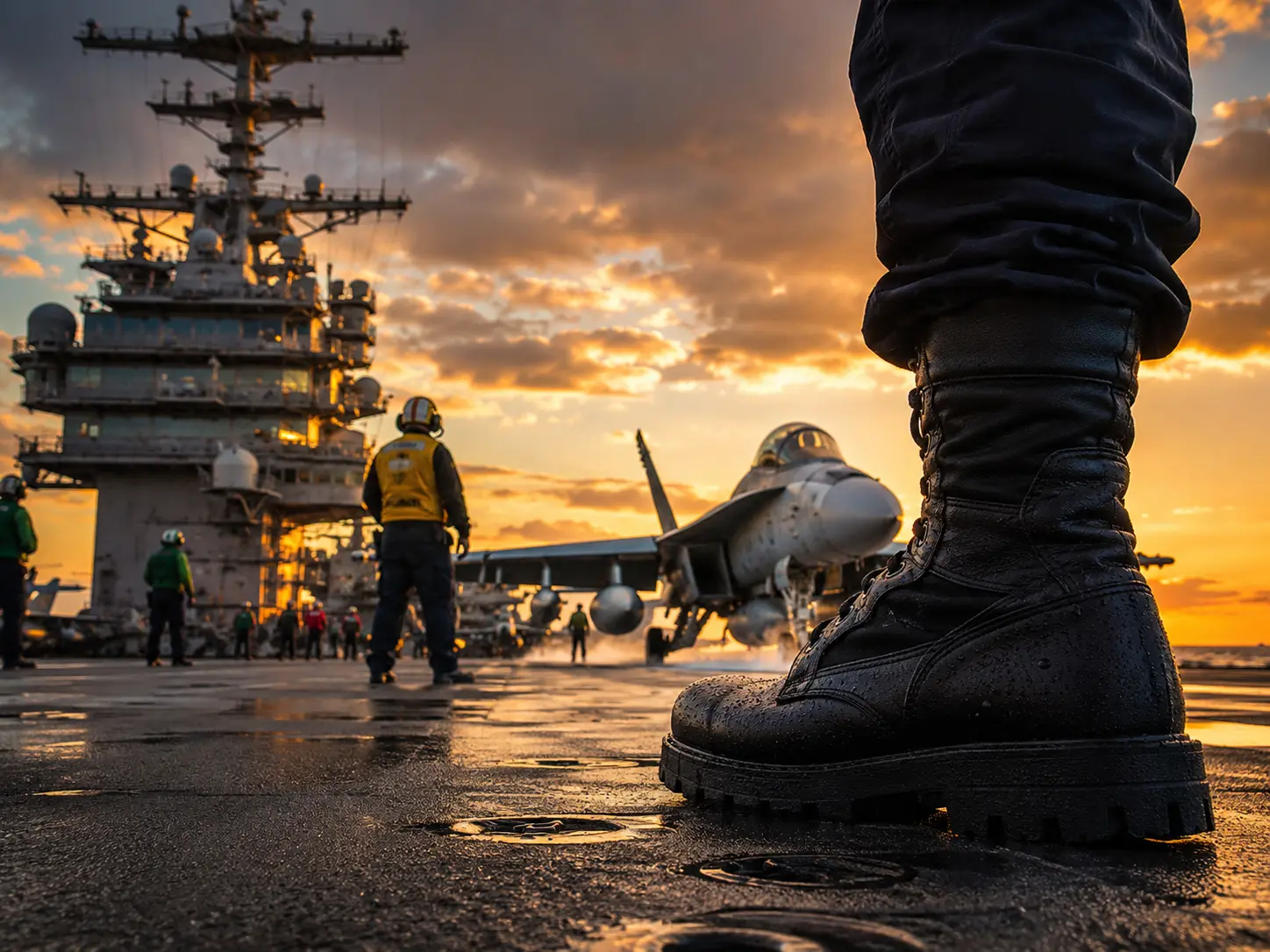
Extreme noise levels
Sailors living in berthing areas directly beneath the flight deck face constant noise reaching 100 dB(A). The roar of steam catapults and the impact of arresting wires cause the ship’s structure to vibrate throughout the night. Continuous flight operations mean deep, uninterrupted sleep is often impossible for those in the lower decks.
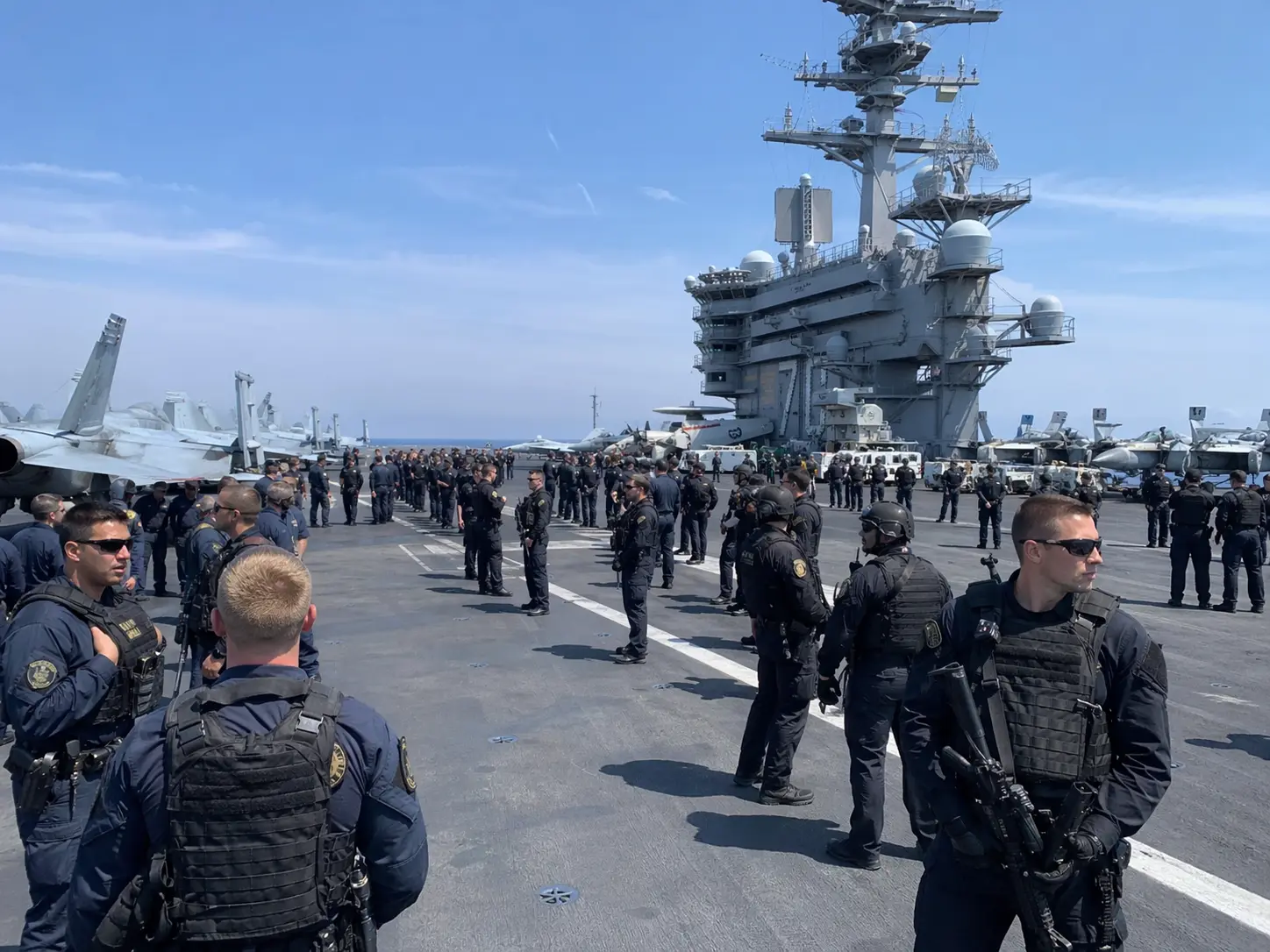
Midnight rations tradition
To fuel sailors on the graveyard shift, the galley prepares "midrats" or midnight rations between 11 pm and 1 am. This fourth meal of the day provides a vital calorie boost for technicians and watch-standers working 12-hour shifts. It serves as a rare social break in a high-stress, sunless environment.
Massive food logistics
Feeding the crew costs hundreds of thousands of dollars weekly, approximately Rs 1.6 crore. The ship prepares over 17,300 meals every day to sustain the massive workforce at sea. To manage supplies during months without port calls, the carrier follows a strict 21-day menu cycle.
Fighting the 'zombie' state
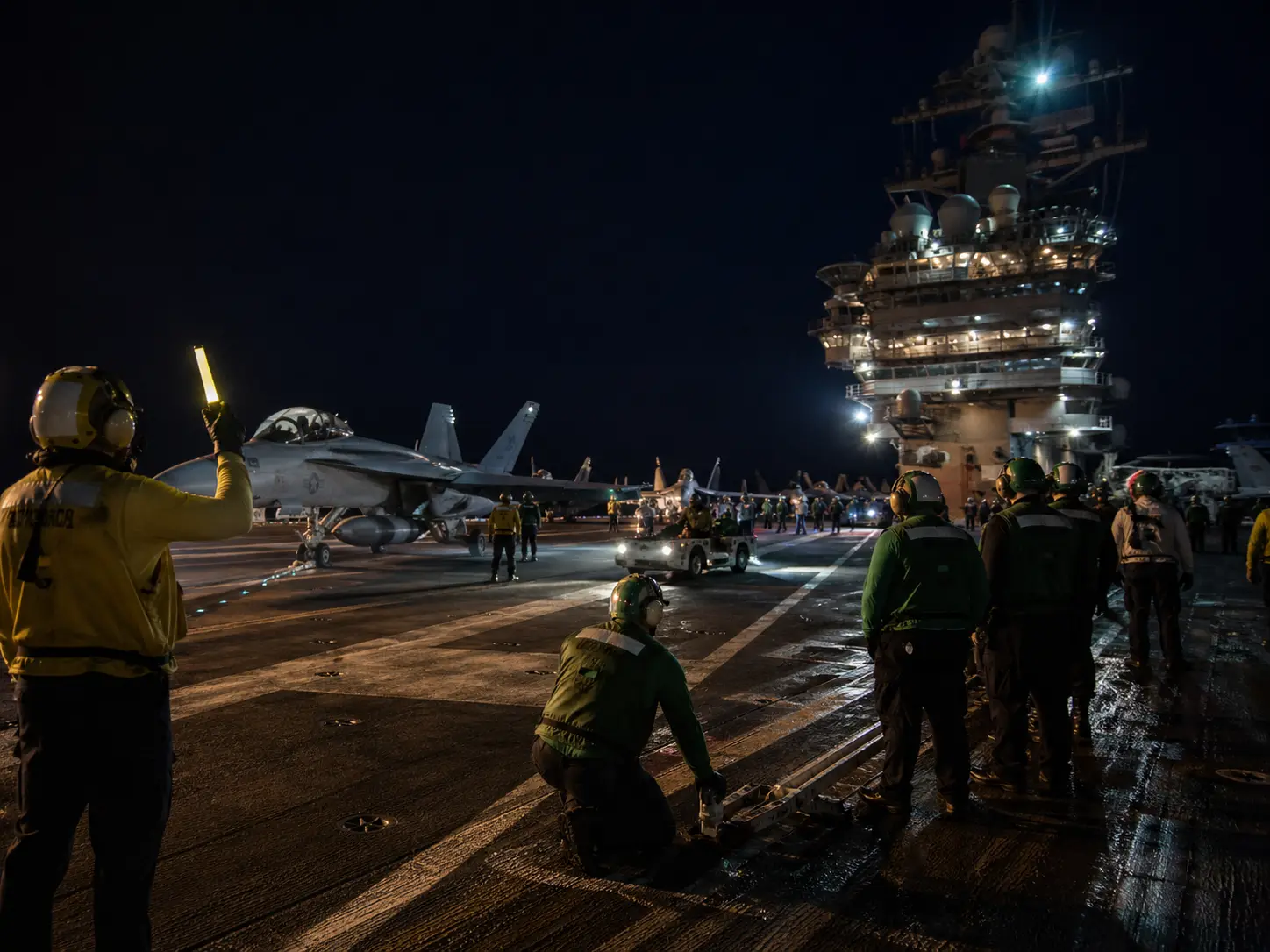
While Navy policy targets eight hours of rest, the high-tempo rigour of flight operations often restricts technical crews to just four to six hours of broken sleep per 24-hour cycle. This leads to a state of chronic "zombie" fatigue, where sailors must rely on intense discipline to remain sharp. Managing this exhaustion is a mission-critical safety requirement; a single fatigue-driven error could result in the loss of a Super Hornet worth over Rs 550 crore.
Strategic maritime power
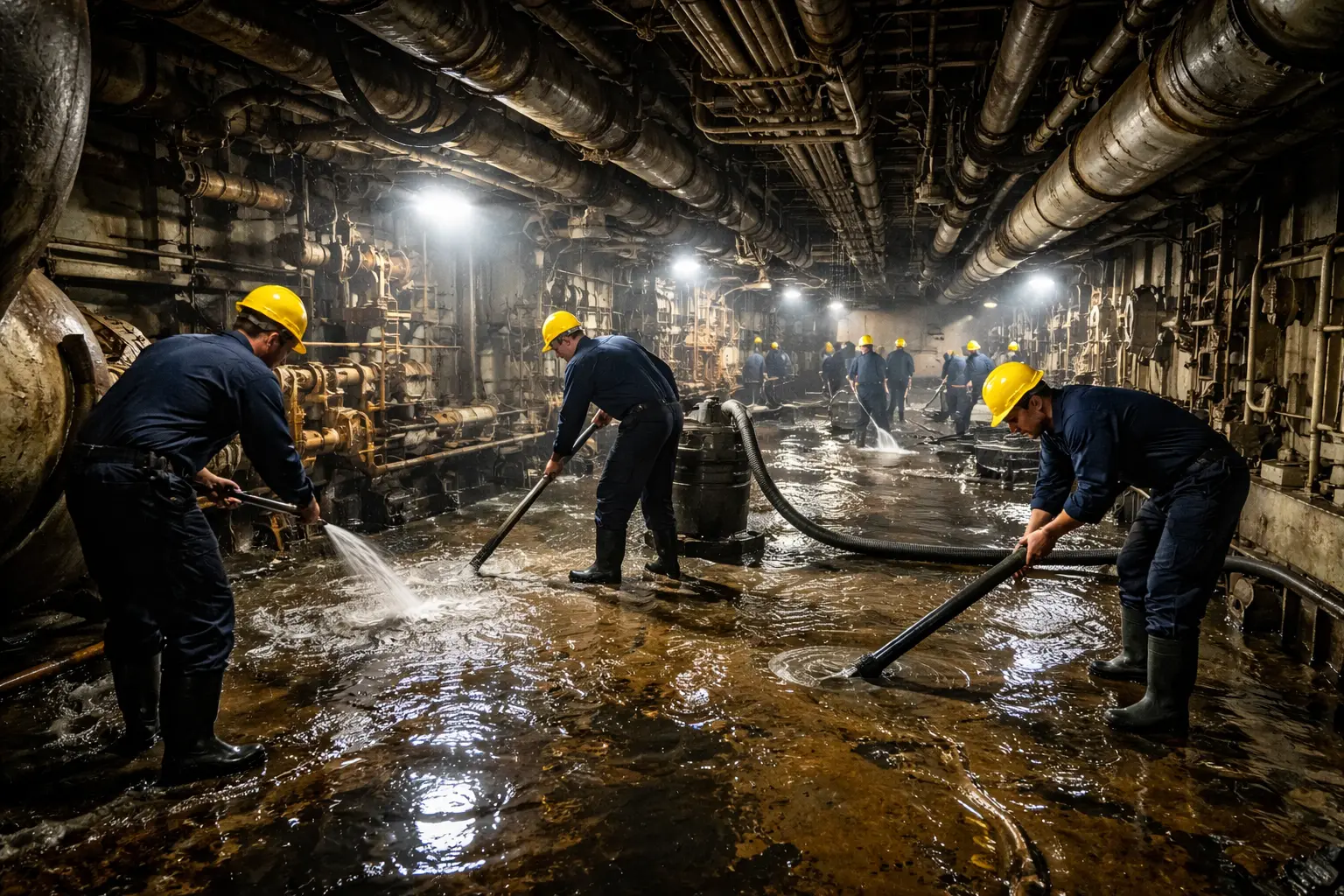
The ability to operate in total darkness allows the USS Abraham Lincoln to project power across the Middle East. By mastering these "endless night" cycles, the US Navy ensures 100 per cent readiness against regional threats. This endurance is what makes the carrier a cornerstone of global maritime deterrence.
)
)
)
)
)