'Since 60 years': What is Quasi-Moon and why is it silently orbiting Earth?

Earth’s quiet companion, 2023 FW13, has circled with our planet for decades - yet almost no one knew it existed. Why does a tiny object follow us through space? The answer might surprise you. Know the mystery behind this hidden quasi-moon.
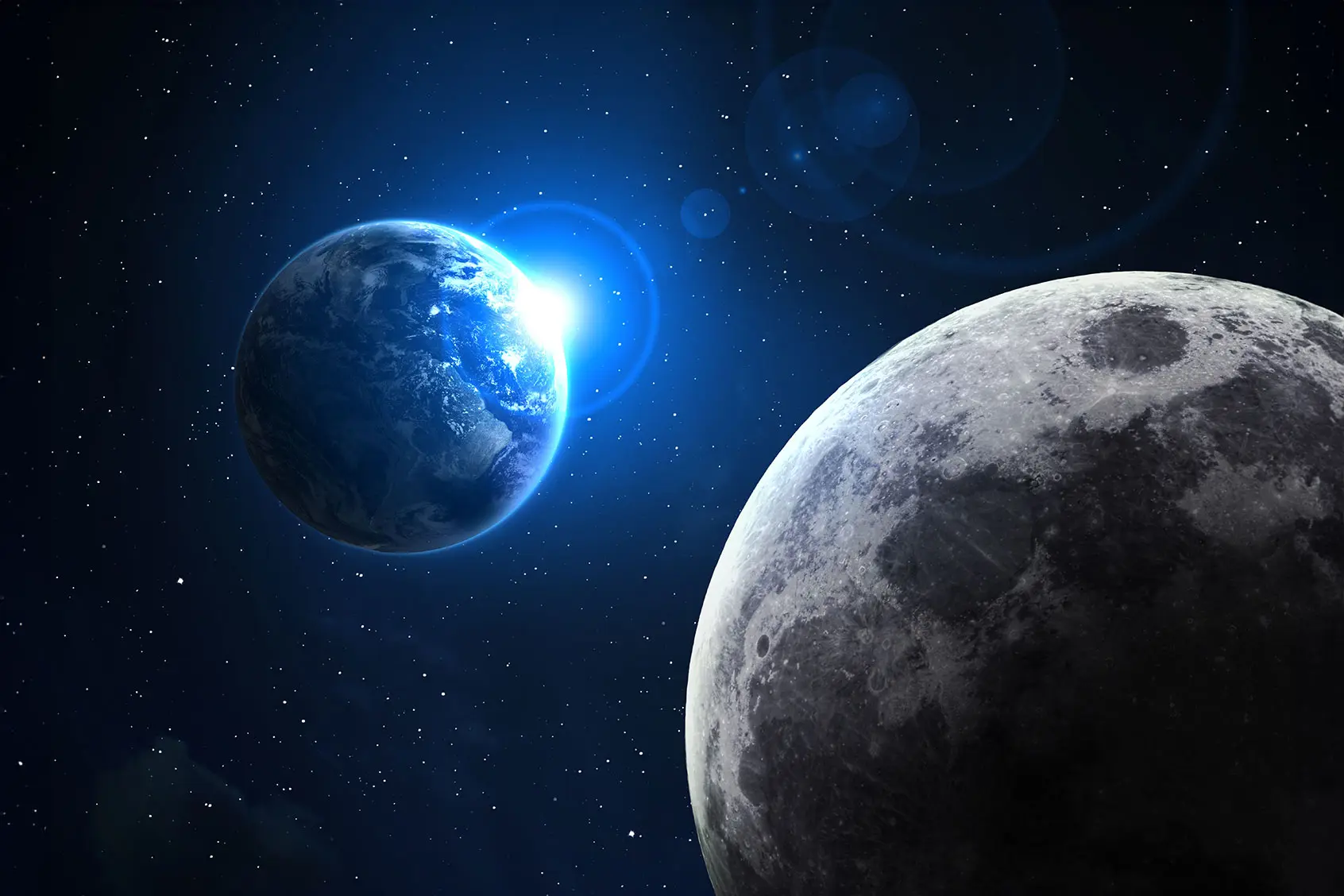
The Quasi-Moon Phenomenon
A quasi-moon is a space object that shares Earth's path around the Sun, but it does not orbit Earth like our Moon. Instead, it follows a similar journey as our planet, appearing to drift alongside us year after year. Unlike a true satellite, a quasi-moon is mainly held by the Sun’s gravity rather than Earth’s. These unique companions are rare, and only a handful have been observed orbiting with Earth. Studying quasi-moons helps scientists understand more about the movements of objects in our solar system.
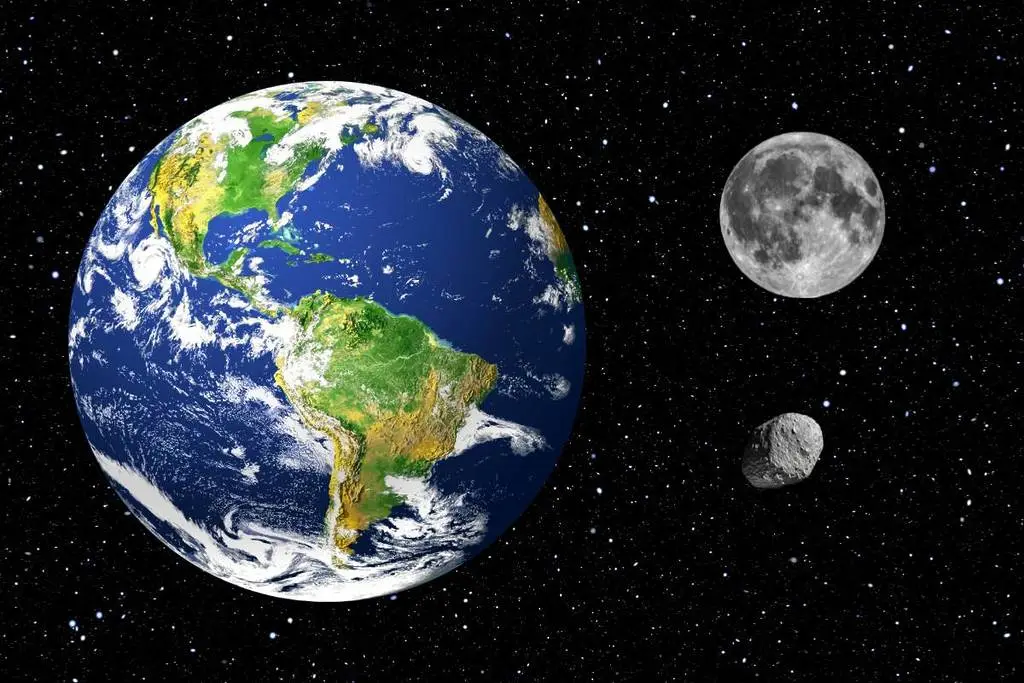
Quasi-Moon Versus Luna
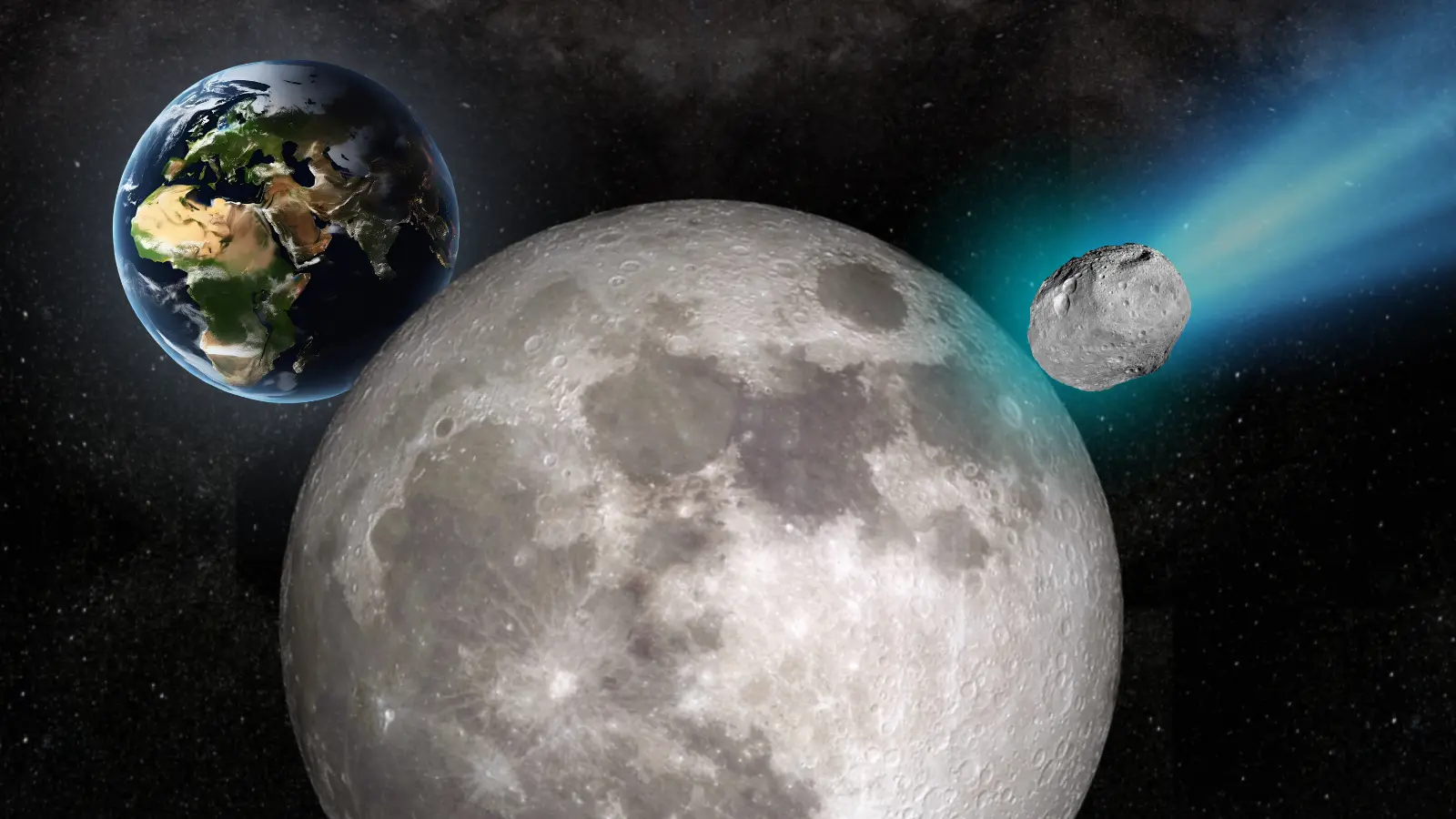
The Moon is bound to Earth’s gravity and completes one orbit around our planet every month. A quasi-moon, on the other hand, is not truly captured by Earth. It circles the Sun and only appears to loop around Earth over many years. The path of a quasi-moon is much larger, looping far out into space and never coming close like our real Moon. This difference means that quasi-moons are actually more like travelling companions rather than true satellites. They drift in and out of Earth’s neighbourhood over long periods.
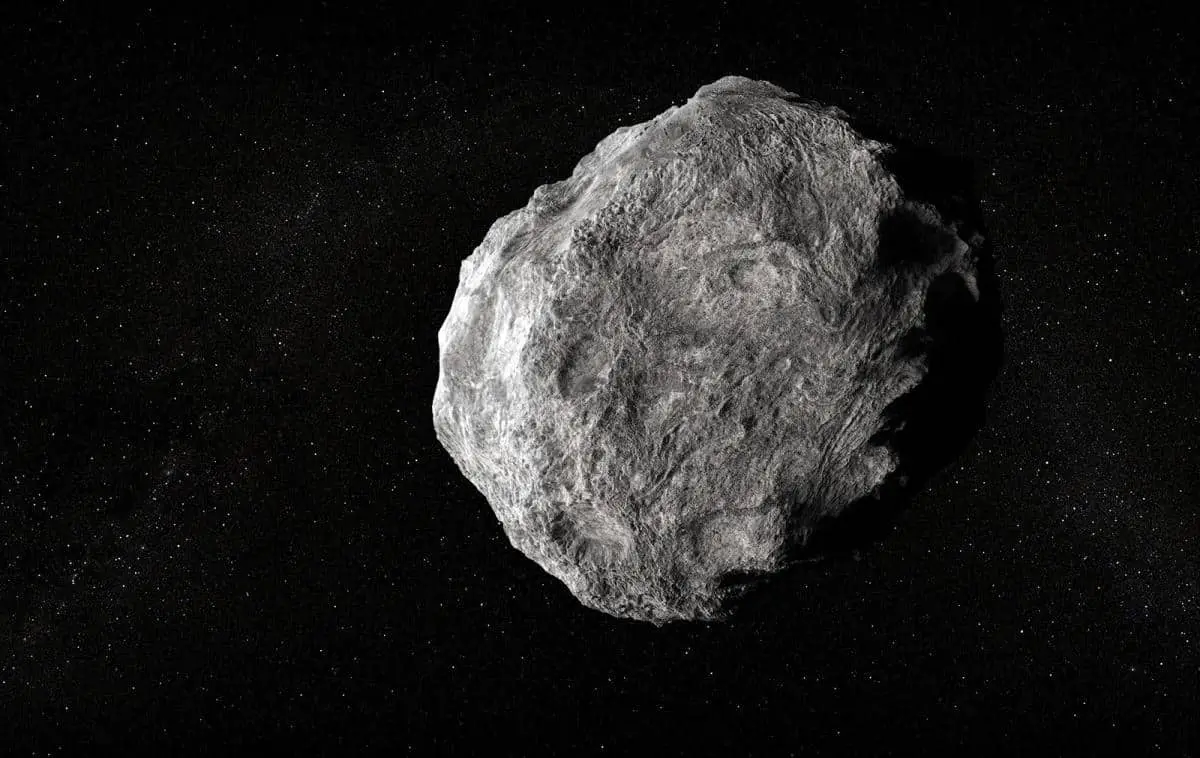
The Hidden Visitor: Discovery After 60 Years
Astronomers recently confirmed that 2023 FW13, a small asteroid, has been moving in sync with Earth since at least the 1960s. Using powerful telescopes in Hawaii and Arizona, they traced its path back for over 60 years. The object is thought to be between 15 and 20 metres wide. Before modern sky surveys, it was too faint and distant to notice. Its exact orbit reveals it has stayed close alongside Earth, making it one of the most stable quasi-moons ever found.
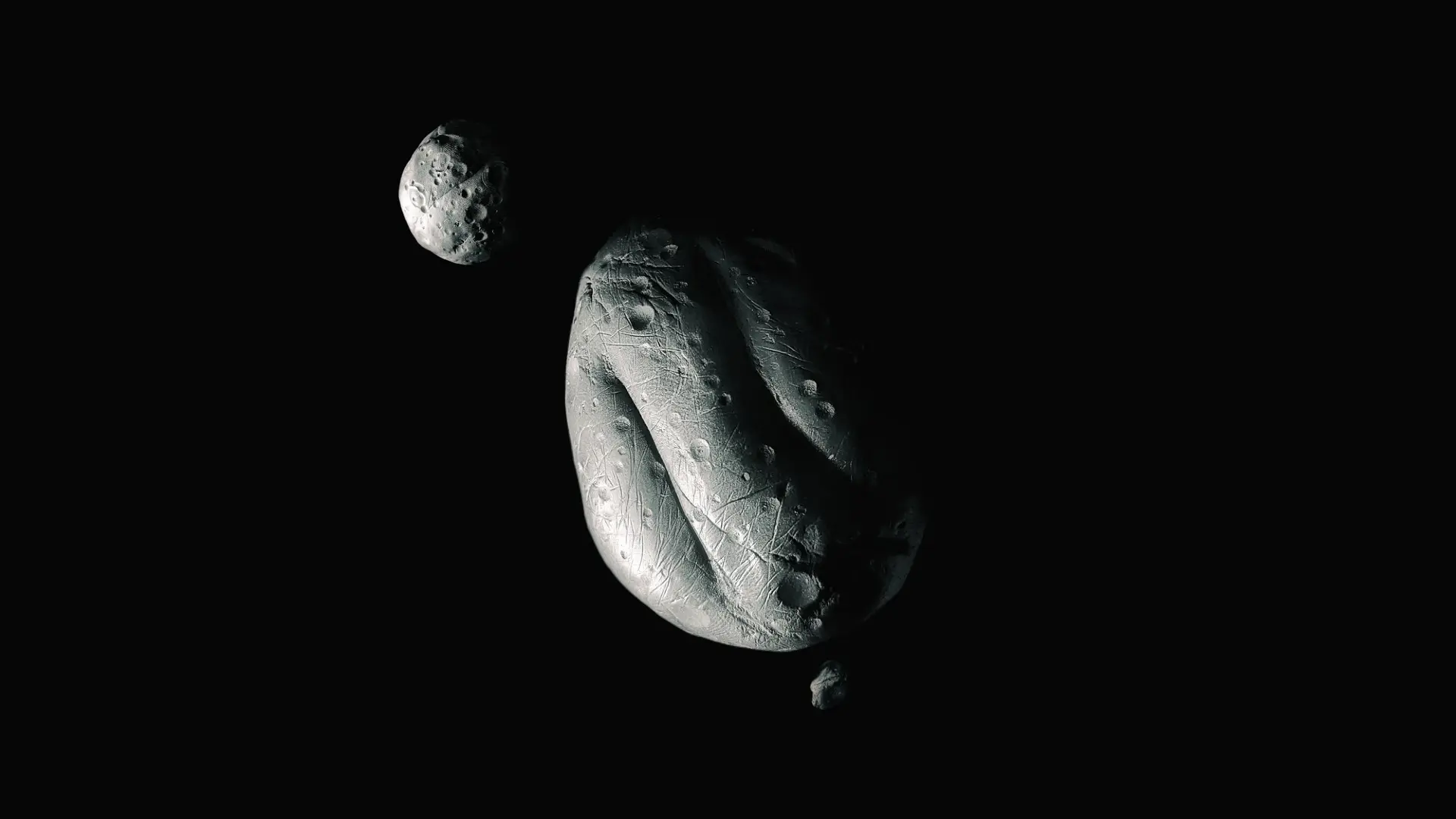
Why the Quasi-Moon Stayed Hidden
Quasi-moon 2023 FW13 is very small and dark, so it reflects very little sunlight. Its orbit is unusual, as it drifts far from Earth and blends in with the background stars. Modern sky surveys, like Pan-STARRS and the Canada-France-Hawaii Telescope, have only recently become sensitive enough to spot such faint objects. As a result, 2023 FW13 remained hidden for decades, silently orbiting with Earth until now.
How Does 2023 FW13 Orbit Earth?
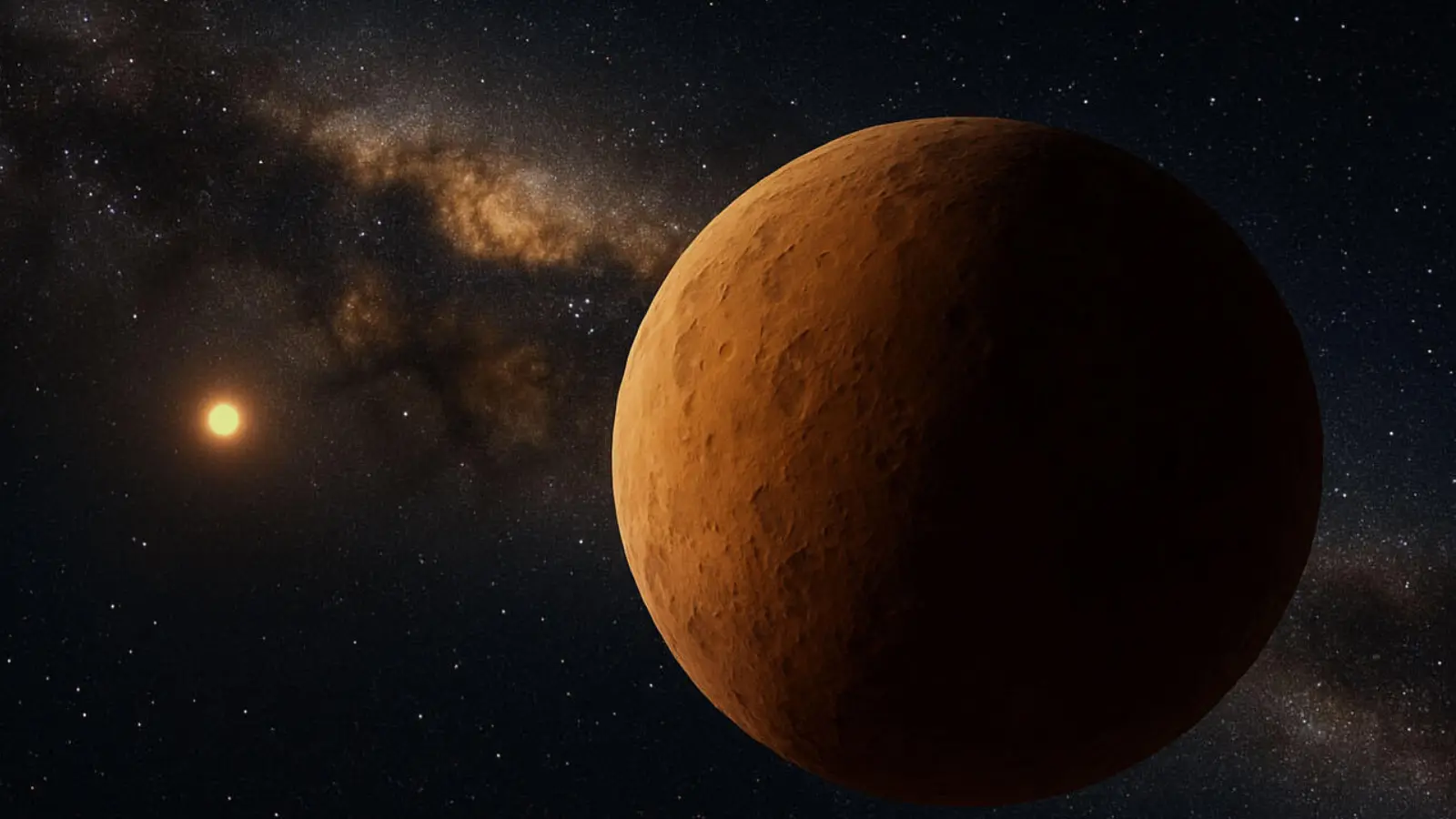
Unlike the Moon’s simple orbit, 2023 FW13 follows a complicated horseshoe-shaped path. It swings ahead of Earth, then lags behind, moving in sync with our planet’s journey around the Sun. It can travel as far as 14 million kilometres away from Earth, about 40 times farther than the real Moon. Despite this distance, it remains linked with us in a cosmic dance that has lasted for centuries.
Insights from Quasi-Moons
Quasi-moons like 2023 FW13 help scientists learn about how gravity works between planets and small bodies in space. By studying their orbits, scientists can test theories about how objects move in the solar system. Quasi-moons also offer insights into the early history of our planet, as they may have been nearby for centuries or even longer. Their steady, predictable paths make them important for future research.
How Common Are They?
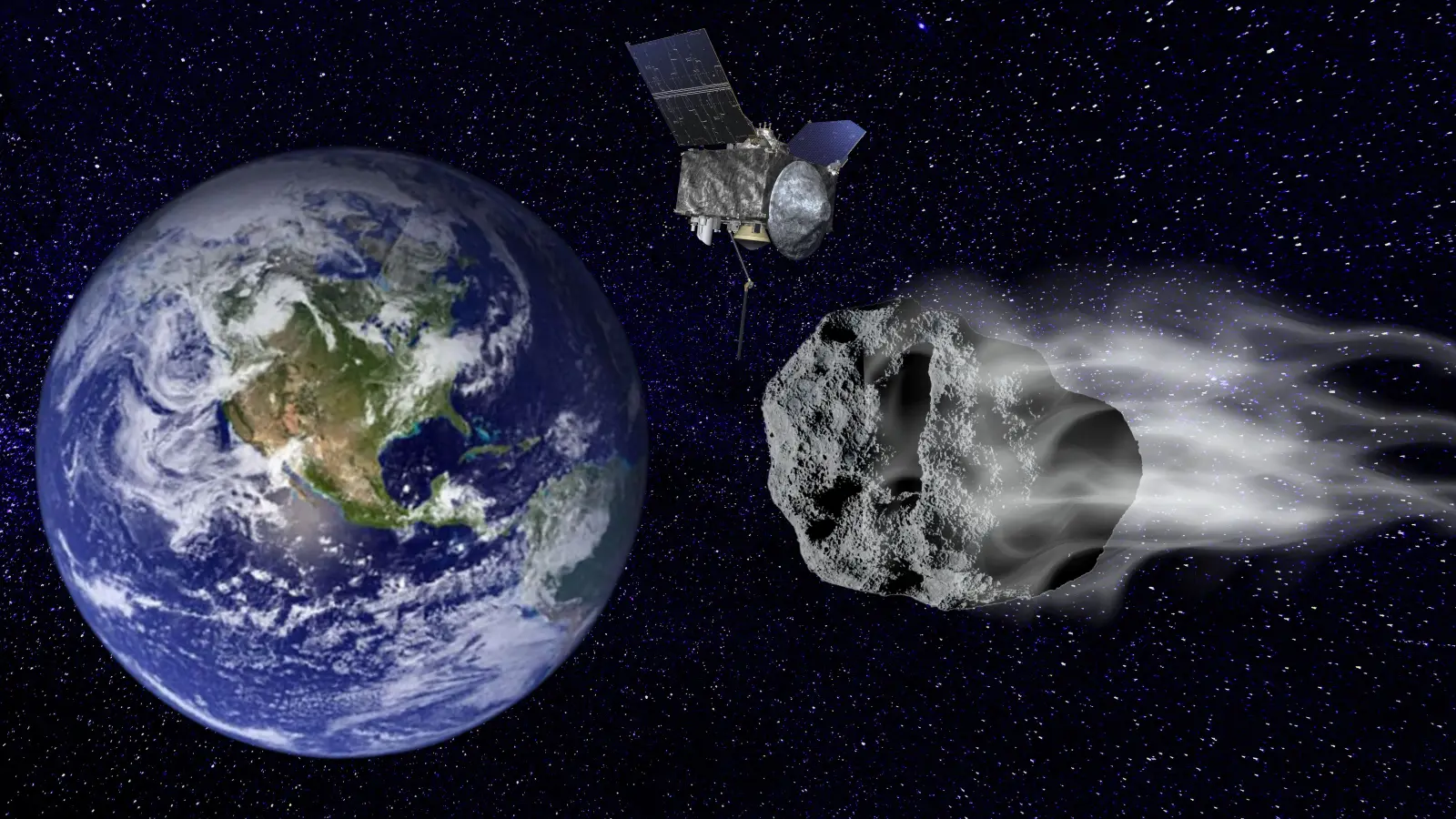
Quasi-moons are rare cosmic companions. Only a small number have been confirmed close to our planet, such as Kamoʻoalewa and now 2023 FW13. Most quasi-moons only stay near Earth for a few decades or centuries before their orbits change and they drift away. The discovery of 2023 FW13 has revealed that some quasi-moons may stay with us much longer than previously thought.
What Will Scientists Do Next?
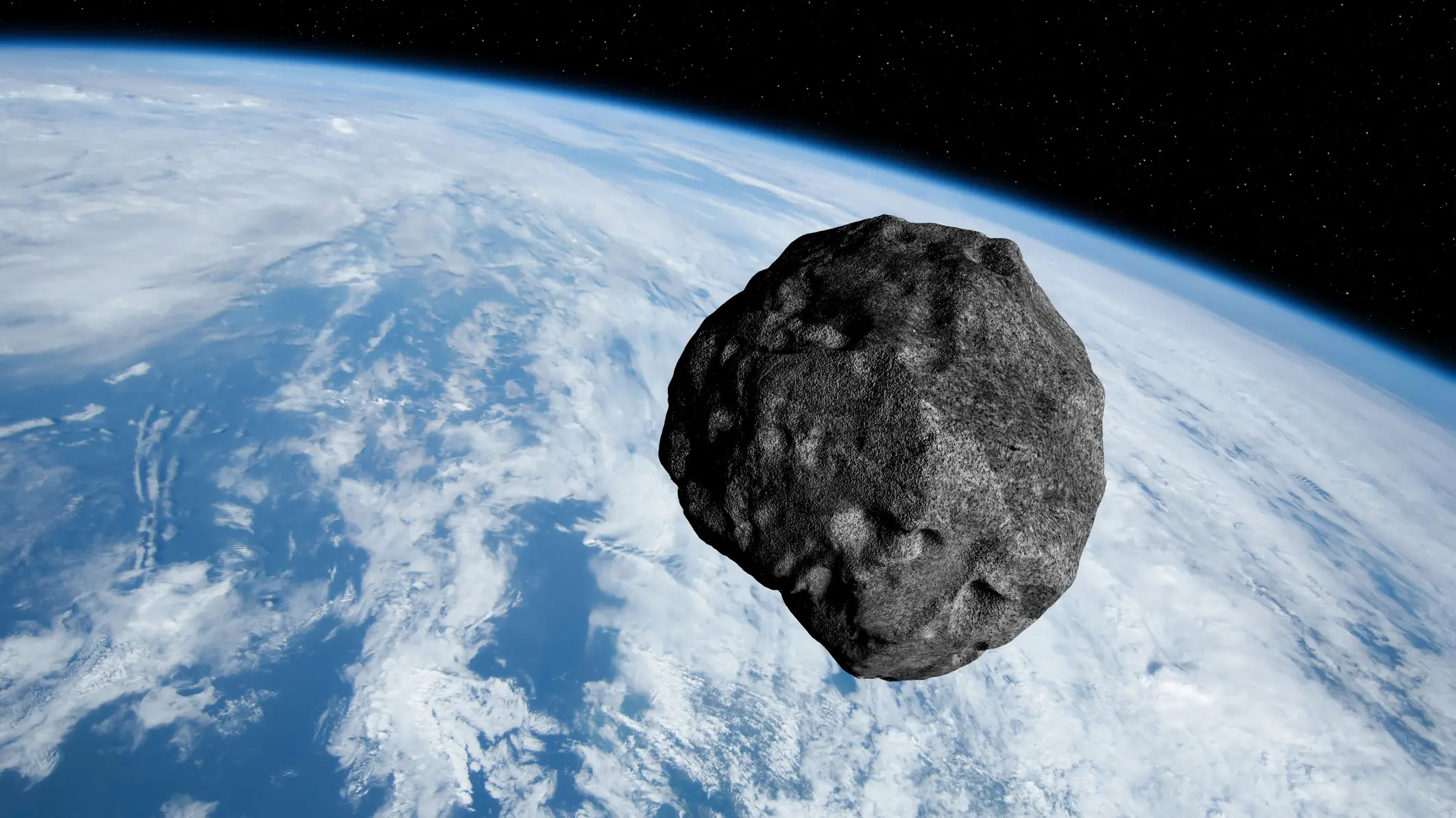
Astronomers plan to keep tracking 2023 FW13 and other quasi-moons as their orbits change over time. They hope to learn where these objects come from and how long they stay near our planet. By understanding quasi-moons, scientists can also improve techniques for detecting small space rocks that might threaten Earth in the future. These silent companions keep the story of Earth’s cosmic encounters alive.
)
)
)
)
)