5 tallest mountains in our solar system

Do you think Mount Everest is the tallest? If yes, then think again. Beyond Earth, there are peaks soaring two to three times higher in the solar system. These giants reveal stunning secrets of space geology. Want to know what they are?
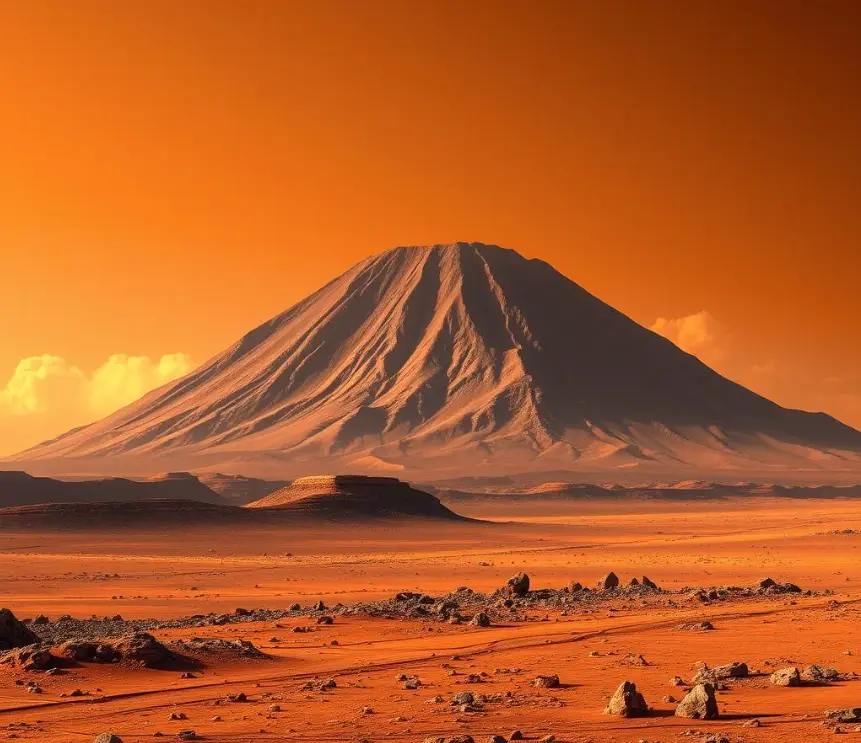
Olympus Mons (Mars)
Olympus Mons is the tallest volcano and mountain in the solar system, standing about 21.9 km (72,000 ft) high. It is a shield volcano with gentle slopes, covering an area roughly the size of Italy. Its vast size is due to Mars's lack of tectonic plate movement, allowing lava to build up over millions of years.
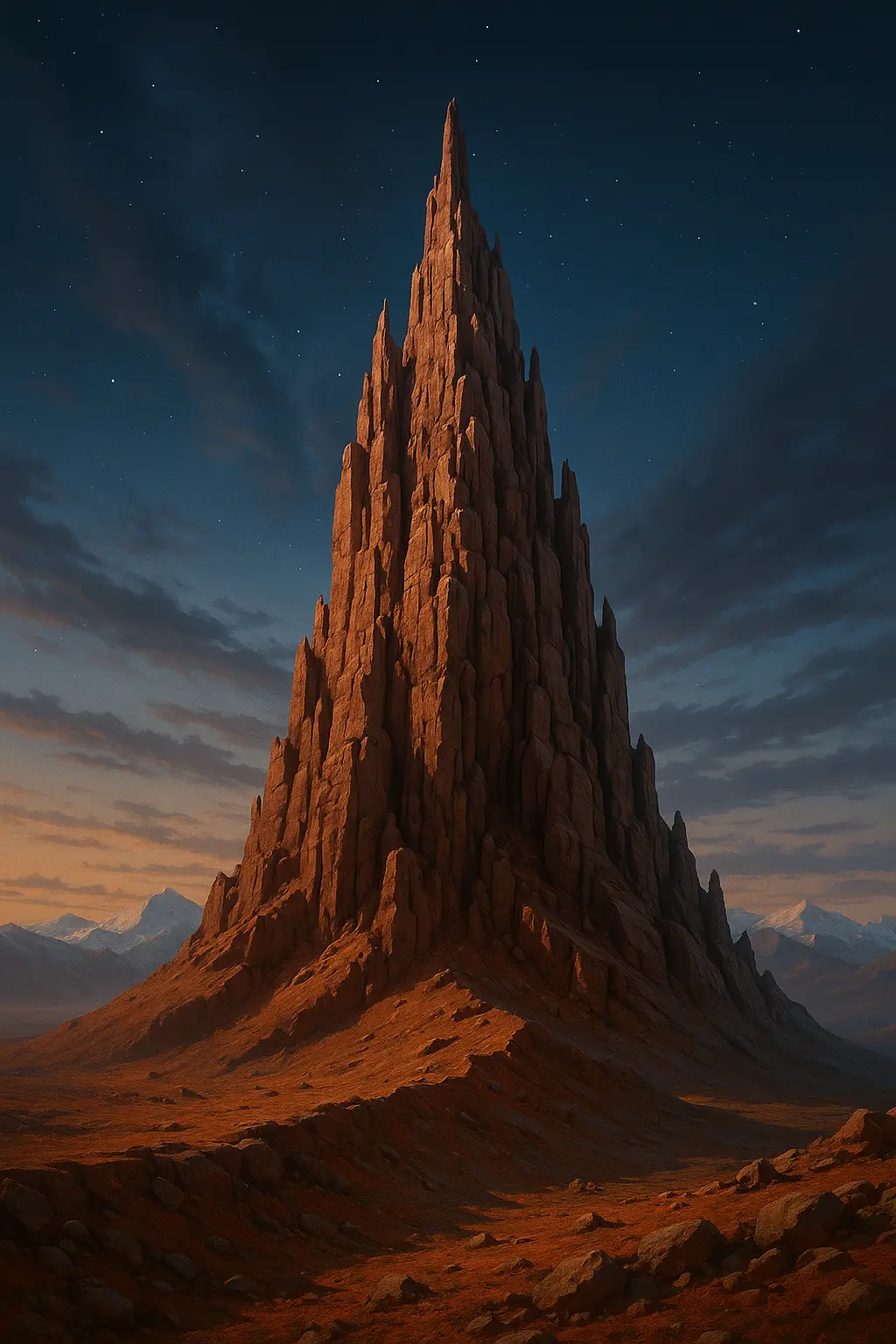
Rheasilvia Peak (Asteroid Vesta)
Rheasilvia Peak rises 23 km (75,400 ft) on the asteroid Vesta. This peak is part of a huge impact crater formed by a colossal cosmic collision long ago. Its height makes it one of the tallest known mountains in the asteroid belt.
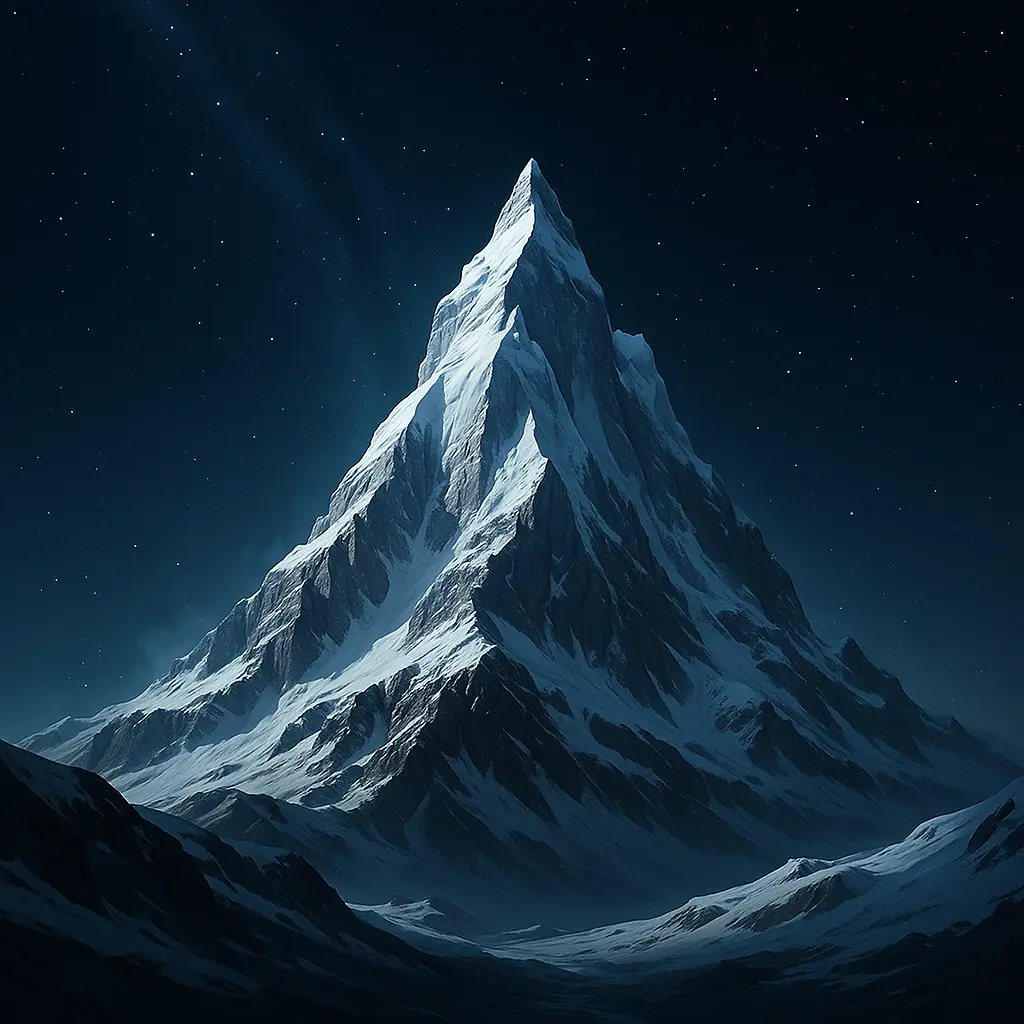
Mount Stygian (Iapetus, Moon of Saturn)
Mount Stygian is a towering peak approximately 20 km (65,600 ft) high, located on Iapetus, one of Saturn’s moons. It’s made mostly of ice and rock and features steep, rugged cliffs, making it a striking landmark in the outer solar system.
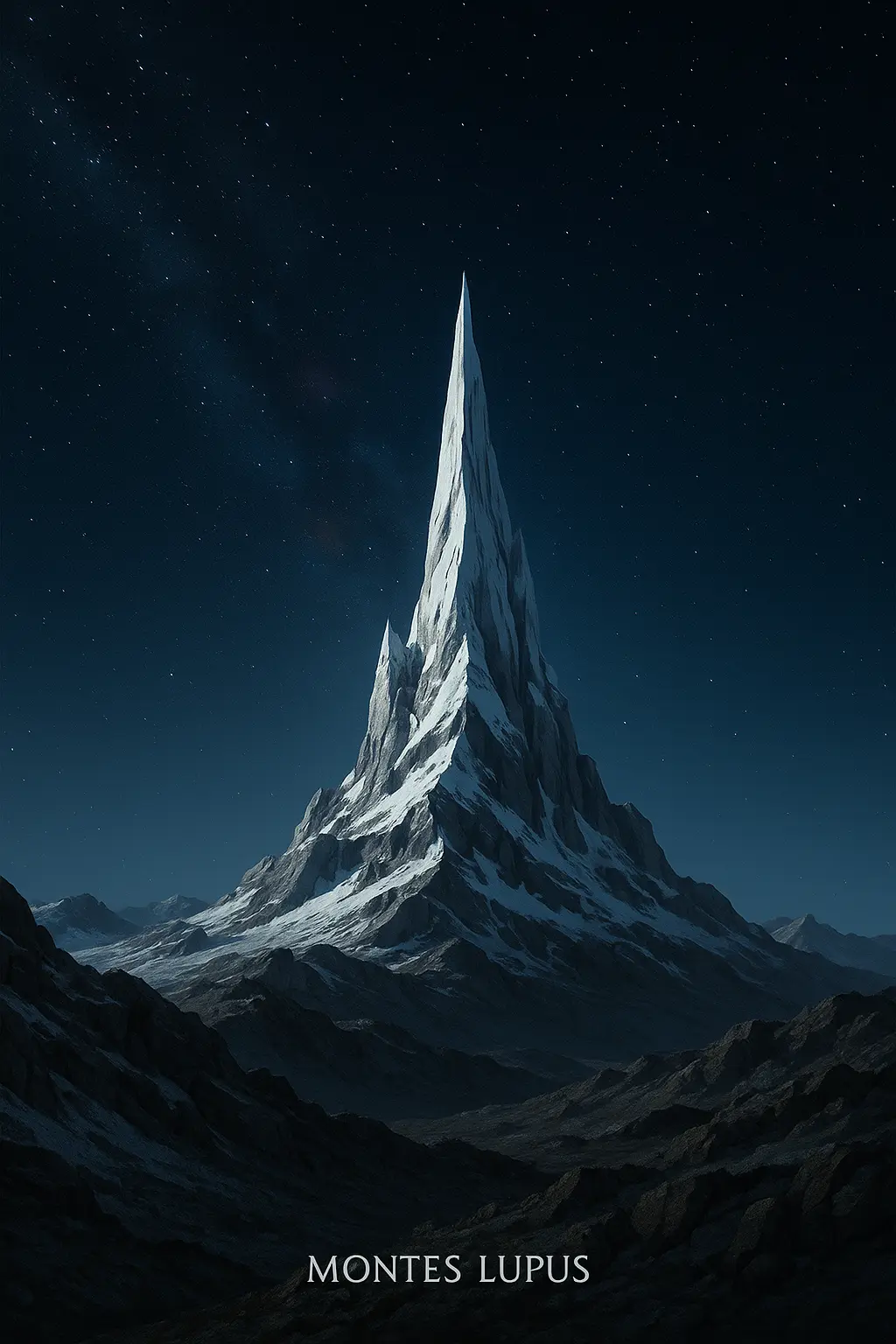
Montes Lupus (Pluto)
Montes Lupus rises to around 11 km (39,000 ft) on Pluto. Though smaller compared to other peaks here, it is one of the tallest mountains on dwarf planets. Its jagged, icy ridges were shaped over countless years on Pluto’s cold surface.
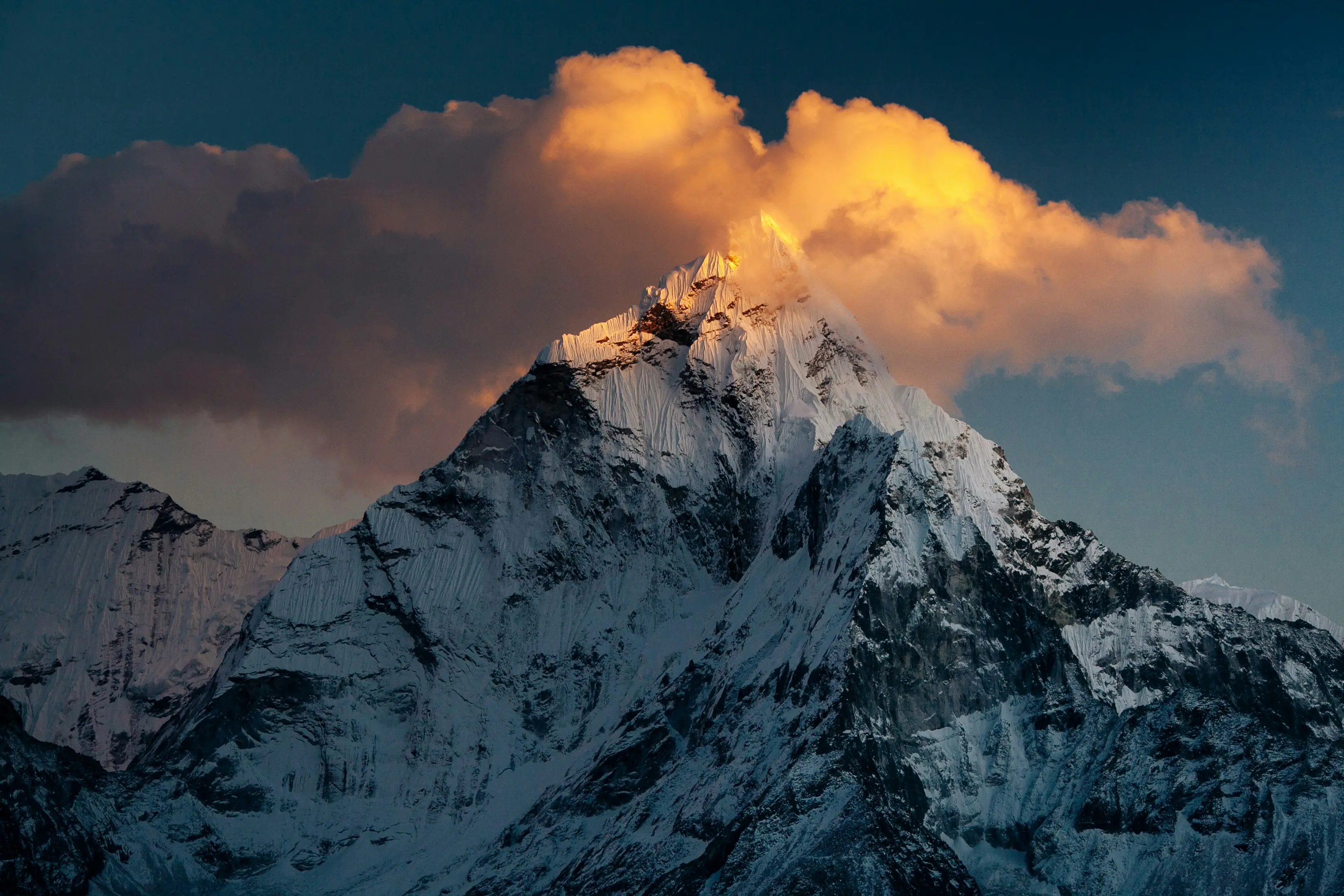
Mount Everest (Earth)
Mount Everest is Earth’s highest peak, standing 8.8 km (29,000 ft) tall. While Everest is the tallest on our planet, these space mountains tower two to three times higher, showing the vast differences in planetary geology across the solar system.
)
)
)
)
)