'Siliguri Corridor': Can Bangladesh’s Eurofighter Typhoons threaten India’s most vulnerable link?

Here is the brutal strategic reality of how a "friendly" neighbour acquiring high-tech European jets fundamentally alters the security calculus of India’s most vulnerable geographic choke point.
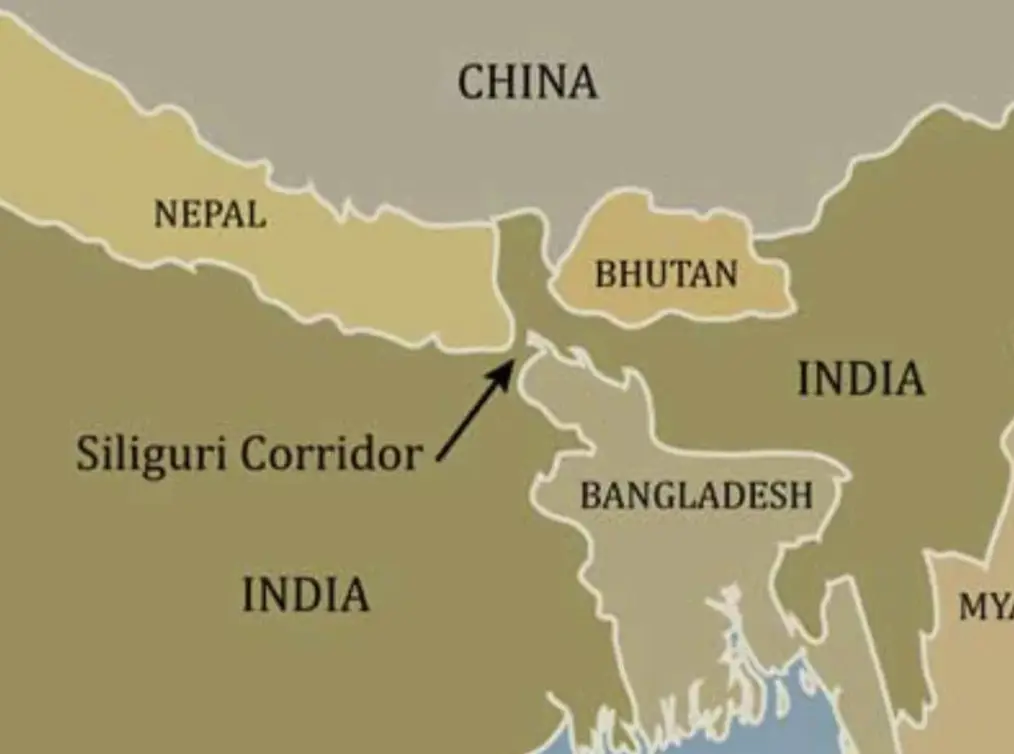
1. The "22-Kilometer" Nightmare
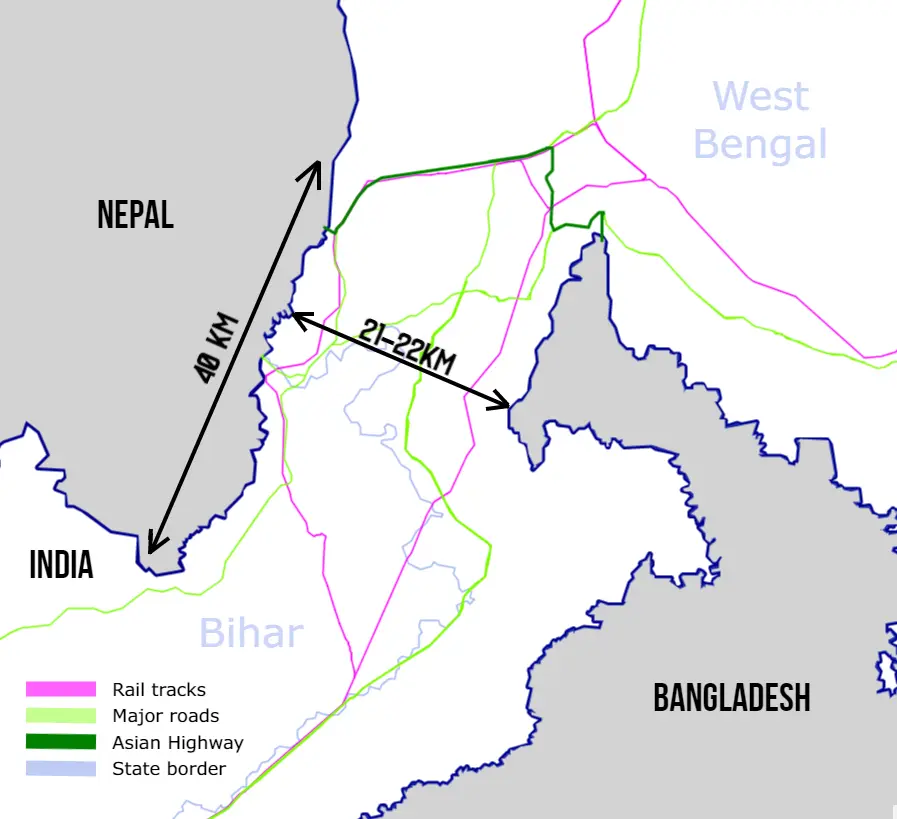
The Siliguri Corridor (Chicken's Neck) is a narrow strip of land, merely 22km wide at its thinnest point, connecting mainland India to its eight northeastern states. Historically, India’s defence strategy here focused entirely on the North (China/Doklam). The arrival of Eurofighter Typhoons in the South (Bangladesh) creates a pincer scenario, forcing India to defend this thin lifeline from two directions simultaneously.
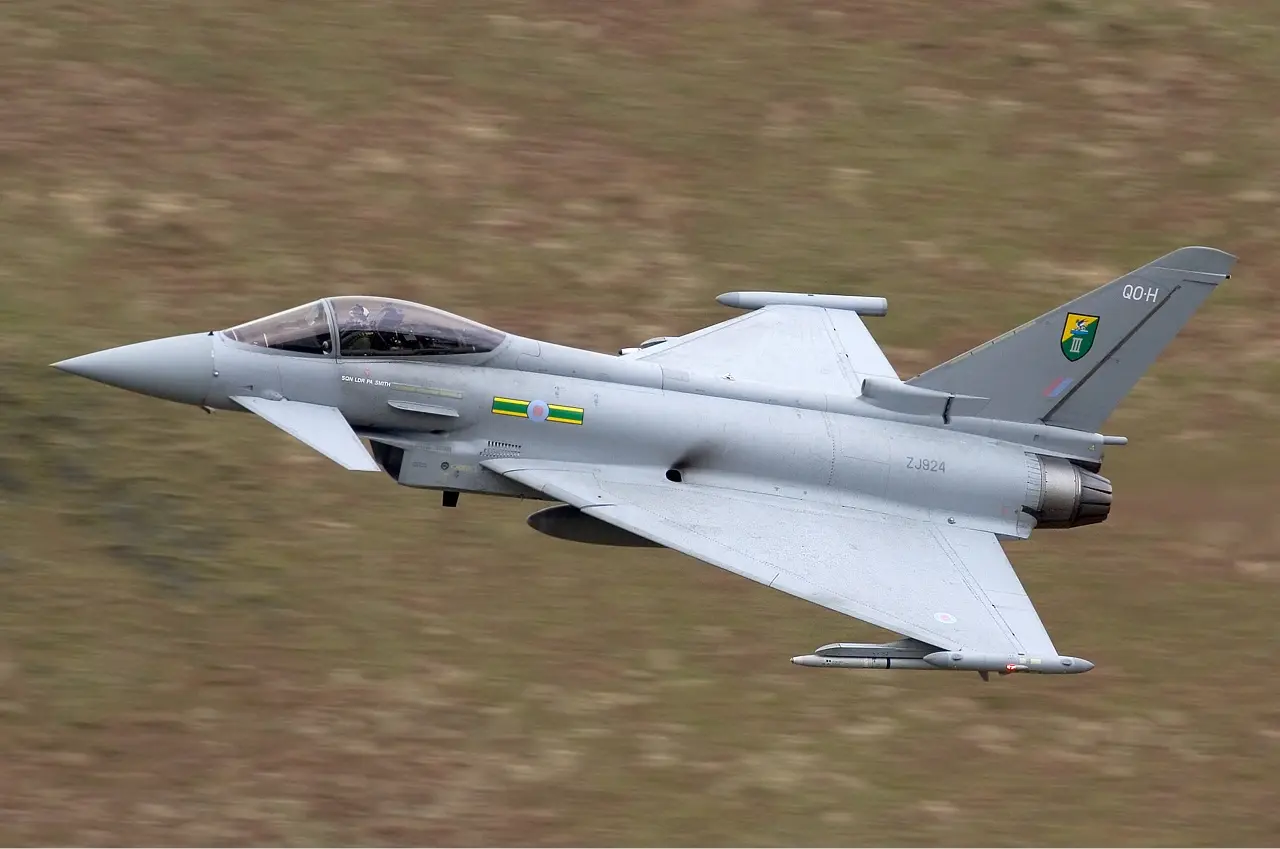
2. The "Lalmonirhat" Proximity
The threat is not just theoretical; it is geographic. Bangladesh is reportedly reviving the WWII-era Lalmonirhat Airbase, located roughly 135 km (some estimates say closer) from the Siliguri Corridor. A Typhoon taking off from this forward base could reach the corridor in less than 5 minutes—far too fast for standard ground-based interception protocols to react without advanced warning
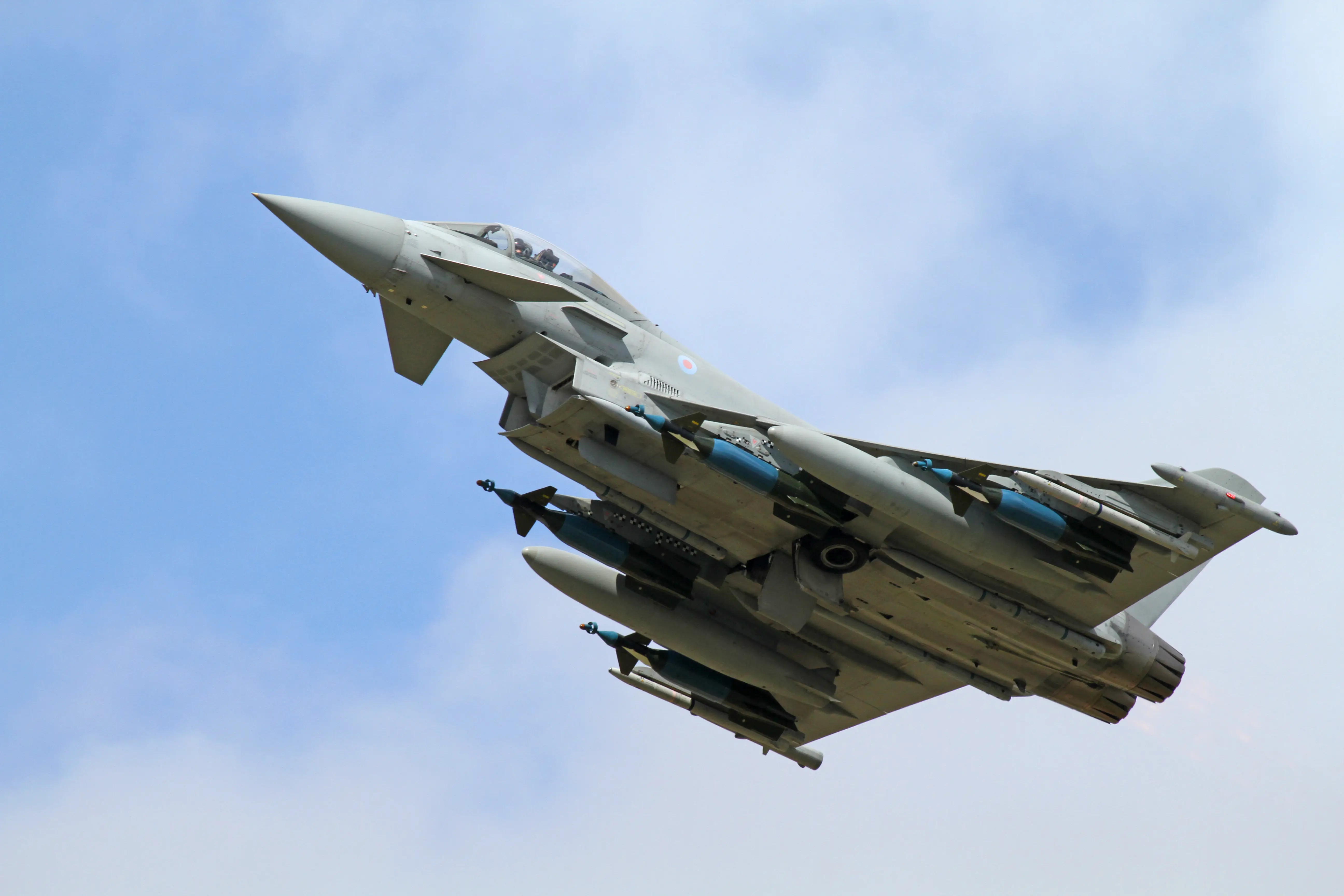
3. The Meteor Missile "Lock-On"
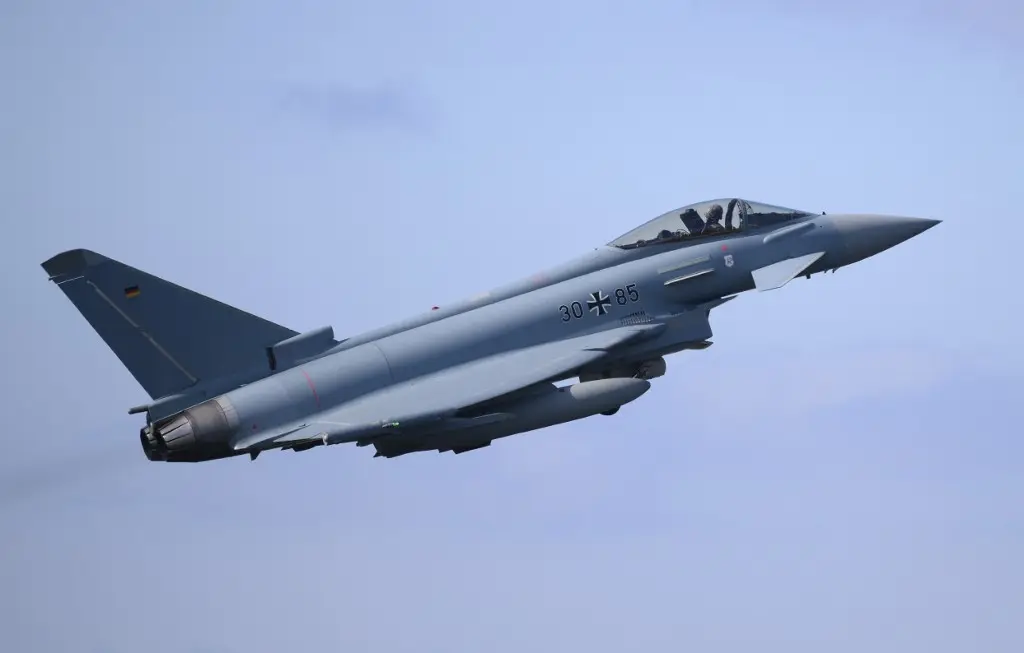
The Tranche 4 Typhoon carries the MBDA Meteor, a Ramjet-powered air-to-air missile with a "no-escape zone" of over 100km. This means a BAF pilot flying inside Bangladeshi airspace could theoretically lock onto and shoot down Indian transport aircraft flying over the Siliguri Corridor without ever crossing the border. It turns the corridor into a "shooting gallery" from a safe distance.
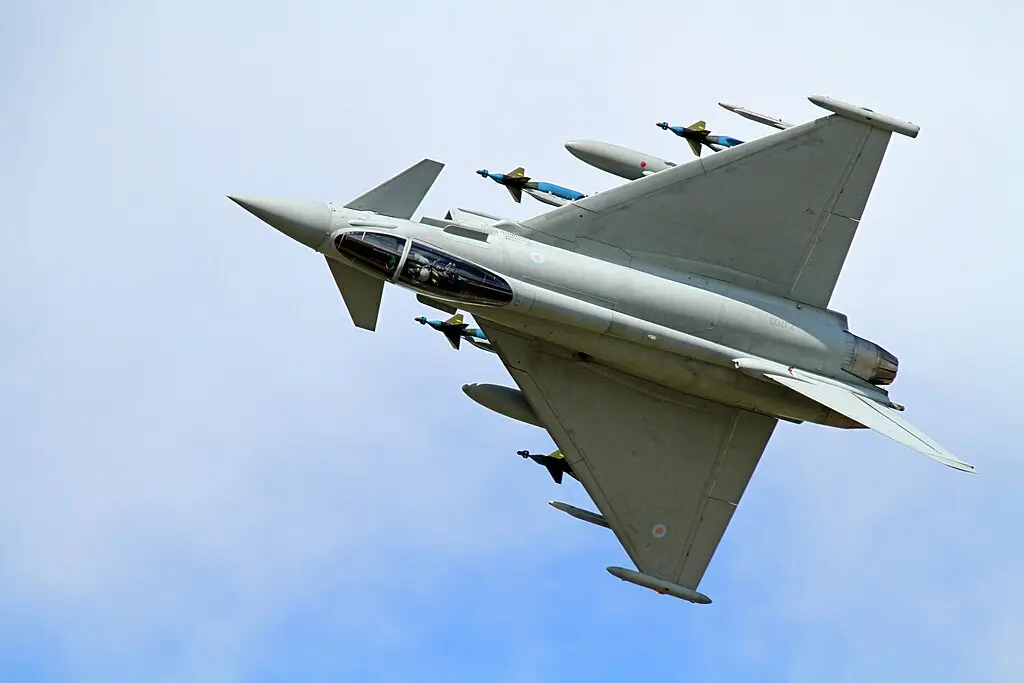
4. The "Storm Shadow" Reach
If the deal includes deep-strike cruise missiles like the Storm Shadow (often part of Typhoon export packages), the strategic threat escalates from "air denial" to "infrastructure destruction." These missiles could target the critical rail and road bridges inside the corridor, severing the Northeast's logistics, from launch points deep within Dhaka's airspace, well outside the range of India's short-range air defences.
5. India’s "Hasimara" Shield
India has already anticipated this vulnerability. The Indian Air Force (IAF) stationed its elite 101 Squadron ("Falcons") of Rafale jets at Hasimara Air Force Station in West Bengal. This base sits practically on top of the corridor. In a conflict, it would be a "high-noon" duel between Hasimara’s Rafales and BAF’s Typhoons, occurring within seconds of takeoff.
6. The S-400 "Umbrella" Factor
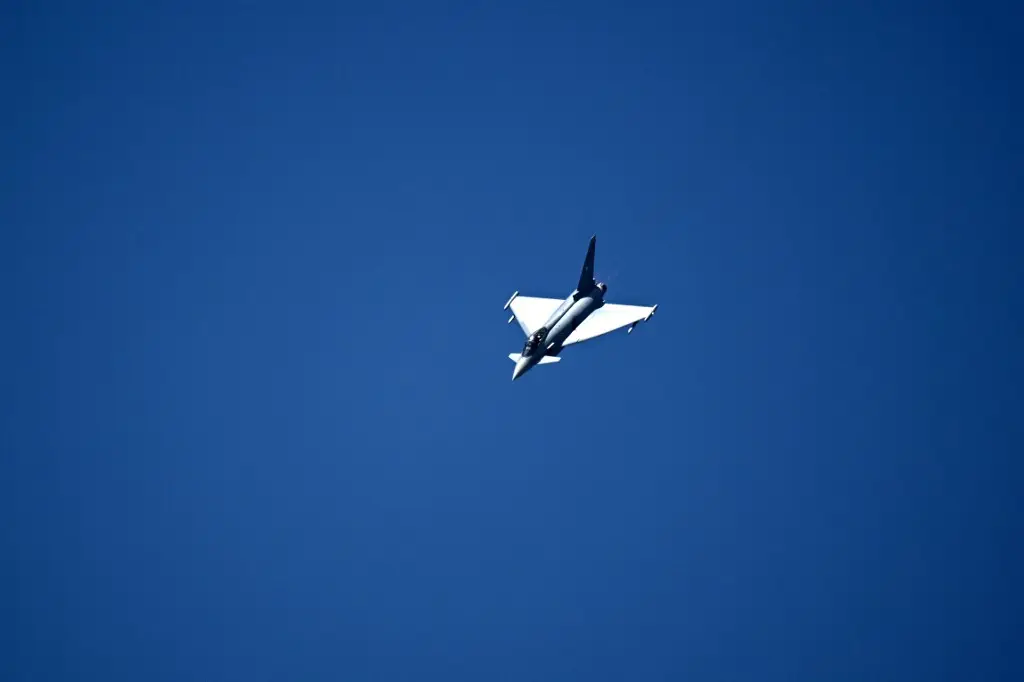
While the Typhoon is deadly, India’s deployment of the S-400 Triumf missile system in the eastern sector fundamentally limits its offensive potential. The S-400’s 400km radar range covers the entirety of Bangladesh’s northern airspace. A BAF Typhoon at Lalmonirhat would be tracked and potentially targeted by Indian SAMs the moment its wheels left the tarmac, making any offensive sortie a suicide mission.
7. The "2.5 Front" War Reality
Indian military planners talk about a "2-Front War" (China and Pakistan). A hostile or unstable Bangladesh equipped with Western fighters introduces a "half-front" (0.5) in the East. It forces the IAF to permanently divert assets (radars, fighters, and surveillance drones) to the Bangladesh border, assets that were meant to be focused on Ladakh or Arunachal Pradesh against China.
)
)

)
)