‘Shirts with Colors’: What do the white, red, and purple shirts mean on the USS Abraham Lincoln’s flight deck?

The flight deck of the USS Abraham Lincoln relies on a strict colour-coded jersey system for safety. From 'Grapes' fuelling jets to red-shirted ordnance teams, every colour denotes a critical role in high-stakes naval aviation.
Organised Chaos at Sea
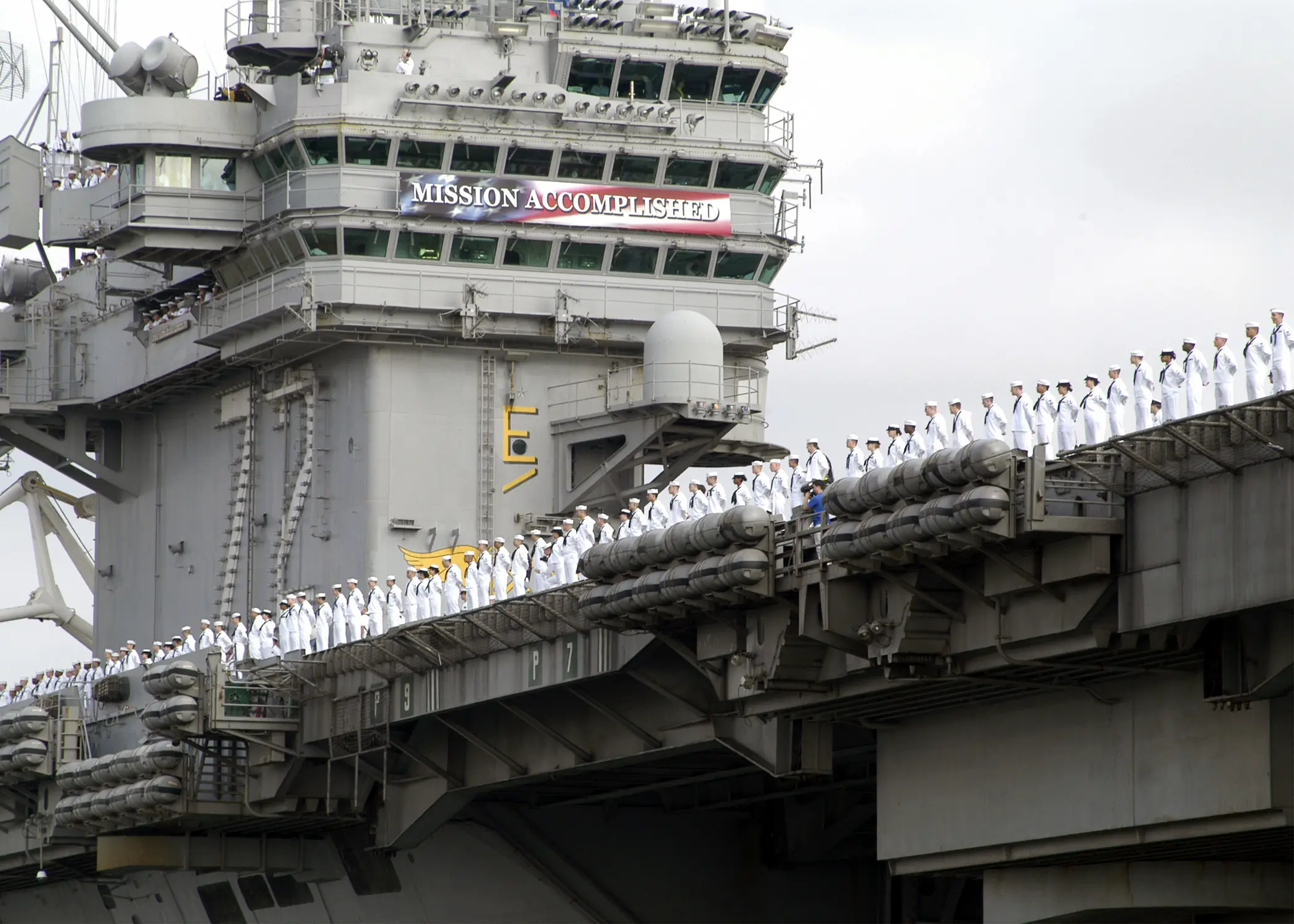
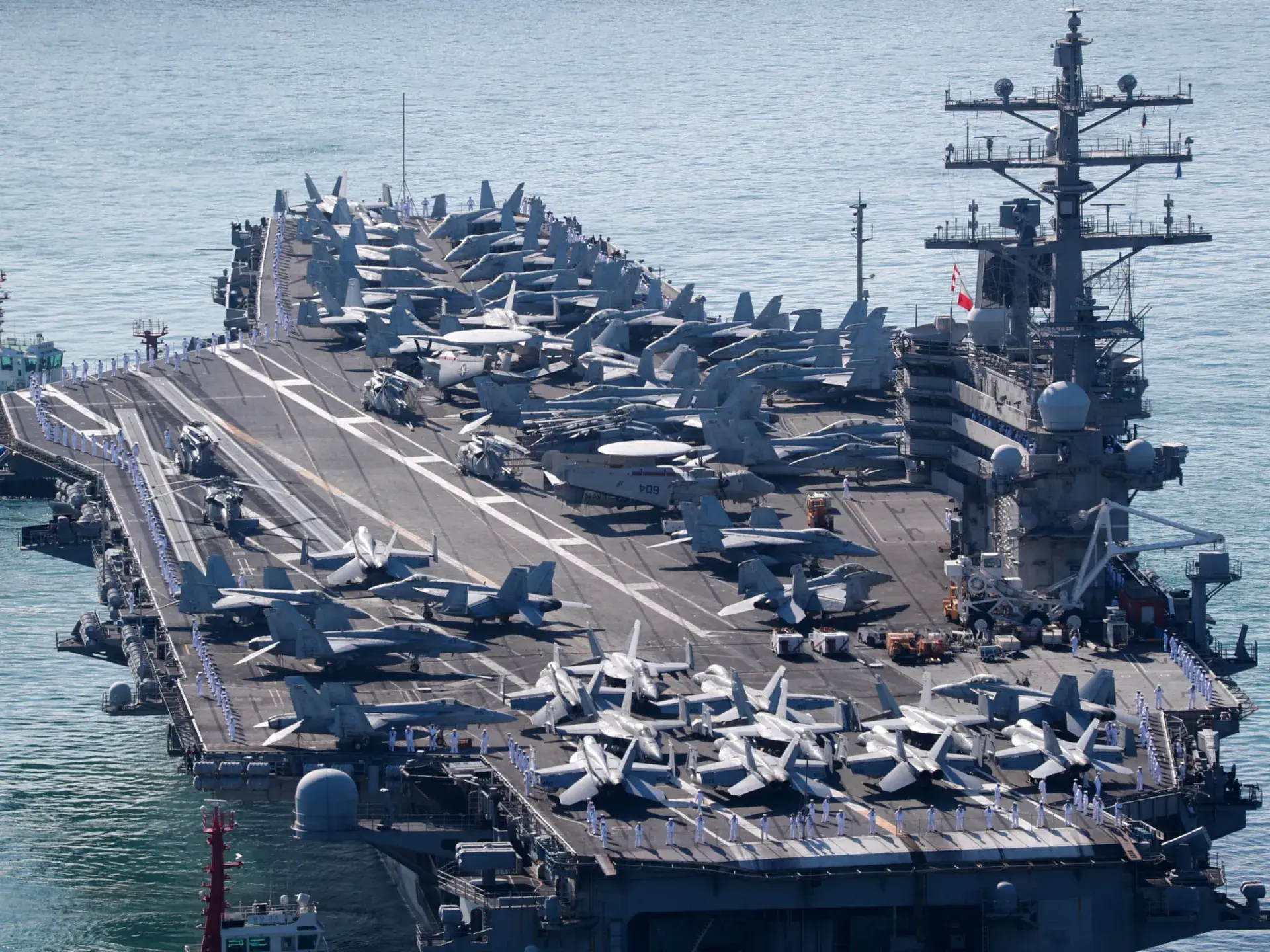
The flight deck of the USS Abraham Lincoln operates like a well-choreographed ballet involving hundreds of sailors. To manage this complex environment, the crew wears specific coloured jerseys, often called the 'rainbow wardrobe'. This system allows for instant identification of duties when verbal communication is impossible due to noise.
Purple Shirts: The Grapes
Crew members wearing purple jerseys are affectionately known as 'Grapes' by the rest of the sailors. They belong to the Aviation Fuel division and are responsible for all refuelling operations. Their job is critical, as they pump thousands of litres of fuel into jets while ensuring the lines remain safe and secure.
Red Shirts: Ordnance Crew
The colour red signals danger and caution, worn by those handling high-explosive munitions. These sailors load bombs, missiles, and machine gun ammunition onto the aircraft before missions. The Crash and Salvage crews and Explosive Ordnance Disposal (EOD) teams also wear red to be easily spotted during emergencies.
Yellow Shirts: Traffic Control
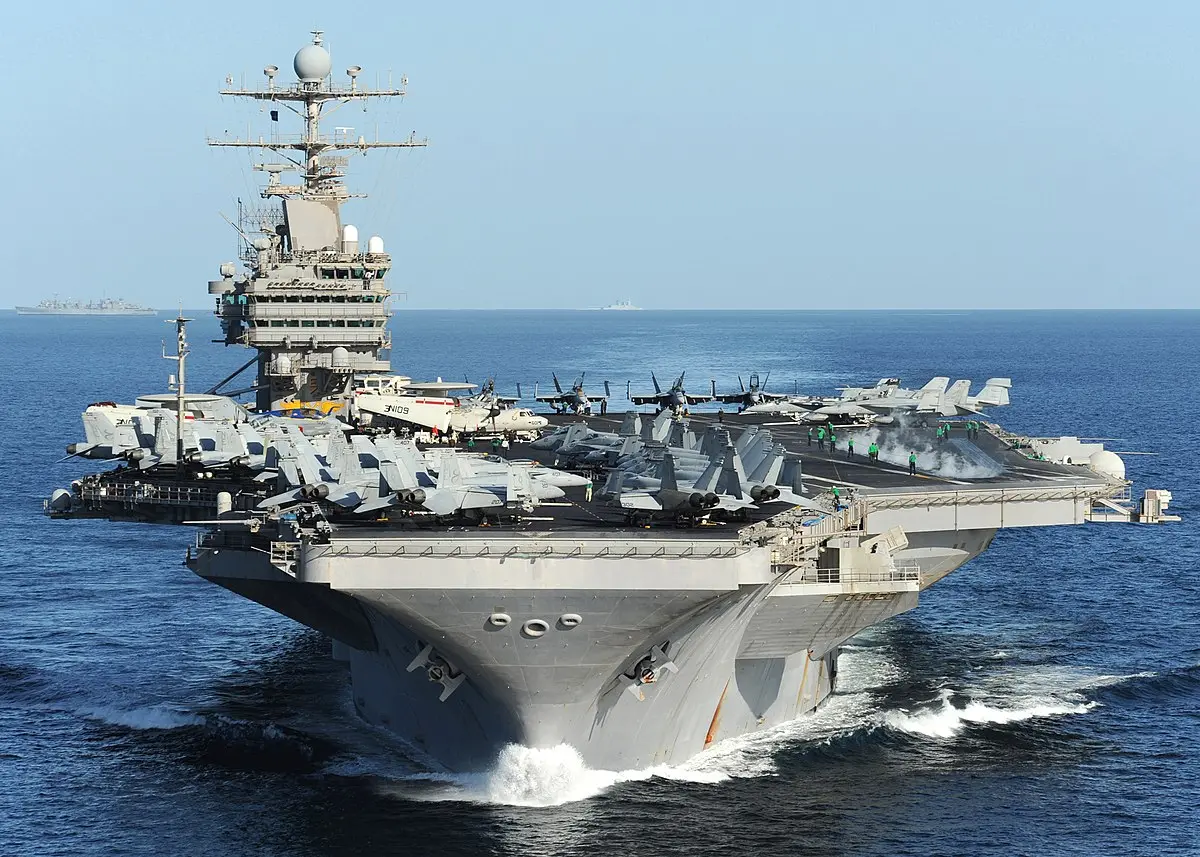
Sailors in yellow jerseys act as the flight deck directors, responsible for the movement of all aircraft. They use complex hand signals to taxi planes safely around the deck and onto the catapults. The Catapult and Arresting Gear Officers, known as 'Shooters', also wear yellow and give the final signal to launch.
Green Shirts: Launch Crew
The green-shirted crew members form the backbone of flight operations, maintaining the catapults and arresting gear wires. This group includes the hook runners who ensure the aircraft catches the wire upon landing. Photographer’s Mates and Helicopter Landing Signal Enlisted (LSE) personnel also wear green jerseys on the deck.
Blue Shirts: Plane Handlers
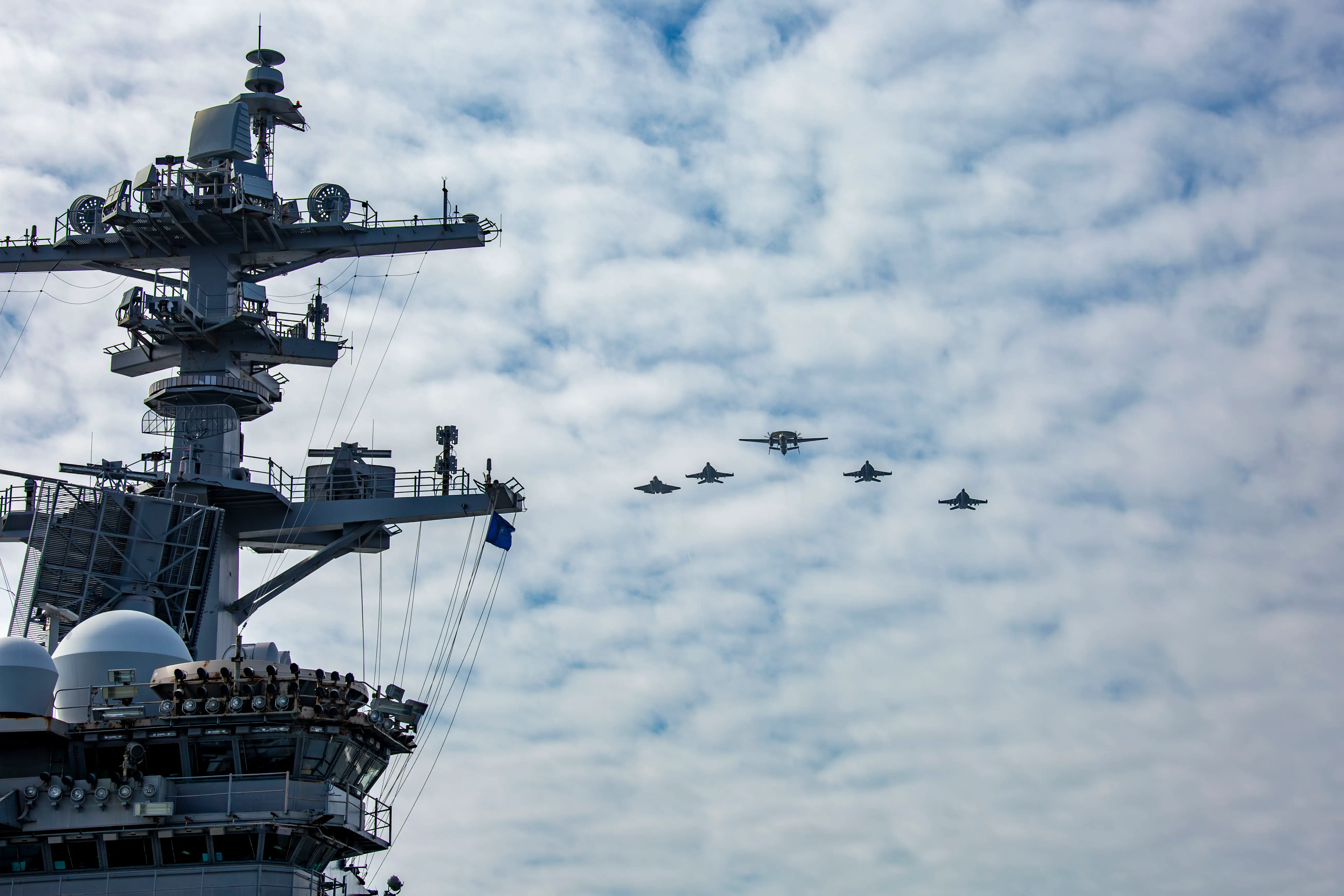
Working directly under the yellow shirts, the blue shirts are responsible for physically securing the aircraft. They drive the tractors that tow jets and operate the massive elevators that move planes between the hangar and the flight deck. They also chock and chain the aircraft to keep them stationary.
Brown Shirts: Plane Captains
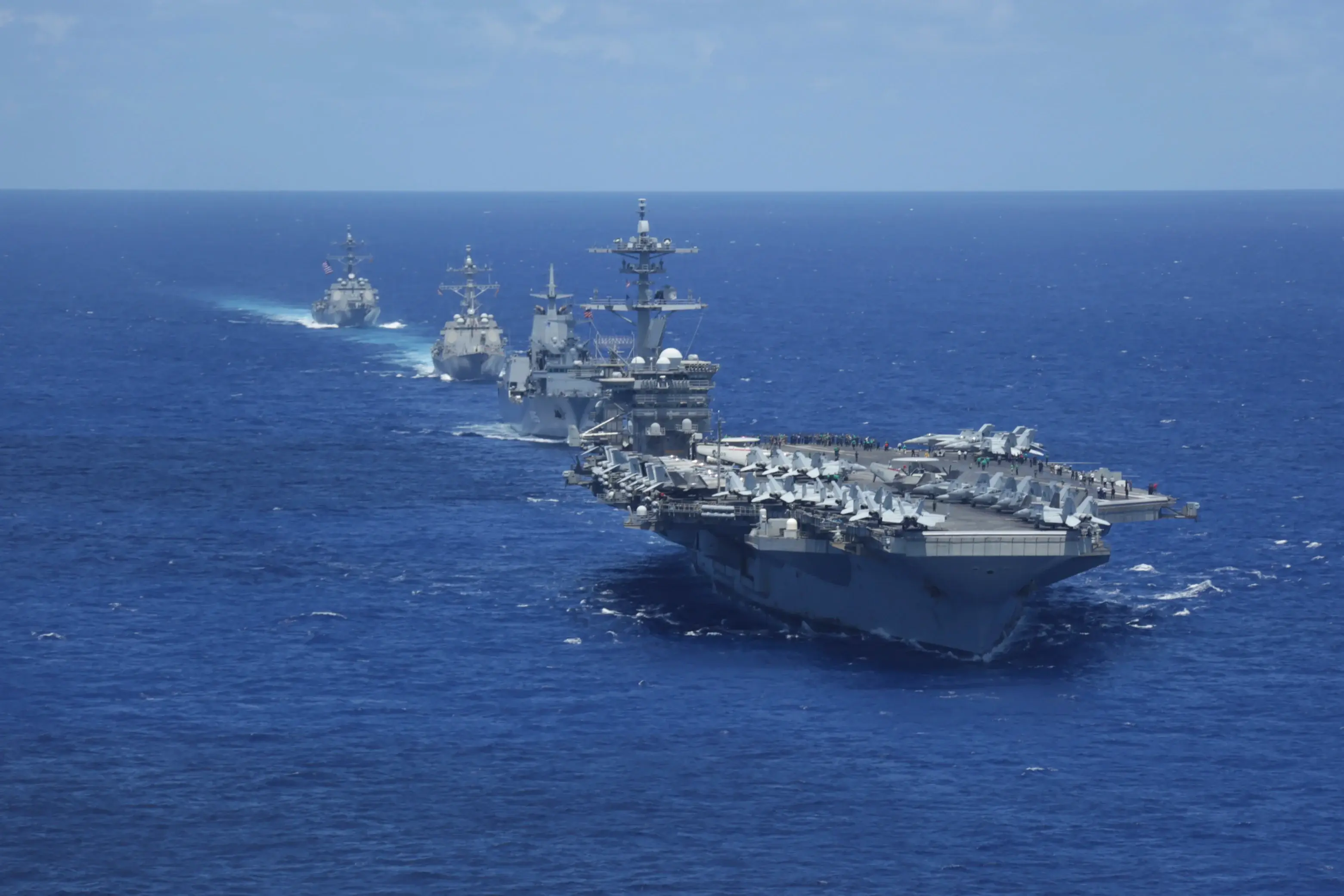
Brown shirts are worn by the Plane Captains, who are responsible for the overall readiness of a specific individual aircraft. They oversee the maintenance and cleanliness of their assigned jet and inspect it for safety. The pilot relies heavily on the brown shirt to ensure the plane is ready for flight.
White Shirts: Safety Monitors
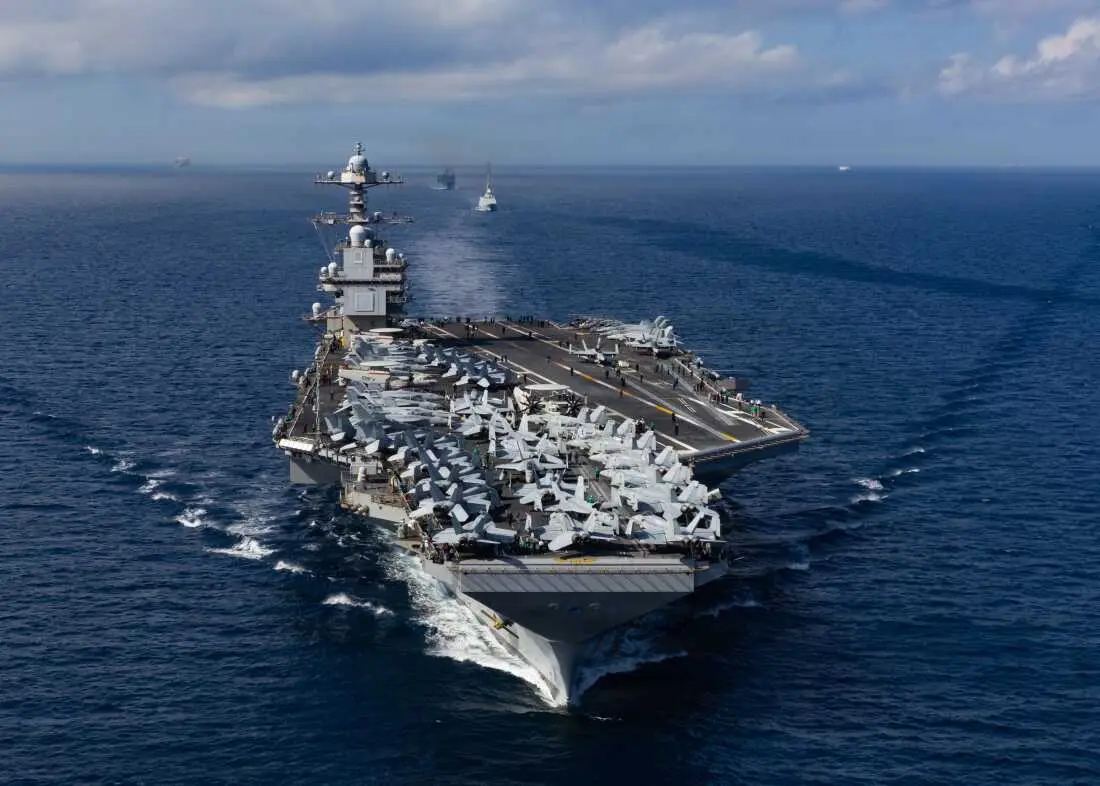
White jerseys are worn by personnel who focus on safety and quality control during flight operations. This includes Quality Assurance (QA) inspectors, Landing Signal Officers (LSOs) who help guide pilots in, and medical personnel. Safety observers also wear white to ensure all procedures are followed correctly.
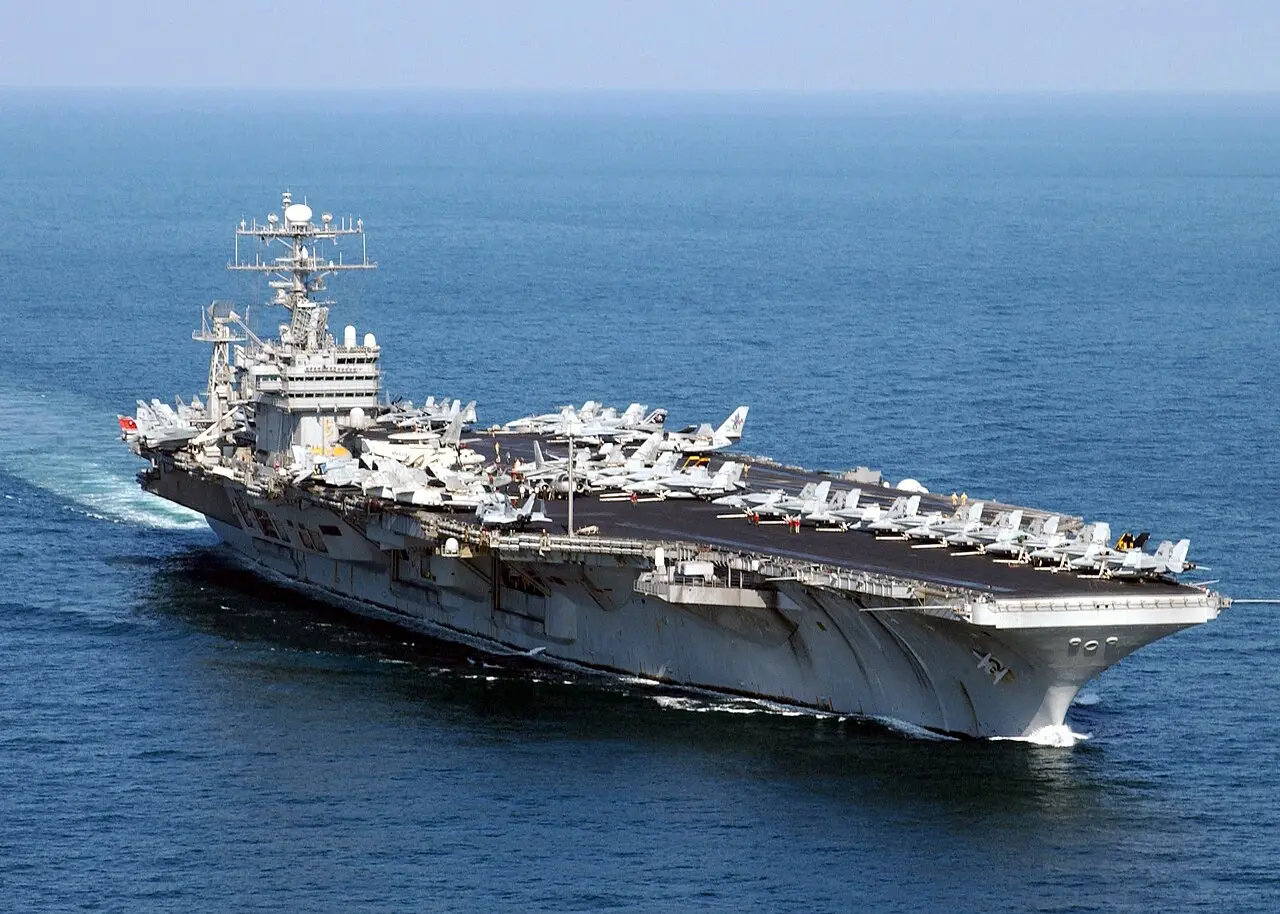
Visual Communication is Key
On a busy flight deck, the noise from jet engines can exceed 140 decibels, making normal conversation impossible. This colour-coded jersey system serves as the primary method of communication and control. It prevents confusion and ensures that only authorised personnel approach specific areas, such as the dangerous catapult tracks.
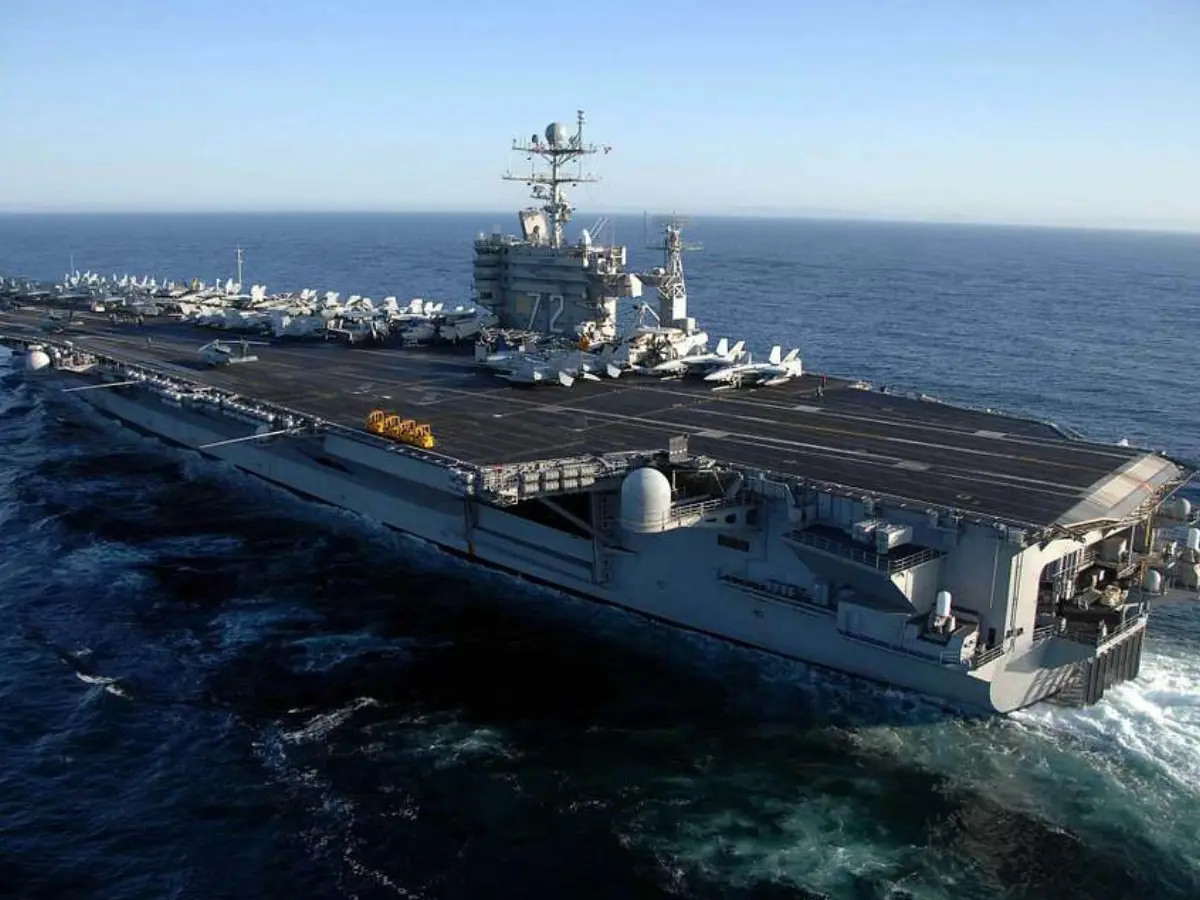
Standard Across the Navy
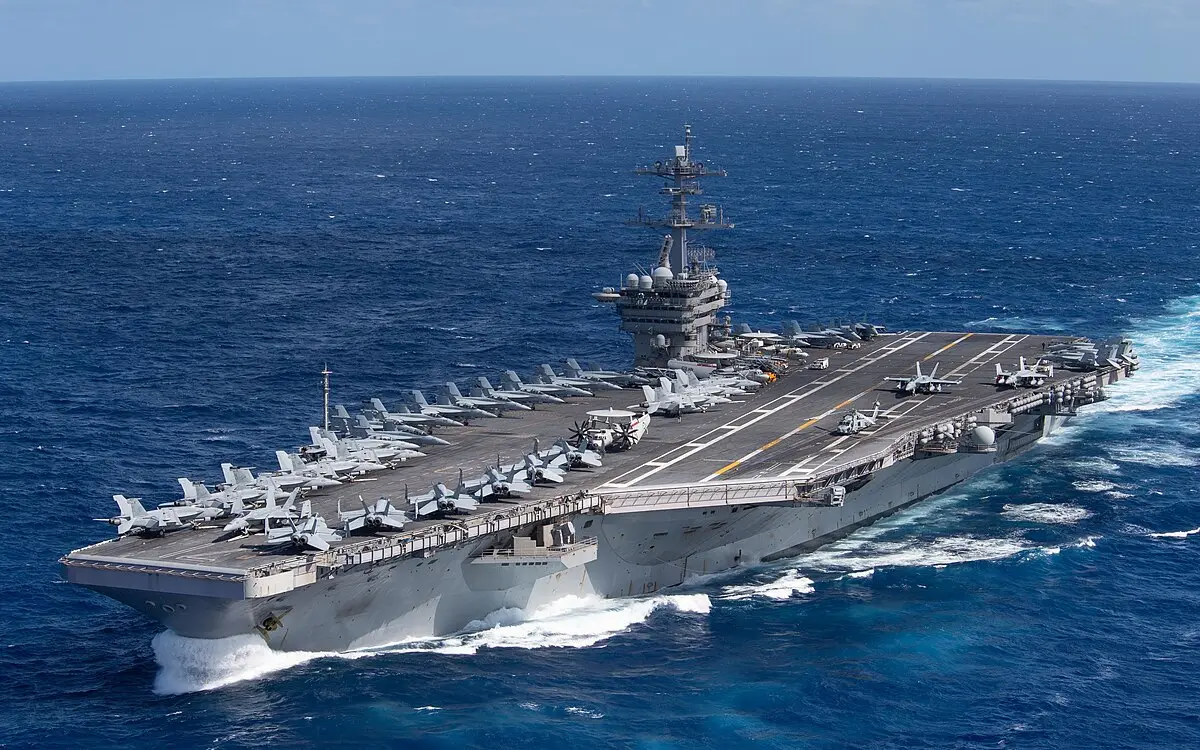
This specific colour-coding system is not unique to the USS Abraham Lincoln but is standard across all US Navy carriers. Whether on a Nimitz-class or the newer Ford-class carrier, a purple shirt always means fuel and a red shirt always means ordnance. This standardisation allows sailors to transfer between ships without relearning safety protocols.
)
)
)
)
)