'Sharing supplies': How USS Abraham Lincoln gets fresh food in the middle of the ocean

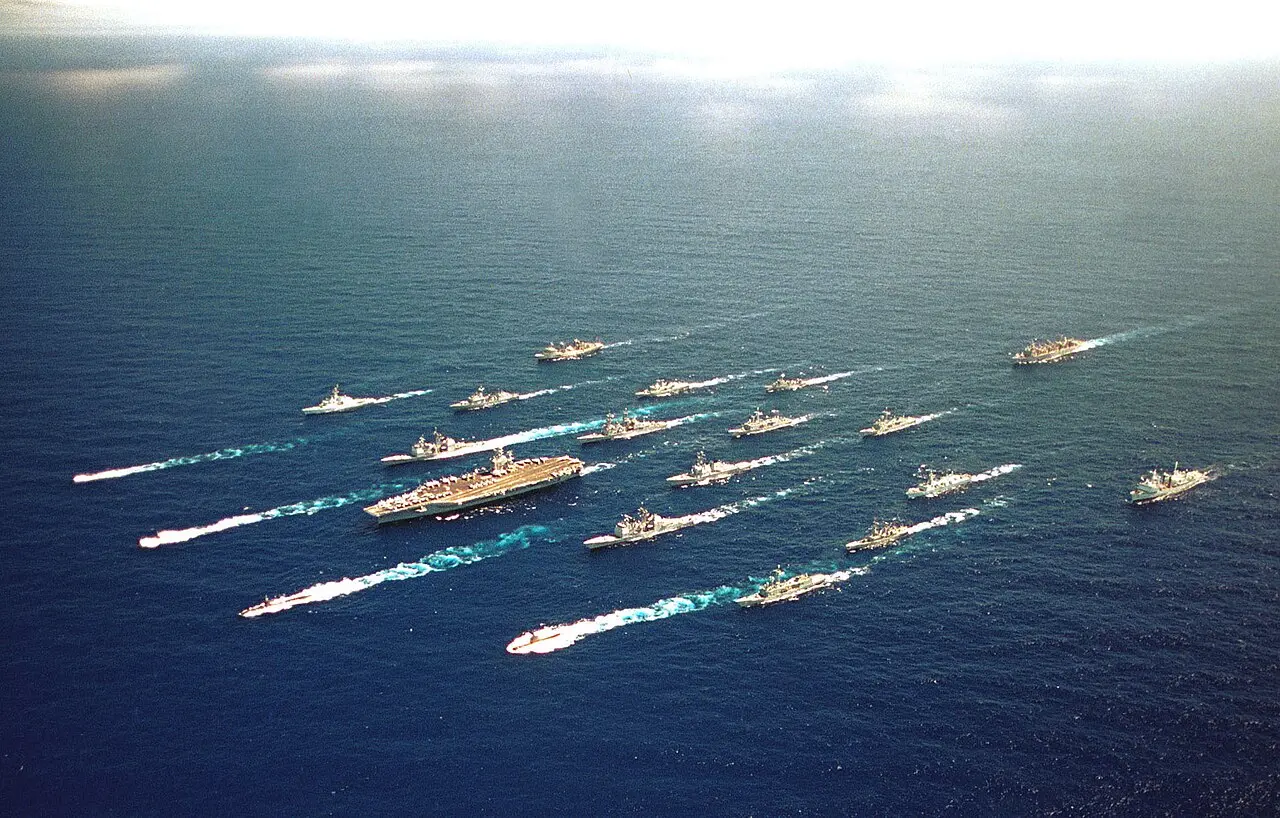
The USS Abraham Lincoln uses Replenishment at Sea to receive fresh food from supply ships at speeds of 14 knots. This mid-ocean transfer feeds 5,000 sailors with up to 700 pallets of supplies, keeping the carrier mission-ready for months.
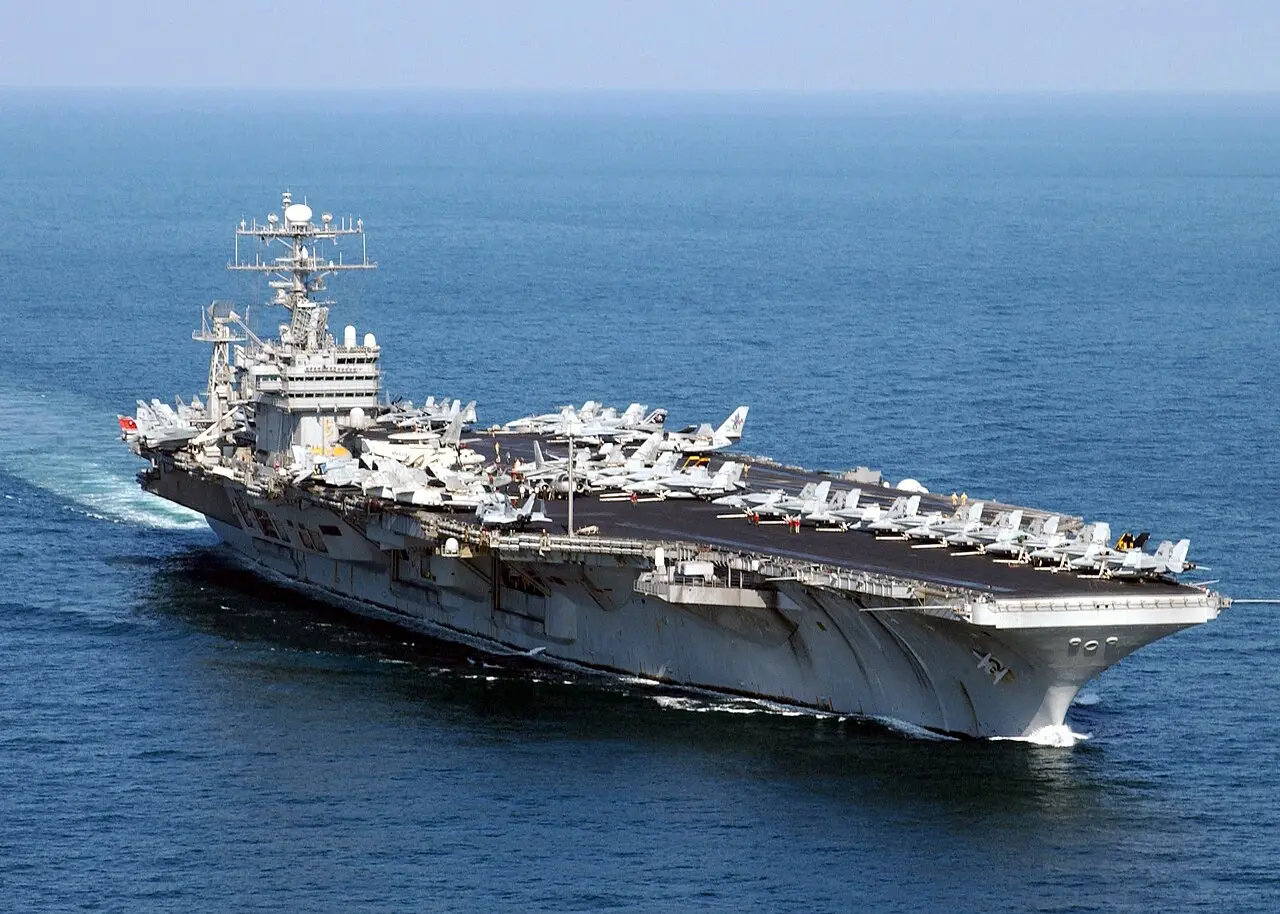
Feeding 5,000 sailors
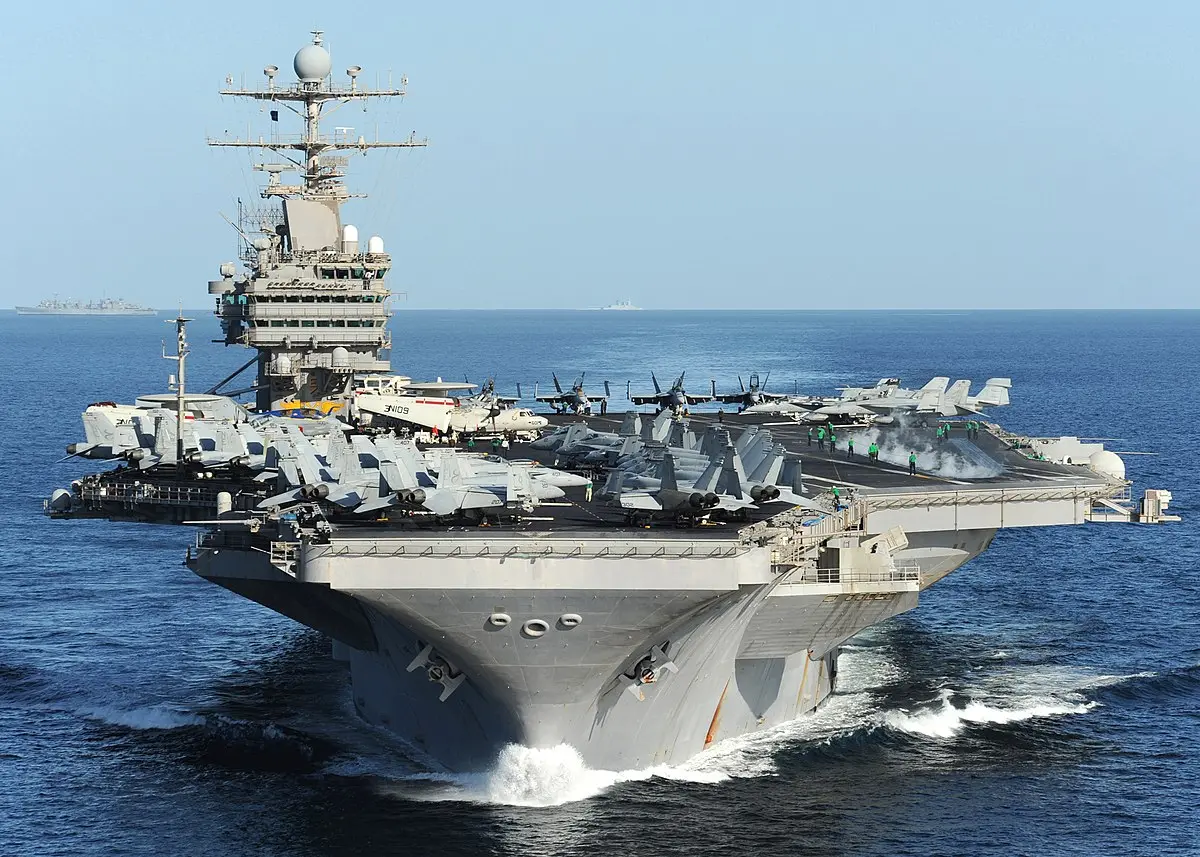
The USS Abraham Lincoln, a massive Nimitz-class aircraft carrier, houses a crew of over 5,000 sailors and aviators. To sustain this floating city during long deployments, the ship requires constant deliveries of fresh vegetables, dairy, and meat. This massive culinary demand means the crew prepares roughly 15,000 meals every single day.
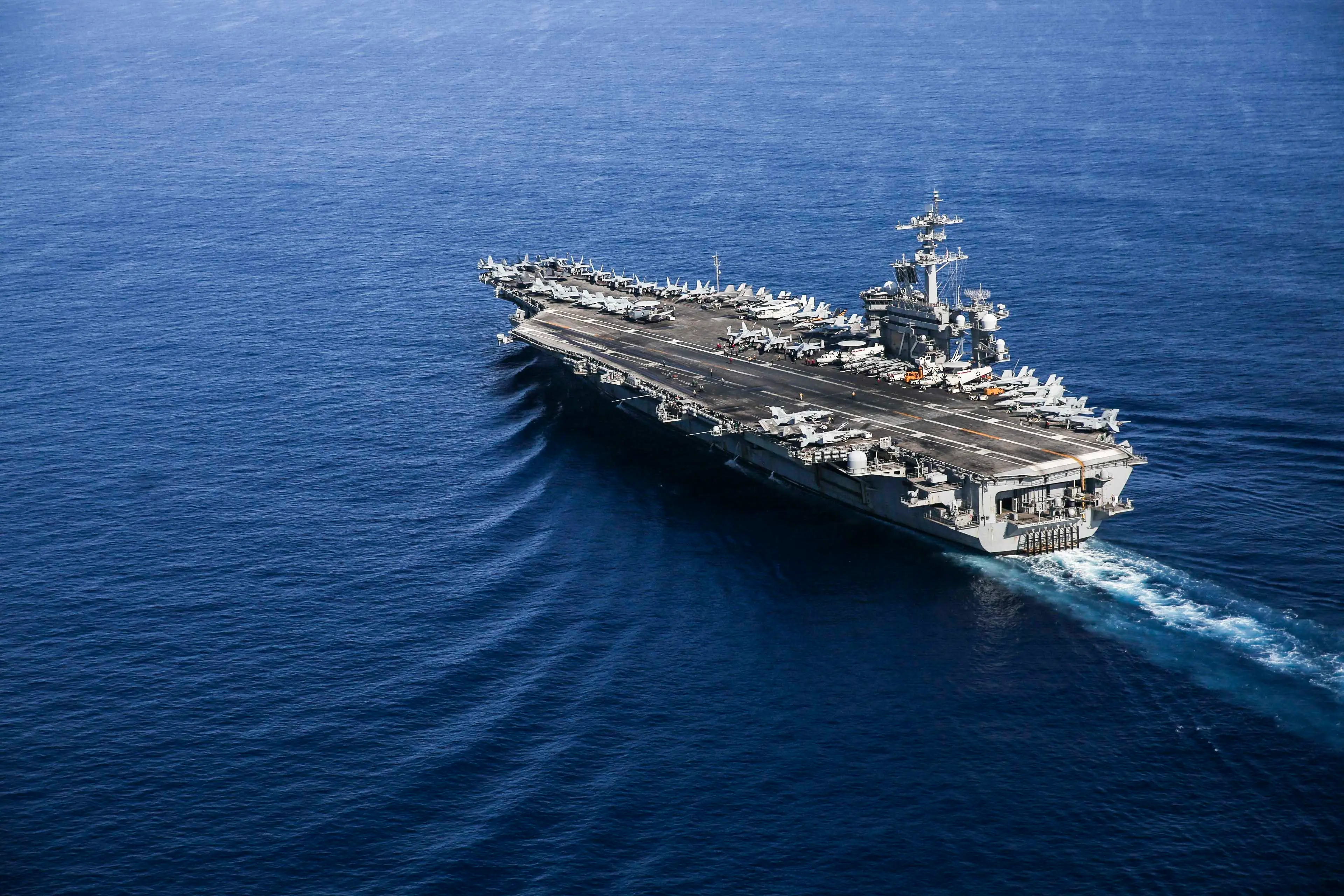
Zero port stops needed
nstead of returning to port, the carrier receives fresh provisions through a highly coordinated process called Replenishment at Sea (RAS). Specialised supply ships from the Military Sealift Command sail directly alongside the aircraft carrier in the open ocean. This allows the carrier strike group to operate for months with zero port stops needed for basic survival.
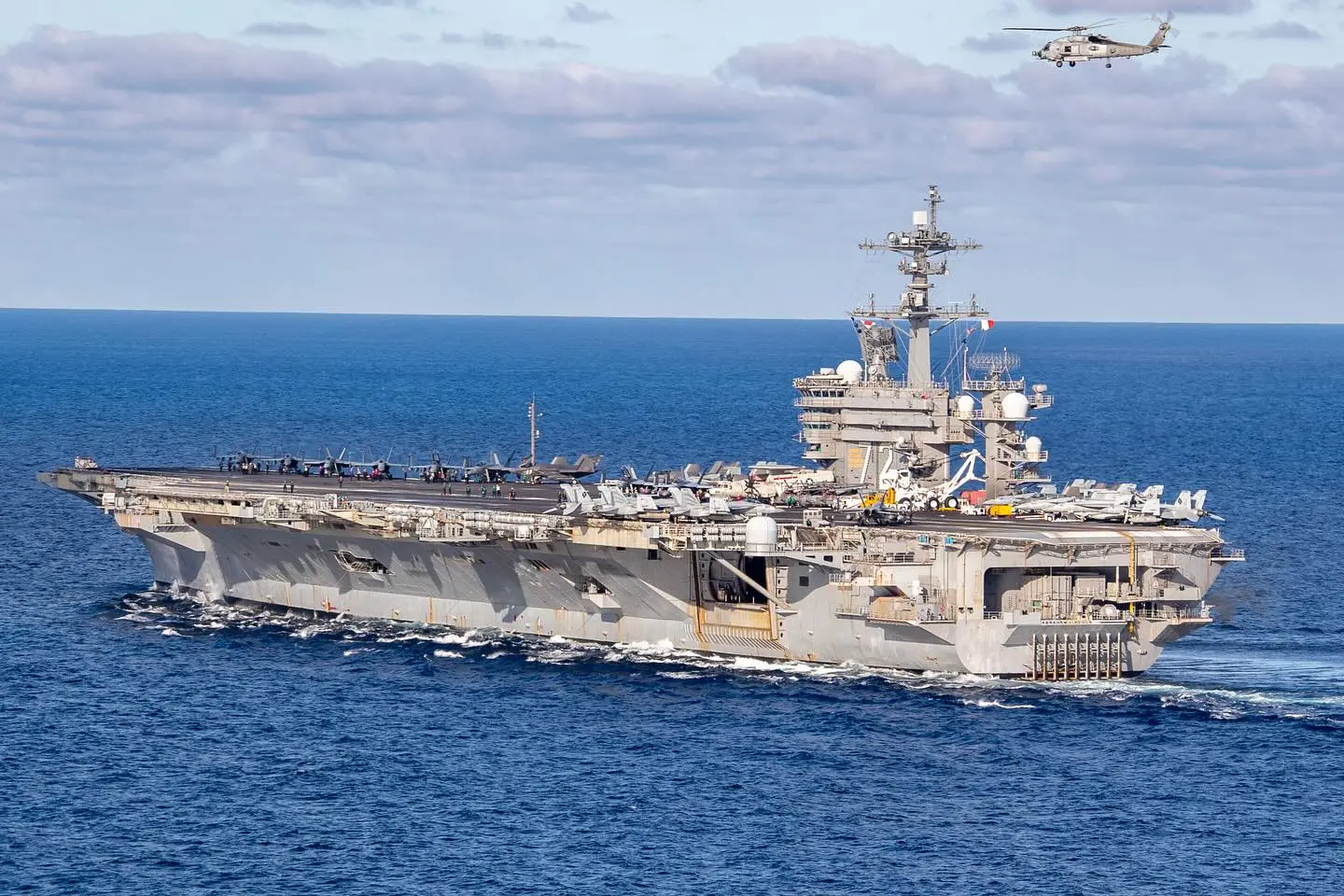
Sailing at 14 knots
Transferring heavy cargo between two massive ships is incredibly dangerous and requires flawless navigation. Both vessels must match their speeds perfectly, typically sailing parallel to each other at around 12 to 14 knots. Even a slight steering error by either helmsman could lead to a catastrophic collision in the churning ocean waters.
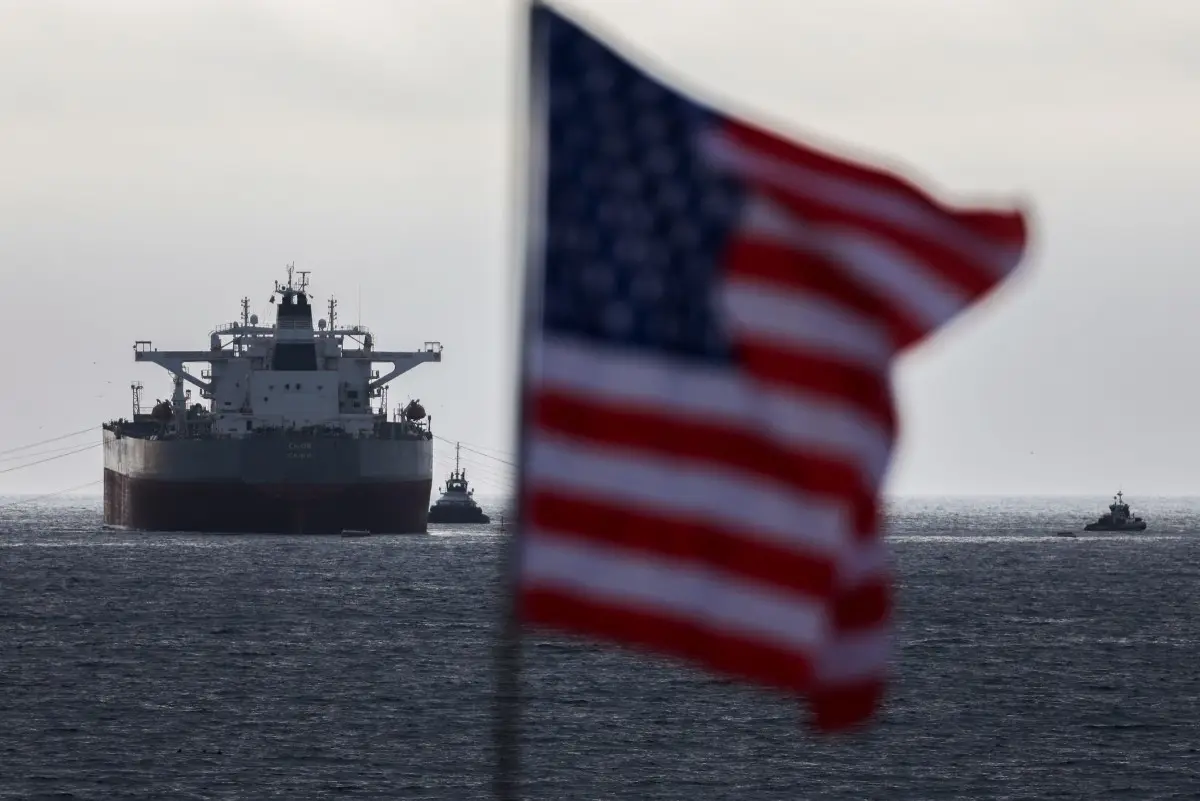
150-foot steel cables
Once the ships are in position, crews fire a line across the 150-foot gap of water to connect the vessels. Heavy steel tension cables are then rigged between the supply ship and the aircraft carrier. These cables act as a mid-ocean zip line, keeping the connection stable even as the ships ride the ocean swells.
Moving 700 food pallets
Using a highly automated pulley system, heavy cargo nets filled with fresh food slide rapidly across the tension cables. A single replenishment operation for the USS Abraham Lincoln can involve transferring between 600 and 700 pallets of supplies. Sailors on the receiving deck must work quickly to detach the heavy loads safely.
MH-60S helicopter drops
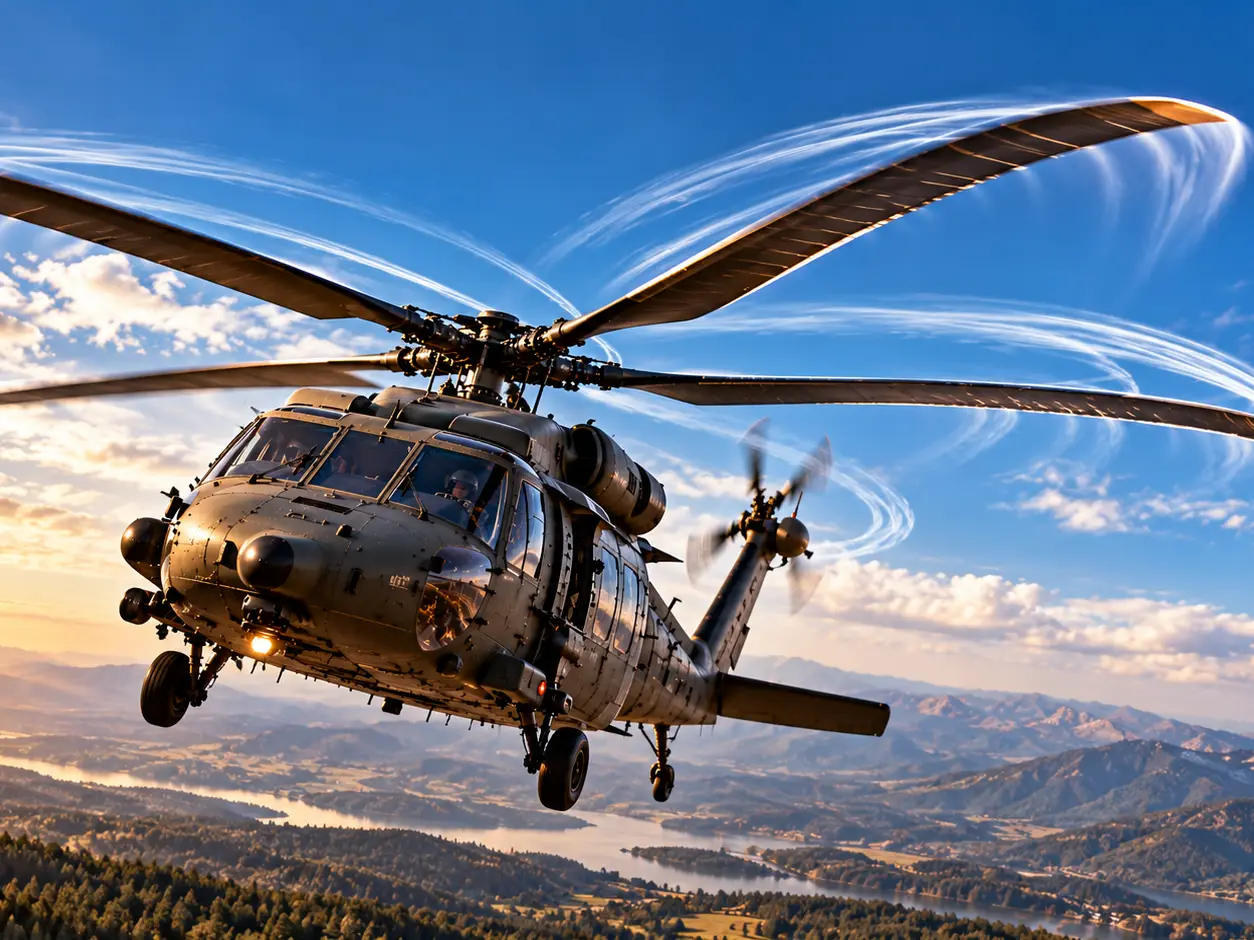
In addition to the cable transfers, the Navy frequently employs Vertical Replenishment to speed up the delivery. MH-60S helicopters lift heavy pallets of food from the supply ship and drop them directly onto the carrier's flight deck. This dual approach drastically reduces the time the two massive ships must remain closely tethered.
45-day refrigerated storage
Once the fresh produce and frozen meats reach the carrier, logistics specialists rush the items below deck to prevent spoilage. The food is safely packed into massive refrigerated storerooms mandated to hold at least a 45-day supply. This seamless mid-ocean grocery run ensures morale remains high and the crew stays combat-ready.
)
)
)
)
)