'Shame on the judge': Netizens furious as Charlie Kirk's assassination hearing with Tyler Robinson goes dark on demand

The lack of a live feed has allowed conspiracy theories to flourish. Commentators like Candace Owens have fuelled speculation about a "cover-up," suggesting that hiding the proceedings suggests the state has something to hide regarding the investigation's findings.
1. The "Secret" Hearing Precedent
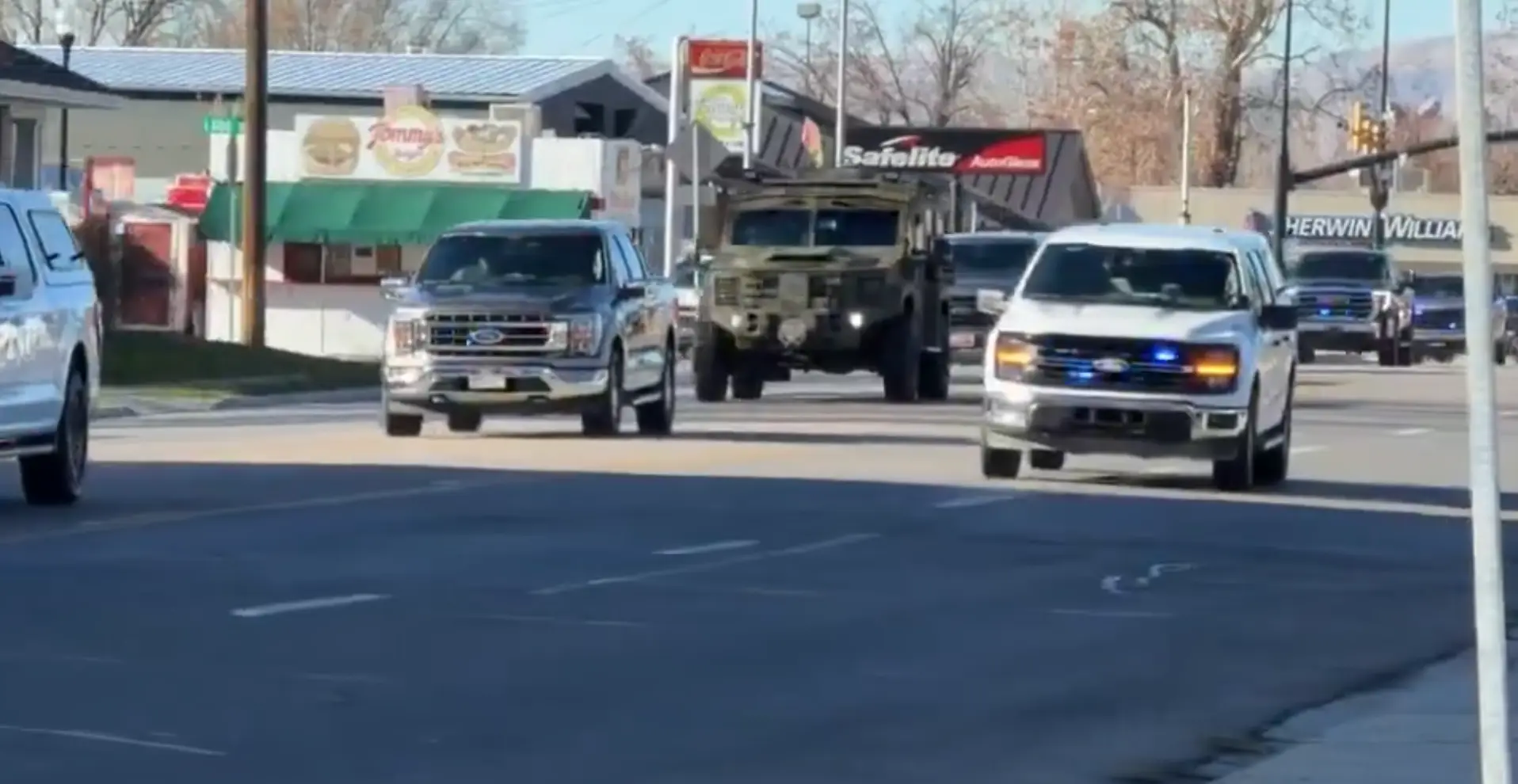
Public anger stems from Judge Tony Graf’s decision to hold a previous procedural hearing on October 24 entirely behind closed doors. Critics argue this set a dangerous precedent for "secret justice" in a case of national political significance, fuelling accusations that the court is shielding the accused from public scrutiny.
2. Defense Demands Total Camera Ban
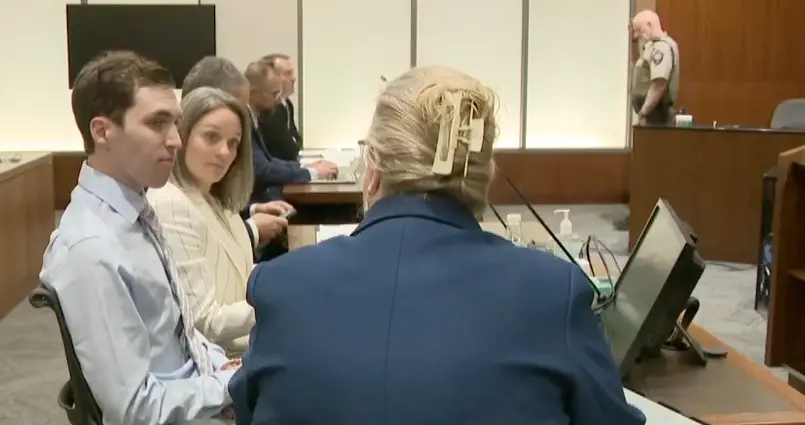
Robinson’s legal team has formally requested a complete ban on cameras in the courtroom, arguing that the "content tornado" of social media coverage will make a fair trial impossible. Netizens and supporters of the victim view this as a suppression tactic, trending phrases like "Cameras On" to demand accountability.
3. Widow’s Plea Ignored?
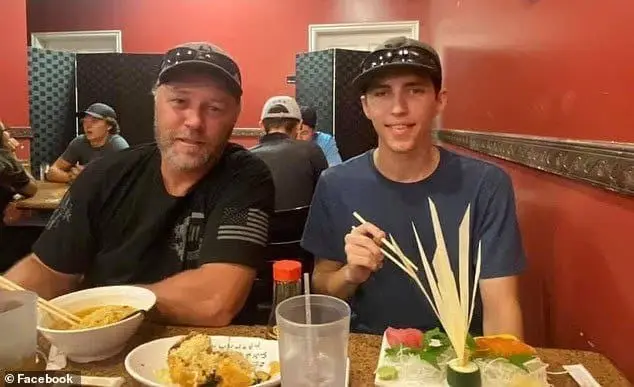
Erika Kirk, the widow of the slain activist, has publicly demanded full transparency, stating, "We deserve to have cameras in there". The court’s hesitation to grant this request has sparked backlash from her supporters, who believe the victim’s family is being sidelined to protect the rights of the accused.
4. The "Street Clothes" Controversy
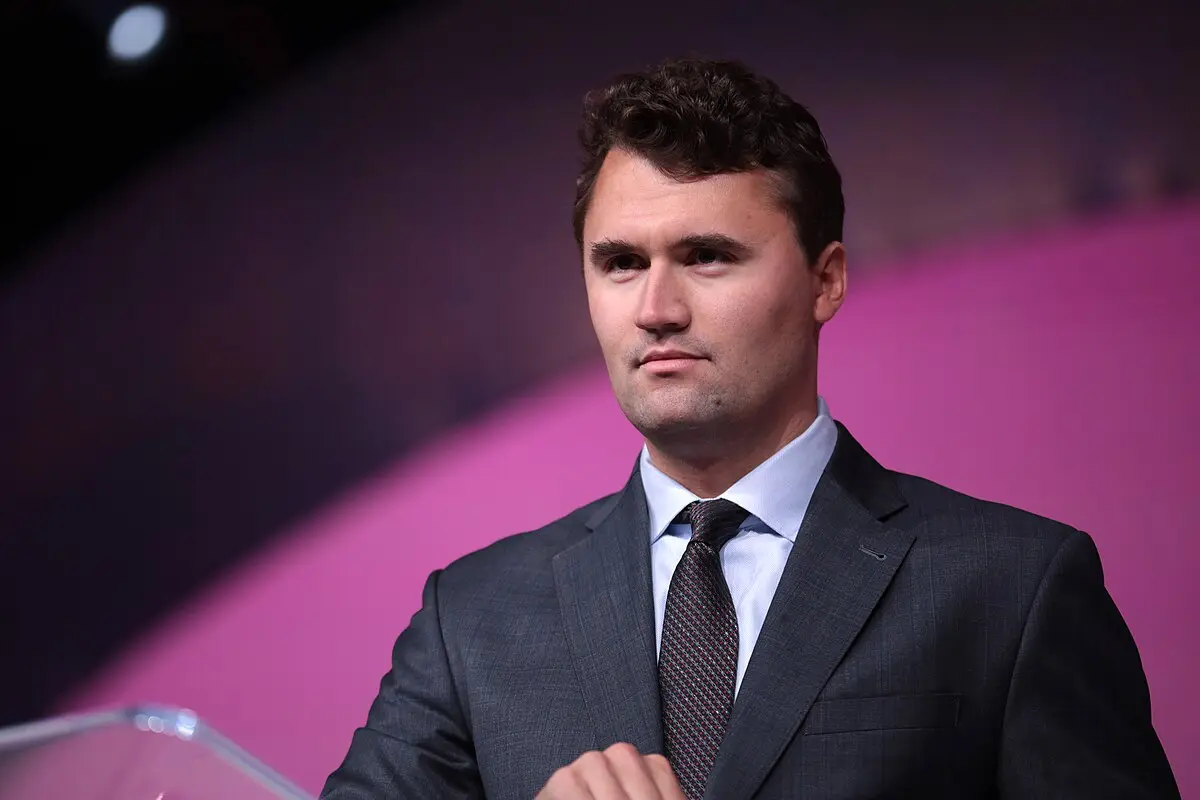
Outrage intensified after the judge ruled that Robinson could appear in court wearing civilian "street clothes" instead of a jail jumpsuit to protect his presumption of innocence. Many online commenters viewed this as "coddling" a suspect accused of a public assassination, contrasting his professional appearance with the brutality of the crime.
5. Prohibition on Filming Restraints
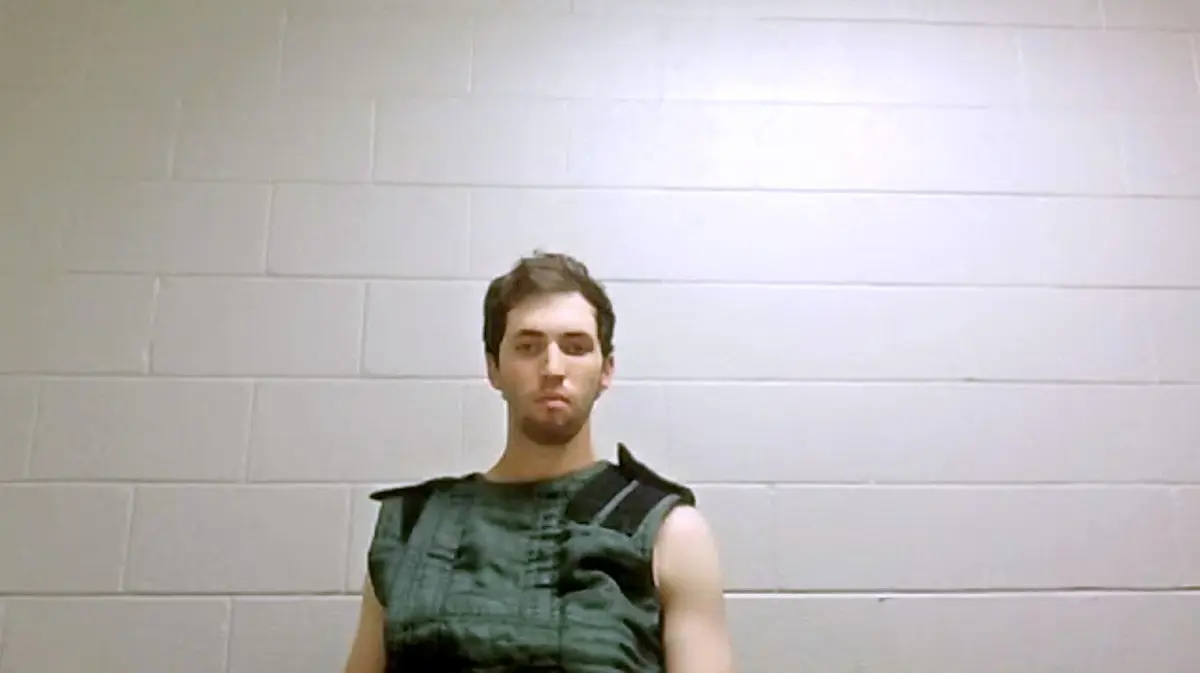
While Robinson must legally be shackled for security, the judge explicitly ordered that no media can film or photograph his restraints. This selective censorship has angered transparency advocates, who argue the public has a right to see the true conditions of the defendant’s custody.
6. The "Cover-Up" Conspiracies
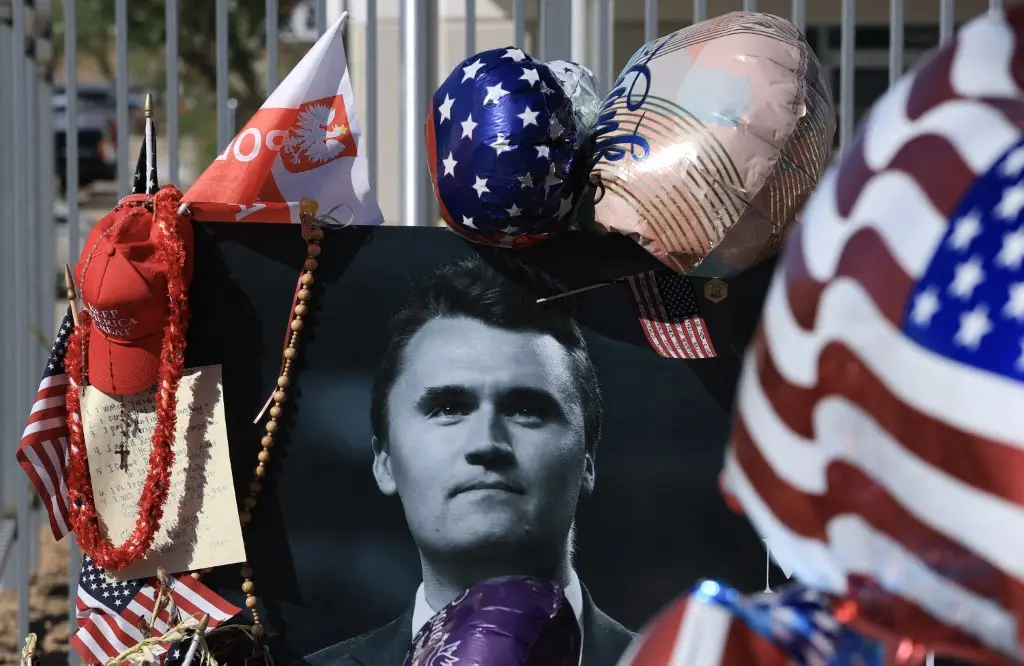
The lack of a live feed has allowed conspiracy theories to flourish. Commentators like Candace Owens have fuelled speculation about a "cover-up," suggesting that hiding the proceedings suggests the state has something to hide regarding the investigation's findings.
7. Media Coalition Fights Back
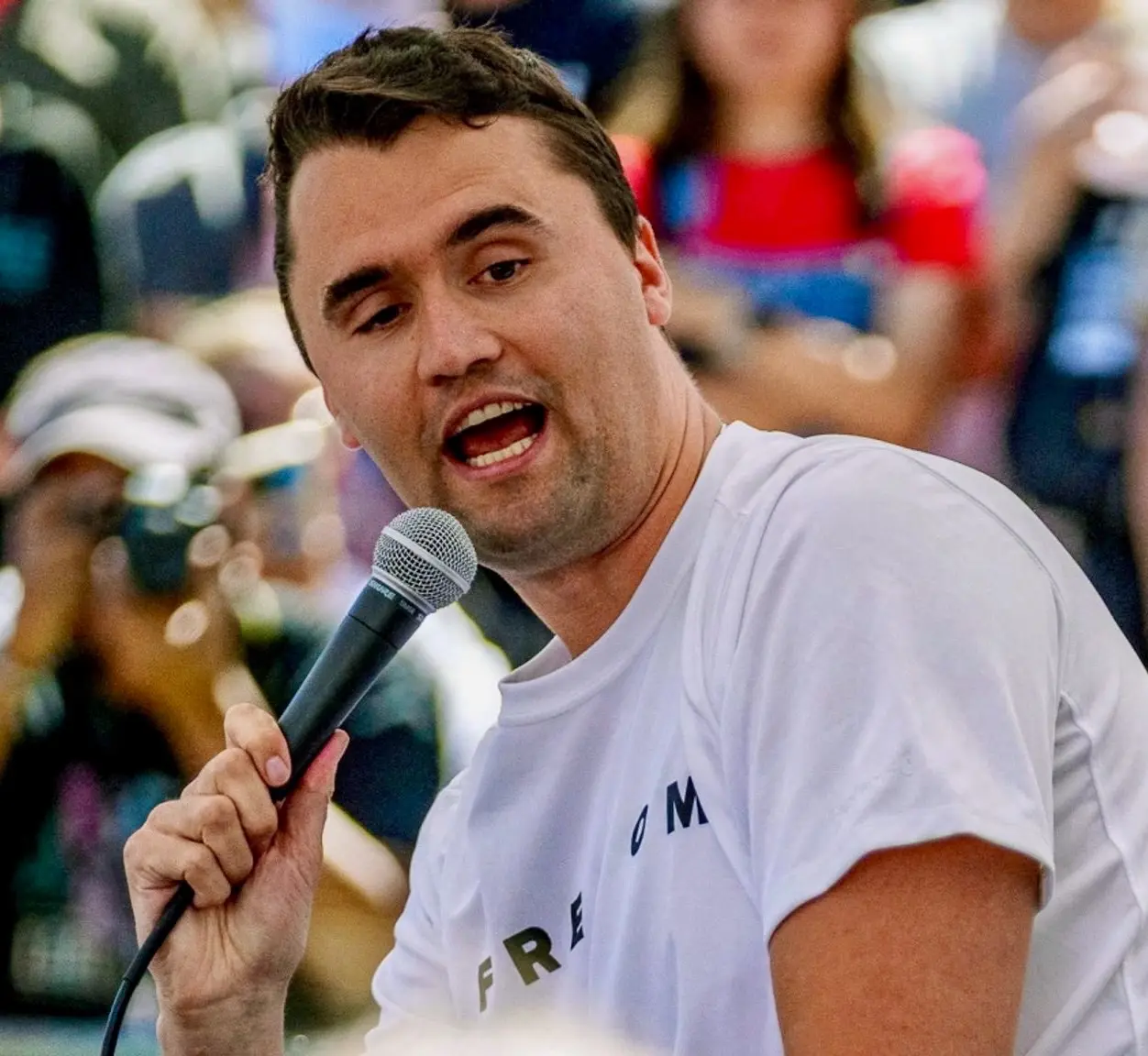
A coalition of major news organisations, including the Associated Press, is legally challenging the restrictions, arguing that "open courts safeguard the integrity of the fact-finding process". They contend that locking the public out of such a polarising trial will only deepen national division and mistrust in the justice system.
)
)
)
)