‘Sensor fusion and AI’: Why modern fighter jets are becoming flying data centres

Modern fighter jets have evolved from simple weapons platforms into sophisticated flying data centres. Using millions of lines of code, AI, and sensor fusion, they process vast amounts of battlefield information instantly.
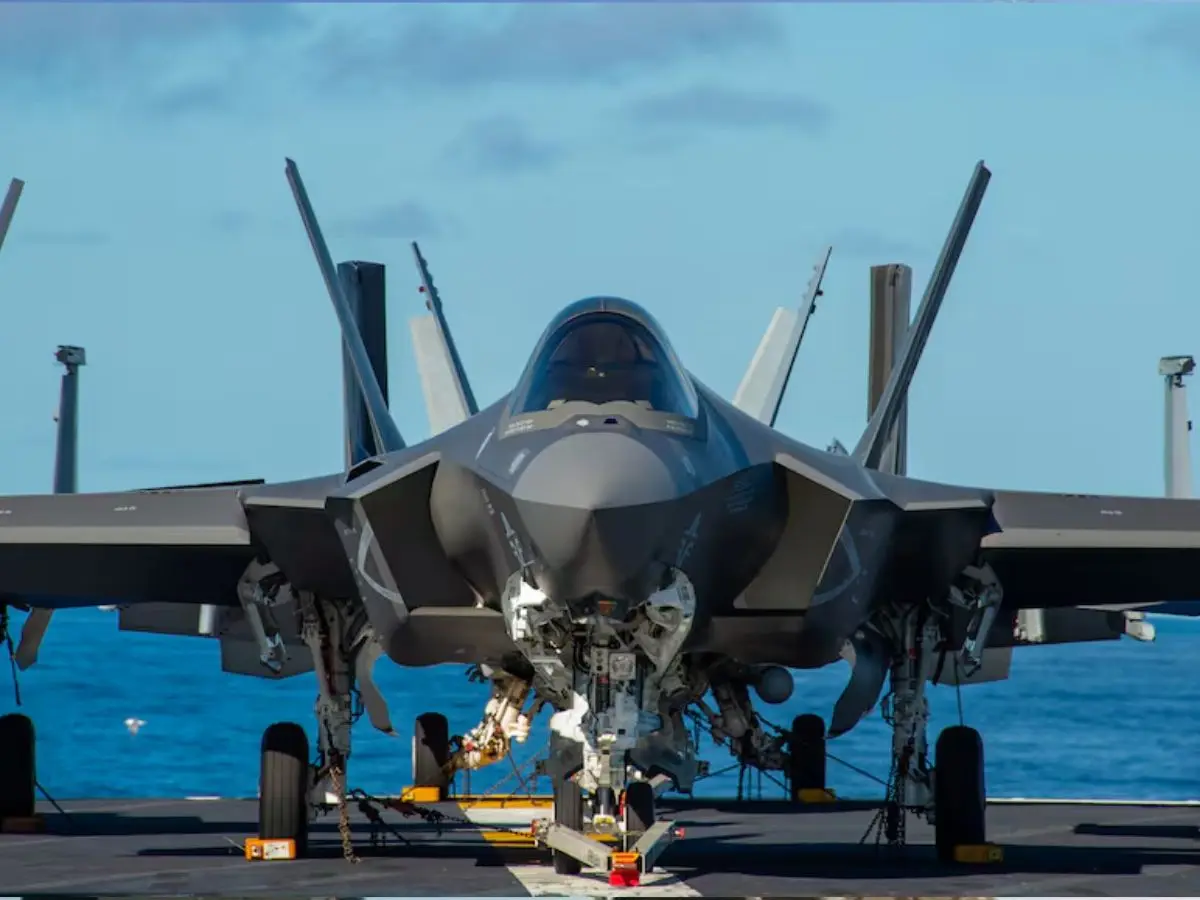
8 million lines of software code
Modern jets like the F-35 are defined more by software than hardware. According to Lockheed Martin, its complex onboard systems require more than 8 million lines of software code to manage operations and connect its systems.
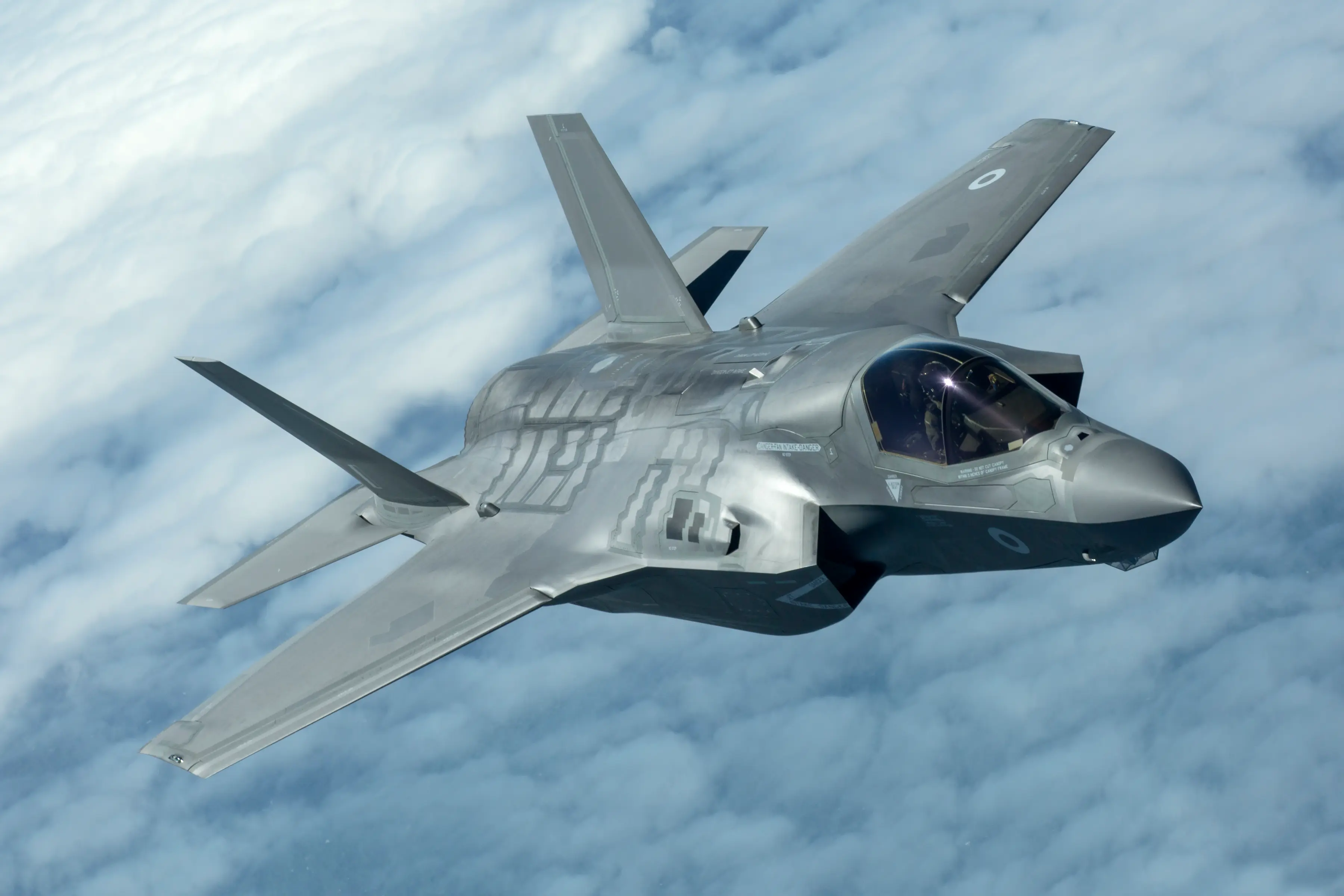
The Power of Sensor Fusion: Seeing One Clear Picture
Jets use a process called 'sensor fusion' to combine inputs from radars, cameras, and other sensors. BAE Systems explains that this gives pilots a single, clear picture of the battlefield instead of overwhelming them with raw, separate data points.
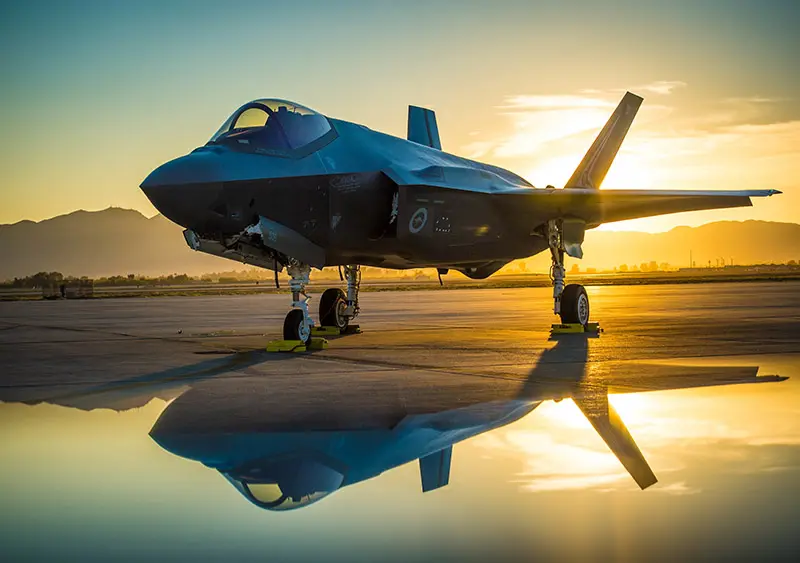
Processing at the 'Edge ': Handling Data in the Air
Modern sensors collect too much data to send back to base instantly for analysis. Air & Space Forces Magazine notes that jets must now use powerful onboard 'edge computing' to process terabytes of information immediately in the air.
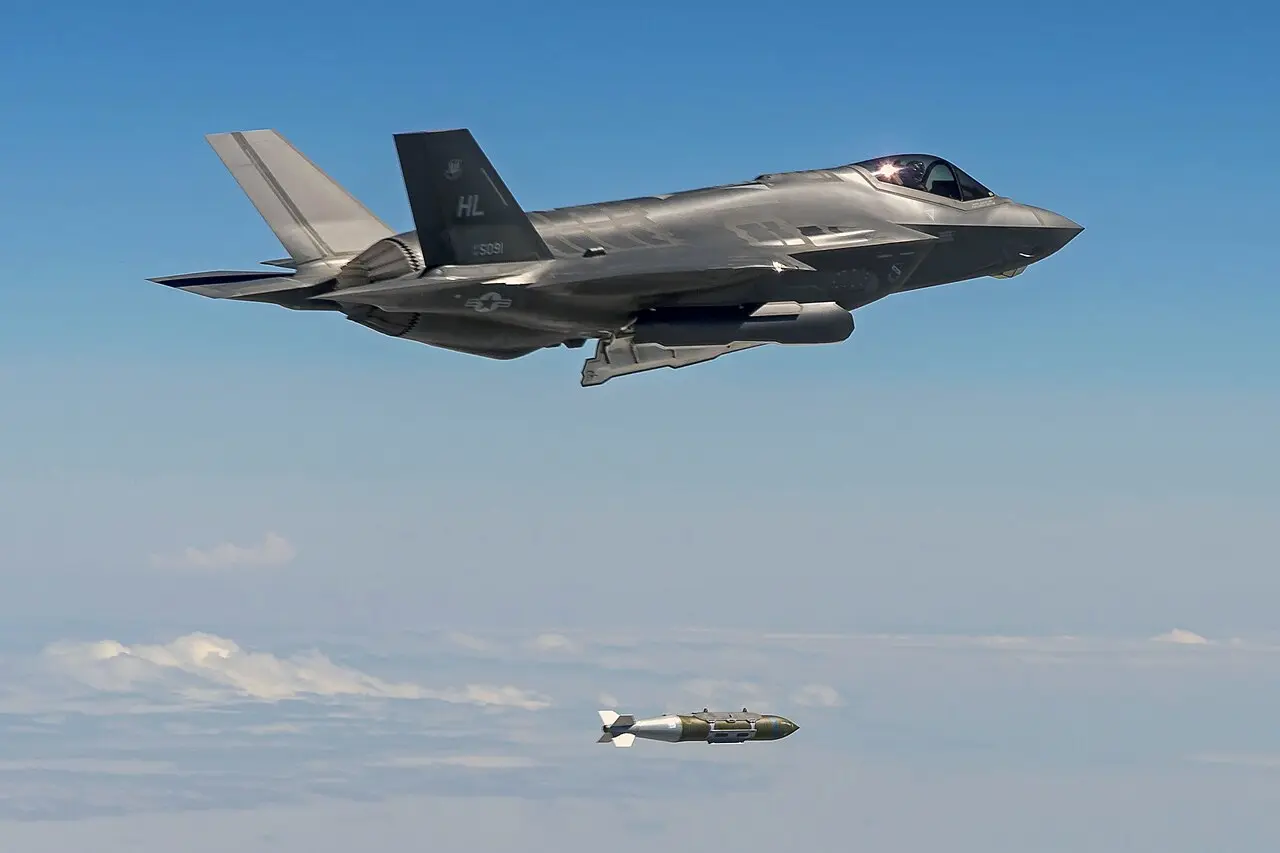
The Crucial Network Sharing Targets Instantly
The jet acts as a critical hub in a wider military network. According to Defense News, advanced data links allow fighters to share target information instantly with nearby ships, ground troops, and older aircraft, acting like a "quarterback" in the sky.
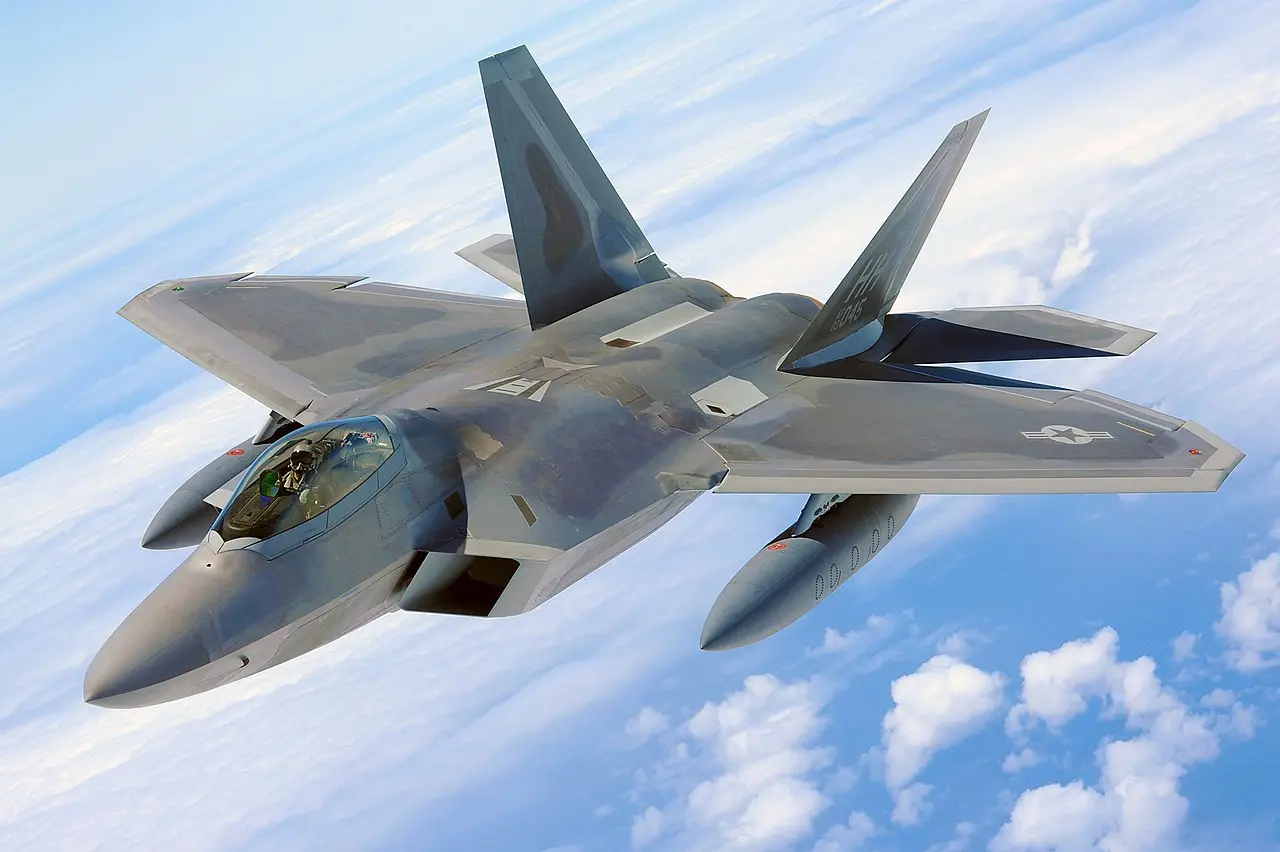
AI in the Cockpit: Filtering the Noise
Artificial Intelligence is now essential for helping pilots manage the data load. Northrop Grumman states that AI algorithms help filter vast amounts of incoming information, presenting only the most critical threats to the pilot's attention.
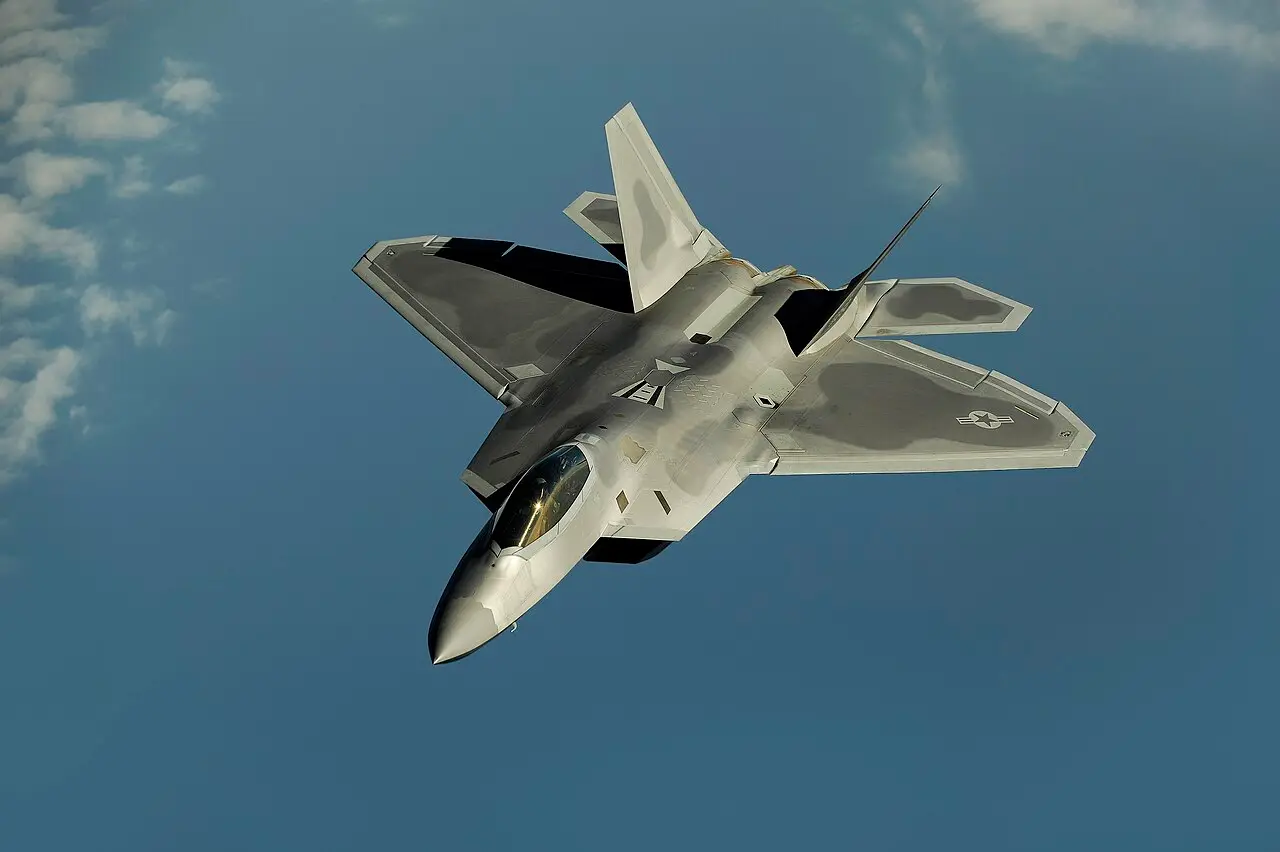
Electronic Warfare Dominance: Scanning the Spectrum
Modern fighters constantly scan the electromagnetic spectrum to locate enemy radar signals. Raytheon reports that these advanced electronic warfare suites generate massive amounts of data that must be analysed in real-time to map threats.
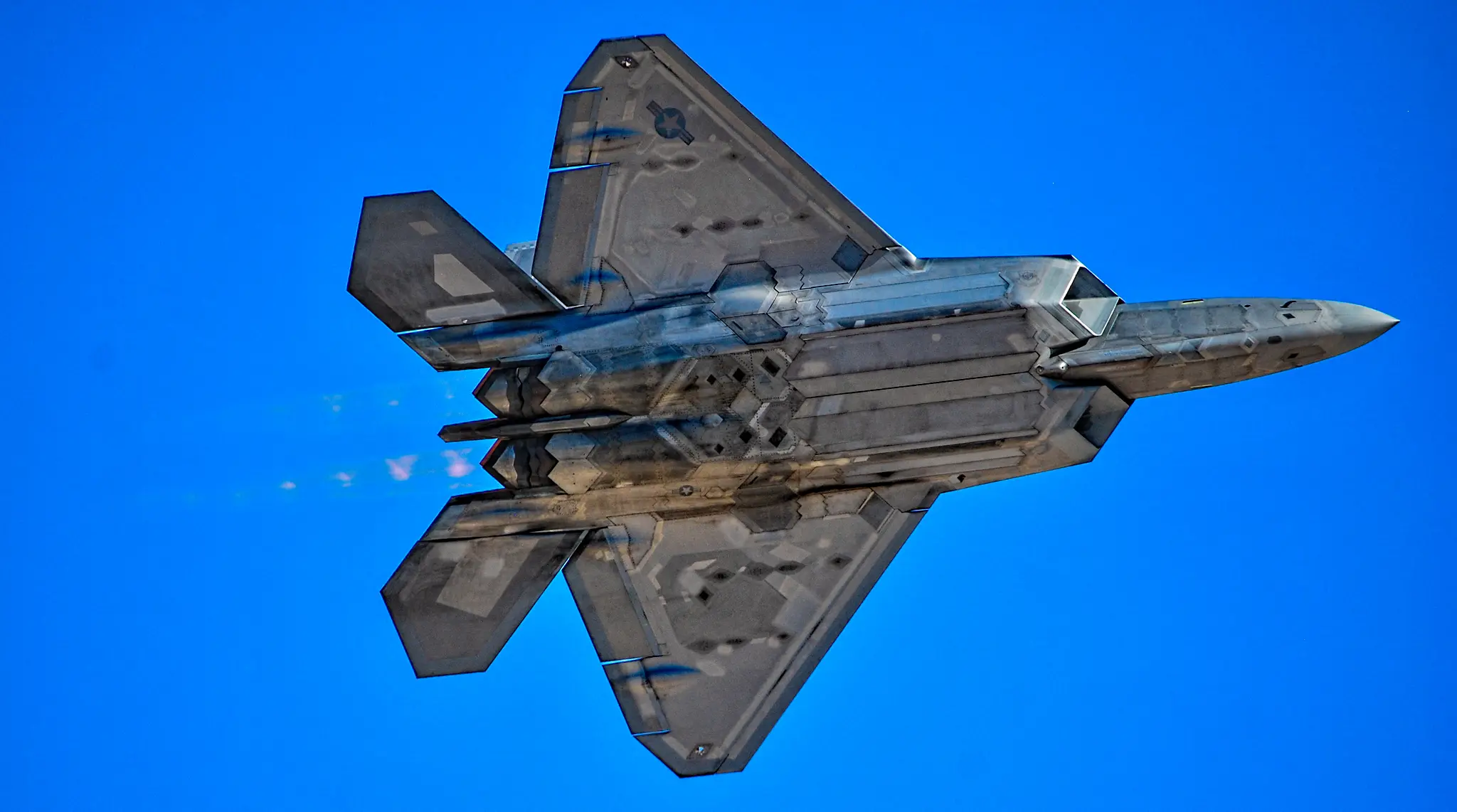
Software-Defined Upgrades: Improving Overnight
A fighter jet’s capabilities can now improve significantly through software updates rather than mechanics. Defense One highlights that new weapons or sensors can be integrated digitally without needing major physical modifications to the airframe.
)
)
)
)
)