‘Securing the chokepoint’: What US Marines can do to reopen the Strait of Hormuz

With roughly 2,500 troops per Expeditionary Unit, US Marines can deploy shipboard security teams and capture coastal missile batteries to reopen the Strait of Hormuz, securing 20 per cent of the global oil trade.
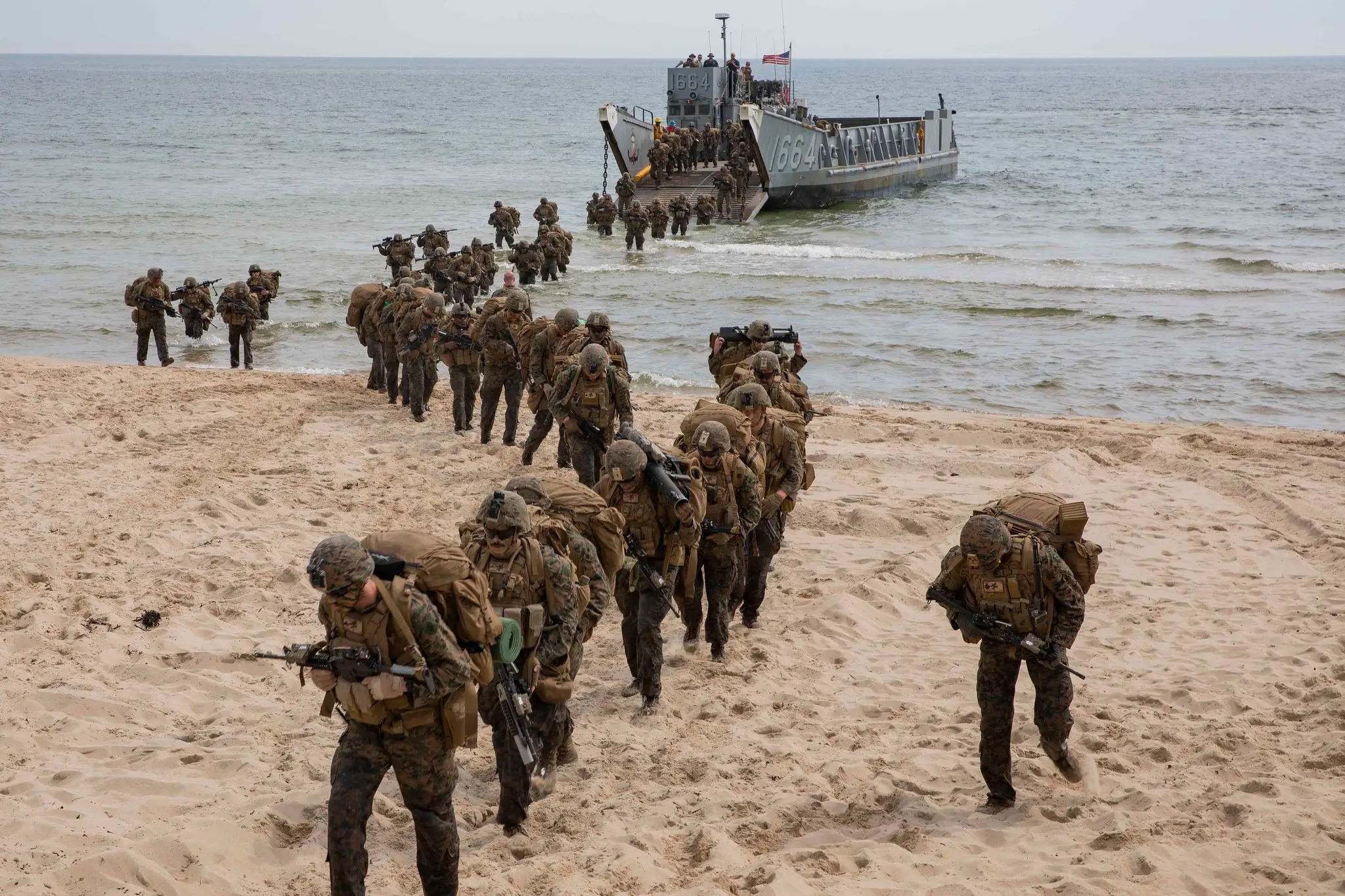
Securing commercial vessels
To prevent immediate hijackings, the Pentagon can deploy armed Marine security detachments directly aboard vulnerable commercial tankers transiting the strait.
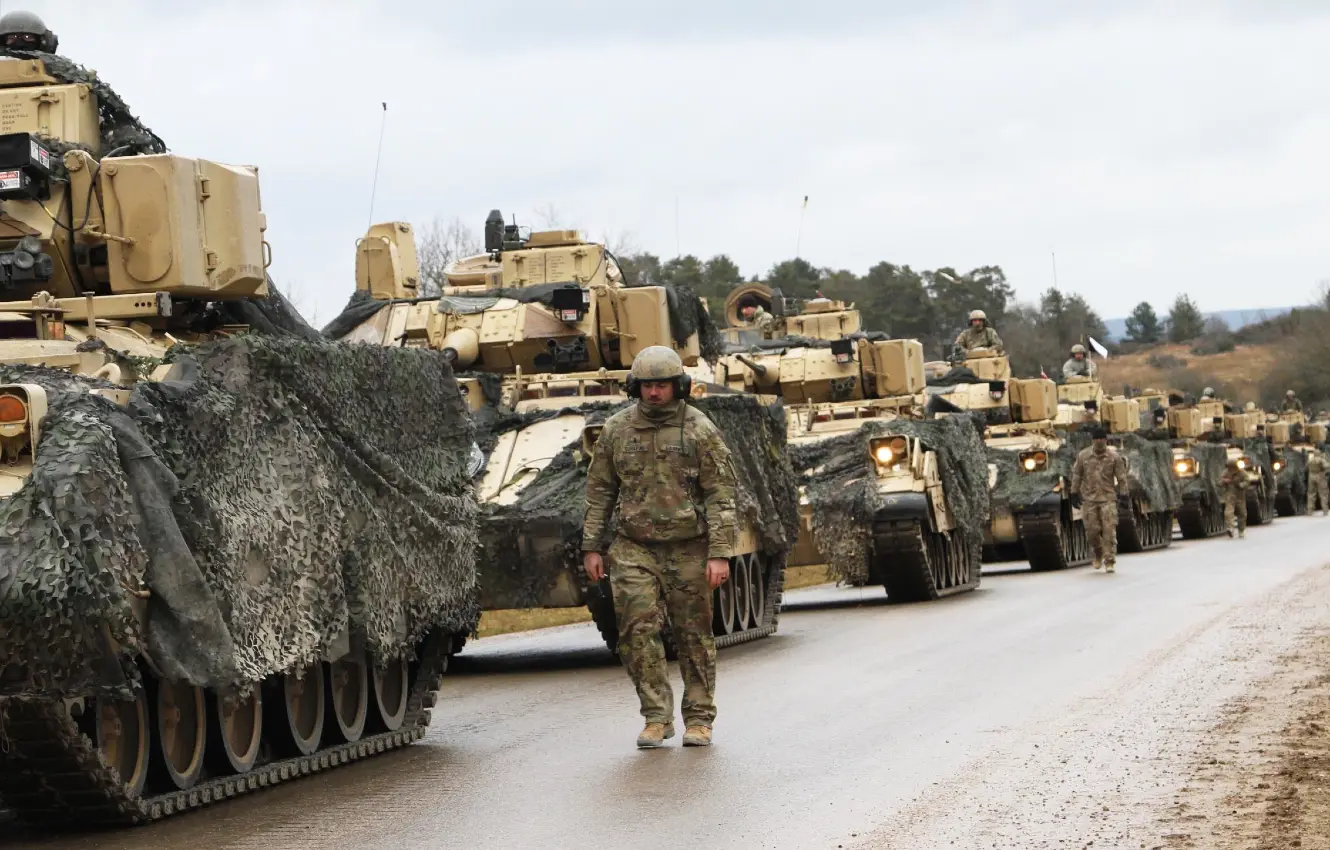
Countering fast-attack craft
Marines use AH-1Z Viper attack helicopters launched from amphibious assault ships to actively hunt and destroy Iranian Islamic Revolutionary Guard Corps fast-attack boats.
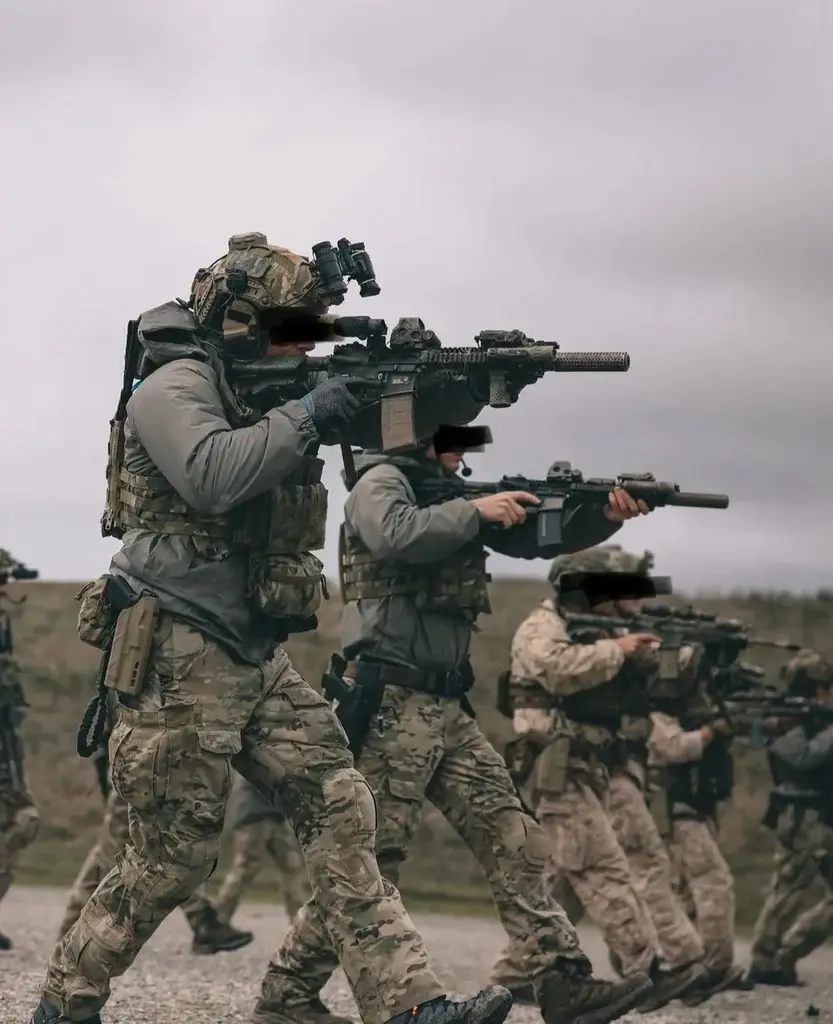
Capturing strategic islands
Using their core amphibious assault capabilities, Marines can capture highly fortified Iranian coastal islands like Qeshm to eliminate radar and missile sites.
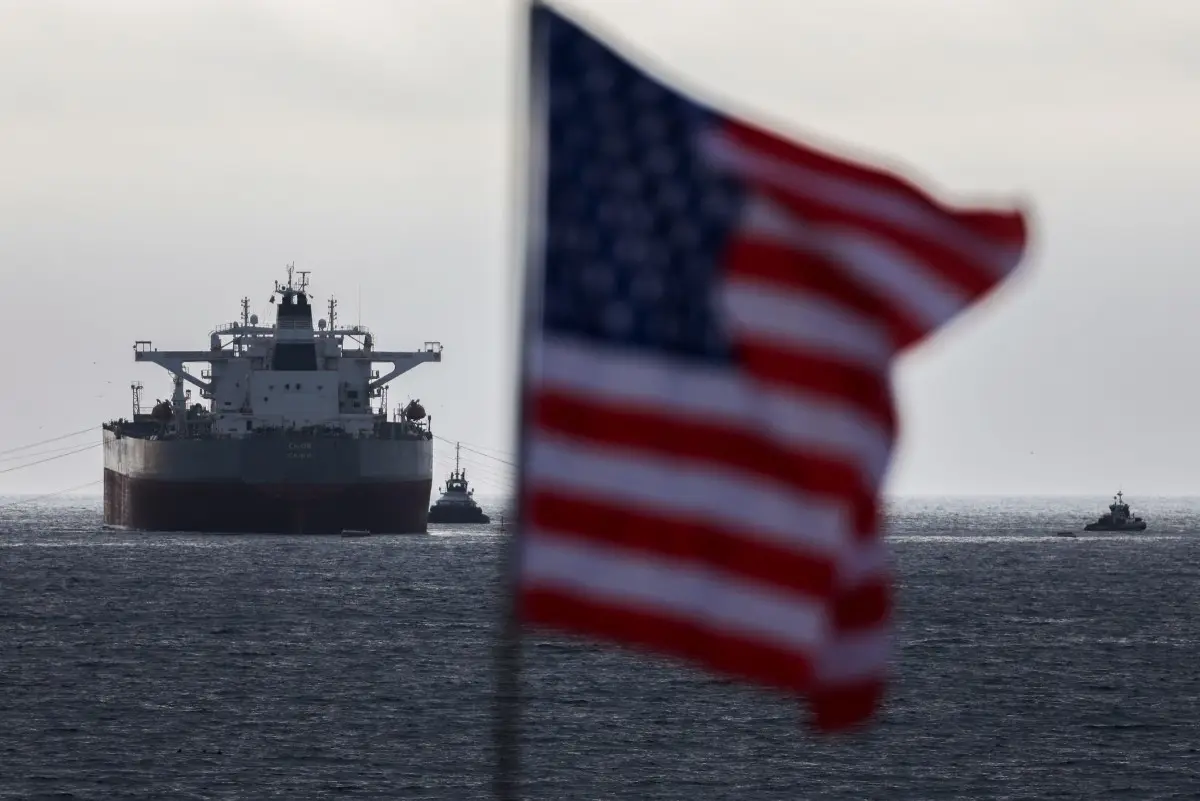
Expeditionary advanced bases
Under the new Expeditionary Advanced Base Operations strategy, Marines can rapidly set up temporary, mobile missile batteries on isolated islands to control the sea space.
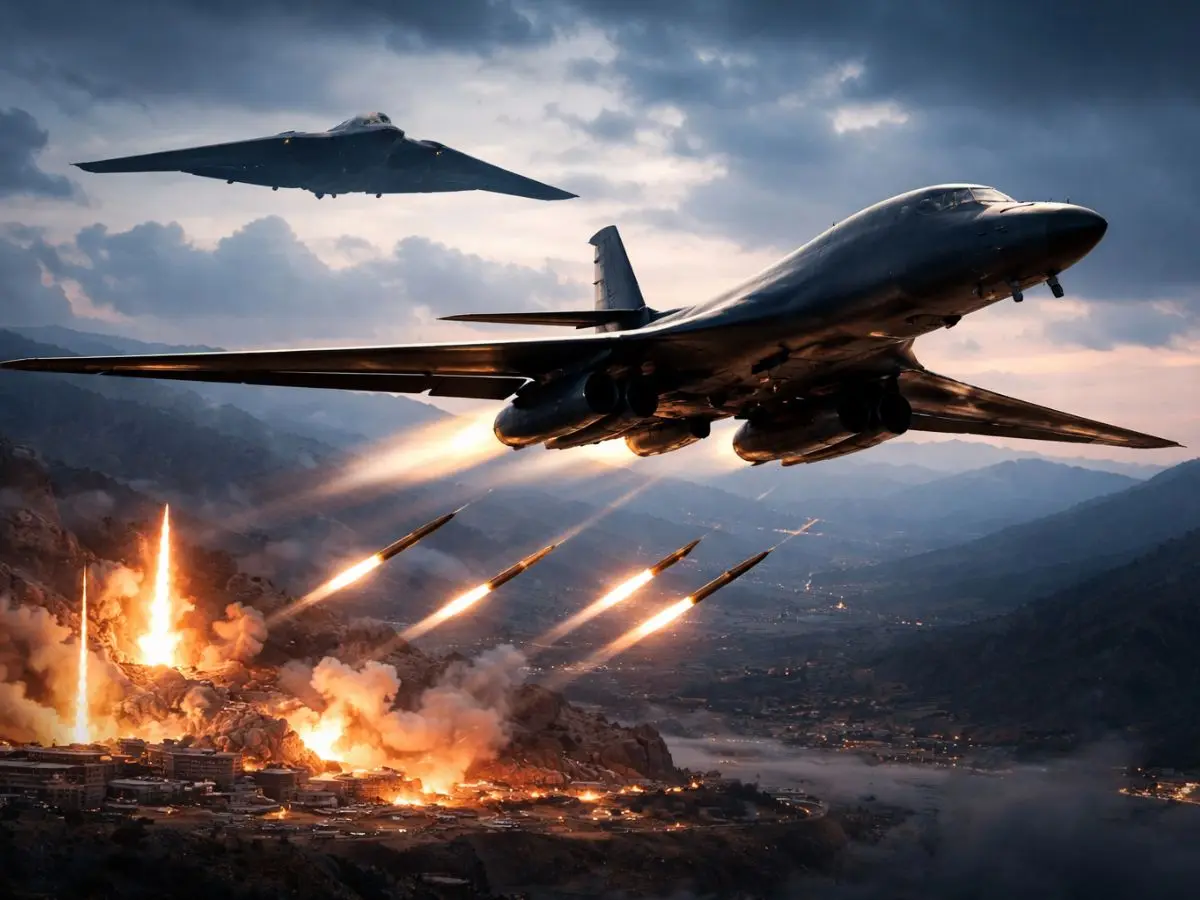
Clearing naval mines
While the Navy handles deep-water sweeping, Marine reconnaissance teams are specifically trained to locate and neutralise shallow-water mines threatening the immediate coastline.
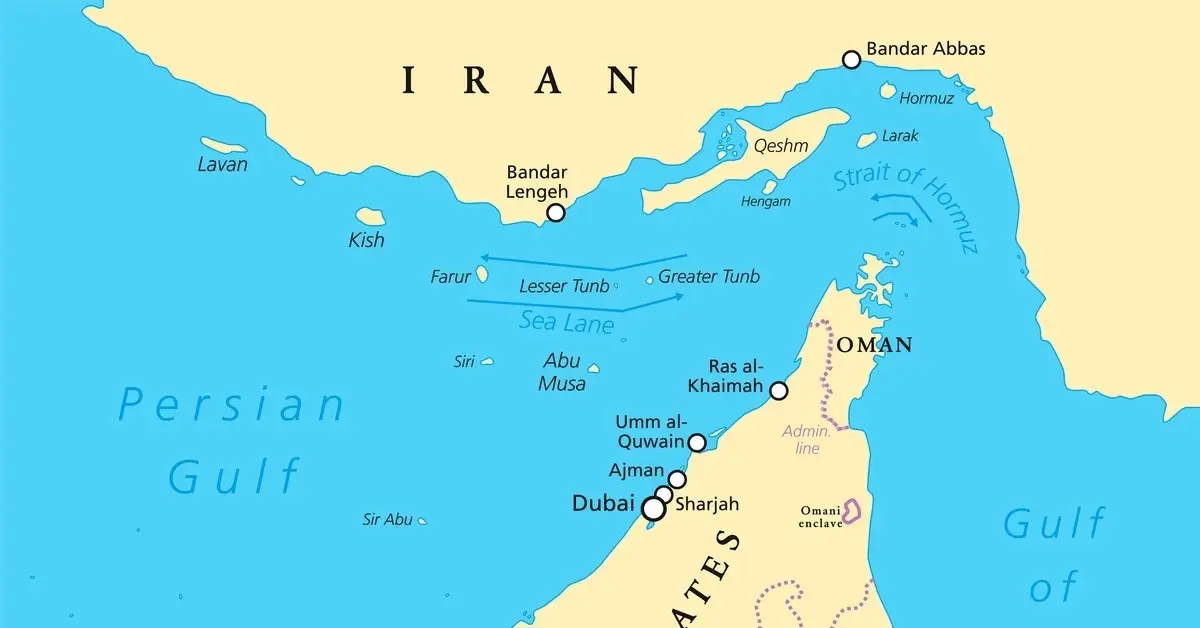
Eliminating coastal missiles
Marine precision fire teams and stealth F-35B fighter jets can coordinate to destroy hidden anti-ship cruise missile batteries stationed along Iran's rocky southern coast.
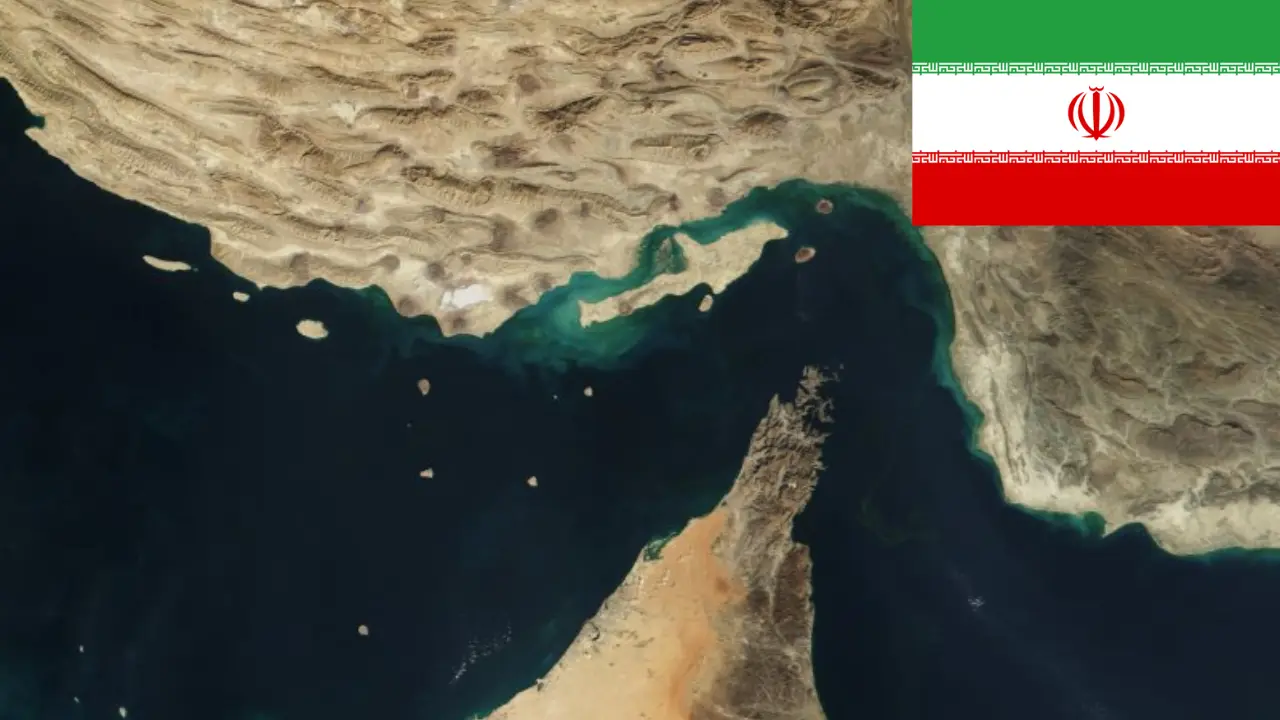
Ensuring global oil flow
By executing these combined operations, a standard Marine Expeditionary Unit can force the strait open, securing a route that handles 21 million barrels of oil daily.
)
)
)
)
)