'Secure the chokepoint': 7 countries that have ability to answer Trump’s call in Strait of Hormuz

With Tehran vowing severe retaliation, Trump has urgently called on allied nations to deploy warships to the Strait of Hormuz to prevent a global energy collapse.
Secure the Chokepoint
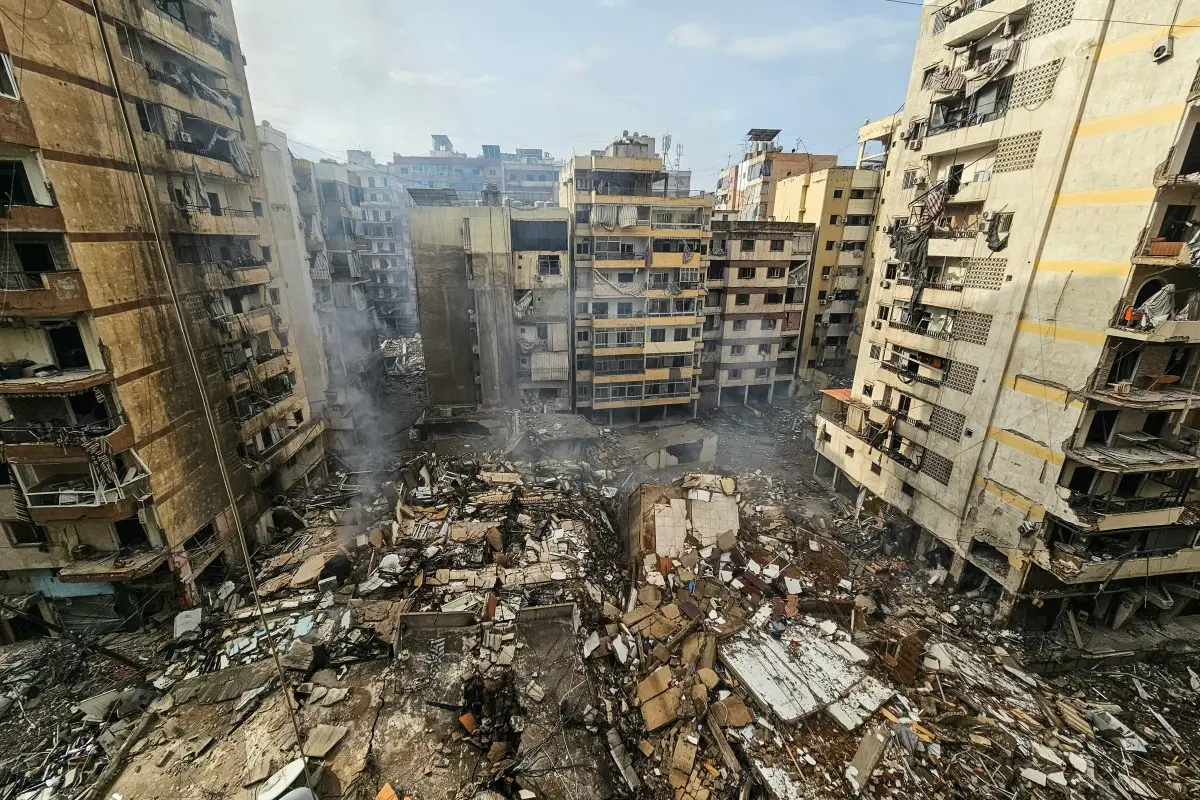
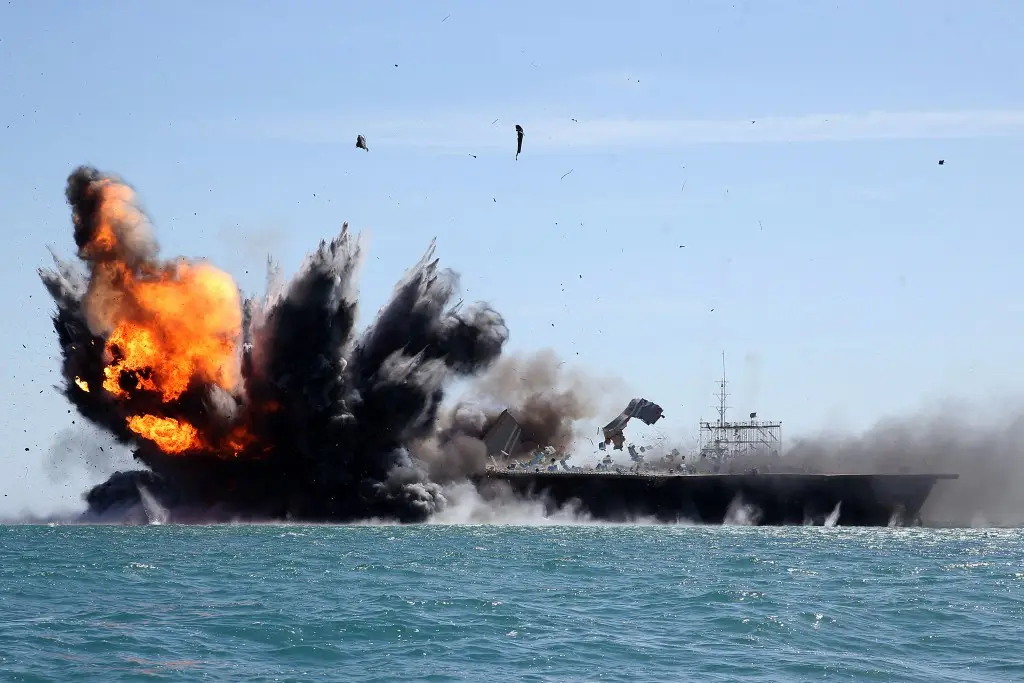
As tensions reach a boiling point, US President Donald Trump’s threat to launch further strikes on Iran's Kharg Island oil export hub has dramatically escalated the Middle East crisis. With Tehran vowing severe retaliation, Trump has urgently called on allied nations to deploy warships to the Strait of Hormuz to prevent a global energy collapse.
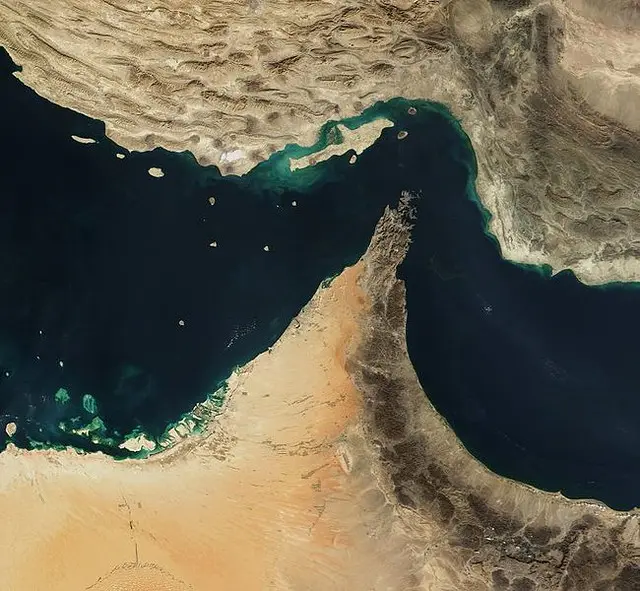
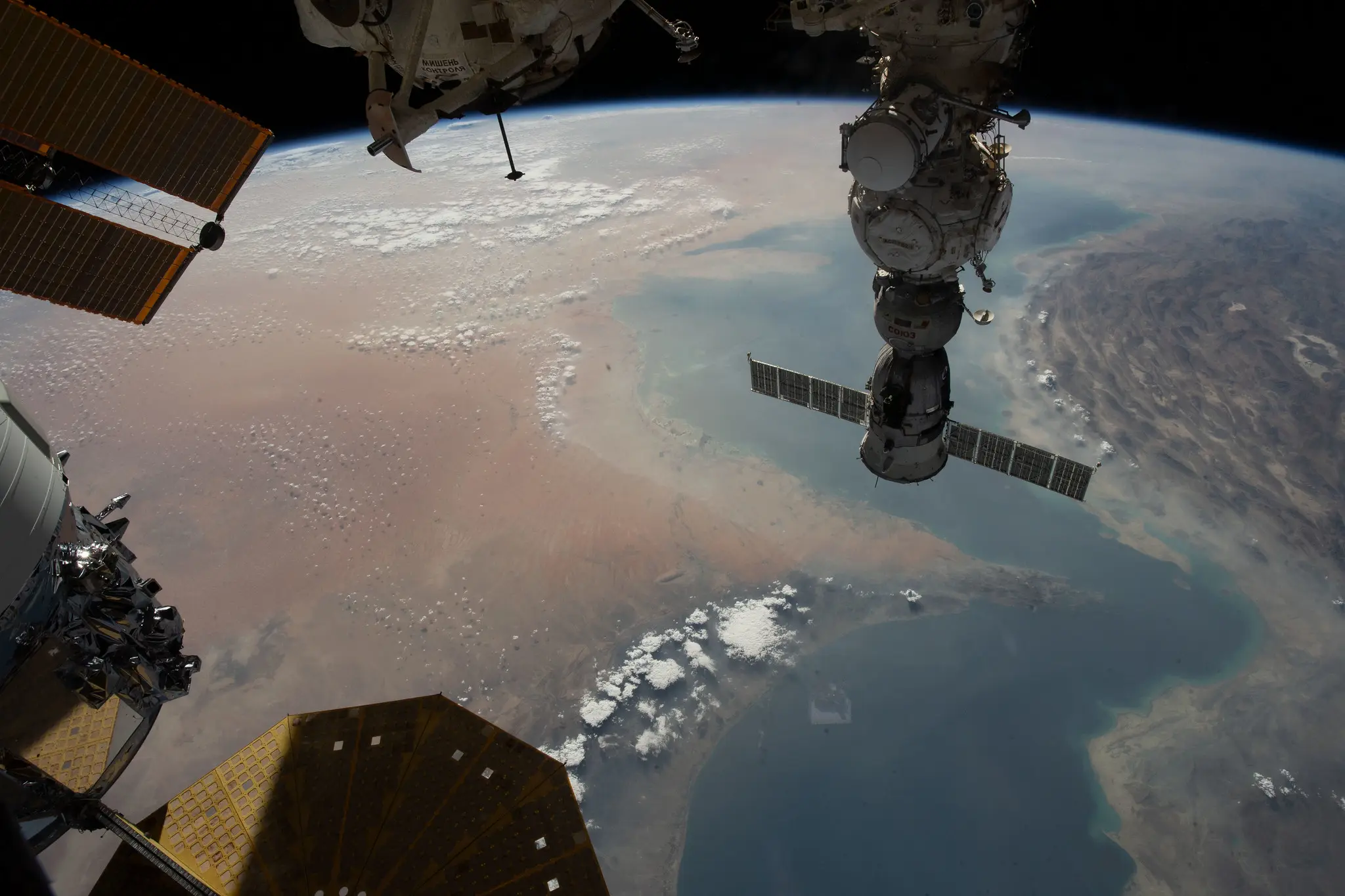
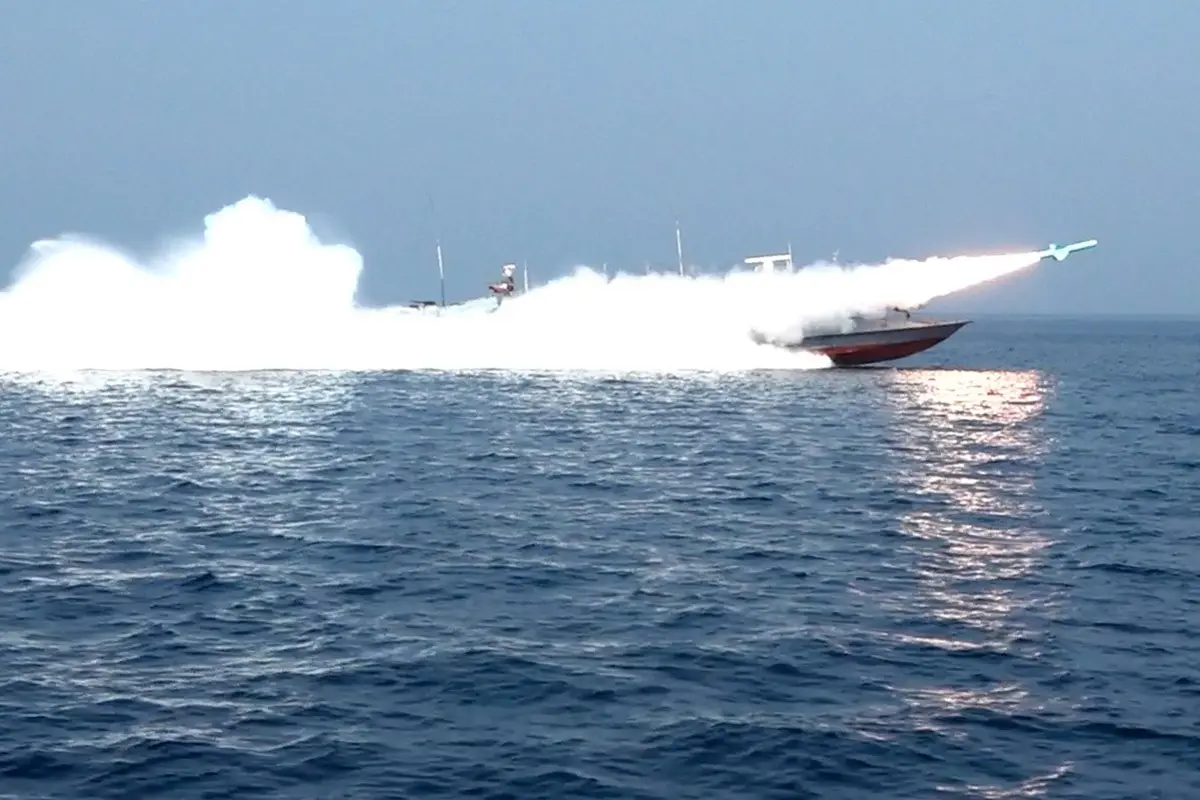
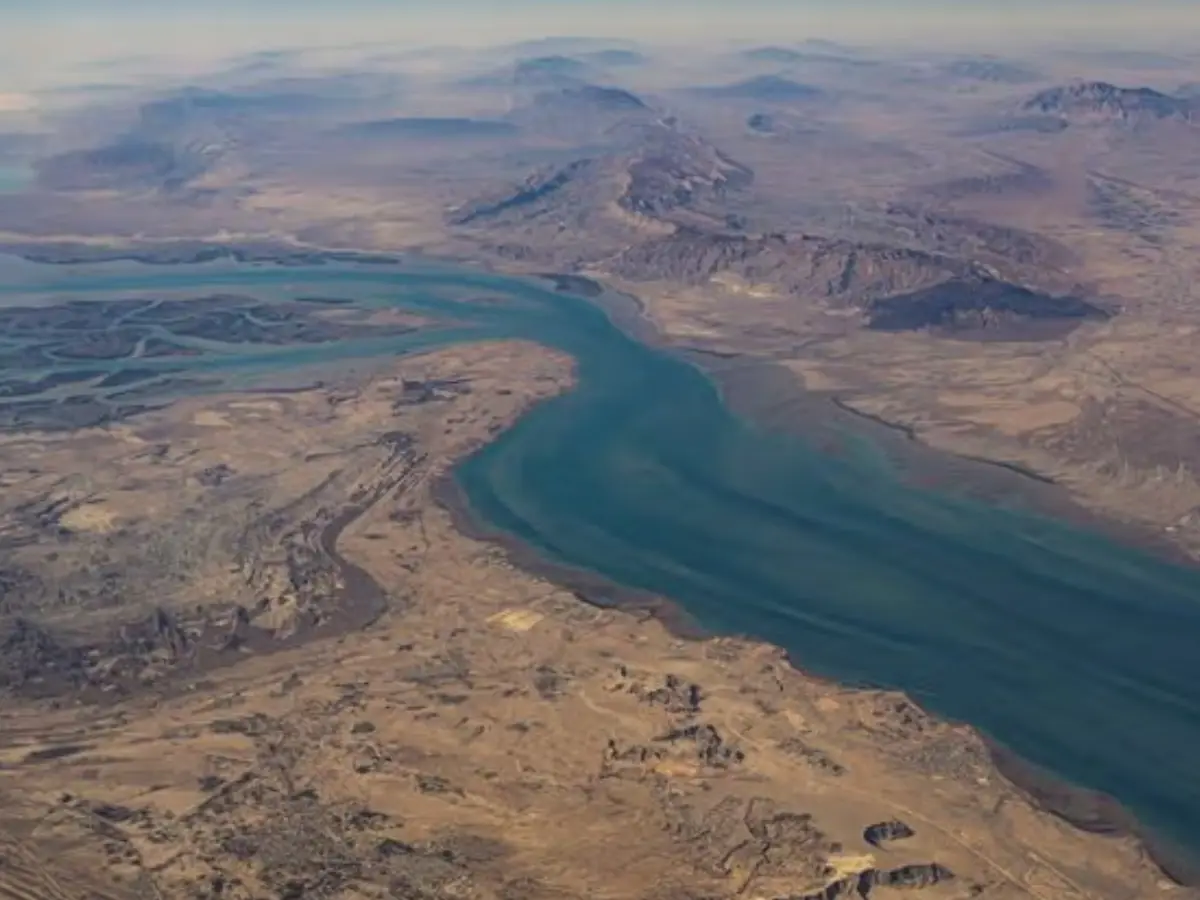
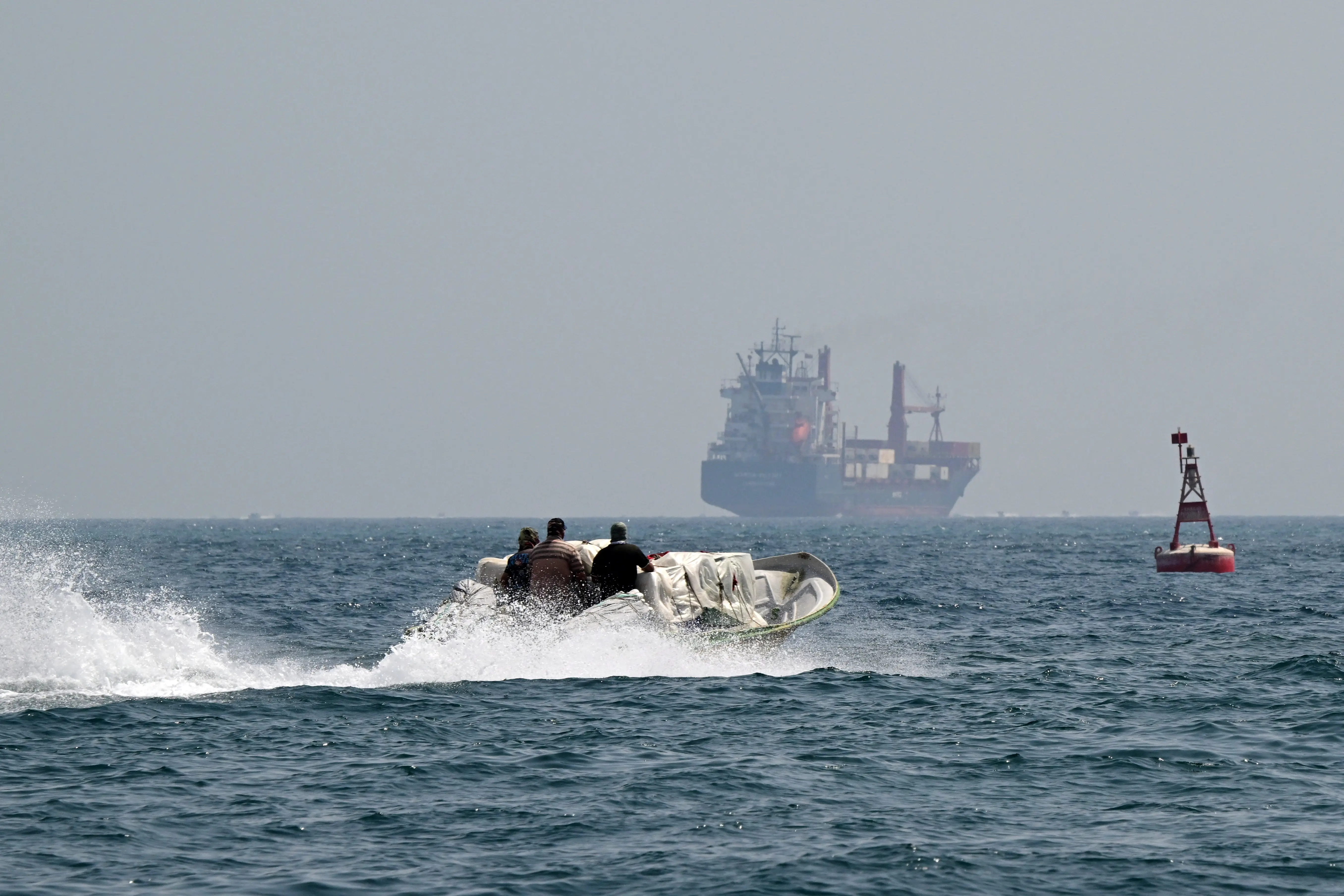
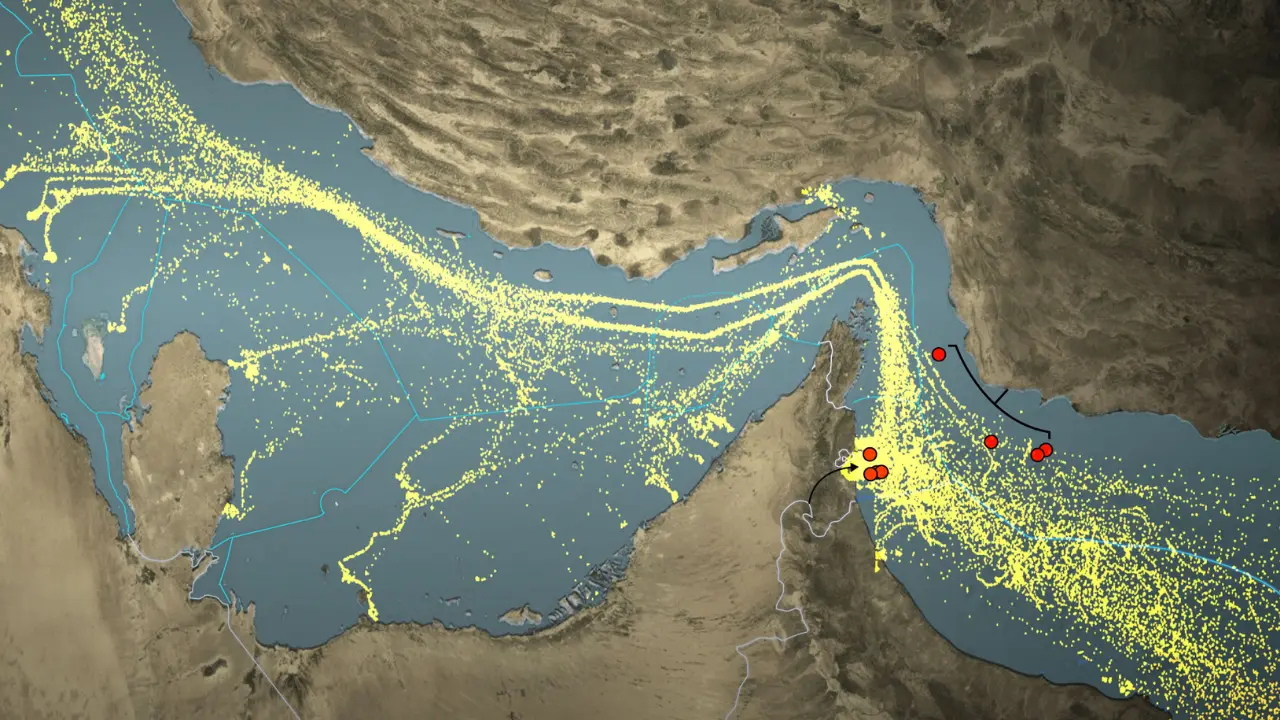
If a multi-national naval coalition is mobilised to secure the 21-mile-wide chokepoint, here are seven countries with the maritime capabilities and strategic imperatives to deploy warships:
1. United Kingdom (The Royal Navy)
As Washington’s most reliable maritime ally, the UK is almost certain to increase its presence. The Royal Navy already maintains a strategic footprint in the region with a naval facility in Bahrain (HMS Jufair). Britain has historically joined US-led task forces, such as Operation Sentinel, and would likely deploy Type 45 destroyers or Type 23 frigates to provide advanced air defence and escort capabilities for commercial tankers.
2. France (Marine Nationale)
France maintains a major naval base in Abu Dhabi, United Arab Emirates, giving it immediate proximity to the Strait of Hormuz. While Paris often prefers to operate under European-led initiatives rather than directly under US command, the sheer threat to global energy supplies would likely force a coordinated deployment. The French Navy could utilize its heavily armed FREMM multipurpose frigates to assert freedom of navigation.
3. Japan (Maritime Self-Defense Force)
Japan relies on the Middle East for nearly 90% of its crude oil imports, making the Strait of Hormuz an existential lifeline for the Japanese economy. While constrained by a pacifist constitution, Tokyo has previously authorized the deployment of destroyers and P-3C patrol aircraft to the Gulf of Oman for "information gathering" and protecting Japanese-related vessels. Trump’s direct call heavily pressures Japan to step up its maritime shielding.
4. South Korea (Republic of Korea Navy)
Similar to Japan, South Korea is heavily dependent on Gulf oil to fuel its manufacturing-heavy economy. Seoul already operates the Cheonghae anti-piracy unit in the Gulf of Aden and has previously expanded its operational area into the Gulf of Oman during times of high tension. South Korea could deploy its advanced Chungmugong Yi Sun-sin-class destroyers to secure the passage of its massive energy-carrying fleet.
5. Australia (Royal Australian Navy)
Australia is a cornerstone of the US alliance network and a frequent participant in Middle Eastern maritime coalitions. While geographically distant, the strategic imperative of supporting Washington and stabilizing global markets would be strong. Australia could dispatch Anzac-class frigates or Hobart-class destroyers, which are equipped with the Aegis combat system, providing a massive boost to regional air and missile defence against drone swarms or anti-ship missiles.
6. India (Indian Navy)
While India traditionally maintains strategic autonomy and avoids formal US military alliances, New Delhi has a massive stake in keeping the strait open. As an emerging "Net Security Provider" with robust blue-water capabilities, the Indian Navy is has already conducted Operation Sankalp in 2019 to escort Indian-flagged vessels. Rather than joining a US offensive task force, India would likely surge its own guided-missile destroyers (like the Kolkata or Visakhapatnam class) and potentially position Carrier Battle Groups nearby to secure its vital energy interests independently.
7. Italy (Marina Militare)
Italy is highly active in the Mediterranean and the broader Middle East, frequently participating in anti-piracy and maritime security operations in the Horn of Africa and the Persian Gulf. As a leading NATO naval power, Rome could deploy its Bergamini-class (FREMM) frigates to the Strait. Protecting energy imports is critical for European stability, and Italy has the operational capacity to act as a major European anchor in a combined maritime force.
)
)
)
)
)