‘Sea-skimming missile threats’: Can USS Tripoli stop Iranian low-flying cruise missiles?

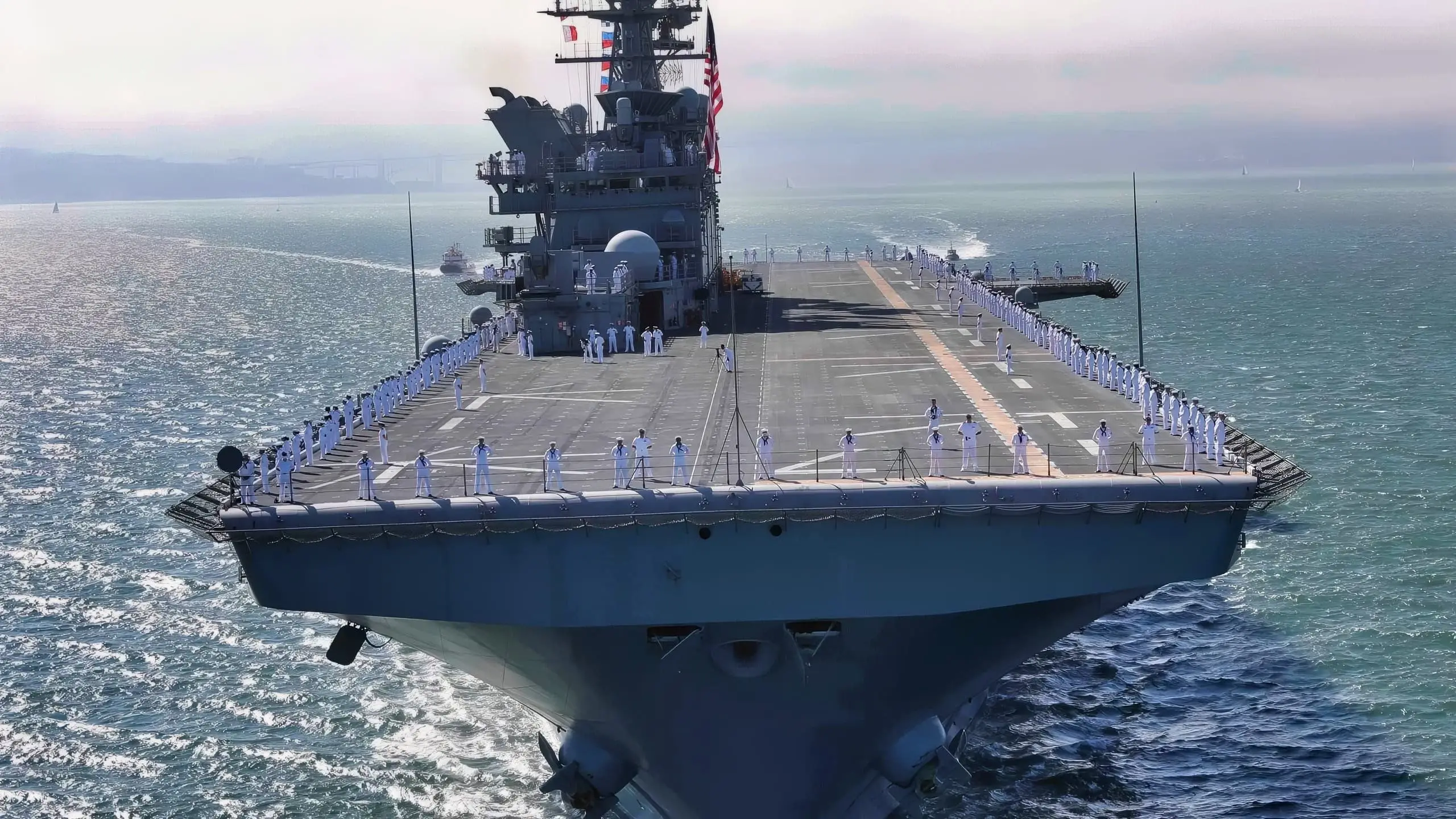
The USS Tripoli uses a highly advanced, multi-layered defence network to neutralise sea-skimming missile threats.
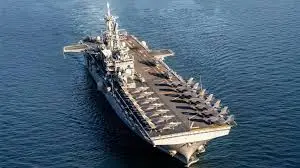
The Low-Altitude Threat
Iranian cruise missiles fly exceptionally close to the ocean surface, using the curvature of the Earth to evade early-warning radars. This sea-skimming trajectory drastically reduces the reaction time for targeted warships, making them incredibly dangerous to massive vessels like the USS Tripoli.
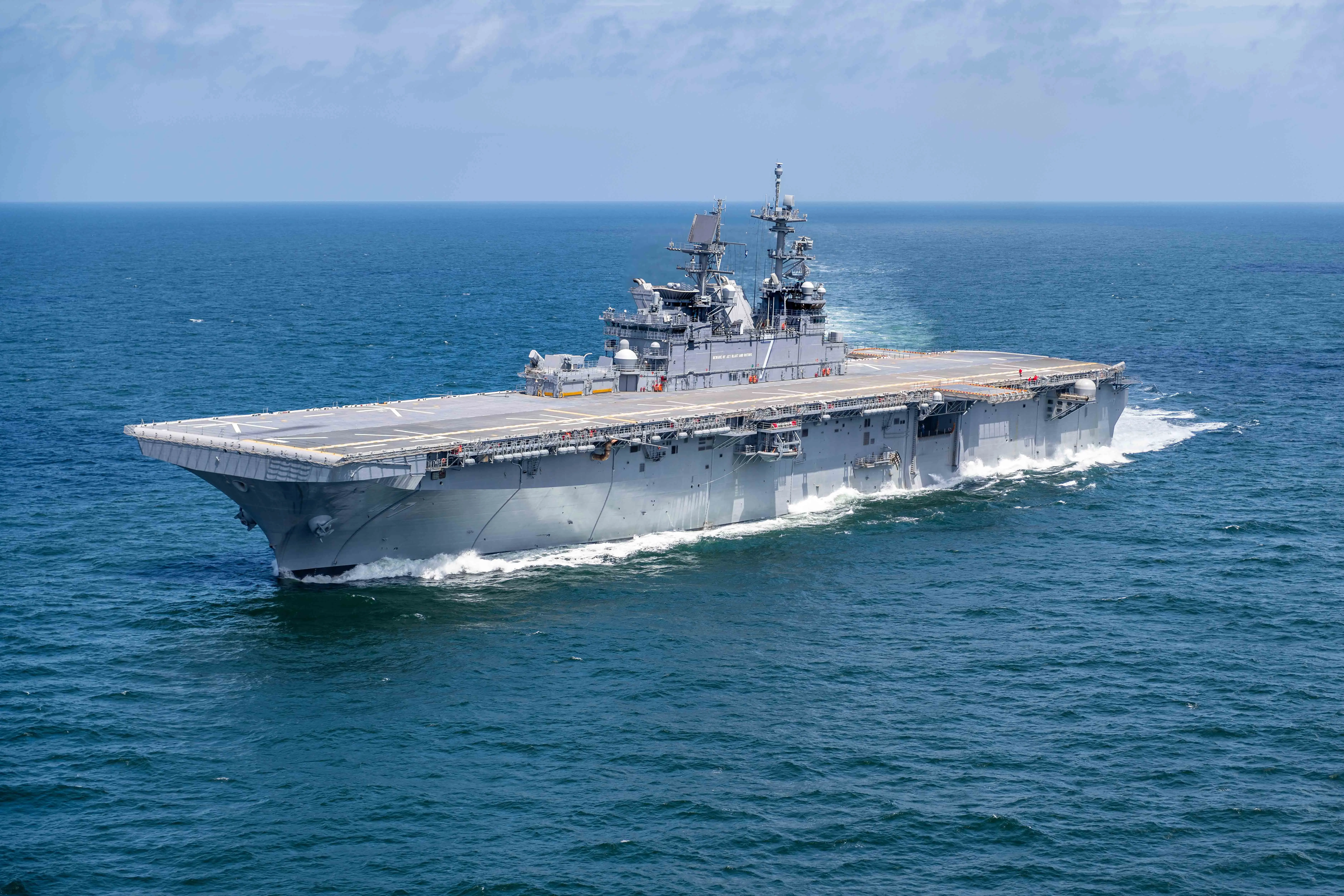
Airborne Interception
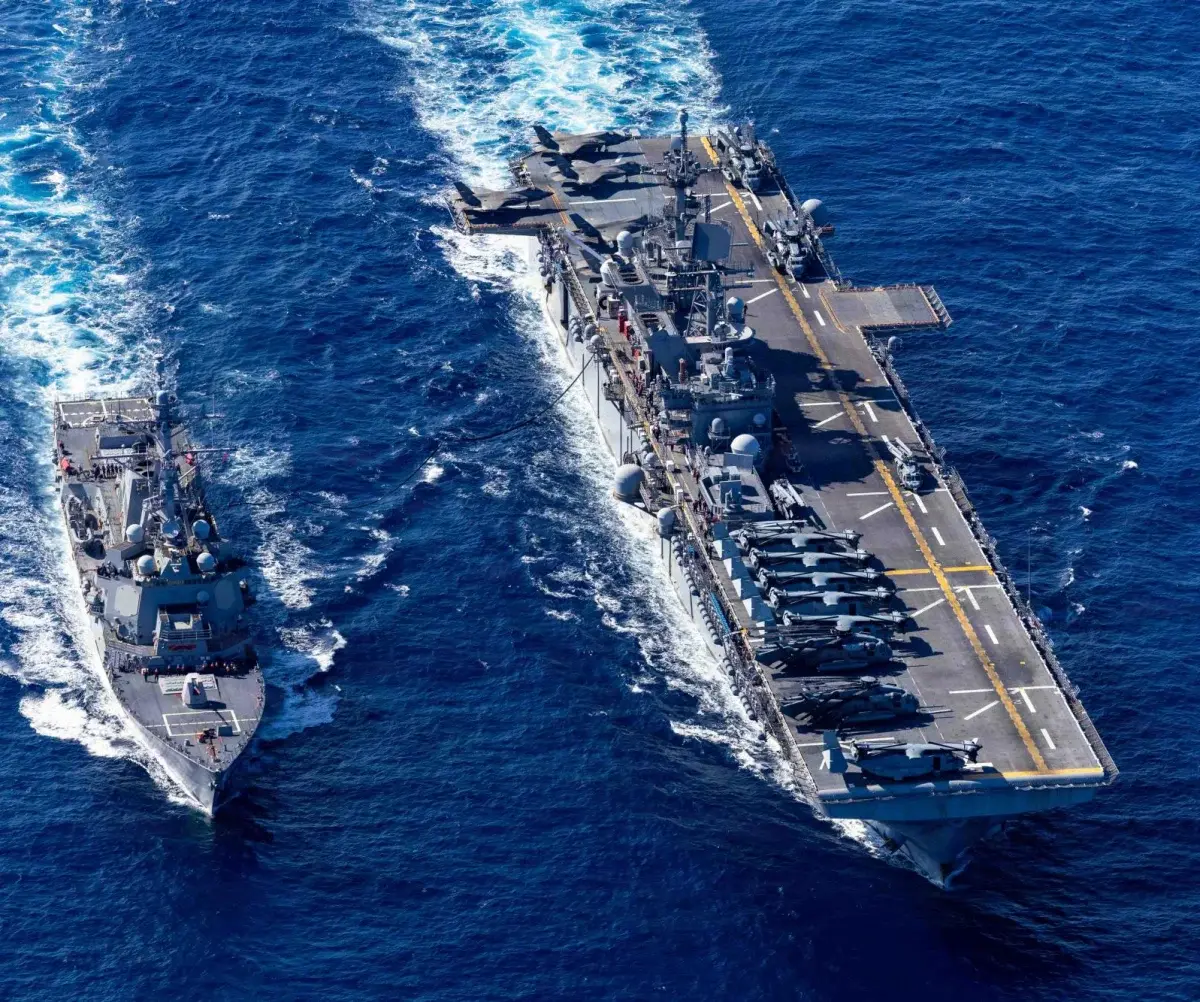
The ship's absolute first line of defence is its squadron of F-35B Lightning II stealth fighters. Flying combat air patrols, these fifth-generation jets use advanced sensors to detect and shoot down incoming cruise missiles long before they reach the fleet.
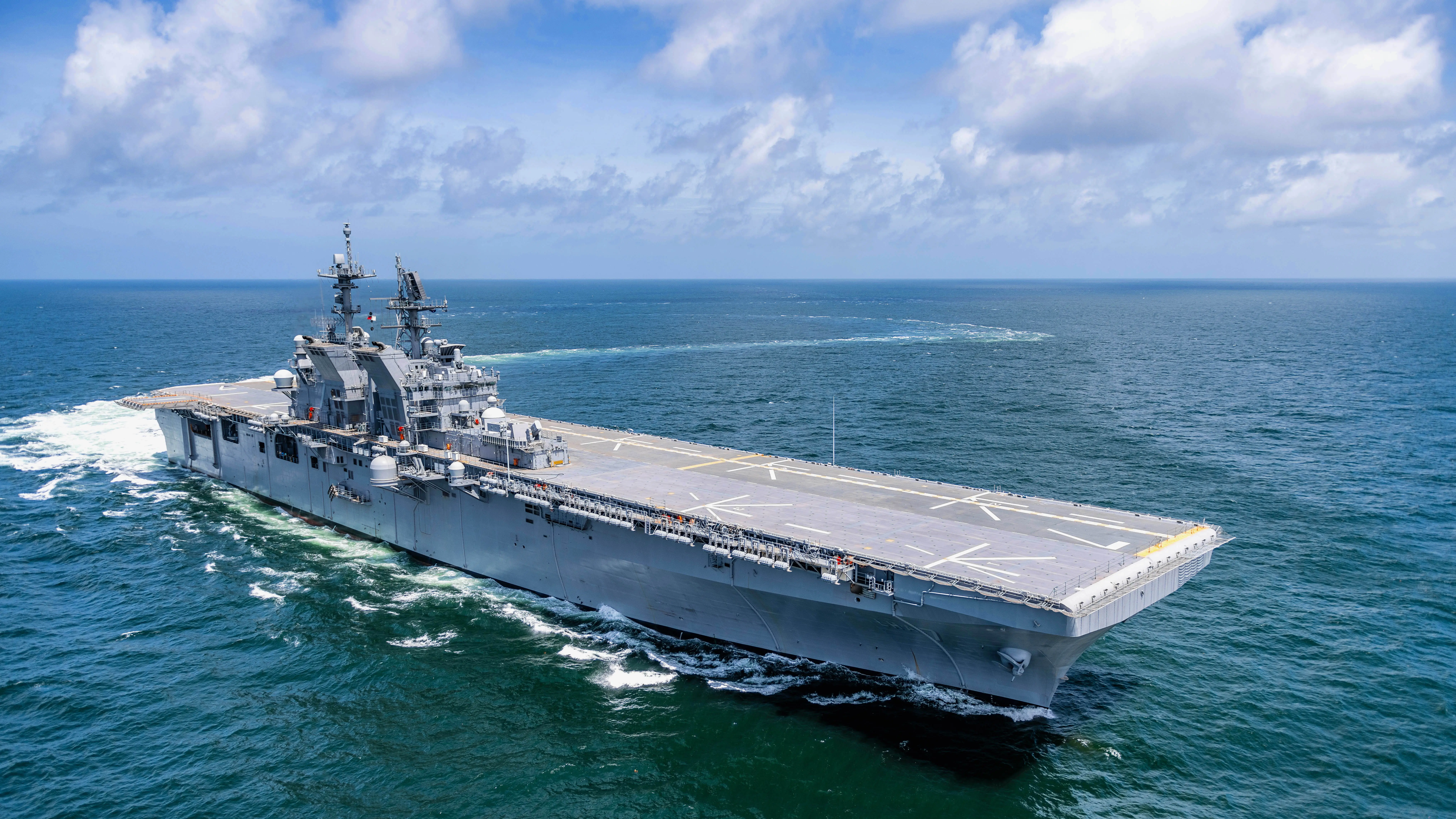
The Medium-Range Shield
If a missile bypasses the fighter jets, the USS Tripoli deploys the RIM-162 Evolved Sea Sparrow Missile (ESSM). Fired from two Mk-29 launchers, these highly agile interceptors track and destroy supersonic threats at medium ranges with exceptional precision.
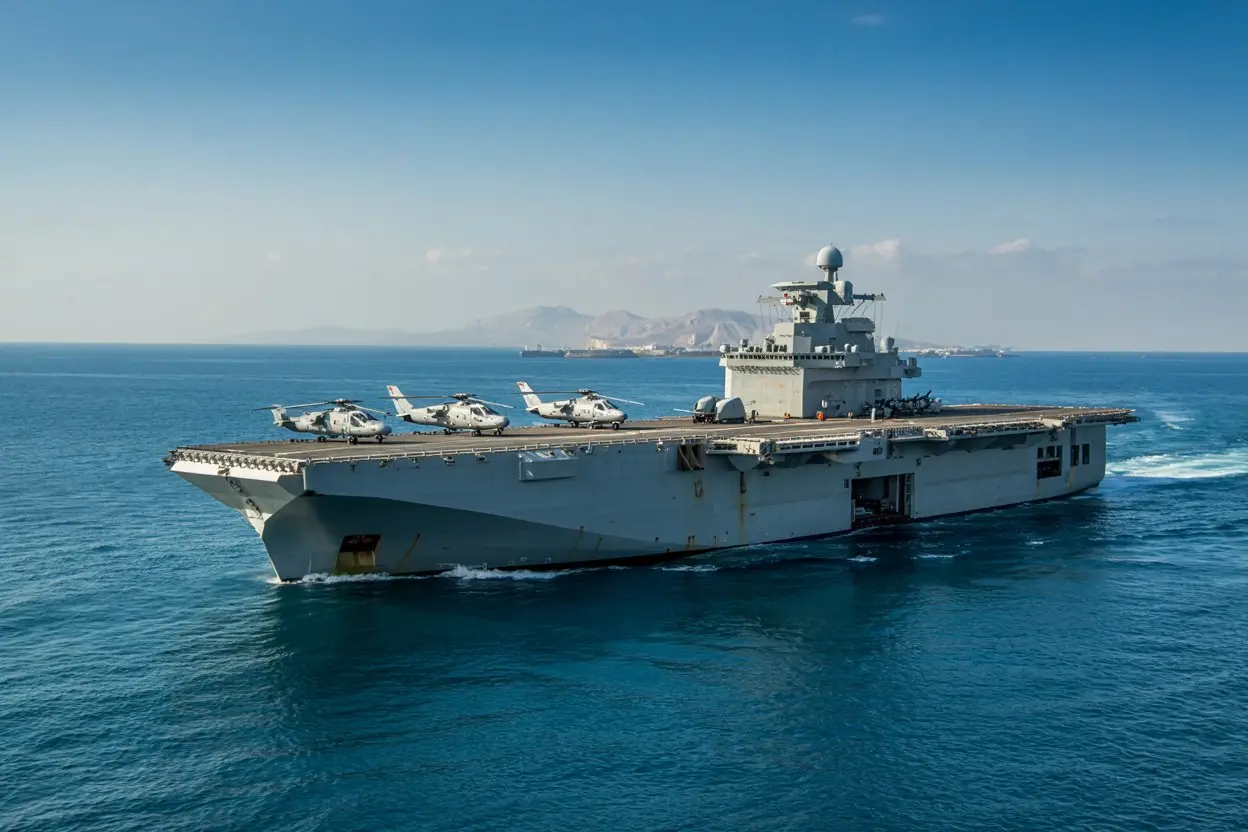
The RAM Rapid Response
For threats that breach the medium-range perimeter, the ship relies on two Mk-49 Rolling Airframe Missile (RAM) launchers. The RIM-116 RAM is a lightweight, quick-reaction weapon designed specifically to annihilate anti-ship cruise missiles using advanced infrared and radar-homing guidance.
Electronic Warfare
The USS Tripoli does not just rely on kinetic weapons to survive a heavy missile barrage. It utilises the AN/SLQ-32 electronic warfare suite and Mk53 Nulka active decoys to jam enemy targeting radars and lure guided missiles safely away from the ship's hull.
The Phalanx CIWS
When all other systems fail, the Mk-15 Phalanx Close-In Weapon System (CIWS) serves as the ultimate last line of defence. This automated, radar-guided 20-millimetre Gatling gun fires up to 4,500 armour-piercing rounds per minute to physically shred incoming missiles at point-blank range.
A Floating Fortress
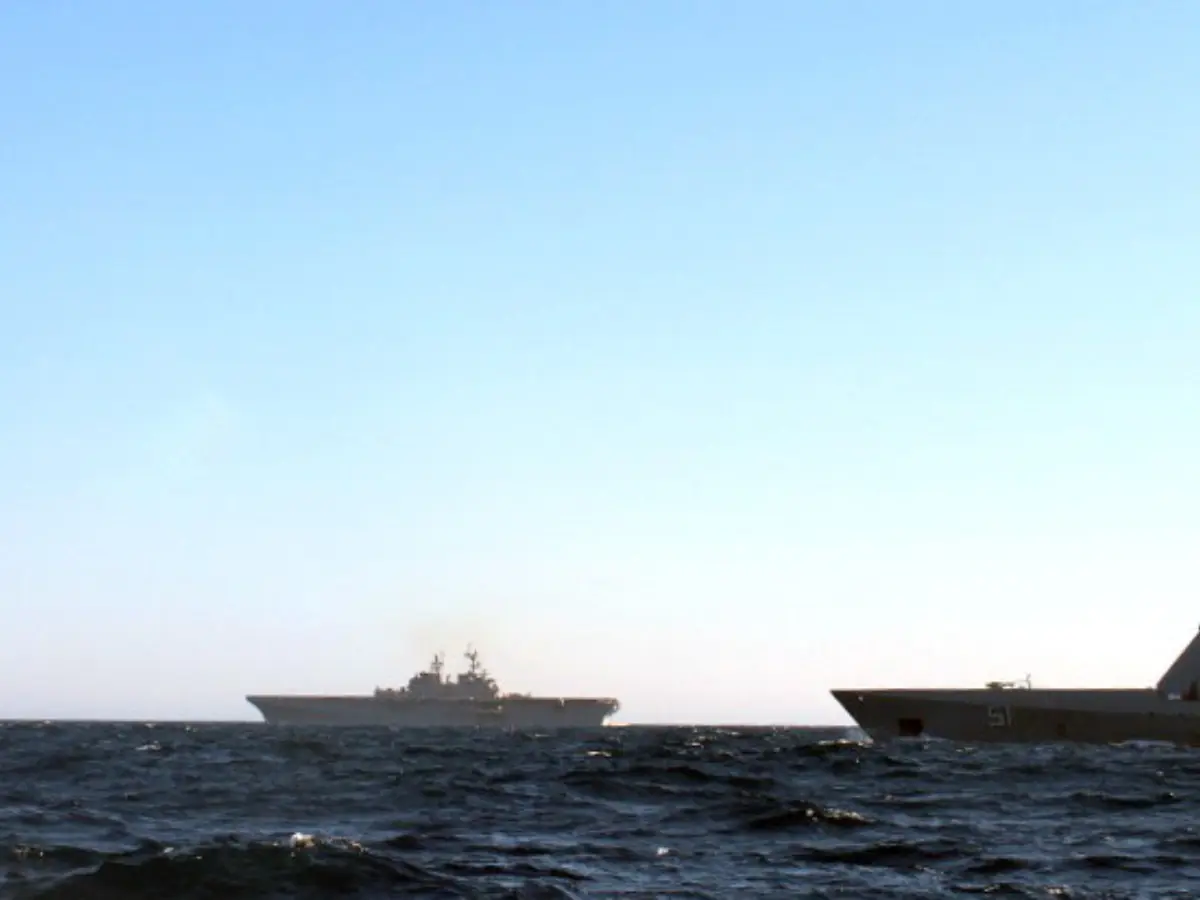
Combining stealth fighter patrols, supersonic interceptors, and rapid-fire rotary cannons, the USS Tripoli operates a virtually impenetrable defence umbrella. This multi-layered architecture ensures the warship can project massive combat power in the Persian Gulf despite the constant threat of coastal missile batteries.
)
)

)
)