‘Screaming at each other’: Rob & Nick Reiner's old interview reveals volatile father-son relation behind closed doors

Rob Reiner’s 2015 interview: "screaming at each other." Ten years before he was murdered, Rob Reiner admitted that working with his son Nick was a battlefield. See the resurfaced interview that exposed their fatal family dynamic.
The Resurfaced Confession
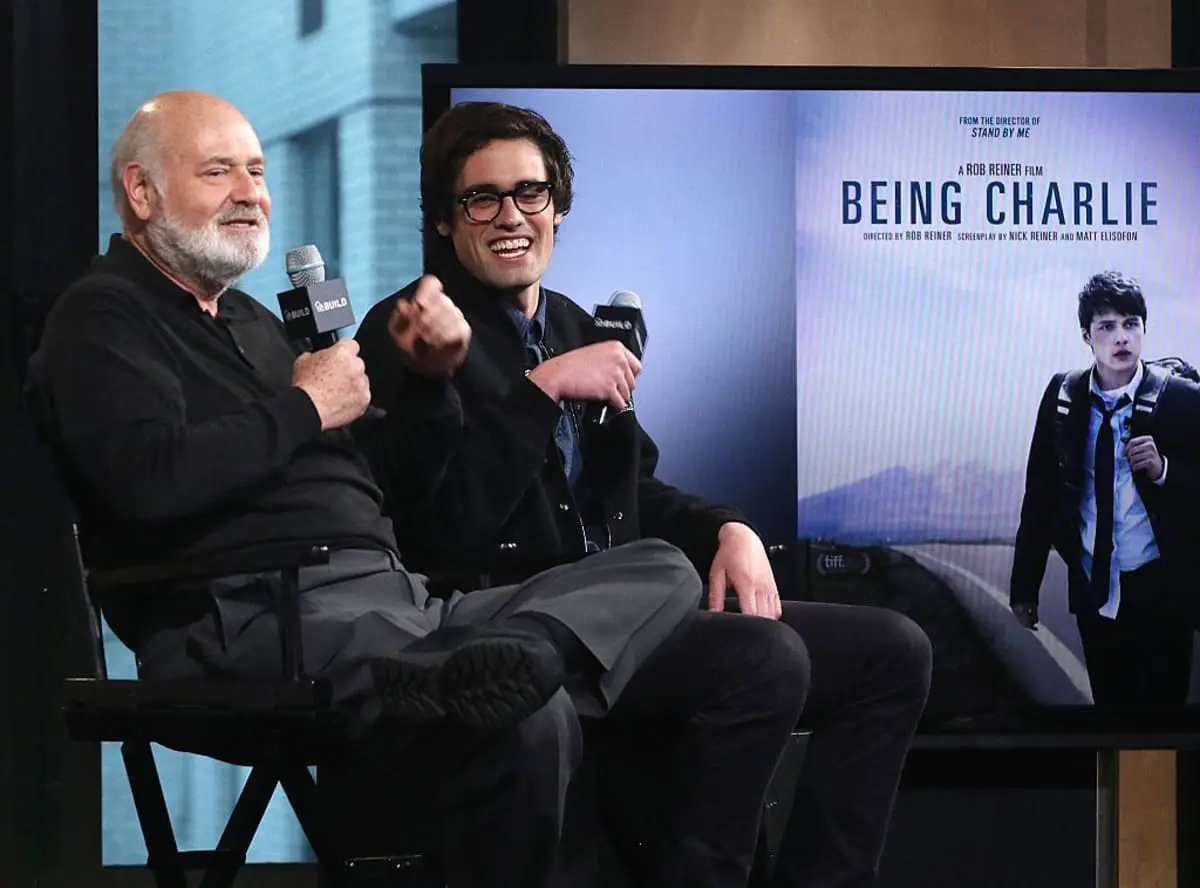
In the wake of Rob Reiner’s tragic murder, a 2015 interview with ABC News has resurfaced, shedding chilling light on his relationship with his son Nick. While promoting their film Being Charlie, Rob admitted that the creative process was anything but peaceful. "It was painful," Rob told the interviewer, describing the production not as a bonding experience, but as a battlefield where old wounds were ripped open for the sake of art.
"Screaming at Each Other"
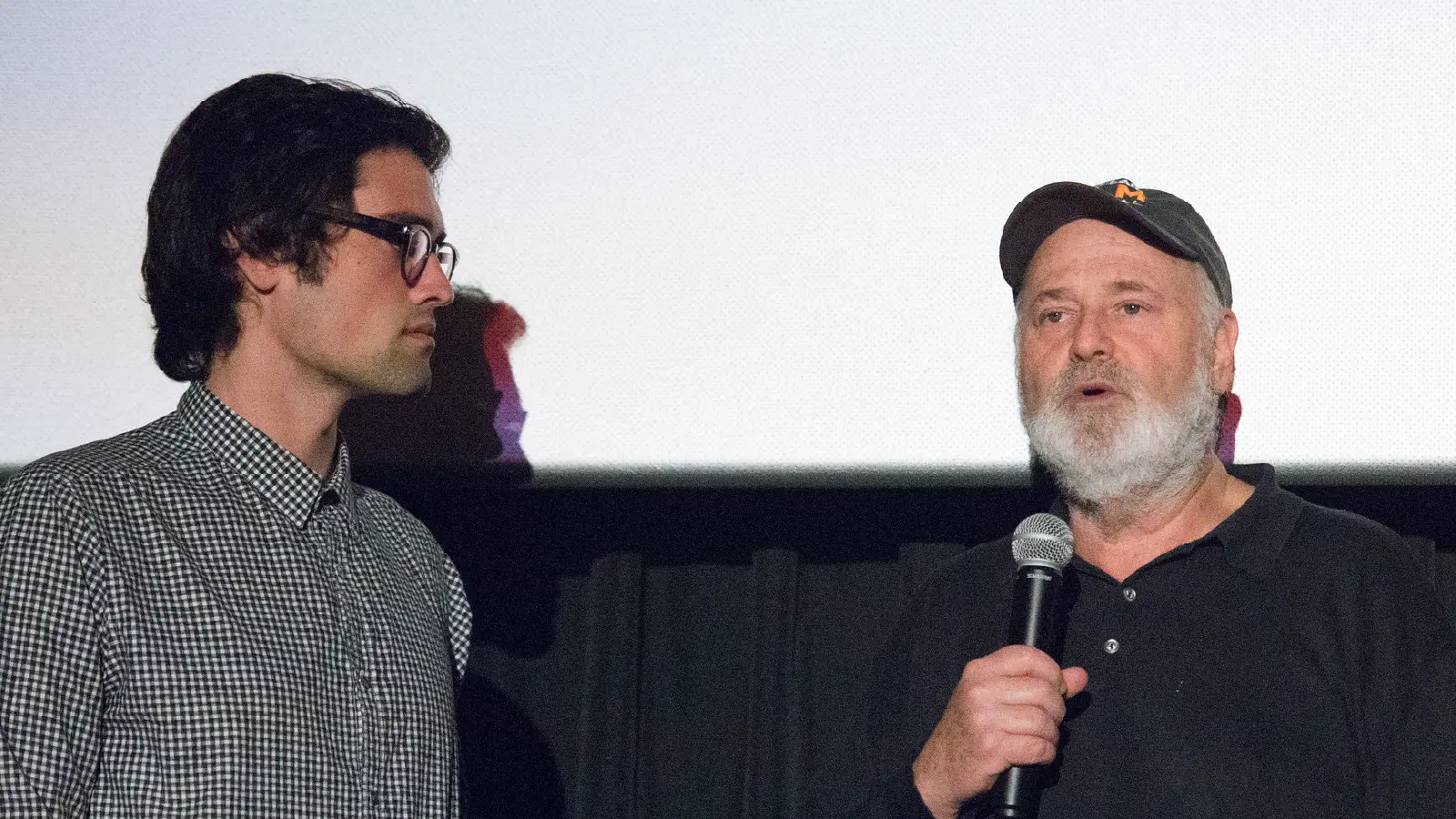
The most haunting detail from that interview was Rob’s description of their writing sessions. "We were screaming at each other," Rob recalled. He explained that to write the script, they had to revisit the darkest moments of Nick’s addiction. At the time, they spun this as "therapeutic," claiming they were working through the pain. But looking back, it appears they were merely reigniting a rage that never truly extinguished rage that may have exploded this week.
Art Imitating Anger
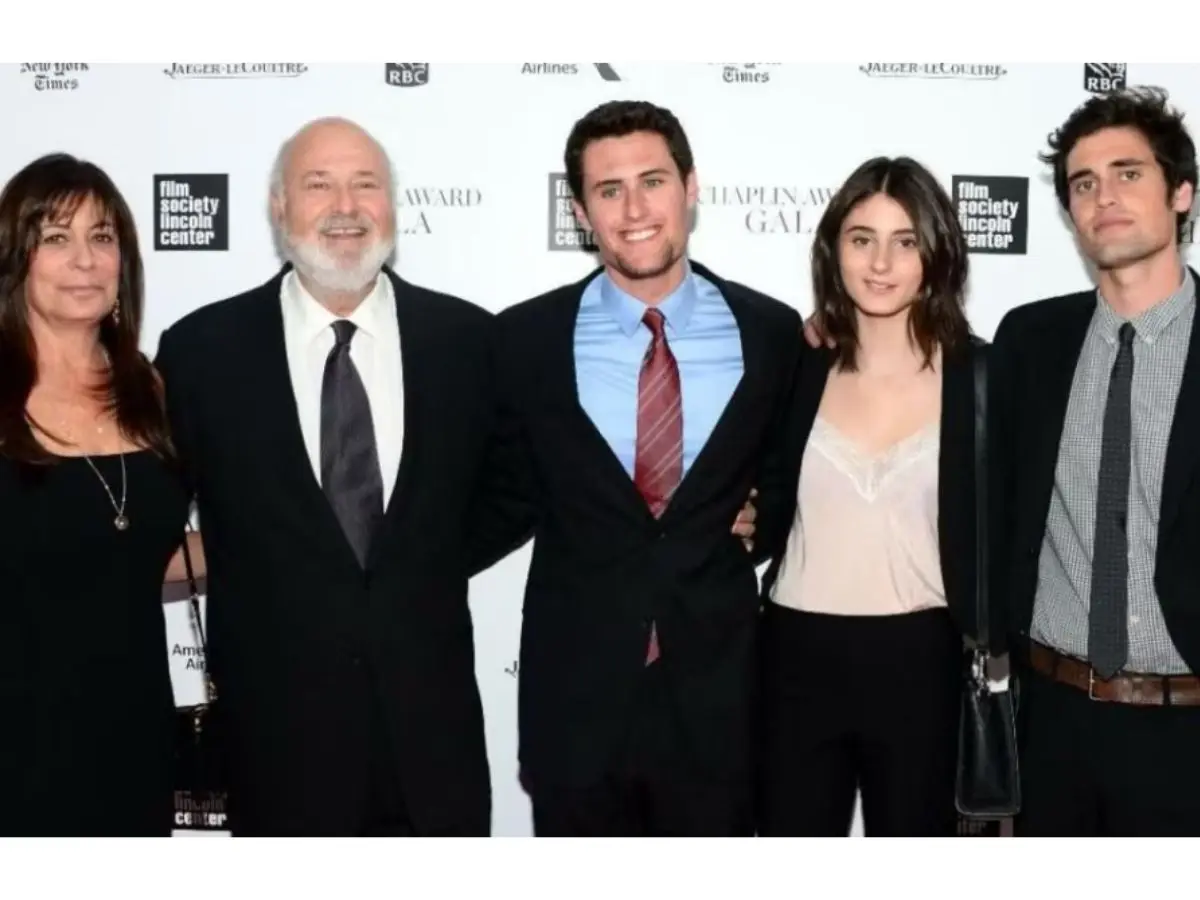
The movie they were fighting over, Being Charlie, is about a drug-addicted son who hates his famous father. The father character (a politician) is portrayed as narcissistic and distant, caring more about his public image than his son. Critics at the time wondered how much was fiction. Nick’s arrest suggests the movie wasn't a story; it was a documentary of his resentment.
We Didn't Bond
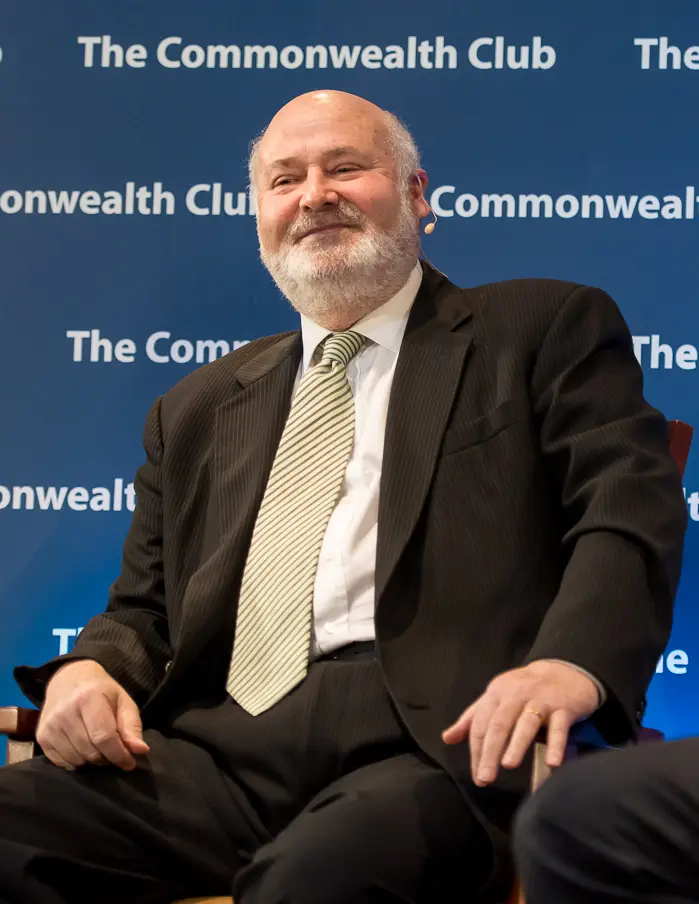
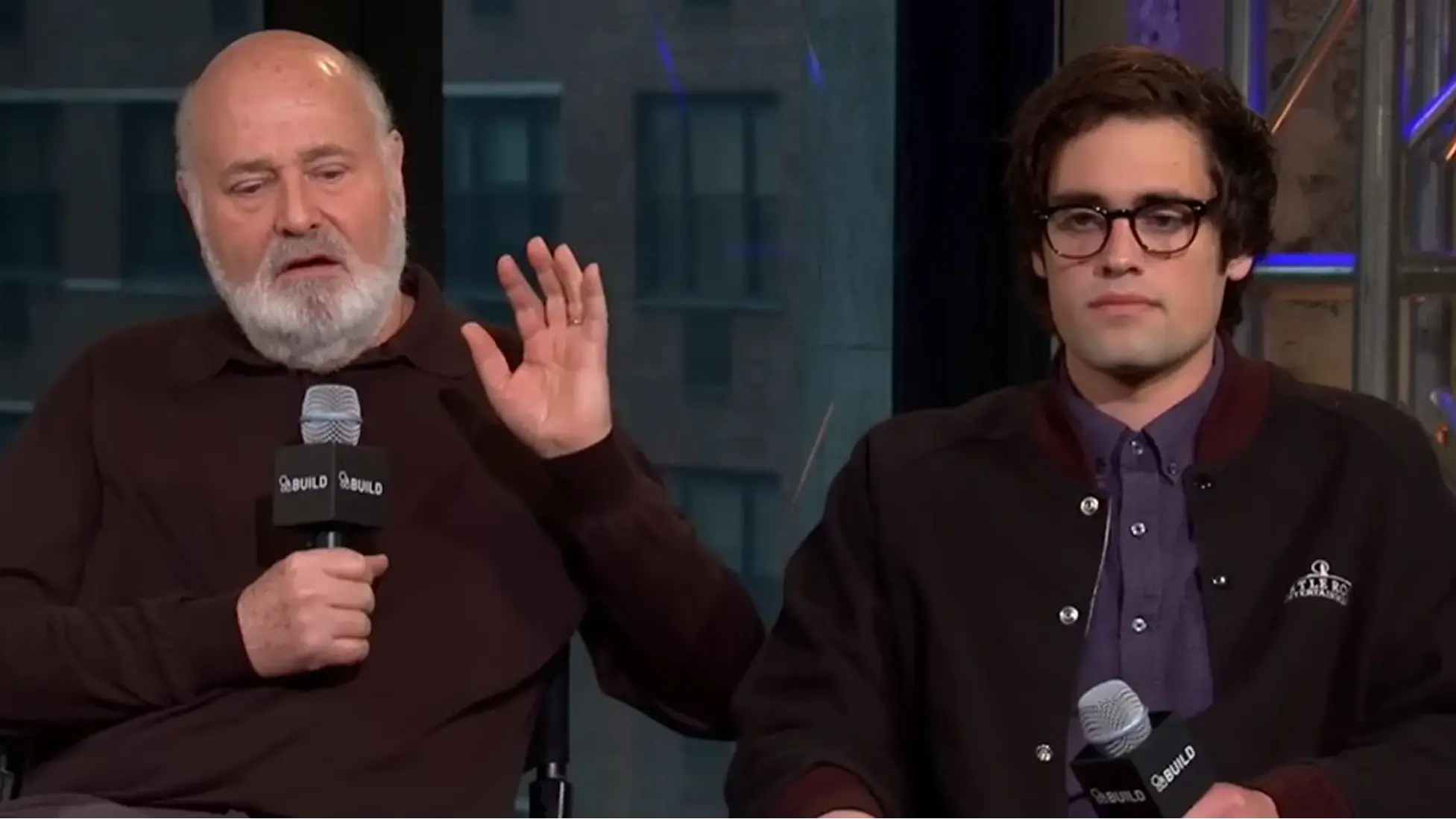
The tension wasn't one-sided. In a separate 2016 interview with the BUILD Series, Nick Reiner made a heartbreaking admission: "We didn't bond a lot as a kid." He described feeling like an outsider in his own home, noting that while Rob connected with his other children over sports or shared interests, he and Nick were strangers living under the same roof until the drugs took over.
The "Prop" Accusation
A central theme of their "screaming matches" was likely Nick’s feeling of being used. In the film, the son accuses the father of only caring about him when it affects his election numbers. In real life, Rob Reiner was a major political activist. Investigators may now be asking if Nick felt his recent struggles were being managed to protect the family "brand" rather than to save his life.
The Homeless Years
The "screaming" also stemmed from a period where the family stopped speaking entirely. Nick revealed to People magazine that he spent huge chunks of his 20s homeless in Texas and Maine after refusing his parents' rules. He slept on streets and in shelters, a world away from the Brentwood mansion. This deep history of abandonment whether self-inflicted or forced by "tough love" created scars that a movie couldn't heal.
17 Stints in Rehab
The friction Rob described wasn't just about personality; it was about exhaustion. Reports confirm Nick had been in and out of rehab programs 17 times before the age of 22. The "screaming" Rob mentioned likely came from the frustration of a father who had spent millions trying to save a son who wouldn't or couldn't be saved.
The "Tough Love" Backfire
Rob Reiner was a vocal advocate for "tough love," a strategy where parents cut off addicted children to force them into recovery. While he credited this with saving Nick in 2015, forensic psychologists often warn that this approach can breed deep, murderous resentment in the child. The tragedy suggests that when Nick moved back in this week, he wasn't returning with gratitude, but perhaps with a decade of "tough love" anger stored up.
The False Hope
The saddest part of the 2015 press tour was the optimism. In every interview, Rob and Nick sat side-by-side, smiling, telling the world they had "survived" the addiction. They sold the narrative of a healed family. It is now clear that this was a temporary ceasefire. The demons they claimed to have defeated in the script were still waiting in the wings, ready for a final act.
The "dark truth"
Ten years ago, Rob Reiner said they were "screaming" to create a movie ending where the father and son reconcile. Today, the screaming has ended in silence. The story that began with a script about a troubled boy has ended with a police booking report. The "dark truth" of that interview is that the Reiners didn't fix their problems; they just filmed them, and when the cameras stopped rolling, the tragedy continued.
)
)
)
)
)