‘$80+ billion sky shield’: How Saudi Arabia’s air defence is intercepting and stopping Iranian missiles

Saudi Arabia's air defence uses a multi-layered network to stop drones and missiles. The $78 billion military budget funds American THAAD and Patriot interceptors, South Korean KM-SAM systems, and Chinese anti-drone laser technology.
$78bn annual defence budget
Saudi Arabia heavily invests in its military, allocating an $80 billion defence budget in 2025. A massive portion funds the Royal Saudi Air Defense Forces to build a robust, multi-layered shield against complex aerial threats.
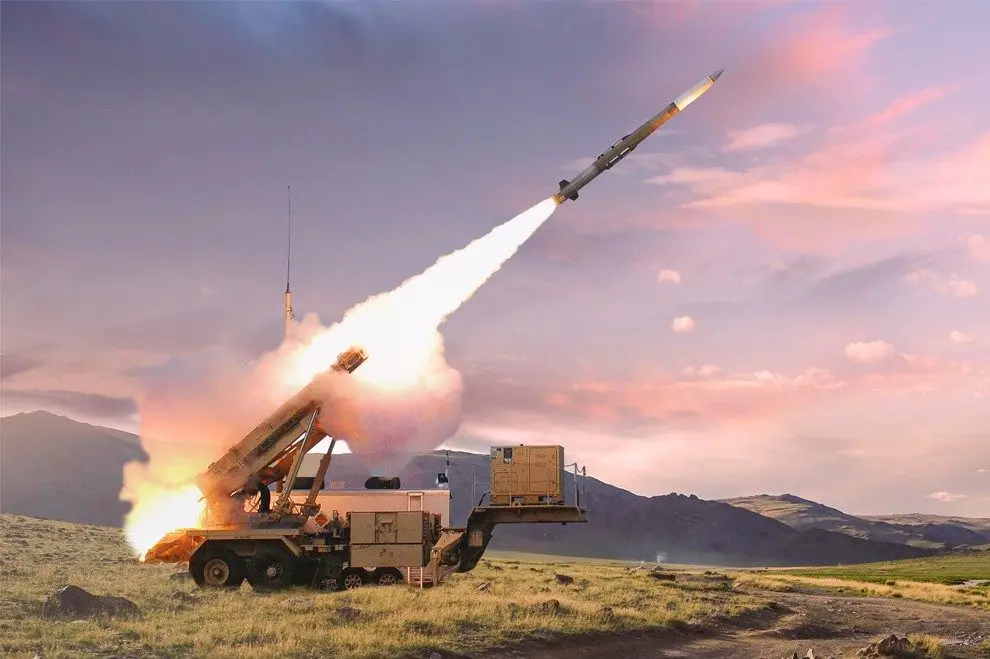
640 Patriot PAC-3 interceptors
The American-made Patriot PAC-3 system remains the primary backbone for intercepting short and medium-range ballistic missiles. Saudi Arabia maintains an inventory of hundreds of these hit-to-kill interceptors to defend critical infrastructure and oil facilities.
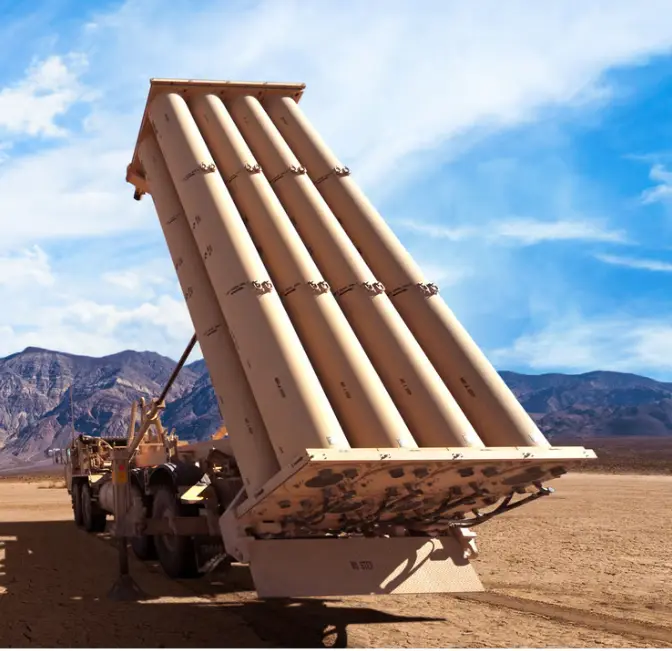
1st THAAD unit activated
In mid-2025, Saudi Arabia officially activated its first Terminal High Altitude Area Defense (THAAD) unit. This advanced American system provides a crucial upper-tier layer, destroying ballistic missiles both inside and outside the Earth's atmosphere.

$3.2bn KM-SAM Block II
To diversify its arsenal, Riyadh signed a $3.2 billion deal with South Korea for the KM-SAM Block II system. Known as Cheongung-II, this highly mobile system specialises in intercepting lower-tier tactical ballistic missiles and aircraft.
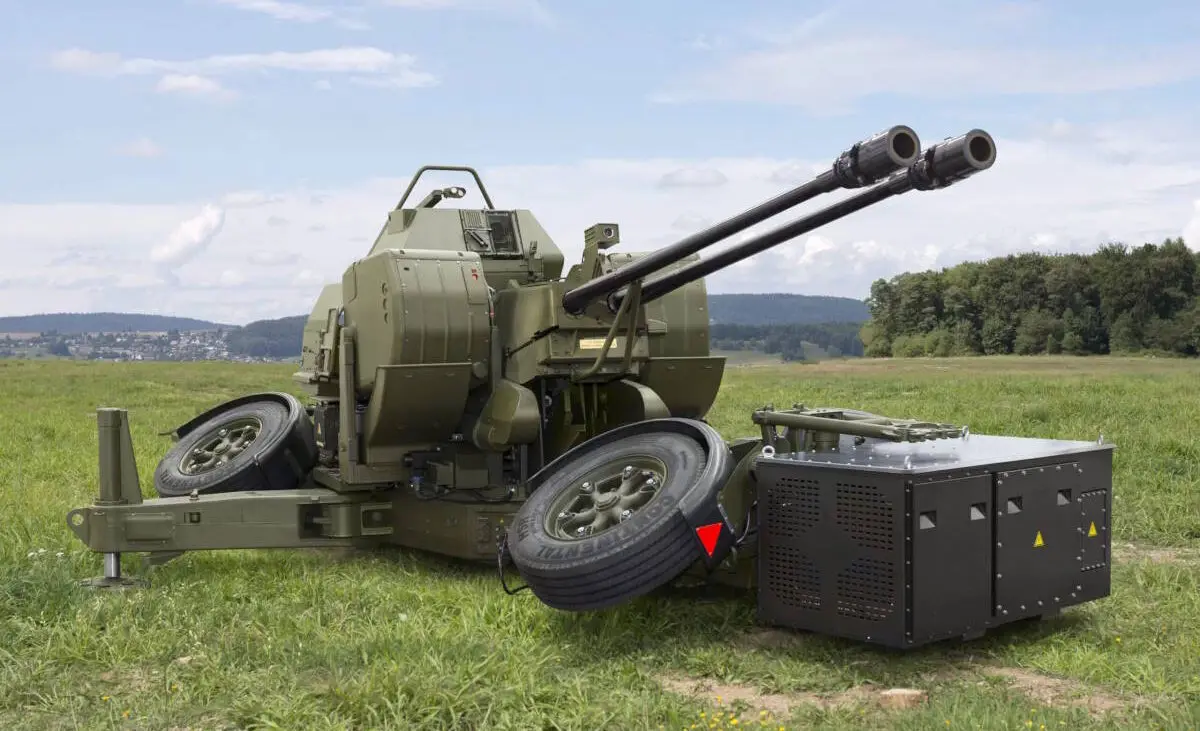
35mm Skyguard twin cannons
For close-range protection, the kingdom utilises traditional anti-aircraft artillery like the Oerlikon Skyguard 35mm twin cannons. These systems are actively integrated with modern radars to physically destroy low-flying drones and cruise missiles.
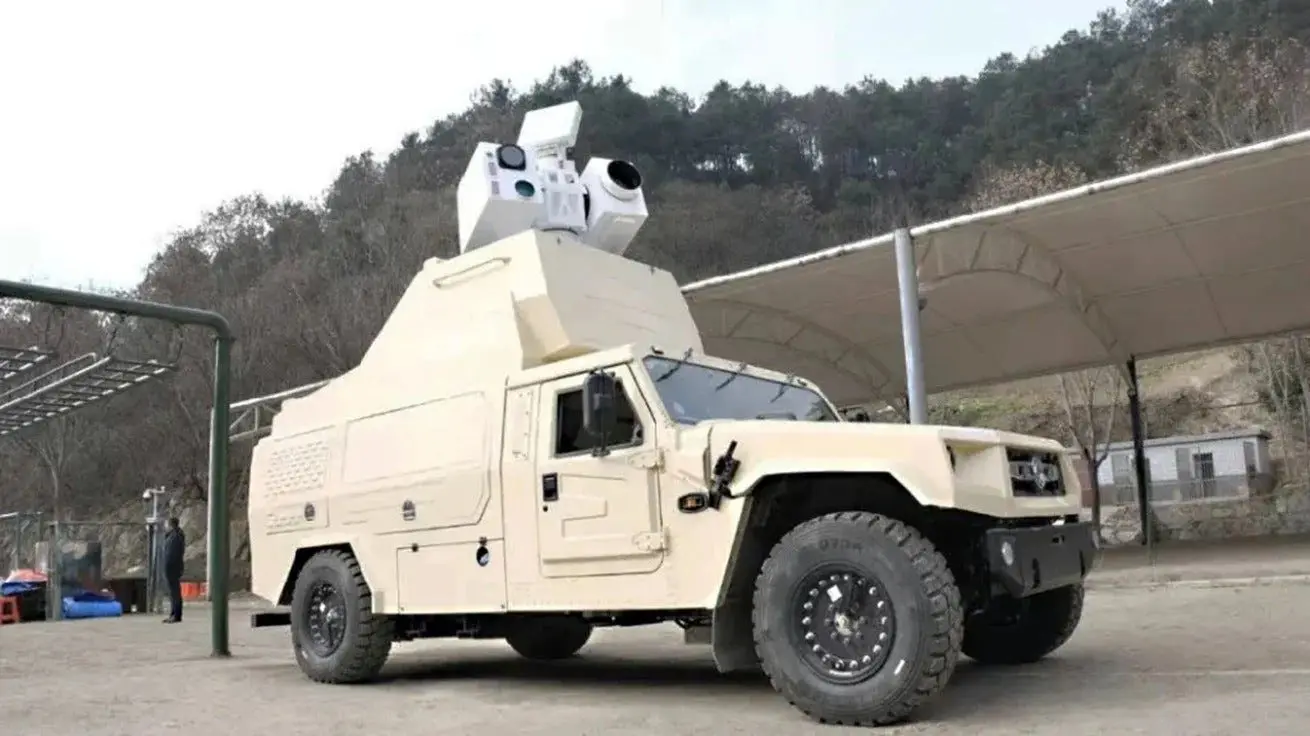
30kW Chinese laser weapons
Saudi Arabia deployed China's Silent Hunter, a 30-kilowatt fibre-optic laser system, to silently burn through incoming suicide drones. While cost-effective, recent operational tests revealed that harsh desert dust and heat severely disrupted the laser's optical tracking.

360-degree electronic jamming
To overcome laser limitations in desert conditions, Saudi forces heavily rely on electronic warfare and jamming vehicles. Systems like the Chinese JN1101 successfully neutralise drone swarms by disrupting their communication and navigation signals mid-air.
)
)
)
)
)