‘Saturn’s moon may not have underground ocean’: NASA study reveals surprising details about Titan

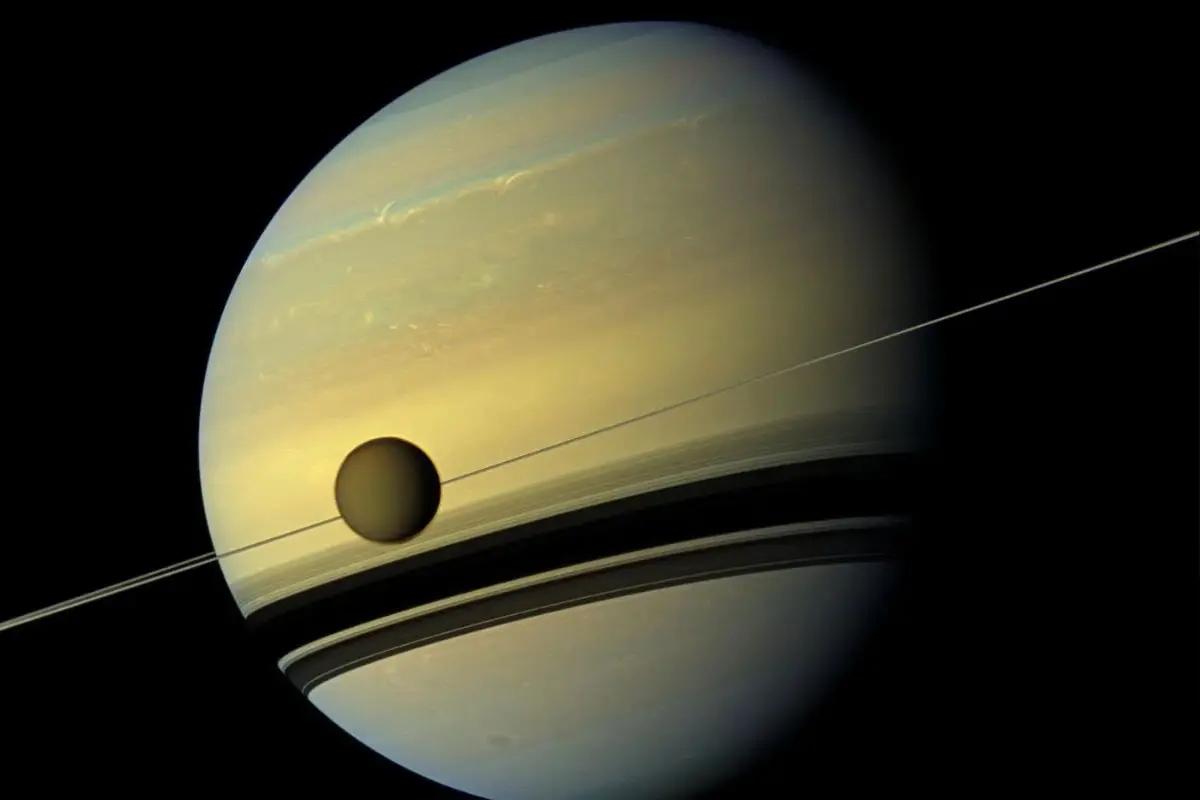
A new study led by researchers at NASA’s Jet Propulsion Laboratory suggests that Titan’s interior is more complex than what was previously thought and may not contain a global ocean at all.
Rethinking a long-held belief
For years, scientists have believed that Titan, Saturn’s largest moon, harboured a vast underground ocean of liquid water beneath its icy crust. In fact, it was a key discovery from NASA’s Cassini mission in 2008 that Titan may have a vast water ocean below its hydrocarbon-rich surface. However, a new study led by researchers at NASA’s Jet Propulsion Laboratory suggests that Titan’s interior is more complex than what was previously thought and may not contain a global ocean at all.
Re-examining Cassini’s data
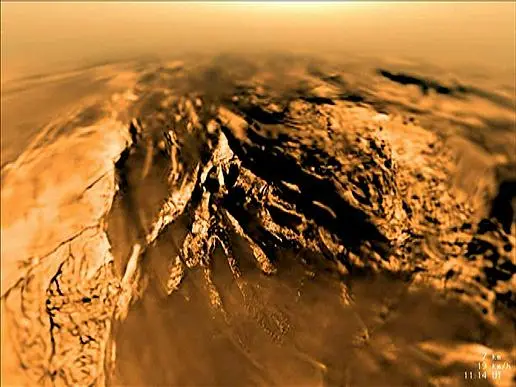
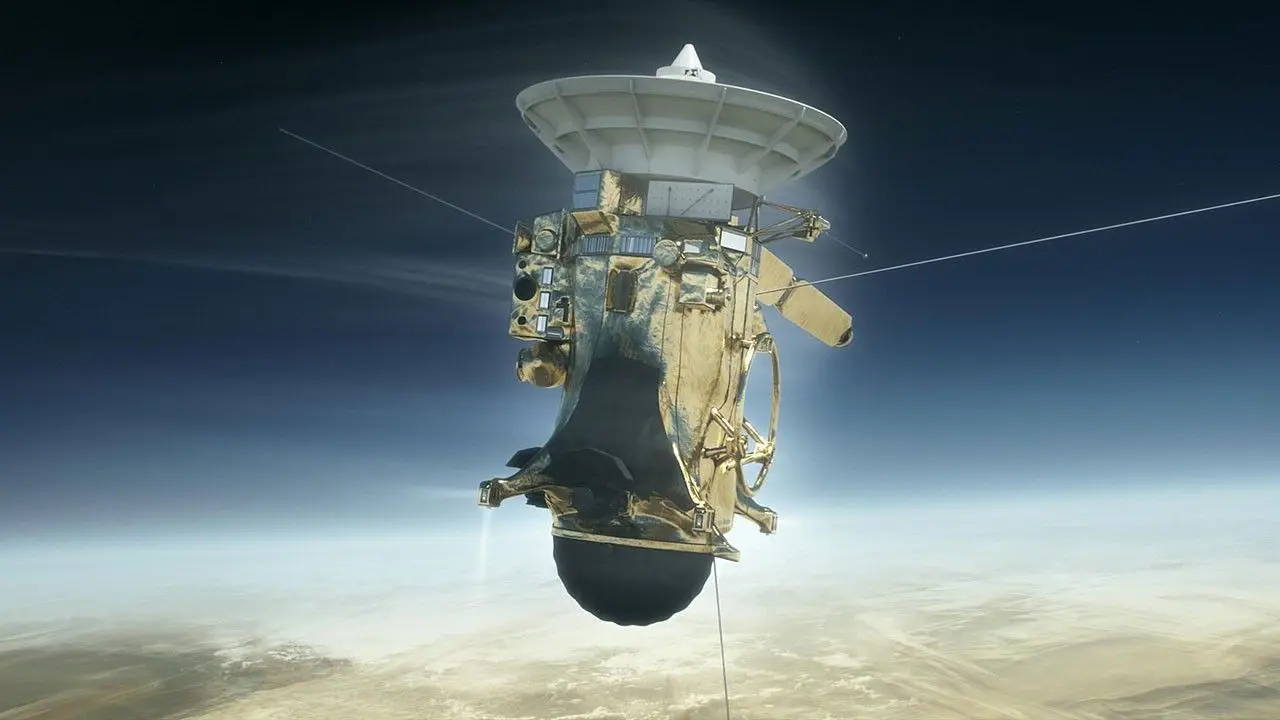
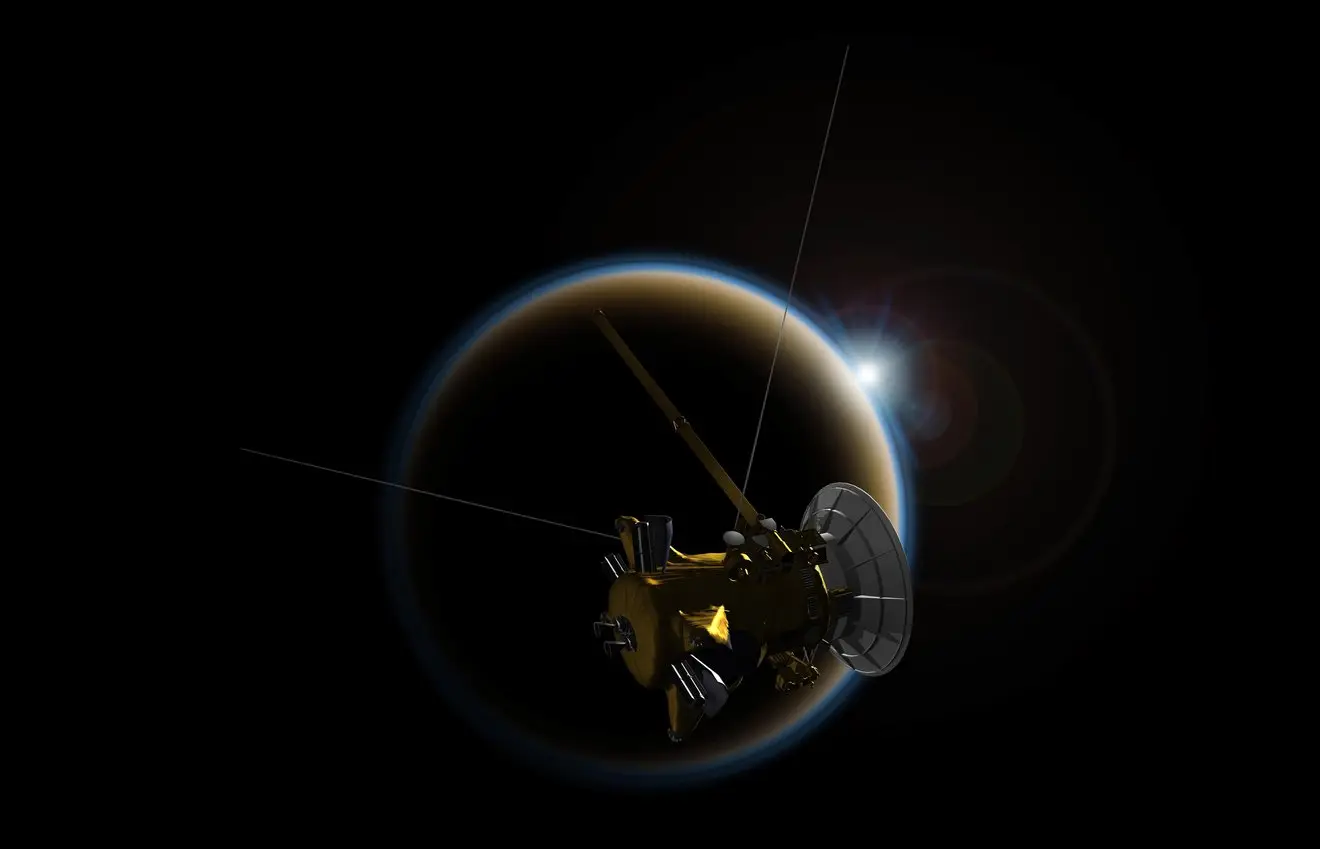
The Cassini spacecraft flew past Titan on numerous occasions between 2004 and 2017, collecting detailed measurements of the moon’s structure and motion. Scientists further analysed the Doppler shifts in radio signals transmitted between Cassini and Earth during flybys to infer variations in Titan’s gravity field. These measurements initially pointed to a liquid layer beneath the surface because of the degree to which Titan 'flexed' under Saturn’s gravitational influence. A solid body would flex far less.
New technique reveals different interior
In the latest study, researchers applied advanced processing techniques to Cassini’s archival data, reducing noise and revealing a strong energy dissipation signature deep within Titan. The research team interpreted this signature as coming from layers of slush, a mix of ice and water, rather than a continuous global ocean. Above this slushy interior is a thick shell of solid ice. The slush still responds to tidal forces, bulging and compressing as Titan orbits Saturn, but the behaviour differs from what would be expected if a vast liquid ocean existed.
Pockets of water and habitability
While a global hidden ocean may not exist, the study suggests that small pockets of meltwater could form near Titan’s rocky core. The movement of water and heat could create environments enriched with organic molecules, supplied both from below and via meteoritic material on the surface. "Our analysis shows there should be pockets of liquid water, possibly as warm as 20 degrees Celsius (68 degrees Fahrenheit), cycling nutrients from the moon’s rocky core through slushy layers of high-pressure ice to a solid icy shell at the surface", says Flavio Petricca, the JPL postdoctoral researcher who led the study.
Implications for life and future missions
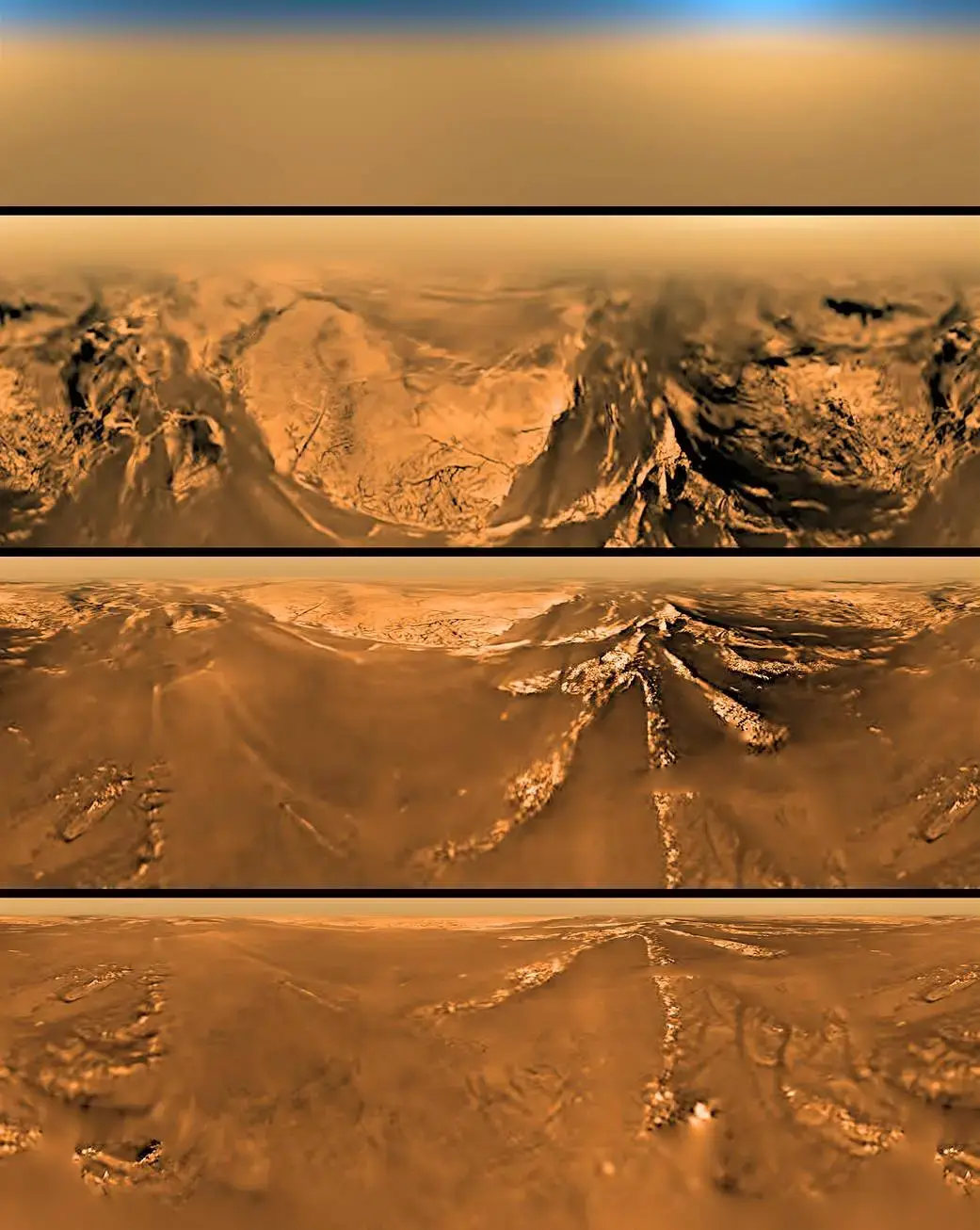
The absence of a continuous ocean does not eliminate Titan’s potential for habitability entirely. The presence of meltwater pockets at moderate temperatures may offer niche environments where basic life, if it can arise, might persist. Importantly, NASA’s Dragonfly mission, due to launch no earlier than 2028, will explore Titan’s surface with a rotorcraft designed to analyse geology and near-surface conditions. It may provide critical insights into Titan’s internal structure and habitability.

A new perspective on ocean worlds
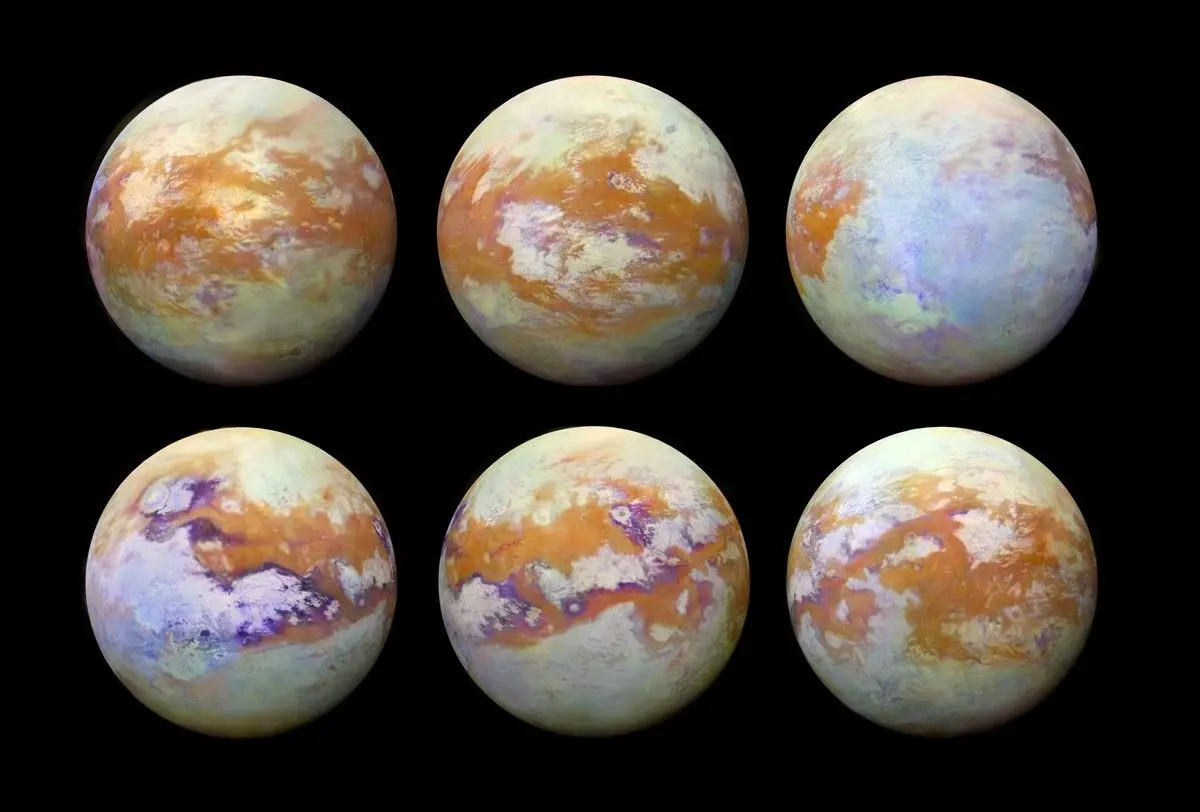
Titan remains one of the most intriguing bodies in the solar system. Its thick nitrogen atmosphere, methane lakes and complex organic chemistry have made it a prime target in the search for habitable environments beyond Earth. The new study underscores that ocean worlds may come in diverse forms and encourages further exploration to understand their hidden interiors.
Preserving archival science
Researchers emphasise that this discovery was made possible by revisiting archived Cassini data with improved techniques. Although the notion of a global subsurface ocean has been challenged, Titan’s interior remains a subject of active scientific inquiry. The possibility of Titan not possess a global ocean, according to Petricca, " makes Titan more interesting.”
)
)
)
)
)