'Salt Spray': How the USS Abraham Lincoln protects its sensitive radars from decay

The USS Abraham Lincoln protects its critical air search radars from rapid sea salt decay using daily freshwater washdowns, advanced hydrophobic coatings, and non-oxidising Diamond Roll-Rings.
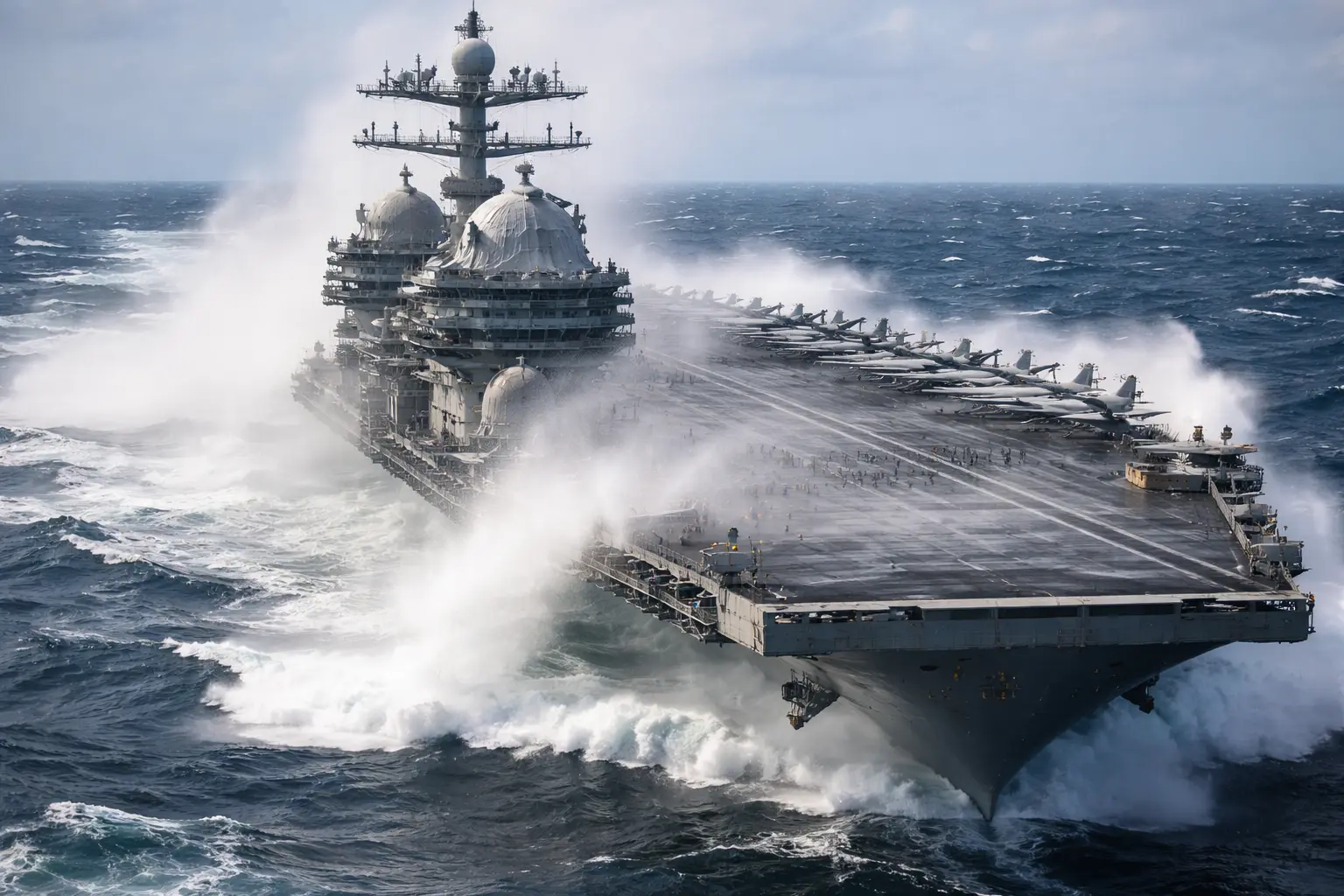
24-Hour Salt Fog Threat
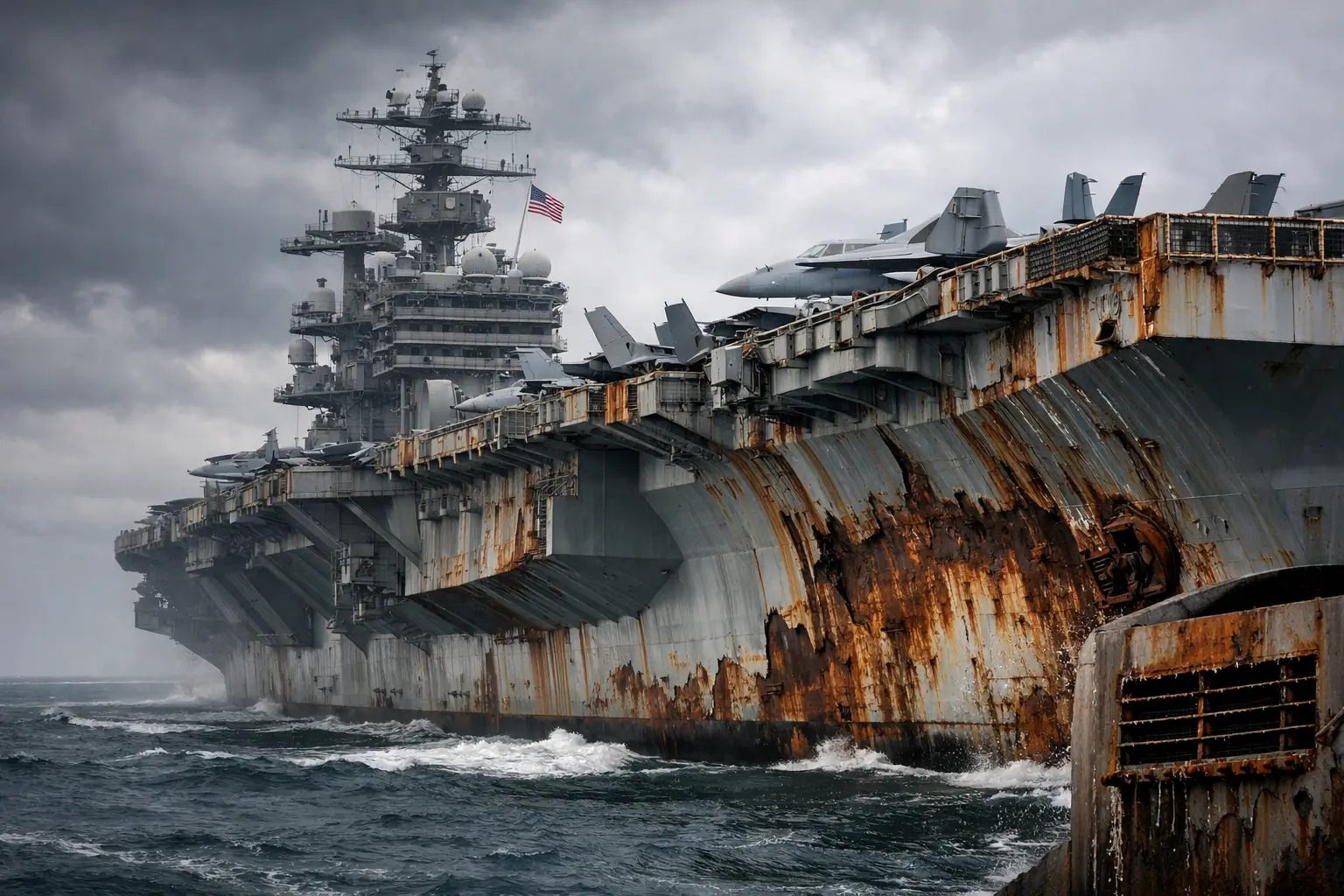
The USS Abraham Lincoln operates in highly corrosive maritime environments globally. Constant exposure to sea salt, humidity, and temperature variations constantly threatens its AN/SPS-48 air search radars, demanding strict preventative maintenance.
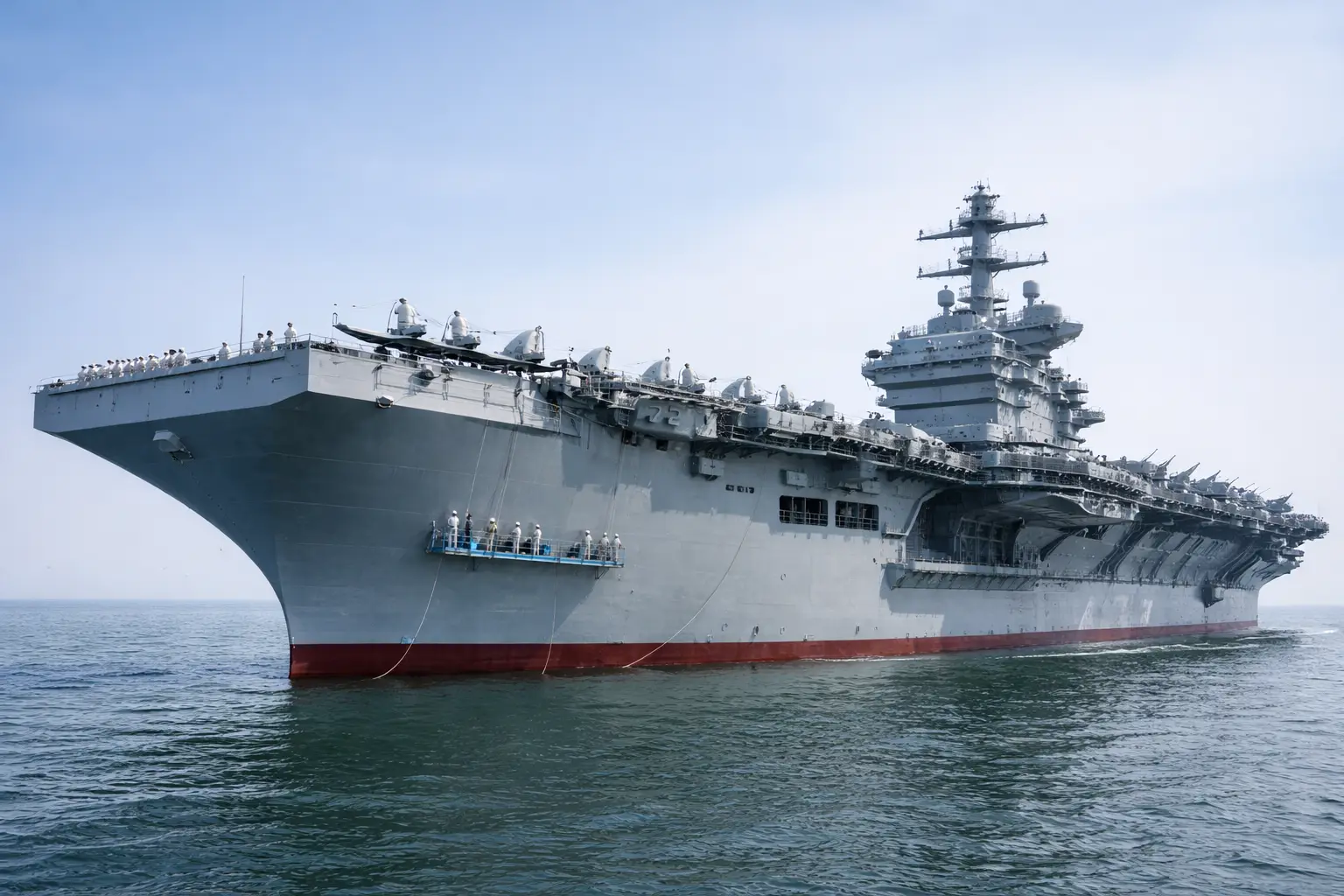
Thousands of Gallons Used
The most critical step in preventing surface decay is the physical removal of salt deposits. Sailors conduct frequent freshwater washdowns of the radar structures using specialised diluted soap solutions to wash away corrosive oceanic accumulation.
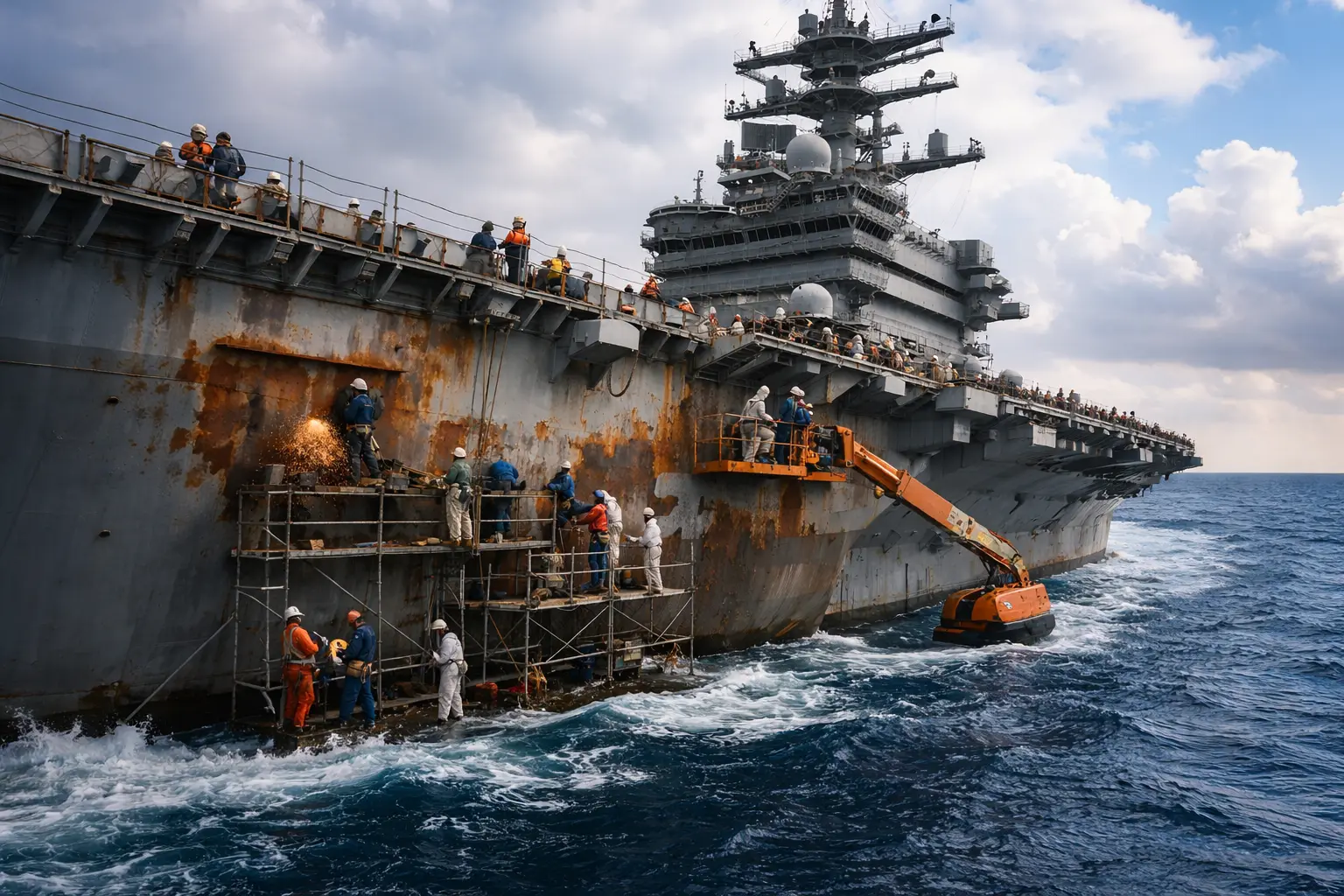
Dozens of Roll-Rings Used
To protect internal radar signal transfers from decay, the carrier utilises advanced Diamond Roll-Rings. These gold-plated components replaced traditional slip rings, providing a non-oxidising surface that completely resists extreme salt fog infiltration.
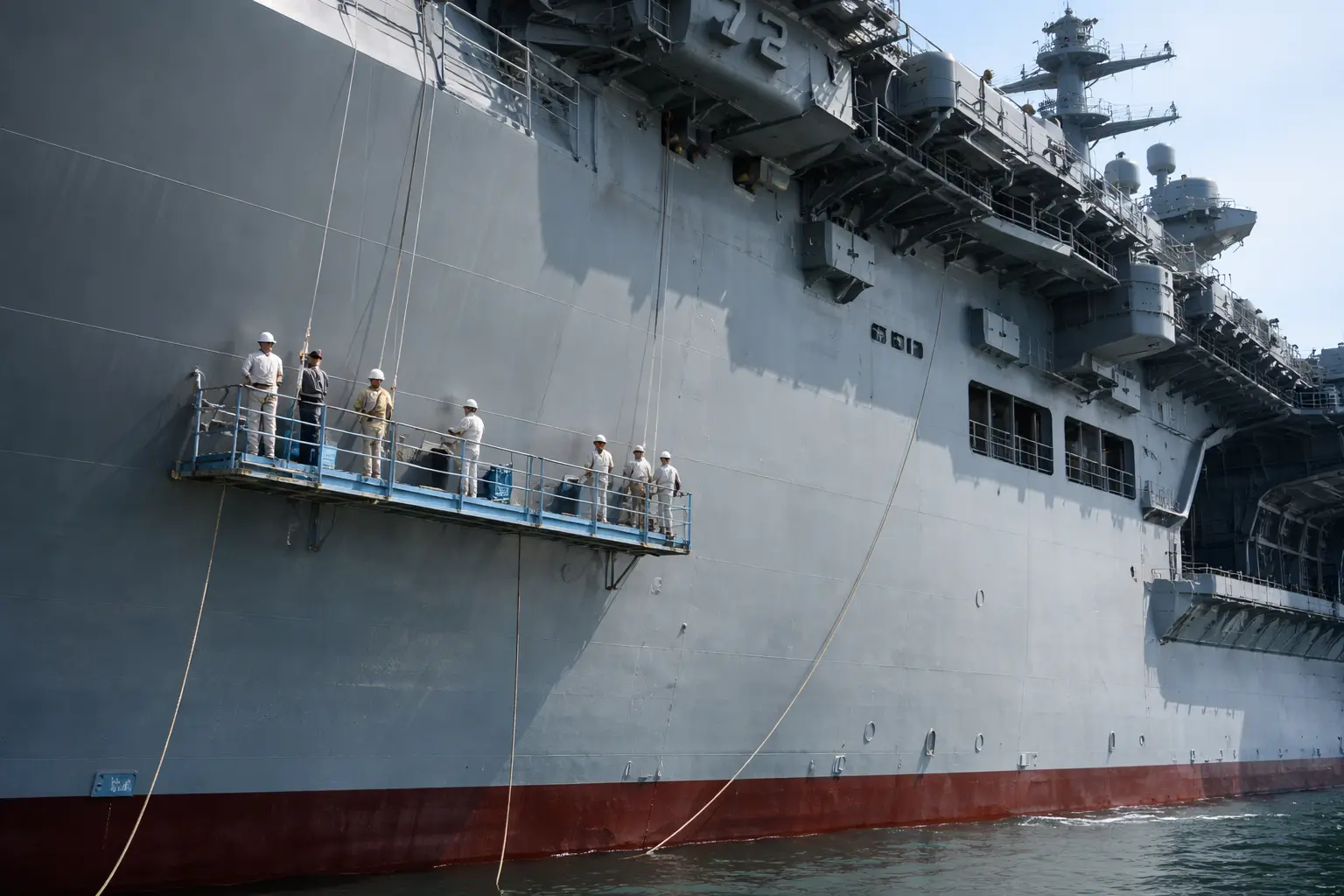
1 Ultra-Thin Protective Film
Radar electronics and external connections are heavily coated with proprietary, hydrophobic anti-corrosive inhibitors. These specialised ultra-thin films repel sea water and form a self-healing barrier, stopping moisture from destroying the electrical connectors.
Zero Internal Moisture Allowed
Internal condensation poses a massive threat to the radar's complex waveguide systems. To combat this, the waveguides are continually pressurised with dry nitrogen, creating a positive pressure environment that entirely blocks corrosive sea moisture.
Millions Saved in Repairs
Extending the operational lifespan of these massive radar arrays requires constant lubrication of exterior moving parts. Applying water-displacing greases and anti-corrosive compounds prevents fretting corrosion, saving the Navy millions in electronic replacements.
365 Days of Vigilance
Navy technicians aboard the Nimitz-class carrier perform continuous visual assessments of the radar's structural supports. Any chipped paint or degraded surface coatings are immediately stripped, primed, and repainted to maintain peak combat readiness.
)
)
)
)
)