'Salt Fog': How the ocean slowly eats away the USS Abraham Lincoln's metal

The USS Abraham Lincoln faces a relentless battle against salt fog in the Arabian Sea. This corrosive mist threatens the carrier’s steel hull and electronics, requiring 24-hour maintenance to prevent 15 years of structural decay.
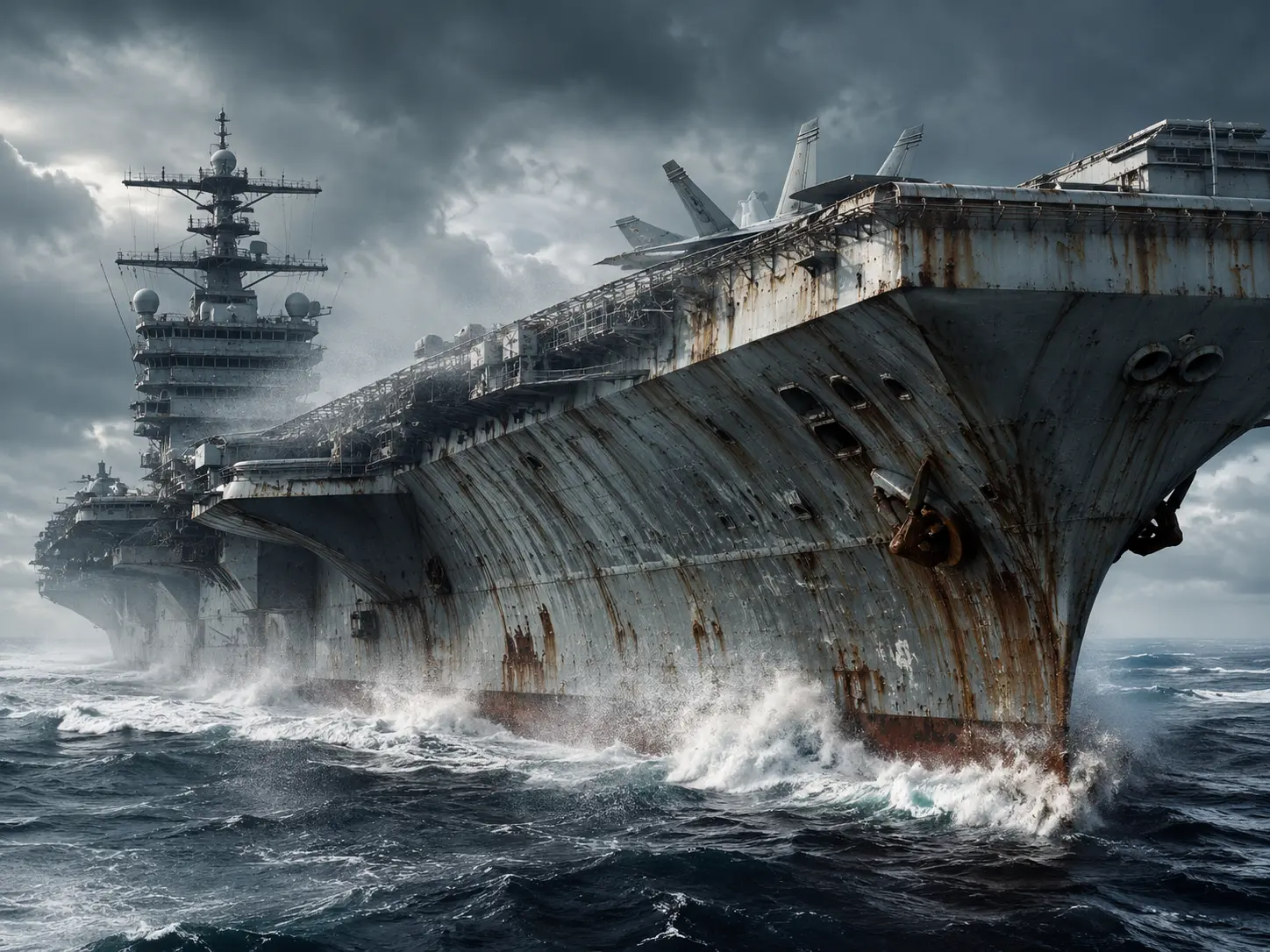
Salt fog: Silent enemy
The USS Abraham Lincoln is battling a constant mist known as salt fog during its latest mission. This moisture carries chloride ions that penetrate the ship’s protective paint, triggering a chemical reaction on the metal surface. This process turns strong military-grade steel into brittle rust, threatening the 332-metre vessel’s structural integrity.
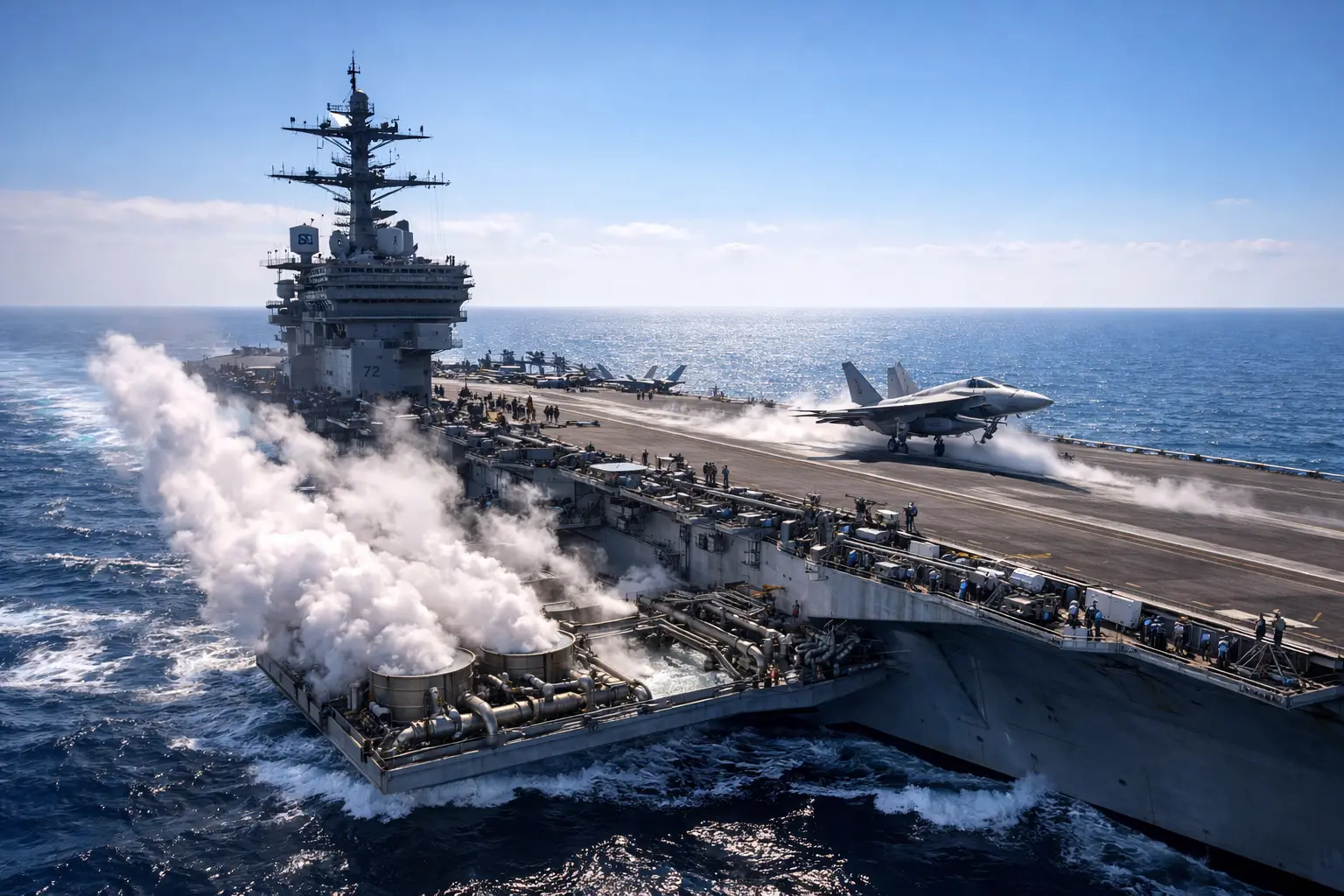
15-year lifespan reduction
Constant exposure to salt air can cut a nuclear-powered warship's expected lifespan by 10 to 15 years if left untreated. Salt acts as an electrolyte, increasing the conductivity of moisture and speeding up the transfer of electrons that causes pitting. These deep pits can weaken the thick steel plates that make up the carrier’s massive hull.
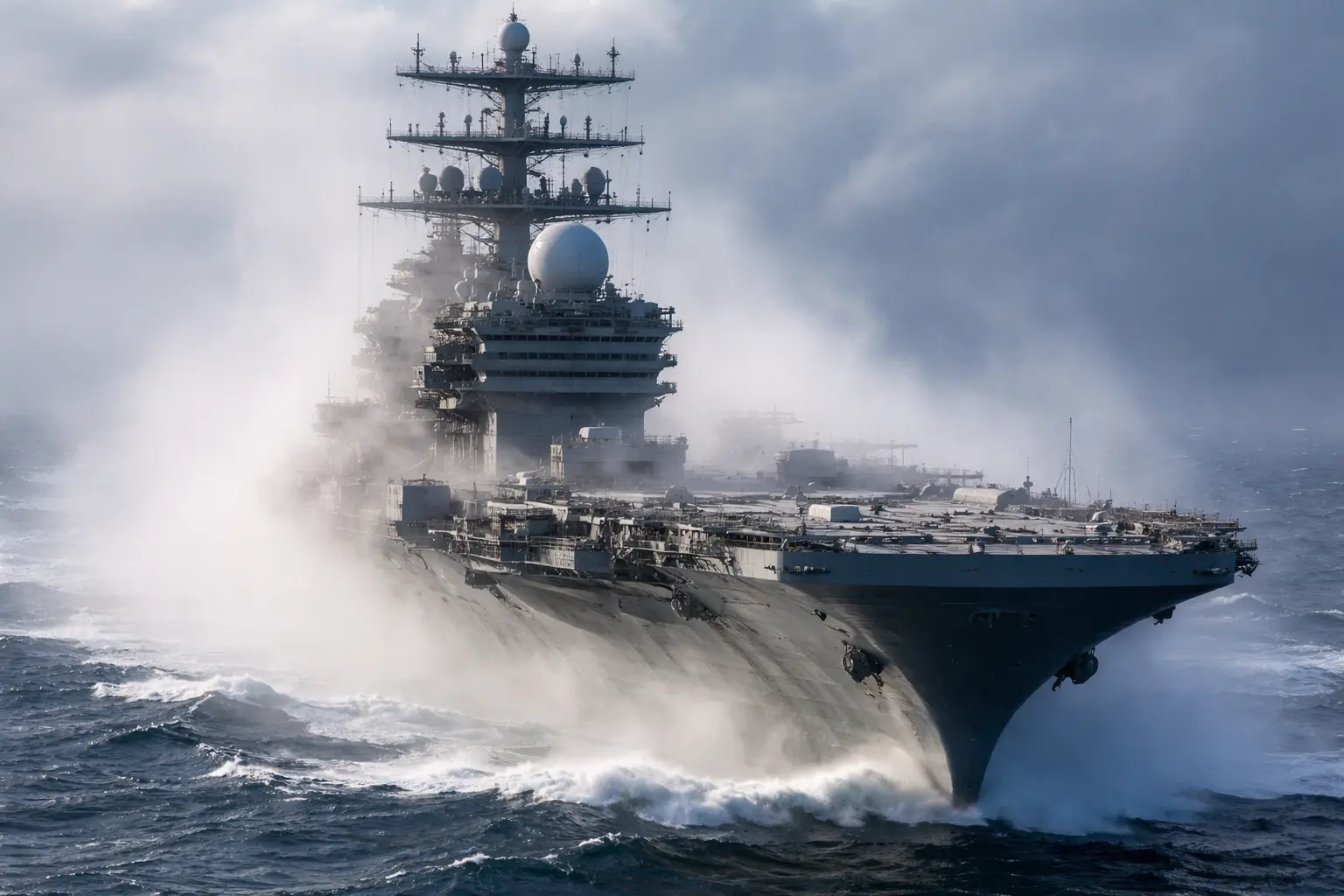
High heat speeds rust
In the Arabian Sea, temperatures often exceed 40 degrees Celsius, which significantly accelerates the corrosion process. Intense heat and high humidity at night create a corrosive cocktail that eats through metal much faster than in cooler climates. This makes the carrier's current deployment particularly damaging to its exterior and flight deck.
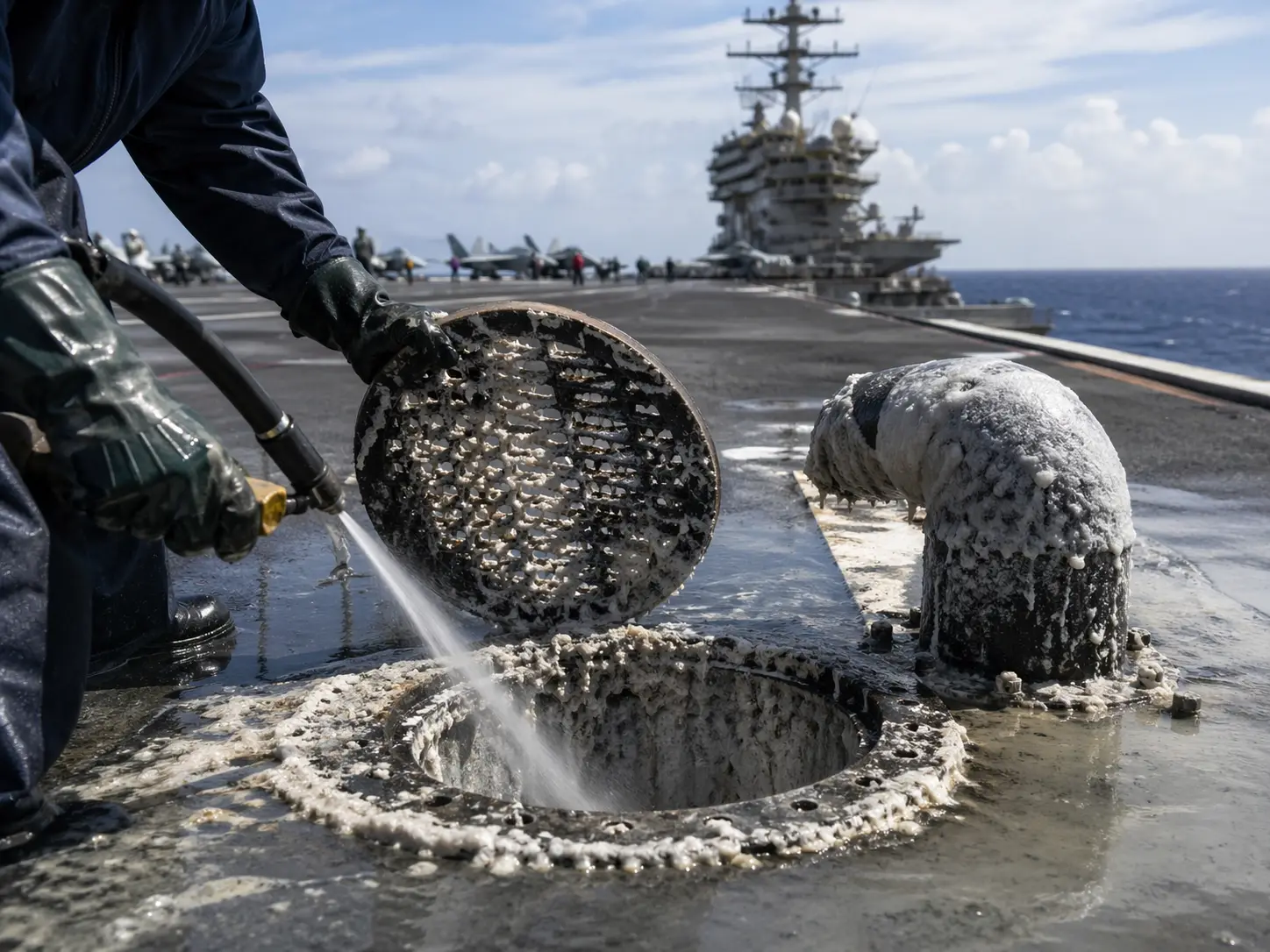
24-hour maintenance cycles
Sailors on the USS Abraham Lincoln perform constant "scrape and paint" operations to keep the rust at bay. They must use fresh water to wash away salt deposits before they can harden into destructive crystals. This 24-hour cycle of cleaning and repainting is essential to protect the vessel's exterior from the relentless decay caused by the sea.
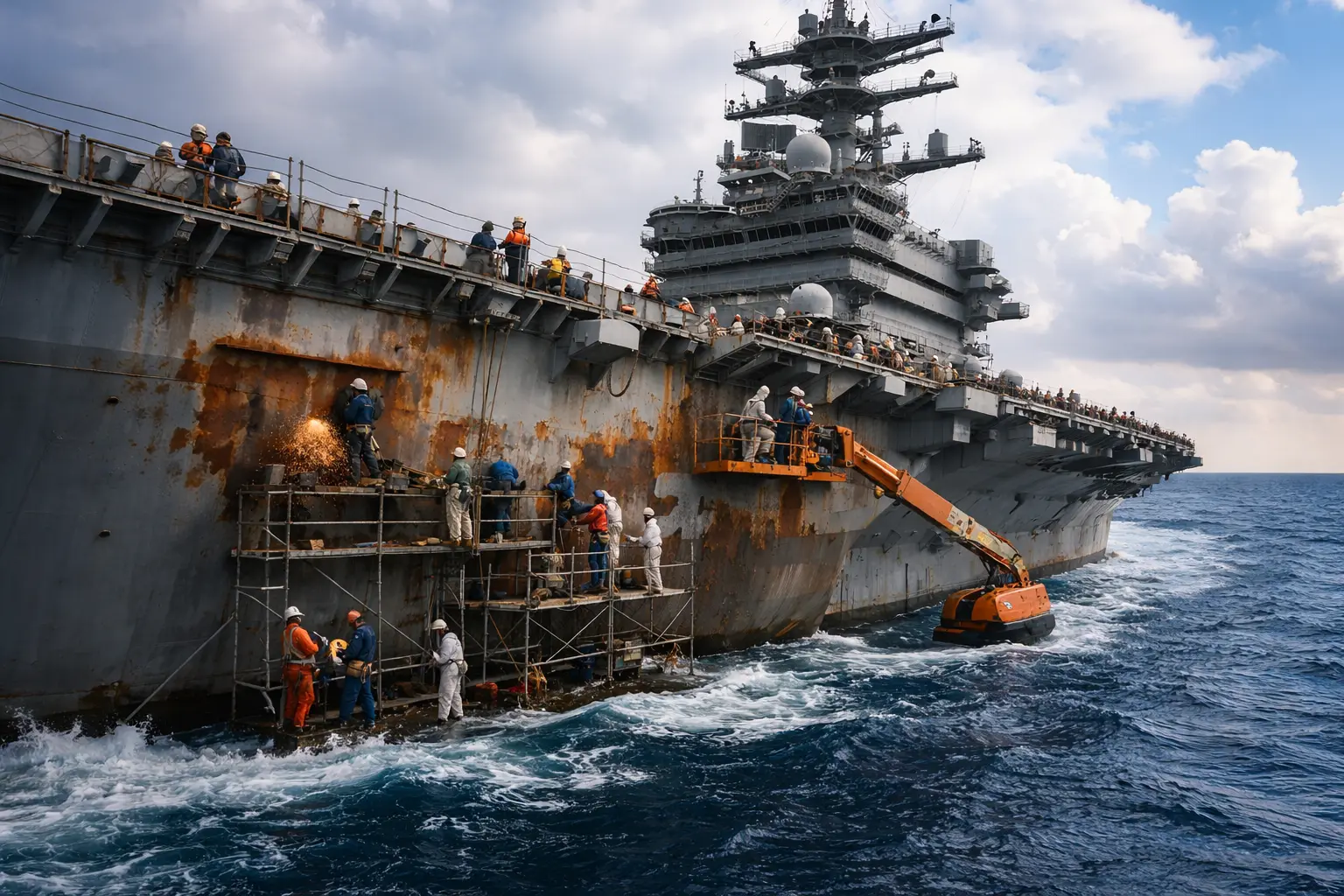
Salt destroys vital electronics
The invisible threat does not stop at the hull; salt fog also invades the ship’s sensitive radar and sensor systems. If salt particles infiltrate the electronics, they can cause short circuits and permanent damage to defence arrays. This requires the crew to use advanced air filtration and dehumidifiers to protect internal components from the humid air.
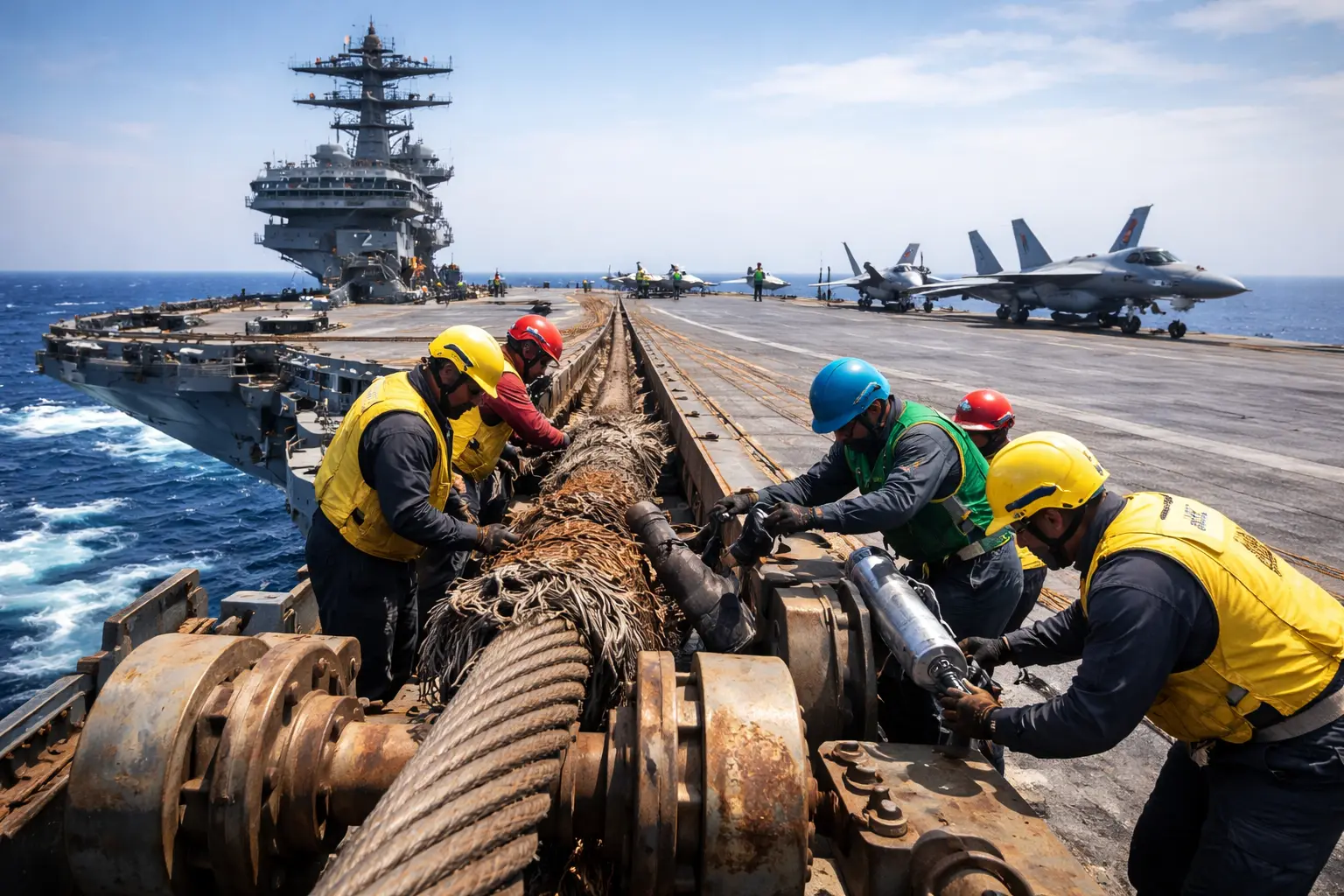
Rs 8 Billion Jets at Risk
The carrier’s air wing, typically consisting of up to 75 advanced aircraft, faces a constant threat from "corrosion-assisted fatigue." Salt spray during high-speed take-offs and landings can weaken the aluminium 7075 airframes of F-35C stealth jets and MH-60 helicopters.
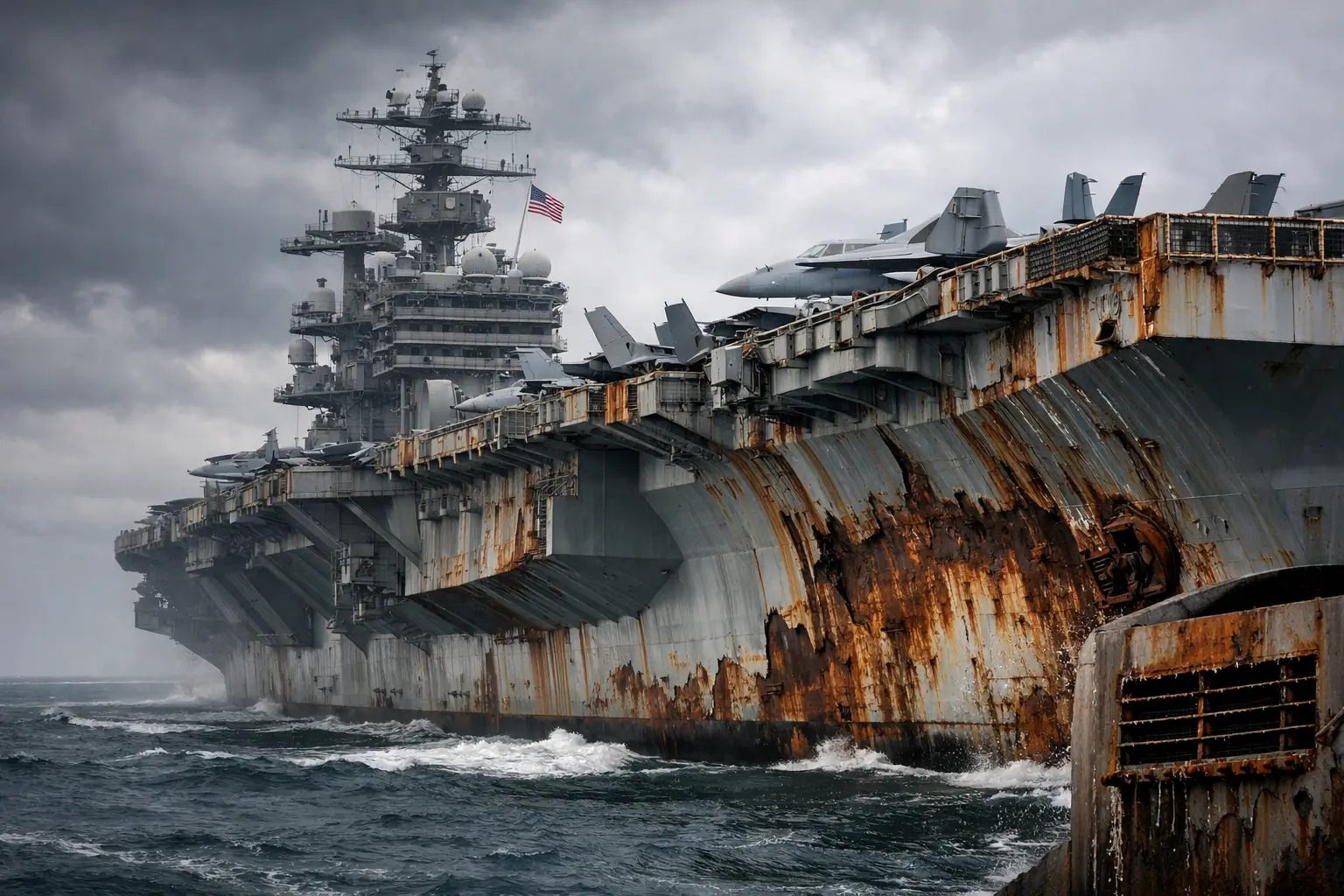
Advanced dry air pumps
To fight hidden rust deep inside the hull, the Navy uses specialised dry air pump systems. These machines control humidity in sealed compartments to stop the oxidation process before it starts. This technology is a vital line of defence, helping to preserve the nuclear-powered carrier for its intended 50-year service life.
)
)
)
)
)